

Udzungwa Mountains National Park
By the Foot Slopes Tours and Safaris team
Our Arusha-based guides and safari planners know Udzungwa Mountains National Park first-hand, and write this guide from experience on the ground.
Udzungwa Mountains National Park, Tanzania
Udzungwa Mountains National Park protects around 1,990 square kilometres of ancient Eastern Arc rainforest in south-central Tanzania, rising from about 250 metres to 2,576 metres at Luhombero Peak. Established in 1992, it is proudly the largest and most biodiverse forest park in the Eastern Arc chain, home to endemic primates, rare birds, tumbling waterfalls and misty ridges. There are no roads inside the park, so every adventure happens on foot with an experienced park ranger beside you. Foot Slopes Tours and Safaris designs private tailor-made Udzungwa journeys, combining forest hiking with classic savanna safaris in Mikumi, Ruaha and Nyerere.
Why Udzungwa Is Unique
Udzungwa feels completely different from Tanzania's famous savanna parks. Instead of open plains and game drives, you walk beneath towering rainforest trees, listen for monkeys calling across valleys and cool off beside waterfalls. The Eastern Arc Mountains have been forested for millions of years, allowing plants and animals to evolve in isolation, so many species here live nowhere else on Earth. Scientists are still describing exciting new discoveries here today. Explore what makes Udzungwa special below, then let your planner design a private itinerary that balances hiking, wildlife, birding and relaxation at a pace that suits you perfectly.
Ancient Eastern Arc Forest
HighlightMillions of years of isolation
The Eastern Arc Mountains are among Africa's oldest mountain ranges, and their forests have remained stable for millions of years. This long isolation produced extraordinary levels of endemism, earning global recognition as a biodiversity hotspot. Udzungwa is the largest protected block in the chain, conserving lowland, submontane and montane forest within one continuous, unbroken altitudinal gradient.
Udzungwa Facts →Endemic Primates
HighlightRed colobus and Sanje mangabey
Udzungwa is one of Africa's most important primate parks. The Udzungwa red colobus and the endangered Sanje mangabey are found only in this region, while Angolan black-and-white colobus, Sykes' monkeys and yellow baboons are also common. Remote forests even shelter the rare kipunji, a monkey first announced to science in 2005 and very rarely seen by visitors.
Udzungwa Wildlife →Sanje Waterfall
HighlightFalls of around 170 metres
Sanje Waterfall plunges roughly 170 metres down a forested cliff and is the park's most famous sight. A guided hike climbs through rainforest to viewpoints above and beside the falls, with sweeping views across the Kilombero Valley. Many hikers cool off in natural pools along the way before returning to the trailhead near Mang'ula for lunch.
Udzungwa Photos →Forest Birding
HighlightEndemic partridge and sunbird
More than 400 bird species have been recorded in Udzungwa, including the Udzungwa forest partridge, discovered only in 1991, and the rufous-winged sunbird. Hornbills, turacos, sunbirds and forest robins reward patient walkers. Birding is best in the early morning, when the forest is cool, the light is soft and calls fill the green forested valleys.
Udzungwa Birds →Explored on Foot
HighlightRanger-guided trails only
Udzungwa has no roads inside the forest, so every visit is a guided walk with a park ranger. Trails range from gentle one-hour strolls near headquarters to challenging multi-day treks with camping. Walking slowly and quietly lets you notice details often missed from vehicles, including insects, fungi, orchids, tracks, birdsong and primate calls high overhead in the canopy.
How to Get There →Hidden Small Wonders
HighlightNew species in recent decades
Udzungwa continues to surprise scientists. The grey-faced sengi, a giant elephant shrew, was first photographed by camera traps here and formally described by scientists in 2008. Chameleons, frogs, butterflies and many plants found only in the Eastern Arc add fascinating detail to every walk, especially for curious travellers, wildlife photographers and keen amateur naturalists on guided walks.
Forest Wildlife →A Timeline of Udzungwa Discoveries
Few protected areas in Africa have produced so many remarkable scientific discoveries in such a short time. Since the 1980s, researchers exploring Udzungwa's remote forests have described new birds, a new primate record and even a new giant elephant shrew. This exceptional richness helped lead to national park status in 1992, and the forests continue to attract biologists from around the world. The timeline below highlights key milestones that have shaped Udzungwa's reputation as an ark of evolution, reminding every visitor that its forests still hold secrets waiting to be found by patient eyes, careful researchers and future generations.
Rufous-winged sunbird
A sunbird new to science is described from Udzungwa forest.
Forest partridge found
Researchers discover the Udzungwa forest partridge, later linked to Asian relatives.
National park
Udzungwa Mountains is gazetted as a national park.
Kipunji announced
A new monkey, the kipunji, is announced, with a population in Udzungwa.
Grey-faced sengi
A giant elephant shrew first caught on camera traps is formally described.
Top Experiences in Udzungwa
Udzungwa rewards active travellers who enjoy walking, wildlife and wild scenery. Most visitors hike to the famous Sanje Waterfall, while shorter trails suit relaxed explorers and longer treks challenge experienced hikers. Primate tracking and birding add real depth to every walk, and the nearby Kilombero Valley offers wide views, wetlands and authentic rural life. Explore the top experiences below, then let your safari planner combine them into a private tailor-made itinerary that matches your fitness, interests and available time, with expert rangers, comfortable lodges near Mang'ula and seamless transfers from Mikumi or Dar es Salaam throughout your journey.
Sanje Waterfall Hike
HighlightHalf-day rainforest adventure
This classic hike climbs steadily through rainforest to the spectacular Sanje Waterfall, usually taking around four to six hours for the full round trip. Expect steep sections, slippery steps after rain and wonderful views across the Kilombero Valley. Primates and forest birds are often seen along the trail, and natural pools offer a refreshing break near the falls.
Best Time to Visit →Prince Bernhard Falls
HighlightShort trail near headquarters
For a gentle introduction, the Prince Bernhard Falls trail starts close to park headquarters at Mang'ula and takes about an hour. It passes through shady lowland forest to a pretty waterfall, offering good chances to see monkeys, colourful butterflies and forest birds. It suits families, senior travellers and anyone wanting a relaxed taste of the forest.
Park Fees →Mwanihana Peak Trek
HighlightMulti-day mountain adventure
Serious hikers can tackle the trek towards Mwanihana Peak, usually over two or three days with camping. The route climbs through several forest zones into cooler montane habitat with sweeping views. Your planner arranges permits, porters, ranger escort and equipment, so you can focus completely on the scenery, wildlife, fresh mountain air and personal achievement.
Malaria & Safety →Primate Tracking
HighlightColobus, mangabeys and monkeys
Walking quietly with a ranger offers excellent chances to watch Udzungwa red colobus feeding high in the canopy and black-and-white colobus leaping between trees. Sanje mangabeys are shyer and usually found by listening for calls. Early mornings are usually best, and patience brings close, natural encounters that photographers and wildlife lovers treasure deeply and remember.
Udzungwa Wildlife →Kilombero Valley Views
HighlightFarms, rivers and wetlands
Below the escarpment, the vast Kilombero Valley spreads out in a patchwork of farms, rivers and wetlands. Viewpoints on the Sanje trail reveal its scale, while drives along the valley edge show rural Tanzanian life. The floodplain also attracts many waterbirds, adding welcome variety for keen birders exploring beyond the forest edge after morning hikes.
Udzungwa Birds →When to Visit Udzungwa
Udzungwa can be visited all year, but trail conditions change with the seasons. The dry season from June to October brings cooler temperatures, firmer paths and the most comfortable hiking, making it the most popular time. From November to May, the wet season turns the forest lush and green, waterfalls flow strongly and birdlife is especially active, although trails become muddy and slippery. The heaviest rains usually fall from March to May. Use the season bar below to plan your visit, then ask your planner which months best suit your hiking goals, fitness and wider Tanzania safari route.
Jun – Oct · Dry season
Cooler, firmer trails and the most comfortable hiking. Best for Sanje Waterfall and multi-day treks.
Nov – Feb · Green season
Lush forest, strong waterfalls and lively birdlife, with regular showers and muddier paths.
Mar – May · Long rains
Heaviest rain and slippery trails. Shorter walks are wiser, with very few visitors.
Plan a Private Tailor-Made Udzungwa Safari
Udzungwa sits on the edge of the Kilombero Valley, around 350 kilometres from Dar es Salaam and a short drive south of Mikumi National Park. This makes it easy to combine rainforest hiking with classic savanna safaris on one private itinerary. Most travellers spend one or two nights near Mang'ula, enough for the Sanje Waterfall hike and a shorter trail or primate walk. Popular combinations include Mikumi, Ruaha and Nyerere, with an optional Zanzibar beach finale at the end. Foot Slopes Tours and Safaris arranges private vehicles, expert guides, lodges, park permits and seamless transfers for every private journey.
Popular Udzungwa Safari Packages
Hand-picked southern circuit itineraries that combine with the Udzungwa Mountains, tailored privately by Foot Slopes Tours and Safaris.
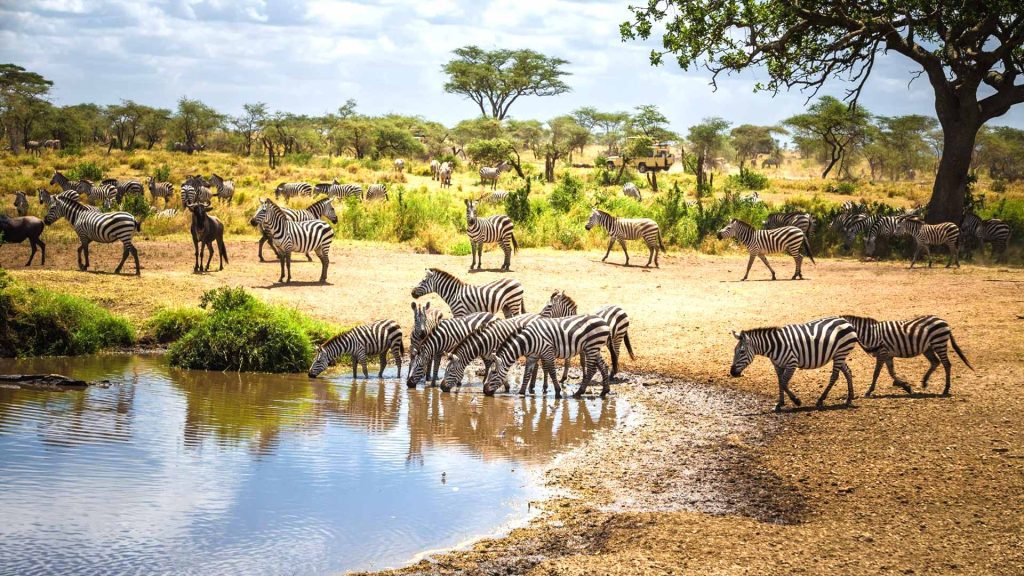
6-Day Tanzania Southern Circuit Safari
A six-day fly-in safari linking Nyerere's Rufiji River boat safaris with Ruaha's vast wilderness.
View Package →
11-Day Best Of Southern Tanzania Safari
An eleven-day journey through Nyerere, Mikumi, Udzungwa, and Ruaha's finest southern-circuit wildlife.
View Package →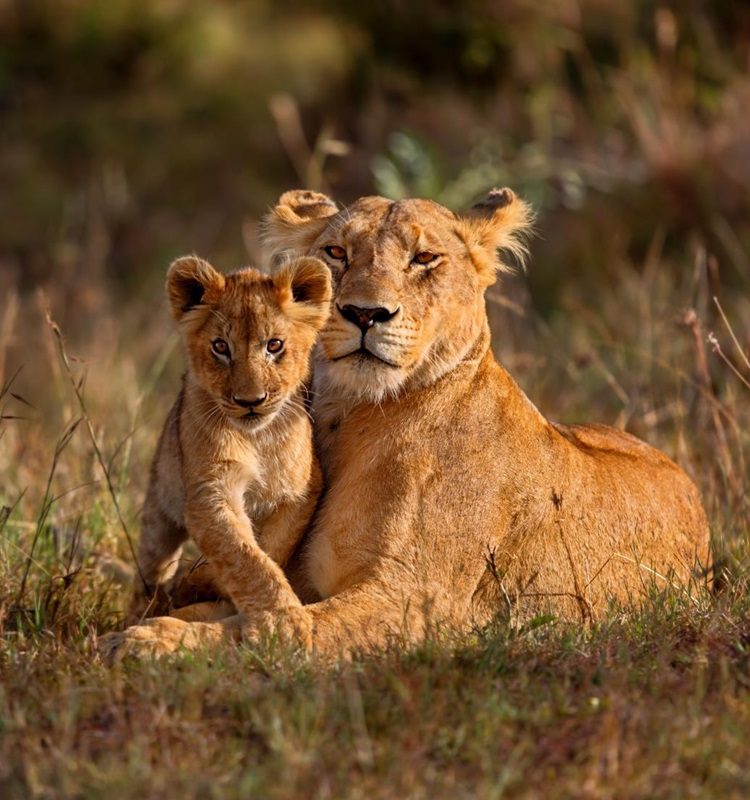
7-Day Southern Tanzania Safari
A seven-day circuit through Nyerere, Mikumi, and the Udzungwa Mountains' rainforest and wildlife.
View Package →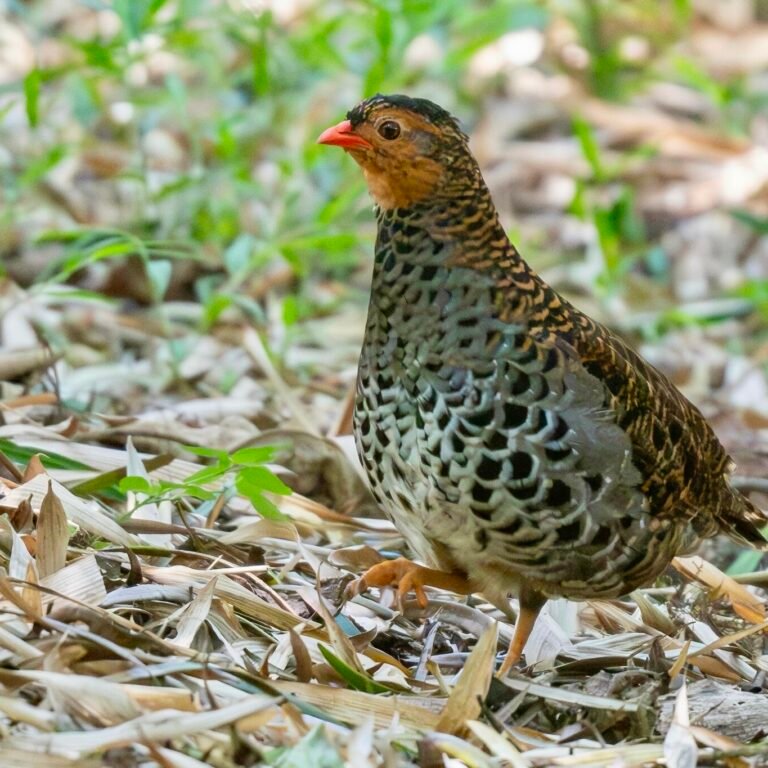
Tailor-Make Your Udzungwa Safari
Tell us your dates, pace and interests, and we will plan a private Udzungwa itinerary just for you.
Explore →Udzungwa Mountains National Park Planning Guides
Udzungwa Mountains National Park: Frequently Asked Questions
Where is Udzungwa Mountains National Park located?
Udzungwa Mountains National Park sits in south-central Tanzania's Morogoro and Iringa regions, part of the Eastern Arc Mountains chain that runs along the edge of the Great Rift Valley. It lies roughly 350 to 400 kilometers, or about a 6 to 7 hour drive, southwest of Dar es Salaam, and about 65 kilometers southwest of Mikumi town, making it a natural add-on to a southern-circuit safari. The park covers the steep, forested slopes rising abruptly from the Kilombero Valley floor, forming a dramatic green wall visible for miles. Its closest neighboring parks are Mikumi and, further afield, Ruaha and Nyerere National Park.
How big is Udzungwa Mountains National Park?
Udzungwa Mountains National Park covers approximately 1,990 square kilometers of steep, forested terrain rising from around 300 meters at the Kilombero Valley floor to over 2,576 meters at Mwanihana Peak, one of Tanzania's most dramatic elevation gradients within a single protected area. Established in 1992, it is the largest of the thirteen forest blocks that make up the Eastern Arc Mountains, though only a small fraction near its eastern boundary, around Sanje village, is developed for hiking. Most of the park remains dense, roadless rainforest and montane forest, accessible only on foot with a licensed ranger guide.
Why is Udzungwa different from Tanzania's other safari parks?
Udzungwa is different because it is explored on foot through rainforest rather than by vehicle across open savanna. Unlike the Serengeti, Ngorongoro, Tarangire, or Ruaha, Udzungwa has no game-drive road network and no resident populations of lion, elephant, or the classic Big Five; its core habitat is dense montane and lowland rainforest cut by rivers and waterfalls. Visitors hike marked forest trails with a ranger guide, watching for primates, forest birds, butterflies, and rare endemic species rather than scanning grasslands for predators. It rewards travelers seeking cool, misty highland scenery, birding, and biodiversity over classic big-game viewing.
Why are there no vehicle game drives in Udzungwa?
There are no vehicle game drives in Udzungwa because the park protects dense, steep rainforest with no interior road network suitable for safari vehicles. The terrain rises sharply from the valley floor into forested ridgelines, and the trails that exist were built for foot traffic, not for four-wheel-drive tracks like those crisscrossing savanna parks. Vehicles simply cannot access most of the forest interior, and doing so would damage this fragile, biodiverse habitat. Instead, all exploration happens on guided hiking trails ranging from short one-hour walks to a full-day round trip to Sanje Falls, led by licensed park rangers.
Why is Udzungwa called the "African Galapagos"?
Udzungwa is nicknamed the "African Galapagos" because of its extraordinarily high level of endemism, species found nowhere else on Earth, concentrated within a relatively small forested area, much like the Galapagos Islands' unique wildlife. The park has yielded new-to-science discoveries including the Sanje mangabey and the highland mangabey, plus numerous endemic plants, amphibians, and forest birds found only within the Eastern Arc Mountains. Isolated for millions of years as Africa's climate shifted around it, these forests functioned as an evolutionary refuge, allowing lineages far older than those of the Himalayas to survive and diversify undisturbed.
What makes Udzungwa part of the Eastern Arc Mountains biodiversity hotspot?
Udzungwa is part of the Eastern Arc Mountains, a chain of ancient crystalline massifs stretching from southern Kenya through Tanzania that is recognized as a globally significant, UNESCO-noted biodiversity hotspot. These mountains are geologically older than the Himalayas and have remained forested and climatically stable for millions of years, allowing plants and animals to evolve in isolation. Udzungwa is the largest and most biodiverse block in the chain, harboring more endemic vertebrate species than any other Eastern Arc forest. This deep evolutionary history is why the range supports such a dense concentration of unique species.
What primates live in Udzungwa Mountains National Park?
Udzungwa is home to several primates found nowhere else, most notably the Udzungwa red colobus and the Sanje mangabey, both endemic to these forests and considered critically endangered. Other primates include the Angolan black-and-white colobus, Sykes' monkey, yellow baboon, and various galago (bushbaby) species active at night. The park's isolation over millions of years allowed these species to evolve independently of populations elsewhere in East Africa, making primate sightings here scientifically significant rather than simply scenic. Guided forest hikes, particularly along the Sanje Falls and Prince Bernhard trails, offer the best chances of spotting these rare species.
What are Sanje Falls and how difficult is the hike?
Sanje Falls is Udzungwa's signature attraction, a dramatic multi-tiered waterfall cascading roughly 170 meters down forested cliffs near Sanje village, among the tallest waterfalls in Tanzania. The full round-trip hike to the upper viewpoint takes around 4 to 6 hours through humid rainforest on a steep, well-marked trail, rated moderate to strenuous depending on fitness and weather. A shorter 2 to 3 hour option reaches a lower viewpoint with still-impressive views for visitors wanting less exertion. Sturdy footwear, water, and a licensed ranger guide are required, and the trail can be slippery during Tanzania's wet season.
What other hiking trails exist in Udzungwa Mountains National Park?
Beyond Sanje Falls, Udzungwa offers several other ranger-guided trails, including the Prince Bernhard Waterfall Trail, a shorter half-day option through lowland forest, and the more demanding Mwanihana Peak trail, a multi-day trek to the park's highest point at 2,576 meters with camping en route. Njokamoni Falls offers an easy, family-friendly short walk near the park entrance. Serious hikers can also arrange the multi-day Lumemo Trail through the park's remote interior. Trail difficulty and length vary widely, so Udzungwa suits everyone from casual day visitors to experienced trekkers seeking a genuine multi-day rainforest expedition.
What birds can I see in Udzungwa?
Udzungwa is one of Tanzania's premier birding destinations, hosting over 400 recorded bird species, including several found only within the Eastern Arc Mountains, such as the Udzungwa forest partridge, discovered as new to science in 1991, and the rufous-winged sunbird. Other highlights include the Iringa akalat, Swynnerton's robin, and a wide range of turacos, hornbills, and forest raptors moving through the dense canopy. Because the forest is explored slowly on foot rather than from a vehicle, birders get close, unhurried looks at species rarely seen elsewhere in East Africa, making Udzungwa a must for keen birders.
When is the best time to visit Udzungwa Mountains National Park?
The best time to visit Udzungwa is during the dry seasons, June through October and January through February, when trails are firmer, less slippery, and easier to hike, and visibility through the canopy is better. The long rains, March through May, bring heavier downpours that can make steep sections of the Sanje Falls trail difficult and the forest floor very muddy, though the waterfalls themselves are at their most dramatic. Regardless of season, expect humid, warm conditions typical of tropical rainforest, and bring rain-ready gear year-round since Udzungwa's high rainfall is exactly what sustains its rich biodiversity.
How do I get to Udzungwa Mountains National Park?
Udzungwa Mountains National Park is typically reached by road from Dar es Salaam or Mikumi, a drive of roughly 6 to 7 hours from Dar es Salaam or about 1.5 hours from Mikumi along the Tanzania-Zambia Highway to the town of Mang'ula, where the park headquarters and main trailheads are located. There is no airstrip directly at Udzungwa, though travelers can fly into Mikumi or Dar es Salaam and continue by road transfer. Most visitors combine Udzungwa with a wider southern-circuit itinerary, arriving overland after or before visiting Mikumi, Ruaha, or Nyerere National Park as part of one trip.
Can Udzungwa be combined with Mikumi, Ruaha, or Nyerere National Park?
Yes, Udzungwa combines naturally with Tanzania's southern circuit parks since it lies just off the main highway connecting them. Mikumi is roughly 1.5 hours away, making a one- or two-night Udzungwa hiking stop easy to add before or after Mikumi's game drives. Nyerere National Park and Ruaha require longer transfers or a fly-in connection but pair well on multi-day southern-circuit itineraries that mix Udzungwa's rainforest hiking with classic savanna game viewing elsewhere. This combination gives travelers a fuller picture of southern Tanzania, contrasting Udzungwa's forest trails and endemic wildlife with the Big Five game drives of its neighboring parks.
Does Foot Slopes Tours and Safaris offer guided hikes in Udzungwa Mountains National Park?
Yes, Foot Slopes Tours and Safaris arranges guided hikes and multi-day itineraries in Udzungwa Mountains National Park, including the Sanje Falls trail, shorter forest walks, and combinations with Mikumi, Ruaha, and Nyerere as part of southern-circuit safaris. Trips are led by licensed local guides familiar with the park's trail network, primate habits, and birding hotspots, and can be tailored to fitness level and available time, from a half-day waterfall walk to a multi-day trek toward Mwanihana Peak. Transport, park fees, and ranger guide arrangements are handled as part of the booking, so travelers arrive with everything organized in advance.
Why book an Udzungwa Mountains trip with Foot Slopes Tours and Safaris?
Foot Slopes Tours and Safaris is a Tanzania-based operator with direct, on-the-ground experience planning southern-circuit itineraries that include Udzungwa's rainforest hiking alongside more traditional savanna parks. Because Udzungwa requires careful trail selection, timing, and ranger coordination rather than a simple game-drive booking, local operator knowledge matters more here than in a standard park visit. The team builds itineraries around each traveler's fitness level and interests, whether that is a short waterfall walk or a serious multi-day trek, and coordinates transport, permits, and accommodation as one seamless trip rather than leaving travelers to arrange each piece separately.
What is included in an Udzungwa tour with Foot Slopes Tours and Safaris?
An Udzungwa tour with Foot Slopes Tours and Safaris typically includes ground transport to and from the park, park entrance and guide fees, a licensed ranger guide for all trail hiking, and accommodation recommendations near Mang'ula or combined with a wider southern-circuit itinerary. Meals, packed lunches for full-day hikes, and drinking water are arranged as part of the package, along with flexible trail selection based on group fitness and time available. Specific inclusions vary by itinerary length and whether Udzungwa is booked as a standalone add-on or bundled with Mikumi, Ruaha, or Nyerere National Park visits.
Is Foot Slopes Tours and Safaris a locally based Tanzania safari operator?
Yes, Foot Slopes Tours and Safaris is a locally based Tanzania safari operator with on-the-ground teams and guides familiar with both the northern and southern safari circuits, including specialized destinations like Udzungwa Mountains National Park that require trail and ranger coordination beyond standard game-drive logistics. This local presence allows for direct relationships with park authorities, guides, and lodges, more flexible itinerary planning, and faster problem-solving during a trip than booking through an overseas intermediary. Travelers working directly with a Tanzania-based team benefit from firsthand destination knowledge across savanna parks and rainforest destinations alike.
Plan Further: Udzungwa Mountains National Park Guides & Resources
Explore Udzungwa Mountains National Park
- Udzungwa Mountains National Park Wildlife
- Birds of Udzungwa Mountains National Park
- Best Time to Visit Udzungwa Mountains National Park
- Udzungwa Mountains National Park Weather & Climate
- How to Get to Udzungwa Mountains National Park
- Udzungwa Mountains National Park Malaria & Safety
- Udzungwa Mountains National Park Safari Tours
Plan Your Udzungwa Mountains National Park
Tell us your dates, style, and preferred parks, and we will build the perfect itinerary around you.
Book Now Online →What Our Travelers Say
Real 5-star reviews from guests who traveled with us
Our Private African luxury Safari experience with Foot Slopes Tours and Safaris was nothing short of exceptional. From the very beginning, owner Gabriel was incredibly responsive, making the entire booking process smooth and stress-free. Gabriel went above and
We had an incredible private safari experience with Foot Slopes Tours and Safaris. Their office staff was very helpful and informative, and they communicated very well. Our pick-ups to and from the airport were on time and hassle-free, an unforgettable Safari
Foot Slopes Tours and Safaris is truly one of the best local tour companies in Tanzania. From start to finish, their service was professional, reliable, and personalized. The team went above and beyond to make sure every detail of our trip was perfect. Our saf
Our family chose Foot Slopes Tours and Safaris for a custom 11-day safari itinerary, and we couldn’t be happier with our choice! Everything from our initial inquiry to building our custom itinerary to pre-departure and on-trip support was top quality. Communic