Ruaha National Park ranks among Tanzania's foremost birding destinations, with more than 570 recorded species, one of the highest species counts of any national park in the country. This extraordinary diversity stems from Ruaha's unique transition-zone location, where East African savanna avifauna meets species typical of the miombo woodlands and dry country of southern Africa, producing checklists found nowhere else on the northern safari circuit. Birders can expect the Ruaha red-billed hornbill, a range-restricted specialty found almost exclusively in this corner of Tanzania, alongside raptors such as Eleonora's falcon, bateleur, and martial eagle hunting over open grassland and kopjes. The Great Ruaha River and its riverine forest draw kingfishers, herons, and African skimmers, while the miombo woodland interior supports specials like the racket-tailed roller and pale-billed hornbill. Whether visiting for general wildlife viewing or a dedicated birding safari, Ruaha rewards patient observers with an exceptional mix of resident, migrant, and near-endemic species across every habitat type.
The Ruaha red-billed hornbill is the park's headline birding specialty, a range-restricted subspecies found almost nowhere else in Tanzania. Its dry-country form favors baobab-studded woodland and riverine fringe, often seen in noisy family parties near camps and lodges. Alongside it, birders regularly encounter the ashy starling, another near-endemic, plus yellow-collared lovebirds and localized hornbill relatives across Ruaha's varied acacia-commiphora and miombo habitats.
Ruaha supports one of Tanzania's richest raptor assemblages, with over 50 species recorded. Bateleur, martial eagle, and tawny eagle patrol open grassland and kopjes, while Eleonora's falcon passes through as a scarce migrant hunting insects over the woodland canopy. Augur buzzards, gymnogenes, and several vulture species exploit the park's abundant game, and dense miombo interior holds specialized hunters like the African hawk-eagle and dark chanting goshawk.
The Great Ruaha River and its seasonal pools anchor Ruaha's wetland birding, drawing African skimmers, pied and giant kingfishers, and goliath herons to exposed sandbanks and pools. Egyptian geese, saddle-billed storks, and African fish eagles patrol the water's edge, while dense riverine forest shelters trumpeter hornbills, narina trogon, and white-fronted bee-eaters, concentrating dramatically as the dry season lowers water levels.
Ruaha's bird list swells dramatically between November and April, when Palearctic migrants like European rollers, steppe eagles, and various warblers and waders arrive to exploit the wet-season abundance of insects and standing water. Intra-African migrants including carmine bee-eaters and various cuckoo species also pass through, overlapping with resident breeding activity to make the green season a rewarding, if less-visited, time for serious birders.
Ruaha's position at the meeting point of East and southern African biomes means many species reach the northern edge of their range here, unavailable on Tanzania's northern safari circuit. Miombo-associated birds such as the racket-tailed roller, pale-billed hornbill, and Böhm's bee-eater occur alongside southern specials like the Arnot's chat, giving Ruaha a distinctly different, southern-flavored checklist compared to the Serengeti or Ngorongoro.
The Mwagusi and Mdonya sand rivers, the Ruaha River gorge, and the Msembe area offer the park's richest concentrations of species, particularly at dawn when activity peaks. The dry season (June-October) delivers reliable sightings along shrinking water sources, while the wet season (November-April) brings migrants and breeding plumage. Early-morning walking safaris and slow game drives with an experienced birding guide maximize species counts.
Hand-picked southern circuit itineraries featuring Ruaha National Park, tailored privately by Foot Slopes Tours and Safaris.

A six-day fly-in safari linking Nyerere's Rufiji River boat safaris with Ruaha's vast wilderness.
View Package →
An eleven-day journey through Nyerere, Mikumi, Udzungwa, and Ruaha's finest southern-circuit wildlife.
View Package →
A seven-day circuit through Nyerere, Mikumi, and the Udzungwa Mountains' rainforest and wildlife.
View Package →
A seven-day safari exploring quieter parks away from the crowds.
View Package →
An authentic eight-day safari experience across classic Tanzania destinations.
View Package →
An eight-day journey across Tanzania's most remarkable wildlife areas.
View Package →
A budget-friendly seven-day camping safari without compromising on wildlife.
View Package →
An eleven-day itinerary designed specifically for solo safari travelers.
View Package →Ruaha National Park hosts more than 570 recorded bird species, one of the highest totals of any protected area in Tanzania and among the richest in East Africa. This exceptional diversity reflects the park's location at a biogeographic transition zone, where East African savanna avifauna overlaps with species typical of southern Africa's miombo woodlands. Habitats ranging from the Great Ruaha River and its riverine forest to open grassland, baobab-studded hills, and dense woodland interior each support distinct bird communities. Serious birders visiting Ruaha can realistically expect to record well over 100 species during a focused multi-day safari.
Ruaha's birding appeal lies in its position at the crossroads of East and southern African biomes, producing a checklist unmatched by parks on Tanzania's northern safari circuit. Species typical of Kenyan and northern Tanzanian savanna occur alongside southern African miombo specialists rarely found in the Serengeti or Ngorongoro ecosystem, giving Ruaha a genuinely distinct avifaunal character. The park's varied habitats, baobab woodland, riverine forest along the Great Ruaha River, open grassland, and rocky kopjes, support this diversity across a compact, uncrowded wilderness. Combined with low visitor numbers and exceptional wildlife density, Ruaha offers a rewarding, largely undiscovered birding safari.
The Ruaha red-billed hornbill is one of the park's flagship birding specialties, a red-billed hornbill population restricted almost entirely to this pocket of southern Tanzania and adjacent areas, making it unavailable on the northern safari circuit. It favors baobab-studded woodland and riverine fringe habitat, typically seen in noisy family groups foraging on the ground or perched in scattered trees near camps and lodges. Birders specifically targeting range-restricted species treat this hornbill as a must-see, often locating it within the first day or two of a dedicated Ruaha birding itinerary with an experienced local guide.
Ruaha supports one of Tanzania's richest raptor communities, with over 50 species recorded across its open grassland, riverine forest, and miombo woodland habitats. Martial eagle, bateleur, and tawny eagle hunt over the plains and kopjes, while augur buzzards and dark chanting goshawks work woodland edges. Eleonora's falcon appears as a scarce passage migrant, hawking insects over the tree canopy during its long-distance migration. Several vulture species, including white-backed and hooded vultures, exploit the park's abundant game populations, making Ruaha one of Tanzania's premier destinations for serious raptor-focused birding.
The Great Ruaha River and its seasonal sandbanks and pools form the park's most productive wetland birding zone. African skimmers nest on exposed sandbars, while pied and giant kingfishers, goliath herons, and saddle-billed storks work the shallows for fish. African fish eagles call from riverside trees, and Egyptian geese and various waders gather at drying pools as the dry season progresses. Dense riverine forest lining the banks shelters trumpeter hornbills, narina trogon, and white-fronted bee-eaters. As water levels drop between June and October, birdlife concentrates dramatically along the remaining river channel.
Ruaha rewards birders year-round, but the two main seasons offer different experiences. The dry season, June through October, concentrates resident species and raptors along the shrinking Great Ruaha River and remaining waterholes, delivering excellent visibility and reliable sightings alongside outstanding general wildlife viewing. The wet, green season from November to April brings Palearctic and intra-African migrants, breeding plumage, and dramatic increases in overall species counts, though roads can be challenging. Dedicated birders often prefer the wet season for volume of species, while first-time visitors usually favor the dry season.
Yes, Ruaha hosts significant seasonal migration alongside its resident bird population. Palearctic migrants, including European rollers, various warblers, steppe eagles, and shorebirds, arrive between November and April to exploit the wet season's insect abundance and temporary water bodies. Intra-African migrants such as carmine bee-eaters and several cuckoo species also pass through or breed locally during this period. Eleonora's falcon is a notable scarce passage migrant recorded hunting over the woodland canopy. This seasonal influx substantially boosts Ruaha's already impressive species count, making the green season a particularly rewarding window for birders chasing a longer checklist.
Ruaha's location at the meeting point of East and southern African biomes means numerous species reach the northern limit of their range within the park, occurring nowhere else on Tanzania's popular northern safari circuit. Miombo woodland specialists such as the racket-tailed roller, pale-billed hornbill, and Böhm's bee-eater appear here alongside southern African species like the Arnot's chat and various miombo-associated sunbirds. This overlap gives Ruaha a distinctly different, southern-flavored bird checklist compared to the Serengeti, Ngorongoro, or Tarangire, making it essential for any birder compiling a comprehensive Tanzania species list.
The Mwagusi and Mdonya sand rivers, the Ruaha River gorge near Msembe, and the miombo woodland tracks in the park's southern reaches consistently produce the richest species counts. Riverine forest sections along the Great Ruaha River concentrate kingfishers, herons, and hornbills, while open grassland areas favor raptors and ground-dwelling species. Dawn and the first hours after sunrise deliver peak activity across all these zones. Walking safaris, permitted in select areas of Ruaha, allow closer observation and better hearing of calls than vehicle-based drives, especially valuable for birders targeting specific woodland specialties.
A specialist birding guide dramatically improves results in Ruaha, given the park's habitat diversity and the number of visually similar or call-only species. Experienced local guides know the specific territories of range-restricted birds like the Ruaha red-billed hornbill, recognize calls in dense woodland where visibility is limited, and can time game drives or walking safaris around peak activity periods. While general safari guides can point out common and conspicuous species, travelers with a serious species list in mind benefit substantially from booking a dedicated birding guide for their Ruaha itinerary.
Ruaha and the Serengeti offer complementary rather than overlapping birding experiences. The Serengeti's grassland and Mara River ecosystem favor classic East African savanna species and huge migratory bird concentrations tied to the wildebeest migration. Ruaha, by contrast, sits at a transition zone between East and southern African biomes, delivering miombo woodland specialists, southern-range species, and the near-endemic Ruaha red-billed hornbill unavailable further north. Birders aiming for a comprehensive Tanzania checklist typically gain the most by combining both parks in one itinerary, since each destination contributes a meaningfully different set of species.
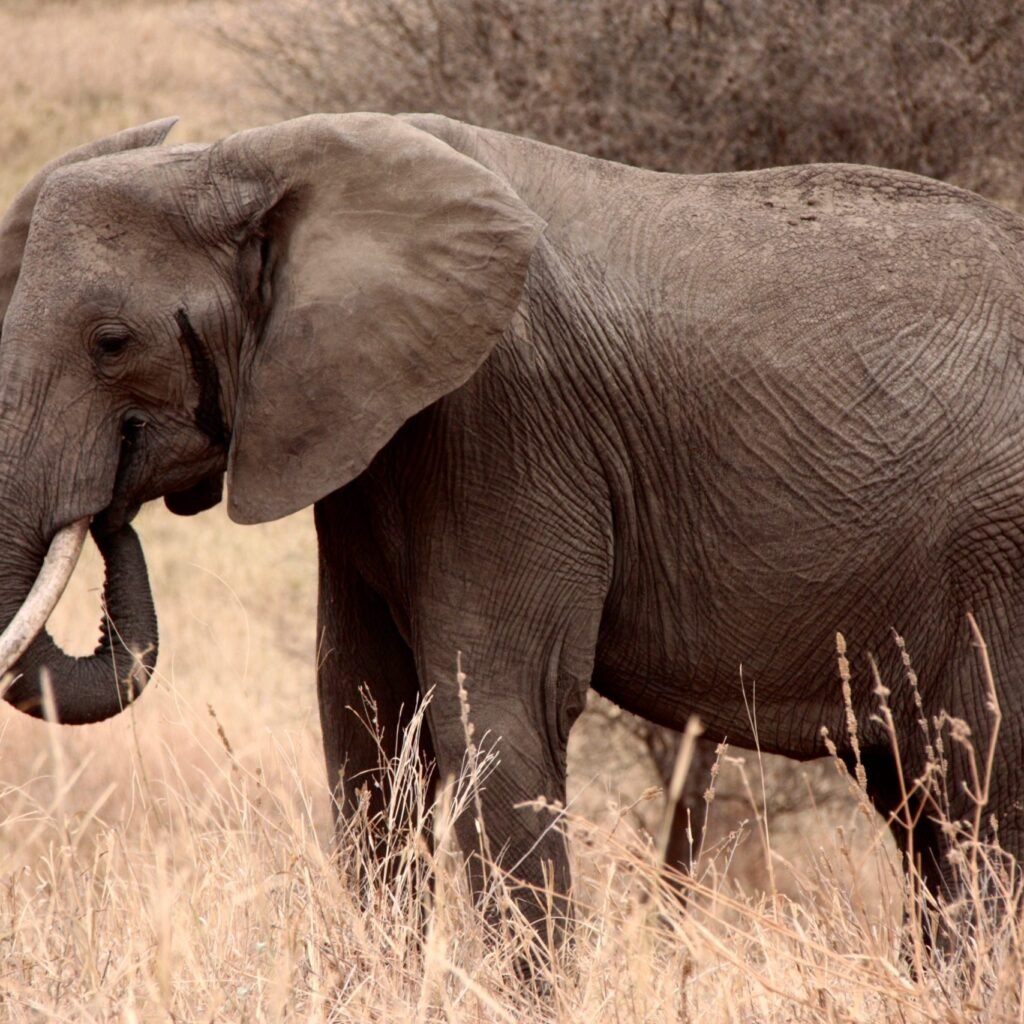
Yes, Ruaha is exceptionally well suited to combining serious birding with general wildlife viewing, since the park also holds East Africa's largest elephant population, some of Tanzania's biggest lion prides, and strongholds of African wild dog, kudu, and sable antelope. Game drives naturally produce excellent bird sightings alongside big game, and dedicated birding stops or walking safaris can be built into a broader itinerary without sacrificing mammal viewing time. This makes Ruaha an efficient choice for travelers who want a strong species list without committing to an exclusively birding-focused safari.
A quality pair of binoculars, ideally 8x42 or 10x42, is essential, along with a field guide or birding app covering East and southern African species. Neutral-colored clothing helps avoid startling birds during walking safaris, and a lightweight rain layer is worthwhile during the wet season migrant period. A notebook or phone for logging sightings, a camera with adequate zoom for distant raptors, and sun protection for long early-morning outings round out the essentials. Foot Slopes Tours and Safaris can advise on Ruaha-specific packing needs as part of trip planning.
Foot Slopes Tours and Safaris designs Ruaha itineraries around genuine birding priorities rather than generic game-drive templates, sequencing camps, walking safaris, and drive routes to maximize time in the park's richest habitats at peak activity hours. As a locally rooted Tanzania operator, the team understands Ruaha's seasonal patterns, specific territories for range-restricted species like the Ruaha red-billed hornbill, and how to balance dedicated birding with outstanding general wildlife viewing. Personalized planning, honest guidance on realistic species expectations, and direct communication make Foot Slopes Tours and Safaris a trusted choice for travelers serious about their Ruaha birding results.
Foot Slopes Tours and Safaris can arrange guides with strong ornithological expertise for Ruaha itineraries, matching travelers with local specialists experienced in the park's transition-zone birdlife, from miombo woodland species to riverine and raptor specialties. The team works directly with clients before departure to understand target species and experience level, then structures game drives, walking safaris, and camp choices accordingly. This attentive, needs-based planning approach, rather than a one-size-fits-all package, reflects the company's broader commitment to tailoring every Tanzania safari, birding-focused or otherwise, around what each traveler actually wants to see.
Foot Slopes Tours and Safaris combines deep, on-the-ground Tanzania knowledge with genuinely personalized itinerary planning, avoiding the rigid, one-size-fits-all packages common among larger operators. Every safari, including specialist itineraries like Ruaha birding trips, is built around direct conversation with the traveler about interests, pace, and budget rather than a fixed template. Transparent pricing, responsive communication before and during the trip, and a focus on lesser-visited, high-value destinations like Ruaha set the company apart from operators concentrated solely on the crowded northern circuit, building a strong reputation for reliability and genuine local expertise.
Yes, Foot Slopes Tours and Safaris regularly plans and operates itineraries into Ruaha National Park, drawing on established relationships with camps and guides throughout the park's varied habitats, from the Great Ruaha River corridor to the southern miombo woodland. This hands-on familiarity allows the team to recommend the right season, camp location, and activity mix, whether the priority is birding, big cats, elephants, or a combination of all three. Travelers benefit from itinerary advice grounded in actual knowledge of Ruaha's seasonal rhythms, making Foot Slopes Tours and Safaris a well-suited operator for this specific destination.
Tell us your dates, style, and preferred parks, and we will build the perfect itinerary around you.
Book Now Online →Real 5-star reviews from guests who traveled with us
Our Private African luxury Safari experience with Foot Slopes Tours and Safaris was nothing short of exceptional. From the very beginning, owner Gabriel was incredibly responsive, making the entire booking process smooth and stress-free. Gabriel went above and
We had an incredible private safari experience with Foot Slopes Tours and Safaris. Their office staff was very helpful and informative, and they communicated very well. Our pick-ups to and from the airport were on time and hassle-free, an unforgettable Safari
Foot Slopes Tours and Safaris is truly one of the best local tour companies in Tanzania. From start to finish, their service was professional, reliable, and personalized. The team went above and beyond to make sure every detail of our trip was perfect. Our saf
Our family chose Foot Slopes Tours and Safaris for a custom 11-day safari itinerary, and we couldn’t be happier with our choice! Everything from our initial inquiry to building our custom itinerary to pre-departure and on-trip support was top quality. Communic