
Health
Malaria Prevention
Sleep under a mosquito net where provided, use insect repellent, and wear long sleeves after dusk. Always consult a doctor or travel clinic before departure about antimalarial options suited to you.
By the Foot Slopes Tours and Safaris team
Our Arusha-based guides and safari planners know Nyerere National Park first-hand, and write this guide from experience on the ground.
Planning a safari to Nyerere National Park includes a bit of health and safety preparation, just like any trip to a malaria-risk region of East Africa. Tanzania's Rufiji River, the park's signature boat-safari route, adds a rewarding water-based dimension to the experience alongside traditional game drives, and it is enjoyed safely every season by travelers of all ages when guided by experienced operators. Sensible preparation covers general topics such as mosquito-bite prevention, sun and heat protection, safe drinking water, and appropriate travel insurance. Because personal health needs vary widely, Foot Slopes Tours and Safaris always recommends that every traveler consult a doctor or accredited travel clinic well before departure to discuss vaccinations, antimalarial options, and any other precautions suited to their individual health, trip length, and travel dates.
A quick overview for planning your Nyerere National Park safari
Sleep under a mosquito net where provided, use insect repellent, and wear long sleeves after dusk. Always consult a doctor or travel clinic before departure about antimalarial options suited to you.
Rufiji River boat safaris are calm and reassuring on standard routes. Life jackets are provided for every guest, and boats are led by experienced, licensed operators and guides.
Always follow your guide's instructions. Keep a safe distance from hippos and crocodiles near the river, and stay inside your vehicle or boat unless a guide says otherwise.
Wear a wide-brimmed hat, sunglasses, and sunscreen, and drink water throughout the day. Rest during the hottest midday hours between morning and afternoon activities.
Vaccination needs vary by traveler and origin country. Consult a doctor or accredited travel clinic well before departure to confirm what is recommended for your trip.
Carry comprehensive travel insurance that includes medical treatment and emergency evacuation coverage for your Nyerere National Park safari, including boat and game-drive activities.
Hand-picked southern circuit itineraries featuring Nyerere National Park, tailored privately by Foot Slopes Tours and Safaris.
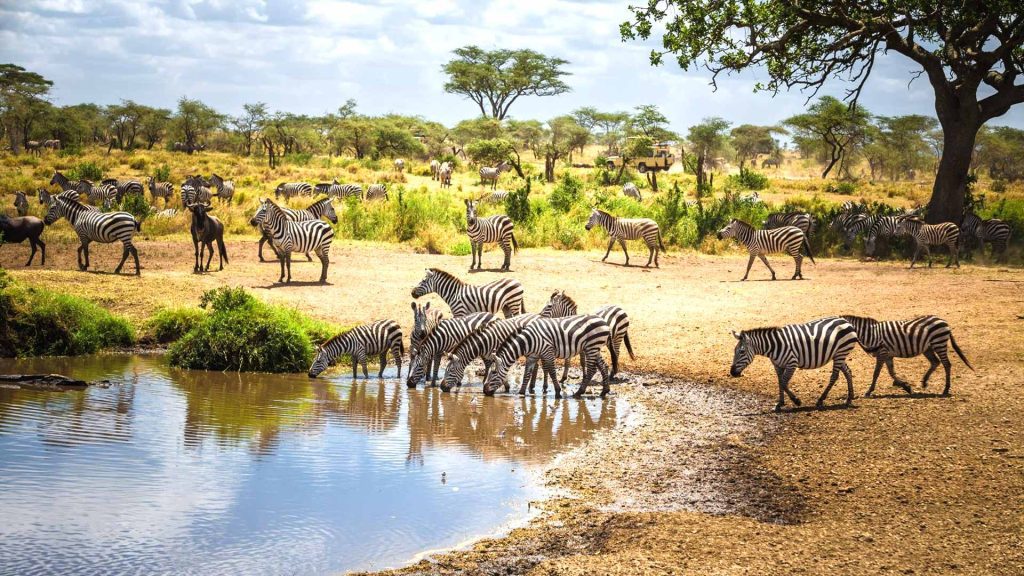
A six-day fly-in safari linking Nyerere's Rufiji River boat safaris with Ruaha's vast wilderness.
View Package →
An eleven-day journey through Nyerere, Mikumi, Udzungwa, and Ruaha's finest southern-circuit wildlife.
View Package →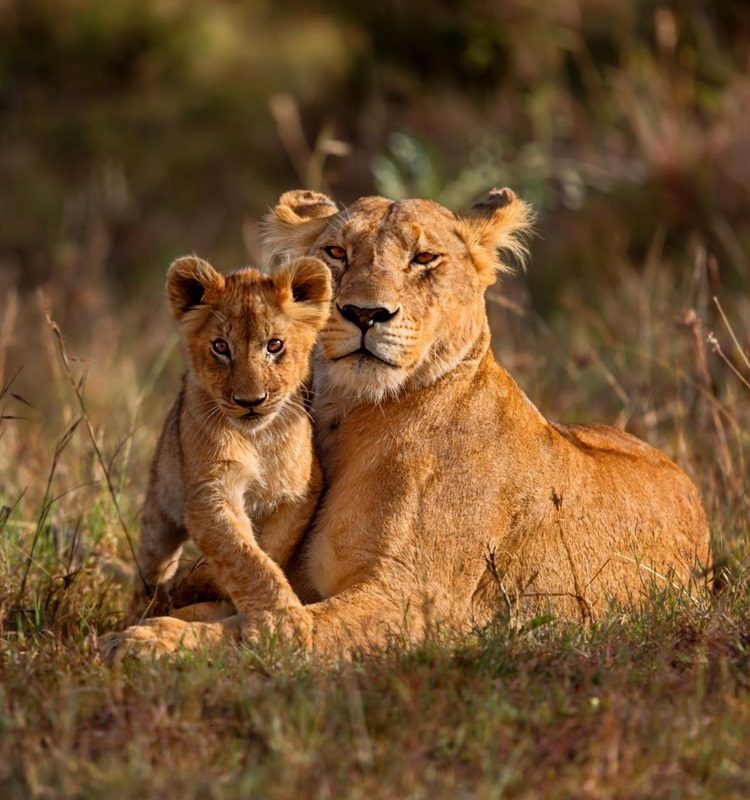
A seven-day circuit through Nyerere, Mikumi, and the Udzungwa Mountains' rainforest and wildlife.
View Package →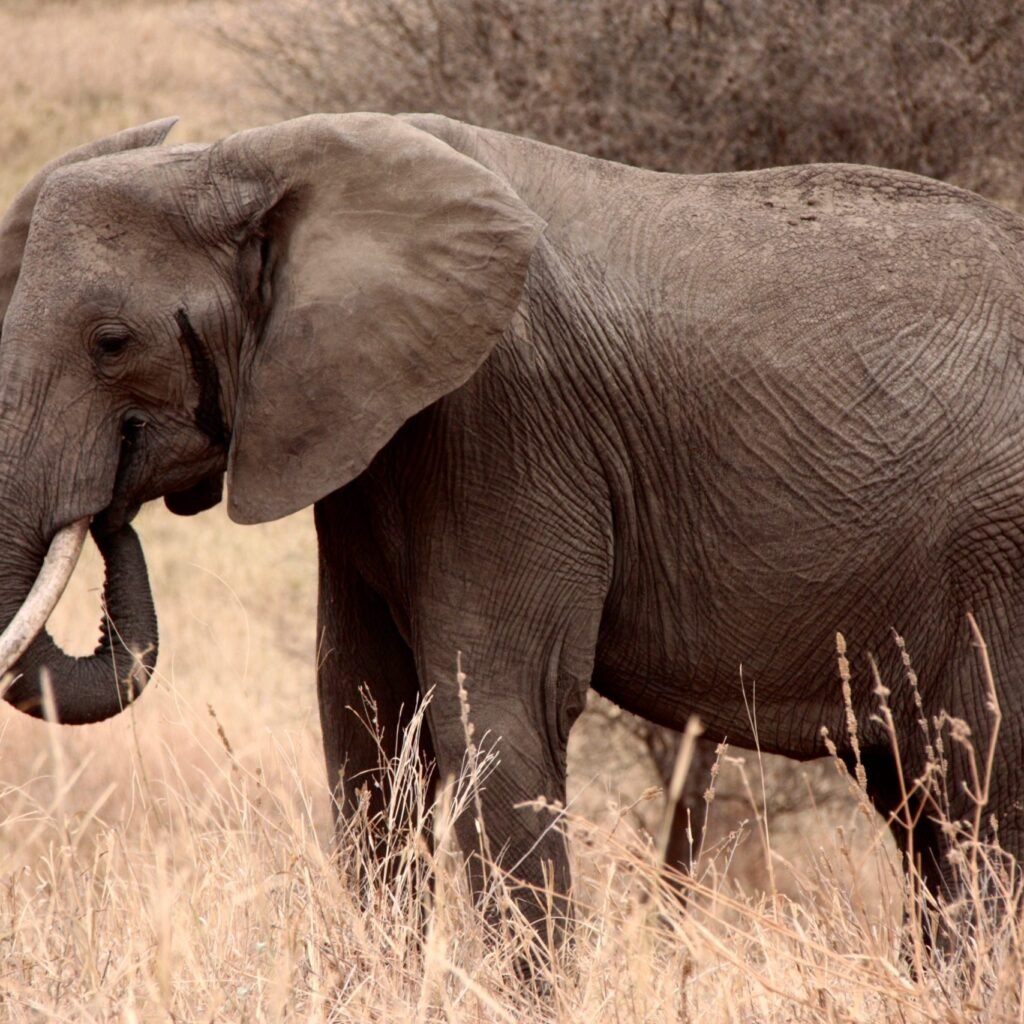
A seven-day safari exploring quieter parks away from the crowds.
View Package →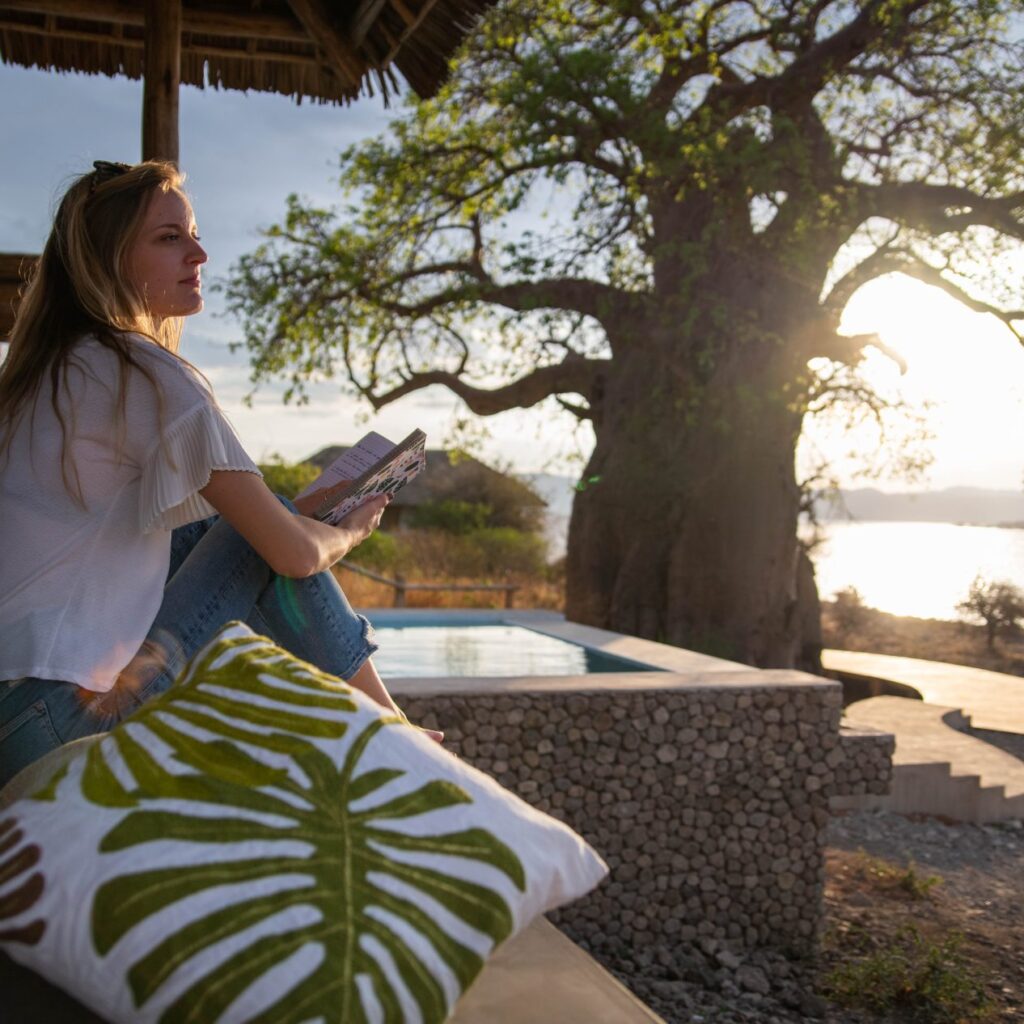
An authentic eight-day safari experience across classic Tanzania destinations.
View Package →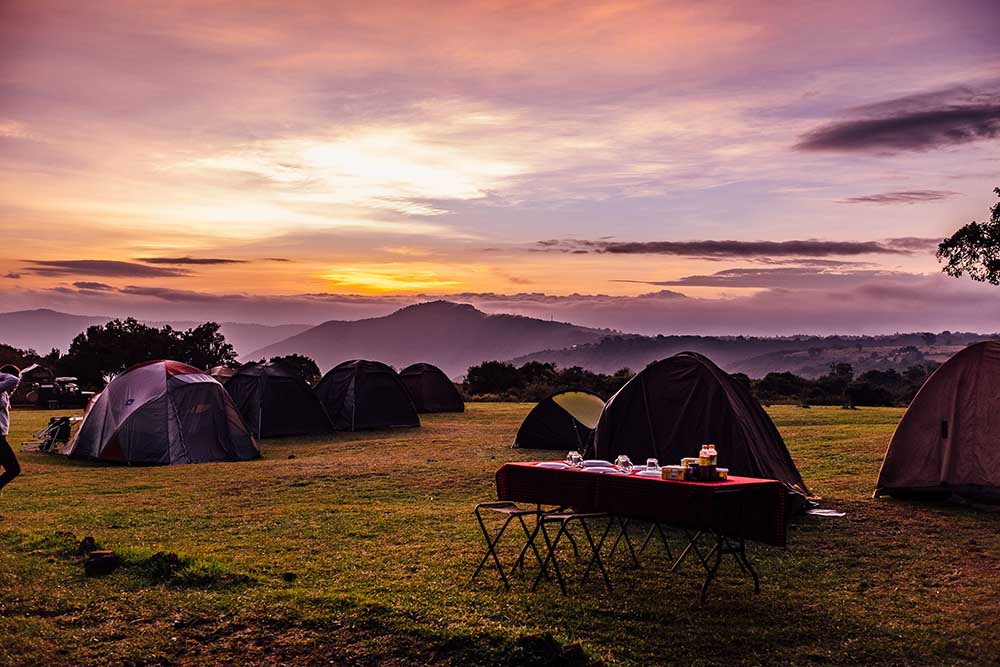
An eight-day journey across Tanzania's most remarkable wildlife areas.
View Package →
A budget-friendly seven-day camping safari without compromising on wildlife.
View Package →An eleven-day itinerary designed specifically for solo safari travelers.
View Package →Malaria is present in most of mainland Tanzania, including the Nyerere National Park region, so travelers should treat prevention as a standard part of pre-trip planning rather than an afterthought. Risk levels vary by season and rainfall, with mosquito activity generally increasing after rains and around dusk through dawn. Personal risk depends on factors such as health history, pregnancy, age, and length of stay, so there is no single answer for every traveler. The most reliable step is consulting a doctor or travel clinic several weeks ahead, so they can recommend prevention measures suited to your itinerary and overall health.
General mosquito-bite prevention centers on covering exposed skin, especially after dusk, using long sleeves, long trousers, and closed shoes during evening hours around camps and lodges. Sleeping under a treated mosquito net where provided, using insect repellent on exposed skin, and keeping tent or room screens closed at night also help reduce exposure considerably. Many camps in and around Nyerere use netting, screening, and evening mosquito control as standard practice. These habits work alongside professional medical guidance, so travelers should still consult a doctor or travel clinic about antimalarial options appropriate to their health, trip length, and travel dates.
Most doctors and travel clinics recommend a pre-travel consultation at least four to six full weeks before departure, allowing time to discuss health history, review recommended vaccinations, and consider antimalarial options if appropriate. Earlier consultations give more flexibility, particularly for travelers with existing medical conditions, those traveling with young children, or anyone needing preventive measures that must begin before departure. Last-minute travelers should still see a doctor or travel clinic as soon as possible rather than skip the step entirely. Because recommendations are personalized, a travel health professional remains the best source for guidance tailored to your Nyerere itinerary.
Rufiji River boat safaris in Nyerere National Park are a well-established, generally safe activity when operated by experienced, licensed operators following standard safety practice. Boats are typically smaller, shallow-draft vessels suited to calm river conditions on the standard viewing routes, and trips are led by trained boat captains and guides familiar with the river's channels and wildlife patterns. Life jackets are provided and passengers are briefed on safety procedures before departure. As with any water-based activity, travelers should follow crew instructions at all times and communicate any health or mobility concerns beforehand so the operator can plan the experience appropriately.
Standard safety equipment on Rufiji River boat safaris includes life jackets for every passenger, fitted and checked carefully before the boat departs on its scheduled route. Boats used for these safaris are operated by licensed, experienced captains and are suited to the calm conditions found along the standard game-viewing stretches of the river. Guides provide a safety briefing covering boarding and seating, and they monitor weather and river conditions throughout the outing. Following crew instructions, remaining seated while the boat is moving, and keeping arms and hands inside the vessel are simple habits that support a safe, enjoyable trip.
Hippos and crocodiles are a normal, expected part of the Rufiji River environment, and experienced boat guides manage encounters by maintaining a safe, respectful distance and reading animal behavior carefully before approaching any stretch of open water. Guides recognize warning signs, such as a hippo surfacing or becoming agitated, and reposition the boat well before that becomes a genuine concern. Passengers are asked to stay seated, keep hands and cameras inside the boat, and follow crew instructions at all times. With an experienced operator on a standard route, sightings are a highlight of the trip rather than a danger.
General wildlife-viewing safety in Nyerere National Park starts with following your guide's instructions at all times, since guides are trained to read animal behavior and choose safe viewing distances. On game drives, this means staying inside the vehicle unless a guide clearly says it is safe to step out, keeping noise levels down, and not offering food to wildlife. On boat safaris, it means remaining seated and keeping a respectful distance from hippos, crocodiles, and other animals along the riverbank. These simple habits, combined with an experienced guide's judgment, keep wildlife encounters both memorable and safe throughout your safari.
Specific vaccination and yellow fever certificate requirements depend on your home country, travel history, and personal health, so they should always be confirmed directly with a doctor or accredited travel clinic before departure rather than assumed from general guidance. Tanzania's yellow fever certificate requirement typically applies to travelers arriving from certain countries, and requirements can change, so checking current rules with a travel clinic or embassy well ahead of your trip is important. A pre-travel health consultation is the most reliable way to confirm which vaccinations or documentation apply specifically to your Nyerere National Park itinerary and travel dates.
Drinking water safety in Nyerere National Park follows the same general precautions recommended across most of Tanzania: travelers are generally advised to drink only bottled or properly treated water rather than untreated tap water. Most camps and lodges in and around the park provide bottled or filtered drinking water for guests, and safari vehicles typically carry a supply during game drives and boat outings. Avoiding ice of uncertain origin and being cautious with untreated river water are sensible general habits. For personal guidance on water precautions suited to your health, a doctor or travel clinic remains the best resource.
Sun and heat exposure can be significant in Nyerere National Park, particularly during open-vehicle game drives and river boat safaris where shade is limited for large parts of the day. Recommended precautions include wearing a wide-brimmed hat, sunglasses, and lightweight long-sleeved clothing, applying and reapplying sunscreen regularly, and drinking water consistently throughout the day rather than only when thirsty. Scheduling rest during the hottest midday hours, when many camps pause between morning and afternoon activities, also helps considerably. These are general comfort and safety measures; anyone with heat-sensitive medical conditions should discuss additional precautions with a doctor before traveling.
Comprehensive travel insurance, including medical and emergency evacuation coverage, is strongly recommended for any Nyerere National Park safari, particularly given the park's more remote setting compared with some other Tanzanian parks. Suitable coverage should include emergency medical treatment, medical evacuation by air where necessary, trip cancellation or interruption, and coverage for planned activities such as boat safaris and game drives. Because policies vary widely in what they cover and exclude, travelers should review policy details carefully or speak with their insurance provider before departure. Carrying proof of coverage and emergency contact details throughout your trip is also good general practice.
Tsetse flies are present in parts of Nyerere National Park and some surrounding woodland areas, and their bites can be uncomfortable, so general precautions are worth taking. Wearing neutral-colored clothing, since tsetse flies are known to be attracted to dark colors and bright blues, along with long sleeves and trousers, can reduce exposure during game drives. Applying insect repellent to exposed skin and avoiding brushing directly against thick bush where flies rest are additional sensible habits. If you have specific concerns about insect bites or reactions, discussing them with a doctor or travel clinic before your trip is recommended.
A practical health and safety packing list for a Nyerere National Park safari includes lightweight long-sleeved clothing and trousers in neutral tones, a wide-brimmed hat, sunglasses, and sunscreen for sun protection. Insect repellent, a basic personal first-aid kit with any personal medications, and hand sanitizer are also sensible additions. Comfortable closed shoes suit both camp walks and boat safaris, while a light jacket helps with cooler mornings and evenings on the river. Since personal medical needs vary, travelers should pack any prescribed items as advised by their own doctor and carry a copy of key health documents while traveling.
Foot Slopes Tours and Safaris prioritizes guest safety on Rufiji River boat safaris by working only with experienced, licensed boat operators who maintain their vessels well and follow established river safety procedures closely. Every guest is provided with a properly fitted life jacket and a safety briefing before departure, and outings are scheduled on the calmer, standard viewing stretches of the river rather than unpredictable conditions. Guides continuously monitor weather, river levels, and wildlife activity throughout the trip. This structured, guide-led approach allows guests to enjoy close wildlife encounters, including hippos and crocodiles, while safety remains the constant priority.
Guides used by Foot Slopes Tours and Safaris for Nyerere National Park safaris are experienced professionals trained in wildlife behavior, first-aid basics, and safe guiding practice across game drives and river boat safaris. Many have years of on-the-ground experience navigating the park's terrain, river channels, and seasonal wildlife patterns, allowing informed, safety-first decisions during every excursion. This experience includes reading animal behavior around hippos, crocodiles, elephants, and other wildlife, and knowing when to maintain distance or reposition a vehicle or boat. That depth of local knowledge is central to how Foot Slopes Tours and Safaris delivers safe, well-managed experiences.
Foot Slopes Tours and Safaris equips its game drives and safari vehicles with standard safety essentials, including first-aid kits, communication equipment for staying in contact with camps and other vehicles, and ample drinking water for guests. Vehicles are maintained and checked regularly, and drivers and guides are briefed on park routes and current wildlife activity before each outing. On river excursions, this same safety-first approach carries through with life jackets and trained boat crews. Together, this equipment and preparation reflect a broader operating standard that places guest wellbeing and safety at the center of every Nyerere National Park itinerary.
Foot Slopes Tours and Safaris builds Nyerere National Park itineraries with sensible pacing, allowing guests reasonable rest between game drives, boat safaris, and travel days rather than overloading a schedule. Itineraries can also be adjusted to accommodate guests' individual health considerations, such as reduced activity levels, dietary needs, or mobility concerns, when communicated during planning. This includes coordinating with camps and lodges that can support specific needs and building in flexibility around midday heat. While itinerary planning supports overall wellbeing, guests should still consult a doctor before travel for guidance specific to their own health circumstances and any needed precautions.
Tell us your dates, style, and preferred parks, and we will build the perfect itinerary around you.
Book Now Online →Real 5-star reviews from guests who traveled with us
Our Private African luxury Safari experience with Foot Slopes Tours and Safaris was nothing short of exceptional. From the very beginning, owner Gabriel was incredibly responsive, making the entire booking process smooth and stress-free. Gabriel went above and
We had an incredible private safari experience with Foot Slopes Tours and Safaris. Their office staff was very helpful and informative, and they communicated very well. Our pick-ups to and from the airport were on time and hassle-free, an unforgettable Safari
Foot Slopes Tours and Safaris is truly one of the best local tour companies in Tanzania. From start to finish, their service was professional, reliable, and personalized. The team went above and beyond to make sure every detail of our trip was perfect. Our saf
Our family chose Foot Slopes Tours and Safaris for a custom 11-day safari itinerary, and we couldn’t be happier with our choice! Everything from our initial inquiry to building our custom itinerary to pre-departure and on-trip support was top quality. Communic