Why You Need Kilimanjaro Travel Insurance
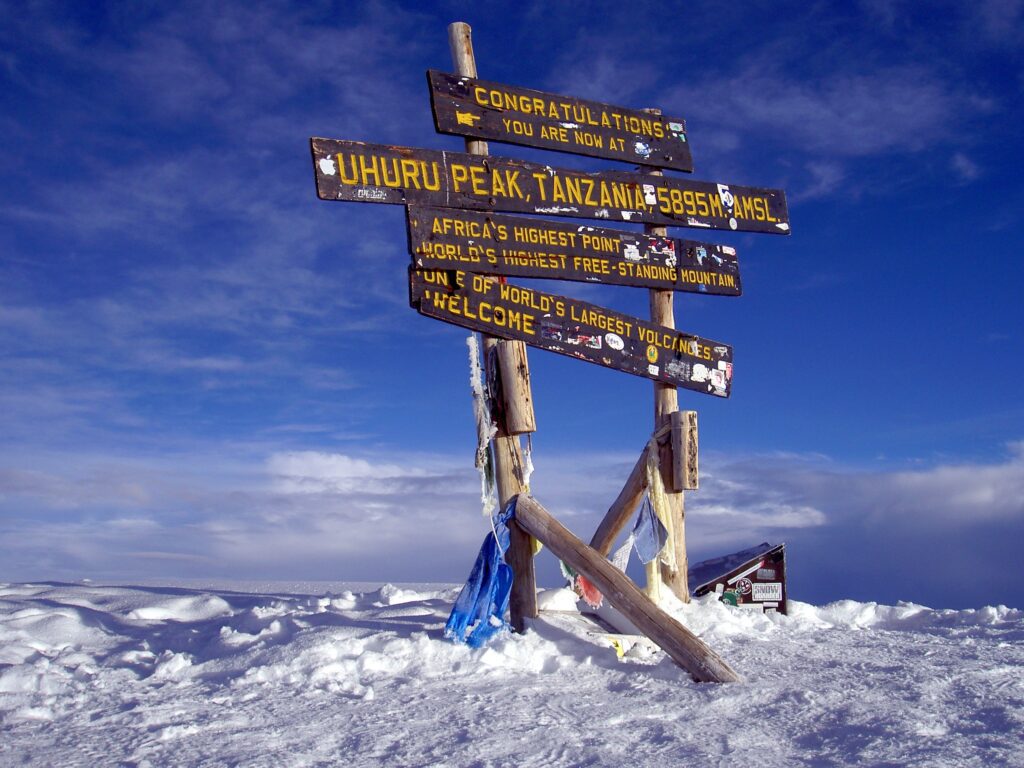
Climbing Mount Kilimanjaro is an extraordinary adventure, but reaching Uhuru Peak at 5,895 metres means trekking at high altitude, far from hospitals, in unpredictable mountain conditions. Even with excellent guides and careful acclimatisation, illness, injury or unexpected events can happen. That is why the right Kilimanjaro travel insurance is essential, protecting both your health and your investment. This guide explains why you need Kilimanjaro travel insurance, what your policy should cover, how to choose the right policy and the questions climbers ask most often, so you can focus on enjoying your private guided climb with complete peace of mind.
Do you need travel insurance to climb Kilimanjaro?
Yes, travel insurance is essential for climbing Kilimanjaro, and reputable operators require it. Your policy should cover high-altitude trekking up to 6,000 metres, emergency helicopter evacuation, overseas medical treatment, repatriation, trip cancellation and lost luggage. Many standard policies exclude trekking above a certain altitude, so always check the wording and declare any medical conditions before buying.
018 Reasons You Need Kilimanjaro Travel Insurance
Kilimanjaro is a non-technical mountain, but it is still a serious high-altitude trek in a remote environment. Altitude sickness, injuries, illness, severe weather, flight disruptions and personal emergencies at home can all affect your climb, and the costs of medical treatment, evacuation or cancellation can be very high without insurance. Understanding these risks shows why insurance matters so much. The eight cards below explain the key reasons you need Kilimanjaro travel insurance, from altitude sickness and remote evacuation to medical costs, policy exclusions, cancellations, lost gear and operator requirements. Insurance is a small investment that protects your entire adventure.
Altitude sickness can affect anyone
Altitude sickness can affect any climber, regardless of age or fitness. Mild symptoms such as headaches and nausea are common, but severe cases require immediate descent and sometimes evacuation and hospital treatment. Insurance ensures you can receive the care you need quickly, without worrying about the costs involved in an emergency on the mountain. Prevention helps.
Remote terrain and evacuation
Kilimanjaro's upper slopes are remote, and evacuating an injured or unwell climber can be complex. Park rescue teams can carry climbers down, but helicopter evacuation to a hospital is often faster in serious cases and can be very expensive. Comprehensive insurance with helicopter evacuation cover ensures you can be moved to safety quickly. Every minute matters.
Overseas medical costs
Many home health insurance plans provide limited or no cover overseas, and private medical treatment abroad can be costly. If you need hospital care in Moshi, Arusha or Nairobi, or repatriation home, travel insurance covers these costs. Without it, you could face large medical bills at the worst possible time, far from home. Protect yourself fully.
Standard policies may exclude altitude
Many standard travel insurance policies exclude trekking above a certain altitude, often well below Kilimanjaro's summit. If your policy does not specifically cover high-altitude trekking up to 6,000 metres, any claim on the mountain could be refused. Always read the policy wording carefully and choose cover designed for trekking and adventure travel. Never assume you are covered.
Trip cancellation and changes
Illness, injury, family emergencies or unexpected events could force you to cancel or cut short your trip. Cancellation and curtailment cover helps protect the money you have invested in your climb, flights and any safari extension. Buy insurance soon after booking, so you are protected from the moment your deposit is paid. Plan ahead carefully.
Flight delays and lost luggage
Long international journeys to Kilimanjaro International Airport often involve connections, and delays or lost luggage can disrupt your plans. Losing boots, a sleeping bag or warm clothing before a climb is especially stressful. Baggage and delay cover helps you replace essential gear quickly and rearrange travel if your flights are disrupted unexpectedly. Pack essentials in your carry-on.
Operators require it
Reputable Kilimanjaro operators require climbers to have valid travel insurance with high-altitude and evacuation cover before starting the trek. You may be asked to provide your policy details and emergency contact number at the pre-climb briefing. This ensures that, in an emergency, your guide can arrange help quickly and efficiently with your insurer. Have details ready.
Peace of mind for your adventure
Above all, good insurance gives you peace of mind. Knowing you are protected lets you focus on the climb, enjoy the scenery and give summit night your full energy. If you are adding a Tanzania safari or Zanzibar stay, make sure your policy covers the whole trip, from the day you leave home until you return. Climb confidently.
02What Your Kilimanjaro Travel Insurance Should Cover
Not all travel insurance policies are suitable for climbing Kilimanjaro. The right policy must specifically cover high-altitude trekking and include emergency evacuation, medical treatment and repatriation, as well as cancellation, baggage and travel disruption. If you are adding a safari or Zanzibar stay, your policy should cover the whole trip. Checking these essentials carefully before buying avoids unpleasant surprises if you ever need to claim. Use the tabs below to see exactly what your Kilimanjaro travel insurance should cover, from altitude limits and helicopter evacuation to medical costs, cancellation, gear and safari extensions. Compare policies carefully before buying.
High-Altitude Trekking Cover
Every Kilimanjaro climber
The most important feature
Your policy must cover trekking up to at least 6,000 metres, as Uhuru Peak stands at 5,895 metres. Check that trekking is covered without technical climbing equipment, which is not needed on Kilimanjaro's standard routes. Some insurers offer adventure or trekking add-ons. If the altitude limit is lower, claims on the mountain may be refused.
Kilimanjaro success rate →
Emergency Evacuation Cover
Climbers on every route
Fast transfer to medical care
Emergency evacuation cover should include helicopter rescue from the mountain and transfer to a suitable hospital. In serious cases, such as severe altitude sickness or injury, helicopter evacuation can save valuable time. Check the cover limit, whether evacuation must be approved by the insurer first and the emergency phone number to call. Every minute counts.
Kilimanjaro safety →
Medical Treatment and Repatriation
International travelers
Hospital care far from home
Your policy should cover emergency medical treatment, hospital stays, medication and medical repatriation to your home country if needed. Declare any existing medical conditions when buying, as undeclared conditions can invalidate claims. Choose generous medical limits, because private treatment and long-distance repatriation from East Africa can be extremely expensive for travelers. Never underinsure yourself abroad.
Altitude medicines →
Cancellation and Curtailment
Travelers booking early
Protect what you have paid
Cancellation cover protects your climb, safari and flight costs if you must cancel for a covered reason, such as illness, injury or a family emergency. Curtailment cover protects you if you must cut your trip short. Buy your policy soon after paying your deposit so you are protected from the very start of your booking.
Booking conditions →
Baggage, Gear and Travel Delays
Climbers with valuable gear
Replace essentials quickly
Baggage cover helps you replace lost, stolen or delayed luggage and essential climbing gear such as boots, sleeping bags and warm clothing. Travel delay cover can help with extra costs if flights are disrupted. Check single-item limits for cameras and electronics, and keep receipts and airline reports to support any claims you need to make.
Packing list →
Safari and Zanzibar Extensions
Climbers adding a safari
One policy for the whole journey
If you are combining your Kilimanjaro climb with a Tanzania safari or a Zanzibar beach stay, make sure your policy covers your entire trip, including all activities. Check cover for hot air balloon flights, snorkelling or diving if you plan to try them. One comprehensive policy is simpler and avoids gaps between different parts of your journey.
Tanzania safari packages →03How to Choose the Right Kilimanjaro Travel Insurance
Choosing travel insurance for Kilimanjaro can feel confusing, with different altitude limits, exclusions, cover levels and conditions to compare. A few simple checks make it much easier to find a policy that truly protects you on the mountain and throughout your trip. Taking time to read the details now avoids disappointment if you ever need to make a claim. The six cards below explain how to choose the right Kilimanjaro travel insurance, from checking altitude wording and evacuation cover to declaring medical conditions, timing your purchase, understanding exclusions and carrying your policy details on the climb. Choose wisely.
Read the altitude wording
Look for clear wording confirming that trekking up to 6,000 metres is covered. Some policies describe altitude limits in feet, and others cover trekking only with specific add-ons. If the wording is unclear, contact the insurer and ask for written confirmation that a guided Kilimanjaro climb to Uhuru Peak is fully covered by your policy.
Confirm helicopter evacuation
Make sure your policy specifically includes helicopter evacuation from the mountain, not just ambulance or air transfers between hospitals. Check the cover limit and the process for authorising an evacuation, and save the insurer's 24-hour emergency number in your phone. Give a copy to your guide so help can be arranged quickly if needed. It matters.
Declare medical conditions
Always declare existing medical conditions when buying your policy, even if they seem minor. Undeclared conditions can lead to refused claims. Speak with your doctor before climbing Kilimanjaro, especially if you have heart, lung or blood pressure concerns, and ask whether any medication you take could affect you at high altitude. Honesty always protects you.
Buy soon after booking
Buy your travel insurance as soon as you book your climb and pay your deposit. This ensures cancellation cover is in place from the start, protecting you if illness or an emergency forces you to cancel before you travel. Waiting until just before you travel can leave you unprotected for months. Buy your policy today.
Understand the exclusions
Read the exclusions section carefully. Common exclusions include trekking without a licensed guide, climbing above the stated altitude limit, injuries related to alcohol, undeclared medical conditions and unattended belongings. Some policies also exclude certain activities on safari or in Zanzibar. Knowing the exclusions helps you avoid behaviour that could invalidate a claim. Follow the rules.
Carry your policy details
Carry your policy number, emergency contact number and a summary of your cover with you on the mountain, both printed and saved on your phone. Give a copy to your guide at the pre-climb briefing. In an emergency, having these details ready allows your guide and the insurer to arrange help without delay. Stay prepared.
04Kilimanjaro Travel Insurance Checklist
A clear insurance checklist helps you choose the right policy and make sure nothing important is missing before you travel. It covers the essentials every Kilimanjaro climber needs, from altitude and evacuation cover to medical limits, cancellation, baggage and whole-trip protection for any safari or beach extension. It also reminds you to carry the right documents on the mountain. Use this checklist when choosing your Kilimanjaro travel insurance, then contact our team, who will plan a safe private guided climb with experienced mountain guides, daily health checks and full support. Never climb Kilimanjaro without proper travel insurance cover.
Essential cover0/4
Trip protection0/4
Before you climb0/4
05Kilimanjaro Travel Insurance: FAQs
Do I need travel insurance to climb Kilimanjaro?
Yes, travel insurance is essential for climbing Kilimanjaro, and reputable operators require proof of cover before you start the trek. Your policy should include high-altitude trekking up to 6,000 metres, emergency helicopter evacuation, medical treatment, repatriation, cancellation and baggage cover. Without it, you could face very high costs in an emergency on the mountain. Never climb uninsured.
What altitude should my Kilimanjaro insurance cover?
Your Kilimanjaro travel insurance should cover trekking up to at least 6,000 metres, because Uhuru Peak, the summit of Kilimanjaro, stands at 5,895 metres. Many standard policies have much lower altitude limits, so check the wording carefully. If unclear, ask the insurer for written confirmation that a guided Kilimanjaro climb is covered. Read every line.
Does travel insurance cover helicopter evacuation on Kilimanjaro?
Many specialist trekking and adventure policies include helicopter evacuation, but not all standard policies do. Check that your policy specifically covers helicopter rescue from the mountain and transfer to hospital, the cover limit and the approval process. Save the insurer's 24-hour emergency number and give a copy of your policy details to your guide. Check carefully.
Is altitude sickness covered by travel insurance?
Most policies that cover high-altitude trekking also cover medical treatment and evacuation for altitude sickness, as long as you follow medical advice and your guide's instructions. Claims may be refused if you trek above your policy's altitude limit or ignore advice to descend. Always read the policy terms and declare any relevant medical conditions. Follow advice.
Does my home health insurance cover me on Kilimanjaro?
Many home health insurance plans provide limited or no cover overseas, and very few cover high-altitude trekking or helicopter evacuation. Check with your provider, but in most cases you will need a separate travel insurance policy designed for trekking and adventure travel. This ensures you are fully protected throughout your Kilimanjaro climb and trip. Check before travelling.
Are Kilimanjaro rescue fees included in my climb?
Kilimanjaro National Park rescue fees are usually included in your climb package and cover basic mountain rescue by park teams. However, they do not cover helicopter evacuation, hospital treatment or medical repatriation. That is why comprehensive travel insurance with evacuation and medical cover is still essential for every climber on Kilimanjaro. Always ask your operator.
When should I buy Kilimanjaro travel insurance?
Buy your Kilimanjaro travel insurance as soon as you book your climb and pay your deposit. This ensures cancellation cover protects you from the start, if illness, injury or an emergency forces you to cancel before you travel. Waiting until shortly before your trip can leave your investment unprotected for many months. Buy early to stay protected.
What is not covered by Kilimanjaro travel insurance?
Common exclusions include trekking without a licensed guide, climbing above the policy's altitude limit, undeclared medical conditions, injuries related to alcohol or drugs, and unattended belongings. Some policies also exclude certain activities, such as diving or balloon flights. Always read the exclusions carefully to understand exactly what your policy does and does not cover. Read them all.
Do I need to declare medical conditions?
Yes, always declare any existing medical conditions when buying your policy, even if they seem minor. Undeclared conditions can lead to claims being refused. Speak with your doctor before climbing Kilimanjaro, especially if you have heart, lung or blood pressure concerns, and follow their advice on fitness for high-altitude trekking. Honesty always protects you in the end.
Will my insurance cover a safari after Kilimanjaro?
Your insurance will cover a safari after Kilimanjaro if the policy covers your entire trip and all planned activities. Make sure your travel dates include the safari and any Zanzibar beach stay, and check cover for activities such as balloon flights, snorkelling or diving. One comprehensive policy avoids gaps between different parts of your journey.
How much does Kilimanjaro travel insurance cost?
The cost of Kilimanjaro travel insurance depends on your age, country of residence, trip length, cover levels, medical conditions and any adventure add-ons. Compare several specialist trekking policies, focusing on altitude limits, evacuation cover, medical limits and exclusions rather than price alone. The cheapest policy is rarely the best choice for high-altitude climbing. Compare carefully.
What documents should I carry on the mountain?
Carry your passport copy, policy number, the insurer's 24-hour emergency number and a summary of your cover, both printed and saved on your phone. Give a copy to your guide at the pre-climb briefing. Also carry emergency contact details and a list of any medication you take, so help can be arranged quickly if needed.
Does Foot Slopes Tours and Safaris require travel insurance?
Yes, we require all climbers to have valid travel insurance with high-altitude trekking and emergency evacuation cover. We will ask for your policy details and emergency number before the climb. This ensures that, if you ever need help, your guide can contact your insurer and arrange the right support quickly and efficiently. Safety comes first.
Why climb Kilimanjaro safely with Foot Slopes Tours and Safaris?
Foot Slopes Tours and Safaris organises private guided Kilimanjaro climbs with experienced, licensed mountain guides, a dedicated crew, quality equipment and twice-daily health checks. We follow safe acclimatisation practices, have clear emergency procedures and help you prepare properly, including advice on travel insurance, so you can focus on reaching Uhuru Peak safely. Contact us today.
Kilimanjaro Safety and Preparation Guides
Climb Kilimanjaro with Foot Slopes
Climb Kilimanjaro Safely with Our Expert Team
Tell us your dates and preferred route, and our team will plan a private guided Kilimanjaro climb with experienced guides, a dedicated crew, twice-daily health checks and clear emergency procedures, plus advice on travel insurance and preparation.
Book Now Online →What Our Travelers Say
Real 5-star reviews from guests who traveled with us