What to Pack for a Great Migration Safari
What should you pack for a Great Migration safari? Pack lightweight, neutral-coloured clothing in layers, a warm fleece for cold early mornings, a sun hat, sunglasses and sunscreen, binoculars, a camera with a zoom lens and spare batteries, a dust cover or buff, insect repellent and a soft-sided duffel bag. Migration safaris often involve long days waiting at river crossings or following herds, so comfort, dust protection and charging gear matter. This guide explains exactly what to pack for the Serengeti migration in every season, from calving in the south to Mara River crossings in the north. Ask us.
Quick Answer: What Do I Pack for the Migration?
For a Great Migration safari, pack neutral layers, a warm fleece, a light rain jacket in green season, a sun hat, sunscreen, sunglasses, binoculars, a camera with a 100–400 mm zoom lens, spare batteries, a power bank, a buff for dust, insect repellent and a soft duffel bag within light aircraft weight limits. It adds real depth to your trip.
01Great Migration Safari Packing Essentials
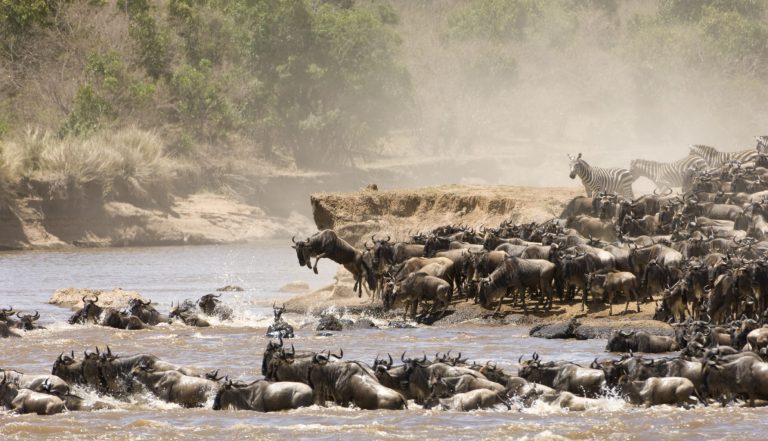
Packing for a Great Migration safari is about comfort, practicality and being ready for long, exciting days in the field. You may spend hours waiting for herds to cross the Mara River or following calving herds across dusty plains, so the right clothing, optics and accessories make a real difference. Light aircraft flights also limit luggage weight. These six essentials explain what to pack for a migration safari in the Serengeti, helping you stay comfortable, protected and ready for every unforgettable moment. It is one of the most rewarding parts of the journey. There is always more to discover.
Neutral layered clothing
Pack lightweight, breathable clothing in neutral colours such as khaki, beige, olive and brown, which help you blend in and hide dust. Bring long-sleeved shirts and trousers for sun and insect protection. Mornings can be cool and middays hot, so layers let you adjust easily during long game drives. Our Arusha team can explain this in more detail for you.
Warm fleece and jacket
Early morning game drives in open or pop-top vehicles can feel cold, especially in the Serengeti highlands and on the Ngorongoro rim. A warm fleece, light down jacket or windproof layer keeps you comfortable at sunrise. A warm hat and light gloves are useful during the cooler months from June to August. Our specialists are always happy to help you.
Camera and binoculars
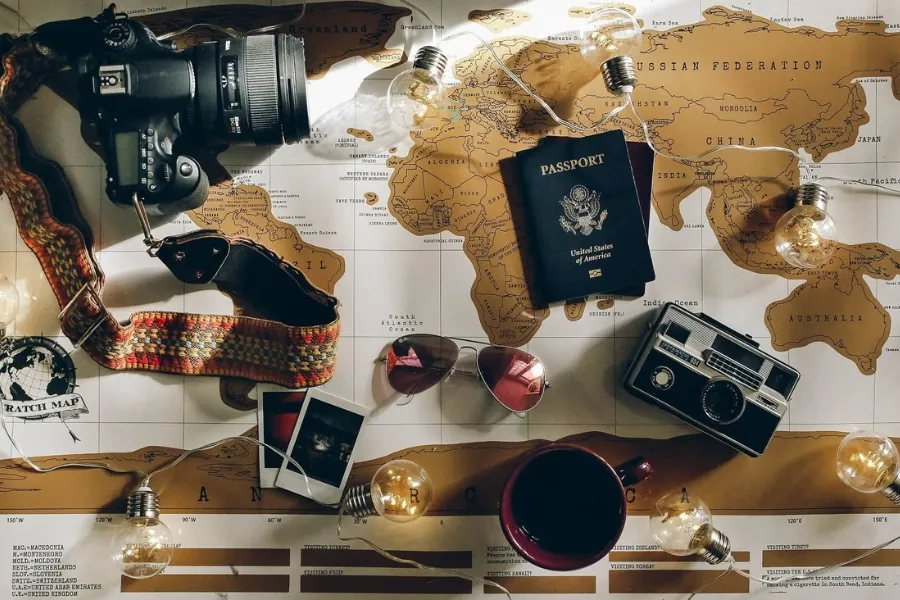
Bring binoculars, ideally 8x42 or 10x42, to see distant herds and predators clearly. For photography, a camera with a zoom lens of around 100–400 mm is ideal for river crossings and wildlife action. Pack spare batteries, memory cards and a beanbag or cushion to steady your camera on the vehicle. It is a highlight for many of our guests.
Sun and dust protection
The Serengeti sun is strong, so pack a wide-brimmed hat, polarised sunglasses, high-factor sunscreen and lip balm. Dry season drives can be very dusty, especially when following large herds, so a buff or scarf protects your face, and a dust cover or zip bag keeps cameras and phones clean. Talk to our team about the options that suit you best.
Power and charging gear
Long days photographing the migration drain batteries quickly. Pack a power bank, charging cables and a universal adapter for Tanzania's type G sockets. Many vehicles have charging points and most camps provide charging in rooms or the main area, though remote mobile camps may rely on solar power with limited capacity. It adds real depth to your trip.
Soft-sided duffel bag
Light aircraft flights to migration areas usually limit luggage to around 15 kilograms per person, including hand luggage, in soft-sided bags. A soft duffel fits easily into small planes and safari vehicles. Pack a small daypack for game drives with essentials such as binoculars, sunscreen, a jacket and your camera. Our guides love explaining this to guests.
02What to Pack for Each Migration Season
The Great Migration moves through different parts of the Serengeti throughout the year, and weather conditions change with the seasons. Calving season in the south brings green plains and occasional showers, while river crossings in the north happen during the dry, dusty months. Adjusting your packing to the season keeps you comfortable and prepared. These four seasonal packing tips explain what to bring for each stage of the migration, from rain gear in the green season to dust protection in the dry months. Good planning makes all the difference here. Our team can advise. It is worth knowing.
Calving season, January to March
In the southern Serengeti and Ndutu, days are warm with short afternoon showers. Pack a light waterproof jacket, quick-drying clothing, insect repellent and a rain cover for your camera. Comfortable layers and sun protection are still essential, as mornings are pleasant and middays can be hot and bright. Ask our guides anytime. Keep this in mind.
Long rains, April to May
During the long rains, the herds move north through the central Serengeti. Pack a reliable rain jacket, quick-drying layers, waterproof shoes and plenty of insect repellent. Muddy tracks are common, so a dry bag for electronics is useful. Fewer visitors mean peaceful sightings for those prepared for the weather. It is one of the most rewarding parts of the journey.
Western corridor, May to July
As herds gather in the western corridor for the Grumeti River crossings, weather becomes drier and cooler. Pack warm morning layers, a fleece and a light jacket, plus sun protection for bright days. Dust increases as the dry season begins, so bring a buff and protective covers for your camera gear. It is a highlight for many of our guests.
River crossings, July to October
In the northern Serengeti, dry season days are sunny and dusty with cold mornings. Pack a warm fleece, sun hat, sunglasses, buff and extra camera batteries and memory cards for long waits at the Mara River. Snacks, a refillable water bottle and a cushion add comfort during patient crossing vigils. Our specialists are always happy to help you.
03Great Migration Packing Checklist
Use this checklist to pack for your Great Migration safari. Bring neutral, layered clothing, a warm fleece, a light rain jacket for green season trips and a wide-brimmed hat, sunglasses and sunscreen. Pack binoculars, a camera with a zoom lens, spare batteries, memory cards and a power bank, plus a buff for dust and insect repellent. Use a soft duffel within light aircraft limits. Our Arusha-based team will send a detailed packing list matched to your private migration safari dates and camps. Our Arusha team can explain this in more detail for you. There is always more to discover.
Clothing0/4
Gear0/4
Essentials0/4
04Great Migration Packing: FAQs
What should I pack for a Great Migration safari?
Pack neutral, layered clothing, a warm fleece, a light rain jacket for green season trips, a sun hat, sunglasses and sunscreen. Bring binoculars, a camera with a zoom lens, spare batteries, memory cards, a power bank, a buff for dust and insect repellent, all in a soft-sided duffel bag within flight limits. Our specialists are always happy to help you.
What colours should I wear on a migration safari?
Wear neutral colours such as khaki, beige, olive and brown, which blend into the landscape and hide dust well. Avoid bright colours that may disturb wildlife, and avoid dark blue and black in areas with tsetse flies, as these colours can attract them. White clothing quickly shows dust and dirt. It is a highlight for many of our guests.
Is it cold on a migration safari?
Early mornings and evenings can be surprisingly cold, especially in open vehicles and during the dry months from June to August. Temperatures warm up quickly during the day. Pack a warm fleece or light down jacket, a hat and light gloves for sunrise game drives, then remove layers as the day heats up. It adds real depth to your trip.
What camera lens is best for the migration?
A zoom lens of around 100–400 mm is ideal for migration photography, allowing you to capture wide herd scenes and close action at river crossings. A wider lens is useful for landscapes. Bring spare batteries, memory cards and a beanbag to steady your camera on the vehicle window frame. It is one of the most rewarding parts of the journey.
Do I need binoculars for the Great Migration?
Yes. Binoculars are essential for a migration safari, helping you see distant herds, predators and birds clearly. A pair of 8x42 or 10x42 binoculars offers a good balance of magnification and brightness. While guides usually carry a pair, having your own means you never miss a moment. Our Arusha team can explain this in more detail for you.
How much luggage can I bring on a migration safari?
Light aircraft flights to migration areas usually allow around 15 kilograms per person, including hand luggage, in soft-sided bags. Limits vary by airline, so check your itinerary. Road safaris are more flexible, but soft bags are still best for packing into safari vehicles. Excess luggage can often be stored in Arusha. Our guides love explaining this to guests.
Should I bring rain gear for the migration?
Rain gear is recommended during the green season from November to May, including calving season and the long rains. A light, packable waterproof jacket and a rain cover for your camera are usually enough. During the dry season from June to October, rain is rare, so rain gear is less important. Good planning makes all the difference here.
How do I protect my camera from dust?
Use a dust cover, zip-lock bag or camera rain cover when driving, and avoid changing lenses in windy or dusty conditions. Bring a blower brush and lens cloth to clean equipment daily. A soft camera bag that closes fully helps keep dust away during long migration game drives. Talk to our team about the options that suit you best.
Can I charge devices on safari?
Yes. Most safari vehicles have charging points, and lodges and camps usually offer charging in rooms or common areas. Remote mobile camps may rely on solar power with limited capacity. Bring a power bank, charging cables and a universal adapter for Tanzania's type G sockets to keep your devices charged. There is always more to discover.
What shoes should I pack for a migration safari?
Comfortable closed shoes or light hiking shoes are ideal for safari, along with sandals for relaxing at camp. Heavy hiking boots are usually unnecessary unless you plan walking safaris. Choose breathable, dust-friendly footwear, and bring waterproof shoes if you are travelling during the green season. Our team can advise. It is worth knowing. Ask our guides anytime.
Do I need insect repellent on a migration safari?
Yes. Insect repellent is important, especially during the green season and in the evenings, when mosquitoes are more active. Choose a repellent containing DEET or picaridin. Long sleeves and trousers add protection. Consult your doctor about malaria prevention before travelling to Tanzania's safari areas. It is one of the most rewarding parts of the journey.
What should I carry in my daypack on game drives?
Carry binoculars, your camera and spare batteries, sunscreen, sunglasses, a hat, a warm layer, a buff for dust, insect repellent, hand sanitiser, tissues and a refillable water bottle. Snacks are useful during long waits at river crossings. Your guide usually provides drinking water in the vehicle. Our Arusha team can explain this in more detail for you.
What should I not pack for a safari?
Avoid hard-shell suitcases, which do not fit light aircraft or vehicles well, and limit heavy items. Avoid bright or camouflage clothing, which may be inappropriate. Leave expensive jewellery at home. Single-use plastic bags are banned in Tanzania, so pack reusable alternatives for your clothes and toiletries. Talk to our team about the options that suit you best.
Will you help me pack for my migration safari?
Yes. Our Arusha-based team will send a detailed packing list matched to your travel dates, migration location, camps and flights. We advise on luggage limits, clothing and camera gear and answer any questions before you travel, so you arrive in Tanzania fully prepared for your private migration safari. It is a highlight for many of our guests.
Serengeti and Safari Cost Guides
Book a Private Tanzania Safari
Be Ready for the Great Migration
Tell us your dates, and our Arusha-based team will design a private, tailor-made migration safari with well-placed camps, an experienced guide and a detailed packing list matched to the season, flights and camps you choose.
Book Now Online →What Our Travelers Say
Real 5-star reviews from guests who traveled with us