What Is a Day Like on Safari in Tanzania
A Day on Safari in Tanzania at a Glance
A typical day on safari in Tanzania revolves around early morning and late afternoon game drives, with breaks for meals and relaxation in between. Expect to be woken up before sunrise, enjoy a hearty breakfast, spend several hours on a game drive, have a midday break, and then embark on another game drive in the late afternoon. Evenings are often spent enjoying sundowners, dinner, and storytelling around a campfire. Imagine waking to the distant roar of a lion, the chatter of vervet monkeys, or the symphony of birdsong. This isn't a dream; it's the start of another unforgettable day on safari in Tanzania, a land synonymous with epic wildlife spectacles and breathtaking landscapes.
A safari day unfolds with a unique rhythm, dictated by the movements of the animals and the golden African light. While itineraries can vary slightly between camps and parks, a typical day follows a beloved pattern designed to maximize wildlife viewing and immerse you in the magic of the bush. Let's step into a day in the heart of Tanzania's wilderness.
- DawnWake-up call with coffee or tea
- Early morningMorning game drive (3–4 hours)
- Mid-morningBush refreshment break
- MiddayLunch at camp or in the bush
- Early afternoonDowntime and relaxation
- Late afternoonAfternoon game drive
- SunsetSundowner drinks
- EveningDinner and stargazing
Early Morning: Dawn Awakens the Bush
A typical day starts before sunrise with a gentle wake-up call, often with coffee or tea and light snacks brought to your tent or room. There's a reason for this early start: the cool, crisp air of dawn is when the predators are most active, and the herbivores begin their grazing. A gentle knock on your tent flap or door from a camp attendant, often accompanied by a soft "Jambo, chai!" (Hello, tea!), signals the start of your day. Hot water is brought for a quick wash, and a steaming cup of coffee or tea with biscuits is a welcome wake-up call, enjoyed as the first hues of orange and pink paint the eastern sky.
The air is cool, sometimes even chilly, necessitating layers of clothing. The sounds of the bush are alive – the chirping of crickets fading, replaced by the awakening calls of birds and the occasional distant roar or grunt.
Morning Game Drive: The Hunt for Encounters
With the sun just peeking above the horizon, you'll meet your guide and climb into the safari vehicle. These custom-built 4x4s, often with pop-up roofs for optimal viewing and photography, are your mobile hides. Your experienced guide, a walking encyclopedia of the bush, will already be tuned into the signs of the wild.
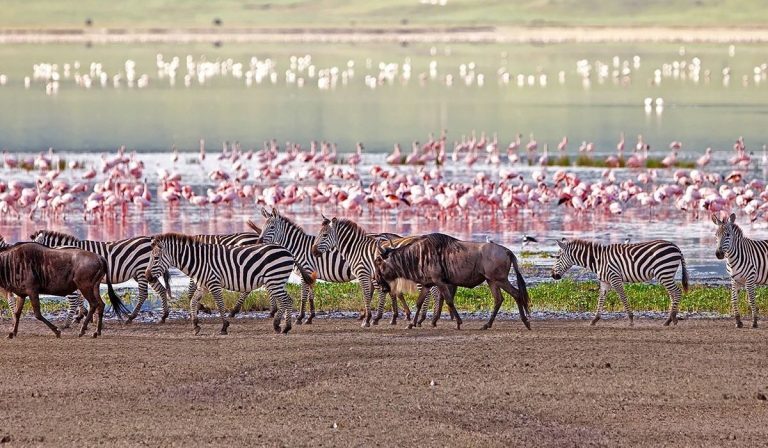
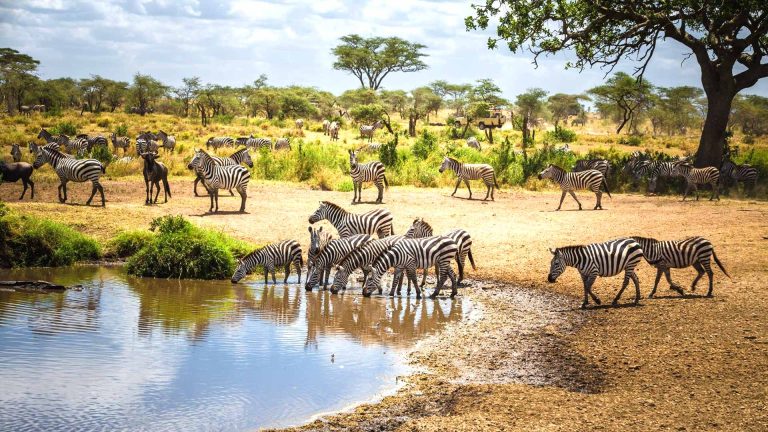
The morning game drive is often the most exhilarating part of the day. The light is soft and beautiful, perfect for photography. Animals are active: lions returning from a night hunt, leopards still perched in trees with their kill, elephants traversing the plains, and vast herds of zebras, wildebeest, and gazelles beginning to graze. The guide's keen eyes, along with communication with other safari vehicles via radio, will lead you to incredible sightings. Every turn holds the promise of a discovery – a family of giraffes silhouetted against the rising sun, a cheetah stalking its prey, or a rare bird flitting through the trees. The drive is typically 3-4 hours long, encompassing different habitats within the park, ensuring a diverse range of sightings.
Mid-Morning Break: Bush Refreshments
Your guide will find a picturesque and safe spot, often with a scenic view, for a mid-morning break. This is a chance to stretch your legs, take a bathroom break (often "bush style"), and enjoy some refreshments. A typical day on safari in Africa revolves around wildlife activity, with early morning and late afternoon/evening game drives being the highlight. These are interspersed with breaks for meals, relaxation, and enjoying the unique environment of the safari camp or lodge.
Your guide will usually set up a small table with hot tea and coffee, juices, and a selection of pastries, muffins, or fruit. It's a moment to relax, chat with your fellow travelers about the incredible sightings you've just experienced, and simply soak in the vastness of the African wilderness, far from the distractions of modern life. The air is warming up now, and the intense sun begins its climb.
Lunch: A Taste of the Bush
After the game drive, you'll typically return to your lodge or camp for lunch. Lunch is often a lighter affair, but still delicious and satisfying. Depending on your accommodation, it could be a buffet with a variety of hot and cold dishes or a plated meal served in the dining area. A day on safari typically includes a morning and late afternoon game viewing activity, usually a game drive, but this could also be a walking safari, focusing on spotting wildlife. Between these activities, you have downtime at the camp or lodge, where you can relax and enjoy the natural surroundings.
Some safaris, particularly private ones or those with specialized itineraries, might opt for a "bush lunch" – a picnic set up in a designated, safe area within the park. This adds an extra layer of immersion, allowing you to enjoy your meal surrounded by the sights and sounds of the wild, though always with a keen eye out and often accompanied by armed rangers if outside designated picnic spots.
- Buffet or plated meal
- Shade and comfort
- Time to freshen up
- Picnic in a safe spot in the park
- Surrounded by wildlife sounds
- Ideal on private safaris
Afternoon Downtime: Relaxation and Rejuvenation
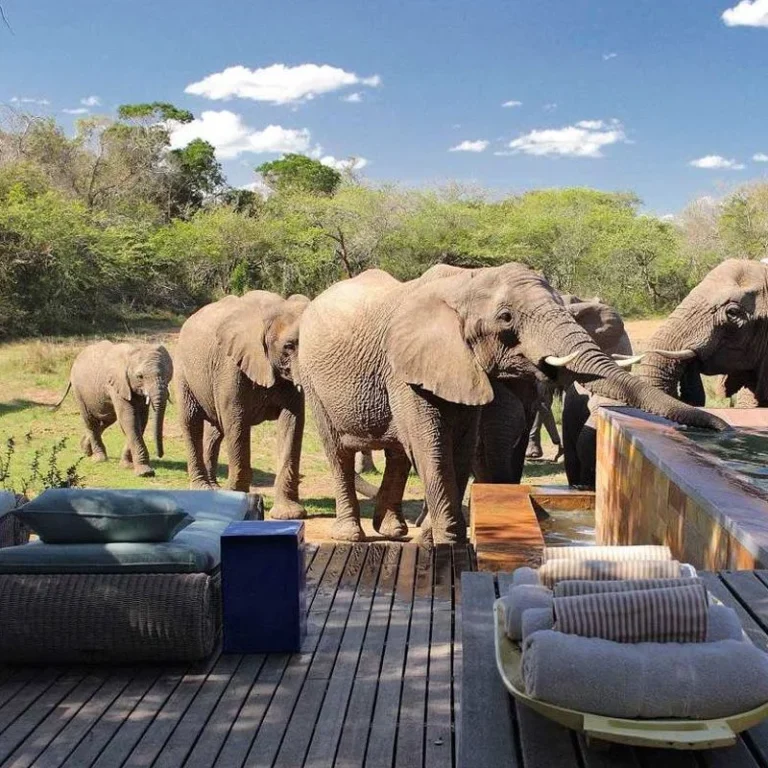
The early start and morning excitement often lead to a desire for rest during the hottest part of the day. Animals also tend to seek shade and rest during these hours, making game viewing less productive. This afternoon downtime is your opportunity to relax and recharge. You might take a nap in your comfortable tent or room, read a book on your private veranda, take a refreshing dip in the camp's pool (if available) or simply observe the abundant birdlife around the lodge. Many camps offer communal areas for lounging, often with stunning views. This is also a perfect time to download photos, journal about your experiences, or simply reflect on the wonders you've witnessed.
Afternoon Game Drive: The Cooler Hours
As the heat of the day subsides and the late afternoon light softens, it's time for the second game drive of the day. This drive often focuses on different areas of the park or revisiting spots where there might be new activity. The afternoon drive offers a completely different feel from the morning. Animals begin to stir from their afternoon slumber, heading towards water sources or preparing for their nocturnal activities. It's a great time to spot unique species or observe different animal behaviors. The light becomes golden, casting long shadows across the plains, creating spectacular photographic opportunities. This drive often extends until just before sunset.
Sundowner: The Magic Hour
One of the most iconic safari traditions, the sundowner is a quintessential African experience. As the sun begins its dramatic descent, painting the sky in fiery hues of red, orange, and purple, your guide will find a perfect vantage point. Here, a selection of drinks (alcoholic and non-alcoholic) and often delicious snacks are set out. You'll toast to the day's incredible sightings, enjoying the silence and the vastness of the African landscape as the sun dips below the horizon. The air cools, and the stars begin to emerge, one by one, in a dazzling display rarely seen in light-polluted cities. It's a moment of profound peace and connection with nature, truly magical and unforgettable.
Dinner: Culinary Delights Under the Stars
After the sundowner, you'll return to camp or lodge, often by the light of a spotlight (sometimes with a chance to spot nocturnal animals on a brief "night drive" on the way back). A chance to freshen up, and then it's time for dinner. Safari dinners are often social affairs, enjoyed either communally with your fellow travelers and guides or at private tables. Lodges pride themselves on their culinary offerings, often featuring a blend of international cuisine and local Tanzanian flavors, always fresh and hearty. Dining under the vast, star-studded African sky, perhaps by the glow of a bonfire and the sounds of the night, is an experience in itself. It's a time to share stories of the day's adventures and anticipate what tomorrow might bring.
Optional Activities: Extending the Adventure
A day on safari typically includes a morning and late afternoon game viewing activity, usually a game drive, but this could also be a walking safari, focusing on spotting wildlife during your Tanzania safari. Between these activities, you have downtime at the camp or lodge, where you can relax and enjoy the natural surroundings. Depending on your lodge and location, some optional activities might be available after dinner or at other times of the day:
Night Game Drives. Offered in private conservancies or specific parks (like Lake Manyara), these allow you to witness the elusive nocturnal creatures, such as civets, genets, bushbabies, and sometimes even leopards on the prowl.
Bush Walks. Guided walking safaris (usually accompanied by armed rangers) offer a different perspective, focusing on tracking, smaller creatures, birds, and the intricate details of the flora.
Cultural Visits. Some lodges arrange respectful visits to nearby Maasai villages or other local communities to learn about their traditions and way of life.
Evening Activities and Stargazing
Evenings on safari in Tanzania are as memorable as the days. Away from city lights, the African night sky is incredibly clear, and many camps offer stargazing, sometimes with a guide pointing out constellations of the southern hemisphere. Some days also include special activities, such as a sunrise hot air balloon ride over the Serengeti or a guided walking safari, which change the usual schedule. Going on safari today means travelling to observe and photograph wild animals in their natural habitat. The word safari comes from the Swahili word for journey, reflecting the spirit of discovery behind every trip.
How Many Days Do You Need for a Safari in Tanzania?
A Tanzanian safari can range from a quick 3-5 day trip to a more comprehensive 12+ day experience, depending on your preferences and budget. For a first-time safari, a 3-5 day trip is often recommended, while a 7-10 day safari is ideal for covering the highlights of the Northern Circuit at a relaxed pace. Longer safaris allow for more in-depth exploration of different parks and regions.
Final Thought: A Day to Remember
A day on safari in Tanzania is a meticulously choreographed dance between adventure and relaxation, wild encounters and peaceful reflection. It’s a sensory overload in the best possible way, leaving you with memories that will linger long after you’ve left the heart of Africa.
A Day on Safari in Tanzania: Frequently Asked Questions
What time does a safari day start in Tanzania?
Most safari days start before sunrise, often around dawn, with a gentle wake-up call and coffee or tea with biscuits brought to your tent or room. The early start matters because predators are most active in the cool morning air, and herbivores begin grazing as the light comes up.
How long is a morning game drive?
A morning game drive usually lasts about three to four hours. It covers different habitats in the park, when animals are most active and the soft light is ideal for photography. Your guide uses tracking skills and radio contact with other guides to find the best sightings.
What happens during the mid-morning break on safari?
Your guide stops at a safe, scenic spot so you can stretch your legs, use a bush toilet and enjoy tea, coffee, juice, pastries or fruit. It is a relaxed moment to chat about the morning’s sightings and soak in the wilderness before the day warms up.
Where do you eat lunch on safari?
Most days you return to your lodge or camp for a lighter buffet or plated lunch. On private or full-day itineraries, you may enjoy a bush lunch instead, a picnic in a designated safe area inside the park, surrounded by the sights and sounds of the wild.
What do you do in the afternoon on safari?
The hottest hours are downtime, when animals rest in the shade. You can nap, read on your veranda, swim in the pool if available, watch birds around the lodge, download photos or journal about the morning’s sightings before the afternoon game drive.
When is the afternoon game drive?
The second game drive starts as the heat subsides in the late afternoon and usually lasts until just before sunset. Animals stir again and head to water, and the golden light casts long shadows, creating spectacular photographic opportunities.
What is a sundowner on safari?
A sundowner is a classic safari tradition. As the sun sets, your guide stops at a scenic viewpoint and sets out drinks, alcoholic and non-alcoholic, with snacks. You toast the day’s sightings as the sky turns red and orange and the first stars appear.
What is dinner like on safari?
Dinner is often a social affair, served communally or at private tables, with a mix of international cuisine and local Tanzanian flavours. Many camps dine under the stars or beside a campfire, sharing stories of the day’s adventures and plans for tomorrow.
Are night game drives available in Tanzania?
Night game drives are offered only in certain areas, such as private conservancies or specific parks where they are permitted. They reveal nocturnal animals such as civets, genets, bushbabies and sometimes leopards. Ask us which lodges on your itinerary offer them.
Can you go stargazing on safari?
Yes. Away from city lights, Tanzania’s night skies are exceptionally clear, and many camps offer stargazing, sometimes with a guide pointing out southern-hemisphere constellations. Some days also include a sunrise balloon flight or walking safari, which change the usual schedule.
How many days do you need for a safari in Tanzania?
A Tanzania safari can range from a quick three to five days to 12 days or more. Three to five days suits many first-timers, while seven to 10 days covers the Northern Circuit highlights at a relaxed pace. Longer safaris allow deeper exploration of several parks.
Plan Your Tanzania Safari
Tell us your travel dates and interests, and our Tanzania-based team will design a private tailor-made safari with game drives, sundowners and unforgettable days in the bush.