What Vaccinations Do I Need for Kilimanjaro?
To climb Mount Kilimanjaro, no vaccination is usually mandatory for entry to Tanzania, unless you arrive from or transit through a country with yellow fever risk, when a yellow fever certificate may be required. Travel clinics commonly recommend making sure routine vaccines are up to date and discussing hepatitis A, typhoid and a tetanus booster before your climb. There is no vaccine against altitude sickness or a routine malaria vaccine for travellers, so acclimatisation and malaria prevention matter too. This complete guide covers entry rules, recommended vaccines, timing and mountain health for your private tailor-made Kilimanjaro climb with confidence.
What vaccinations do I need to climb Kilimanjaro?
No vaccine is usually mandatory unless you arrive from or transit through a yellow fever risk country, when a yellow fever certificate may be required. Travel clinics commonly recommend routine vaccines plus hepatitis A, typhoid and a tetanus booster, and sometimes hepatitis B or rabies. Ask your doctor about malaria tablets for the lowlands around Moshi and Arusha, and visit a travel clinic six to eight weeks before your climb.
01Interactive Kilimanjaro Vaccination Checklist
Use this interactive Kilimanjaro vaccination checklist to prepare your travel health step by step, from booking your clinic appointment to packing your mountain health kit. It covers entry rules, vaccines to discuss, malaria prevention, altitude health, documents and essential items for the trail and your nights in Moshi. Simply tick each item as you complete it and follow your progress with the bar, or print the list and keep it with your passport. Always follow the personal advice of your doctor or travel clinic, because the vaccines you need depend on your route, age, health and travel plans.
Before You Book0/4
Discuss With Your Clinic0/6
Malaria and Altitude0/4
Documents0/4
Pack for the Mountain0/4
02Required Vaccinations and Entry Rules for Kilimanjaro
Many climbers are surprised to learn that most visitors flying directly to Tanzania do not need any mandatory vaccinations to enter the country or climb Kilimanjaro. The main exception is yellow fever, because a certificate may be required if you arrive from, or transit through, a country with yellow fever risk. Your flight route and connections can change what you need on arrival, so share them with your clinic early. The cards below explain whether any vaccine is mandatory, how the yellow fever certificate works, why your flight route matters and where to find reliable, up-to-date entry information.
Is Any Vaccination Mandatory?
For most climbers flying directly to Tanzania, no vaccination is mandatory for entry. The main exception is yellow fever: a certificate may be required if you arrive from, or have transited through, a country with risk of yellow fever transmission. Entry rules can change at short notice, so always check the latest official requirements before you travel.
The Yellow Fever Certificate
If you need proof of yellow fever vaccination, carry your International Certificate of Vaccination or Prophylaxis with your passport on arrival at Kilimanjaro International Airport. The certificate becomes valid a short time after vaccination, so get vaccinated well ahead of your travel dates. Your travel clinic will advise whether the vaccine is suitable and safe for you.
Check Your Flight Route
Your route to Tanzania matters as much as your nationality. Long layovers or connecting flights through countries with yellow fever risk can change what you need on arrival. Share your full flight plan, including every stop, with your travel clinic, and check again if your airline changes your connection after you book your private Kilimanjaro climb with us.
Use Official, Up-to-Date Sources
Vaccination advice and entry rules change over time, so rely on official sources such as your national travel health service, government travel advice and your travel clinic rather than old forum posts. Keep your vaccination records with your other climbing documents, and check the rules again shortly before you fly to Tanzania. Our team can share helpful official links.
03Recommended Vaccines for Kilimanjaro Climbers
Beyond the entry rules, travel health clinics commonly recommend a small set of vaccines for climbers visiting Tanzania. Making sure routine vaccines are up to date is the first step, followed by a tetanus booster and protection against food and waterborne illnesses such as hepatitis A and typhoid. These recommendations apply whether you climb the Machame, Lemosho, Marangu or another route, with or without a safari afterwards. The cards below explain each commonly recommended vaccine, why it matters on Kilimanjaro and what to discuss with your travel clinic before your private tailor-made climb with our experienced mountain crew.
Routine Vaccines
Before your climb, make sure routine vaccinations are up to date, such as measles, mumps and rubella, diphtheria, polio and seasonal vaccines your doctor recommends. These protect you from illnesses that can occur anywhere, including busy airports and long flights. Your travel clinic can check your records and arrange any boosters before your Kilimanjaro trek.
Tetanus Booster
Up-to-date tetanus protection is especially important on Kilimanjaro, where scrambles, rocky paths, trekking poles and camp life can cause cuts and scrapes. Tetanus is usually combined with diphtheria, and sometimes polio or whooping cough. Check when you had your last booster, as your clinic may recommend another dose before you start your climb on the mountain trails.
Hepatitis A
Hepatitis A spreads through contaminated food and water and is commonly recommended for travellers to Tanzania. Even with careful mountain catering, you will eat in Moshi, Arusha or on safari before and after your mountain climb. The vaccine gives good, long-lasting protection, and your travel clinic will advise on timing and any booster dose you may need.
Typhoid
Typhoid also spreads through contaminated food and water, and vaccination is commonly discussed for travellers to Tanzania, especially those combining their climb with a safari, village visits or travel around the towns of Moshi and Arusha. The vaccine reduces risk but does not give complete protection, so careful food and water hygiene remains essential throughout your whole Tanzania trip.
04Vaccines for Specific Travellers and Trips
Some vaccines are not needed by every climber but may be recommended depending on how long you travel, where you go and what you do before or after Kilimanjaro. Hepatitis B, rabies, cholera and seasonal vaccines are commonly discussed for longer stays, remote travel, volunteering, charity climbs or travellers with specific health needs. Your travel clinic will weigh up your itinerary, age and medical history before advising, so share as much detail as you possibly can. The cards below explain these situational vaccines and when they may be recommended for climbers combining Kilimanjaro with a safari or Zanzibar.
Hepatitis B
Hepatitis B spreads through blood and body fluids, so vaccination is often recommended for longer trips, volunteering or travellers who might need medical treatment abroad. Many clinics include it in a complete travel vaccination plan. The vaccine is given in several doses over weeks or months, so start planning early, ideally several months before your Kilimanjaro climb.
Rabies
Rabies is present in Tanzania and spreads through bites or scratches from infected animals, such as stray dogs, monkeys and bats. Pre-travel vaccination may be advised for long trips, remote travel, children or people working with animals. Anyone bitten or scratched must seek urgent medical care, even if they were previously vaccinated. Wash wounds with soap and water.
Cholera
Cholera vaccination is not needed for most climbers using a professional, experienced operator, but your clinic may discuss it if you plan humanitarian work or travel to areas with outbreaks and limited safe water. Careful food and water hygiene remains the most important protection for every traveller, on the mountain, in towns and on safari afterwards.
Seasonal and Other Vaccines
Your doctor may recommend seasonal vaccines, such as influenza, or others depending on your age, health and current guidance. A respiratory infection can make climbing at altitude much harder, so arriving fit and healthy matters. Ask your clinic which seasonal vaccines are sensible, especially if you are older or have a medical condition. Rest well before you fly.
05Vaccination Advice by Climb Plan
The vaccines your clinic recommends can vary depending on whether you only climb Kilimanjaro, add a safari, relax on Zanzibar or combine Mount Meru with Kilimanjaro. Each plan brings different activities, food and water exposure, malaria risk and time at altitude. Longer trips may need extra protection. Simply select each tab below to see the main health focus, vaccines commonly discussed, malaria risk and a useful tip for each type of trip. Share your full itinerary with your travel clinic, including nights in Moshi or Arusha, so they can give advice that matches your exact plans and route.

Kilimanjaro Climb Only
Climbers flying into Kilimanjaro International Airport for a five to nine day trek
Routine vaccines, hepatitis A, typhoid, tetanus booster and yellow fever certificate rules
If you are only climbing Kilimanjaro, clinics commonly discuss routine vaccines, hepatitis A, typhoid and a tetanus booster. Malaria risk is low on the upper mountain but present in lowland areas around Moshi and Arusha, where you sleep before and after your climb. Ask your doctor about altitude advice and malaria prevention for those nights.
Kilimanjaro climbing packages →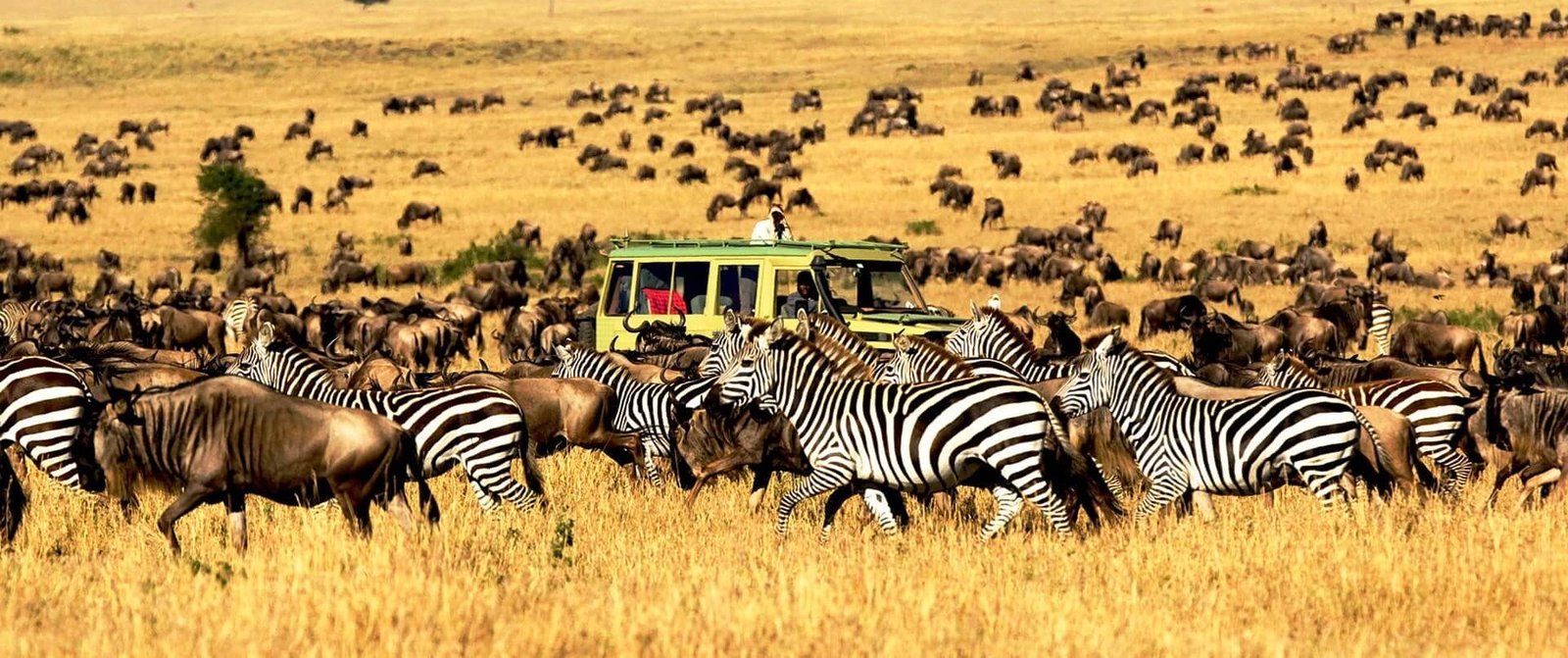
Kilimanjaro Climb and Safari
Climbers adding a private safari in the Serengeti, Ngorongoro or Tarangire
Core travel vaccines plus malaria prevention for safari parks
Adding a safari after your climb means more time in malaria areas, game drives at dawn and dusk and meals at lodges and tented camps. Clinics commonly discuss the same core vaccines, with careful malaria prevention for the parks. Rabies advice may be relevant for longer trips. Share both parts of your itinerary with your clinic.
Kilimanjaro climb and safari →
Kilimanjaro Climb and Zanzibar
Climbers relaxing on Zanzibar beaches after the summit
Hepatitis A, typhoid, routine vaccines and malaria prevention on the coast
Many climbers recover on the beautiful island of Zanzibar after the summit, enjoying seafood, markets and the historic streets of Stone Town. Clinics commonly discuss hepatitis A and typhoid because of food and water exposure. Malaria prevention also applies on Zanzibar, so continue any prescribed tablets and use repellent in the evenings, especially near the coast after sunset.
Zanzibar after Kilimanjaro →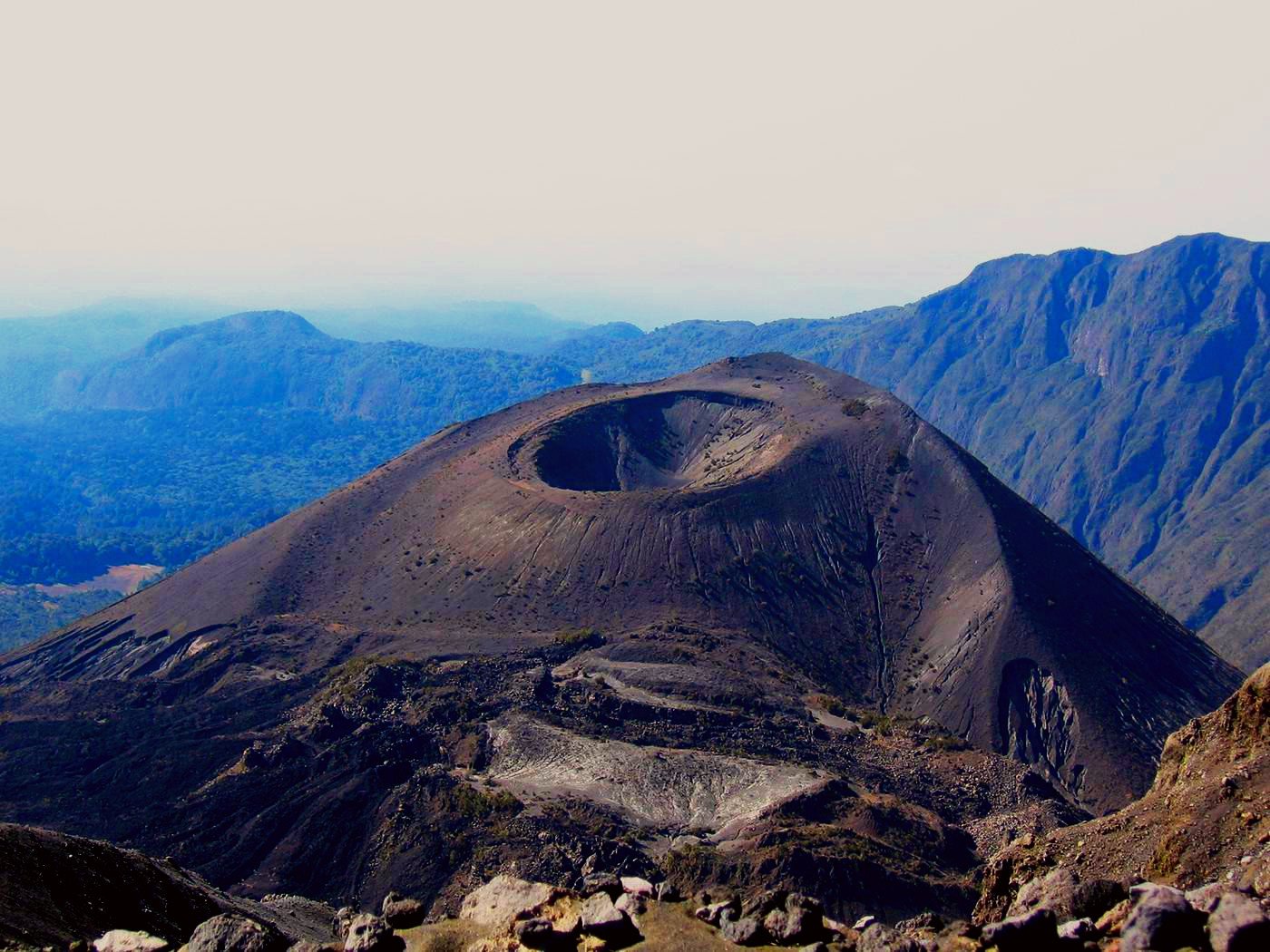
Mount Meru and Kilimanjaro
Trekkers climbing Mount Meru first to acclimatise before Kilimanjaro
Core travel vaccines, tetanus booster and extra attention to altitude health
Climbing Mount Meru before Kilimanjaro gives valuable extra acclimatisation but means more days on rocky trails in Arusha National Park, where buffalo and other wildlife live. Clinics commonly discuss the same core vaccines, and a tetanus booster is especially sensible. Plan one or two rest days between the two mountains and discuss altitude health with your doctor.
Mount Meru climbing →06Malaria and Kilimanjaro: What Climbers Need to Know
Malaria is an important health consideration for Kilimanjaro climbers, even though malaria mosquitoes are not usually a concern on the cold upper slopes of the mountain. Most climbers spend nights in Moshi or Arusha before and after their trek, and many add a safari or Zanzibar, where malaria is present. Because there is no malaria vaccine routinely given to travellers, protection relies on antimalarial medication prescribed by your doctor and careful prevention of mosquito bites. The cards below explain malaria risk on Kilimanjaro, prevention options and what to do if you feel unwell during or after your climb.
Malaria Risk on Kilimanjaro
Malaria mosquitoes are not usually a concern on the upper slopes of Kilimanjaro, where it is too cold for them. However, malaria is present in lowland areas such as Moshi, Arusha and the safari parks, where most climbers spend nights before and after the trek. Ask your doctor whether antimalarial tablets suit your full itinerary and travel dates.
No Routine Malaria Vaccine for Travellers
Although malaria vaccines are used in some endemic areas, there is no malaria vaccine routinely given to international travellers. Protection for climbers relies on antimalarial medication prescribed by your doctor and careful prevention of mosquito bites. Some antimalarials have side effects, so discuss your options well before your climb. Ask whether your chosen tablets can be taken at altitude.
Prevent Mosquito Bites
Use an effective insect repellent on exposed skin from dusk until dawn, and wear long sleeves and long trousers in the evenings in Moshi, Arusha and on safari. Sleep under a mosquito net where provided and keep room screens and doors closed at night. These simple daily habits greatly reduce your risk of malaria and other mosquito-borne illnesses.
Know the Symptoms
Malaria symptoms can include fever, chills, sweats, headache and muscle aches, appearing during your trip or weeks after you return home. Some symptoms can be confused with altitude sickness, so tell your guide immediately if you feel unwell at any point. Seek urgent medical advice for any fever after travel, and mention your visit to Tanzania.
07Altitude Health and Medical Checks Before Your Climb
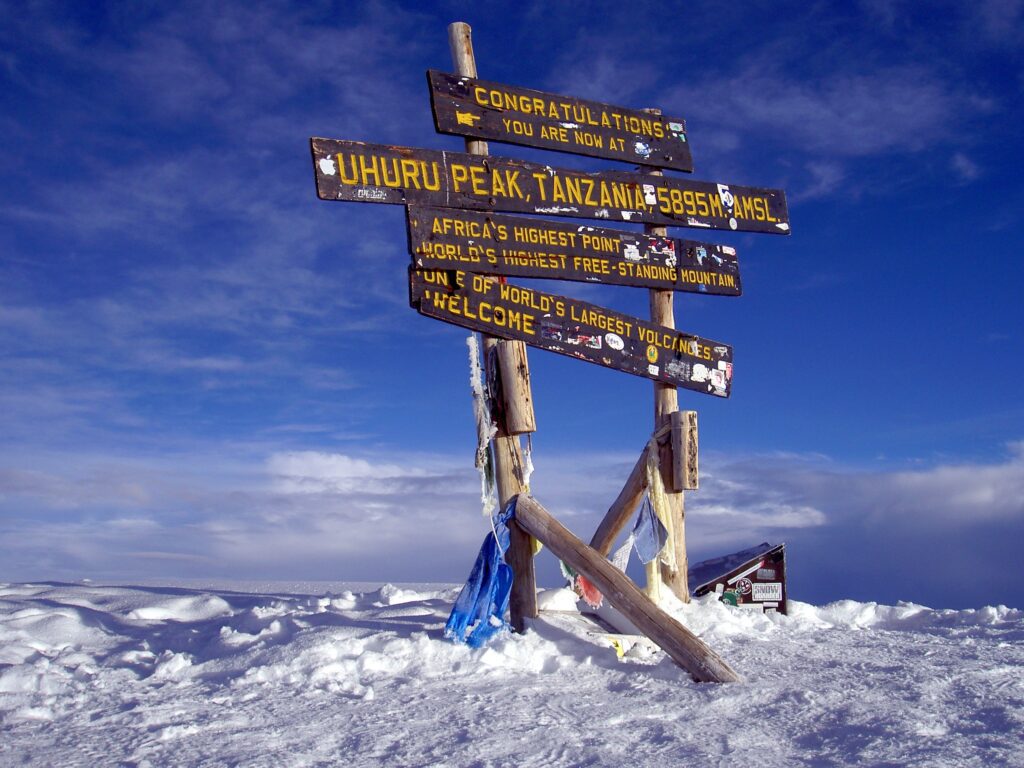
Vaccines protect you from infections, but altitude is the biggest health challenge on Kilimanjaro, rising to 5,895 metres at Uhuru Peak. There is no vaccine against altitude sickness, so a slow ascent, a well-chosen route, good hydration and an experienced guide are your best protection. Our guides check your oxygen levels and wellbeing every day on the mountain. A medical check-up and a conversation about altitude medicine belong in the same appointment as your vaccinations. The cards below explain how to prepare your body for altitude and why your route choice matters for a safe and successful summit.
No Vaccine for Altitude Sickness
There is no vaccine against altitude sickness, which can affect anyone regardless of age or fitness. The best protection is gradual ascent, a longer route with good acclimatisation, plenty of water and an experienced guide who monitors your health daily on the trail. Choosing seven or eight days instead of five gives your body more time to adjust.
Ask About Altitude Medicine
Some doctors prescribe medication, such as acetazolamide, to help prevent altitude sickness on Kilimanjaro. It is not suitable for everyone, and it does not replace gradual ascent or descending when symptoms worsen. Discuss altitude medicine during your travel clinic appointment, and try a test dose at home if your doctor recommends it. Always follow your guide's advice about descending.
Book a Medical Check-Up
A medical check-up before your climb is strongly recommended, especially if you are older, have heart, lung or blood pressure conditions or take regular medication. Your doctor can review your fitness, medicines and vaccines together. Tell us about any medical conditions when booking, so your guides can plan your climb safely and know how to support you.
Choose a Route for Acclimatisation
Your route choice affects your health as much as your vaccines. Longer routes such as Lemosho, the Northern Circuit or a seven-day Machame climb include better acclimatisation profiles and generally higher summit success rates for climbers. Our team will recommend the best route for your fitness, experience and travel dates when planning your private Kilimanjaro climb.
08When to Get Your Kilimanjaro Vaccinations
Timing matters when preparing for Kilimanjaro, because some vaccines need time to become effective, others are given in several doses and a few cause mild side effects. Booking a travel clinic appointment six to eight weeks before your climb gives you the best range of options and time to finish any courses before your final training hikes. Even last-minute climbers benefit from a clinic visit before they fly, so never skip this step. The cards below explain when to visit a clinic, how to plan multi-dose vaccines and how to avoid side effects too close to your climb.
Visit a Clinic Six to Eight Weeks Before
Book a travel clinic or doctor's appointment six to eight weeks before your Kilimanjaro climb. This gives time for vaccines to become effective, for any multi-dose courses to begin and for your yellow fever certificate to become valid if needed. Bring all your vaccination records and full itinerary for the most accurate, personal advice for your trip.
Plan for Multi-Dose Vaccines
Some vaccines, such as hepatitis B and rabies, are given in several doses over weeks or months, and accelerated schedules may be possible for some travellers. Planning early gives you the most flexible options for your trip. Keep a clear written record of each dose and date, and ask your clinic about boosters for future travel.
Last-Minute Climbers
If you are booking a climb at short notice, it is still worth visiting a travel clinic, even a few days before you fly. Many vaccines still offer useful protection, and you can receive malaria and altitude advice, prescriptions and essential health information. Never skip medical advice simply because your trip is booked quickly or at the last minute.
Avoid Side Effects Before the Climb
Some vaccines cause a sore arm, mild fever or tiredness for a day or two. Try to complete your vaccinations at least a couple of weeks before you fly, so any side effects pass before your training peaks and your climb begins. Your clinic can plan a schedule that fits around your final training hikes.
09Staying Healthy on the Mountain
Vaccinations are only one part of staying healthy on Kilimanjaro. Safe drinking water, good hygiene in camp, a well-stocked mountain health kit and travel insurance with evacuation cover are equally important for a comfortable and successful climb. Our mountain crew treats drinking water, follows careful food hygiene and monitors your health daily on every private climb. Small daily habits, such as washing your hands and drinking water, make a difference. The cards below summarise the practical health essentials every climber should prepare, with links to our detailed guides on water, hygiene, daypack items and travel insurance for Kilimanjaro trekkers.
Safe Drinking Water
On the mountain, our crew collects water from streams and treats or boils it before serving, so you never drink untreated water. In towns, drink bottled or treated water and avoid ice or salads of unknown origin. Drinking three to four litres a day also helps acclimatisation and keeps you feeling strong and energised on the trail.
Hygiene in Camp
Good hygiene prevents stomach upsets that can end a climb. Wash your hands with the warm water provided before meals, use hand sanitiser after toilet stops and avoid sharing water bottles or snacks. Our cooks follow careful food hygiene, preparing fresh meals in a dedicated kitchen tent at every camp on your chosen route up the mountain.
Pack a Mountain Health Kit
Pack your prescription medication, antimalarial tablets if prescribed, altitude medicine if advised, blister plasters, pain relief, rehydration salts, lip balm with sunscreen and hand sanitiser. Keep essential medication in your hand luggage and daypack, with copies of prescriptions, in case checked bags are delayed on your flights to Tanzania. Check expiry dates and pack enough medication for travel delays.
Travel Insurance with Evacuation
Choose travel insurance that covers trekking up to 6,000 metres, medical treatment, emergency evacuation, including helicopter rescue, and cancellation. Check the altitude limit carefully, as many standard policies exclude high-altitude trekking. Carry your policy number and emergency helpline with you throughout your climb and any safari afterwards. Read the small print carefully so you know what is covered.
Kilimanjaro Health and Preparation Guides
10Kilimanjaro Vaccination FAQs
What vaccinations are required to climb Kilimanjaro?
Usually none for climbers arriving directly. A yellow fever certificate may be required if you arrive from or transit through a risk country.
Do I need a yellow fever vaccine for Kilimanjaro?
Only if required by your flight route or advised by your clinic. Check whether you arrive from or transit through a yellow fever risk country.
What vaccines are recommended for Kilimanjaro?
Clinics commonly recommend routine vaccines plus hepatitis A, typhoid and a tetanus booster, with hepatitis B or rabies for some climbers.
Is there malaria on Kilimanjaro?
Malaria is not usually a concern on the cold upper slopes, but it is present in lowland areas such as Moshi, Arusha and safari parks.
Do I need malaria tablets to climb Kilimanjaro?
Ask your doctor. Many climbers take them because they spend nights in Moshi or Arusha or add a safari or Zanzibar.
Is there a vaccine for altitude sickness?
No. Gradual ascent, a longer route, good hydration and an experienced guide are the best protection against altitude sickness.
How long before Kilimanjaro should I get vaccinated?
Visit a travel clinic six to eight weeks before you travel, as some vaccines need time to work or require several doses.
Do I need a tetanus booster for Kilimanjaro?
A tetanus booster is commonly advised if your last dose was some years ago, because cuts and scrapes are common on rocky trails.
Do I need a rabies vaccine for Kilimanjaro?
Not usually for a standard climb, but it may be advised for long, remote or animal-related trips, cyclists and children.
Can I climb Kilimanjaro without vaccinations?
Usually yes, if no yellow fever certificate is required, but recommended vaccines protect your health and your summit chances.
Should I see a doctor before climbing Kilimanjaro?
Yes. A medical check-up is strongly recommended, especially if you are older or have a heart, lung or blood pressure condition.
Do vaccines have side effects before a climb?
Some cause a sore arm, mild fever or tiredness for a day or two, so finish vaccinations well before you fly.
Do I need vaccinations for Kilimanjaro and Zanzibar?
Advice is similar. Check yellow fever rules for your route and discuss hepatitis A, typhoid and malaria prevention for the coast.
Where can I get reliable vaccination advice?
From your doctor, a travel health clinic and official national travel health and government travel advice services.
Plan Further: Kilimanjaro Climbs
Climb Kilimanjaro
Popular Routes
Plan Your Private Kilimanjaro Climb
Tell us your travel dates and experience, and our local team will plan a private tailor-made Kilimanjaro climb with the right route for acclimatisation, treated drinking water, daily health checks, experienced guides and support from arrival to summit.
Book Now Online →What Our Travelers Say
Real 5-star reviews from guests who traveled with us