Kilimanjaro Vaccinations
Kilimanjaro Vaccinations
Planning a successful Mount Kilimanjaro climb begins long before you reach Tanzania—it starts with proper health preparation. Understanding what vaccinations you need for Kilimanjaro is essential for a safe, worry-free trekking experience. Travelers searching for Kilimanjaro travel health advice, Tanzania vaccination requirements, and Africa safari health tips should prioritize immunizations recommended by global health authorities. While Kilimanjaro itself is not a high-risk disease zone due to altitude, entry into Tanzania and time spent before or after the climb—especially on safari—can expose you to preventable illnesses. From routine vaccines to region-specific protections like yellow fever and malaria prevention, being fully prepared ensures peace of mind. Consulting a travel clinic 4–8 weeks before departure is highly recommended to receive updated vaccines, boosters, and personalized advice tailored to your itinerary, health status, and travel style.
Routine Vaccinations
Routine vaccinations form the foundation of your Kilimanjaro health checklist and are often overlooked by travelers focused only on exotic diseases. These standard immunizations—such as measles, mumps, rubella (MMR), tetanus, diphtheria, pertussis, and varicella—are essential for global travel, including Tanzania. Ensuring your routine vaccines are up to date protects you from common infections that can spread easily in airports, group tours, or shared accommodations. For Kilimanjaro climbers, tetanus is especially important due to potential cuts or injuries during trekking. Many countries recommend a tetanus booster every 10 years. Travelers researching “Kilimanjaro safety tips” or “Tanzania travel vaccines” should confirm these basics first. Even though these diseases are preventable, outbreaks still occur worldwide, making routine vaccinations a critical first step in preparing for your African adventure and ensuring a healthy climb.
Yellow Fever Vaccine
The yellow fever vaccine is one of the most commonly discussed requirements for Tanzania travel and Kilimanjaro expeditions. While Tanzania does not require the vaccine for travelers arriving directly from non-endemic countries, it becomes mandatory if you are coming from or transiting through a yellow fever risk country. Proof of vaccination may be requested upon entry, making it essential for many international travelers. Yellow fever is a mosquito-borne viral disease, and vaccination provides long-lasting protection, often for life. Travelers searching “Is yellow fever vaccine required for Kilimanjaro?” should verify their specific travel route. Even if not strictly required, some health professionals recommend it as a precaution. Carrying your International Certificate of Vaccination (yellow card) ensures smooth border entry and demonstrates responsible travel planning for your Kilimanjaro trekking adventure.
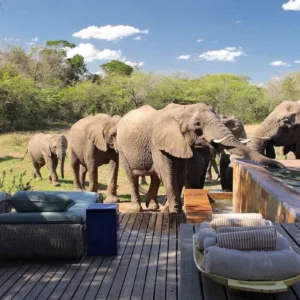
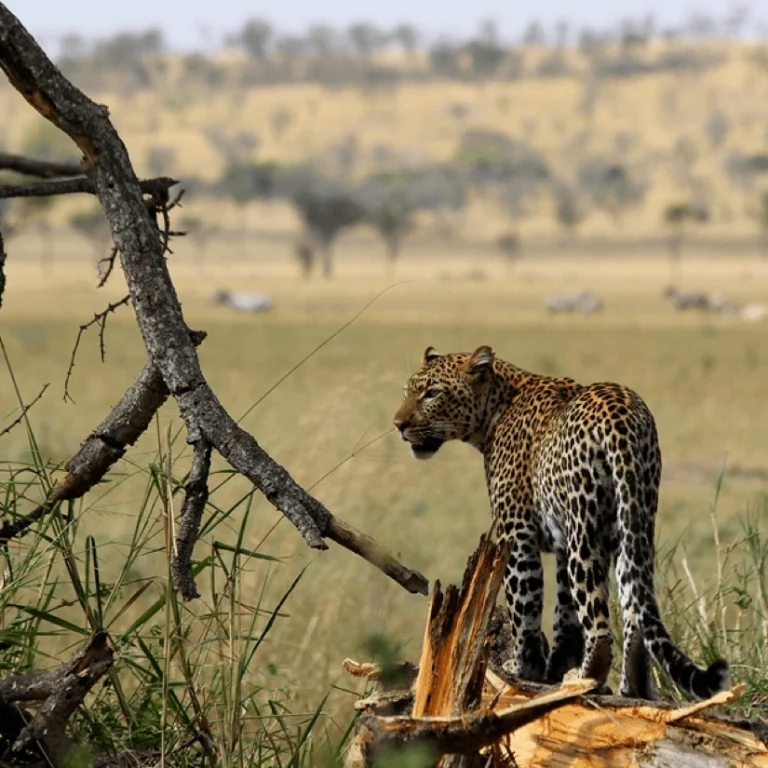
Approach, feed or disturb wildlife, or leave the vehicle unless your guide says it is safe.
Follow your guide, carry travel insurance and check current health and travel advice.
Hepatitis A and B
Hepatitis A and B vaccines are strongly recommended for anyone traveling to Tanzania, including those climbing Mount Kilimanjaro. Hepatitis A spreads through contaminated food and water, making it a key concern for travelers enjoying local cuisine or visiting rural areas. Hepatitis B, on the other hand, is transmitted through blood and bodily fluids, posing a risk during medical treatment or emergencies. These vaccines are essential for travelers searching for “Africa travel health advice” or “Kilimanjaro vaccination requirements.” Most travelers receive Hepatitis A as a short-term travel vaccine, while Hepatitis B may require a longer vaccination schedule. Together, they offer comprehensive protection against serious liver infections. Even in luxury lodges or guided tours, exposure risks remain, making these vaccines a smart and proactive step in preparing for your Kilimanjaro climb and Tanzania safari.
Typhoid Vaccine
The typhoid vaccine is highly recommended for travelers visiting Tanzania, particularly those planning a Kilimanjaro trek combined with safari or cultural experiences. Typhoid fever is a bacterial infection spread through contaminated food and water, making it a concern in regions with varying sanitation standards. Travelers searching for “Kilimanjaro travel vaccines” or “Tanzania health requirements” should consider typhoid protection essential, especially if eating outside major hotels or exploring local villages. The vaccine is available as an injection or oral capsules, providing flexibility depending on your travel timeline. While good hygiene practices—like drinking bottled water and avoiding raw foods—help reduce risk, vaccination adds an important layer of protection. For climbers spending extended time in Tanzania, the typhoid vaccine ensures safer travel and allows you to fully enjoy your Kilimanjaro adventure without unnecessary health concerns.
Meningitis Vaccine
The meningitis vaccine is not mandatory for Kilimanjaro but is recommended for certain travelers, particularly those visiting during peak travel seasons or engaging in close-contact group activities. Meningococcal meningitis is a serious bacterial infection that spreads through respiratory droplets, making it a concern in crowded environments such as airports, hotels, and tour groups. Travelers researching “Africa travel vaccines” or “Kilimanjaro safety health tips” should consider this vaccine if they plan extended stays or travel across multiple regions. While Tanzania is not in the highest-risk “meningitis belt,” protection is still advisable for added safety. The vaccine provides coverage against several strains and is often required for other African destinations. Including meningitis vaccination in your pre-travel checklist enhances your overall health preparedness for a safe and enjoyable Kilimanjaro climbing experience.
Rabies Vaccine
The rabies vaccine is recommended for travelers who may have increased exposure to animals during their Kilimanjaro trip or extended stay in Tanzania. Rabies is a fatal viral disease transmitted through bites or scratches from infected animals, including dogs, monkeys, and bats. While the risk for most climbers is low, those planning safaris, rural visits, or volunteering should strongly consider pre-exposure vaccination. Travelers searching “Do I need a rabies vaccine for Tanzania?” often receive advice based on their itinerary. The vaccine does not eliminate the need for medical care after exposure, but simplifies treatment and provides critical protection. Avoiding contact with animals is still essential. For adventure travelers and Kilimanjaro trekkers exploring beyond the mountain, the rabies vaccine offers peace of mind and an extra layer of safety.
Polio Vaccine
Polio vaccination is an important consideration for travelers heading to Tanzania, particularly for those coming from or transiting through countries where polio is still present. While polio has been largely eradicated worldwide, occasional cases still occur, prompting health authorities to recommend booster doses for adults traveling to certain regions. Travelers researching “Tanzania vaccination requirements” or “Kilimanjaro travel health advice” should ensure they have completed their childhood polio vaccination series and consider a one-time adult booster if recommended. Polio spreads through contaminated food and water, making it relevant in areas with varying sanitation conditions. Although the risk is low for most Kilimanjaro climbers, staying up to date with polio vaccination supports global eradication efforts and ensures personal protection. It is a simple yet essential step in preparing for safe international travel.
Influenza Vaccine
The influenza (flu) vaccine is often overlooked but highly recommended for Kilimanjaro travelers, especially those flying long distances or traveling in groups. Influenza spreads easily through respiratory droplets, making airports, airplanes, and crowded lodges common transmission points. For climbers, getting sick before or during the trek can significantly impact their ability to summit successfully. Travelers searching “Kilimanjaro travel tips” or “how to stay healthy on Kilimanjaro” should consider the flu vaccine as part of their preparation. The vaccine is updated annually to protect against the most common strains, making timing important. Even healthy individuals can experience severe flu symptoms at high altitude. By reducing your risk of illness, the influenza vaccine helps ensure you remain strong, energized, and ready to fully enjoy your Kilimanjaro climbing adventure.
Cholera
Cholera vaccination is generally not required for Kilimanjaro travel but may be recommended for certain travelers, particularly those visiting remote areas or staying for extended periods. Cholera is a bacterial infection spread through contaminated water and food, causing severe diarrhea and dehydration. While the risk for most tourists is low—especially those staying in reputable lodges—travelers researching “Africa travel vaccines” or “Tanzania health safety” should still be aware of it. The oral cholera vaccine provides short-term protection and may be advised for humanitarian workers or high-risk itineraries. Practicing safe food and water hygiene—such as drinking bottled water and avoiding raw foods—is the best prevention. For Kilimanjaro climbers, maintaining hydration and health is critical, making awareness of cholera and preventive measures an important part of travel preparation.
Malaria
Malaria is one of the most important health considerations for travelers to Tanzania, although the risk on Mount Kilimanjaro itself is low due to the high altitude. However, malaria is present in lower areas, including cities, parks, and coastal regions. Travelers searching for “malaria prevention Kilimanjaro” or “Tanzania travel health advice” should take preventive measures seriously. This includes prescription antimalarial medication, insect repellent with DEET, long-sleeved clothing, and sleeping under treated mosquito nets when necessary. Consulting a travel doctor will help determine the best medication based on your itinerary and medical history. Symptoms can appear after your trip, so awareness is crucial. By taking proper precautions, you can safely enjoy your Kilimanjaro climb and Tanzania safari without the risk of this mosquito-borne disease affecting your experience.
Tuberculosis
Tuberculosis (TB) remains a concern in many parts of Africa, including Tanzania, making awareness essential for Kilimanjaro trekkers. Although the TB vaccine (BCG) is not typically required for short-term travelers, it is often recommended for long stays or repeated visits. Climbers spending extended time in local communities, lodges, or urban areas like Moshi or Arusha may consider this vaccination, like “TB vaccine travel Africa,” “Kilimanjaro health safety,” and “Tanzania travel immunization” highlight the importance of TB spreading through airborne droplets, so maintaining good hygiene and avoiding crowded indoor spaces reduces risk. While the likelihood of infection during a typical trek is low, preventive awareness is crucial. Including TB considerations in your Kilimanjaro travel health checklist ensures a more comprehensive and responsible approach to your adventure.
Measles
Measles is a highly contagious viral disease, and outbreaks still occur in parts of Africa, including Tanzania. For Kilimanjaro climbers, ensuring immunity through the MMR (measles, mumps, rubella) vaccine is strongly recommended. Travelers who have not been vaccinated or are unsure of their status should receive this vaccine at least two weeks before departure, such as “measles vaccine travel Africa,” “Kilimanjaro travel health advice,” and “vaccinations for Tanzania safari” emphasize its importance. Measles spreads easily in crowded areas like airports, hotels, and local markets. Symptoms can disrupt your climb and overall travel plans. Being vaccinated protects not only you but also fellow travelers and local communities. Including measles vaccination in your Kilimanjaro preparation ensures a safer, healthier journey and aligns with global travel health recommendations.
Final Thought
Preparing for a Kilimanjaro climb goes beyond physical training—it requires careful attention to health and vaccinations. From routine immunizations to region-specific protections like yellow fever, typhoid, and malaria prevention, each step ensures a safer and more enjoyable journey. Travelers searching for “Kilimanjaro travel guide,” “Tanzania safari health tips,” or “Africa vaccination requirements” should always consult a qualified travel clinic well in advance. Every itinerary is different, and personalized medical advice is key. With the right vaccines and precautions, you can focus fully on the adventure—trekking through diverse landscapes, reaching the summit, and experiencing Tanzania’s incredible beauty. Staying healthy not only protects you but also supports responsible travel. Ultimately, proper preparation is the foundation of a successful, safe, and unforgettable Mount Kilimanjaro experience.
Kilimanjaro Vaccinations: FAQs
What can you expect from routine vaccinations?
Routine vaccinations form the foundation of your Kilimanjaro health checklist and are often overlooked by travelers focused only on exotic diseases. These standard immunizations—such as measles, mumps, rubella (MMR), tetanus, diphtheria, pertussis, and varicella—are essential for global travel, including Tanzania. Ensuring your routine vaccines are up to date protects you from common infections that can spread easily in airports, group tours, or shared accommodations.
What should you know about yellow fever vaccine for Kilimanjaro vaccinations?
The yellow fever vaccine is one of the most commonly discussed requirements for Tanzania travel and Kilimanjaro expeditions. While Tanzania does not require the vaccine for travelers arriving directly from non-endemic countries, it becomes mandatory if you are coming from or transiting through a yellow fever risk country.
What can you expect from Hepatitis A and B for Kilimanjaro vaccinations?
Hepatitis A and B vaccines are strongly recommended for anyone traveling to Tanzania, including those climbing Mount Kilimanjaro. Hepatitis A spreads through contaminated food and water, making it a key concern for travelers enjoying local cuisine or visiting rural areas. Hepatitis B, on the other hand, is transmitted through blood and bodily fluids, posing a risk during medical treatment or emergencies.
What should you know about typhoid vaccine for Kilimanjaro vaccinations?
The typhoid vaccine is highly recommended for travelers visiting Tanzania, particularly those planning a Kilimanjaro trek combined with safari or cultural experiences. Typhoid fever is a bacterial infection spread through contaminated food and water, making it a concern in regions with varying sanitation standards. Travelers searching for “Kilimanjaro travel vaccines” or “Tanzania health requirements” should consider typhoid protection essential, especially if eating outside major hotels or exploring local villages.
What can you expect from meningitis vaccine for Kilimanjaro vaccinations?
The meningitis vaccine is not mandatory for Kilimanjaro but is recommended for certain travelers, particularly those visiting during peak travel seasons or engaging in close-contact group activities. Meningococcal meningitis is a serious bacterial infection that spreads through respiratory droplets, making it a concern in crowded environments such as airports, hotels, and tour groups.
What should you know about rabies vaccine for Kilimanjaro vaccinations?
The rabies vaccine is recommended for travelers who may have increased exposure to animals during their Kilimanjaro trip or extended stay in Tanzania. Rabies is a fatal viral disease transmitted through bites or scratches from infected animals, including dogs, monkeys, and bats. While the risk for most climbers is low, those planning safaris, rural visits, or volunteering should strongly consider pre-exposure vaccination.
What can you expect from polio vaccine for Kilimanjaro vaccinations?
Polio vaccination is an important consideration for travelers heading to Tanzania, particularly for those coming from or transiting through countries where polio is still present. While polio has been largely eradicated worldwide, occasional cases still occur, prompting health authorities to recommend booster doses for adults traveling to certain regions.
What should you know about influenza vaccine for Kilimanjaro vaccinations?
The influenza (flu) vaccine is often overlooked but highly recommended for Kilimanjaro travelers, especially those flying long distances or traveling in groups. Influenza spreads easily through respiratory droplets, making airports, airplanes, and crowded lodges common transmission points. For climbers, getting sick before or during the trek can significantly impact their ability to summit successfully.
Travel to Tanzania With Confidence
Our local team handles airport transfers, itineraries and practical advice, so you can focus on enjoying a private tailor-made safari.