Safari Vehicle Etiquette: Game Drive Rules and Tips
Good safari vehicle etiquette keeps you safe, protects wildlife and helps everyone on board enjoy calm, natural sightings on every game drive. Whether you are watching lions in the Serengeti, rhinos in Ngorongoro Crater or elephants in Tarangire, a few simple habits inside the vehicle make a real difference. This complete guide explains the golden rules of safari vehicle etiquette, how a safari vehicle works, photography manners, tips for families and an interactive etiquette quiz, from our friendly and experienced local safari team based in Arusha, northern Tanzania. Read on to get the very most from every game drive.
What is the etiquette in a safari vehicle?
Safari vehicle etiquette means following your guide's instructions, keeping your voice low near wildlife and staying seated while the vehicle moves. Keep your hands, arms and belongings inside the vehicle, never feed animals and avoid flash photography. Share the best viewing spots, be patient at sightings and take all litter with you. These simple rules keep you safe, reduce stress on wildlife and give everyone in your private vehicle the best possible game drive experience.
The Golden Rules of Safari Vehicle Etiquette
Safari vehicle etiquette is a simple set of habits that keeps you safe, protects wildlife and helps everyone on board enjoy calm, rewarding sightings on every game drive. Most rules come from your guide's experience and the regulations of Tanzania's national parks, and they quickly become second nature after your first morning drive. The tabs below explain the eight golden rules of safari vehicle etiquette, why each one matters and what to do and avoid inside the vehicle. Follow them carefully and you will enjoy safer, quieter and far more memorable wildlife encounters across Tanzania's famous national parks.

Follow Your Guide's Instructions
Listen carefully and follow every safety instruction
Guides read animal behaviour and know the park rules
Your professional safari guide understands animal behaviour, park regulations and how to approach wildlife safely. Listen carefully when your guide asks you to stay seated, keep quiet or hold on, and ask before standing up. Following instructions keeps everyone safe, protects wildlife and lets your guide position the vehicle for the best possible sightings of wildlife.
Tanzania Safari Safety →
Keep Your Voice Low Near Wildlife
Whisper and move calmly at every sighting
Quiet vehicles see more natural animal behaviour
Loud voices, music and sudden noises can disturb animals and spoil a special moment for everyone. Speak softly at sightings, switch phones to silent and save excited celebrations for after you drive away. Quiet vehicles are rewarded with calmer, more natural behaviour, from lions resting in the shade to elephants feeding just a few metres away from you.
Safari Tips for First-Timers →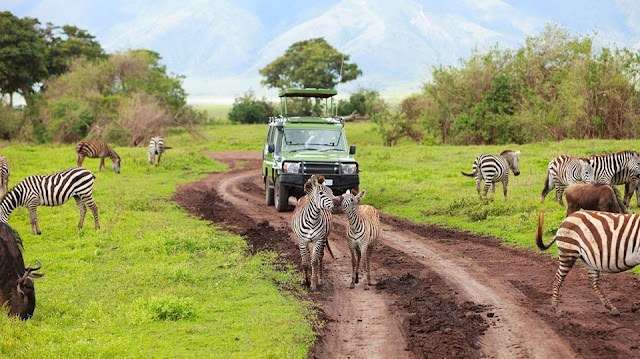
Stay Seated While the Vehicle Moves
Sit down while driving and stand only when the guide allows
Prevents injuries on bumpy tracks and sudden stops
Safari roads can be rough and guides may need to stop suddenly, so always stay seated while the vehicle is moving. Wait until your guide stops and says it is safe before standing up through the pop-up roof. Avoid sudden movements at close sightings, as abrupt changes in shape can make animals nervous or even defensive.
Our Safari Vehicles →
Keep Hands and Belongings Inside
Arms, cameras and bags stay inside the vehicle
Animals see the vehicle as one object, not individual people
Wild animals usually treat a safari vehicle as one large, harmless object, but arms or objects reaching out can break that impression. Keep hands, arms, cameras and bags inside the vehicle at all times, especially near elephants, buffalo, lions and hippos. Never get out of the vehicle unless your guide confirms it is safe and permitted.
Why Lions Ignore Vehicles →
Never Feed Wildlife
Keep snacks packed away and leave animals wild
Feeding is prohibited in Tanzania's national parks
Feeding wildlife is prohibited in Tanzania's national parks because it changes natural behaviour and can make animals aggressive or dependent on people. Keep snacks sealed and out of sight, especially at picnic sites where monkeys and baboons are bold. Never throw food from the vehicle, and tell your guide if curious animals come too close.
Why Not to Feed Wildlife →
Give Everyone a Good View
Take turns at the best viewing spots
Everyone deserves time to watch and photograph
Exciting sightings often happen on one side of the vehicle, so take turns at the best spots and give everyone time to watch and take photographs. Avoid blocking windows or the roof hatch for long periods, and keep bags off seats. A little courtesy keeps the atmosphere relaxed and makes every game drive more enjoyable for all.
Private Safaris →
Avoid Flash Photography
Use natural light and quiet camera settings
Flash can stress animals and disturb night sightings
Camera flashes can startle animals, especially at dawn, dusk and on night drives where permitted. Turn off your flash, use natural light and choose a quiet shutter setting if your camera has one. Ask your guide before using spotlights or torches, and avoid holding phones or cameras out of the vehicle for a closer shot.
Safari Photography Tips →
Take All Litter With You
Keep a small bag in the vehicle for rubbish
Litter harms wildlife and spoils the parks for everyone
Litter such as wrappers, bottle caps and tissues can harm animals and spoil Tanzania's beautiful national parks. Keep a small rubbish bag in the vehicle and take everything back to camp. Never smoke during game drives, as dry grasslands can catch fire easily. Responsible habits help protect the parks for wildlife and future travellers alike.
Responsible Travel →Safari Vehicle Etiquette Quiz
Test your knowledge and confidence with safari vehicle etiquette with this quick interactive quiz before your very first game drive in northern Tanzania. Each question describes a real situation you might experience on safari, from close lion sightings and curious baboons to flash photography and litter. Simply choose the answer you think is right and you will see instantly whether you are correct, with a short, helpful explanation from our experienced safari guides. Your score updates as you go, and you can reset the quiz to try again or share it with your travel companions before your safari.
1. You spot a lion close to the vehicle. What should you do?
Stay seated and quiet. Sudden movements and noise can disturb the lion and spoil the sighting.
2. When is it safe to stand through the pop-up roof?
Only stand when the vehicle has stopped and your guide says it is safe.
3. A baboon approaches at a picnic site. What is the right response?
Feeding wildlife is prohibited. Keep food sealed and follow your guide.
4. Should you use flash photography at sightings?
Flash can startle animals. Use natural light and a quiet shutter where possible.
5. What should you do with an empty water bottle on a game drive?
Take all litter back to camp to protect wildlife and the parks.
Inside a Tanzania Safari Vehicle: What to Expect
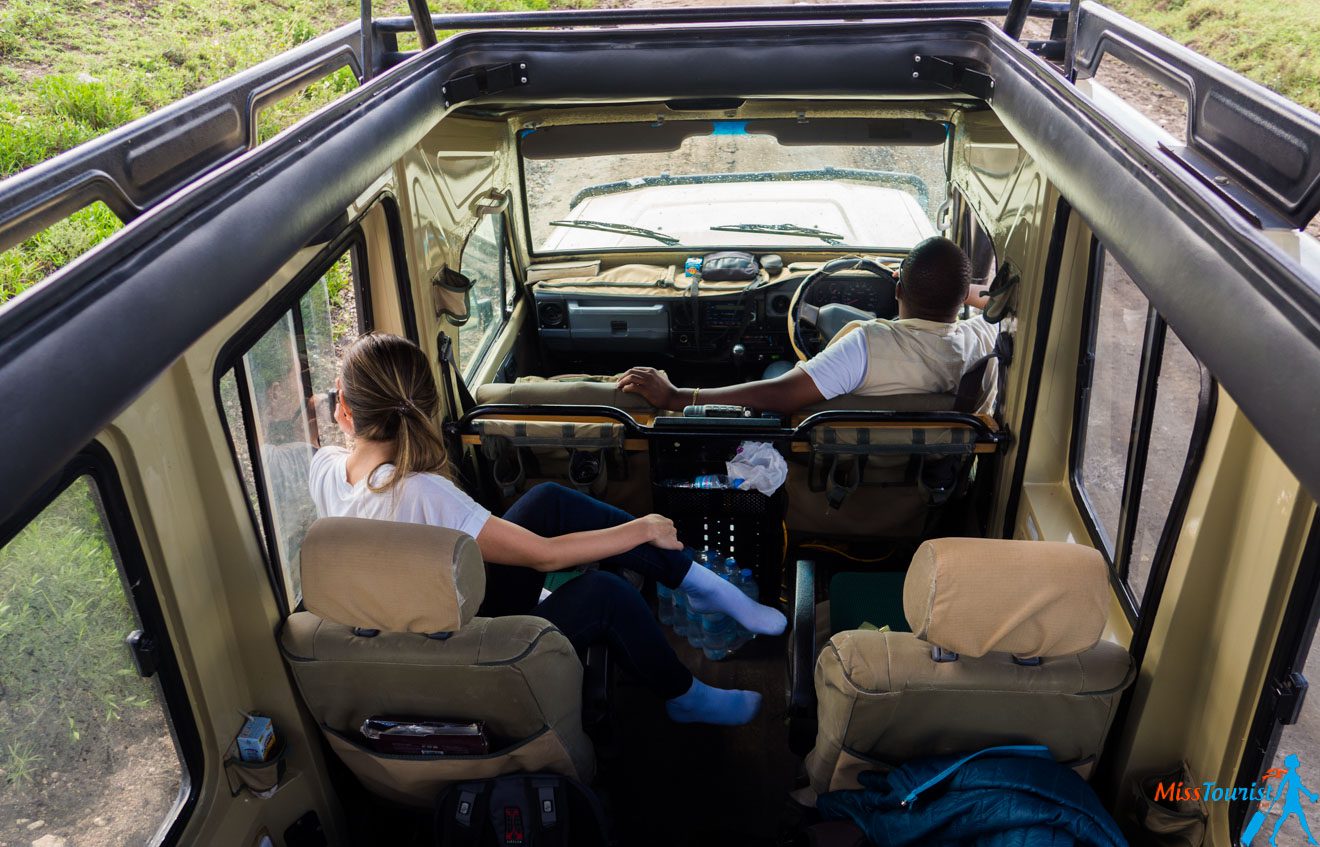
Knowing how a safari vehicle works and what a typical game drive day looks like helps you feel relaxed and prepared from your very first morning in the parks. Tanzania safaris usually use comfortable, customised 4x4 vehicles with pop-up roofs, designed for rough roads and excellent wildlife viewing in every direction. The cards below explain what to expect inside a Tanzania safari vehicle, from the pop-up roof and seating to long game drive days and safe comfort breaks. Your guide will also give you a short, friendly vehicle briefing on the very first morning of your private safari.
Pop-Up Roof 4x4 Vehicles
Most Tanzania safaris use customised 4x4 vehicles with a pop-up roof, which lifts to give you shade and a clear, all-round view while standing at sightings. The roof also helps you take photos above the grass. Stand only when the vehicle has stopped, and hold on firmly to the frame when your guide moves off.
Seats and Window Views
On a private safari, every traveller should have a window seat, giving clear views and room for cameras. Rotating seats each day keeps things fair, especially for families and friends travelling together. Keep bags on the floor or in the luggage area, so seats stay free and everyone can move easily to see wildlife on both sides.
Long Game Drive Days
Game drives can last several hours, and full-day drives often include a picnic lunch in the park. Bring plenty of water, sun protection, a warm layer and snacks in sealed containers. Use the toilet at lodges, gates or picnic sites when you can, and tell your guide early if you need a comfort stop between wildlife sightings.
Stops and Bush Breaks
Your guide will choose safe places for comfort breaks, often at designated picnic sites or open areas with good visibility. Never get out of the vehicle on your own, even if no animals are in sight, as predators can be well hidden. Wait for your guide to check the area and confirm it is safe first.
Safari Photography Etiquette in the Vehicle
Photography is one of the highlights of any safari, and a few simple manners help you take better pictures while respecting wildlife and fellow travellers in the vehicle. Good photography etiquette keeps cameras inside the vehicle, reduces disturbance to animals and makes sure everyone gets a fair chance to capture each special sighting. The cards below share practical safari photography etiquette from our guides, covering beanbags, engine stops, taking turns and moving slowly and quietly at close sightings. Follow them carefully and you will enjoy sharper, better photos and calmer, more natural wildlife moments on every game drive.
Use a Beanbag, Not the Window Frame
A small beanbag resting on the window ledge or roof frame steadies long lenses and gives sharper photos than handholding. It also keeps cameras inside the vehicle and protects the frame from scratches. Fill it with rice or beans on arrival, and empty it before you fly home to save valuable luggage weight on the flight.
Ask Before Asking for the Engine Off
A running engine causes vibration that can blur photos, so many guides switch it off at good sightings. If you would like the engine off, ask politely, and understand that your guide may need it running for safety, positioning or to move quickly. Good communication helps your guide balance photography with safety for everyone on board.
Take Turns at the Best Angle
When a sighting appears on one side, take your photos and then make space for others to do the same. Avoid leaning across fellow travellers or standing in front of them through the roof. A private vehicle makes this easy, but courtesy and patience still help everyone leave the sighting with photos they love and treasure.
Keep Movements Slow and Quiet
Sudden movements, loud shutter bursts and lens changes can disturb sensitive animals at close range. Prepare your camera settings before reaching a sighting, move slowly when adjusting your position and use a silent shutter where possible. Calm, quiet photographers usually capture the most natural behaviour, from yawning lions and playful cubs to feeding elephants and drinking giraffes.
Safari Vehicle Etiquette for Families
Family safaris are truly wonderful experiences, and a little preparation helps children understand and enjoy safari vehicle etiquette from their very first game drive in Tanzania. Young travellers very quickly learn to whisper, spot animals and follow their guide when the rules are explained simply and made part of the adventure. The cards below share safari vehicle etiquette tips for families, from briefing children before each drive to keeping them busy, planning breaks and staying safe at sightings. A private family safari gives you the flexibility to set a comfortable, relaxed pace for everyone, from toddlers to grandparents.
Brief Children Before Each Drive
Explain the simple vehicle rules to children before each game drive, especially staying seated, keeping hands inside and using quiet voices near animals. Turning the rules into a game, such as whispering like a ranger, helps young travellers remember them. Our guides are also happy to brief children in a friendly, patient and encouraging way before setting off.
Keep Them Busy and Curious
Long drives can test young travellers' patience, so bring binoculars, a wildlife checklist, drawing books and quiet snacks. Ask your guide to share animal facts, tracks and stories to keep children engaged. Curious, involved children are calmer and more likely to enjoy every sighting, rather than feeling bored and restless during the quieter moments between animals.
Plan Shorter Drives and Breaks
Younger children usually enjoy shorter game drives with regular breaks for snacks, toilet stops and rest. On a private safari, you can return to the lodge at midday or finish early whenever the family needs it. Flexible pacing keeps everyone happier and makes the time spent watching wildlife far more rewarding for every member of the family.
Safety With Young Children
Children should always remain seated while the vehicle moves and stand only with an adult holding them when the guide allows. Keep small items such as toys and hats secure so nothing falls out near animals. Some parks and lodges have age guidelines for certain activities, so ask our friendly team for advice when planning your trip.
Safari Planning Guides
Safari Vehicle Etiquette: FAQs
What are the rules in a safari vehicle?
Follow your guide's instructions, stay seated while the vehicle moves, keep your voice low, keep hands and belongings inside, never feed animals, avoid flash photography and take all litter with you.
Can you stand up in a safari vehicle?
Yes, in a pop-up roof vehicle you can stand once the vehicle has stopped and your guide says it is safe. Always sit down before the vehicle moves off, and hold on to the frame.
Is it safe to be in an open safari vehicle near lions?
Yes, when you follow your guide's instructions. Animals usually see the vehicle as one large object. Stay seated, keep quiet and keep your arms inside so you do not break that outline.
Can I get out of the safari vehicle?
Only when your guide confirms it is safe and permitted, usually at designated picnic sites, viewpoints or toilet stops. Never leave the vehicle on your own, even if no animals are visible.
Should I use flash photography on safari?
No. Flash can startle and stress animals, especially at dawn, dusk and night. Use natural light, a beanbag for support and a quiet shutter setting where possible.
How quiet should I be on a game drive?
Speak softly near wildlife, keep phones on silent and avoid music or shouting. Quiet vehicles see more natural behaviour and longer, calmer sightings.
Can I feed animals on safari?
No. Feeding wildlife is prohibited in Tanzania's national parks. It changes natural behaviour and can make animals aggressive. Keep snacks sealed and out of sight.
Can I smoke in a safari vehicle?
Smoking is not allowed during game drives. Dry grasslands catch fire easily, and smoke disturbs other travellers and wildlife. Ask your guide about designated areas at lodges or rest stops.
Do I get a window seat on safari?
On our private safaris, every traveller has a window seat in a pop-up roof 4x4 vehicle, with plenty of space for cameras and binoculars.
Can I ask my guide to turn off the engine for photos?
Yes, you can ask politely. Many guides switch off the engine at good sightings, but they may keep it running for safety or positioning, so always respect their decision.
How should children behave in a safari vehicle?
Children should stay seated while moving, keep hands inside, use quiet voices and stand only with an adult when the guide allows. Shorter drives and activities help keep them happy.
What should I bring in the safari vehicle?
Bring water, sunscreen, a hat, sunglasses, a warm layer, binoculars, a camera, sealed snacks and a small bag for rubbish. Keep bags on the floor so seats stay free.
Plan Further: Safari Guides and Resources
Tanzania Safaris
Destinations
Plan Your Private Tanzania Safari
Tell us your dates and interests, and our local team in Arusha will design a private tailor-made safari with your own pop-up roof 4x4 vehicle and professional guide.
Book Now Online →What Our Travelers Say
Real 5-star reviews from guests who traveled with us