Tips on Vehicle Etiquette on Safari
Tips on Vehicle Etiquette on Safari
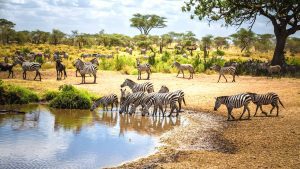
A wildlife safari in Tanzania is more than a vacation; it is a once-in-a-lifetime African safari adventure filled with breathtaking landscapes, close wildlife encounters, and unforgettable game drives. Whether you are exploring the endless plains of the Serengeti National Park, descending into the Ngorongoro Crater, or discovering the elephant-rich wilderness of Tarangire National Park, proper safari vehicle etiquette plays a vital role in protecting wildlife and improving everyone’s safari experience. Good safari manners help maintain peace in nature, allow animals to behave naturally, and ensure all travelers enjoy exceptional wildlife photography and game viewing. From respecting your safari guide to keeping noise levels low during a game drive, understanding safari vehicle etiquette is essential for responsible tourism, sustainable travel, luxury safaris, family safaris, honeymoon safaris, and African wildlife tours across Tanzania and East Africa.
Respect Your Safari Guide’s Instructions
One of the most important safari tips is listening carefully to your professional safari guide. Experienced guides understand animal behavior, park regulations, road safety, and the best ways to approach wildlife without causing stress or danger. During Tanzania safari tours, guides often instruct guests to remain seated, avoid sudden movements, or keep their voices low near animals. These rules are designed to protect both visitors and wildlife. Ignoring instructions can disturb animals and negatively affect the safari experience for others in the vehicle. Whether you are on a luxury Tanzania safari, a budget camping safari, or a private African safari tour, respecting your guide ensures smooth and safe wildlife viewing. Guides in destinations like the Serengeti ecosystem and Ngorongoro Conservation Area possess deep local knowledge that enhances your African safari adventure while promoting ethical wildlife tourism and sustainable safari practices throughout East Africa.
Keep Noise Levels Low During Game Drives
Silence is one of the greatest secrets to successful wildlife viewing on an African safari. Loud conversations, shouting, music, or unnecessary noises can scare animals away and disrupt the peaceful atmosphere of the bush. Many safari travelers hope to witness rare wildlife moments such as lion hunts, leopard sightings, or elephant interactions, and these experiences often require patience and quiet observation. On Tanzania wildlife safaris, maintaining low noise levels improves the chances of seeing animals behaving naturally in their habitat. Quiet environments also benefit photographers seeking the perfect wildlife photography opportunities during sunrise and sunset game drives. Whether exploring Lake Manyara, Tarangire, or the Serengeti plains, respecting silence allows everyone to enjoy authentic safari experiences. Calm behavior inside safari vehicles reflects responsible tourism and contributes to conservation-friendly safari travel across Tanzania’s world-famous national parks and game reserves.
Avoid Standing Without Permission
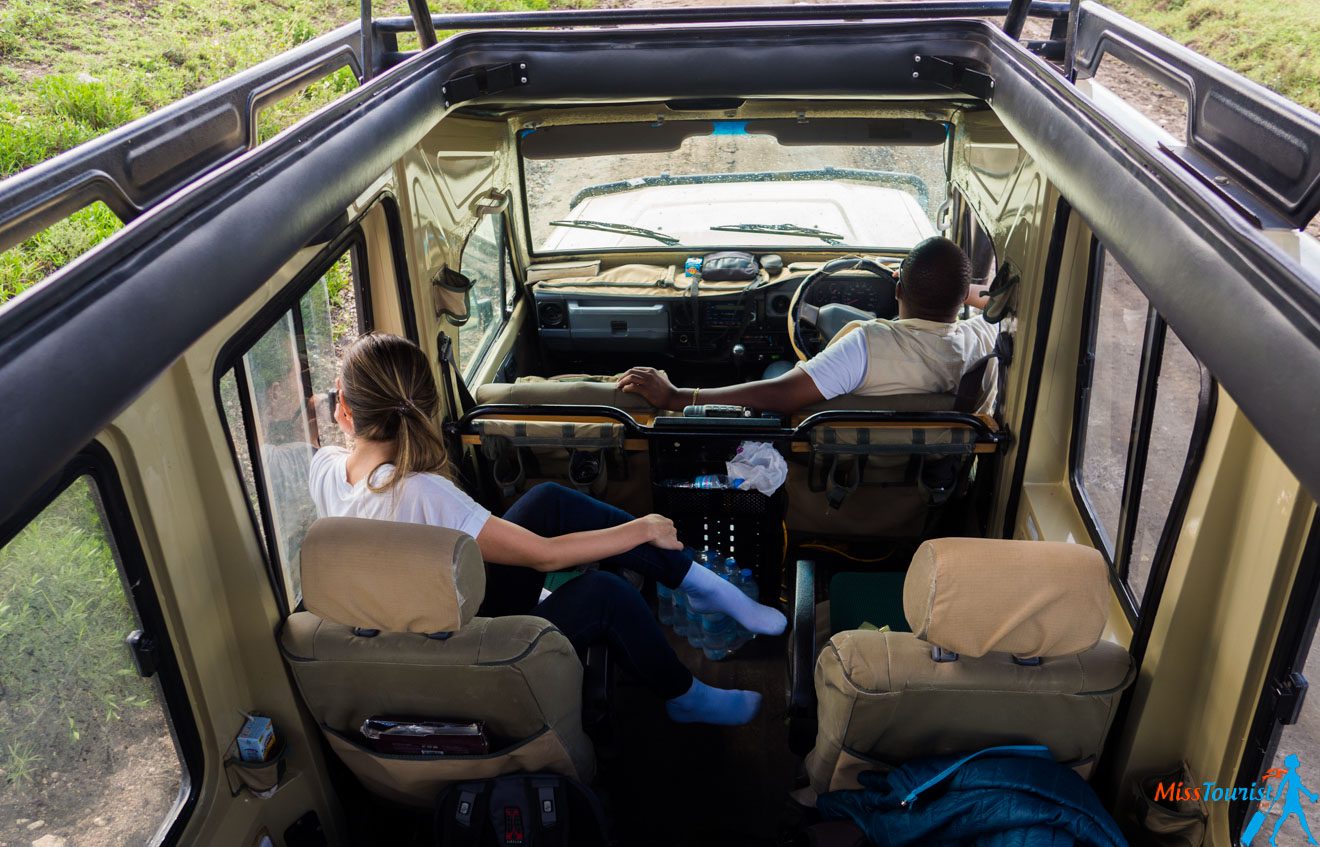
Standing suddenly inside a safari vehicle can alarm wildlife and create safety risks for passengers. Many safari animals recognize vehicles as harmless objects, but abrupt movements may make humans appear threatening. During Tanzania safari game drives, guides usually inform guests when it is safe to stand for photography or better viewing. Ignoring these guidelines can scare animals away or even provoke dangerous reactions from wildlife such as buffalo, elephants, or big cats. In open safari vehicles, standing unexpectedly may also block views for other travelers trying to enjoy the experience. Luxury safaris, family safaris, and photographic safaris all depend on respectful cooperation among guests. Proper safari etiquette ensures smoother wildlife encounters and safer adventures in famous destinations like the Serengeti National Park and Ngorongoro Crater. Responsible traveler behavior helps maintain peaceful interactions between humans and wildlife in Africa’s protected ecosystems.
Never Feed Wild Animals
Feeding wild animals during a safari may seem harmless, but it can seriously damage natural wildlife behavior and create long-term conservation problems. Animals that become dependent on human food may lose hunting instincts, become aggressive, or approach vehicles dangerously. Tanzania's national parks and conservation areas strictly prohibit feeding wildlife to protect animals and preserve ecological balance. On African safari tours, visitors may encounter monkeys, baboons, birds, or other curious animals near picnic sites or lodges. Even small food scraps can encourage unhealthy habits and increase human-wildlife conflict. Responsible safari travelers should store snacks properly and follow all park regulations during game drives and bush picnics. Ethical safari tourism supports wildlife conservation while protecting future safari experiences for generations to come. By respecting nature and allowing animals to remain wild, visitors contribute positively to sustainable tourism in Tanzania and East Africa’s extraordinary wilderness destinations.
Respect Everyone’s Viewing Opportunities
A safari vehicle is a shared space where every guest deserves equal opportunities to enjoy wildlife sightings and photography. Blocking views, monopolizing one side of the vehicle, or constantly moving around can frustrate other travelers during game drives. Practicing patience and courtesy creates a more enjoyable safari atmosphere for everyone. During exciting wildlife encounters, such as spotting lions in the Serengeti or rhinos in the Ngorongoro Crater, allow fellow guests time to observe and take photographs. On luxury Tanzania safaris and small-group African safaris, teamwork and consideration help maximize the experience for all passengers. Safari etiquette also includes avoiding loud reactions that may disturb the moment. Respectful behavior encourages a calm and memorable wildlife viewing environment. Whether traveling with family, friends, photographers, or solo adventurers, sharing safari moments respectfully enhances the overall African safari experience while supporting positive and enjoyable group travel dynamics.
Keep Your Hands and Arms Inside the Vehicle
Wild animals may appear calm during safari game drives, but they are unpredictable and should always be treated with caution. Keeping hands, arms, cameras, and other belongings inside the safari vehicle is an essential safety rule across Tanzania safari parks and African wildlife reserves. Reaching outside the vehicle can startle animals or place visitors in danger, especially near elephants, lions, buffalo, or hippos. Professional safari guides position vehicles carefully to ensure safe wildlife viewing without disturbing animals. Guests should trust the guide’s expertise and avoid risky behavior during close encounters. This safari safety tip is especially important on family safaris where children may become excited during wildlife sightings. Responsible conduct protects travelers while preserving natural animal behavior. Whether on a luxury safari, photography safari, or budget camping safari, following vehicle safety rules contributes to safe, ethical, and unforgettable safari adventures in Tanzania.
Limit Flash Photography Around Wildlife
Wildlife photography is one of the highlights of any Tanzania safari tour, but excessive flash photography can disturb and stress animals. Bright camera flashes may frighten nocturnal animals during night game drives or distract predators during hunting activities. Safari etiquette encourages photographers to use natural lighting whenever possible to preserve authentic wildlife behavior. Modern cameras and smartphones often perform well in low light without requiring flash. In destinations like the Serengeti, Ngorongoro Crater, and Lake Manyara National Park, respectful photography practices improve the experience for both animals and fellow travelers. Professional safari guides may advise guests when photography conditions are appropriate and when flash should be avoided completely. Ethical wildlife photography supports conservation-focused tourism while helping photographers capture genuine moments in nature. Responsible photography behavior ensures Tanzania safari experiences remain sustainable, peaceful, and rewarding for visitors seeking extraordinary African wildlife encounters and unforgettable safari memories.
Be Patient During Wildlife Sightings
Patience is one of the greatest qualities of successful safari travelers. Wildlife sightings often require time, observation, and quiet waiting. Animals move naturally and may disappear into bushes, grasslands, or forests before returning unexpectedly. During African safari game drives, rushing guides or demanding immediate sightings can reduce the overall safari experience. Tanzania’s national parks offer incredible biodiversity, but nature operates on its own schedule. Remaining patient during game drives often rewards visitors with unforgettable moments such as cheetah hunts, elephant herds crossing rivers, or leopards resting in trees. Patience also allows guides to track animal movements carefully and position vehicles responsibly for the best viewing opportunities. Luxury safari travelers, photographers, honeymoon couples, and family safari guests all benefit from calm observation and realistic expectations. Respecting nature’s rhythm creates more meaningful and authentic safari adventures throughout Tanzania and East Africa’s remarkable wilderness regions.
Avoid Littering in National Parks
Keeping Tanzania’s national parks clean is an essential part of responsible safari travel and wildlife conservation. Littering damages ecosystems, harms animals, and reduces the beauty of Africa’s iconic safari destinations. Plastic bottles, food wrappers, cigarette butts, and other waste can injure wildlife or pollute natural habitats. During safari tours in the Serengeti, Tarangire, or Ngorongoro Conservation Area, visitors should always carry waste back to lodges or designated disposal areas. Ethical safari operators encourage eco-friendly travel practices that protect the environment for future generations. Sustainable tourism depends on travelers respecting nature and minimizing environmental impact during game drives and bush excursions. Luxury safaris, camping safaris, and family safari holidays all benefit from clean, protected wilderness areas. By practicing proper waste disposal and supporting conservation-minded tourism, safari travelers contribute positively to preserving Tanzania’s extraordinary biodiversity and maintaining the pristine beauty of East Africa’s world-famous wildlife destinations.
Respect Wildlife Viewing Distance
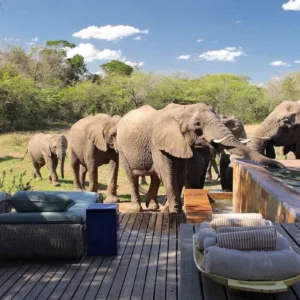
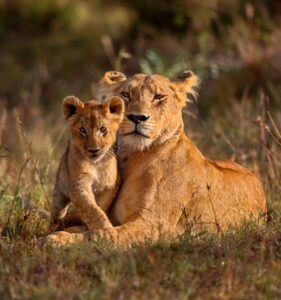
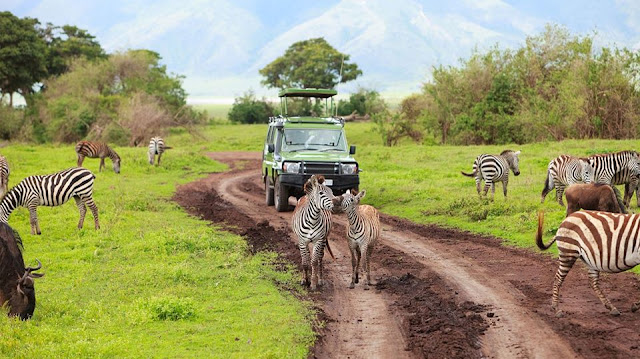
Approaching animals too closely can create stress, interrupt natural behavior, and increase danger for both humans and wildlife. Professional safari guides maintain safe viewing distances to ensure ethical wildlife encounters and compliance with national park regulations. During Tanzania safaris, responsible guides understand how close vehicles should be to lions, elephants, rhinos, giraffes, and other animals without causing disturbance. Guests should avoid pressuring guides to move closer simply for better photographs. Respectful wildlife viewing supports conservation efforts and allows animals to behave naturally in their environment. In popular safari destinations such as the Serengeti National Park and Ngorongoro Crater, proper viewing distance helps preserve the quality of game drives for everyone. Ethical safari tourism encourages visitors to admire wildlife responsibly rather than interfere with natural activities. Maintaining respectful distance contributes to safer, more sustainable, and more rewarding African safari experiences across Tanzania’s spectacular national parks.
Arrive on Time for Safari Activities
Punctuality is an important but often overlooked part of safari etiquette. Safari schedules are carefully planned around wildlife activity, weather conditions, and park operating hours. Early morning game drives are especially important because many animals are most active during cooler hours after sunrise. Arriving late can delay the entire group and reduce opportunities for exceptional wildlife sightings. During luxury Tanzania safaris, private safaris, or group tours, respecting schedules demonstrates consideration for guides and fellow travelers. Timely departures also help safari vehicles reach prime wildlife viewing locations before crowds gather. In destinations like the Serengeti ecosystem and Tarangire National Park, every minute in the bush matters. Responsible safari behavior includes being prepared with cameras, jackets, binoculars, and water before departure. Punctual guests contribute to smooth safari operations while maximizing unforgettable wildlife encounters during African safari holidays and Tanzania adventure travel experiences.
Practice Responsible and Sustainable Safari Travel
Modern travelers increasingly seek eco-friendly safari experiences that support wildlife conservation and local communities. Responsible safari etiquette extends beyond vehicle behavior and includes choosing ethical safari operators, respecting local cultures, and minimizing environmental impact. Sustainable Tanzania safari tours often support conservation projects, anti-poaching programs, and community development initiatives around national parks. Travelers can contribute by conserving water and energy at safari lodges, reducing plastic use, and purchasing locally made crafts from Maasai communities and other local groups. Respectful interactions with guides, lodge staff, and fellow travelers also enhance the safari experience. Ethical tourism protects the future of iconic destinations like the Serengeti, Ngorongoro Crater, and Tarangire National Park. Whether enjoying a luxury safari, honeymoon safari, photographic safari, or family adventure, responsible travel choices help preserve Africa’s wildlife and landscapes while creating meaningful and sustainable safari memories for future generations of explorers.
Final Thought
Vehicle etiquette on safari is about far more than following rules; it is about respecting nature, wildlife, fellow travelers, and the fragile ecosystems that make Tanzania one of the world’s top safari destinations. Simple actions such as staying quiet, listening to guides, avoiding littering, and respecting wildlife distance create safer and more rewarding safari experiences for everyone. Ethical safari behavior also supports wildlife conservation, sustainable tourism, and the long-term protection of Africa’s extraordinary national parks. Whether visiting the Serengeti, Ngorongoro Crater, Tarangire, or other iconic destinations, practicing good safari etiquette helps travelers connect more deeply with the natural world. A respectful safari experience not only produces unforgettable wildlife encounters and stunning photography opportunities but also helps preserve Tanzania’s incredible wilderness for future generations seeking authentic African safari adventures.
Tips on Vehicle Etiquette on Safari: FAQs
What can you expect from respect your safari guide’s instructions on a Tanzania safari?
One of the most important safari tips is listening carefully to your professional safari guide. Experienced guides understand animal behavior, park regulations, road safety, and the best ways to approach wildlife without causing stress or danger. During Tanzania safari tours, guides often instruct guests to remain seated, avoid sudden movements, or keep their voices low near animals.
What should you know about keep noise levels low during game drives on a Tanzania safari?
Silence is one of the greatest secrets to successful wildlife viewing on an African safari. Loud conversations, shouting, music, or unnecessary noises can scare animals away and disrupt the peaceful atmosphere of the bush. Many safari travelers hope to witness rare wildlife moments such as lion hunts, leopard sightings, or elephant interactions, and these experiences often require patience and quiet observation.
What can you expect from avoid standing without Permission on a Tanzania safari?
Standing suddenly inside a safari vehicle can alarm wildlife and create safety risks for passengers. Many safari animals recognize vehicles as harmless objects, but abrupt movements may make humans appear threatening. During Tanzania safari game drives, guides usually inform guests when it is safe to stand for photography or better viewing.
What should you know about Never Feed wild animals on a Tanzania safari?
Feeding wild animals during a safari may seem harmless, but it can seriously damage natural wildlife behavior and create long-term conservation problems. Animals that become dependent on human food may lose hunting instincts, become aggressive, or approach vehicles dangerously. Tanzania's national parks and conservation areas strictly prohibit feeding wildlife to protect animals and preserve ecological balance.
What are the respect everyone’s viewing opportunities on a Tanzania safari?
A safari vehicle is a shared space where every guest deserves equal opportunities to enjoy wildlife sightings and photography. Blocking views, monopolizing one side of the vehicle, or constantly moving around can frustrate other travelers during game drives. Practicing patience and courtesy creates a more enjoyable safari atmosphere for everyone.
What can you expect from keep your hands and arms inside the vehicle?
Wild animals may appear calm during safari game drives, but they are unpredictable and should always be treated with caution. Keeping hands, arms, cameras, and other belongings inside the safari vehicle is an essential safety rule across Tanzania safari parks and African wildlife reserves. Reaching outside the vehicle can startle animals or place visitors in danger, especially near elephants, lions, buffalo, or hippos.
What should you know about limit flash photography around wildlife on a Tanzania safari?
Wildlife photography is one of the highlights of any Tanzania safari tour, but excessive flash photography can disturb and stress animals. Bright camera flashes may frighten nocturnal animals during night game drives or distract predators during hunting activities. Safari etiquette encourages photographers to use natural lighting whenever possible to preserve authentic wildlife behavior.
What can you expect from be patient during wildlife sightings on a Tanzania safari?
Patience is one of the greatest qualities of successful safari travelers. Wildlife sightings often require time, observation, and quiet waiting. Animals move naturally and may disappear into bushes, grasslands, or forests before returning unexpectedly. During African safari game drives, rushing guides or demanding immediate sightings can reduce the overall safari experience.
Plan Your Private Tanzania Safari
Tell us your travel dates, interests and budget, and our local team will design a private tailor-made safari around you.