13 Tips for Planning an African Great Migration Safari
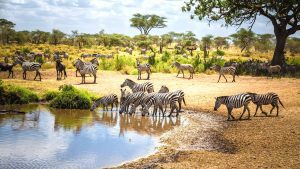
The Great Migration is the world's largest overland wildlife movement, with over a million wildebeest, joined by hundreds of thousands of zebras and gazelles, circling the Serengeti and Masai Mara ecosystem in search of fresh grass. Seeing it at its best depends on careful planning, because the herds move constantly and each season offers a different spectacle, from calving at Ndutu to dramatic Mara River crossings. This complete guide offers thirteen practical, expert tips for planning an African Great Migration safari, covering timing, routes, accommodation, budget, packing and photography, plus a month-by-month migration guide and answers to common questions.
How do you plan a Great Migration safari?
To plan a Great Migration safari, first choose what you want to see: calving at Ndutu from December to March, Grumeti crossings from May to July, or Mara River crossings from July to October. Then book a private safari 9 to 12 months ahead and stay in mobile camps near the herds for 3 or more nights.
01Timing and Route Tips for the Great Migration
Timing is the single most important factor when planning a Great Migration safari, because the herds follow the rains in a roughly circular route through the Serengeti and into Kenya's Masai Mara. Choosing the right month, the right area and the right length of stay determines whether you see calving, river crossings or vast herds on the move. The five cards below cover our first tips for planning an African Great Migration safari, explaining how the migration moves, what each season offers and how to build a route that puts you in the best place at the best time.
Understand the migration pattern
The migration follows a year-round, roughly clockwise route driven by rainfall and fresh grazing. Herds calve in the southern Serengeti from December to March, move north and west through the central Serengeti and Western Corridor from April to July, and cross the Mara River into the northern Serengeti and Masai Mara from July to October.
Decide what you most want to see
Before choosing any dates, decide whether calving season, river crossings or simply vast herds matter most to you personally. Calving from January to March brings newborn wildebeest and intense predator action, while Mara River crossings from July to October offer the drama many travellers dream of. Your priorities will shape every other planning decision you make.
Choose the right area of the Serengeti
Always match your safari location to the season. Visit Ndutu and the southern plains from December to March, the central Serengeti and Western Corridor from April to July, and the northern Serengeti around Kogatende from July to October. Your safari specialist will track recent herd movements and position your camp in exactly the right area accordingly.
Allow enough days near the herds
The herds move unpredictably, and river crossings can take hours or days to happen, so allow at least three nights in the migration area, ideally more. A seven to ten day private safari lets you combine the migration with the Ngorongoro Crater and Tarangire, giving you the Big Five alongside the herds without any rushing.
Consider combining Tanzania and Kenya
From August to October, the herds move between Tanzania's northern Serengeti and Kenya's Masai Mara, crossing the famous Mara River in both countries. A cross-border safari lets you explore and see both sides of the ecosystem, although Tanzania's northern Serengeti is usually far less crowded at river crossings and ideal for a quieter private migration safari.
02Booking and Accommodation Tips
Once you know when and where to go, the next step is securing the right operator, camp and safari style. The best migration camps are often small, seasonal and fully booked many months in advance, especially during the river crossing season, so early planning makes a huge practical difference. Your budget, travel style and choice between lodges, tented camps and mobile camps also shape your experience. The four cards below cover tips six to nine for planning an African Great Migration safari, helping you book wisely and stay as close as possible to the moving herds every day.
Book with an experienced local operator
Choose a reputable, licensed operator with local guides who track the herds daily and understand the migration's changing patterns. An Arusha-based specialist can adjust your route and camp locations as the season unfolds. Check reviews, guide experience and vehicle quality, and look for operators that support conservation and local communities across Tanzania. Ask plenty of questions before booking.
Book 9 to 12 months in advance
Camps near the river crossings and the calving grounds are limited and fill quickly, particularly from July to September and over the Christmas and February calving peaks. Booking nine to twelve months ahead gives you the widest choice of camps and dates, and the best chance of securing your preferred private vehicle and expert guide.
Stay in a mobile migration camp
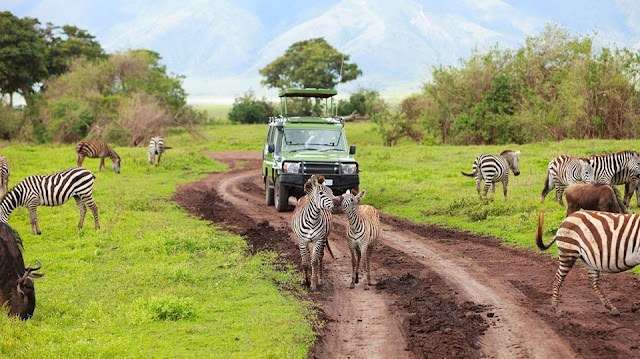
Mobile tented camps move several times a year to follow the herds, placing you close to the action at Ndutu during calving and near the Mara River during the crossing season. Staying in one means less driving and more time with the wildlife. Permanent lodges and luxury camps are also available in strategic locations year-round.
Set a realistic budget
Migration safaris vary in price depending on season, accommodation and how you travel between parks. As a guide, private safaris typically range from about US$250–390 per person per day for camping, US$550–990 for mid-range and US$990–2,500+ for luxury. Peak crossing months generally cost more than the quieter green season, so travelling in shoulder months can offer better value.
03On-Safari Tips for the Great Migration
With your safari booked, a little careful preparation makes every game drive more comfortable and rewarding. The Serengeti can be dusty, cold at dawn and hot by midday, river crossings demand patience, and photographers need the right gear to capture fast-moving action. Respecting wildlife and park rules also keeps the migration experience special for everyone. The four cards below cover our final four tips for planning an African Great Migration safari, from packing and photography to patience at river crossings and responsible wildlife viewing, so you can enjoy every single moment in the field with confidence, comfort and joy.
Pack light layers for dust and cold
Pack neutral-coloured, breathable layers for warm days and a fleece or light jacket for chilly early mornings and evenings. A scarf or buff helps with dust on dry-season drives, and sunglasses, a wide-brimmed hat and sunscreen are essential. Most light aircraft limit luggage to soft bags of around 15 kilograms per person, including hand luggage.
Bring the right camera gear
A telephoto zoom lens of around 100–400 mm is ideal for river crossings and predators, while a wide-angle lens captures the vast herds. Always bring spare batteries, memory cards and a beanbag to steady your camera on the vehicle. Binoculars for every traveller help you scan the plains for distant herds and exciting predator hunts.
Be patient at river crossings
River crossings are unpredictable, and herds may gather on the bank for hours before one brave animal finally leads the way. Patience is essential, so pack snacks and water, settle in at a good vantage point and let your guide decide when to wait or move. A private vehicle allows you to stay as long as you wish.
Respect wildlife and the environment
Keep a respectful distance from the herds, especially at crossing points, so that animals are not discouraged from crossing. Follow your guide's instructions, stay on designated tracks where required, never feed wildlife and keep noise very low. Choosing a responsible operator helps protect the Serengeti ecosystem and the communities that depend on it for their future.
04The Great Migration Month by Month
Knowing exactly where the herds are likely to be each month is the foundation of every successful migration safari. Although the exact timing changes from year to year with the rains, the migration follows a broadly predictable pattern through the Serengeti ecosystem, with each season offering its own highlights, from newborn calves and predator action to dramatic river crossings. Use the tabs below to follow the Great Migration month by month, with the best areas to visit, what you can expect to see and practical tips for planning your private tailor-made safari at each stage of the annual cycle.
Calving Season in Ndutu and the Southern Serengeti
Calves and predators
Hundreds of thousands of births
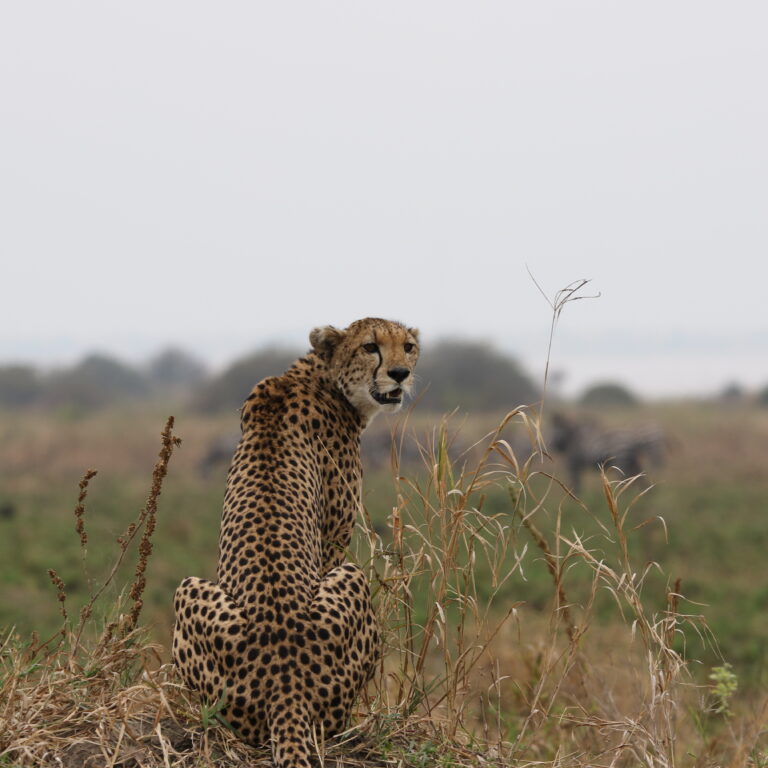
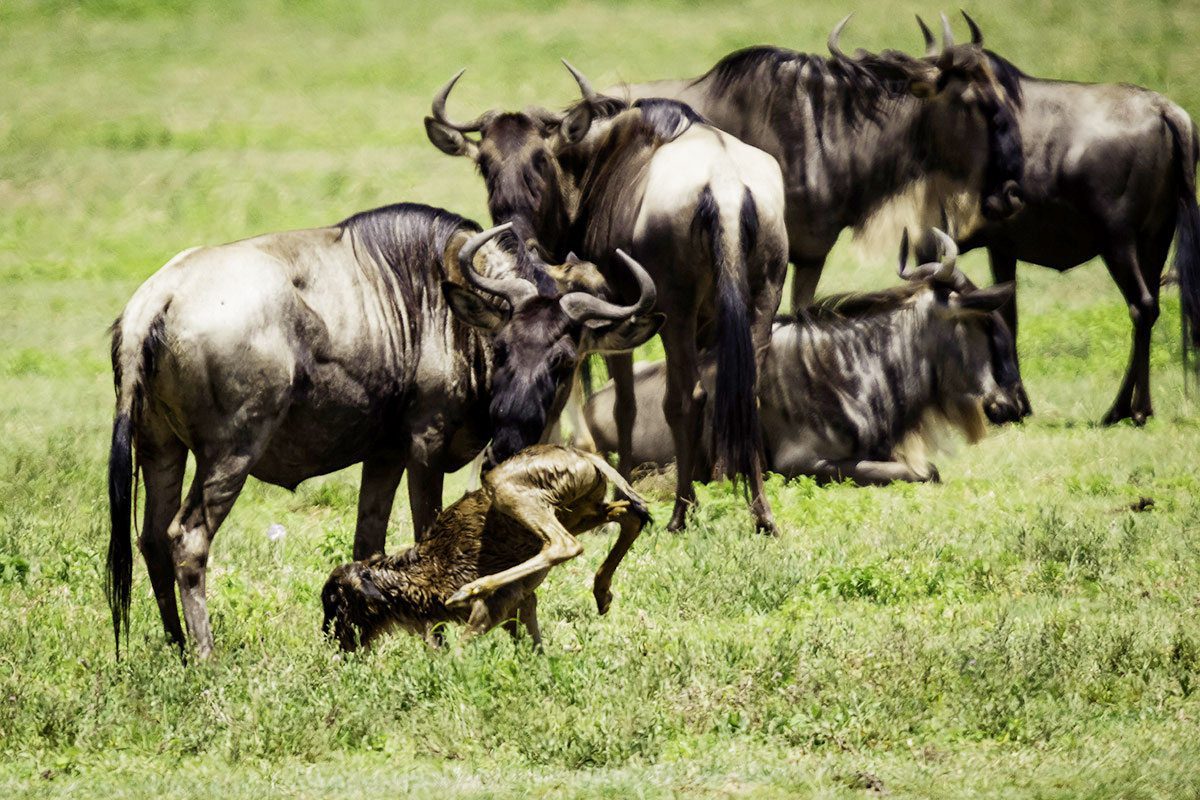
From December to March, the herds graze the short-grass plains of the southern Serengeti and Ndutu, where hundreds of thousands of wildebeest calves are born, mostly in February. The abundance of young animals attracts lions, cheetahs and hyenas, creating intense predator action. Green landscapes and dramatic skies make this a superb time for photography. Book early.
Wildebeest calving season →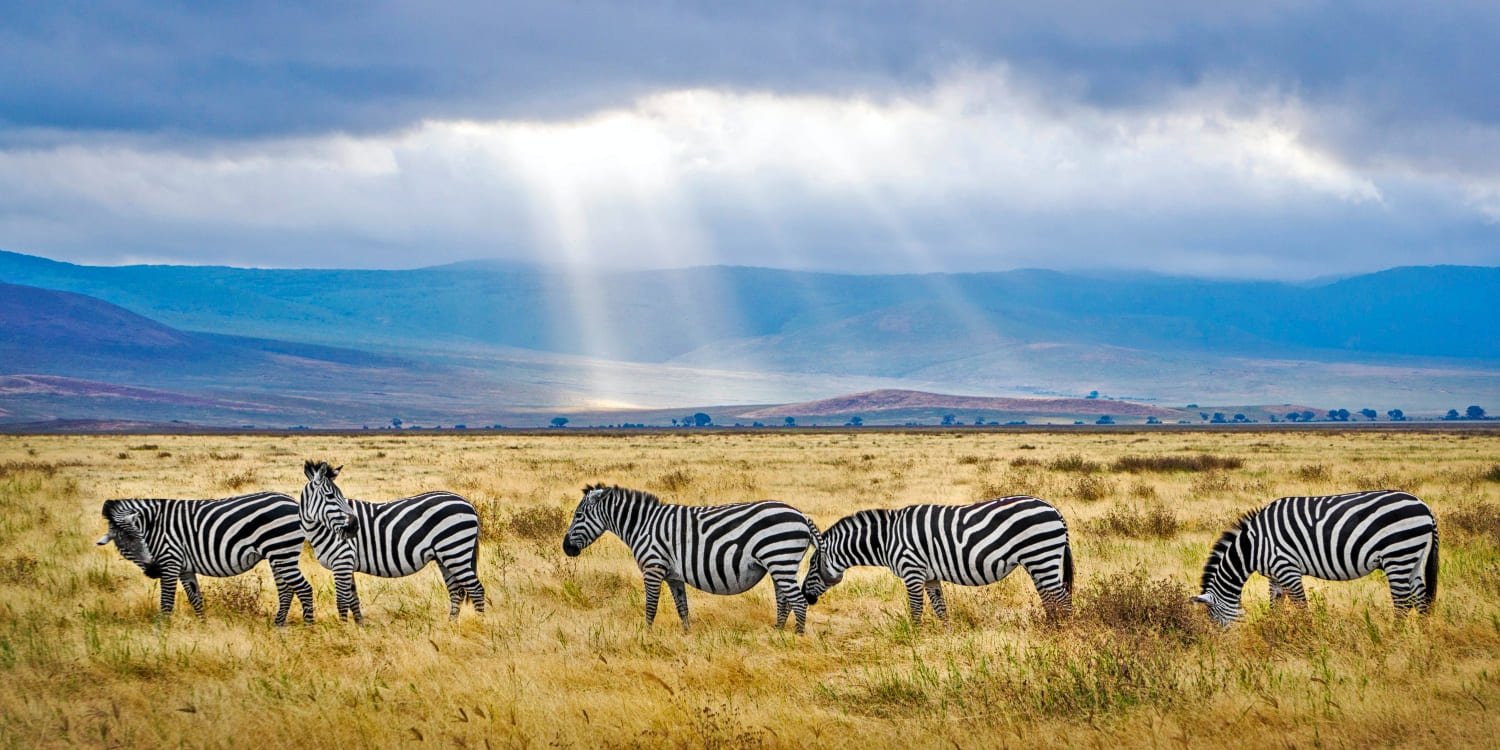
Herds Moving Through the Central Serengeti
Quiet, green safaris
Long columns of moving herds
In April and May, the long rains arrive and the herds begin moving north and west through the central Serengeti in long columns. This green season is quiet, with fewer vehicles and lush scenery, although some roads become muddy and a few camps close. It suits flexible travellers seeking peaceful sightings and beautiful light. Expect afternoon showers.
Serengeti migration safari →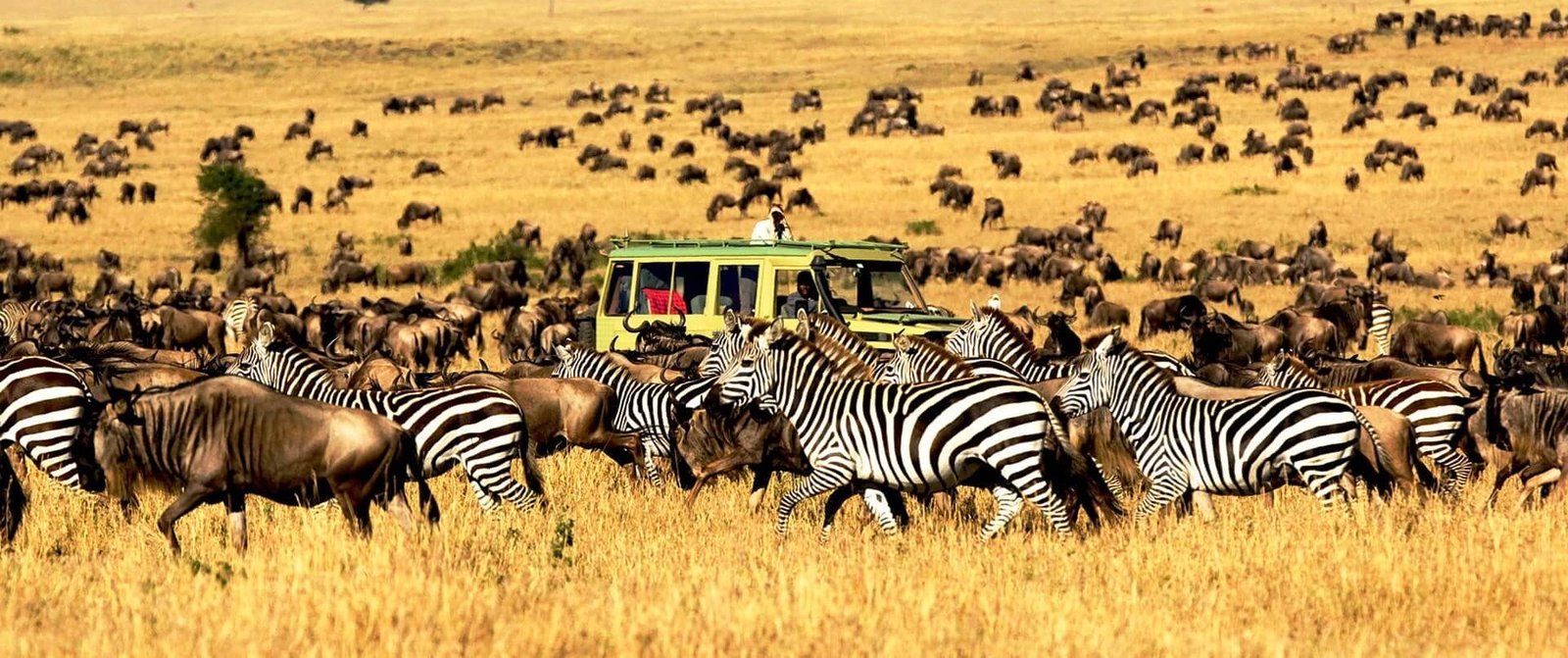
Grumeti River Crossings in the Western Corridor
First river crossings
Crocodiles and the Grumeti River
From about late May to July, the herds move through the Western Corridor and cross the Grumeti River, where giant Nile crocodiles lie in wait. These crossings are usually smaller than those on the Mara River but far less crowded. The dry season begins, bringing clear skies, pleasant temperatures and excellent game viewing. Allow several nights.
Western Corridor migration →
Mara River Crossings in the Northern Serengeti
Dramatic river crossings
The migration's most famous spectacle
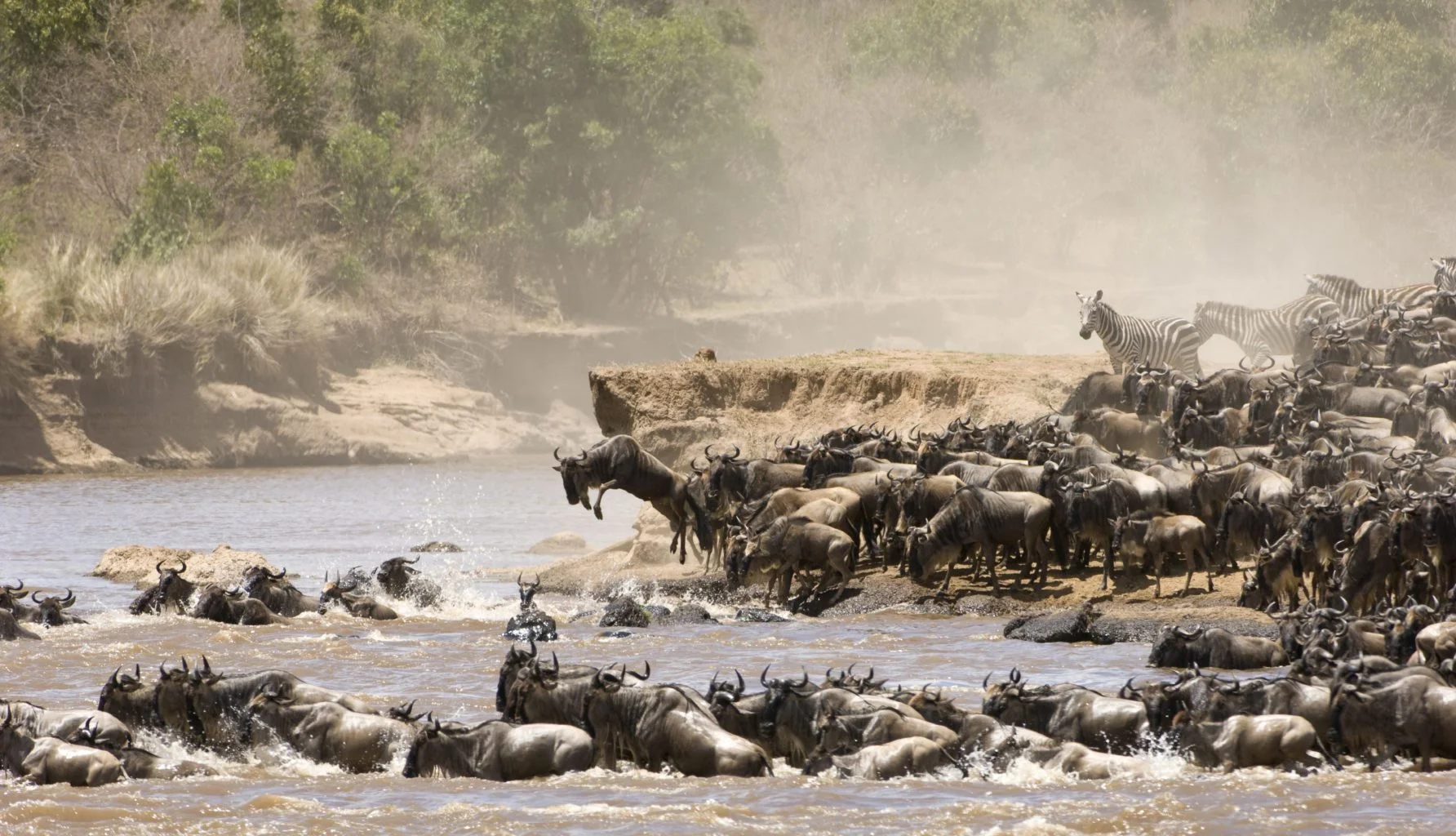
From July to October, the herds reach the northern Serengeti and Kenya's Masai Mara, crossing the Mara River repeatedly in both directions. These dramatic crossings, with crocodiles and steep banks, are the migration's most famous spectacle. This is peak season, so book camps around Kogatende and Lamai well in advance. Allow several nights near the river with an expert guide.
Luxury migration safari →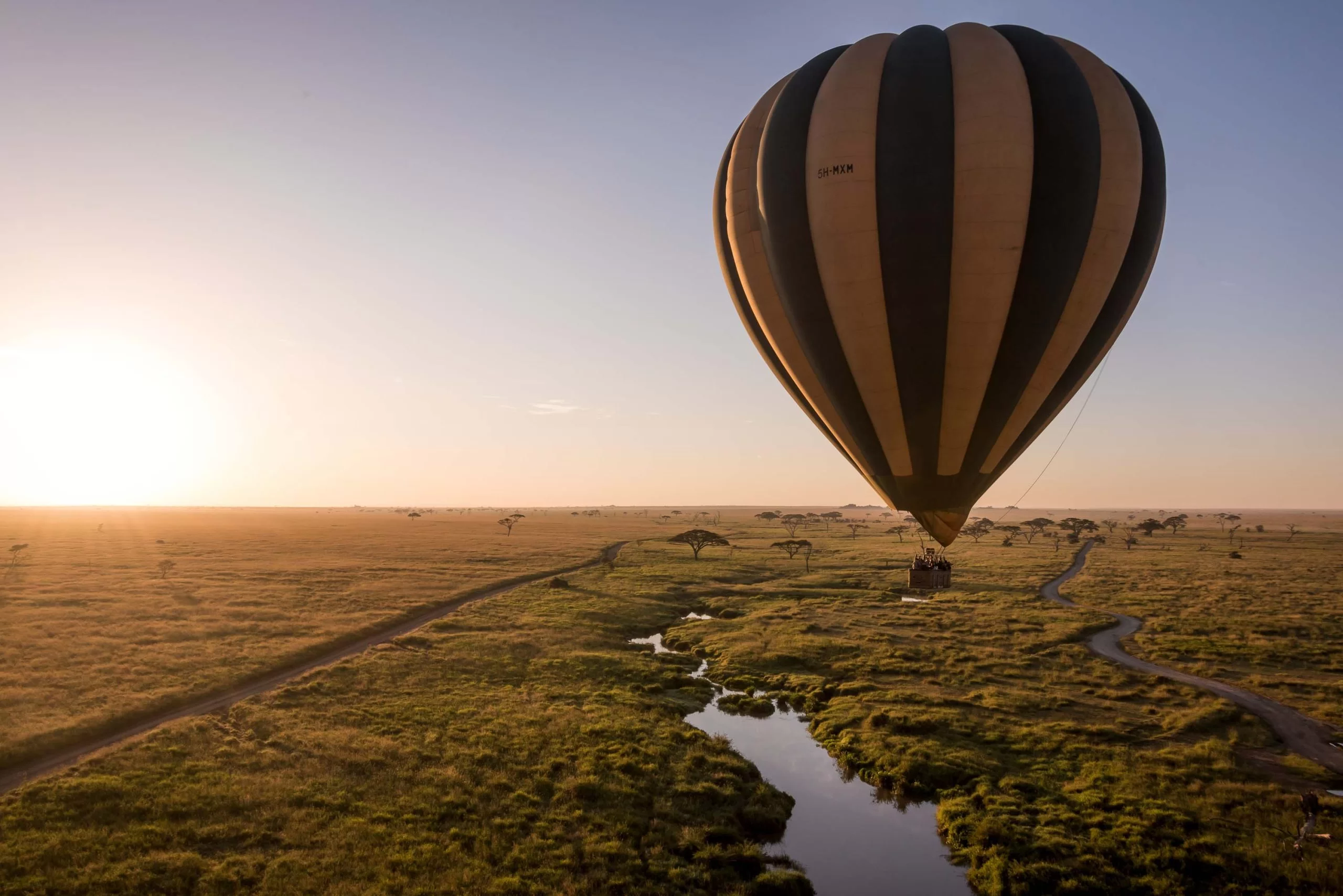
Herds Returning South Through the Eastern Serengeti
Fewer crowds
The migration completes its circle
In November, the short rains begin and the herds leave the north, moving south through the eastern Serengeti and Lobo area towards the calving grounds at Ndutu. Visitor numbers are lower and the landscapes turn green again. It is a rewarding time for a quieter migration safari, completing the herds' annual circle. Some camps relocate during this month.
Best time to see the migration →05Great Migration Safari Planning Checklist
A successful Great Migration safari brings together the right timing, location, camp, guide and preparation. With so many moving parts, a simple checklist helps you make the right decisions in the right order, from choosing your priority experience and booking early to packing for dust and cold mornings. Small details, such as luggage limits on light aircraft and travel insurance, also matter. Use this checklist to organise your migration safari, then send it to our Arusha-based specialists, who will design a private tailor-made safari that follows the herds and suits your travel style, dates and wildlife priorities perfectly.
Planning0/4
Booking0/4
Packing0/4
06Great Migration Safari Planning: FAQs
What is the Great Migration?
The Great Migration is the year-round movement of over a million wildebeest, along with hundreds of thousands of zebras and gazelles, around the Serengeti in Tanzania and the Masai Mara in Kenya. The herds follow the rains in search of fresh grass and water, facing predators and dangerous river crossings along the way. It is truly unforgettable.
When is the best time to see the Great Migration?
The best time depends on what you want to see. Visit Ndutu from December to March for calving season and predator action, the Western Corridor from late May to July for Grumeti River crossings, and the northern Serengeti from July to October for the famous Mara River crossings. The herds are present all year. Each season is special.
Where is the best place to see the Great Migration?
Tanzania's Serengeti National Park hosts the herds for most of the year, making it the best place to see the Great Migration. The southern Serengeti and Ndutu are ideal during calving, the Western Corridor in early dry season, and the northern Serengeti around Kogatende during the Mara River crossing season. Herds are present all year in Tanzania.
How far in advance should I book a Great Migration safari?
Book your Great Migration safari nine to twelve months in advance, especially for the river crossing season from July to September and the calving peak in February. The best mobile camps near the herds have limited tents and fill quickly. Booking early gives you more choice of camps, dates and guides. Flexible dates help too.
How many days do I need for a Great Migration safari?
Plan at least three nights in the migration area to give yourself the best chance of seeing the herds and river crossings. A complete private safari of seven to ten days can combine the migration with the Ngorongoro Crater and Tarangire, adding the Big Five and varied landscapes to your trip. Longer stays are always better.
Is the Great Migration better in Tanzania or Kenya?
Tanzania hosts the herds for around nine months of the year, including calving season, while Kenya's Masai Mara sees them mainly from about August to October. Tanzania's northern Serengeti also tends to be less crowded at river crossings. Many travellers find Tanzania offers a more complete migration experience. Combining both countries on one trip is also possible.
Are river crossings guaranteed?
No, river crossings are never guaranteed, because the herds decide when and where to cross, sometimes waiting on the banks for hours or days. Staying several nights close to the Mara or Grumeti River, with a private vehicle and an experienced guide who tracks the herds daily, gives you the best possible chance. Patience is always rewarded.
What is the calving season?
The calving season takes place mainly between January and March on the short-grass plains of the southern Serengeti and Ndutu, when hundreds of thousands of wildebeest calves are born, many within a few weeks in February. The abundance of newborns attracts lions, cheetahs and hyenas, creating some of Africa's best predator viewing. Visit in February for peak births.
Where should I stay to see the Great Migration?
Stay in a mobile tented camp that moves with the herds, or a well-placed lodge in the right area for your travel month. Choose Ndutu for calving, the Western Corridor for Grumeti crossings and Kogatende or Lamai in the north for Mara River crossings. Your specialist will recommend the best location. Mobile camps move several times yearly.
How much does a Great Migration safari cost?
The cost of a Great Migration safari depends on the season, accommodation and how you travel. As a guide, private safaris typically range from about US$250–390 per person per day for camping, US$550–990 for mid-range and US$990–2,500+ for luxury. Peak crossing months are usually more expensive than the green season. All park fees are included in our quotes.
Can I see the Great Migration from a hot air balloon?
Yes, hot air balloon safaris are available in several areas of the Serengeti, including the central Seronera area, the Western Corridor and the north, depending on the season. Floating over the herds at sunrise, followed by a bush breakfast, is one of the most memorable ways to experience the migration. Balloon flights depend on weather conditions.
What should I pack for a Great Migration safari?
Pack neutral-coloured, breathable layers, a warm fleece for cold mornings, a wide-brimmed hat, sunglasses, sunscreen and a scarf for dust. Bring binoculars, a camera with a telephoto lens, spare batteries and a soft duffel bag, as light aircraft usually limit luggage to around 15 kilograms per person. Also bring insect repellent, a refillable water bottle and a head torch.
Is the Great Migration suitable for families?
Yes, the Great Migration is wonderful for families, and children are thrilled by the vast herds and predators. A private tailor-made safari allows shorter game drives, flexible meal times and family-friendly camps. Some mobile camps have minimum age limits, so your safari specialist will recommend the most suitable accommodation for your family. Shorter drives help keep children engaged.
Why choose a private Great Migration safari?
A private Great Migration safari gives you your own vehicle and expert guide, so you can wait at river crossings as long as you like, follow predators and move with the herds at your own pace. Your itinerary is tailor-made around the latest migration movements, your travel dates and your preferred style. Contact our specialists to start planning.
Great Migration Guides
Book Your Great Migration Safari
Migration Safaris
Itineraries
Plan Your Private Great Migration Safari
Tell us your travel dates and what you most want to see, and our Arusha-based specialists will design a private tailor-made Great Migration safari, timed for calving or river crossings, with camps close to the herds and expert guides.
Book Now Online →What Our Travelers Say
Real 5-star reviews from guests who traveled with us