Northern Tanzania Safari Guide
Northern Tanzania is Africa's most celebrated safari region, home to the Serengeti, the Ngorongoro Crater, Tarangire and Lake Manyara, all linked by the famous Northern Circuit from Arusha. Here you can follow the Great Wildebeest Migration, search for the Big Five, meet Maasai communities and watch flamingos on Rift Valley lakes within a single unforgettable trip. This complete Northern Tanzania safari guide explains the eight best northern destinations, sample itineraries, the best time to visit, signature experiences, practical travel tips and safari costs, with expert answers to help you plan a private tailor-made Northern Circuit safari with complete confidence.
What is the Northern Tanzania safari circuit?
The Northern Tanzania safari circuit is a classic safari route from Arusha through Tarangire, Lake Manyara, the Ngorongoro Crater and the Serengeti, often extended to Lake Natron, Lake Eyasi or Arusha National Park. Most private safaris last five to ten days. The best time is June to October, while January to March brings the southern Serengeti calving season.
01Best Northern Tanzania Safari Destinations
Northern Tanzania packs an extraordinary variety of landscapes into a compact area, from the endless Serengeti plains and the volcanic Ngorongoro Crater to baobab-studded Tarangire and the forests of Lake Manyara. Beyond the classic parks, the Ndutu plains, Lake Natron, Lake Eyasi and Arusha National Park add calving herds, flamingos, ancient cultures and walking safaris. Each destination offers something different, so the best route depends on your interests and travel month. The eight cards below introduce the top Northern Tanzania safari destinations, with highlights, wildlife and ideal stays for each place on your private Northern Circuit safari route.
Serengeti National Park
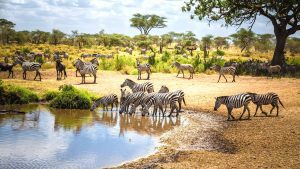
The Serengeti is the crown jewel of Northern Tanzania, covering about 14,750 square kilometres of savannah famed for the Great Migration and one of Africa's highest concentrations of large predators. Central Seronera offers year-round big cat sightings, including leopards, while the north and west host seasonal river crossings. Allow at least three nights to explore it properly.
Ngorongoro Crater
The Ngorongoro Crater is the world's largest intact, unflooded volcanic caldera, around 20 kilometres wide and 600 metres deep. Its floor supports roughly 25,000 large animals, including the endangered black rhino, lions, elephants and hippos. A half-day or full-day game drive is enough for most first-time visitors, with a comfortable night on the forested rim beforehand.
Tarangire National Park
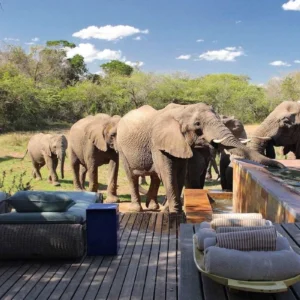
Tarangire National Park is famous for its large elephant herds, ancient baobab trees and more than 500 recorded bird species. During the dry season from June to October, wildlife gathers along the Tarangire River, creating some of the best game viewing in the north. It is around two hours from Arusha, making it an ideal first stop on the circuit.
Lake Manyara National Park
Lake Manyara National Park sits beneath the dramatic Rift Valley escarpment, combining groundwater forest, open grassland and a shallow alkaline lake. It is known for tree-climbing lions, large baboon troops, elephants and seasonal flamingos, plus over 400 recorded bird species. A half-day or full-day visit fits neatly into the drive between Tarangire and the Ngorongoro Crater on most itineraries.
Arusha National Park
Arusha National Park lies just outside Arusha town, making it perfect for an arrival or final day. No long drives are needed. Its varied habitats include the Ngurdoto Crater, the colourful Momella Lakes and the forested slopes of Mount Meru. Visitors enjoy walking safaris with an armed ranger, canoeing on the lakes, giraffes, buffalo and black-and-white colobus monkeys.
Ndutu and the southern plains
The Ndutu area, on the border of the Ngorongoro Conservation Area and the southern Serengeti, is the heart of the wildebeest calving season from about December to March. Hundreds of thousands of calves are born on its short-grass plains, attracting lions, cheetahs and hyenas. Off-road driving is generally permitted in the Ngorongoro section, allowing close and rewarding sightings.
Lake Natron
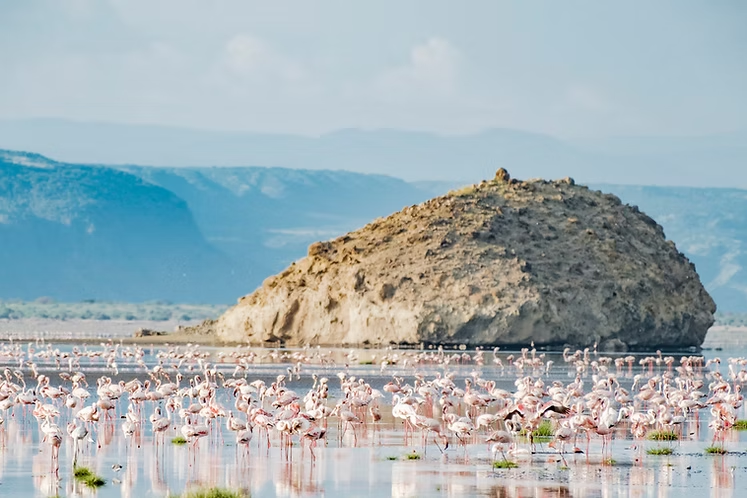
Lake Natron, in the far north near the Kenyan border, is a dramatic soda lake that serves as East Africa's main breeding site for lesser flamingos. Overlooked by Ol Doinyo Lengai, an active volcano, the area offers sunrise volcano hikes, the Ngare Sero waterfall walk and Maasai cultural village visits. Two nights suits most travellers well.
Lake Eyasi
Lake Eyasi lies south-west of the Ngorongoro highlands and is home to the Hadzabe, among Africa's last hunter-gatherer communities, and the Datoga, known for their skilled metalwork and jewellery. Early-morning walks with Hadzabe hunters offer a rare and respectful insight into an ancient way of life. Lake Eyasi works well as a one- or two-night cultural extension.
02Northern Tanzania Safari Itineraries
The Northern Circuit is flexible enough to suit almost any schedule, from a short three-day highlights safari to a ten-day journey that adds remote lakes and cultural encounters. Most travellers begin in Arusha, visit Tarangire and Lake Manyara, spend a night near the Ngorongoro Crater and finish with several days in the Serengeti. Light-aircraft flights can shorten long drives on the return journey. Use the tabs below to compare four sample Northern Tanzania safari itineraries designed by our Arusha specialists, with ideal lengths and highlights. Every route can be fully tailor-made around your interests, budget and travel dates.
3-Day Tarangire, Manyara and Ngorongoro Safari
Short breaks and add-ons
Tarangire, Lake Manyara, Ngorongoro Crater
Drive from Arusha to Tarangire for a full afternoon among elephants and baobabs, then continue to Lake Manyara for tree-climbing lions and birdlife on day two before overnighting in the Karatu highlands. On day three, descend into the Ngorongoro Crater for a memorable game drive in search of the endangered black rhino before returning to Arusha.
Private northern safari →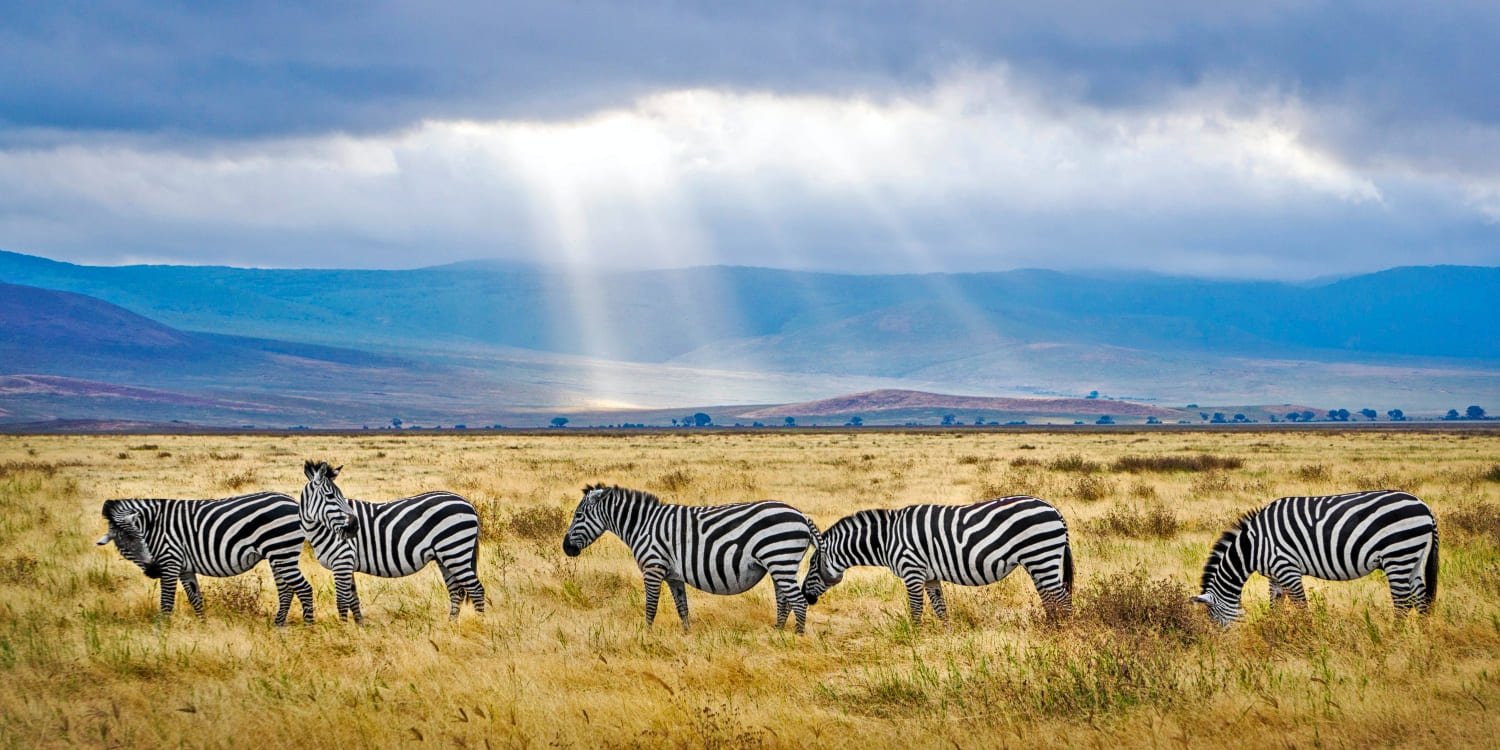
5-Day Classic Northern Circuit Safari
First-time safari travellers
Tarangire, Serengeti, Ngorongoro Crater
Spend day one in Tarangire, then drive through the Ngorongoro highlands to the central Serengeti for two nights of game drives around Seronera, known for lions, leopards and cheetahs. On day four, travel to the crater rim, and on day five explore the Ngorongoro Crater floor before driving back to Arusha in the late afternoon or evening.
Best northern Tanzania safari →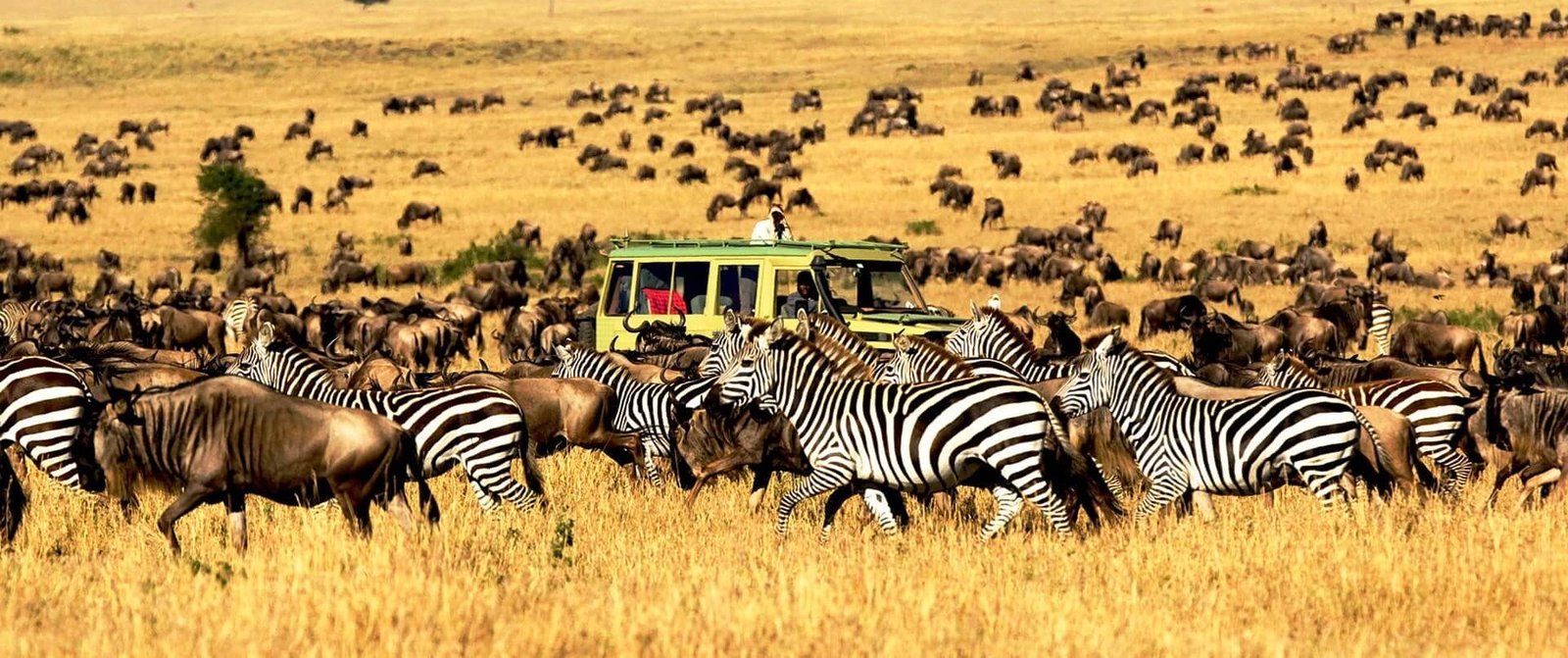
7-Day Northern Tanzania Wildlife Safari
Wildlife and photography lovers
Tarangire, Manyara, Serengeti, Ngorongoro
Begin with a night in Arusha, then enjoy Tarangire and Lake Manyara before heading to the Serengeti for three nights, positioned for the best seasonal wildlife, whether calving herds in Ndutu or river crossings in the north. Finish with a night on the Ngorongoro Crater rim and a crater game drive, with optional flights to save time.
Northern Tanzania safari →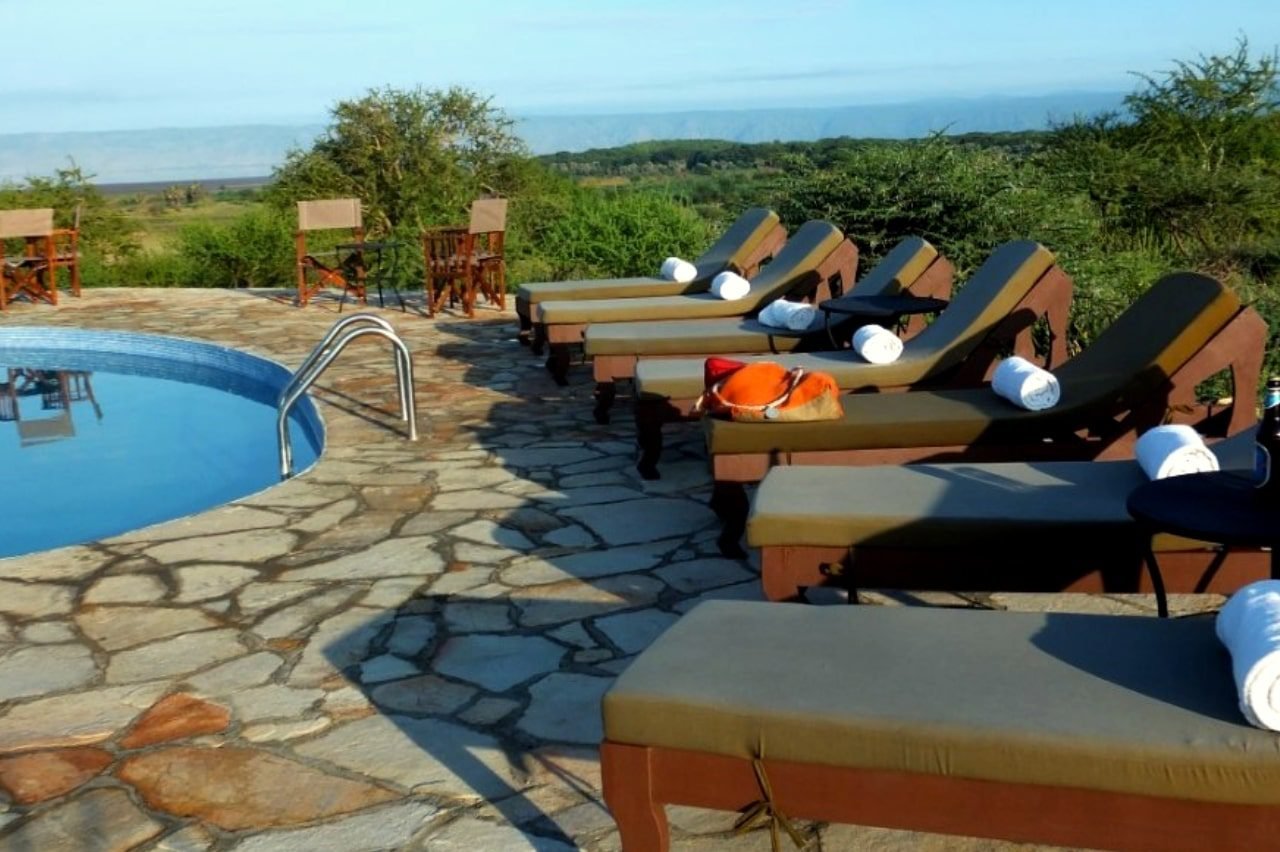
10-Day Complete Northern Tanzania Safari
Travellers wanting the full north
Arusha NP, Tarangire, Eyasi, Ngorongoro, Serengeti, Natron
Start with a walking safari in Arusha National Park, then explore Tarangire and spend a night at Lake Eyasi with the Hadzabe. After a full day in the Ngorongoro Crater, enjoy four nights across the central and northern Serengeti, then exit via Loliondo to Lake Natron for flamingos and waterfalls before returning to Arusha by road or air.
10-day Northern Circuit →03Best Time for a Northern Tanzania Safari
Northern Tanzania offers excellent safaris all year, but each season brings different wildlife events, weather and prices. The long dry season is the classic time for game viewing and Mara River crossings, while the calving season fills the southern Serengeti plains with newborn wildebeest and predators. The green months bring lush green scenery, fewer vehicles and lower rates for flexible travellers. The four cards below explain what to expect in each season on the Northern Circuit, helping you match your travel dates to the wildlife, weather and budget that matter most for your private tailor-made Northern Tanzania safari.
January to March: Calving season
From January to March, the herds gather on the short-grass plains of Ndutu and the southern Serengeti, where most wildebeest calves are born, usually peaking in February. Predator action is intense and the scenery is lush and green. Weather is warm with occasional showers, making this a superb, slightly quieter alternative to the peak dry season.
April and May: Green season
April and May bring the long rains, with heavy afternoon downpours on some days and fresh green landscapes everywhere. Parks are at their quietest and lodge rates are lowest, so this is a great time for value-focused travellers. The Ngorongoro Crater, Tarangire and Lake Manyara remain very rewarding, and birdlife is outstanding, with migratory species present.
June to October: Dry season
June to October is the peak safari season in Northern Tanzania, with dry weather, cool mornings and thinning vegetation that makes wildlife easy to spot. The Great Migration usually moves through the western corridor in June and reaches the northern Serengeti's Mara River from July. Tarangire is at its very best, but popular camps book many months early.
November and December: Short rains
The short rains of November and December usually arrive as brief afternoon showers, quickly refreshing the plains. The herds move south from the northern Serengeti towards Ndutu, migratory birds arrive and the landscape turns green again. Rates are often lower in early November, while the Christmas and New Year period is busy and books up early.
04Top Northern Tanzania Safari Experiences
A Northern Tanzania safari is about so much more than classic game drives. Between sightings of lions, elephants and rhinos, you can float over the Serengeti in a hot air balloon, walk with armed rangers, canoe beneath Mount Meru and spend time with Maasai, Hadzabe and Datoga communities. Combining several experiences gives your safari variety, depth and unforgettable memories. The six cards below highlight the most rewarding experiences on the Northern Circuit, explaining where each takes place and how to include it in a private tailor-made Northern Tanzania safari designed around your personal interests and preferred travel pace.
Big Five game drives
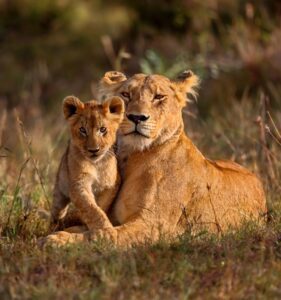
Northern Tanzania is one of the best places in Africa to see the Big Five of lion, leopard, elephant, buffalo and rhino. The Ngorongoro Crater offers the best chance of black rhino, the Serengeti excels for leopards and lions, and Tarangire for elephants. Private game drives let you stay with each sighting as long as you like.
The Great Wildebeest Migration
Around 1.5 million wildebeest, with hundreds of thousands of zebras and gazelles, circle the Serengeti ecosystem each year in search of fresh grazing and water. Calving takes place around Ndutu from about December to March, while the dramatic Mara River crossings usually happen from July to October. Your experienced guide positions you for the best seasonal action.
Hot air balloon safari
A sunrise hot air balloon safari over the Serengeti is one of Africa's most memorable experiences. Flights last about an hour, drifting silently above the plains as herds and predators wake below, followed by a celebratory bush breakfast with sparkling wine. Balloons operate from several areas of the Serengeti, including Seronera, and booking well ahead is strongly recommended.
Walking safaris
Walking safaris reveal the small details of the bush, from animal tracks and medicinal plants to insects and birds. In Arusha National Park, walks are led by armed rangers, while private concessions near Tarangire and the Serengeti, and the Ngorongoro highlands, offer guided bush walks and longer hikes with Maasai guides. They feel thrilling and intimate.
Maasai, Hadzabe and Datoga culture
Northern Tanzania is home to some of East Africa's most distinctive cultures. Visit a Maasai village near the Ngorongoro Crater to learn about traditional homes, cattle herding, songs and dances, join Hadzabe hunter-gatherers at Lake Eyasi at dawn, or watch Datoga blacksmiths at work. Respectful, community-run visits benefit local families directly and support traditional ways of life.
Canoeing and birdwatching
Northern Tanzania records hundreds of bird species, from flamingos and pelicans to colourful lilac-breasted rollers and secretary birds. Canoe on the Momella Lakes in Arusha National Park, or on Lake Manyara when water levels allow, for a peaceful perspective on waterbirds, lakeshore wildlife and dramatic scenery. November to April is the best season for migratory birds.
05Northern Tanzania Safari Travel Tips
Good planning makes a Northern Tanzania safari smooth and stress-free, from your arrival at Kilimanjaro International Airport to the last game drive. Knowing how the parks connect, which accommodation suits your style, what documents you need and how to pack for changing temperatures helps every day run perfectly. Our Arusha team handles the logistics, but understanding the essentials lets you plan with complete confidence. The six cards below explain the most important practical tips for a Northern Tanzania safari, covering arrival, getting around, accommodation and costs, visas and health, packing and park fees for your private tailor-made trip.
Arriving in Arusha
Most Northern Tanzania safaris begin at Kilimanjaro International Airport (JRO), about an hour's drive from Arusha, the gateway city for the Northern Circuit. Some travellers arrive via Arusha Airport on domestic or regional flights. We meet you on arrival, transfer you to your hotel and brief you in detail before your safari begins the next morning.
Getting around the circuit
Private safaris travel in a pop-up roof 4x4 Land Cruiser with a professional driver-guide, giving everyone a window seat and excellent views. Driving times are manageable: Arusha to Tarangire takes about two hours, and the Ngorongoro Crater to central Serengeti about three to four. Light-aircraft flights connect the Serengeti with Arusha to save valuable time on the return.
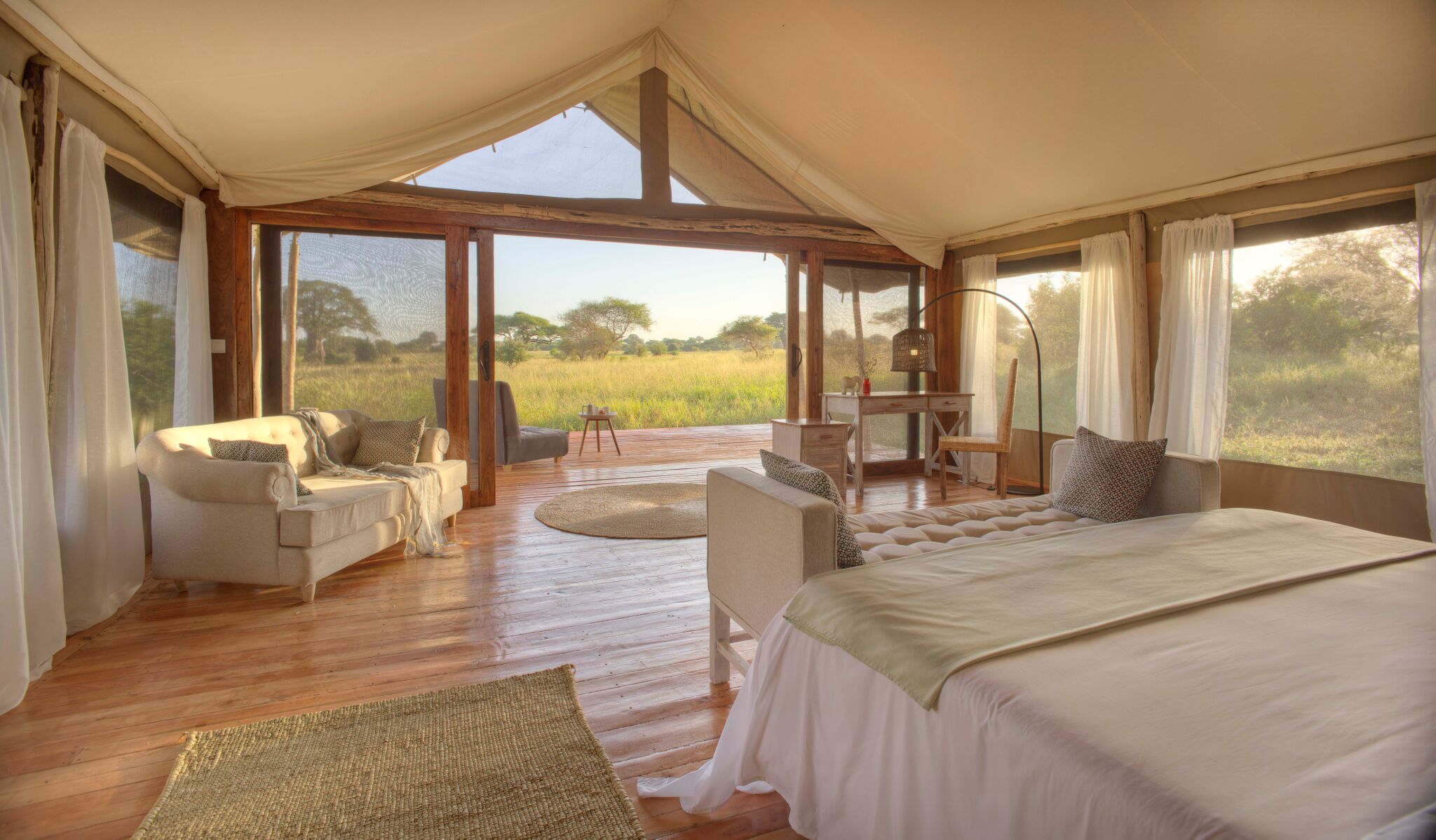
Accommodation and costs
Northern Tanzania offers every style of stay, with private camping safaris from about US$250 to US$390 per person per day, mid-range lodges from about US$550 to US$990, and luxury camps from about US$990 to US$2,500 or more. Prices include accommodation, meals, park fees, your private guide and vehicle. Season, length and flights affect the final total.
Visas and health
Most visitors need a Tanzania visa, available online as an eVisa before travel or on arrival for many nationalities. Your passport should be valid for at least six months. Yellow fever certificates are required if arriving from a risk country, and malaria prevention is recommended. Consult a travel clinic about vaccinations several weeks before your trip.
What to pack
Pack light, layered clothing in neutral colours, as early mornings and the Ngorongoro Crater rim can be surprisingly cold while afternoons are warm. Bring a warm fleece, a wide-brimmed hat, sunglasses, sunscreen, insect repellent, binoculars and a camera with spare batteries and memory cards. Soft-sided bags are best and are usually required on light-aircraft flights.
Park fees and permits
Every national park and the Ngorongoro Conservation Area charges daily entry fees, and the crater floor carries an additional service fee for each vehicle. Fees are set by the park authorities and can change from year to year, so we include them in your private safari quote. Check each park's fee page for current details, rules and conditions.
06Northern Tanzania Safari Planning Checklist
Planning a Northern Tanzania safari involves a series of small decisions, from choosing the season and parks to arranging visas, vaccinations and flights. Use this interactive checklist to keep everything on track, ticking off each task as you complete it and watching the progress bar fill. You can also print the list and keep it with your travel documents. Starting six to twelve months ahead secures the best lodges and guides, especially for the dry season and calving months. Working through each step ensures your private Northern Circuit safari is organised, relaxed and perfectly tailored to your interests.
6 to 12 months before0/6
2 to 4 months before0/6
Final weeks0/6
07Northern Tanzania Safari Guide: FAQs
What parks are included in a Northern Tanzania safari?
A Northern Tanzania safari usually includes the Serengeti National Park, the Ngorongoro Crater, Tarangire National Park and Lake Manyara National Park. Many itineraries also add Arusha National Park, the Ndutu area, Lake Natron or Lake Eyasi. Together they offer the Great Migration, the Big Five, flamingos and remarkable cultural encounters on a single, well-connected route from Arusha.
How many days do I need for a Northern Tanzania safari?
Most travellers spend five to ten days on a Northern Tanzania safari. Three days covers Tarangire and the Ngorongoro Crater, five days adds the central Serengeti, and seven to ten days allows time in the northern or southern Serengeti plus Lake Natron or Lake Eyasi. Longer stays mean fewer early starts and more relaxed game viewing.
When is the best time for a Northern Tanzania safari?
The best time for a Northern Tanzania safari is the dry season from June to October, when wildlife gathers around rivers and waterholes and the Mara River crossings take place. January to March is excellent for the calving season in Ndutu. April and May are wetter but offer the lowest rates and the quietest parks of the year.
How much does a Northern Tanzania safari cost?
A private Northern Tanzania safari costs from about US$250 to US$390 per person per day for camping, US$550 to US$990 for mid-range lodges and US$990 to US$2,500 or more for luxury camps. The price usually includes your private guide, 4x4 vehicle, park fees, meals and accommodation. Request a written quote for exact prices on your travel dates.
Can I see the Great Migration on a Northern Tanzania safari?
Yes, the Great Migration stays within the wider Serengeti ecosystem for most of the year. From December to March, herds calve around Ndutu; from April to June, they move through the central and western Serengeti; and from July to October, they usually cross the Mara River in the north before heading south again in November and December.
Is the Ngorongoro Crater worth visiting?
Yes, the Ngorongoro Crater is one of Africa's most remarkable wildlife destinations and a highlight of any Northern Tanzania safari. Its enclosed caldera supports lions, elephants, buffalo, hyenas and the endangered black rhino, offering a good chance of four of the Big Five in a single day. Crater floor visits are limited to daytime game drives.
Is a Northern Tanzania safari good for families?
Yes, Northern Tanzania is excellent for family safaris, with manageable driving times, abundant wildlife and many family-friendly lodges with pools and connecting rooms. A private vehicle lets you set the pace around children's needs. Tarangire, Lake Manyara and the Ngorongoro Crater are especially rewarding for younger travellers, and cultural visits keep curious children engaged and learning.
Should I drive or fly on a Northern Tanzania safari?
Driving is the classic way to explore Northern Tanzania, letting you enjoy game drives, scenery and village life between parks. Flying saves time on long routes, especially between Arusha and the central or northern Serengeti. Many travellers combine both, driving out through Tarangire and the Ngorongoro Crater and flying back to Arusha from the Serengeti for a relaxed finish.
What animals can I see in Northern Tanzania?
Northern Tanzania is home to the Big Five, including the endangered black rhino in the Ngorongoro Crater, along with cheetahs, giraffes, zebras, wildebeest, hippos, crocodiles and hyenas. Tarangire is known for elephants and pythons, Lake Manyara for tree-climbing lions and Lake Natron for flamingos. Birdwatchers can record hundreds of species, including ostriches, eagles and kingfishers.
Is a Northern Tanzania safari safe?
Yes, Northern Tanzania is one of Africa's most established safari regions and is generally safe for visitors. Private safaris are led by experienced, licensed guides who know the parks and wildlife well, and lodges have trained, attentive staff. Follow your guide's instructions, stay in the vehicle unless told otherwise and take normal travel precautions in towns.
What is the difference between the Northern and Southern circuits?
The Northern Circuit includes Tanzania's most famous parks, such as the Serengeti and Ngorongoro Crater, with easy road access from Arusha and the Great Migration. The Southern Circuit, including Ruaha and Nyerere, is wilder and less visited, usually reached by light aircraft. Many travellers start in the north and return on a later trip to explore the south.
Do I need a visa for a Northern Tanzania safari?
Most visitors need a visa for Tanzania. Many nationalities can apply online for an eVisa before travel, which is the simplest option, or obtain one on arrival at Kilimanjaro International Airport. Your passport should be valid for at least six months with blank pages. Always check the latest requirements for your nationality before booking your flights.
What should I wear on a Northern Tanzania safari?
Wear comfortable, layered clothing in neutral colours such as khaki, olive and beige, which are cool and less likely to attract insects. Mornings and evenings can be cold, especially on the Ngorongoro Crater rim, so bring a warm fleece or jacket. Add a hat, sunglasses, closed walking shoes and a light rain jacket for the green season.
Can I combine a Northern Tanzania safari with Zanzibar?
Yes, combining a Northern Tanzania safari with Zanzibar is very popular. After your final game drive, scheduled flights from the Serengeti or Arusha reach Zanzibar in around one to three hours, depending on the route. Three to five nights on the island gives time to relax on white beaches, explore Stone Town and snorkel in the Indian Ocean.
Northern Tanzania Planning Guides
Explore Northern Tanzania Safaris
Northern Circuit
Parks and Areas
Plan Your Northern Tanzania Safari
Tell us your dates, interests and preferred safari style, and our Arusha specialists will design a private tailor-made Northern Circuit safari with expert guiding, handpicked lodges and the best parks for your travel month.
Book Now Online →What Our Travelers Say
Real 5-star reviews from guests who traveled with us