
By the Foot Slopes Tours and Safaris team
Written by our Arusha-based safari guides and private safari planners from first-hand experience in the Ngorongoro Crater.
Ngorongoro Crater in August is dry, golden and at its very busiest, with cold misty mornings on the rim and sunny, dusty days on the Ngorongoro crater floor. Short grass and thin bush give superb visibility, so lions, spotted hyenas, buffalo and the crater’s famous black rhino are easier to spot than in the green months. August is peak season, so vehicles gather at the best sightings and rim lodges fill early. This practical guide covers weather, wildlife, crowds, costs, lodges and travel tips to help you plan a private tailor-made Ngorongoro Crater safari with your own guide and 4x4.
Yes. August is one of the best months to visit Ngorongoro Crater for clear, dry game viewing, with golden grass, open sightlines and good chances of lions and black rhino. It is also the busiest month on the crater floor and the rim nights are cold, so book six to twelve months ahead.
Why Visit Ngorongoro Crater in August
August shows the Ngorongoro Crater at its clearest. The long dry season has turned the crater floor golden, the grass is short, and animals stand out against the open plains, so even a single day can deliver remarkable sightings. Firm, dry roads make the descent and ascent straightforward, and the crater pairs easily with a Serengeti safari for the Mara River crossings. Cool, clear mornings also reward early starts with soft light for photography across the caldera. Here are six reasons August suits a private tailor-made safari with your own guide and 4x4.
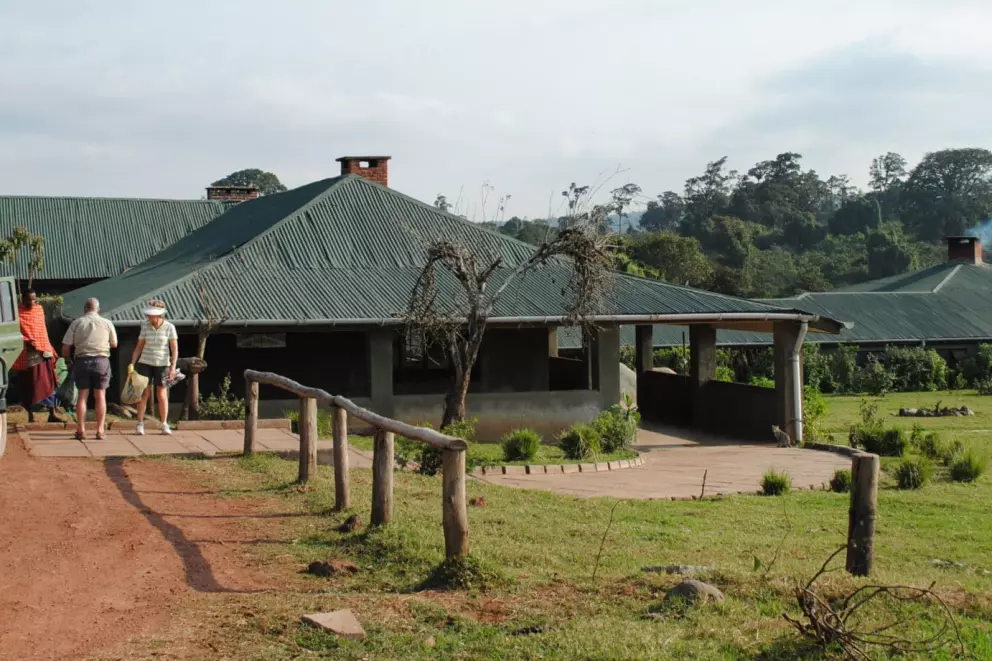
Ngorongoro Crater Black Rhino
Ngorongoro Crater is one of the best places in Tanzania to look for the critically endangered black rhino. In August the short golden grass makes their grey shapes easier to pick out across the plains, often near Lerai Forest or the swamps. Sightings are never guaranteed, but a patient guide and binoculars improve your chances.
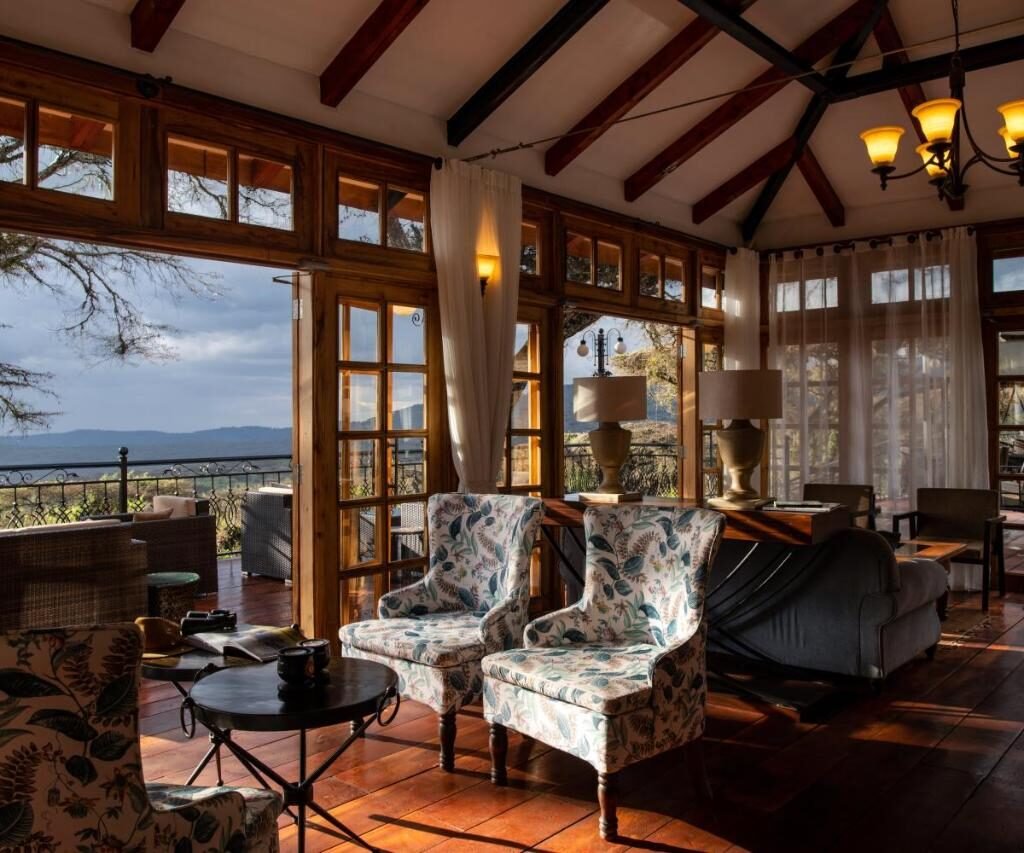
Lions and Hyenas in the Open
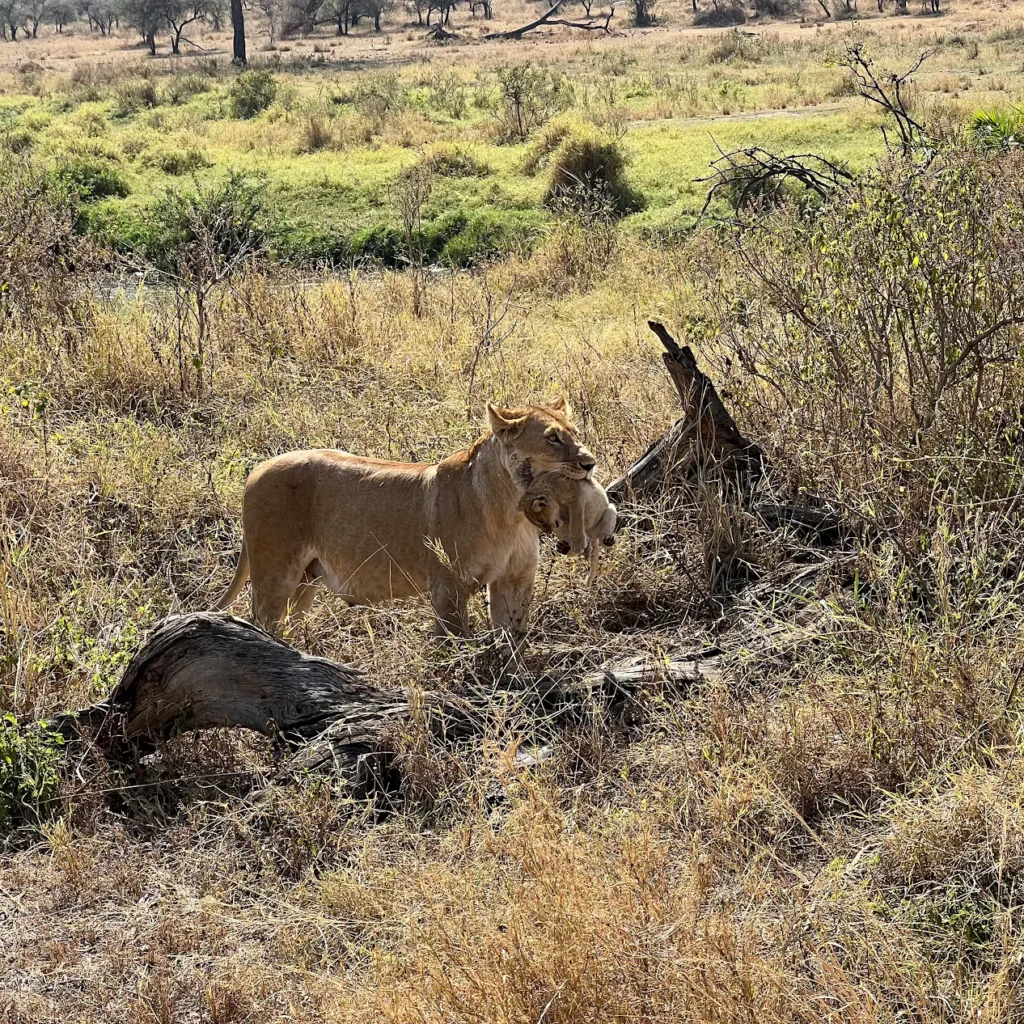
The crater’s resident lions, including impressive dark-maned males, are often seen resting in the open in August, when there is little long grass to hide them. Spotted hyenas patrol the plains and the edges of Lake Magadi, and golden jackals trot between kills. Your own vehicle lets you linger quietly at each sighting, never rushed by anyone.
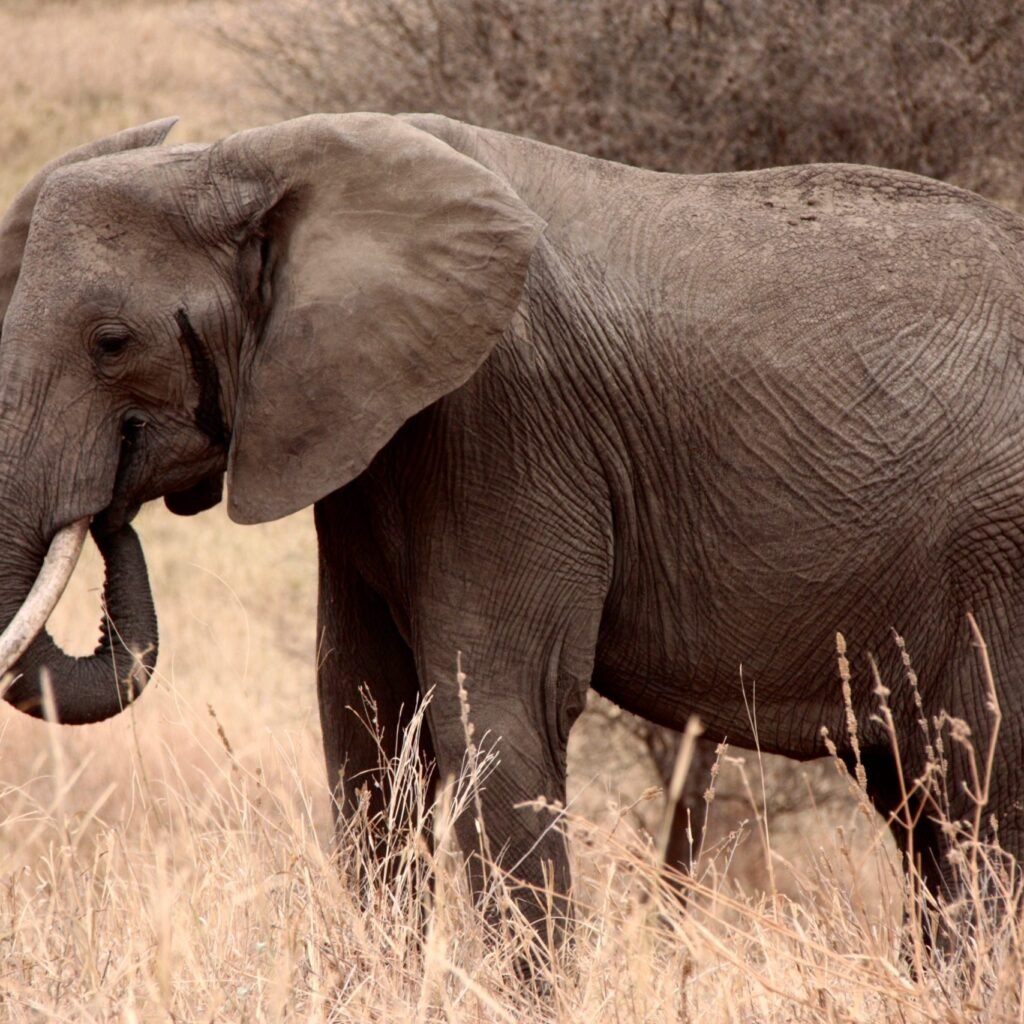
Superb Visibility on a Golden Floor
August sits in the heart of the long dry season, which runs from June to October. Rain is rare, the grass on the crater floor is short and golden, and animals gather near springs, swamps and the soda lake. Clear air from late morning gives long views across the caldera to the steep forested walls.

Old Bull Elephants and Buffalo Herds
Large old bull elephants with heavy tusks wander the crater floor in August, often feeding near Lerai Forest and the swamps. Big herds of buffalo graze the open plains, alongside resident wildebeest and zebra. With lion, rhino, elephant and buffalo all present, and leopard in the rim forests, the crater can show you the Big Five.
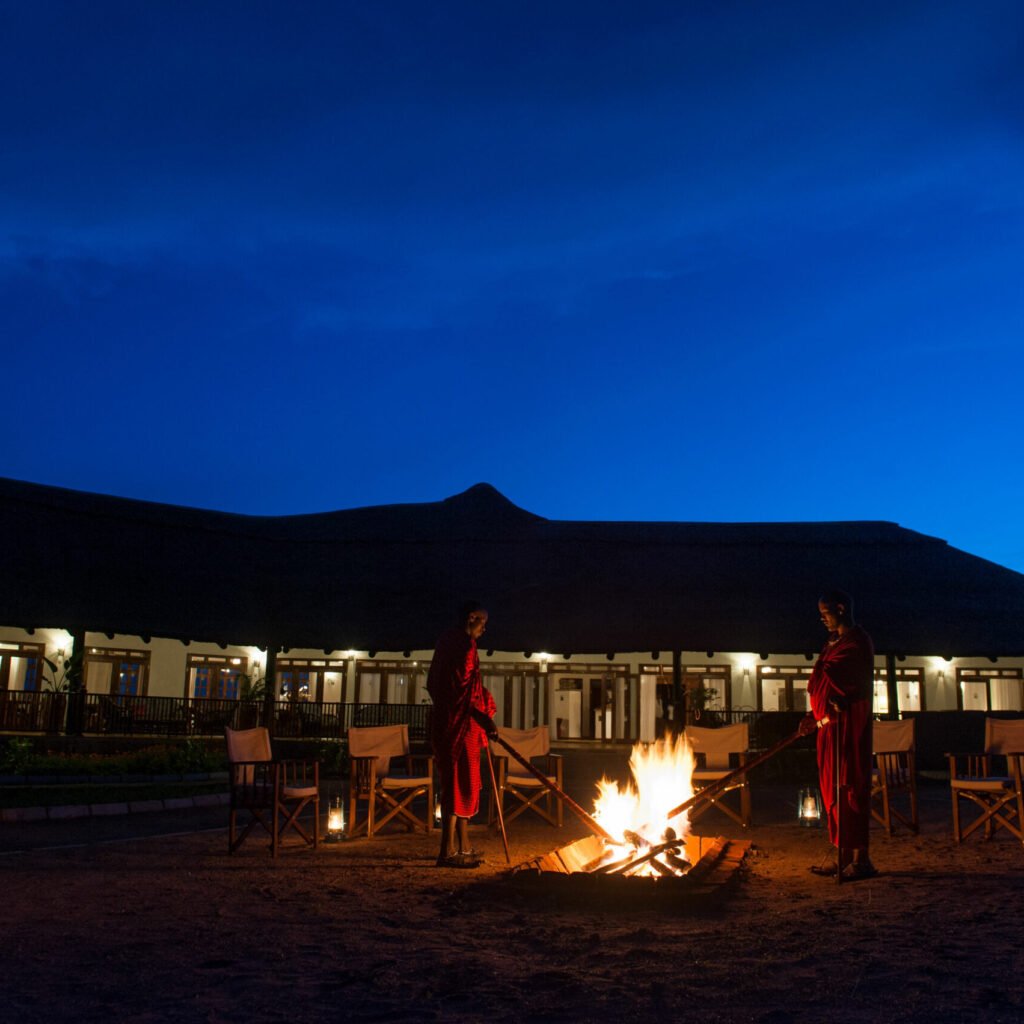
Misty Mornings on the Crater Rim
Early August mornings on the Ngorongoro crater rim are cold, and mist often fills the caldera before the sun burns it away. Watching the cloud lift from your lodge, with a hot coffee in hand, is a highlight of the month. Later in August the mornings warm slightly and the mist usually clears sooner, so pack a warm jacket regardless.
The Perfect Partner for the Serengeti
In August the Great Migration herds are usually in the northern Serengeti for the Mara River crossings. Ngorongoro sits on the classic route between Arusha and the Serengeti, so a crater day fits neatly on the way in or out. Many travellers drive through the crater highlands, then fly north to the herds, saving a long, dusty road journey.
Ngorongoro Weather in August
Ngorongoro weather in August is dry, sunny and cool, at the height of the long dry season. Rain is rare, but early mornings on the crater rim, at about 2,200–2,400 m, are cold and often misty, and rim nights can drop to about 5–10 °C, especially early in the month. Down on the crater floor, about 600 m lower, afternoons are sunny and pleasant at about 20–24 °C. The ground is dusty and the grass golden. Late August usually feels slightly warmer, though the mornings stay chilly. Pack warm layers, a hat, sunscreen and a scarf for dust
Ngorongoro and the Great Migration in August
Where is the Great Migration in August, and does it reach Ngorongoro? In most years the wildebeest and zebra herds are far to the north, around Kogatende and the Lamai Triangle, where Mara River crossings are typically at their peak. The Ndutu plains in the southern Ngorongoro Conservation Area are dry and quiet after the calving season. The crater itself never depends on the migration, because its resident wildebeest, zebra and predators stay all year. To combine both, visit the crater, then fly or make the long drive north. Timing varies with the rains each year, so ask us.
- Crater floorResident herds all yearWildebeest, zebra, buffalo and predators stay in the caldera
- NdutuDry and quietCalving herds left months ago; resident wildlife remains
- Northern SerengetiMara River crossingsHerds usually near Kogatende and Lamai
- Next monthSeptemberHerds usually still in the north; crossings continue
Ngorongoro Crater Wildlife in August
Ngorongoro Crater wildlife in August is concentrated and easy to see on the dry, golden floor. Steep walls keep most animals inside, so lions, spotted hyenas, buffalo, resident wildebeest and zebra are present all year. Black rhino are among the most sought-after sightings, and big bull elephants feed around Lerai Forest. Hippos crowd the pools at Ngoitokitok Spring, while bat-eared foxes, golden jackals and serval cats hunt the short grass. Fun fact: there are no giraffes or impala on the crater floor. Leopards keep mostly to the rim forests, so sightings below are rare. Sightings are never guaranteed.
- Black rhino
- Lion
- Spotted hyena
- Elephant
- Buffalo
- Wildebeest
- Plains zebra
- Hippo
- Thomson’s gazelle
- Grant’s gazelle
- Eland
- Golden jackal
- Bat-eared fox
- Serval
Ngorongoro Birds in August
Ngorongoro birds in August are resident species, as Palearctic migrants such as white storks and European bee-eaters usually arrive around November. With over 500 species recorded in the Ngorongoro Conservation Area, there is still a lot to enjoy. Lesser and greater flamingos may feed on Lake Magadi, although numbers vary with water levels as the soda lake shrinks in the dry season. Grey crowned cranes, kori bustards and ostriches stride across the golden plains, and vultures gather at kills. In the rim forests, look for Hartlaub’s turaco and golden-winged sunbirds. Bring binoculars and ask your guide to stop often.
- Lesser flamingo
- Greater flamingo
- Grey crowned crane
- Kori bustard
- Ostrich
- Secretarybird
- Augur buzzard
- Rüppell’s vulture
- White-backed vulture
- Egyptian goose
- Hartlaub’s turaco
- Golden-winged sunbird
Where to Go in the Ngorongoro Conservation Area in August
Where should you go in the Ngorongoro Conservation Area in August? Start on the crater floor, where the open plains and Lake Magadi give the best dry-season game viewing. Lerai Forest and the springs and swamps attract elephants, hippos and rhino as water becomes scarce. Beyond the crater, the rim highlands, Olduvai Gorge and Karatu add hikes, history and culture. These six areas are listed in the order we usually recommend them for an August safari, so you can see how the days might fit together. Your private guide can reorder them to suit your pace, interests and fitness.
Crater Floor Plains and Lake Magadi
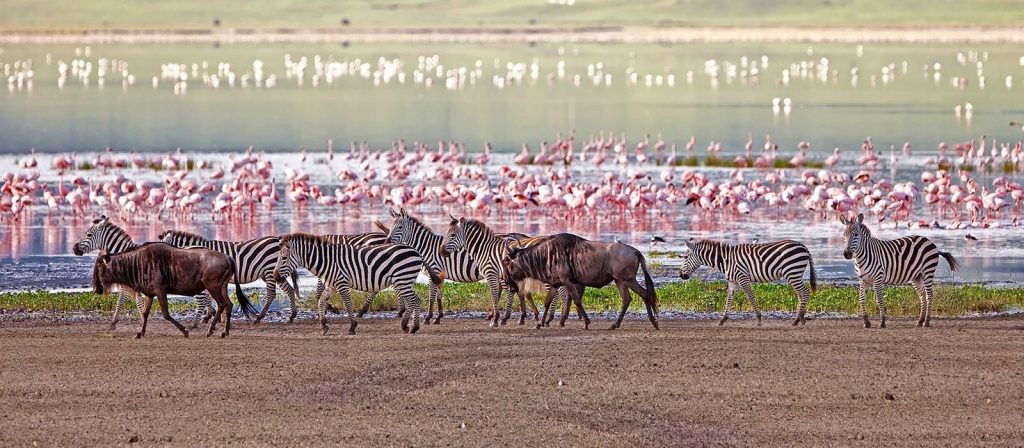
The open short-grass plains of the crater floor are the heart of an August safari. Lions, hyenas, buffalo and black rhino are easiest to spot on the dry golden grass, and Lake Magadi, a shallow soda lake, may hold flamingos. Dust devils spin across the plains in the afternoon, adding drama to photographs at that time of day.
Ngorongoro Crater Guide →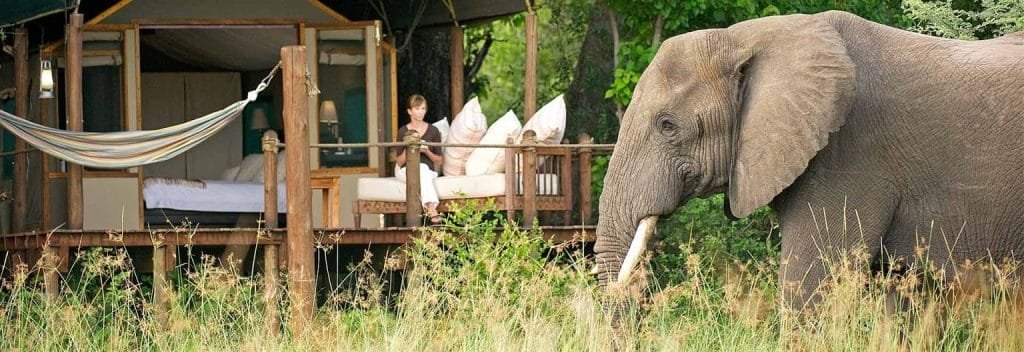
Lerai Forest
Lerai Forest is a grove of yellow fever trees in the south of the crater floor. In August its shade attracts old bull elephants, bushbuck and monkeys, and black rhino are sometimes seen along its edges. The Lerai picnic site nearby is a good place to pause, though keep food away from the opportunistic black kites.
Ngorongoro Wildlife →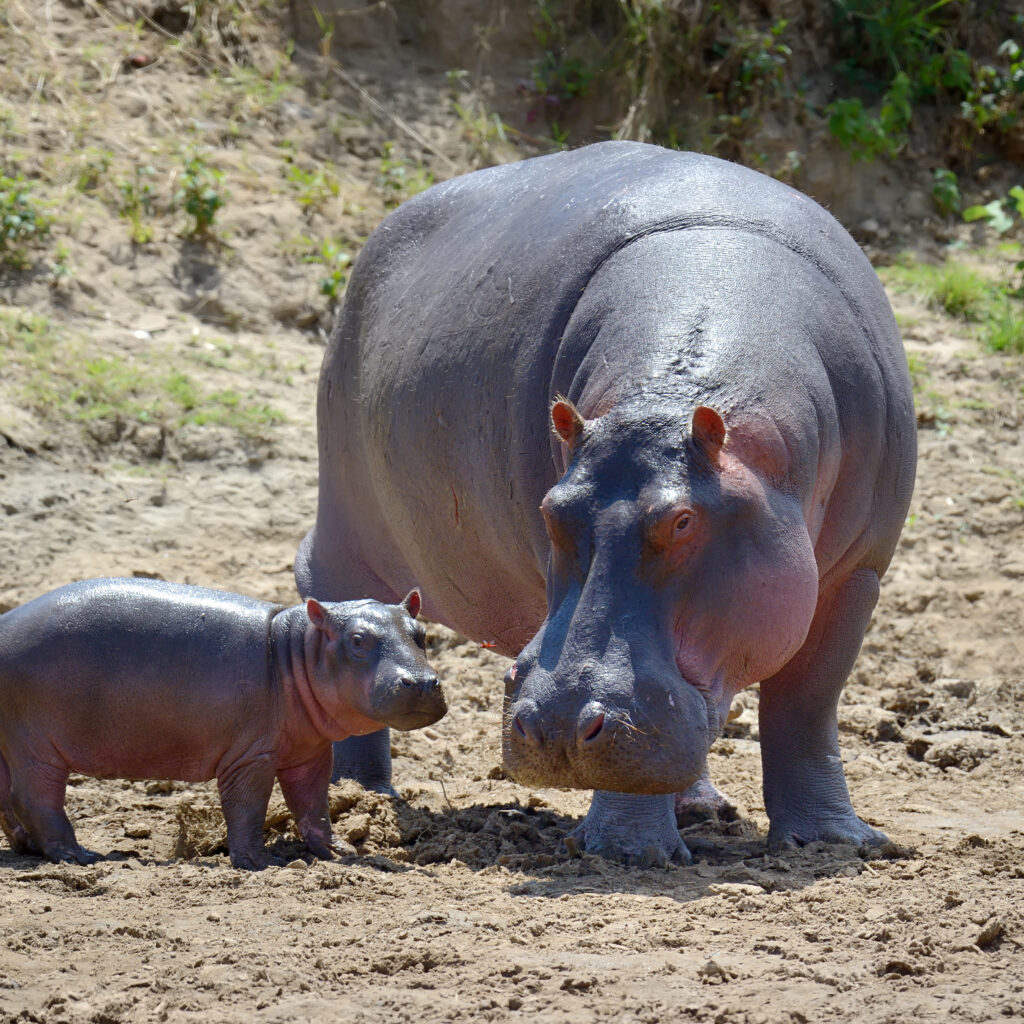
Ngoitokitok Spring and the Swamps
Ngoitokitok Spring and the Mandusi and Gorigor swamps stay green when the rest of the crater floor is dry. In August they draw buffalo, elephants, hippos and wading birds, and predators often rest nearby. Ngoitokitok has a hippo pool and a popular picnic site, so it can be busy around lunchtime, and the swamps are good for birdwatching too.
Ngorongoro Crater Map →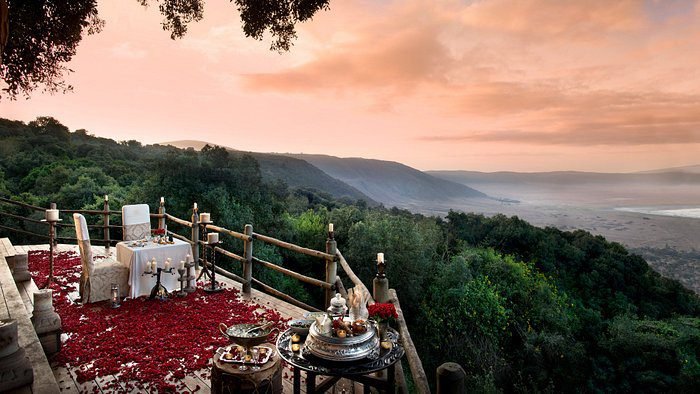
The Crater Rim and Empakaai
The forested crater rim and the wider highlands offer cool, clear hiking in August. Empakaai Crater has a steep path down to a soda lake, with views towards Ol Doinyo Lengai on clear days, while Olmoti Crater leads to a waterfall. Both hikes are made with an armed ranger, and they feel far from the crowds.
Things to Do in Ngorongoro →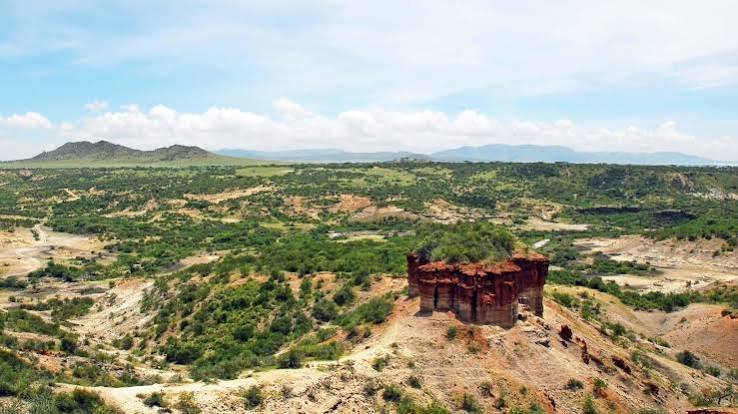
Olduvai Gorge and the Shifting Sands
Olduvai Gorge, often called the Cradle of Mankind, is a key early-human fossil site linked with the Leakeys. Its museum displays finds and a cast of the Laetoli footprints. Nearby, the Shifting Sands are a moving dune of black volcanic ash. In August the dry, sunny weather makes it an easy stop towards the Serengeti.
Ultimate Ngorongoro Guide →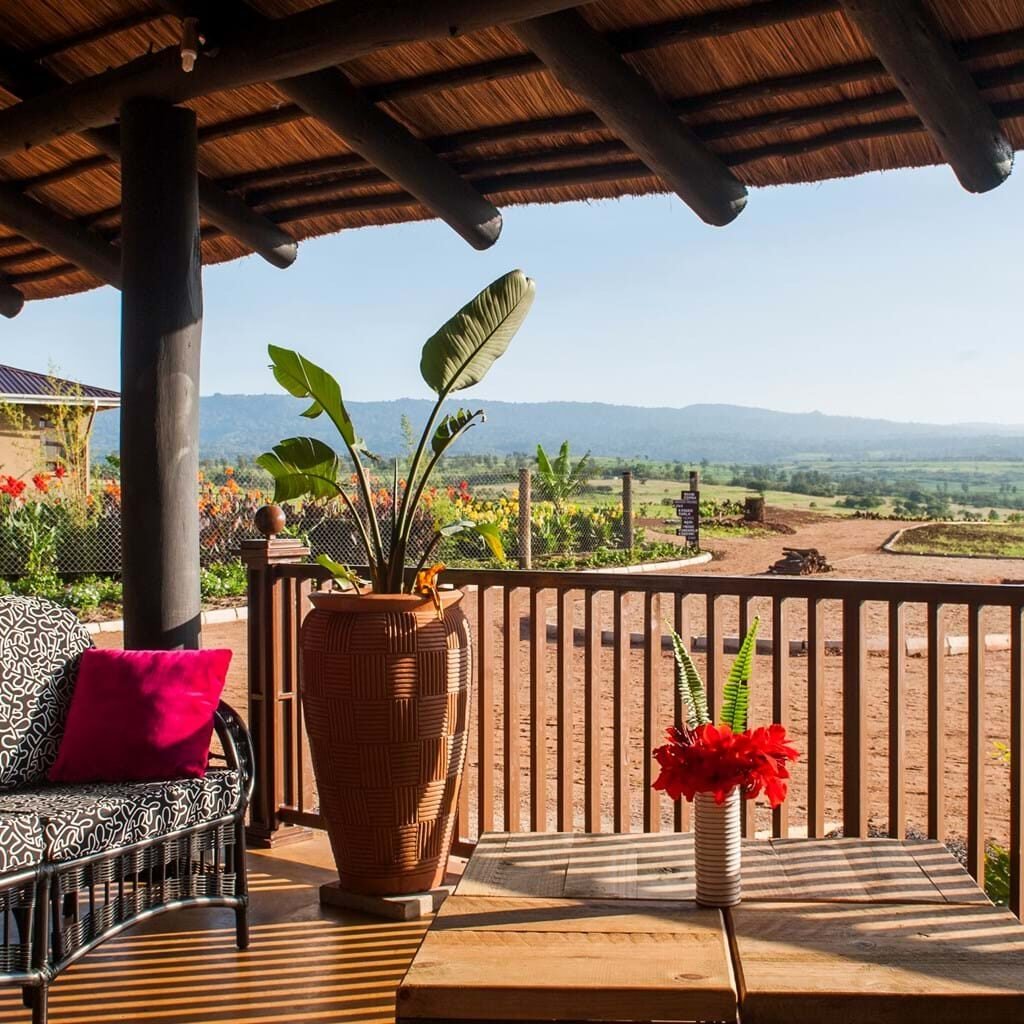
Karatu and the Coffee Highlands
Karatu is a farming town about 20–30 minutes from Lodoare Gate, surrounded by coffee estates and green hills. In August it is a useful base when rim lodges are full, and evenings are a little warmer than on the rim. Coffee farm tours and village walks fill a relaxed afternoon after your crater day, with a warm meal to follow.
Best Ngorongoro Lodges →Things to Do in Ngorongoro in August
The top thing to do in Ngorongoro in August is a full crater game drive, starting early to beat the busiest hours on the crater floor. Beyond the caldera, dry weather makes it a superb month for rim and highland hikes, and Olduvai Gorge adds a fascinating look at human origins. A Maasai boma visit and a coffee tour in Karatu round out your stay. Here are six activities we recommend for an August safari in the Ngorongoro Conservation Area. Your private guide can combine several of them to suit your pace and interests.
A Full Crater Floor Game Drive
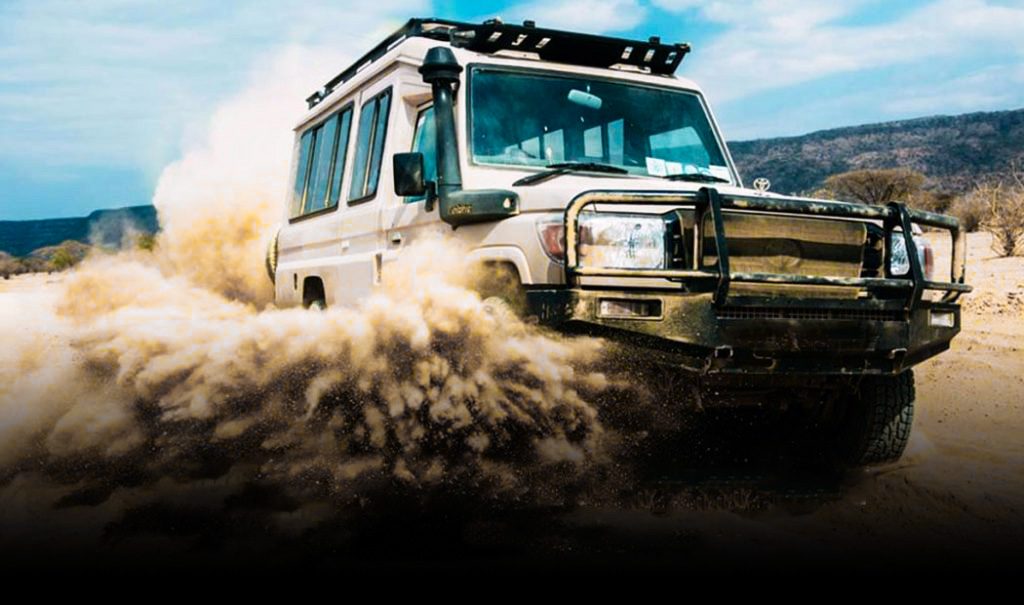
A game drive on the Ngorongoro crater floor is the highlight of any August visit. Descents usually start early in the morning, and time below is limited by conservation-area rules, usually around six hours. Your private guide plans a route around the plains, swamps, Lake Magadi and Lerai Forest for the best dry-season sightings of the day.
Ngorongoro Crater Safaris →
Picnic at Ngoitokitok Spring
Lunch at Ngoitokitok Spring is a classic crater moment, with hippos wallowing in the pool and the rim rising all around. In August it is busy at midday, so we often picnic a little earlier or later than most vehicles. Keep sandwiches inside the vehicle, as black kites swoop on unguarded food, and stay close to your guide.
How Long to Spend in the Crater →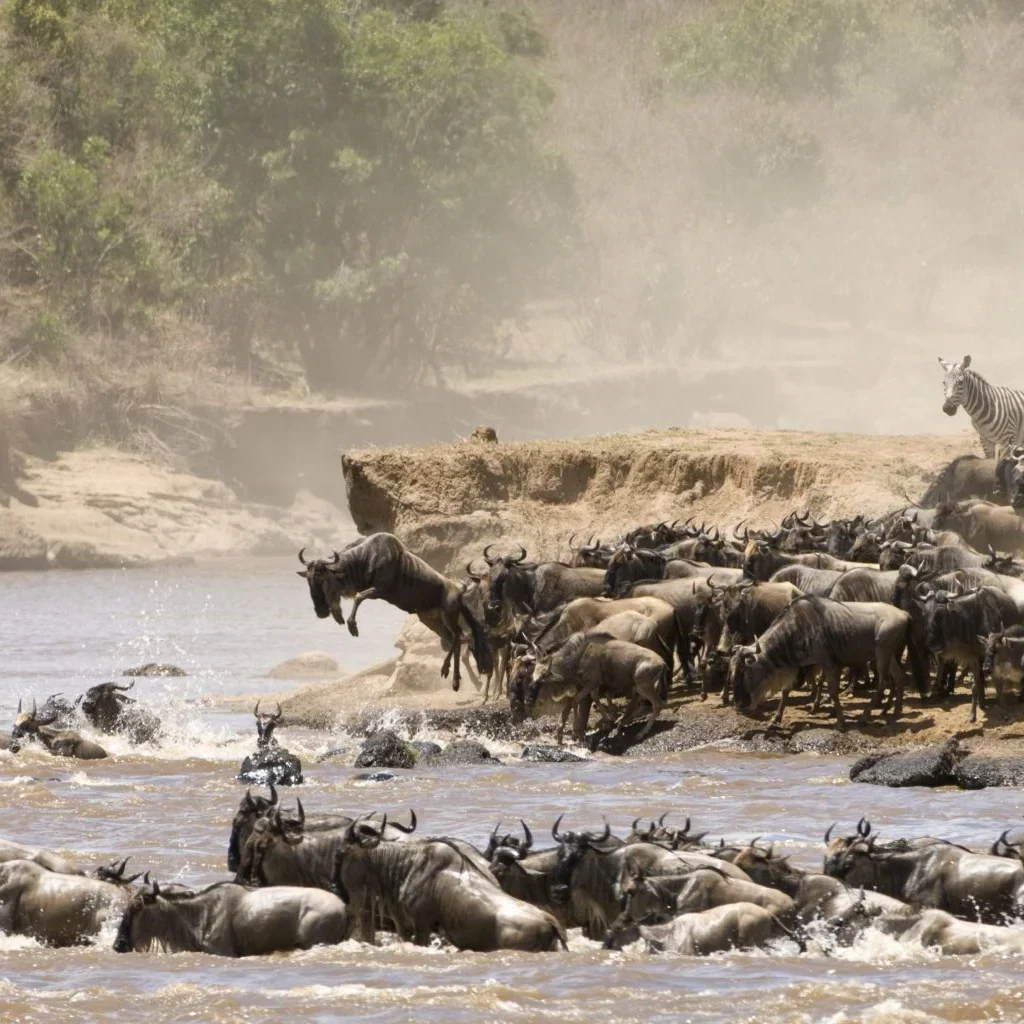
Olduvai Gorge Museum
A visit to Olduvai Gorge brings the story of human evolution to life. The museum overlooks the gorge where the Leakeys made famous discoveries, and a guide explains the layers of rock and fossils. In August the visit fits neatly into the drive towards Naabi Hill Gate and the Serengeti, with a nearby stop at the Shifting Sands.
Ngorongoro Crater Facts →
Visit a Maasai Boma
The Ngorongoro Conservation Area is a multiple land-use area where Maasai pastoralists live alongside wildlife. A respectful visit to a Maasai boma introduces you to traditional homes, cattle herding, songs and beadwork. In August, cattle are often driven long distances to water, so you may see herders crossing the dry highlands with their livestock, a vivid daily reminder.
Ngorongoro Visitor Guide →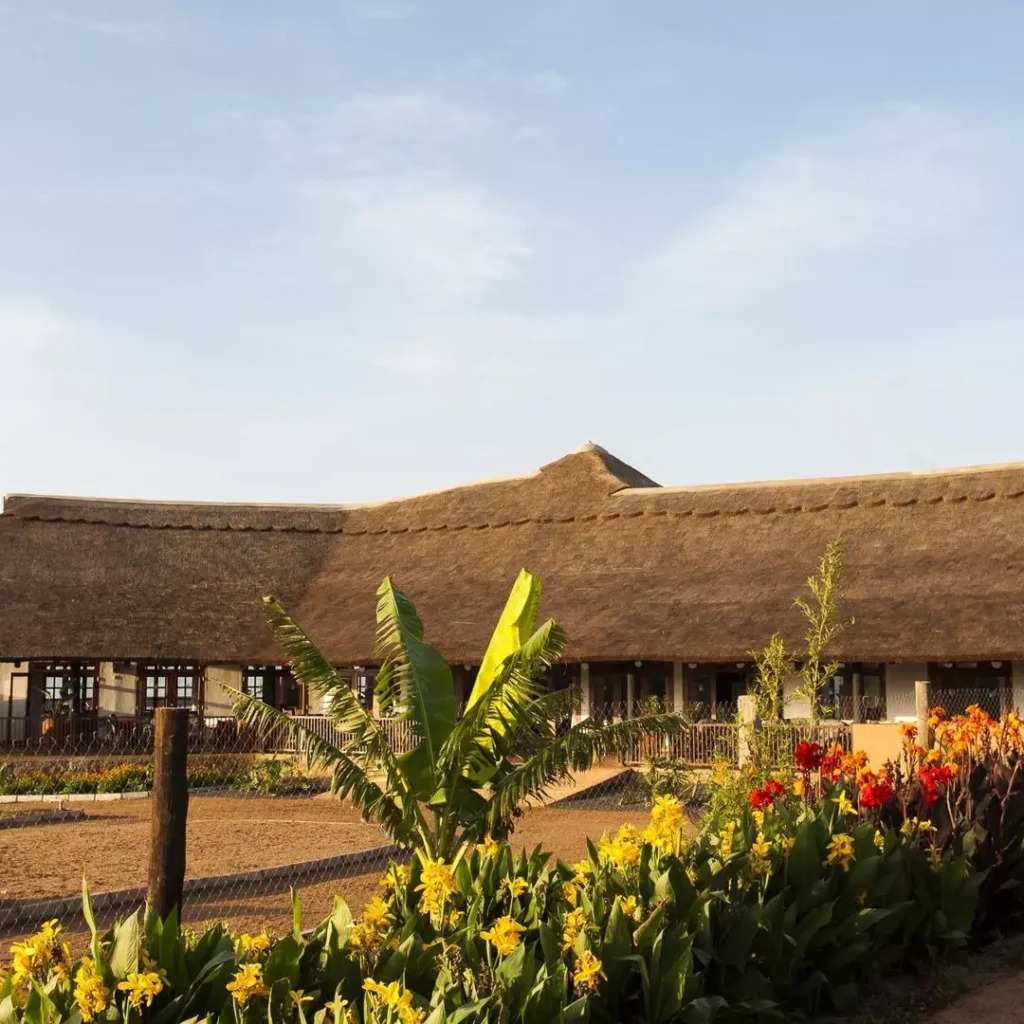
Hike Empakaai or Olmoti Crater
A highland hike is one of the best things to do in Ngorongoro in August, when paths are dry and the air is clear. The steep trail into Empakaai Crater leads to a soda lake where flamingos sometimes feed, while the shorter Olmoti walk reaches a waterfall. An armed ranger accompanies every hike, and your guide carries water.
Best Things to Do in Ngorongoro →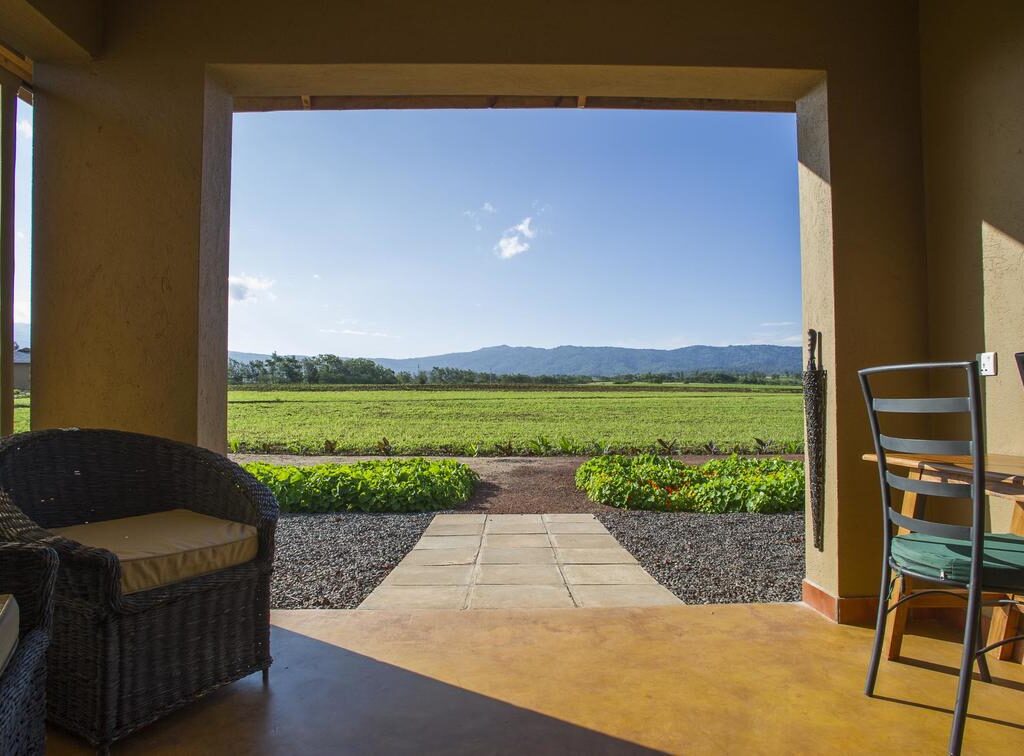
Coffee Farm Tour in Karatu
Karatu’s fertile highlands are covered with coffee estates, and a farm tour shows how beans are grown, picked, roasted and brewed. August is a lovely time for a relaxed afternoon here, with sunny, mild weather. It balances an intense crater day and suits families, couples and anyone who enjoys great coffee, with tastings often offered afterwards.
Lodges Near Ngorongoro →What to Expect on a Ngorongoro Crater Safari in August
A Ngorongoro Crater safari in August means cold misty dawns on the rim, a steep descent into a sunny caldera and some of the most concentrated game viewing in Africa. It is also the busiest month, so expect other vehicles at rhino and lion sightings and at the picnic sites. Its steep walls keep wildlife inside, so viewing stays rewarding. Crater rules apply to every visitor, and where you stay affects how early you can descend. Below is what a typical day, the roads, the weather, the rules, crowded sightings and your choice of lodge are like this month.
A Typical August Crater Day
A typical August crater day starts with an early breakfast on the cold, misty rim, then a descent as soon as the road opens. You spend the morning on the plains, picnic at Ngoitokitok or Lerai, and continue exploring until it is time to climb out. Evenings end beside a fire or in a warm room.
The Descent and Ascent Roads
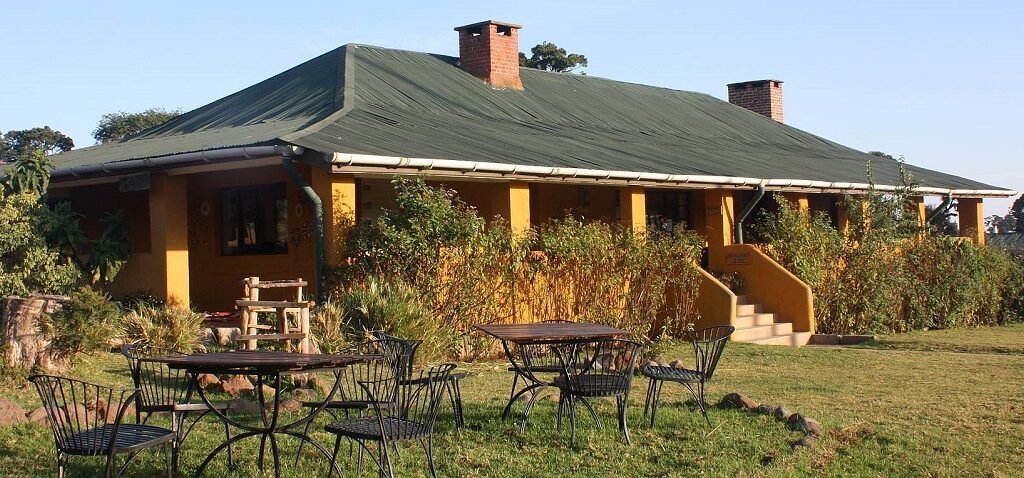
Vehicles usually descend on the Seneto road on the western side and climb out on the Lerai road in the south, while lodges on the eastern rim use the Lemala road. In August the roads are dry, steep and dusty rather than slippery. Views on the way down are spectacular once the morning mist has lifted.
Cold Nights and Misty Rim Mornings
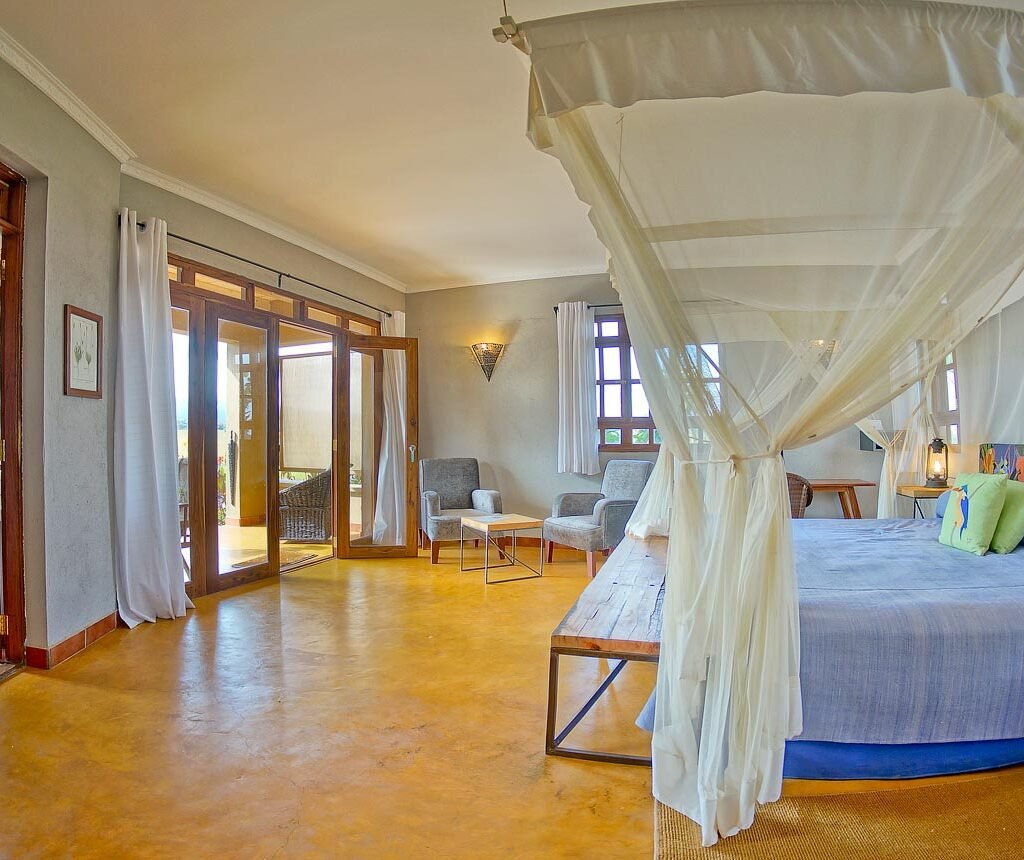
Rim nights in August are cold, about 5–10 °C, and early mornings are often wrapped in mist. Many rim lodges have fireplaces or hot-water bottles. Down on the crater floor, the day warms to about 20–24 °C, so layers you can peel off are essential. Late August usually feels a little warmer than the start.
Crater Rules and Time Limits
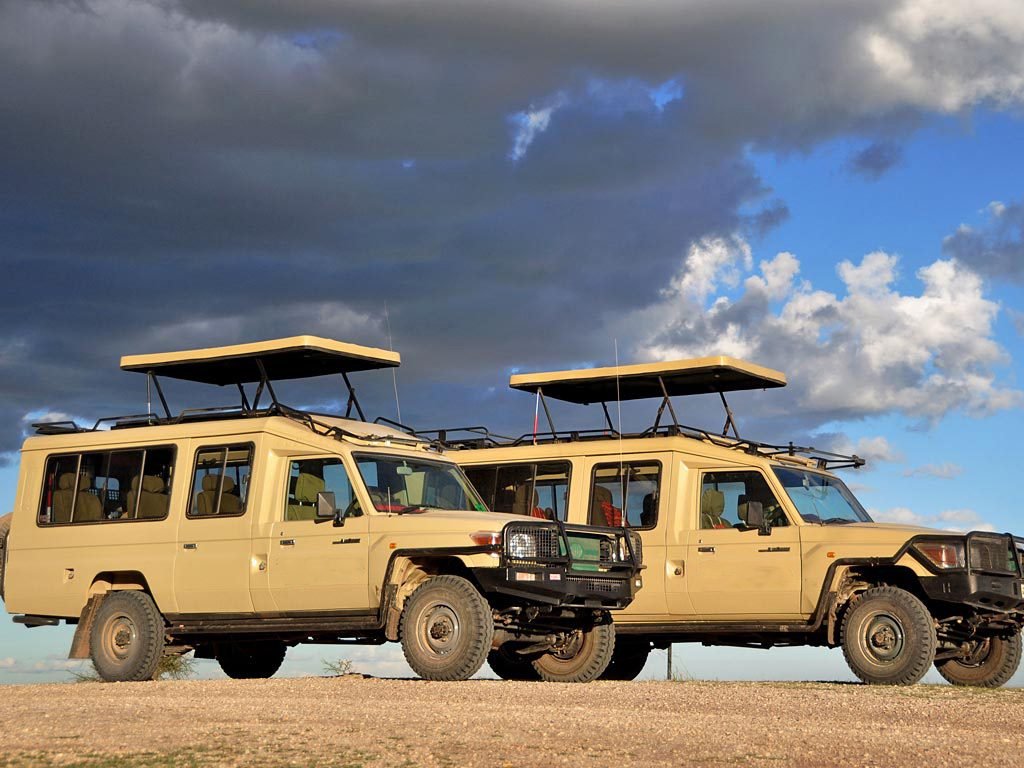
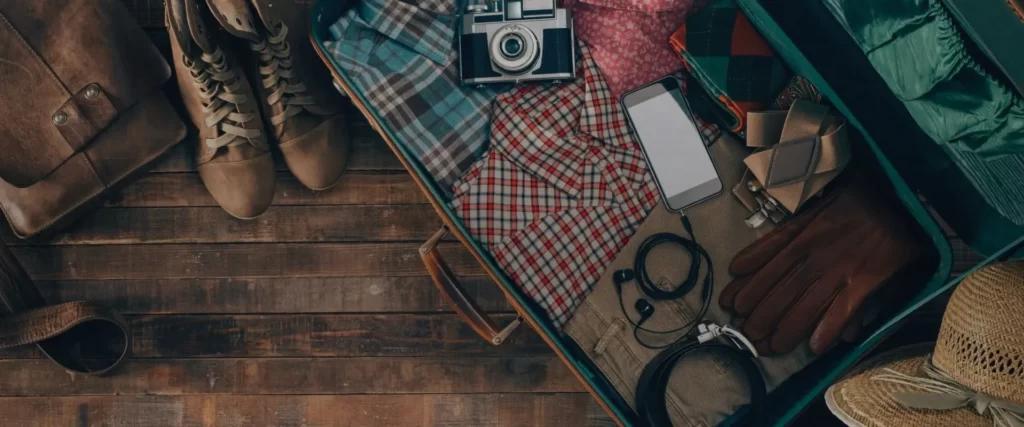
Only 4x4 safari vehicles may enter the crater, and descents usually start early in the morning. You must stay inside the vehicle except at designated picnic and toilet sites such as Ngoitokitok and Lerai. Off-road driving is not allowed, and time on the crater floor is limited by conservation-area rules, usually around six hours, so plan your day well.
Vehicles at Rhino and Lion Sightings
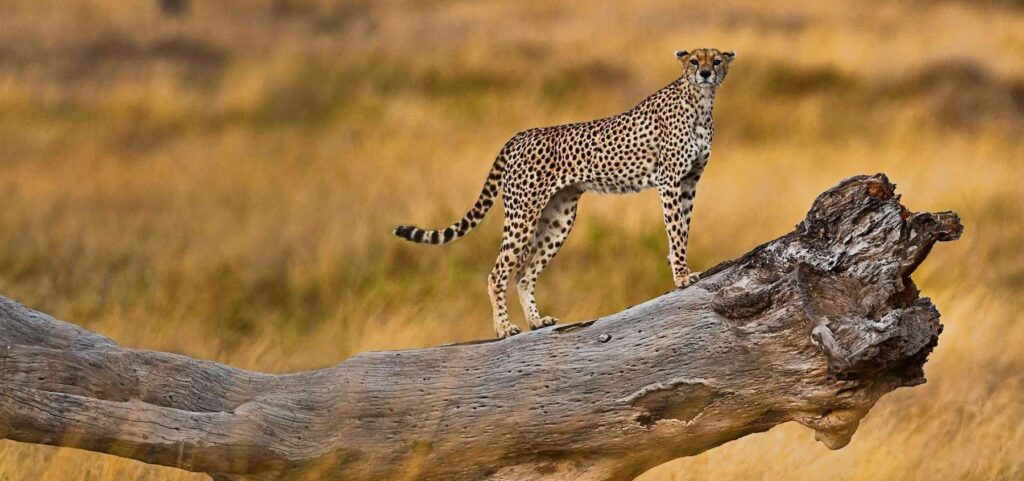
August is the busiest month on the crater floor, and vehicles often gather when a rhino or lion pride is spotted. Because off-road driving is not allowed, everyone views from the same tracks. Patience pays: sightings often quieten after the first rush, and your private guide can return later or look for animals elsewhere on the floor.
Lodges on the Rim or in Karatu
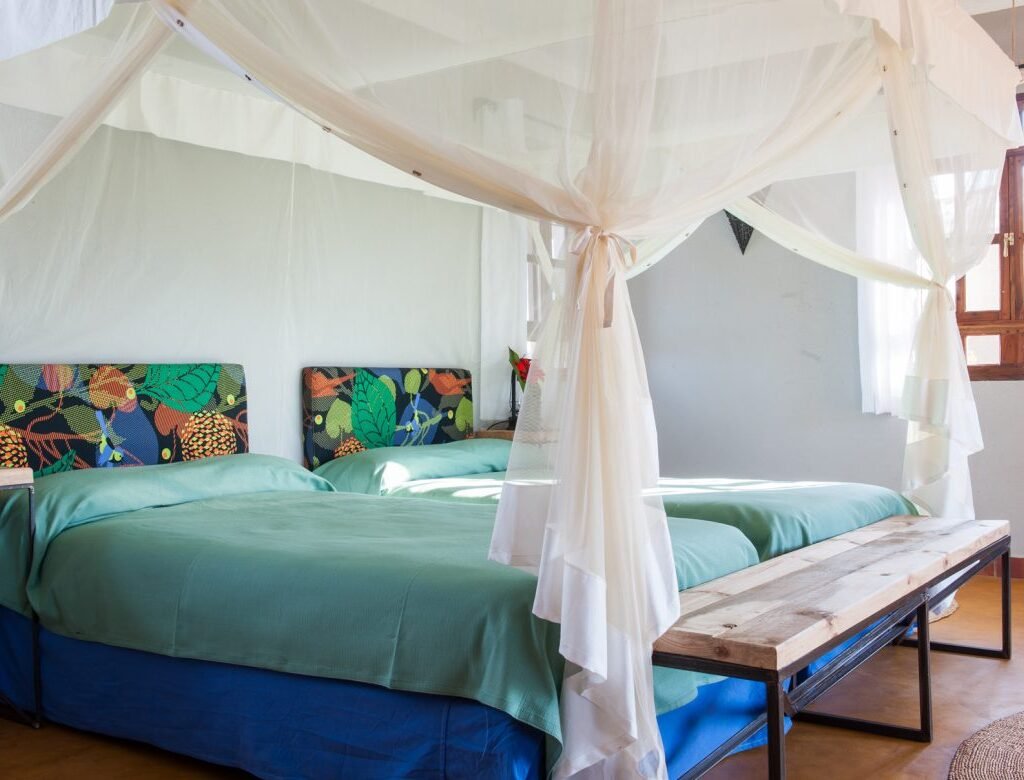
Staying on the crater rim the night before means you can descend first thing, before most vehicles arrive. Karatu lodges sit about 20–30 minutes from Lodoare Gate, with milder nights, farm settings and often better value. In August both fill early, so we recommend booking six to twelve months ahead for your preferred choice of room and view.
Ngorongoro Crater Crowds in August
Ngorongoro Crater crowds in August are at their highest of the year. The crater is Tanzania’s most visited wildlife area, and European summer holidays add to peak-season demand. Vehicles gather at rhino and lion sightings, and the Ngoitokitok picnic site is very busy at lunchtime. The rim roads and Lerai Forest are busy, while Olduvai Gorge is moderate, and Empakaai and Ndutu feel quiet. Crowds ease in the late afternoon as vehicles climb out. Your private guide can help you avoid the busiest moments by descending early, picnicking later than most and spending the night on the rim beforehand.
- Rhino & lion sightingsVery busy
- Ngoitokitok picnic siteVery busy
- Lerai ForestBusy
- Olduvai GorgeModerate
- Empakaai CraterQuiet
- NdutuVery quiet
Is August the Best Time to Visit Ngorongoro Crater?
Is August a good time to visit Ngorongoro Crater? For dry, clear game viewing, it is one of the best months of the year. The grass is short, animals are easy to see, and the crater fits perfectly with a northern Serengeti safari for the river crossings. The trade-offs are crowds on the crater floor, cold rim nights and peak-season demand, so book early. Most guests agree the clear views and reliable weather outweigh the crowds. If you prefer quieter roads, consider June or October, and if you want the Ndutu calving season nearby, plan for January or February.
Ngorongoro Crater in August: Pros and Cons
August is one of the most popular months for Ngorongoro Crater, but it still has trade-offs. On the plus side, the dry season gives superb visibility, firm roads and good chances of lions and black rhino, and the crater combines perfectly with the Serengeti crossings. On the other hand, the crater floor is at its busiest, rim nights are cold, and peak-season demand means booking well ahead. Weighing these points against your priorities helps you decide whether August suits your private safari, or whether June or October would be better. Either way, we will plan around your priorities.
Short Grass and Clear Sightings
In August the crater floor grass is short and golden, so animals stand out clearly across the plains. Lions resting in the open, buffalo herds and the grey outline of a black rhino are easier to spot than in the green season. Dry air from late morning also gives long, sharp views across the caldera.
- Short golden grass
- Animals easy to spot
- Long, clear views
- Good rhino chances
Firm Roads and Reliable Weather
August is in the peak of the long dry season, so rain is very unlikely and the steep crater roads are firm rather than slippery. Descents and ascents run smoothly, and rim hikes to Empakaai and Olmoti are easier on dry paths. Reliable conditions make planning simple, even for a short crater visit, and delays from weather are unlikely.
- Very low rainfall
- Firm crater roads
- Easier rim hikes
- Simple planning
Perfect with the Mara River Crossings
August is usually the peak month for Mara River crossings in the northern Serengeti, and Ngorongoro sits on the natural route there. A crater day at the start or end of your trip adds black rhino and concentrated wildlife to the migration drama. Flying north from Lake Manyara or the Serengeti saves long road transfers.
- Crossings usually peak
- Rhino plus migration
- Natural route
- Fly north to save time
The Busiest Crater of the Year
August is the busiest month on the crater floor, with European summer holidays adding to demand. Vehicles gather at rhino and lion sightings, and the picnic sites are crowded at lunchtime. Descending early, picnicking at a different time and staying on the rim the night before all help, and your private guide will seek quieter corners.
- Many vehicles
- Busy picnic sites
- Descend early
- Stay on the rim
Cold Nights and Chilly Starts
Rim nights in August can drop to about 5–10 °C, and early morning game drives with the roof up feel cold until the sun reaches the crater floor. Mist can hide the view at dawn, especially early in the month. Warm layers, a hat and gloves keep you comfortable, and many rim lodges have fireplaces.
- Rim nights about 5–10 °C
- Misty dawns
- Warm layers needed
- Hat and gloves
Early Bookings and Peak Rates
August is peak season, so the best rim lodges and the tented camps closest to the descent roads fill early, and peak-season rates apply at many properties. Flights to the northern Serengeti are also in demand, and seats can sell out. Booking six to twelve months ahead gives you the widest choice of lodges, room types and flight times.
- Rim lodges fill early
- Peak-season rates
- Flights in demand
- Book 6–12 months ahead
How Much Does a Ngorongoro Crater Safari Cost in August?
How much does a Ngorongoro Crater safari cost in August? A private Ngorongoro Crater safari in August typically costs from about $200 to $2,500 per person per day, depending mostly on the style of accommodation. August is peak season, with high demand for rim lodges, so booking early secures the best choice. Your private vehicle, guide, conservation fees and meals are usually included, and exact inclusions are confirmed in your quote. The ranges below come from our own price list. Longer itineraries that add the Serengeti, flights or luxury lodges naturally cost more.
Budget Camping Safari
$200 – $390per person per day
A budget camping safari uses Simba campsite on the crater rim or a camp in Karatu, with your own guide, cook and private 4x4. It is the most affordable way to see the crater in August. Rim nights are very cold this month, so a warm sleeping bag, thermal layers and a hat are essential.
- Simba campsite or Karatu
- Your own guide and cook
- Private 4x4
- Warm sleeping bag
Mobile and Tented Camp Safari
$550 – $590per person per day
Tented camps on and around the crater rim offer comfortable beds and a classic canvas atmosphere close to the descent roads. In August they let you start your crater day early without paying top luxury prices. Nights under canvas are cold, so camps usually provide warm bedding, and they fill quickly in peak season, so book early.
- Close to descent roads
- Classic canvas feel
- Warm bedding
- Fills quickly
Lodge Safari
$590 – $750per person per day
A lodge safari uses permanent lodges on the crater rim or in Karatu, with solid rooms and reliable comfort. In August a rim lodge gives you early descents and misty views, while a Karatu lodge offers milder nights and farm settings. We combine styles so you stay comfortable and well placed throughout, with your guide handling every transfer.
- Permanent rooms
- Rim or Karatu
- Reliable comfort
- Mix with other parks
Tented Lodge Safari
$590 – $990per person per day
Tented lodges combine permanent canvas suites with a wilderness feel and more space than many simple camps. Several lie near the crater rim or in the Karatu highlands, making them a popular mid-range choice for August. They pair well with tented lodges in Tarangire and the Serengeti on a longer private northern circuit safari with your own guide.
- Permanent canvas suites
- Rim or Karatu
- Mid-range value
- Pairs with other parks
High-End Luxury Safari
$990 – $2,500per person per day
A high-end luxury safari uses the finest lodges on the crater rim or exclusive Karatu estates, often linked to the Serengeti by light-aircraft flights. In August this means early descents, excellent guiding and refined comfort after cold mornings. It suits honeymooners and travellers celebrating a special occasion who want the very best experience from start to finish.
- Prime rim locations
- Exclusive estates
- Fly to the Serengeti
- Refined comfort
Conservation Fees and Extras
Ngorongoro Conservation Area fees are charged per person per 24 hours, and a crater service fee is charged per vehicle for each descent. We include these in your quote. Extras to budget for can include optional flights to the northern Serengeti, tips for your guide and lodge staff, visas and travel insurance, none of which are included unless stated.
- NCA fees per 24 hours
- Crater service fee
- Optional flights
- Tips, visas, insurance
Ngorongoro Crater Safari Packages for August
The best Ngorongoro Crater safari packages for August combine a full crater day with the dry-season highlights of northern Tanzania, often including the Mara River crossings in the northern Serengeti. Each itinerary below is a starting point for a private tailor-made safari, which we adapt to your dates, budget and interests. Choose a migration safari, a family trip, a longer northern circuit, a luxury option, a budget camping safari or a short day trip. Every package includes your own guide and 4x4. Pick the closest match, then tell us what to change.
8-Day Serengeti Wildebeest Migration Safari
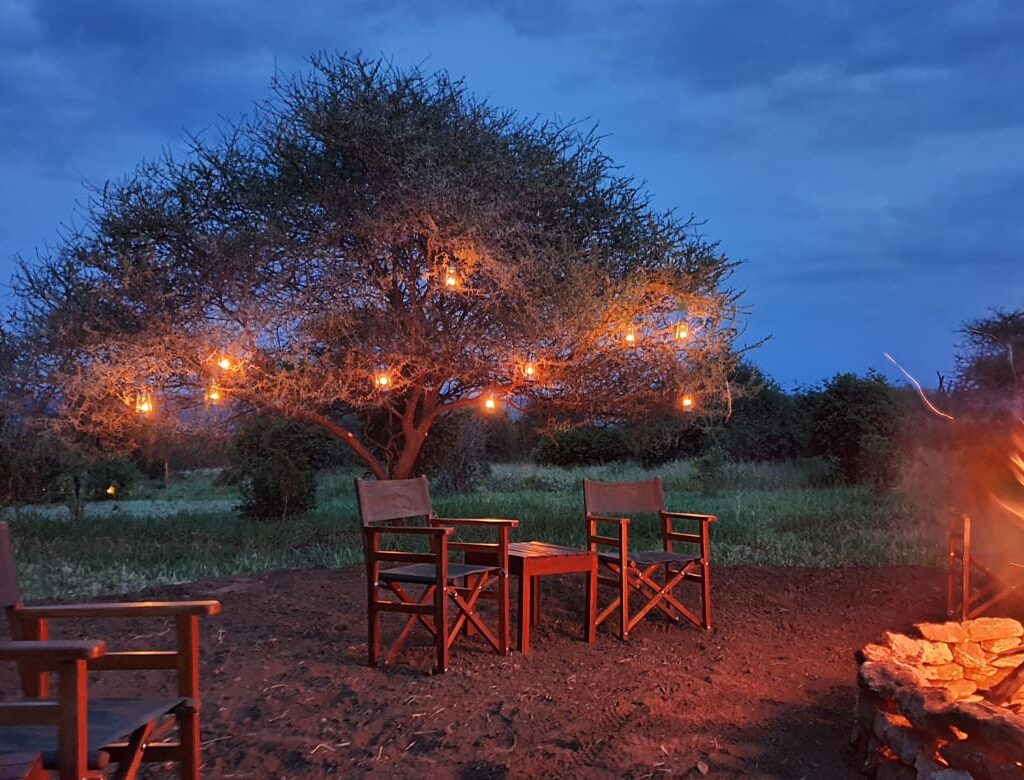
The 8-Day Serengeti Wildebeest Migration Safari is one of our most popular choices for August. It pairs a Ngorongoro Crater game drive with Serengeti nights planned around the northern herds and the Mara River. It suits first-time visitors who want black rhino and the migration on one well-paced private safari, led by your own guide throughout.
View This Safari →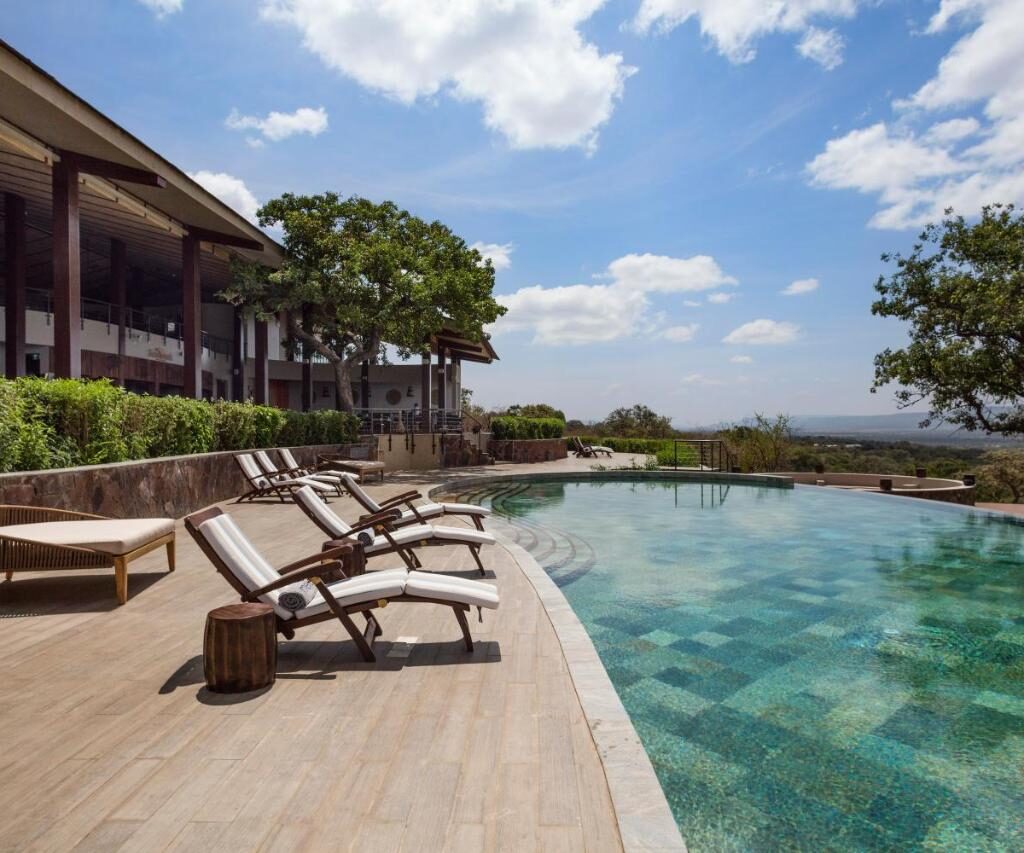
6-Day Serengeti & Ngorongoro Family Safari
The 6-Day Serengeti and Ngorongoro Family Safari suits August school holidays. Children love spotting lions, hippos and zebra on the crater floor, and the pace allows for rest stops and early nights. We choose family-friendly lodges and keep driving times manageable, with your own guide adapting each day to your family and its energy levels.
View This Safari →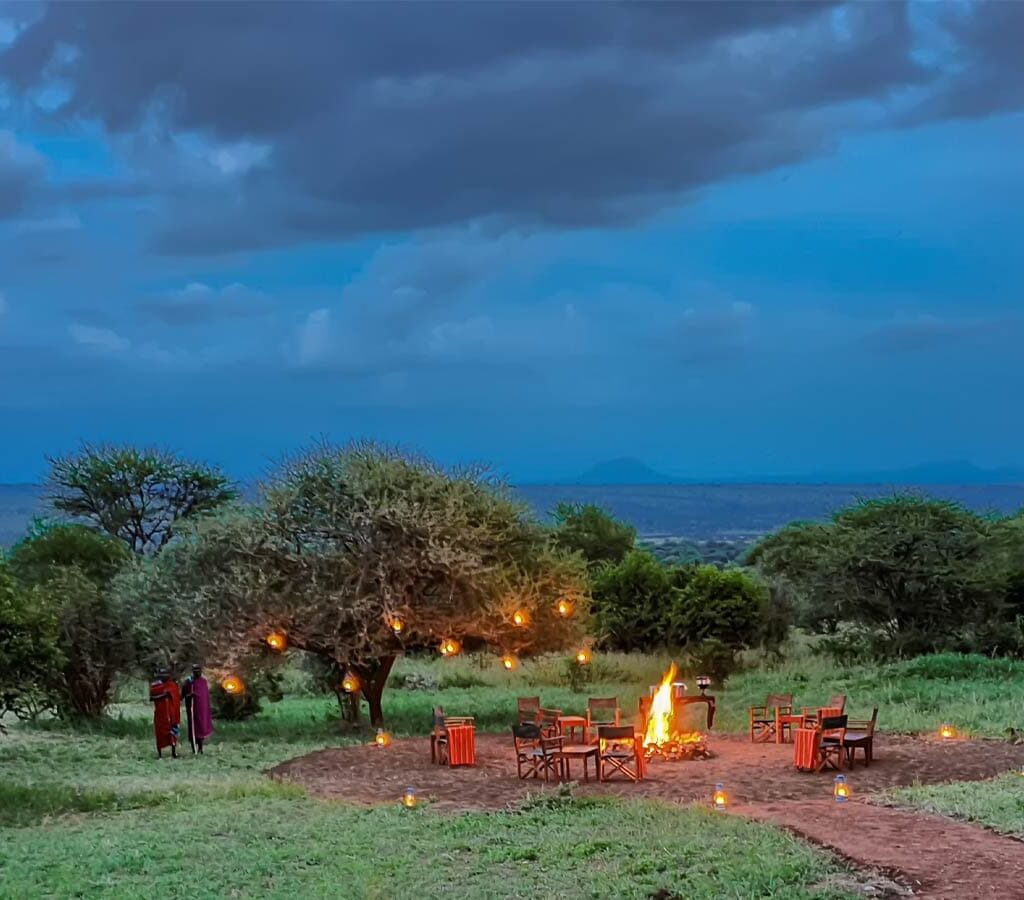
10-Day Best of Northern Tanzania Safari
The 10-Day Best of Northern Tanzania Safari covers the crater alongside other northern highlights at a relaxed pace. In August, Tarangire’s dry-season elephants and the Serengeti’s northern herds make a superb pairing with a full Ngorongoro day. It suits travellers who want variety and enough time to enjoy each park properly, with your own guide and 4x4 throughout.
View This Safari →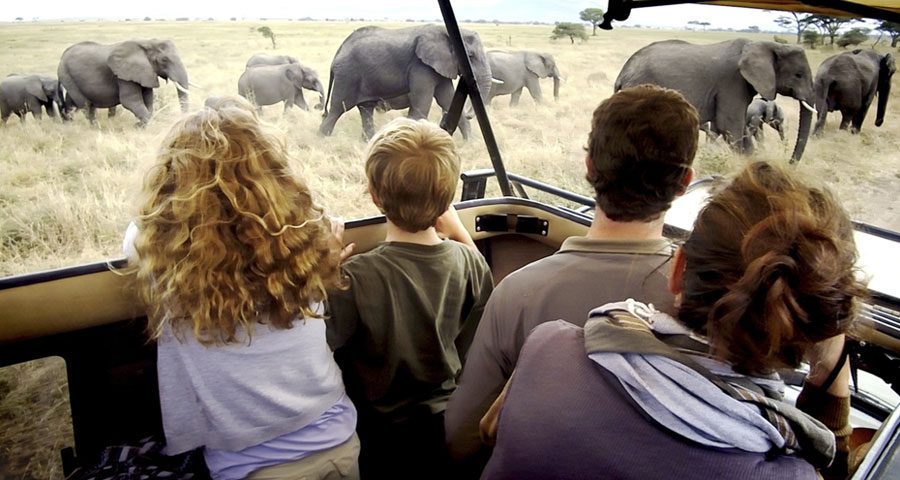
Luxury Great Migration Safari
Our Luxury Great Migration Safari pairs the peak crossing season with the finest camps and lodges, including time in the Ngorongoro highlands. In August it usually uses light-aircraft flights to reach the north quickly. It is ideal for honeymooners, celebrations and travellers who want exceptional comfort after cold, misty crater mornings and long, dusty game drives.
View This Safari →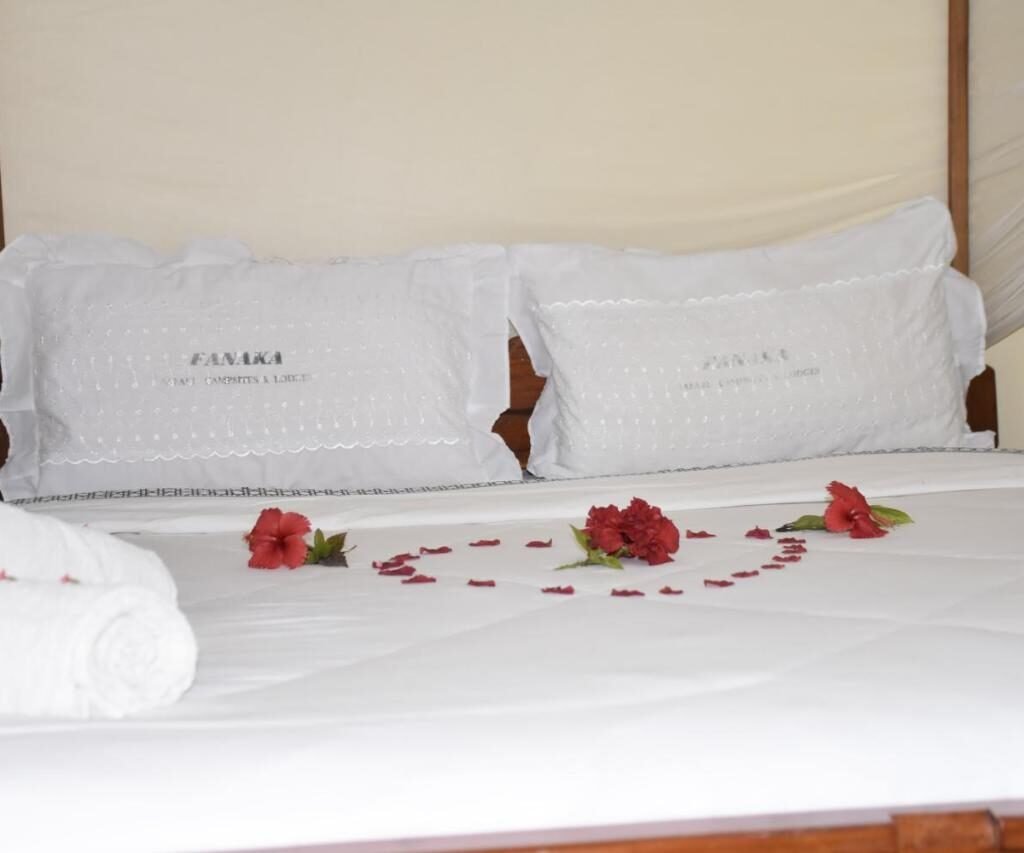
7-Day Tanzania Budget Camping Safari
Our 7-Day Tanzania Budget Camping Safari covers Tarangire, the Serengeti and the Ngorongoro Crater with your own guide, cook and 4x4. It is an affordable way to enjoy the August dry season. Rim campsites are very cold this month, so we will advise on sleeping bags and warm layers before you travel, as every night is spent under canvas.
View This Safari →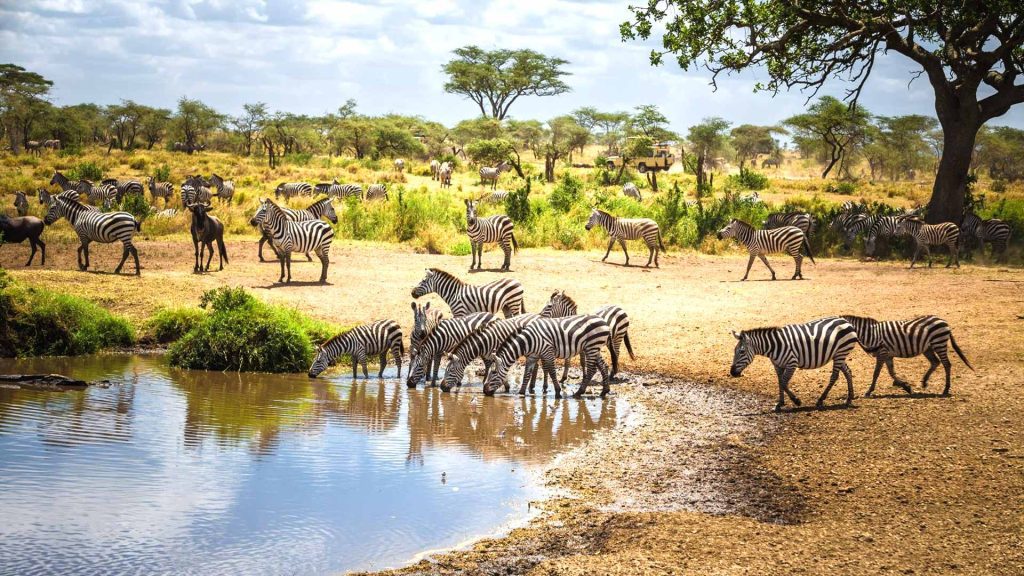
Ngorongoro Crater Day Trip
Our Ngorongoro Crater Day Trip suits travellers with limited time, perhaps before or after a Kilimanjaro climb. It is a long day from Arusha, with an early start, a full game drive on the crater floor and a return in the evening. In August, dry roads and clear views make it rewarding despite the distance.
View This Safari →Where to Stay Near Ngorongoro Crater in August
Where you stay in August shapes your whole crater day. Ngorongoro accommodation comes in four styles: budget camping, mid-range, luxury and ultra luxury. Rim stays put you minutes from the descent road for a first-light game drive, while Karatu lodges offer warmer evenings, coffee farms and gentler rates. August is peak dry season, so popular lodges fill months ahead. Every private safari we design is matched to your budget and travel style. The tabs below explain what each level includes, where it is located and who it suits best, with a link to safaris in that style.

Budget Camping Near Ngorongoro Crater
Budget camping is the most affordable way to stay at Ngorongoro Crater on a private safari. You sleep in dome tents at a public campsite on the crater rim or a camp in Karatu, with a cook preparing fresh meals and your guide nearby. In August, rim nights are cold, so a warm sleeping bag and layers are essential.
View Budget Safaris →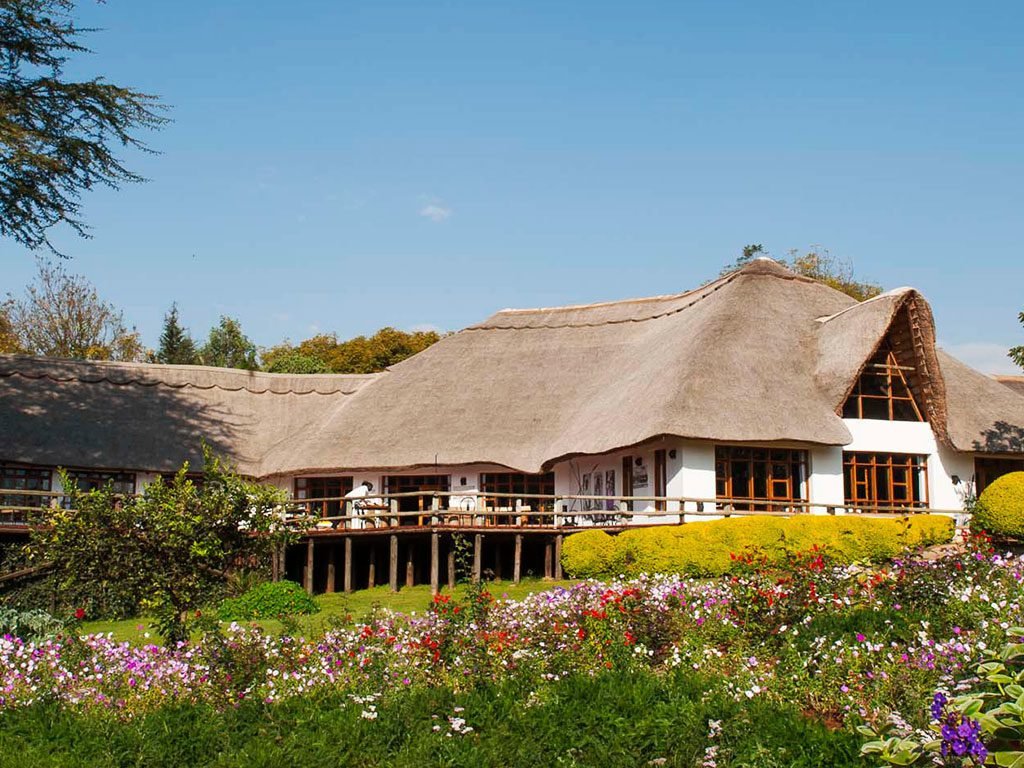
Mid-Range Lodges Near Ngorongoro Crater
Mid-range stays are comfortable lodges and tented lodges, mostly around Karatu among coffee farms and gardens, with a few simple lodges on the crater rim. Expect en-suite rooms, hot showers, good home-style meals and friendly service at a fair price for your private safari. In August, peak season demand is strong, so reserve your preferred lodge well ahead.
View Mid-Range Safaris →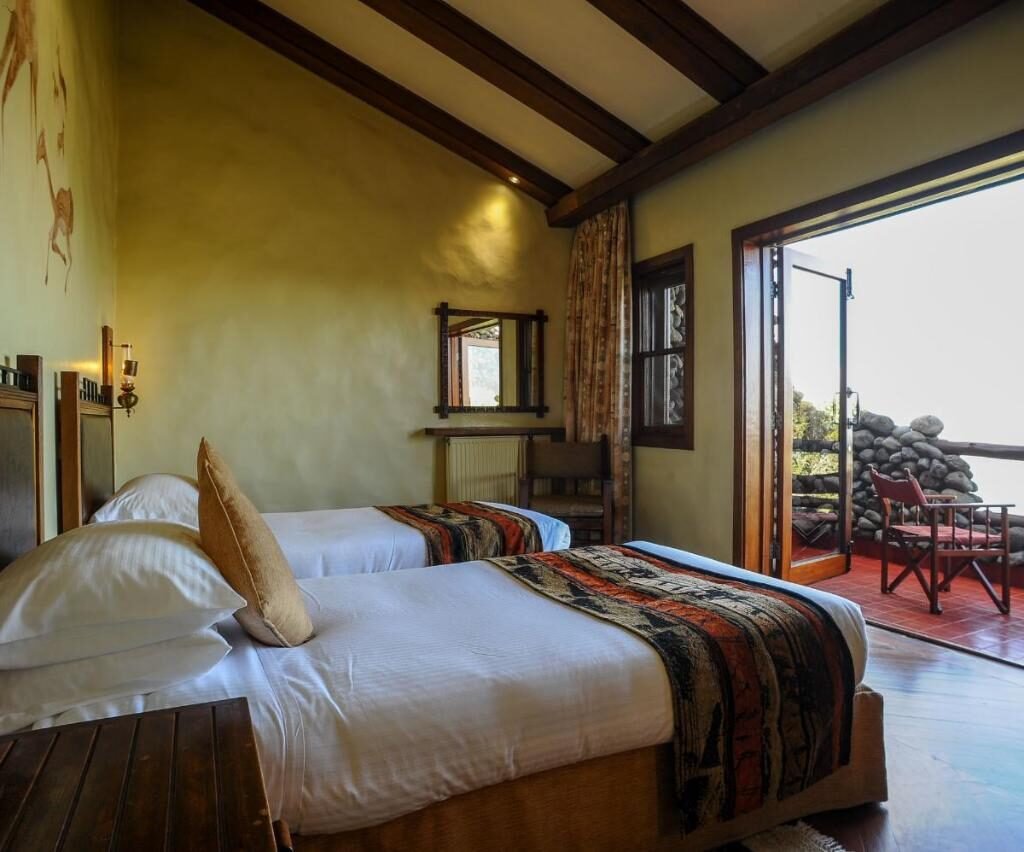
Luxury Lodges on the Ngorongoro Rim
Luxury stays sit on the crater rim or in Karatu coffee estates, with spacious rooms, fine dining and attentive staff. Rim properties put you minutes from the descent road for an early start, while Karatu estates offer gardens, pools and warmer evenings after your drive. In August, fireplaces at many rim lodges are welcome on cold, misty nights.
View Luxury Safaris →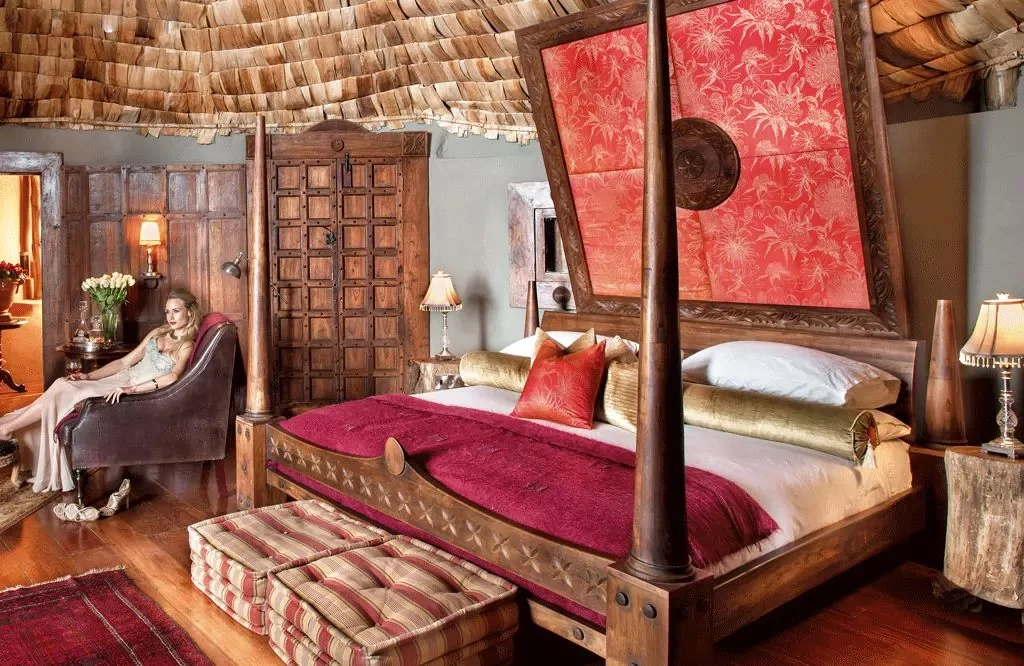
Ultra Luxury Stays at Ngorongoro Crater
Ultra luxury stays are the most exclusive lodges and camps on the Ngorongoro rim and in the highlands, with butler service, private suites and sweeping caldera views. They suit honeymooners and special occasions, offering exceptional comfort, privacy and unhurried, personal service throughout your stay. In August, peak demand means booking six to twelve months ahead is wise.
View Ultra Luxury Safaris →Combine Ngorongoro with Other Destinations in August
August is an ideal month to combine Ngorongoro with other parts of Tanzania, because the whole northern circuit is dry and wildlife is easy to find. Each add-on works as a private extension, planned around your dates and energy. The Serengeti offers the Mara River crossings, Tarangire’s elephants gather along the river, and Lake Eyasi adds a cultural experience. Zanzibar is dry and pleasant for a beach finish, and Kilimanjaro is in its dry season for a climb before your safari. Choose from the options below and we will link them into one private itinerary.
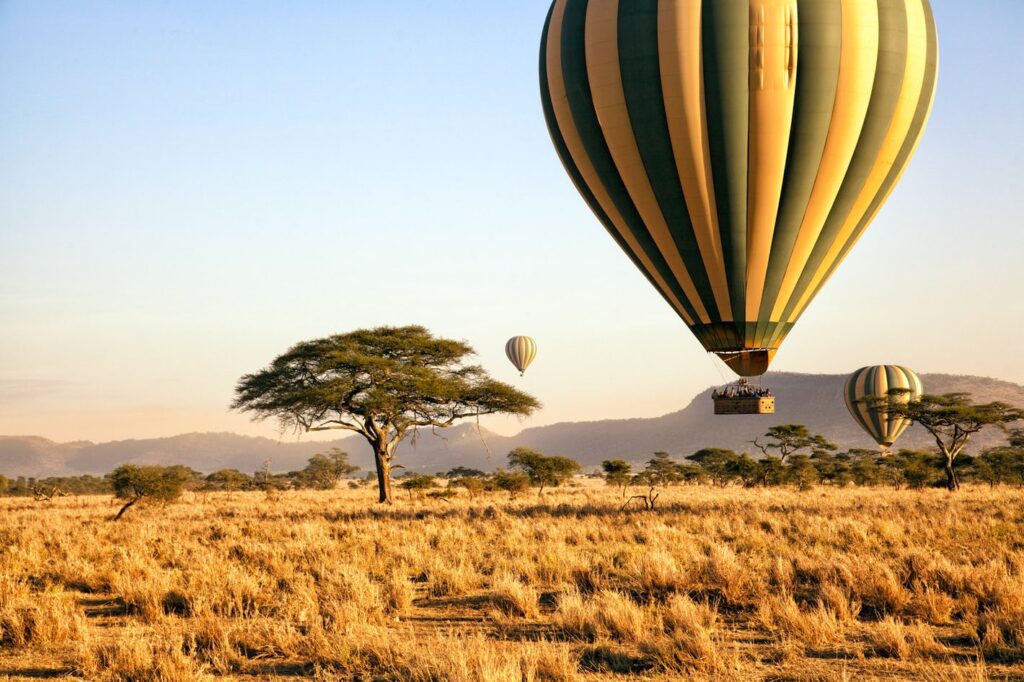
Serengeti in August
In August the Great Migration is usually in the northern Serengeti, where Mara River crossings are typically at their peak. From Ngorongoro, it is a long drive north via Naabi Hill Gate and Seronera, so many travellers fly from Lake Manyara or the central Serengeti. Allow at least three nights in the north, and ask us about flight options.
Serengeti in August →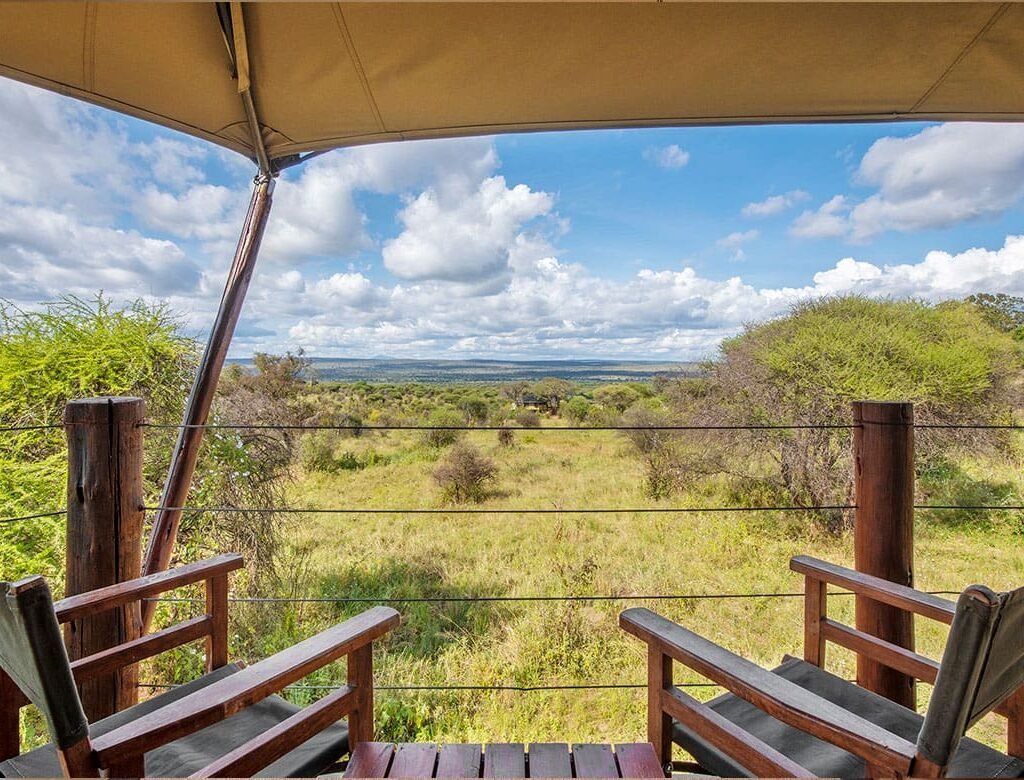
Tarangire National Park
Tarangire is excellent in August, the heart of its dry season, when elephants gather in large numbers along the Tarangire River. Ancient baobabs, lions, giraffes and plentiful birds complete the picture. Just a few hours from Arusha and on the way to Ngorongoro, it makes an easy first stop on a northern circuit, before the cooler highlands.
Explore Tarangire →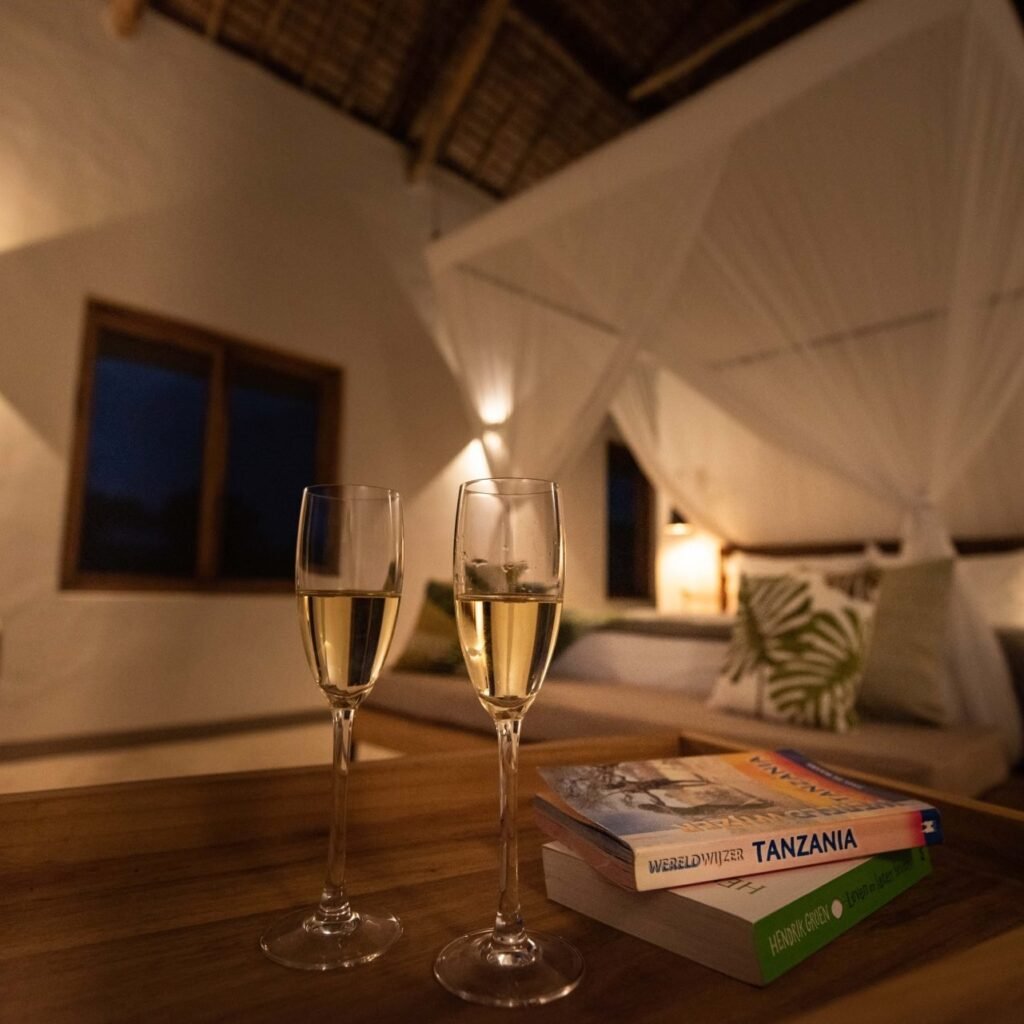
Lake Manyara National Park
Lake Manyara National Park lies below the Rift Valley escarpment, right on the road to Ngorongoro. In August its groundwater forest, baboons, elephants and lakeshore birds make a rewarding half-day or full-day stop. The Lake Manyara airstrip is also handy for flights north to the Serengeti after your crater day, which saves a long drive back to the road.
Explore Lake Manyara →
Lake Eyasi and the Hadzabe
Lake Eyasi lies just outside the Ngorongoro Conservation Area to the south-west, home to the Hadzabe hunter-gatherers and the Datoga pastoralists. In August the dry, dusty landscape is at its most striking, and an early morning visit with Hadzabe hunters is unforgettable. It is a short drive from Karatu and fits well before the crater.
Explore Lake Eyasi →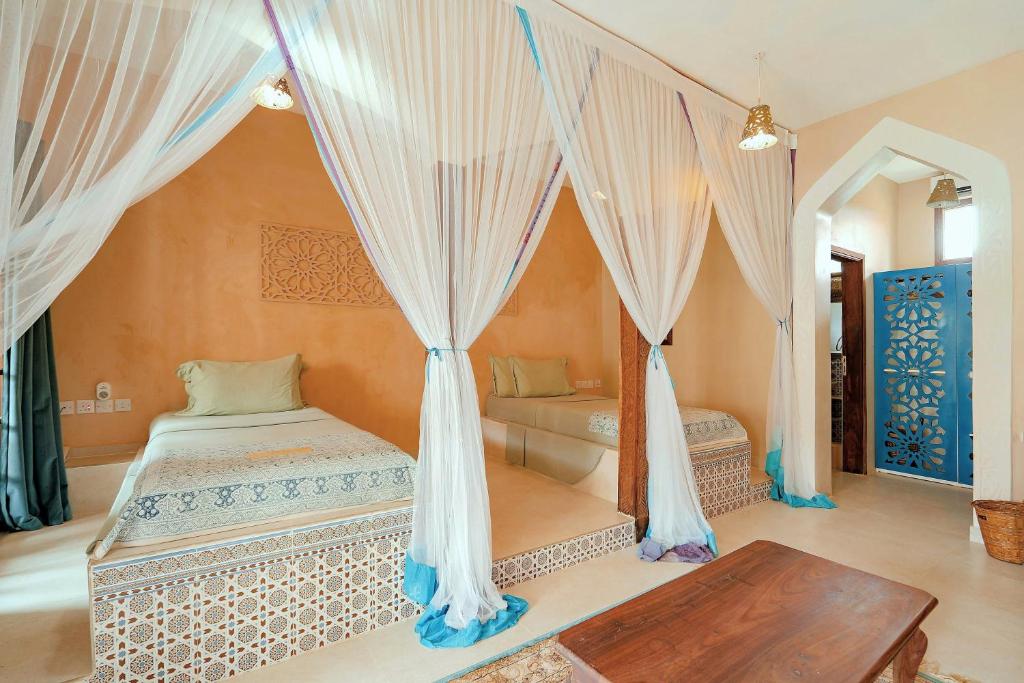
Zanzibar Beach Holiday
Zanzibar is dry and pleasant in August, with sunny days and warm sea, the perfect way to wash off the crater dust. Fly from Arusha, Lake Manyara or the Serengeti to the island for white-sand beaches and historic Stone Town. Summer holidays keep beach hotels busy, so book them at the same time as your safari.
Explore Zanzibar Holidays →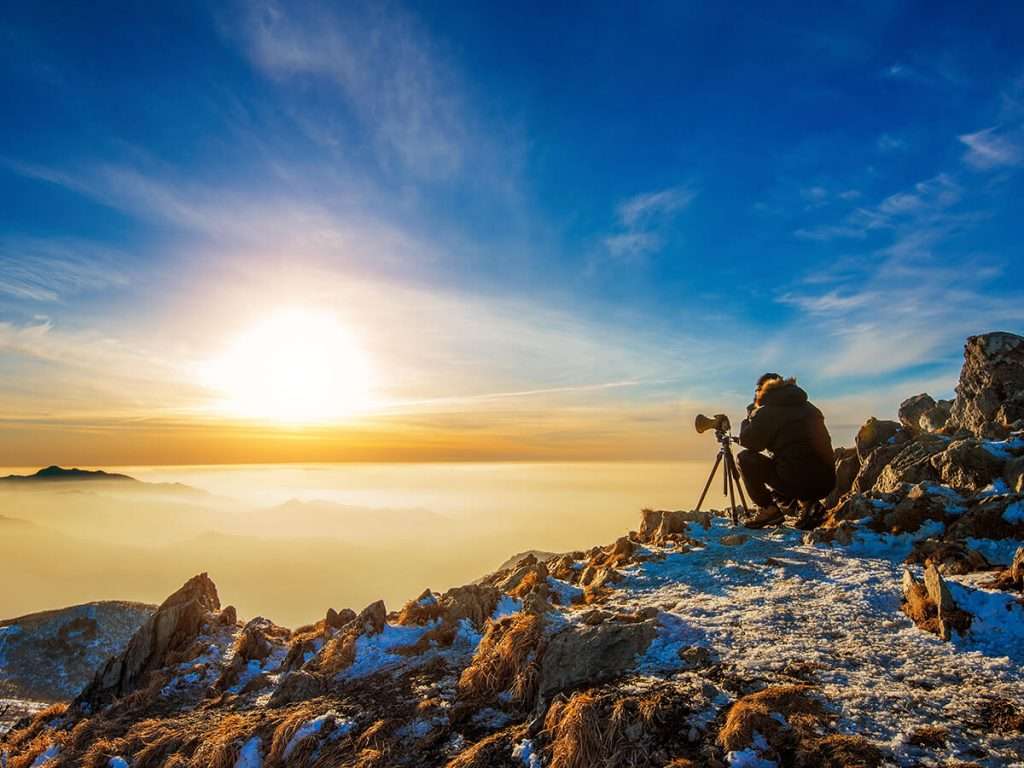
Climb Kilimanjaro in August
August is in Kilimanjaro’s long dry season and one of the most popular months to climb. Trails are usually dry and skies clear, though summit night is very cold. Climbing first, then relaxing on a safari with a crater day, works well for most people. Our Tanzania safari in August guide shows how everything fits together.
Climbing Kilimanjaro in August →Ngorongoro Travel Tips for August
A few practical choices make a big difference to a Ngorongoro Crater safari in August. Booking six to twelve months ahead comes first, because rim lodges fill quickly in peak season. It also pays to sleep on the rim the night before your crater day, to descend early, to picnic at a quieter time and to bring warm layers for cold, misty mornings. These tips come from our Arusha-based guides, who spend every August in the crater with private guests. Follow them and your crater day will feel calmer, warmer and more rewarding.
Reserve Rim Lodges First
August is one of the busiest months for lodges on the Ngorongoro crater rim, and the best rooms are often reserved well in advance. Booking six to twelve months ahead gives you the widest choice of lodges, room types and flights to the Serengeti. If school holidays fix your dates, contact us early, ideally well before the peak weeks.
- Book 6–12 months ahead
- Rim lodges first
- Secure Serengeti flights
- Fixed dates need planning
Be First onto the Crater Floor
Descents usually start early in the morning, and the first hours on the crater floor are the quietest and often the best for predators. Sleeping on the rim the night before makes an early start easy. The light is soft, the air is cool, and you can reach rhino areas before most vehicles arrive, which makes the whole day calmer.
- Sleep on the rim
- Early descent
- Quiet first hours
- Soft morning light
Picnic When Others Drive
Most vehicles stop for lunch at Ngoitokitok Spring or Lerai at about the same time, so these sites are crowded at midday in August. Eating a little earlier or later lets you enjoy a calmer picnic, and the plains feel quieter while others are eating, which suits photography. Keep food inside the vehicle because of black kites.
- Picnic early or late
- Quieter plains
- Ngoitokitok or Lerai
- Watch for black kites
Pack for Cold Rim and Warm Floor
August rim mornings are cold and misty, while the crater floor warms to about 20–24 °C by midday. A fleece, warm jacket, hat and gloves keep you comfortable at dawn, and light layers suit the afternoon. A scarf or buff protects against dust, and sunscreen matters at altitude, even on cool, misty days. Your guide can advise.
- Warm jacket and fleece
- Hat and gloves
- Dust scarf or buff
- Sunscreen at altitude
Fly On to the Northern Serengeti
The northern Serengeti, where the herds usually are in August, is a long drive from the crater. A light-aircraft flight from Lake Manyara or the central Serengeti saves many hours and gives you more time at the Mara River. Pack in soft bags to meet light-aircraft luggage limits, and ask us about the details well before you travel.
- Lake Manyara airstrip
- Save long drives
- More river time
- Soft bags only
Patience at Busy Sightings
When a rhino or lion is spotted in August, vehicles gather quickly. Rather than joining the queue, your private guide may wait nearby, scan quieter areas or return later when the rush has passed. Binoculars help with distant rhino, and keeping voices low makes every sighting more rewarding for everyone, including the animals and your fellow guests.
- Wait for the rush
- Scan quieter areas
- Use binoculars
- Keep voices low
What to Pack for Ngorongoro Crater in August
Packing for Ngorongoro Crater in August means planning for cold rim nights, misty mornings, sunny afternoons and plenty of dust. Layers are the key: a thermal base layer, a fleece and a warm jacket for sunrise descents and evenings by the fire. A warm hat and gloves make a real difference on the rim, especially early in the month. Neutral colours such as khaki, olive and beige suit safari best. A scarf or buff, sunglasses and camera covers protect against dust on the crater floor. If you fly north afterwards, pack in a soft bag, as aircraft limit luggage.
- Warm fleece or soft-shell jacket
- Insulated jacket for the rim
- Warm hat and gloves
- Thermal base layer
- Neutral-coloured shirts and trousers
- Scarf or buff against dust
- Sun hat and sunglasses
- High-factor sunscreen and lip balm
- Binoculars for distant rhino
- Camera, dust covers and memory cards
- Soft-sided bag for light aircraft
- Comfortable closed shoes
Events and Holidays in August
August in northern Tanzania is shaped by the dry season, the holiday calendar and the farming year. Nane Nane on 8 August is a Tanzanian public holiday celebrating farmers, with agricultural shows held in several regions, but crater game drives, lodges and roads run as normal. The European summer holidays continue all month, keeping demand high for rim lodges and flights. In nature, Mara River crossings are usually at their peak in the northern Serengeti. Religious holidays such as Eid follow the lunar calendar, so their dates vary each year. None of these events affects entry to the crater.
- All monthEuropean summer holidaysPeak demand for rim lodges and flights
- 8 AugustNane NaneFarmers’ Day public holiday with agricultural shows
- AugustMara River crossingsUsually at their peak in the northern Serengeti
- Late AugustWarming morningsRim mornings usually feel slightly milder
How to Get to Ngorongoro Crater in August
Most travellers reach Ngorongoro Crater by flying into Kilimanjaro International Airport, known as JRO, and spending the first night in Arusha. From there, you drive with your private guide through Mto wa Mbu and Karatu to Lodoare Gate, roughly 3–4 hours and about 180 km. Alternatively, a short flight from Arusha Airport to the Lake Manyara airstrip brings you close, and your guide meets you there. In August the crater usually fits between Tarangire and the Serengeti, and many guests then fly to the northern Serengeti. We arrange every private transfer, so you are always met on arrival.
- Fly into Kilimanjaro (JRO)International arrival, then overnight in Arusha
- Drive via KaratuRoughly 3–4 hours to Lodoare Gate, about 180 km
- Or fly to Lake ManyaraShort flight from Arusha Airport (ARK)
- Meet your guide and 4x4Continue up to the crater rim
Ngorongoro Health and Safety in August
Staying healthy and safe on a Ngorongoro Crater safari in August is easy with sensible precautions. Malaria risk is lower on the cool crater rim but present in the region, including Karatu and Lake Manyara, so consult a travel clinic about antimalarials. The sun is strong at altitude despite cold mornings, and dust can irritate eyes on the crater floor. Rim evenings are cold, so dress warmly. Drink bottled or filtered water and carry travel insurance that includes evacuation. Our guides are first-aid trained. See your own doctor well before you travel. Pack regular medication in your hand luggage.
- Consult a travel clinic about antimalarials
- Use repellent at dusk in Karatu and Manyara
- Drink bottled or filtered water
- Yellow fever certificate only if arriving from a risk country
- Stay in the vehicle except at picnic sites
- Protect eyes and skin from sun and dust
- Dress warmly for cold rim evenings
- Carry insurance including evacuation
How to Plan and Book a Ngorongoro Crater Safari in August
Planning a Ngorongoro Crater safari in August starts earlier than for most months, because rim lodges and Serengeti flights are in high demand. Choose your dates first, then decide how the crater fits with the Serengeti and other parks, choose where to stay, and send us your enquiry. We will design a private tailor-made itinerary with your own guide and 4x4, refine it with you and confirm everything in writing. Here are the six steps from first idea to packing your bags. You are never committed until you confirm, so ask as many questions as you like.
Choose Your August Dates
Any week of August is excellent for dry-season game viewing in the crater, while late August usually brings slightly milder rim mornings. Decide how long you can travel and whether to include the Mara River crossings. If school holidays fix your dates, tell us early so we can secure the lodges you prefer and the best rooms.
- Any week of August
- Late August milder
- Add the crossings
- Contact us early
Plan Your Route
Most August routes run from Arusha to Tarangire, then to the Ngorongoro Crater and on to the Serengeti, with a flight to the north for the crossings. Our Ngorongoro map shows how the crater, Olduvai Gorge and the highlands connect, and we will suggest how to split your nights for the best balance of driving, rest and game viewing.
- Tarangire first
- Crater day
- Fly to the north
- Balanced nights
Choose Your Lodges and Camps
Select your accommodation style, from Simba campsite to tented camps, lodges, tented lodges and high-end luxury lodges. In August a rim lodge gives the earliest descent, while Karatu offers milder nights and value. The best rim rooms are especially popular in peak season and usually fill first, so decide early. Your guide can advise on budget.
- Pick a style
- Rim or Karatu
- Rim rooms fill first
- Decide early
Send Us Your Enquiry
Tell us your dates, number of travellers, preferred accommodation style and any special interests, such as black rhino, photography, hiking or travelling with children. Our Arusha-based team will reply with a private tailor-made itinerary and a clear quote. We will refine the plan with you until it feels exactly right for your trip, whatever your budget.
- Dates and travellers
- Accommodation style
- Special interests
- Tailor-made quote
Confirm and Book Your Safari
Once you are happy with the itinerary, confirm your safari and pay the deposit as set out in your booking confirmation. We then reserve your lodges, conservation fees, crater service fees and any flights. Because August is peak season, confirming promptly is the best way to secure your first-choice rim lodges, flights and the best rooms.
- Approve the itinerary
- Pay the deposit
- Lodges reserved
- Flights confirmed
Prepare and Pack for August
Before you travel, check passport validity, visa requirements and travel insurance that includes evacuation, and visit a travel clinic about malaria. Pack warm layers for the cold rim, neutral clothing, a dust scarf, binoculars and extra memory cards. Keep within light-aircraft luggage limits if you fly north to the Serengeti. Ask us if you are unsure.
- Passport and visa
- Insurance with evacuation
- Travel clinic visit
- Cold and dust gear
Ngorongoro Crater Safari in August: FAQs
Is August a good time to visit Ngorongoro Crater?
Yes. August is one of the best times to visit Ngorongoro Crater for dry, clear game viewing. The grass is short and golden, lions and black rhino are easier to spot, and roads are firm. It is also the busiest month, so book six to twelve months ahead.
What is the weather like in Ngorongoro Crater in August?
Ngorongoro weather in August is dry and sunny, with very little rain. Rim nights are cold, about 5–10 °C, and mornings are often misty, while the crater floor warms to about 20–24 °C. Late August usually feels slightly milder than early August.
Can you see black rhino in Ngorongoro Crater in August?
Yes, August is a good month to look for black rhino, as the short dry grass makes them easier to spot on the open plains and near Lerai Forest. Ngorongoro is one of Tanzania’s best places for rhino, but sightings are never guaranteed, so bring binoculars.
How much does a Ngorongoro Crater safari cost in August?
A private Ngorongoro Crater safari in August typically costs from about $200 to $2,500 per person per day, depending mostly on accommodation style, from budget camping to high-end luxury rim lodges. August is peak season, and exact inclusions are confirmed in your quote.
Is Ngorongoro Crater crowded in August?
Yes, August is the busiest month on the crater floor, and vehicles gather at rhino and lion sightings and at the Ngoitokitok picnic site. Staying on the rim, descending early and picnicking at a quieter time with your private guide help you avoid the busiest moments.
How cold does the Ngorongoro crater rim get in August?
The crater rim sits at about 2,200–2,400 m, and August nights can drop to about 5–10 °C, sometimes colder early in the month. Pack a warm jacket, fleece, hat and gloves, plus light layers and sunscreen for the warmer crater floor.
Can I combine Ngorongoro with the Mara River crossings in August?
Yes. In August the migration herds are usually in the northern Serengeti, where Mara River crossings typically peak. Visit the crater first, then fly or make the long drive north, allowing at least three nights near the river. Timing varies each year with the rains.
Design Your Private August Ngorongoro Crater Safari
Design your private Ngorongoro Crater safari in August with our Arusha-based team. Tell us your dates and interests, and we will plan your crater day, rim lodge and Serengeti crossings with your own guide and 4x4.
Plan My Private SafariView Ngorongoro Safaris