Kilimanjaro Gear List: What to Pack to Climb Kilimanjaro
For a Kilimanjaro climb, pack a layered clothing system with thermal base layers, a fleece, a waterproof shell and a warm down jacket, plus broken-in waterproof hiking boots, warm gloves, a hat and a sleeping bag rated to about minus 10 to minus 20°C. Bring a 30 to 40 litre daypack, a soft duffel for your porter, trekking poles, a headlamp, water bottles, sun protection and personal medication. This Kilimanjaro gear list includes an interactive checklist, clothing layers, boots, bags, sleeping and summit night gear, hydration, rental advice and practical packing tips from our experienced local Kilimanjaro mountain team.
What gear do I need to climb Kilimanjaro?
You need layered clothing, including thermal base layers, a fleece mid-layer, a waterproof jacket and trousers and a down jacket for summit night, plus waterproof hiking boots, warm gloves, a hat and a balaclava. Pack a warm sleeping bag, a 30 to 40 litre daypack, a soft duffel bag within the weight limit, trekking poles, a headlamp with spare batteries, water bottles, sunscreen and personal medication. Many items can be rented locally.
01Interactive Kilimanjaro Gear Checklist
Use this interactive Kilimanjaro gear checklist to prepare everything you need for the climb, from the warm rainforest to the freezing summit. It covers clothing layers, footwear, summit night gear, bags and sleeping gear, accessories and electronics, and health and hygiene items. Tick each item as you pack and follow your progress with the bar, or print the list and keep it safely with your travel documents. Everything reflects the gear our guides recommend. The sections below explain each category in more detail, with practical tips from our experienced local team for a safe, comfortable and successful Kilimanjaro climb.
Clothing Layers0/8
Footwear0/5
Summit Night0/6
Bags and Sleeping0/6
Accessories and Tech0/7
Health and Hygiene0/7
02Kilimanjaro Clothing Layers
Layering is the key to staying comfortable on Kilimanjaro, because you climb through five climate zones, from the warm rainforest to the arctic summit. A proper layering system combines a moisture-wicking base layer, an insulating mid-layer, a waterproof outer shell and a warm down jacket for summit night. Select each tab to see what to wear for each layer, why it matters, the best fabrics and when you will need it. Avoid cotton, as it stays wet and cold, and choose light, breathable fabrics you can add or remove quickly as conditions change from hour to hour each day.
Moisture-Wicking Base Layers
Long-sleeved thermal tops and leggings made from merino wool or synthetic fabric
Moves sweat away from your skin so you stay dry and warm
Your base layer sits next to your skin and moves sweat away, keeping you dry and warm as temperatures change. Choose merino wool or synthetic fabrics and avoid cotton, which stays wet and cold. Pack light base layers for the lower slopes and warmer thermal tops and leggings for the cold upper camps and summit night.
Kilimanjaro packing list →
Fleece and Insulating Mid-Layers
A fleece or soft-shell jacket and an insulated synthetic or light down jacket
Traps warm air and keeps you comfortable at camp and on cold mornings
Mid-layers trap warm air and provide important insulation as you climb higher up the mountain. A fleece or soft-shell jacket is ideal for cool mornings and evenings, while a light insulated jacket adds warmth at camp. Mid-layers should be breathable and easy to add or remove, so you can adjust quickly as the weather changes throughout each day.
Packing mistakes →
Waterproof Jacket and Trousers
A breathable waterproof, windproof jacket with a hood and waterproof over-trousers
Protects you from rain in the rainforest and freezing wind higher up
A waterproof and windproof outer shell protects you from rain in the rainforest zone and from freezing wind on the exposed upper slopes. Choose a breathable jacket with a hood and waterproof over-trousers with side zips, so you can pull them on over your boots. A good shell keeps all your other layers dry and effective.
Best time to climb →
Heavy Down Jacket for the Summit
A warm, hooded down or high-quality synthetic jacket that fits over your other layers
Essential for the freezing hours of summit night and cold high camps
A heavy down jacket is one of the most important items on your Kilimanjaro gear list. Summit night temperatures can fall well below freezing, especially with wind chill, so you need a warm, hooded jacket that fits over all your other layers. It also keeps you comfortable at high camps in the evenings and early mornings.
Summit night guide →03Best Boots, Socks and Footwear for Kilimanjaro
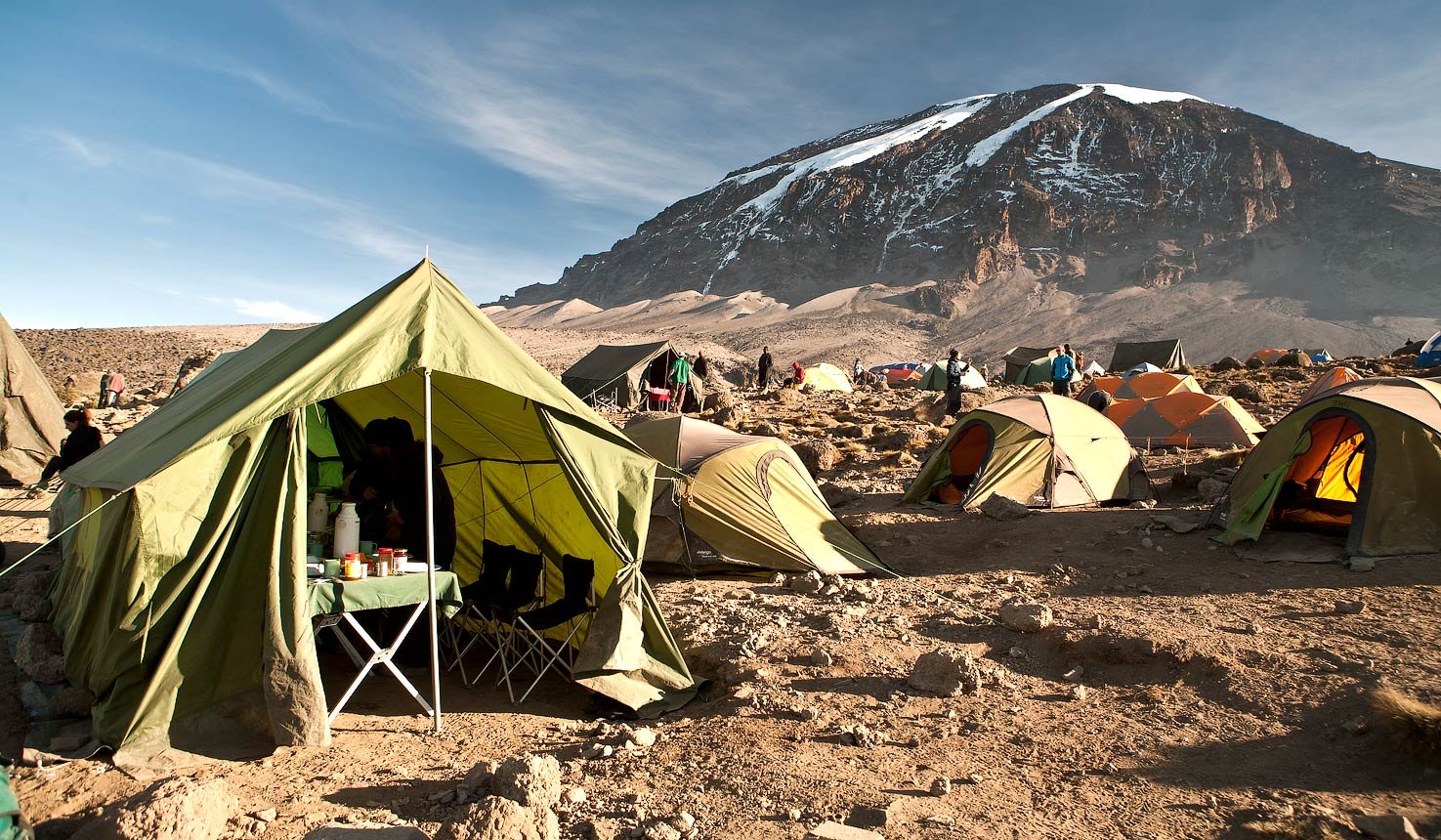
Footwear is one of the most critical parts of your Kilimanjaro gear list, because you walk for six to nine days over muddy forest trails, rocky moorland and loose volcanic scree. Waterproof, broken-in hiking boots with ankle support, good trekking socks, gaiters and comfortable camp shoes keep your feet dry, warm and blister-free. The cards below explain each item and what to look for when choosing or buying it. Never compromise on boots, as they directly affect your comfort, your safety on steep, rocky, dusty and slippery ground and your chances of reaching the summit at Uhuru Peak.
Waterproof Hiking Boots
Your boots are the most important item on your Kilimanjaro gear list. Choose waterproof, mid to high-cut hiking boots with good ankle support and grippy soles for muddy rainforest trails and loose volcanic scree. Break them in with several long walks before your climb, as new boots are a common cause of painful blisters on the mountain.
Trekking Socks
Pack four to five pairs of thick wool or synthetic trekking socks, plus a few pairs of thin liner socks to reduce friction and blisters. Keep one warm, dry pair just for summit night and sleeping. Avoid cotton socks, which hold moisture and cause cold, sore feet. Change into clean, dry socks at camp each evening.
Gaiters
Gaiters fit over your boots and lower legs, keeping out mud, rain, dust and small stones. They are especially useful in the wet rainforest zone and on the loose scree of the upper slopes during the summit climb and descent. Lightweight, breathable gaiters are best, and they also help keep your trousers clean throughout the trek.
Camp Shoes
After a long day of hiking, lightweight camp shoes, trainers or sandals give your feet a well-deserved break and let your boots dry out. Choose shoes you can wear with socks, as camps become cold in the evenings. They are also useful for walking to the toilet tent at night and around camp in the morning.
04Daypack, Duffel Bag and Weight Limits
Every Kilimanjaro climber needs two bags: a daypack that you carry yourself and a soft duffel bag carried by a porter between camps. Choosing the right sizes and keeping your duffel within the weight limit protects your porters and makes each day easier for everyone. The cards below explain the daypack, duffel bag, waterproofing and storage options for items you do not need on the mountain. Packing efficiently also means the essentials you need during each hiking day are always close at hand, from your rain gear and warm layers to drinking water, snacks, sunscreen and your camera.
Daypack, 30 to 40 Litres
You carry a daypack each day with the items you need while hiking, such as water, snacks, rain gear, warm layers, sunscreen, a camera and personal medication. A 30 to 40 litre pack with a padded hip belt, chest strap and good back support is ideal. Add a rain cover to keep everything dry in the rainforest.
Duffel Bag for Porters
The rest of your gear, including your sleeping bag, spare clothing and toiletries, goes into a soft, water-resistant duffel bag carried by a porter. Kilimanjaro National Park sets a maximum load for porters, so most operators limit climbers' duffels to around 15 kilograms. Avoid hard suitcases and rucksacks with rigid frames, which are difficult to carry.
Dry Bags and Compression Sacks
Rain and damp are common in the lower forest zone, so pack clothing and your sleeping bag inside dry bags or waterproof liners within your duffel and daypack. Compression sacks save space and keep your gear organised. Separate dry clothes from used items, and always keep your summit night clothing well protected and easy to find.
Storage in Moshi or Arusha
Anything you do not need on the mountain, such as travel clothes, safari gear and valuables, can usually be stored safely at your hotel in Moshi or Arusha until you return. This keeps your duffel light and within the porter weight limit. Pack a separate small bag for items you leave behind before the climb begins.
05Sleeping Bag and Sleeping Gear for Kilimanjaro
Good sleep is vital for recovery and acclimatisation on Kilimanjaro, but nights at high camps are cold and often well below freezing. A warm sleeping bag rated to about minus 10 to minus 20°C, a liner, a good sleeping mat and a few simple tricks keep you warm and rested. The cards below explain the sleeping gear to bring, what your operator may provide and how to stay warm at night. Investing in reliable, warm sleeping gear helps you sleep soundly at night and save energy for the long hiking days and the demanding summit night ahead of you.
Sleeping Bag
A warm sleeping bag is essential, as temperatures at the higher camps can drop well below freezing. Choose a bag rated to about minus 10 to minus 20°C, ideally filled with down for the best warmth-to-weight ratio. A hood and draught collar keep heat in. Good sleeping bags can be rented in Moshi or Arusha if needed.
Sleeping Bag Liner
A sleeping bag liner adds several degrees of extra warmth and keeps your sleeping bag clean, which is especially useful with a rented bag. Silk liners are light and compact, while fleece or thermal liners provide more warmth. A liner also lets you adjust your sleeping comfort on warmer lower camps and colder high camps.
Sleeping Mat
A sleeping mat insulates you from the cold ground and improves sleep quality, helping your body recover each night. Many operators provide a foam mattress in your tent, so ask what is included before packing your own. A lightweight inflatable or self-inflating mat can add extra comfort if you prefer a softer surface at camp.
Staying Warm at Night
Change into dry thermal layers and warm socks before bed, wear a hat and keep tomorrow's clothes inside your sleeping bag so they stay warm. Put batteries, your phone and water bottles in the bag too, as cold drains batteries and can freeze water. Eating a warm meal and drinking hot fluids before sleeping also helps.
06Summit Night Gear: Staying Warm on the Way to Uhuru Peak
Summit night is the most demanding part of any Kilimanjaro climb, starting around midnight in freezing temperatures and strong wind. Your summit gear includes all your clothing layers and a heavy down jacket, warm gloves or mittens, a hat, balaclava or buff, and a reliable headlamp with spare batteries. The cards below explain exactly what to wear and carry for the final push to Uhuru Peak at 5,895 metres. Lay out your summit clothing and gear before you sleep, so you can dress quickly, warmly and calmly when your guides wake you near midnight for the final climb.
Down Jacket and Layers
On summit night you start climbing around midnight and face the coldest temperatures of the trek, often well below freezing with wind chill. Wear thermal base layers, a fleece, an insulated jacket and your heavy down jacket, with waterproof trousers over thermal leggings. Keep a spare dry layer in your daypack for the summit and the descent.
Gloves and Mittens
Cold hands are one of the biggest challenges on summit night. Pack thin glove liners plus insulated, waterproof gloves or warm mittens, which are warmer than gloves. Chemical hand warmers placed inside your mittens make a big difference. Keep your hands dry, and avoid removing your gloves for long periods to take photographs at the top.
Hat, Balaclava and Buff
A warm wool or fleece hat, a balaclava or a buff protect your head, face and neck from freezing wind and dust on the summit slopes. A buff can also be pulled over your mouth and nose to warm the air you breathe. Pack a sun hat too, for the strong sunshine on the descent after sunrise.
Headlamp and Batteries
Summit night begins in darkness, so a bright, comfortable headlamp is essential, along with spare batteries or a fully charged rechargeable lamp. Cold drains batteries quickly, so keep spares in an inside pocket close to your body. Your guides set a slow, steady pace by headlamp until the sunrise, which usually arrives near Stella Point or Gilman's Point.
07Hydration, Nutrition, Health and Hygiene
Staying hydrated, well fed, healthy and clean makes a huge difference to how you feel on Kilimanjaro and to your chances of reaching the summit. Carry enough bottles for three to four litres of water a day, bring snacks and electrolytes, pack a personal first aid kit and medication, and protect yourself from the strong sun at altitude. The cards below explain the essential hydration, health and hygiene items to pack. Always speak to a doctor or travel health clinic before your climb about altitude sickness, preventive medication, required vaccinations and any existing health conditions you may have.
Water Bottles and Bladder
Drinking enough water is one of the most important ways to help your body acclimatise. Carry capacity for three to four litres a day, using water bottles, a hydration bladder or both. On summit night, insulated bottles or bottle covers stop water from freezing, as bladder tubes can freeze. Your crew provides treated drinking water at every camp.
Snacks and Electrolytes
Meals are prepared by your mountain cook, but personal snacks such as energy bars, nuts, dried fruit and chocolate provide quick energy between meals and on summit night. Electrolyte tablets or powders help replace salts lost through sweating. Choose foods you really enjoy, as appetite often decreases at high altitude and familiar snacks help you keep eating.
First Aid and Medication
Bring your personal medication, blister care, pain relievers, anti-diarrhoea tablets and rehydration salts. Speak to a doctor or travel health clinic before your trip about altitude sickness medication and other preventive treatments. Your guides carry emergency first aid equipment and monitor your health daily, but your own personal kit lets you manage minor issues quickly and comfortably.
Sun Protection and Hygiene
The sun is intense at altitude, so pack high-SPF sunscreen, SPF lip balm, a sun hat and category 3 or 4 sunglasses. Water is limited for washing, so bring biodegradable wet wipes, hand sanitiser, toilet paper, a small towel and basic toiletries. Small reusable rubbish bags help you carry all your waste back down the mountain.
08Rent or Buy: Kilimanjaro Gear Rental Advice
You do not need to buy everything on your Kilimanjaro gear list, as many larger items can be rented locally in Moshi or Arusha. Renting sleeping bags, down jackets and trekking poles saves money and luggage space, while personal items such as boots, base layers and socks are best brought from home. The cards below explain what to rent, what to own and how to check rental quality before your climb. Tell us which items you need when you book, and we will reserve the right sizes for you and arrange careful checks at your pre-climb briefing in Moshi.
What You Can Rent
Many larger items can be rented in Moshi or Arusha, including sleeping bags, down jackets, trekking poles, gaiters, waterproof trousers and sometimes daypacks. Renting saves money and luggage space, especially if you are travelling on to a safari or beach holiday afterwards. Ask your operator for a full rental list and current prices before you travel.
What to Bring Your Own
Some items are better owned and broken in before the climb, especially hiking boots, base layers, socks, underwear and gloves, for comfort, fit and hygiene. Your own daypack should also fit well and feel comfortable. Personal items such as medication, sunglasses and toiletries should always come from home, packed safely in your carry-on hand luggage.
Check Rental Quality
Before accepting rented gear, check it carefully. Make sure sleeping bags are clean, warm and have working zips, jackets are the right size and waterproof, and trekking poles adjust and lock properly. Report any problems straight away so they can be replaced before your climb begins. Your guide can help check gear at the briefing.
Book Rentals in Advance
Rental equipment is limited during the busy climbing seasons, so tell your operator which items you need when you book. This ensures the right sizes and quality are reserved for you. Your gear is usually checked and handed over at the pre-climb briefing in Moshi or Arusha, the day before you start your trek up the mountain.
09Kilimanjaro Packing Tips and What Not to Bring
How you pack is just as important as what you pack for a successful Kilimanjaro climb. Packing light and smart, testing your gear before you travel, waterproofing everything and leaving unnecessary items behind all make the climb safer and more comfortable for you and your porter. The cards below share our most useful packing tips and the items you should leave at home. Our team will send a detailed gear list with your booking confirmation and check your equipment at the pre-climb briefing, so nothing important is forgotten or left behind before your climb begins at the park gate.
Pack Light
Keep your duffel within the weight limit by packing only essential gear and leaving extra clothing, valuables and safari items in storage. Choose lightweight, multi-purpose items, such as a buff that works as a hat, scarf and face cover. A lighter load is fairer to your porter and makes your own daypack more comfortable to carry.
Test Your Gear
Test all your gear before you travel, especially boots, daypack, headlamp and waterproofs. Walk several long hikes in your boots, wear your full daypack on training walks and check your waterproof jacket in the rain. Knowing your equipment works well and fits comfortably removes stress and helps prevent avoidable problems high up on the mountain.
Single-Use Plastic Bags
Tanzania banned single-use plastic carrier bags in 2019, and they are not allowed in Kilimanjaro National Park. Use reusable dry bags, stuff sacks and packing cubes instead. Small reusable bags for rubbish are useful, as all waste must be carried back down the mountain, helping to keep Kilimanjaro clean and beautiful for all future climbers.
Cotton and Unnecessary Items
Leave cotton clothing, jeans, heavy books, valuables and unnecessary electronics at home or in storage. Cotton stays wet and cold, while extra items add weight to your porter's load. Bring only what you will really use, and remember that warm, dry layers and good boots matter far more than any extra gadgets on the mountain.
Kilimanjaro Planning Guides
10Kilimanjaro Gear List: FAQs
What gear do I need to climb Kilimanjaro?
Layered clothing, a down jacket, waterproofs, broken-in hiking boots, warm gloves and hat, a warm sleeping bag, a daypack, trekking poles, a headlamp and water bottles.
What sleeping bag do I need for Kilimanjaro?
A sleeping bag rated to about minus 10 to minus 20°C, ideally down-filled, with a hood. Good sleeping bags can be rented in Moshi or Arusha.
What boots are best for Kilimanjaro?
Waterproof, mid to high-cut hiking boots with ankle support and grippy soles, broken in with several long walks before your climb.
How heavy can my Kilimanjaro duffel bag be?
Most operators limit climbers' duffels to around 15 kilograms, as Kilimanjaro National Park sets a maximum load for porters.
What size daypack do I need for Kilimanjaro?
A 30 to 40 litre daypack with a hip belt, chest strap and rain cover, big enough for water, snacks, rain gear and warm layers.
What should I wear on Kilimanjaro summit night?
Thermal base layers, a fleece, an insulated jacket, a heavy down jacket, waterproof trousers, warm mittens with liners, a hat and a balaclava or buff.
How cold is Kilimanjaro at the summit?
Summit night temperatures are often well below freezing and can feel far colder with wind chill, so warm layers and a down jacket are essential.
Can I rent Kilimanjaro gear?
Yes. Sleeping bags, down jackets, trekking poles, gaiters and waterproof trousers can usually be rented in Moshi or Arusha. Boots and base layers are best owned.
Do I need trekking poles for Kilimanjaro?
Trekking poles are strongly recommended. They reduce strain on your knees, improve balance on steep sections and help on the long summit descent.
How much water should I carry on Kilimanjaro?
Carry capacity for three to four litres a day. Insulated bottles stop water freezing on summit night, and your crew treats water at every camp.
What should I not bring on Kilimanjaro?
Cotton clothing, jeans, single-use plastic bags, hard suitcases, valuables and unnecessary electronics, which add weight or cause problems.
Are plastic bags allowed on Kilimanjaro?
No. Tanzania banned single-use plastic carrier bags in 2019, so use reusable dry bags, stuff sacks and packing cubes instead.
What sunglasses do I need for Kilimanjaro?
Category 3 or 4 sunglasses with UV protection, as sunlight and glare are intense at high altitude and near the glaciers.
Where can I store extra luggage during the climb?
Most hotels in Moshi and Arusha store extra luggage safely while you climb, so pack only what you need for the mountain.
Plan Further: Kilimanjaro and Tanzania
Kilimanjaro Climbs
Combine With
Plan Your Private Kilimanjaro Climb
Tell us your preferred route and dates, and our local team will plan a private Kilimanjaro climb, send a detailed gear list, reserve any rental equipment and check your kit before you start.
Book Now Online →What Our Travelers Say
Real 5-star reviews from guests who traveled with us