Climbing Kilimanjaro cost
Climbing Kilimanjaro cost
Experince the ultimate Climbing Kilimanjaro Cost is a bucket-list adventure and one of the most sought-after African safari experiences. Understanding the Kilimanjaro climbing cost is essential for planning a successful trek. Prices vary depending on route, duration, tour operator, level of comfort, and whether you choose budget, mid-range, or luxury packages. From affordable group climbs to premium private expeditions, the cost to climb Kilimanjaro typically ranges from $1,850 to $6,000 or more per person. This Climbing Kilimanjaro Cost comprehensive guide breaks down everything you need to know, including park fees, guide wages, equipment, accommodation, and hidden expenses. Whether you’re a solo traveler, honeymoon couple, or family, knowing the real Kilimanjaro cost helps you plan, budget, and book the perfect Tanzania adventure with confidence.
Average Cost to Climb Kilimanjaro
The Climbing Kilimanjaro Cost average cost to climb Kilimanjaro ranges between $2,000 and $4,500 per person, depending on the tour package. Budget Kilimanjaro climbs can cost as low as $21,50, while luxury Kilimanjaro safaris may exceed $6,000. These Climbing Kilimanjaro cost prices usually include park fees, guides, porters, meals, and accommodation during the trek. The price variation depends heavily on route choice, group size, and operator reputation. Group tours are generally cheaper than private climbs. High success rate routes like Lemosho and Machame often cost more due to longer durations. Choosing a Climbing Kilimanjaro cost reputable tour company ensures safety, proper acclimatization, and ethical porter treatment. While cheaper options exist, investing in a quality Kilimanjaro climbing package significantly increases your chances of reaching the summit successfully.
- Accommodation
- Meals
- Park fees
- Vehicle & guide
- Transfers
- International flights
- Visas
- Travel insurance
- Tips
- Premium drinks
Kilimanjaro Park Fees Explained
Kilimanjaro National Park fees make up a significant portion of the total climbing cost. These government-mandated fees include conservation fees, camping or hut fees, rescue fees, and value-added tax (VAT). On average, park fees alone can cost between $800 and $1,200 per person, depending on the number of days spent on the mountain. Longer routes increase costs due to additional daily fees. The conservation fee is charged per day, while camping or hut fees depend on your chosen route. These fees are non-negotiable and apply to all climbers. Understanding park fees helps you see why Kilimanjaro climbing is not as cheap as other treks worldwide. These funds support park maintenance, wildlife conservation, and safety services, ensuring a sustainable and well-managed climbing environment.
Budget vs Mid-Range vs Luxury Climbs
Kilimanjaro climbing packages are categorized into budget, mid-range, and luxury options. Budget climbs offer basic services with minimal comfort, often using shared tents and simple meals. Mid-range packages provide better food, experienced guides, and more comfortable camping setups. Luxury Kilimanjaro climbs include high-end tents, private toilets, gourmet meals, and additional support staff. Climbing Kilimanjaro cost prices vary accordingly, with budget Climbing Kilimanjaro cost starting at $1,500, mid-range Climbing Kilimanjaro cost at around $2,500 to $3,500, and luxury packages exceeding $5,000. Luxury Climbing Kilimanjaro cost also offer higher success rates due to better equipment and personalized support. Choosing the right Climbing Kilimanjaro cost package depends on your budget, comfort preferences, and experience level. Investing in quality services enhances safety, enjoyment, and overall success on your Kilimanjaro adventure.
Cost by Kilimanjaro Routes
Different Kilimanjaro routes significantly affect the overall cost. Popular Mount Kilimanjaro routes like Machame, Marangu, Lemosho, Rongai, and Northern Circuit vary in price based on duration and logistics. Shorter Kilimanjaro routes like Marangu (5–6 days) are cheaper, while longer routes like Lemosho or Northern Circuit (7–9 days) are more expensive due to additional park fees and support costs. However, longer routes offer better acclimatization and higher summit success rates. The Machame route is a popular mid-range option balancing cost and success. Lemosho and Northern Circuit are premium routes known for scenic beauty and fewer crowds. Choosing the right Kilimanjaro route involves balancing budget with safety and success probability. Spending more on a longer Mount Kilimanjaro route can significantly improve your Kilimanjaro climbing experience.
Kilimanjaro Group vs Private Climb Costs
Choosing between a group climb and a private Kilimanjaro expedition impacts your overall cost. Group Kilimanjaro climbs are more affordable, typically ranging from $1,800 to $3,000, as costs are shared among participants. These are ideal for solo travelers looking to save money and meet new people. Private Kilimanjaro climbs, on the other hand, offer personalized schedules, flexibility, and exclusive support but come at a higher price, often starting from $3,500 and above. Private Kilimanjaro tours are perfect for families, honeymoon couples, or those seeking a customized experience. While group climbs are budget-friendly, private climbs provide comfort and control over pacing. Your choice depends on budget, travel style, and the level of exclusivity you desire.
What’s Included in the Kilimanjaro Climbing Cost
Most Kilimanjaro climbing packages include essential services such as park fees, professional guides, porters, meals, camping equipment, and accommodation on the mountain. Transfers from the airport and pre- and post-climb hotel stays are often included in mid-range Kilimanjaro tours and luxury Kilimanjaro packages. Meals are typically full-board, with breakfast, lunch, and dinner provided daily. High-quality operators also include oxygen tanks, medical kits, and safety equipment. However, inclusions vary by company, so it’s important to review package details carefully. A well-priced Kilimanjaro package should cover all logistics required for a safe and comfortable climb. Choosing an all-inclusive package simplifies planning and avoids unexpected expenses during your adventure.
What’s Not Included in the Kilimanjaro Climbing Cost
Despite being all-inclusive, Kilimanjaro climbing packages often exclude several important costs. International flights, visas, travel insurance, tips for guides and porters, and personal gear are usually not included. Tips alone can range from $200 to $400 per climber. Equipment such as sleeping bags, hiking boots, and clothing may need to be rented or purchased separately. Additional hotel nights, drinks, and optional activities also add to the overall cost. Travel insurance is mandatory and should cover high-altitude trekking. Understanding these exclusions helps you budget accurately and avoid surprises. Always ask your tour operator for a detailed list of inclusions and exclusions before booking your Kilimanjaro climb.
Kilimanjaro Tips and Porter cost
Tipping is an essential part of Kilimanjaro climbing culture and directly supports the hardworking mountain crew. Guides, assistant guides, cooks, and porters rely heavily on tips as part of their income. On average, climbers are expected to tip between $200 and $400, depending on group size and service quality. A typical tipping structure includes daily rates for each crew member. Ethical tour operators follow fair wage practices and ensure proper treatment of porters. Choosing a responsible company not only ensures safety but also supports sustainable tourism. While tipping adds to the overall cost, it is a meaningful way to appreciate the effort of those who help make your Kilimanjaro summit dream a reality.
Kilimanjaro Equipment and Gear Costs
Proper gear is essential for a successful Kilimanjaro climb, and costs can vary significantly. Basic gear includes hiking boots, thermal clothing, sleeping bags, backpacks, and trekking poles. Purchasing new gear can cost between $300 and $1,000, while renting equipment in Tanzania is a more affordable option. Rental gear typically costs $100 to $300 for the entire trek. High-quality gear improves comfort and safety, especially in extreme summit conditions. Many tour operators offer gear rental services, making it easier for international travelers. Investing in proper equipment ensures a better climbing experience and reduces the risk of altitude-related issues. Planning your gear budget is a crucial part of overall Kilimanjaro climbing cost preparation.
Best Time to Climb Kilimanjaro vs Cost
The time of year you choose to climb Kilimanjaro can influence the overall cost. Peak seasons, such as January to March and June to October, often have higher prices due to increased demand. During these months, weather conditions are more favorable, offering better summit success rates. Off-peak seasons like April, May, and November may offer discounted prices, but climbers should expect more rain and challenging conditions. Some operators provide special deals during low seasons to attract budget travelers. Choosing the best time involves balancing cost, weather, and crowd levels. While climbing during peak season may be more expensive, it often provides a more enjoyable and successful experience.
Kilimanjaro Success Rates and Value for Money
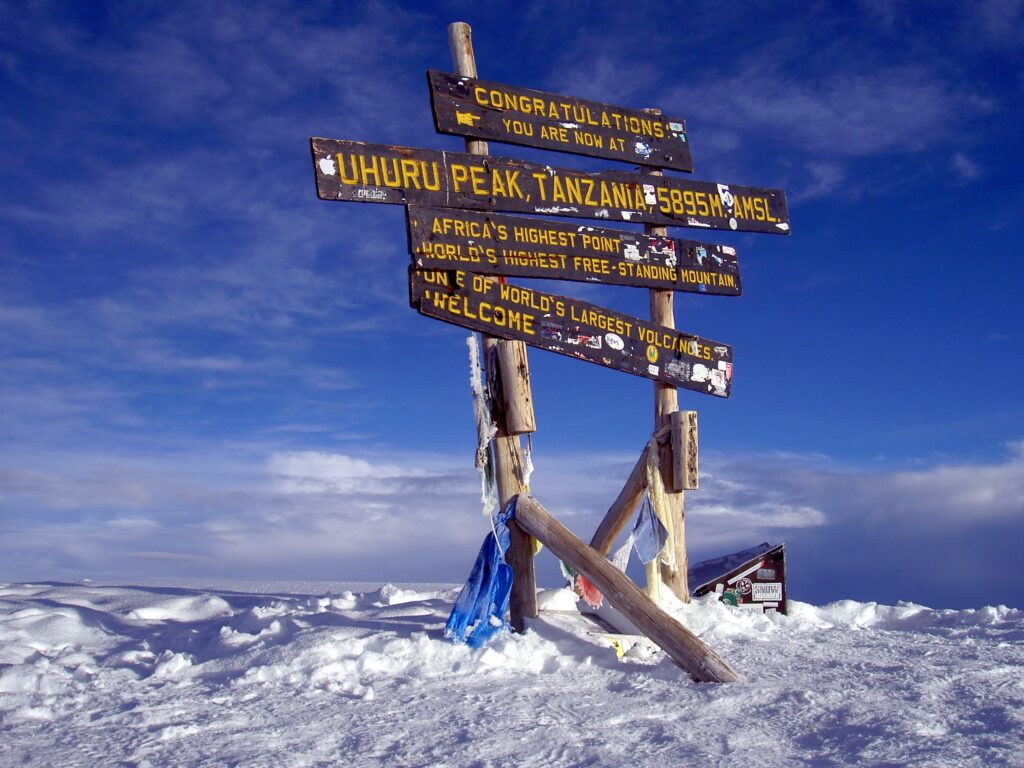
When evaluating Kilimanjaro climbing cost, it’s important to consider success rates and overall value for money. Cheaper packages often cut costs by reducing acclimatization days, staff support, and safety measures, leading to lower summit success rates. Investing in a reputable operator with longer routes and experienced guides increases your chances of reaching Uhuru Peak. Success rates on premium routes can exceed 90%, compared to lower rates on budget climbs. Paying more up front can actually save money by avoiding the need for repeat attempts. Value should not be judged solely on price but on safety, service quality, and success probability. A well-planned climb offers a rewarding and unforgettable Kilimanjaro experience.
How to Choose the Right Kilimanjaro Package
Choosing the right Kilimanjaro climbing package involves careful research and planning. Look for licensed tour operators with strong reviews, transparent pricing, and ethical practices. Compare inclusions, route options, and safety standards. Avoid extremely cheap packages, as they may compromise safety and porter welfare. Consider your fitness level, budget, and preferred travel style when selecting a route and package. Booking with a reputable Kilimanjaro company ensures professional guides, proper equipment, and a higher chance of success. Reading Kilimanjaro reviews and asking detailed questions can help you make an informed decision. The right Kilimanjaro package balances cost, comfort, and safety, ensuring a memorable and successful adventure.
Final Thoughts
Kilimanjaro climbing cost varies widely, but understanding the breakdown helps you plan effectively. From park fees and guide services to gear and tips, every element contributes to the overall price. Whether you choose a budget-friendly group climb or a luxury private expedition, investing in a reputable operator is key to a safe and successful journey. Climbing Mount Kilimanjaro is more than just a trek—it’s a life-changing experience. By planning your budget carefully and choosing the right package, you can turn your dream of standing on Africa’s highest peak into reality.
Climbing Kilimanjaro cost: FAQs
How much does it cost to climb Mount Kilimanjaro?
The cost to climb Mount Kilimanjaro typically ranges from $1,950 to $6,000+ per person, depending on the type of package you choose. Budget group climbs are the most affordable, while luxury private climbs offer premium services at a higher price. The total Kilimanjaro climbing cost includes park fees, guides, porters, meals, and accommodation on the mountain. However, additional expenses such as flights, tips, gear, and travel insurance are not usually included.
Why is Kilimanjaro climbing so expensive?
Climbing Mount Kilimanjaro is expensive primarily due to mandatory park fees and the logistics involved. Government fees alone can cost up to $1,200 per person. Additionally, every climber requires a support team that includes guides, porters, and cooks. These staff ensure safety, carry equipment, and prepare meals. Ethical tour operators also provide fair wages and proper working conditions. The cost also covers camping gear, rescue services, and food supplies for several days.
What is included in the Kilimanjaro climbing cost?
Most Kilimanjaro climbing packages are all-inclusive and cover essential services needed for the trek. This typically includes park fees, professional guides, porters, meals, tents, and safety equipment. Many mid-range and luxury packages also include airport transfers and hotel accommodation before and after the climb. Meals are provided daily, and drinking water is treated for safety. Some operators include oxygen tanks and medical kits for emergencies.
What is not included in the Kilimanjaro cost?
Several important expenses are not included in most Kilimanjaro climbing packages. These typically include international flights, visas, travel insurance, personal gear, and tips for the mountain crew. Tips alone can range from $200 to $400 per climber. You may also need to budget for equipment rental if you don’t own proper hiking gear. Additional hotel nights, drinks, and optional tours are usually extra costs.
Are cheap Kilimanjaro climbs worth it?
Cheap Kilimanjaro climbs may seem attractive, but they often come with compromises. Budget operators may cut costs by reducing acclimatization days, hiring less experienced guides, or underpaying porters. This can affect both safety and your chances of reaching the summit. Lower-priced packages may also provide lower-quality food and equipment. While not all budget climbs are плох, it’s essential to research thoroughly and choose ethical operators.
How much should I tip on Kilimanjaro?
Tipping is a standard and expected part of climbing Mount Kilimanjaro. On average, climbers should budget between $200 and $400 for tips, depending on the length of the trek and group size. The tip is shared among guides, assistant guides, cooks, and porters. Many tour operators provide a recommended tipping guideline to help you distribute tips fairly.
Does the route affect the cost of climbing Kilimanjaro?
Yes, the route you choose significantly impacts the overall cost. Shorter routes like Marangu are generally cheaper because they require fewer days on the mountain. Longer routes such as Lemosho and Northern Circuit cost more due to higher park fees and additional support services. However, longer routes offer better acclimatization and higher success rates. While they are more expensive, they provide better value for climbers aiming to reach the summit successfully.
What is the cheapest way to climb Kilimanjaro?
The cheapest way to climb Mount Kilimanjaro is by joining a group tour on a shorter route like Marangu or Machame. Booking during the low season can also reduce costs. Renting gear instead of buying it and comparing different tour operators can help you save money. However, it’s important not to compromise on safety or ethical standards. Avoid extremely cheap packages that may not provide adequate support.
Do I need travel insurance for Kilimanjaro?
Yes, travel insurance is mandatory for climbing Kilimanjaro. Your insurance must cover high-altitude trekking (up to 5,895 meters), medical emergencies, and evacuation. Climbing a high mountain involves risks such as altitude sickness and unpredictable weather. Having proper insurance ensures you are protected in case of emergencies. Many reputable tour operators require proof of insurance before allowing you to climb.
Is climbing Kilimanjaro worth the cost?
Climbing Mount Kilimanjaro is widely considered worth the cost due to the unique experience it offers. As the highest mountain in Africa and one of the Seven Summits, it provides breathtaking landscapes, diverse ecosystems, and a rewarding personal challenge. The sense of achievement upon reaching Uhuru Peak is unmatched. While the cost may seem high, the experience, memories, and accomplishment make it a valuable investment.
Climb Kilimanjaro With Confidence
Tell us your dates and fitness, and our experienced mountain team will plan a safe, well-acclimatized private climb.