How We Keep You Safe on Kilimanjaro
How We Keep You Safe on Kilimanjaro
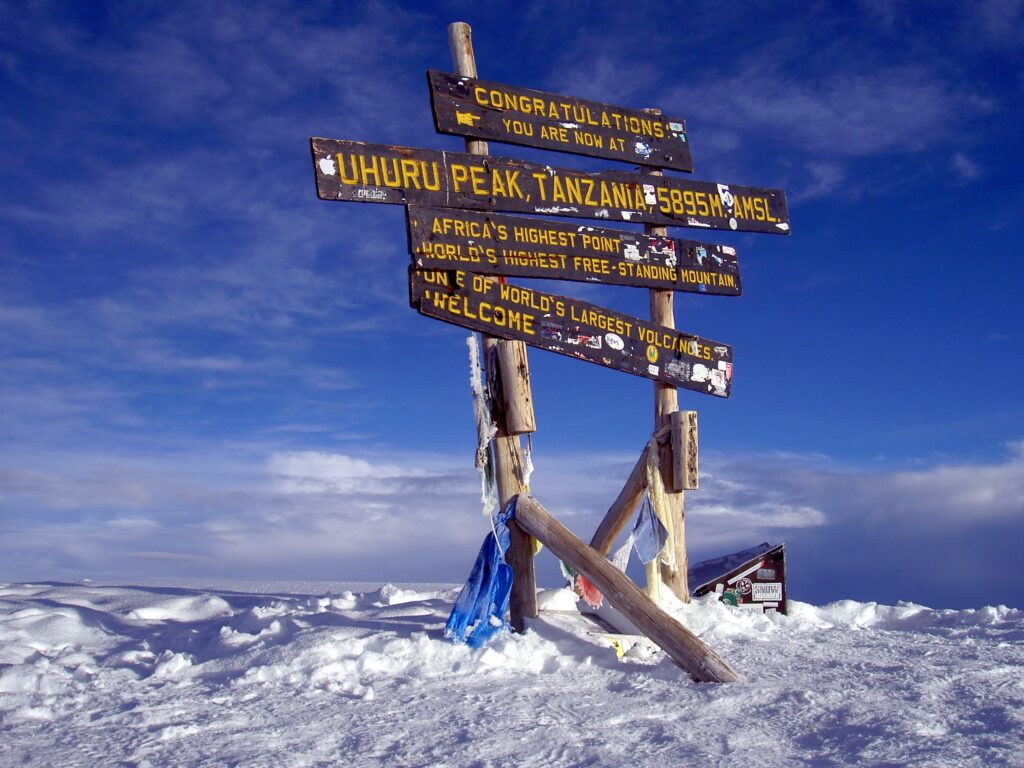
Climbing Mount Kilimanjaro is a once-in-a-lifetime adventure, but safety is the foundation of every successful summit. As Africa’s highest peak, Kilimanjaro presents unique challenges, including altitude, weather changes, and physical endurance. That’s why professional Kilimanjaro operators prioritize safety protocols, experienced guides, and proper acclimatization strategies to ensure every climber reaches the summit and returns safely. From pre-climb preparation to summit night, every detail matters. We combine expert mountain crews, high-quality equipment, emergency response systems, and personalized care to create a safe and enjoyable trekking experience. Whether you are a beginner or experienced trekker, understanding how we keep you safe on Kilimanjaro will give you confidence, peace of mind, and a higher summit success rate. Your safety is not just a priority—it is our commitment every step of the way.
Expert Certified Mountain Guides
Our Kilimanjaro guides are highly trained, certified, and experienced professionals who understand every aspect of the mountain. They are skilled in altitude management, wilderness first aid, and emergency response procedures. Each guide has summited Kilimanjaro multiple times, giving them deep knowledge of routes, weather patterns, and potential risks. Their role goes beyond navigation—they monitor your health, pace your climb, and provide motivation throughout the journey. Guides are trained to detect early signs of altitude sickness, ensuring quick action before conditions worsen. With strong communication skills and leadership, they create a supportive environment for climbers of all levels. Having expert guides significantly increases your safety and summit success rate, making your Kilimanjaro adventure both secure and memorable.
Proper Acclimatization Itineraries
One of the most critical factors in Kilimanjaro safety is proper acclimatization. We design itineraries that follow the “climb high, sleep low” principle, allowing your body to adjust gradually to high altitude. Longer routes such as Lemosho, Machame, and Northern Circuit are preferred because they increase success rates and reduce the risk of altitude sickness. Daily altitude gains are carefully planned, and rest days are included when necessary. Our guides monitor your oxygen levels and symptoms to ensure your body adapts properly. By avoiding rapid ascents, we minimize risks and improve overall comfort. A well-paced itinerary is not just about reaching the summit—it’s about doing so safely, giving your body the best chance to succeed on Africa’s tallest mountain.
Daily Health Monitoring Checks
Your health is closely monitored throughout the climb using daily medical checks. Guides use pulse oximeters to measure oxygen saturation levels and heart rate, helping detect early signs of altitude sickness. We also conduct routine wellness assessments, asking about symptoms such as headaches, nausea, or fatigue. These checks allow us to make informed decisions about whether to continue, rest, or descend. Transparency is key—we encourage climbers to communicate openly about how they feel. Early detection can prevent serious complications like Acute Mountain Sickness (AMS). Our proactive approach ensures that no warning signs are ignored. With consistent monitoring, we prioritize your safety while maintaining a steady and comfortable climbing pace toward the summit.
Approach, feed or disturb wildlife, or leave the vehicle unless your guide says it is safe.
Follow your guide, carry travel insurance and check current health and travel advice.
High Guide-to-Climber Ratio
Safety on Kilimanjaro improves significantly with a high guide-to-climber ratio. We assign more guides per group than the minimum requirement, ensuring personalized attention for every climber. This allows guides to closely monitor each individual’s condition, pace, and overall well-being. In larger groups, assistant guides provide additional support, especially during challenging sections like summit night. A higher ratio also means faster response times in case of emergencies. Whether you need encouragement, assistance, or medical attention, help is always nearby. This personalized care enhances both safety and comfort, making your trekking experience more enjoyable. Our commitment to maintaining a strong support system ensures that no climber is left behind and everyone receives the attention they deserve.
Emergency Oxygen Supply
We carry emergency oxygen on all Kilimanjaro climbs to handle altitude-related issues effectively. Oxygen cylinders are used when climbers show signs of severe altitude sickness, providing immediate relief while preparing for descent. Our guides are trained to administer oxygen safely and efficiently. This extra precaution can make a critical difference in high-altitude situations, especially above 4,000 meters. While oxygen is not used for performance enhancement, it serves as a vital backup for emergencies. Combined with proper acclimatization and monitoring, it adds an extra layer of security to your climb. Knowing that oxygen support is readily available gives climbers peace of mind and confidence to continue their journey safely.
Comprehensive First Aid Kits
Every Kilimanjaro expedition is equipped with fully stocked first aid kits designed for mountain conditions. These kits include medications for altitude sickness, pain relief, wound care, and other medical essentials. Our guides are trained in wilderness first aid and know how to handle various medical situations. From minor injuries like blisters to more serious concerns, immediate care is always available. We also carry portable stretchers for evacuation if necessary. Preparedness is key in remote environments like Kilimanjaro, where access to medical facilities is limited. By having the right equipment and trained personnel, we ensure that every situation is handled quickly and effectively, prioritizing your safety at all times.
Safe and Reliable Equipment
We provide high-quality, well-maintained equipment to ensure safety and comfort throughout your Kilimanjaro climb. This includes durable tents, warm sleeping bags, insulated sleeping mats, and reliable cooking gear. Proper gear protects you from extreme temperatures, wind, and rain, which are common on the mountain. We also inspect all equipment regularly to maintain high safety standards. Climbers are advised on appropriate clothing and personal gear to bring, including layered clothing and sturdy hiking boots. Having the right equipment reduces risks associated with cold exposure and fatigue. By combining quality gear with expert guidance, we create a safe and comfortable environment that supports your success on the mountain.
Weather Monitoring and Planning
Kilimanjaro’s weather can change rapidly, making constant monitoring essential for safety. Our team tracks weather conditions closely and adjusts plans when necessary. We choose the best climbing seasons—typically January to March and June to October—to avoid extreme conditions. During the climb, guides assess daily weather patterns, including temperature, wind, and visibility. If conditions become unsafe, decisions are made to delay or modify the itinerary. Safety always comes before summit success. Proper planning ensures climbers are prepared for varying conditions, from tropical forests to icy summit zones. By staying informed and flexible, we minimize risks and provide a safer climbing experience.
Strong Support Crew System
Behind every successful Kilimanjaro climb is a dedicated support crew, including porters, cooks, and assistant guides. Porters carry equipment, allowing climbers to conserve energy. Cooks prepare nutritious meals that maintain energy levels and hydration. This support system ensures that climbers can focus on the trek without unnecessary strain. Our crews are trained, experienced, and committed to safety standards. They also follow ethical practices, ensuring fair treatment and proper working conditions. A well-supported climb reduces physical stress and enhances overall safety. With a strong team behind you, your Kilimanjaro journey becomes more manageable, enjoyable, and secure.
Hydration and Nutrition Management
Proper hydration and nutrition are essential for staying safe on Kilimanjaro. We provide clean, purified drinking water throughout the climb and encourage climbers to drink at least 3–4 liters daily. Balanced meals rich in carbohydrates, proteins, and vitamins are prepared to maintain energy levels. Good nutrition helps your body cope with altitude and physical exertion. Our guides also monitor your eating and drinking habits to ensure you stay properly fueled. Dehydration can worsen altitude sickness, so consistent hydration is critical. By maintaining a healthy diet and hydration routine, we support your body’s performance and reduce risks during the climb.
Slow and Steady Climbing Pace
The key to a safe Kilimanjaro climb is maintaining a slow and steady pace, often referred to as “pole pole” in Swahili. This approach helps your body acclimatize gradually and reduces the risk of altitude sickness. Our guides set a comfortable pace that suits the group, ensuring no one is rushed. Frequent breaks are included to rest and hydrate. Climbing too fast is one of the biggest causes of failure on Kilimanjaro. By prioritizing a steady pace, we improve both safety and summit success rates. This method allows climbers to conserve energy and enjoy the journey while minimizing health risks.
Emergency Evacuation Plans
We have clear and well-structured emergency evacuation procedures in place for all Kilimanjaro climbs. In case of serious illness or injury, immediate descent is the primary response. We coordinate with local rescue services for rapid evacuation when needed. Portable stretchers and support teams assist in transporting climbers safely. Helicopter evacuation is also available in certain situations for faster medical assistance. Our guides are trained to act quickly and efficiently, ensuring minimal delays. Having a solid evacuation plan provides reassurance that help is always accessible. Safety is about preparation, and our emergency systems ensure you are protected in any situation.
Pre-Climb Preparation and Training Advice
Safety begins before you even arrive in Tanzania. We provide detailed pre-climb guidance, including fitness training, gear recommendations, and health advice. Preparing physically and mentally improves your ability to handle the demands of Kilimanjaro. We recommend cardiovascular exercises, hiking practice, and strength training. Proper preparation reduces fatigue and increases confidence. We also advise on travel insurance, vaccinations, and packing essentials. By starting your journey well-prepared, you minimize risks and enhance your overall experience. A strong foundation before the climb leads to a safer and more successful adventure on Africa’s highest peak.
Altitude Sickness Awareness and Education
Understanding altitude sickness is crucial for staying safe on Kilimanjaro. We educate climbers about symptoms, prevention, and response strategies before and during the climb. Common symptoms include headaches, dizziness, and nausea. Recognizing these early signs allows for timely action. Our guides explain when to rest, hydrate, or descend if necessary. Education empowers climbers to make informed decisions about their health. We emphasize that reaching the summit is optional, but safety is mandatory. By promoting awareness, we create a culture of responsibility and care. Knowledge is a powerful tool in preventing serious altitude-related complications.
Ethical and Responsible Climbing Practices
We follow ethical and responsible climbing practices that contribute to overall safety. This includes fair treatment of porters, proper waste management, and adherence to park regulations. A well-treated and motivated crew performs better, enhancing the safety of the entire expedition. We also respect environmental guidelines to preserve Kilimanjaro’s ecosystem. Responsible tourism ensures that the mountain remains safe and accessible for future climbers. By choosing ethical operators, climbers support sustainable practices that benefit both people and nature. Safety is not just about individuals—it’s about the entire system working together responsibly.
Post-Climb Care and Recovery Support
Safety doesn’t end at the summit. After the climb, we provide post-trek support to help your body recover. This includes advice on hydration, nutrition, and rest. We monitor climbers for any lingering symptoms of altitude exposure and ensure proper recovery. Celebrating your achievement is important, but so is taking care of your health afterward. Our team remains available to assist with any concerns even after the climb is complete. A safe descent and proper recovery ensure that your Kilimanjaro experience ends on a positive and healthy note.
Final Thought
Climbing Kilimanjaro is an incredible journey, but safety is what makes it truly rewarding. From expert guides and proper acclimatization to emergency preparedness and personalized care, every step is designed to protect you. Our comprehensive safety approach ensures that you can focus on the adventure while we handle the risks. Reaching the summit is a remarkable achievement, but returning safely is the ultimate success. With the right team, preparation, and mindset, Kilimanjaro becomes not just a climb—but a safe, unforgettable experience that stays with you for a lifetime.
How We Keep You Safe on Kilimanjaro: FAQs
How do you prevent altitude sickness on Kilimanjaro?
Altitude sickness is the biggest challenge on Mount Kilimanjaro, and prevention is the cornerstone of every safe and successful climb. We follow a “pole pole” (slowly, slowly) approach, allowing your body to acclimatize naturally. Carefully designed itineraries include extra acclimatization days, gradual elevation gain, and the proven “climb high, sleep low” strategy. Our expert guides monitor your oxygen saturation levels daily and encourage constant hydration—drinking 3–4 liters of water per day.
What happens if I get sick during the climb?
If you become unwell during your Kilimanjaro climb, your safety becomes the immediate priority. Our experienced guides are trained to quickly assess symptoms, whether related to altitude sickness, dehydration, or fatigue. Mild symptoms are managed with rest, hydration, and medication if needed. However, if symptoms worsen—such as severe headaches, nausea, or dizziness—we initiate descent immediately, as descending is the most effective treatment.
Do you carry oxygen on Kilimanjaro climbs?
Yes, we carry emergency oxygen on all Kilimanjaro climbs as part of our comprehensive mountain safety protocol. While oxygen is not used routinely, it is a critical backup for managing severe altitude-related symptoms such as Acute Mountain Sickness (AMS), High Altitude Pulmonary Edema (HAPE), or High Altitude Cerebral Edema (HACE). Our guides are trained to administer oxygen safely and effectively in emergency situations.
How often are health checks done?
Health checks are conducted at least twice daily during your Kilimanjaro climb—typically in the morning and evening. These routine assessments are essential for monitoring your body’s response to altitude and ensuring early detection of any potential issues. Our trained guides measure vital signs, including oxygen saturation using a pulse oximeter, heart rate, and general physical condition.
What kind of medical training do your guides have?
Our Kilimanjaro guides are highly trained professionals with certified wilderness medical training. Many hold qualifications in Wilderness First Aid (WFA) or Wilderness First Responder (WFR), equipping them to handle altitude sickness, injuries, and emergency situations in remote mountain environments. They are skilled in recognizing early symptoms of Acute Mountain Sickness (AMS), High Altitude Pulmonary Edema (HAPE), and High Altitude Cerebral Edema (HACE).
What safety equipment do you carry?
We carry a comprehensive range of safety equipment to ensure your Kilimanjaro climb is secure and well-supported. Essential gear includes portable oxygen systems, pulse oximeters for monitoring oxygen levels, and fully stocked first aid kits. Emergency stretchers are available for evacuation if needed, along with radios or satellite phones for communication in remote areas. High-quality camping equipment, including weather-resistant tents and sleeping gear, ensures protection against harsh mountain conditions.
How do you handle emergencies on the mountain?
Emergency preparedness is a critical part of every Kilimanjaro expedition. In the event of an emergency, our guides follow a structured response plan designed for rapid and effective action. The first step is immediate assessment of the situation, followed by stabilization using first aid or oxygen if necessary. If descent is required, trained staff escort the climber safely to a lower altitude.
Is Kilimanjaro safe for beginners?
Yes, Kilimanjaro is considered one of the safest high-altitude mountains for beginners, provided it is approached with proper preparation and guidance. Unlike technical climbs, Kilimanjaro does not require mountaineering skills such as ropes or ice axes. However, the challenge lies in altitude and endurance. With professional guides, well-planned itineraries, and a slow acclimatization process, beginners can successfully reach the summit.
How important is hydration and food during the climb?
Hydration and nutrition are vital components of a safe Kilimanjaro climb. At high altitude, your body loses fluids quickly through breathing and exertion, making it essential to drink 3–4 liters of water daily. Proper hydration helps prevent altitude sickness, improves circulation, and maintains energy levels. Equally important is a balanced diet rich in carbohydrates, proteins, and essential nutrients.
What kind of snacks are provided on Kilimanjaro?
Snacks play a crucial role in maintaining energy levels during your Kilimanjaro climb. We provide a variety of high-energy, easy-to-digest snacks designed to keep you fueled throughout the day. These include fresh fruits like bananas and oranges, energy bars, nuts, biscuits, chocolate, and trail mix. Snacks are rich in carbohydrates and natural sugars, providing quick energy boosts during long trekking hours.
Climb Kilimanjaro With Confidence
Tell us your dates and fitness, and our experienced mountain team will plan a safe, well-acclimatized private climb.