
By the Foot Slopes Tours and Safaris team
Written by our Moshi and Arusha-based mountain guides and private climb planners from first-hand experience on Kilimanjaro.
Climbing Kilimanjaro in August puts you on Africa’s highest mountain at the height of the main dry season, which runs from June to October. Skies are usually clear, trails are dry and views from the glaciers of Uhuru Peak at 5,895 m are superb, but summit nights are among the coldest of the year. August is also one of the busiest months, alongside July, as European holidays bring many climbers. This guide covers Kilimanjaro weather in August, the quietest routes, summit night, costs, packing, health and safari combinations for a private tailor-made climb with your own guide and crew.
Yes. August is one of the best times to climb Kilimanjaro for dry, settled weather and clear views. It is peak dry season, but also one of the busiest and coldest months, with summit nights of about -10 to -20 °C with wind chill. Lemosho, the Northern Circuit and Rongai are excellent choices.
Why Climb Kilimanjaro in August
August is one of the most reliable months to climb Kilimanjaro. The long rains are well behind you, the main dry season is at its most settled, and the upper mountain sees long spells of sunshine and clear, starry nights. Trails are dry and firm, views stretch far across the plains, and August links perfectly with the Mara River crossings in the northern Serengeti. The trade-offs are busy campsites and very cold nights, so route choice and good kit matter. Here are six reasons August stands out for a private climb on Kilimanjaro.
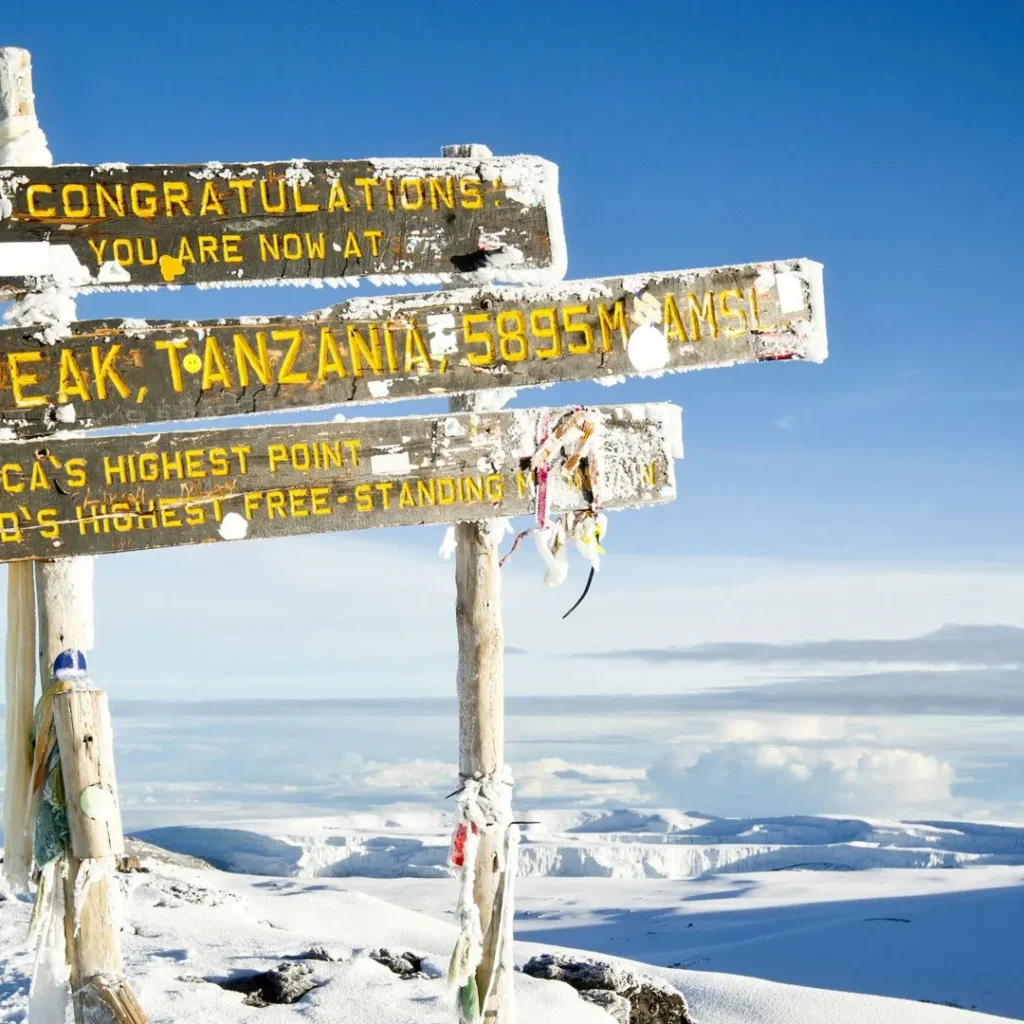
The Driest, Most Settled Weeks of the Year
August sits in the heart of Kilimanjaro’s main dry season, which runs from June to October. Rain is rare, the forest trails are firm and the moorland and alpine desert are dry underfoot. Long settled spells are common, although weather on a mountain this high can still change quickly, so our guides plan around the conditions each day.
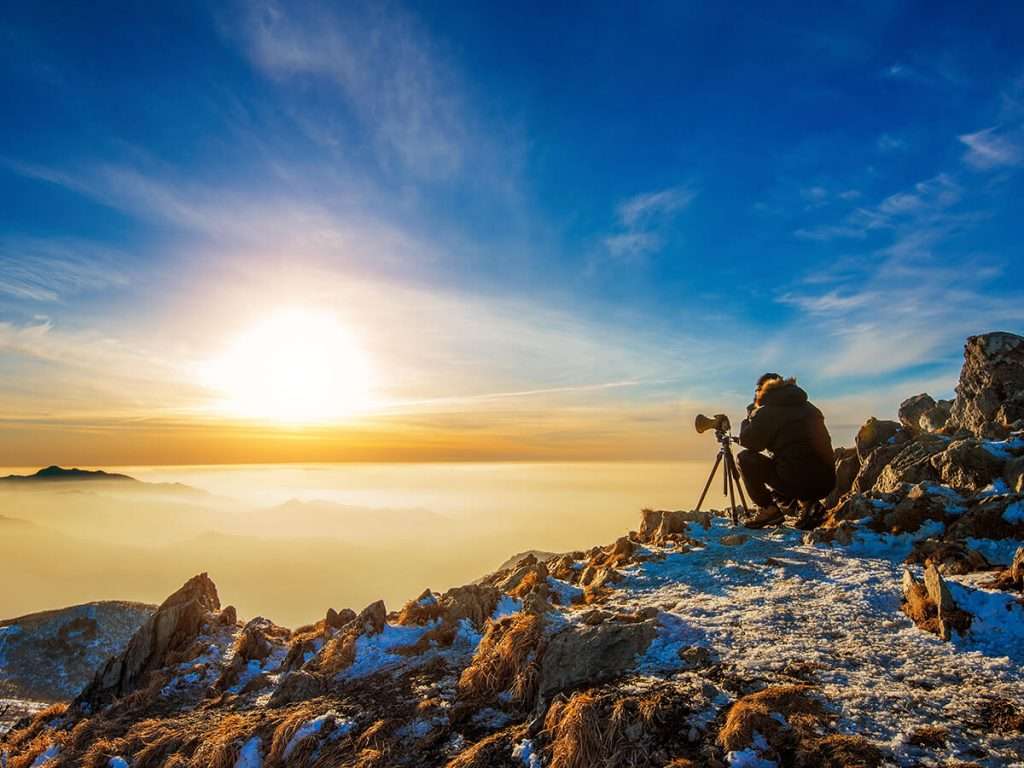
Crisp Air and Long-Distance Views
August skies are often crystal clear, especially in the early morning and at night. From the Shira Plateau and Barranco you look across a sea of cloud to Mount Meru, and on summit night the stars are remarkably bright. Sunrise from Stella Point or the crater rim is usually sharp and colourful, a highlight for photographers.

Glaciers and Ice Cliffs on the Summit
Fresh snow is unlikely in August, so the summit zone usually shows bare volcanic rock beside gleaming glaciers and ice cliffs. Clear air makes the ice especially striking at sunrise. The firm, dry scree on the final slopes is also easier to read by head torch than in snowier months, though it remains steep and loose.
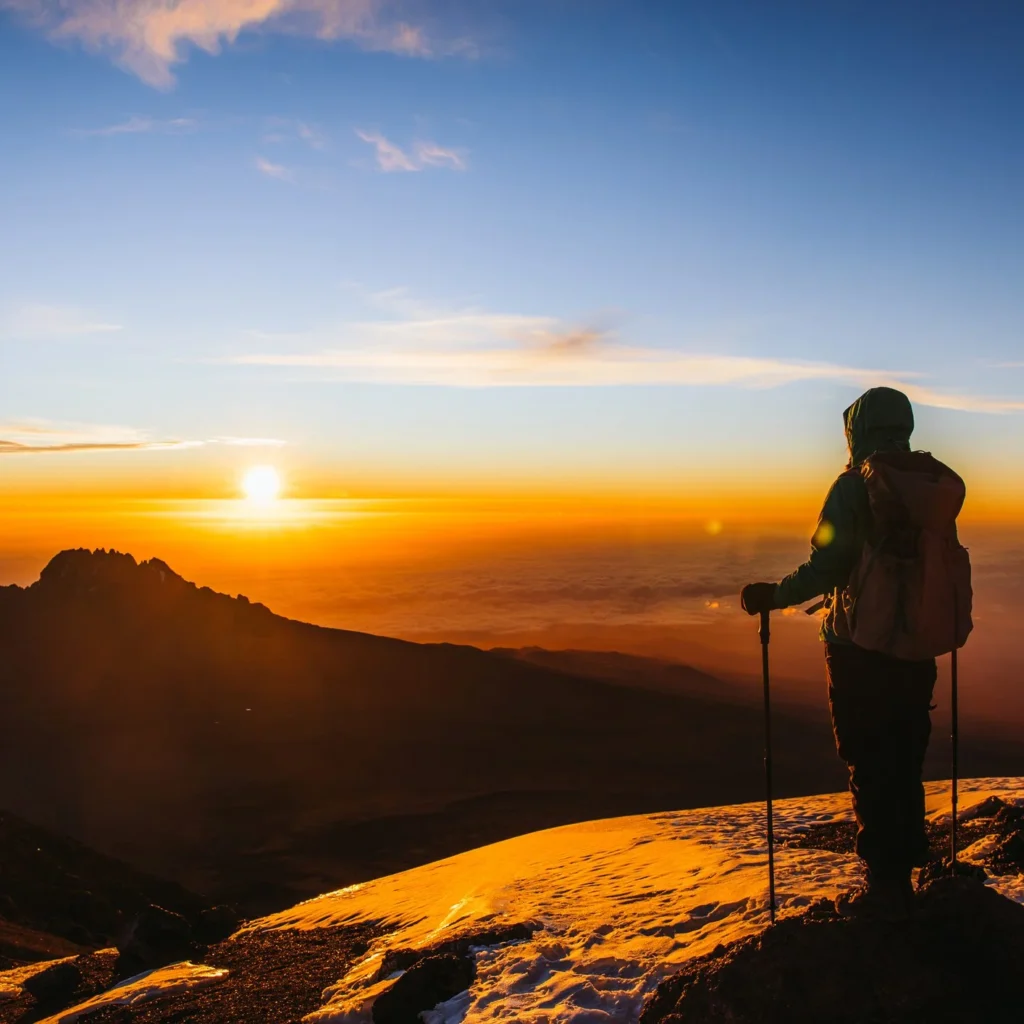
Ideal for European Summer Holidays
August falls in the European and North American summer holidays, which is why so many families, students and friends choose it. Long school breaks make it easier to fit in a climb, safari and beach together. Plan your private climb early, because guides, hotels and connecting safari camps are in high demand this month. Flexible start dates help too.
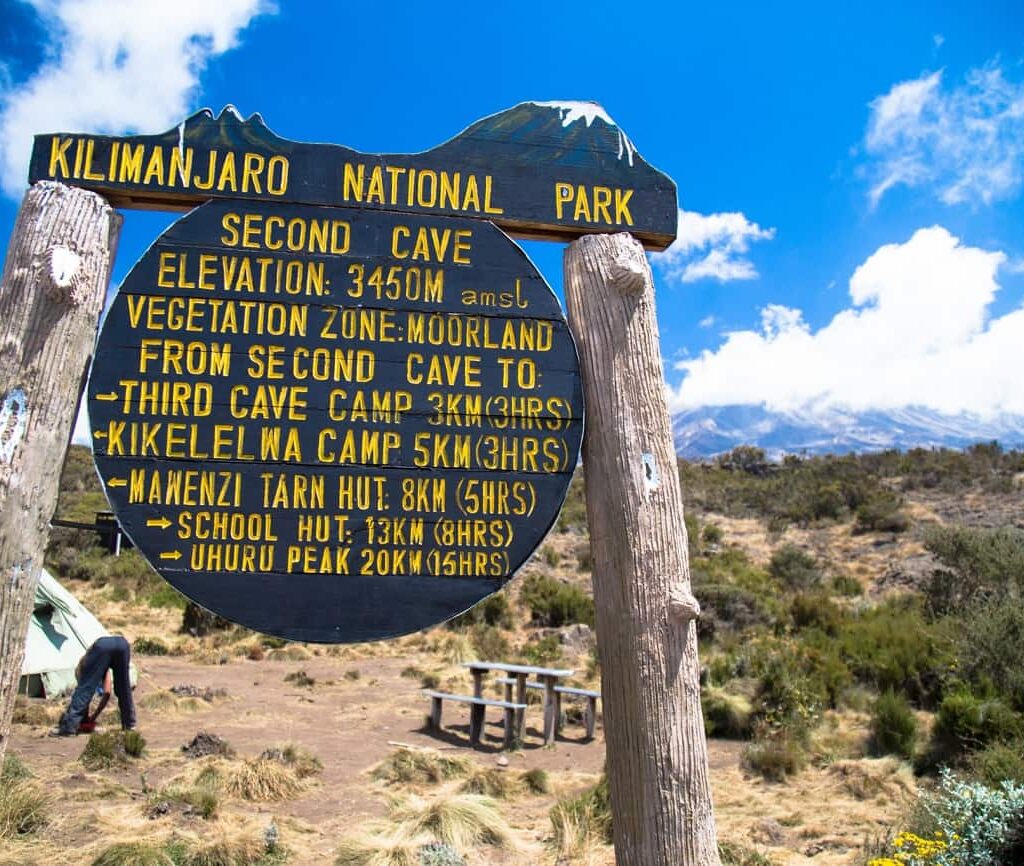
Escape the Crowds on Quieter Routes
Machame and Marangu are at their busiest in August, with full campsites and steady traffic on summit night. You can still enjoy a peaceful climb by choosing the Northern Circuit, Rongai or Lemosho routes, or by adding extra days. Your own guide and crew set a pace that suits you, whatever the numbers on the trail.
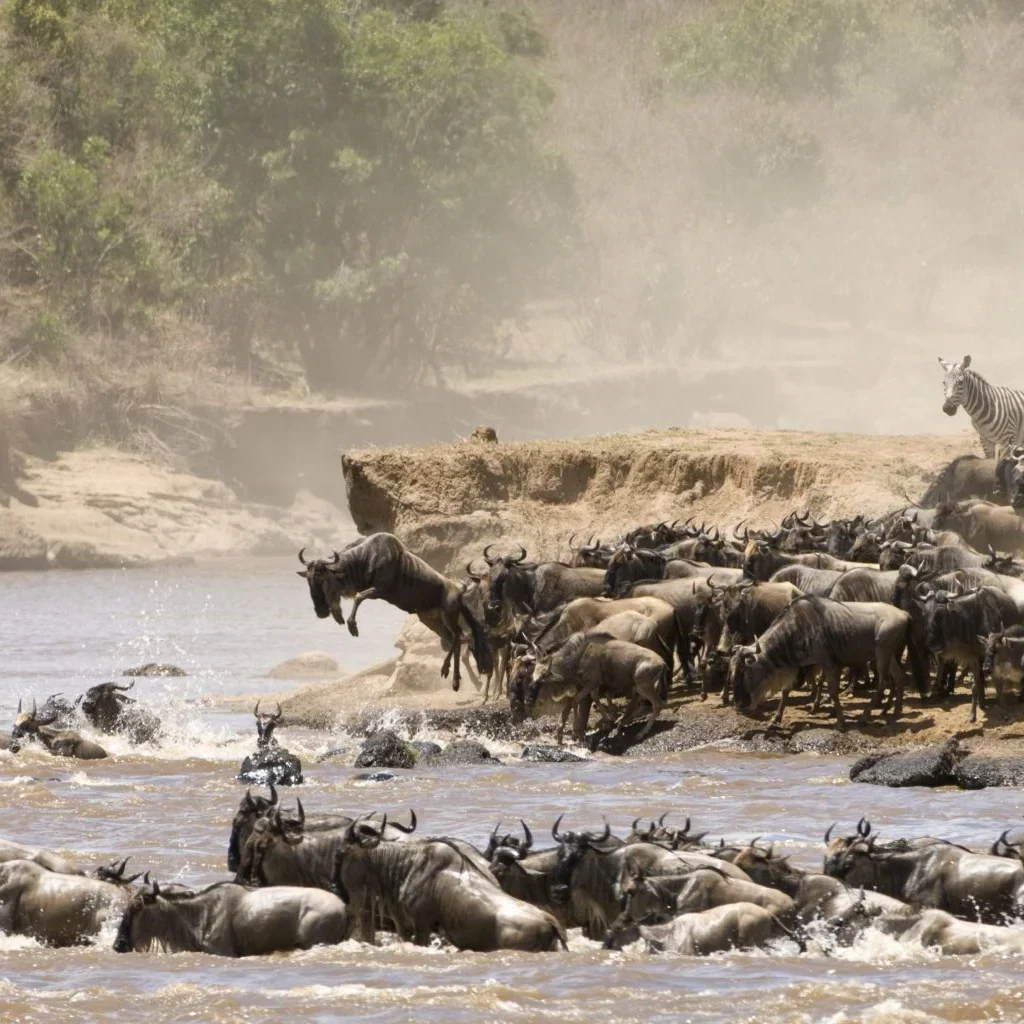
Summit and the Mara River Crossings
August is one of the best months to add a private safari after your climb. The Great Migration usually reaches the northern Serengeti, where herds cross the Mara River in dramatic scenes, and Tarangire’s elephants gather along the river. Zanzibar is dry and breezy, perfect for resting tired legs before you fly home. Allow ten to fourteen days.
Kilimanjaro Weather in August
Kilimanjaro weather in August is dry, clear and cold. In the montane rainforest, days are still about 20–25 °C, though mornings can feel cool and misty. Higher up, the sun is strong on the moorland and alpine desert, but temperatures fall fast after sunset and the high camps are well below freezing at night. On summit night, Uhuru Peak is usually about -10 to -20 °C with wind chill, making August one of the coldest months to summit. Rain is rare and fresh snow unlikely, but strong winds can blow on the upper slopes. Pack for every condition.
Kilimanjaro Trail Conditions and Crowds in August
Trail conditions in August are excellent. The forest paths are dry, the moorland is firm, and the scree on the upper mountain is frozen hard before dawn. Crowds are the main consideration, because August and July are the busiest months of the year. Machame and Marangu see the most climbers, and Lemosho is busy once it joins the southern circuit near Barranco. Rongai, Umbwe and the Northern Circuit stay much quieter, and even busy routes feel calmer with an extra day or a midweek start. The meter shows typical crowd levels this month. Our guides adapt the timings accordingly.
- MachameVery busy
- MaranguBusy
- LemoshoBusy
- RongaiQuiet
- Northern CircuitQuiet
- UmbweVery quiet
Best Time to Climb Kilimanjaro in August
Is August a good time to climb Kilimanjaro? For weather, it is one of the best months of the year, with dry trails and clear skies almost every day. The main drawbacks are the cold and the crowds. Early August shares the July holiday peak, and the whole month stays busy on the popular routes. If you would like a Kilimanjaro full moon climb, ask us to time your summit night near the full moon; dates change every year and these nights book quickly. September offers similar weather with slightly milder nights and fewer climbers later in the month.
Best Kilimanjaro Routes in August
What is the best route to climb Kilimanjaro in August? Every route is dry and in good condition, so the real choice is how to avoid the crowds while giving your body time to acclimatise. Longer itineraries improve your summit chances and spread you out from the busiest camps. Lemosho starts quietly in the west, the Northern Circuit is the most peaceful, and Rongai suits a gentler climb. Machame is scenic but busy, Umbwe is steep and quiet, and Marangu offers huts. Each tab below shows the typical length and who the route suits best in August.
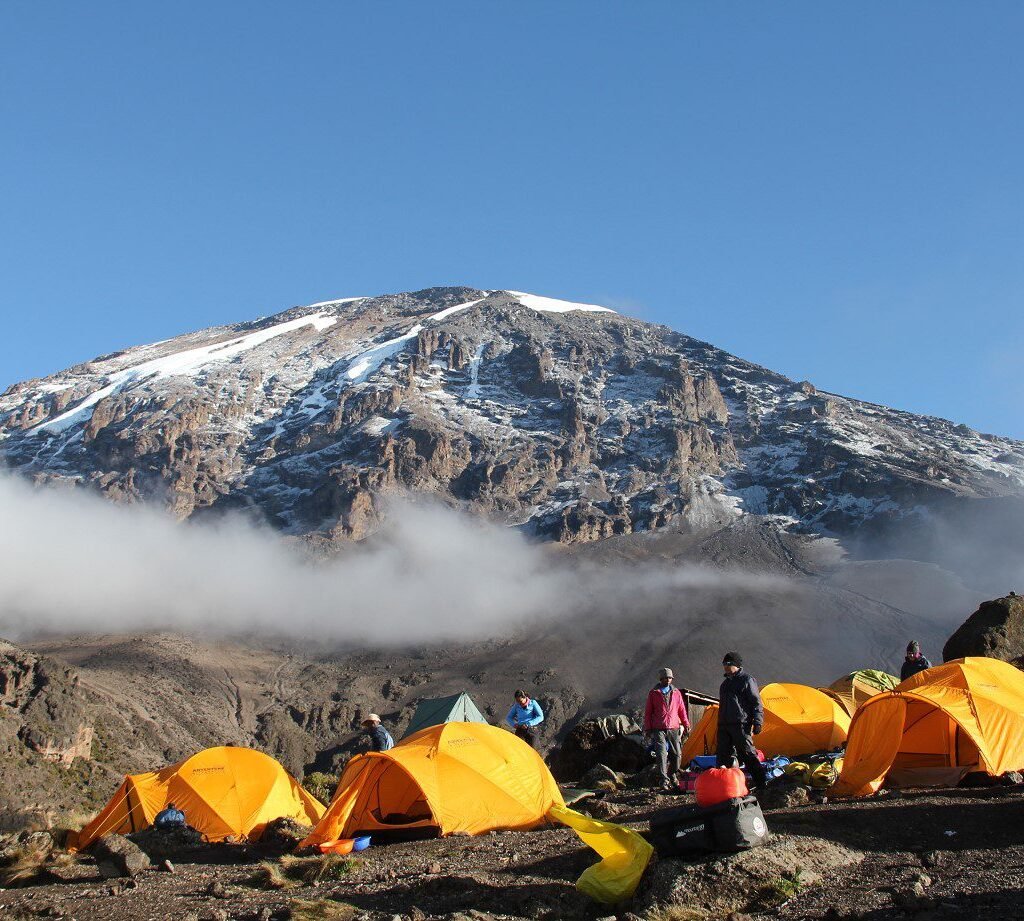
Lemosho Route, 7–8 Days
The Lemosho route starts from Londorossi in the remote west and crosses the Shira Plateau before joining the southern circuit to Barafu. Its gradual profile gives excellent acclimatisation, and the opening days stay calm even in August. Clear dry-season skies bring outstanding views of Kibo, making it our favourite all-round choice this month. It works well for first-time climbers.
Explore the Lemosho Route →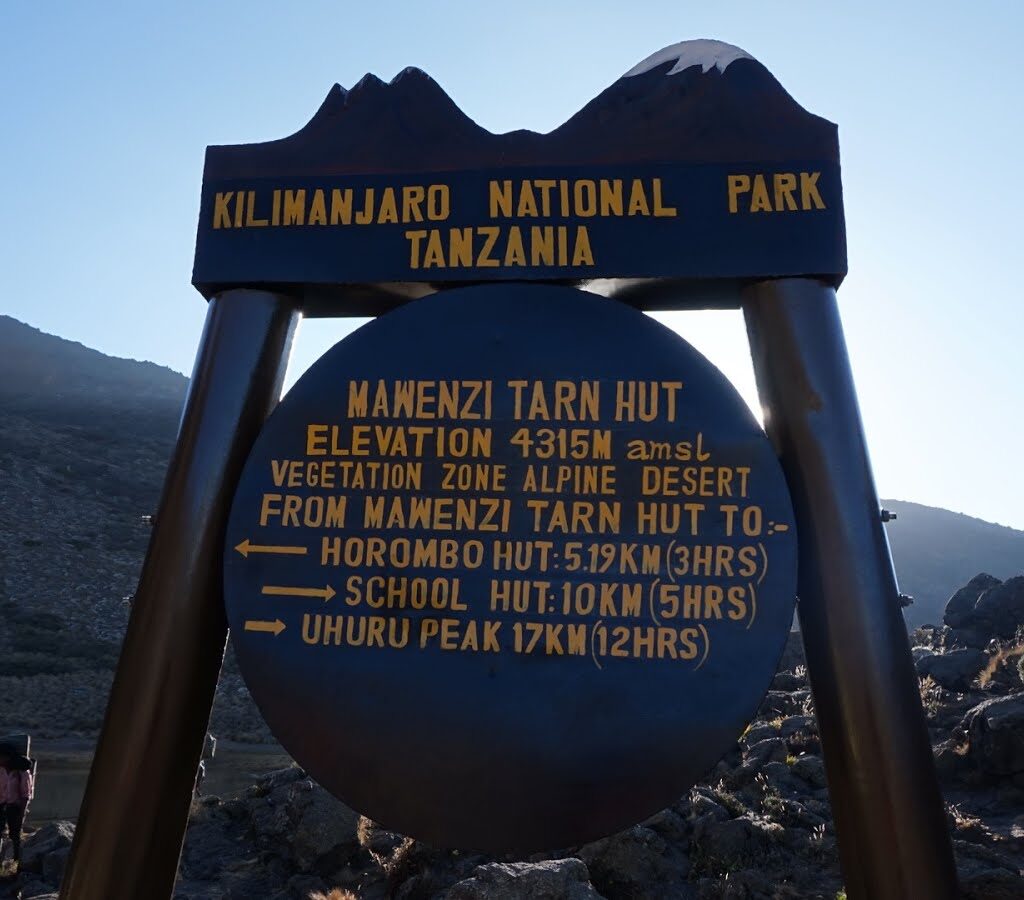
Northern Circuit Route, 8–9 Days
The Northern Circuit is the longest route on Kilimanjaro, starting from Londorossi and circling the remote northern slopes before the summit. Eight or nine days on the mountain give the best acclimatisation of any route. In August, when the southern routes are crowded, it offers rare solitude, clear skies and wide views towards Kenya. It suits climbers with extra time.
Explore the Northern Circuit →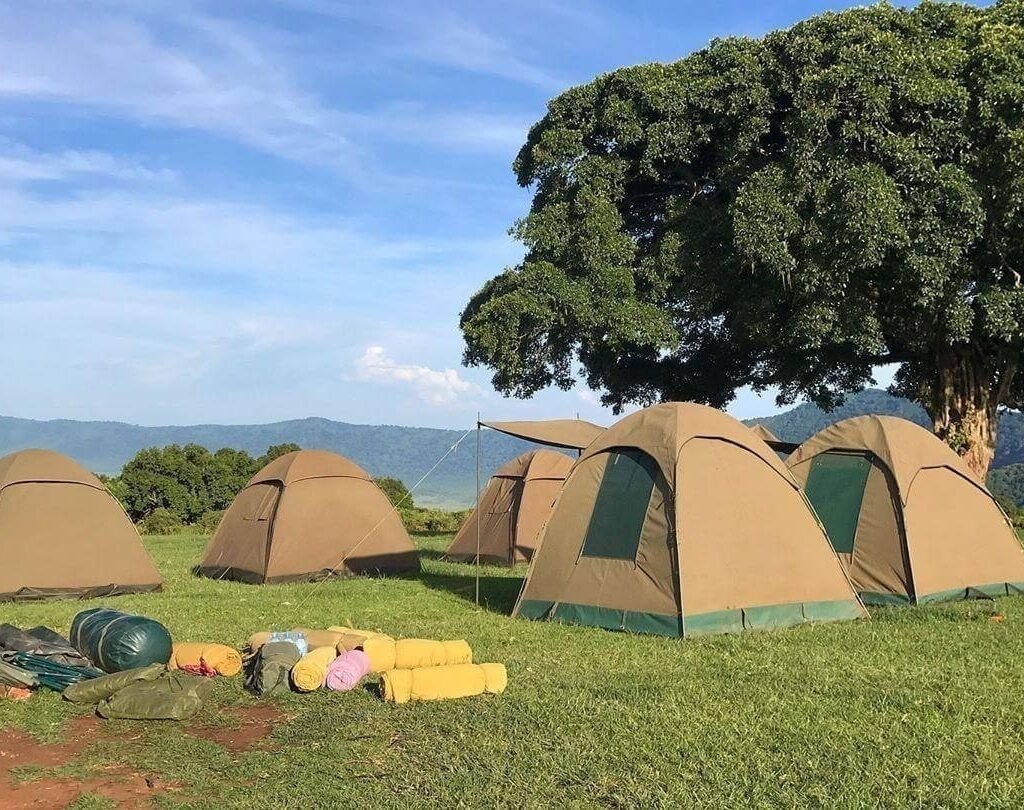
Rongai Route, 6–7 Days
The Rongai route approaches from the north, near the Kenyan border, on a gentle and steady gradient. It is far quieter than Machame or Marangu in August, with views of jagged Mawenzi and the plains beyond. It descends via the Marangu trail, so you see both sides of Kilimanjaro on one private climb. The campsites are peaceful.
Explore the Rongai Route →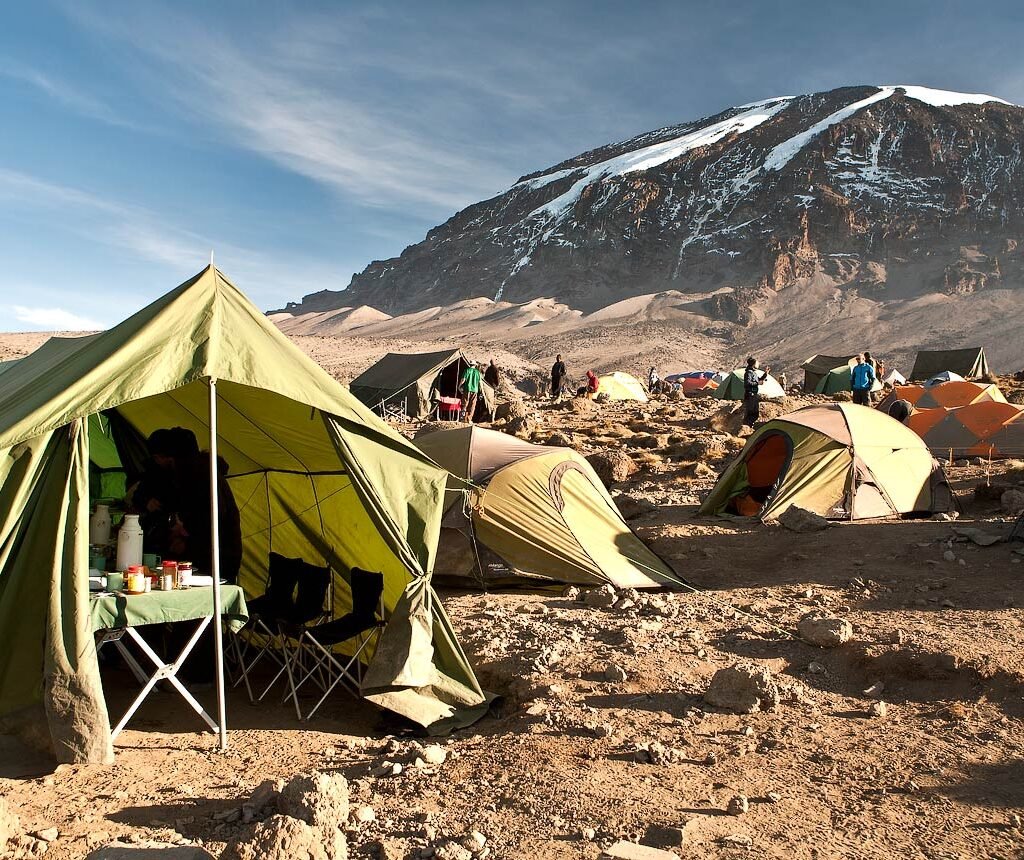
Machame Route, 6–7 Days
The Machame route climbs from Machame Gate through rainforest to the Shira Plateau, then traverses the southern slopes past Lava Tower and the Barranco Wall. It is varied and scenic, with a good climb high, sleep low profile. In August it is the busiest route, so we recommend the seven-day version for acclimatisation. Expect steep but rewarding days.
Explore the Machame Route →
Umbwe Route, 6–7 Days
Umbwe is the steepest and most direct route, climbing sharply through forest ridges before joining the southern circuit near Barranco. Its first days are among the quietest on the mountain in August. Dry trails help on the steep, rooty sections, but it suits only experienced, fit hikers, and the seven-day itinerary is wiser. It is not suitable for beginners.
Explore the Umbwe Route →
Marangu Route, 5–6 Days
Marangu is the only Kilimanjaro route with sleeping huts, using dormitory huts with beds at Mandara, Horombo and Kibo, which some climbers appreciate on cold August nights. It follows the same path up and down and is busy this month. We strongly recommend the six-day version, which adds an acclimatisation day at Horombo. Hut space books out early.
Explore the Marangu Route →What to Expect Climbing Kilimanjaro in August
Climbing Kilimanjaro in August takes you through five climate zones in a few days, from cool, misty foothills and green rainforest to the frozen summit. Each day follows a steady rhythm: an early breakfast, a slow walk with your guides, lunch on the trail and afternoons resting in camp, often in sunshine above the clouds. Evenings turn cold quickly, so warm layers come out early. Your own crew carries the equipment, sets up camp and cooks fresh meals. Below is what each zone and daily life feel like in August. Use these notes to prepare for each stage.
Cool Montane Rainforest
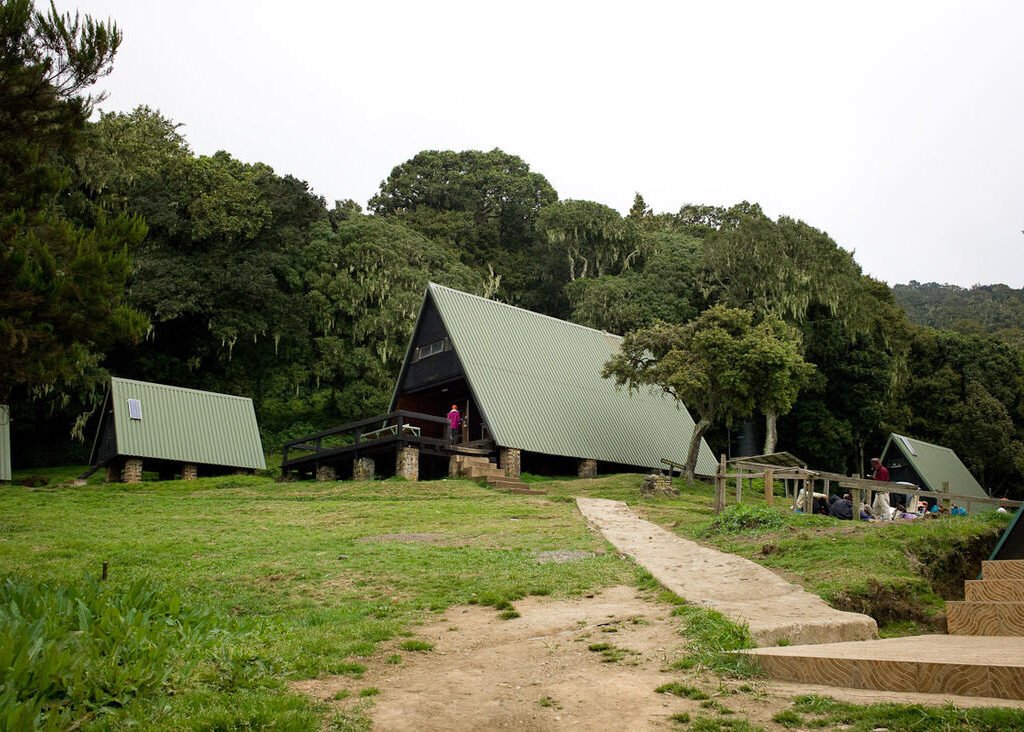
The first day climbs through montane rainforest between roughly 1,800 and 2,800 m. In August the forest is drier than in other months, with cool mornings and occasional mist hanging in the trees. You may see blue monkeys or black-and-white colobus. Paths are firm underfoot, and daytime temperatures are pleasant, about 20–25 °C. Insect repellent is useful low down.

Heath, Moorland and Giant Groundsels
Above the forest, the heath and moorland zone opens up between about 2,800 and 4,000 m, with giant groundsels, lobelias and heather. August sunshine here is strong and the air very dry, so a hat, sunscreen and lip balm are vital. Clear skies bring wide views, and evening frost is common on the tents. Nights get very cold.
Alpine Desert and the Barranco Wall
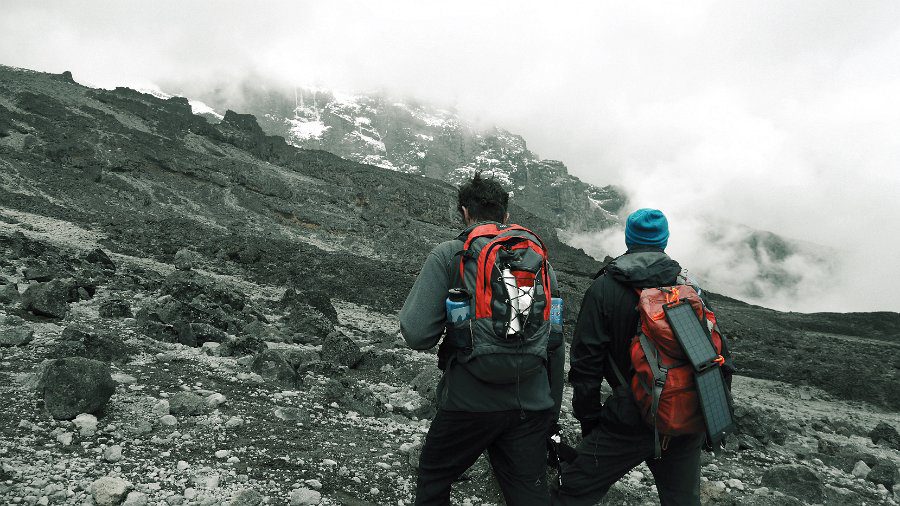
Between about 4,000 and 5,000 m lies the alpine desert, a stark landscape of rock, scree and thin air. On the southern routes you scramble up the Barranco Wall, which can be busy in August, so our guides time your start to avoid queues. Days are bright, but the wind can feel bitingly cold. Patience pays off here.

Clear Days and Freezing Nights
A typical August day is clear and dry, with cloud often sitting below camp like a white sea. Once the sun sets, temperatures drop sharply, and the high camps are well below freezing by evening. Water bottles can freeze overnight, so our guides suggest keeping them inside your tent, and wearing a warm hat to sleep.
Hot Meals and Camp Comforts
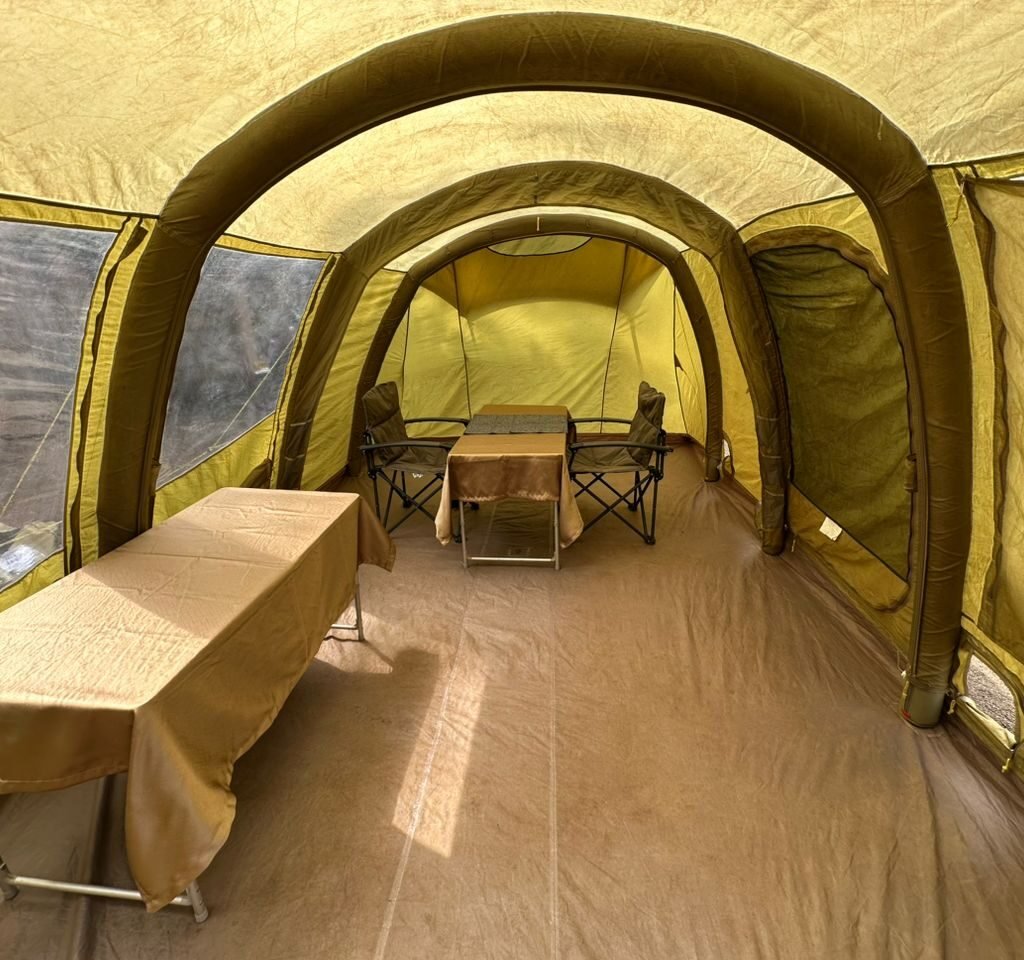
Your private crew sets up sleeping tents and a mess tent before you arrive at camp. Your cook prepares hot breakfasts, lunches and hearty dinners, with plenty of tea, coffee and soup to keep you warm and hydrated. Warm washing water is brought to your tent, and your guides check your health every day. Mealtimes are a sociable highlight.
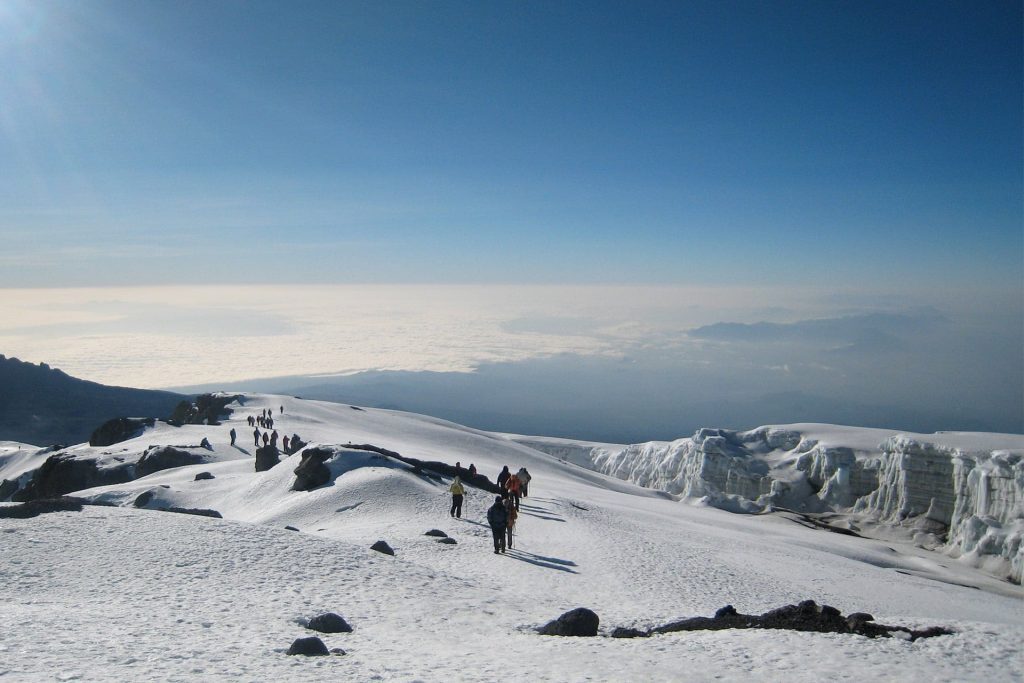
Glaciers and the Arctic Summit Zone
Above 5,000 m you enter the arctic summit zone, with glaciers, ice cliffs and the volcanic crater of Kibo. In August the rim is usually free of fresh snow, and the clear air makes sunrise over Mawenzi spectacular. Oxygen levels are around half those at sea level, so every step is slow and deliberate. Rest whenever you need to.
Kilimanjaro Summit Night in August
Kilimanjaro summit night in August is clear, dry and bitterly cold. You are woken around 11 pm, take hot drinks and biscuits, and set off from Barafu Camp, Kibo Hut or School Hut by head torch. The climb up steep switchbacks to the crater rim takes most of the night, in temperatures of about -10 to -20 °C with wind chill. Most climbers reach Stella or Gilman’s Point around dawn, then continue along the rim to Uhuru Peak, about six to eight hours after starting. Summit day lasts 12–16 hours in total. Warm layers and patience are essential.
- 11 pm–midnightWake up and set offHot drinks, every warm layer on, start by head torch
- Midnight–5 amSlow climb under the starsFrozen scree switchbacks; the coldest, windiest hours
- Around dawnStella or Gilman’s PointReach the crater rim as the sun rises over Mawenzi
- 6–8 hours inUhuru Peak, 5,895 mPhotos at the summit sign beside the glaciers
- Late morning–afternoonLong descentRest at high camp, then down to Millennium, Mweka or Horombo
Climbing Kilimanjaro in August: Pros and Cons
Every month on Kilimanjaro has trade-offs, and August shows them clearly. Its strengths are dry trails, clear skies, reliable summit conditions and an easy link with the Mara River crossings and a Zanzibar beach stay. On the other hand, it is one of the busiest months, popular dates book out early, and summit night is among the coldest of the year. Weighing these points against your dates, fitness and travel plans helps you decide whether August suits your private climb, or whether September would be better. The six points below summarise the main advantages and drawbacks of August.
Dry Trails and Clear Skies
August is the heart of the main dry season, so rain is rare and trails through the forest, moorland and alpine desert are in excellent condition. Clear skies bring outstanding visibility, and settled weather lets your guides follow the planned itinerary, giving you a very good chance of clear summit conditions and photographs. It is ideal for photographers.
- Very low rainfall
- Firm, dry paths
- Clear views
- Settled weather
Fits Long Summer Holidays
For many travellers from Europe and North America, August is the easiest time to take two or three weeks away. That makes it ideal for combining a climb with a safari and beach stay in one trip. Families with older children and students on summer breaks find August particularly convenient for a private climb. Allow ten to fourteen days.
- School holidays
- Time for safari
- Time for beach
- Families and students
Prime Time for the Mara River Crossings
August is one of the best months to see the Great Migration in the northern Serengeti, where herds cross the Mara River. Tarangire is full of elephants in the dry season, and Zanzibar is dry and breezy. One trip can cover the roof of Africa, a dramatic safari and the Indian Ocean. Allow at least ten days in total.
- Mara River crossings
- Tarangire elephants
- Dry Zanzibar
- One smooth itinerary
One of the Busiest Months
With July, August is the busiest time on Kilimanjaro. Machame and Marangu are crowded, and popular camps such as Barranco and Barafu fill up, with steady traffic on the Barranco Wall and on summit night. Choosing the Northern Circuit, Rongai or Lemosho route, or adding an extra day, makes your private climb feel more peaceful.
- Busy campsites
- Queues at Barranco Wall
- Choose a quieter route
- Add an extra day
High Demand for Guides and Hotels
Because August is high season for both climbing and safaris, the best guides, hotels in Moshi and Arusha, and northern Serengeti camps book well ahead. International flights can also be expensive during the summer holidays. Planning several months ahead gives you the widest choice of routes, start dates and safari lodges. A deposit secures your chosen dates.
- High demand
- Pricier flights
- Plan several months ahead
- Book safari together
Very Cold Nights and Summit Wind
August nights are among the coldest of the year on Kilimanjaro. The high camps are well below freezing, and near Uhuru Peak temperatures of about -10 to -20 °C with wind chill are typical on summit night. Proper down clothing, insulated gloves, warm boots and a warm four-season sleeping bag are essential this month. Hand and toe warmers help too.
- Sub-zero camps
- Strong wind chill
- Down jacket essential
- Four-season sleeping bag
How Much Does It Cost to Climb Kilimanjaro in August?
How much does it cost to climb Kilimanjaro in August? The price ranges below come from our Kilimanjaro price list and depend mostly on route length and comfort level, not on the month. Longer routes cost more because park fees are charged per person per day, while luxury climbs add better equipment and extra comforts. August is a peak month, so the best dates and hotels book out earlier rather than costing more. Every private climb is quoted individually, with a clear list of what is included. Ask us for a detailed quote for your preferred dates.
Budget Kilimanjaro Climb
$1,800 – $2,500per person, full climb
A budget Kilimanjaro climb covers everything you need for a safe, well-run private ascent: park fees, a licensed guide and crew, quality tents, meals and transfers. It suits travellers on shorter routes who want reliable value. Even at this level, your crew is fairly paid and your safety equipment is never compromised. Hotel nights can be added separately.
- Park fees included
- Licensed guides
- Mountain meals
- Airport transfers
Mid-Range All-Inclusive Climb
$2,500 – $3,500per person, full climb
Our mid-range all-inclusive climbs are a popular choice in August, typically on seven or eight day Lemosho, Rongai and Machame itineraries. They add extra acclimatisation time, upgraded camping equipment and a comfortable mess tent. Hotel nights in Moshi or Arusha before and after are often included, making peak-season planning simple. They suit most first-time climbers looking for comfort and value.
- Longer routes
- Upgraded equipment
- Hotel nights
- Extra acclimatisation
Luxury Kilimanjaro Climb
From $4,000per person, full climb
A luxury Kilimanjaro climb adds spacious tents with proper beds, a private toilet tent, a dining tent with table and chairs, and a larger crew. On cold August nights, that extra space and comfort make a real difference. It suits travellers on longer routes such as Lemosho, with upmarket hotels before and after. It is ideal for honeymoons and celebrations.
- Beds in large tents
- Private toilet tent
- Larger crew
- Upmarket hotels
Kilimanjaro National Park Fees
Park fees make up a large share of every climb. Kilimanjaro National Park charges conservation fees, camping or hut fees and a rescue fee, all per person per day. That is why a longer route costs more than a shorter one. The fees fund conservation and park services, and we include them in every quote.
- Conservation fees
- Camping or hut fees
- Rescue fee
- Charged per day
Crew Wages and Tipping
Your private crew includes guides, assistant guides, a cook and porters, all fairly paid with sensible load limits. Tipping is customary at the end of the climb and is given at a small ceremony with the whole team. Our tipping guide explains how to plan for it, so you can budget with confidence. Tips are paid directly to the crew.
- Fair crew wages
- Porter load limits
- Tips at the end
- Clear guidance
Hotels, Gear Hire and Insurance
Depending on your package, extras may include additional hotel nights in Moshi or Arusha, airport transfers, rental gear such as warm sleeping bags or down jackets, and visas. Travel insurance covering trekking to 6,000 m and evacuation is essential. Our price list shows exactly what each climb includes, so nothing comes as a surprise. Ask us about rental gear.
- Extra hotel nights
- Gear hire
- Travel insurance
- Visas
Kilimanjaro Climbing Packages for August
The best Kilimanjaro climbing packages for August give you time to acclimatise and help you avoid the busiest camps. Each itinerary below is a starting point for a private tailor-made climb, which we adapt to your dates, fitness and comfort level. Choose a classic Lemosho climb, the quiet Northern Circuit, the gentle Rongai route, a seven-day Machame climb, or a combined climb and safari timed for the Mara River crossings. Every package includes your own guide and crew. Each tab shows the duration and who the climb suits best, with a link to the full itinerary.
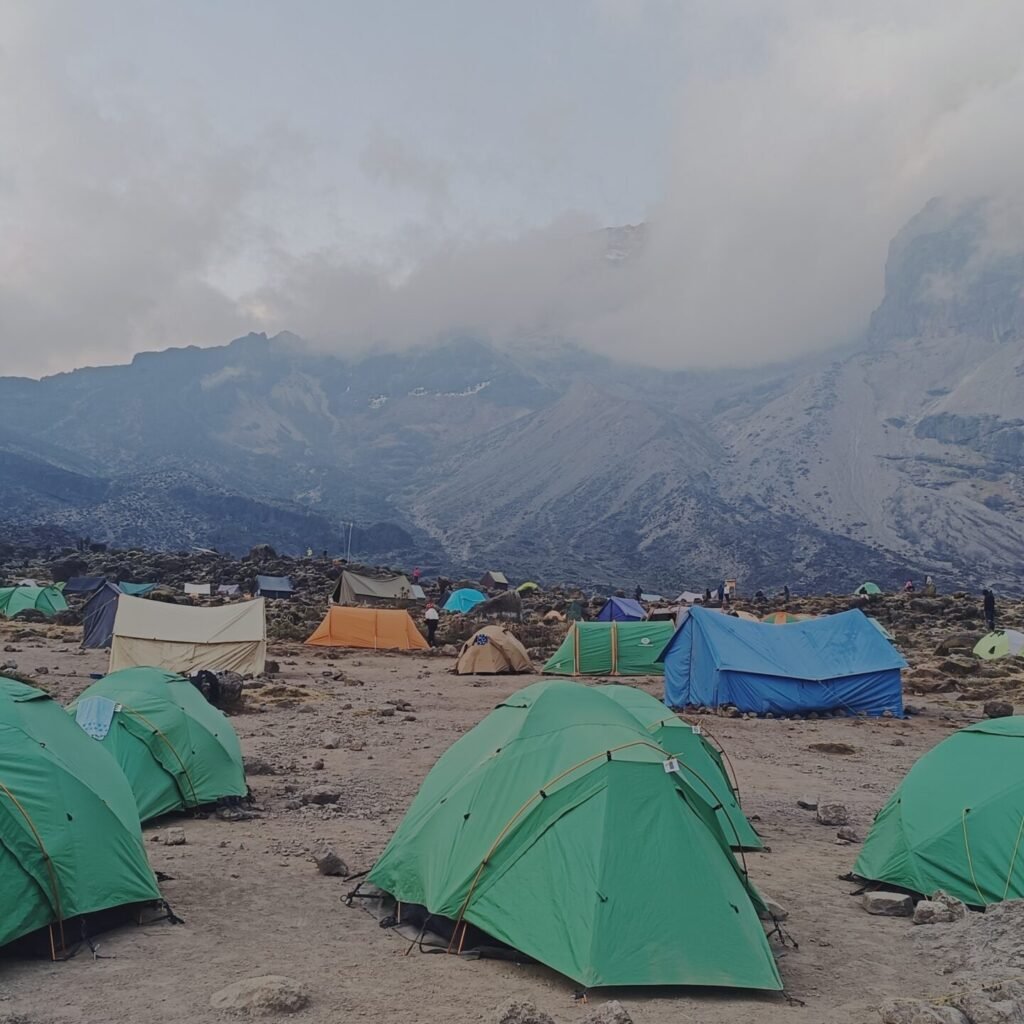
8-Day Lemosho Route
The 8-Day Lemosho Route is our most recommended August climb. The extra day gives your body more time to adapt to altitude and lets you camp away from the busiest sites. You start on the quiet western side, cross the clear Shira Plateau and summit from Barafu at an unhurried, comfortable pace. Hotel nights before and after can be included.
View This Climb →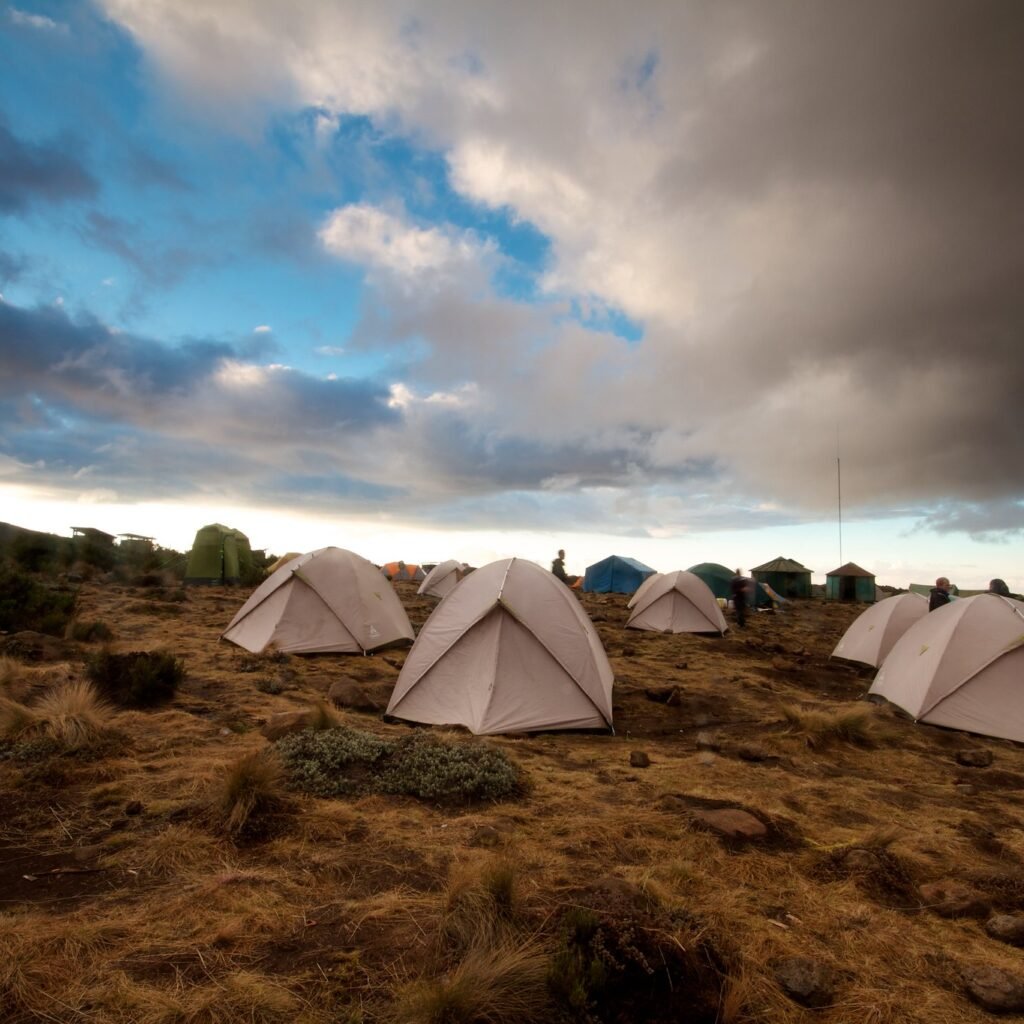
7-Day Lemosho Route
The 7-Day Lemosho Route balances time, cost and acclimatisation. Its remote western start is quiet even in August, and the Shira Plateau enjoys clear dry-season views of Kibo. It suits first-time climbers with good fitness who want beautiful scenery and a gradual profile, with a little less time away than the eight-day version. It is excellent value.
View This Climb →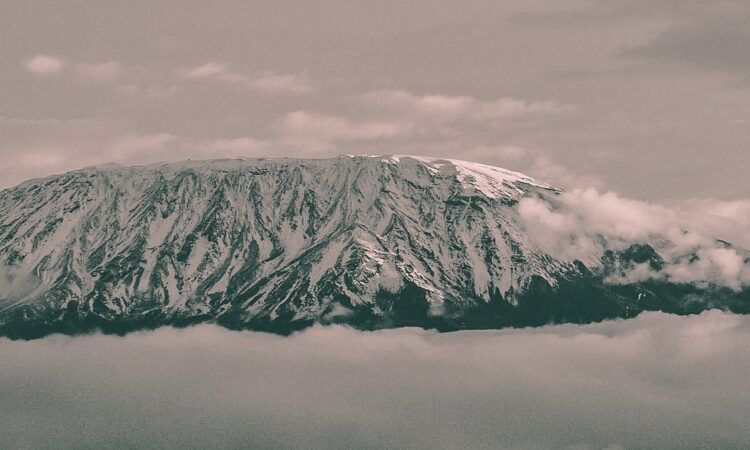
11-Day Northern Circuit Route
Our 11-Day Northern Circuit Route is an extended trek that includes hotel nights before and after the longest climb on Kilimanjaro. It circles the remote northern slopes, giving outstanding acclimatisation and real solitude. In August, when the southern camps are busy, this is the most peaceful way to reach Uhuru Peak. It suits experienced walkers with extra time.
View This Climb →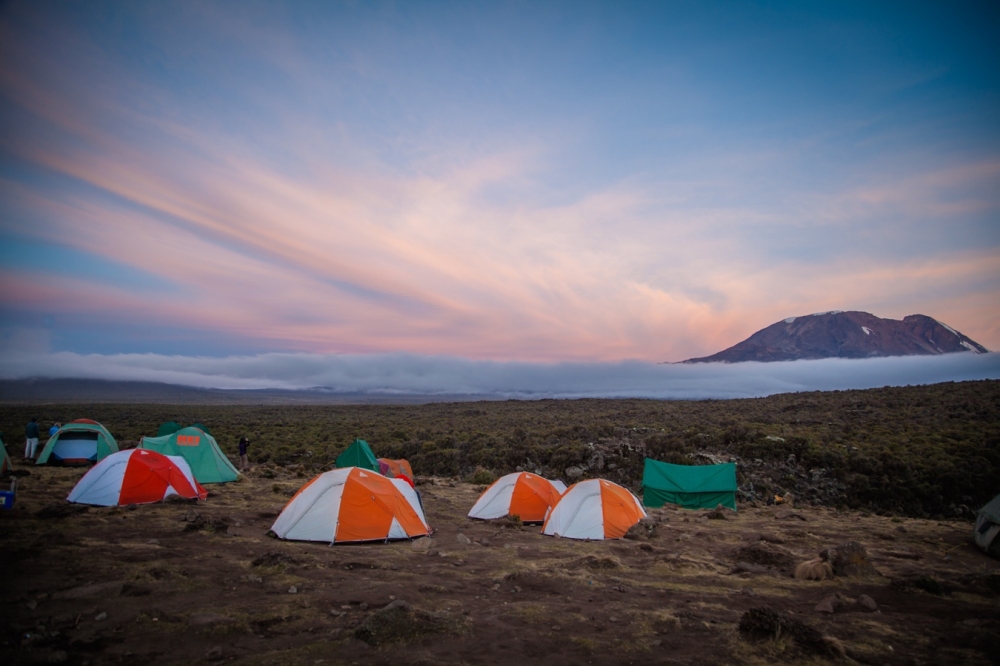
7-Day Rongai Route
The 7-Day Rongai Route climbs the northern side of Kilimanjaro on a gentle, steady gradient, with views of Mawenzi and the plains towards Kenya. It stays quiet in August, making it a sensible choice for travellers who want a calm trail in peak season. The descent follows the Marangu trail on the southern side. Mawenzi views are superb.
View This Climb →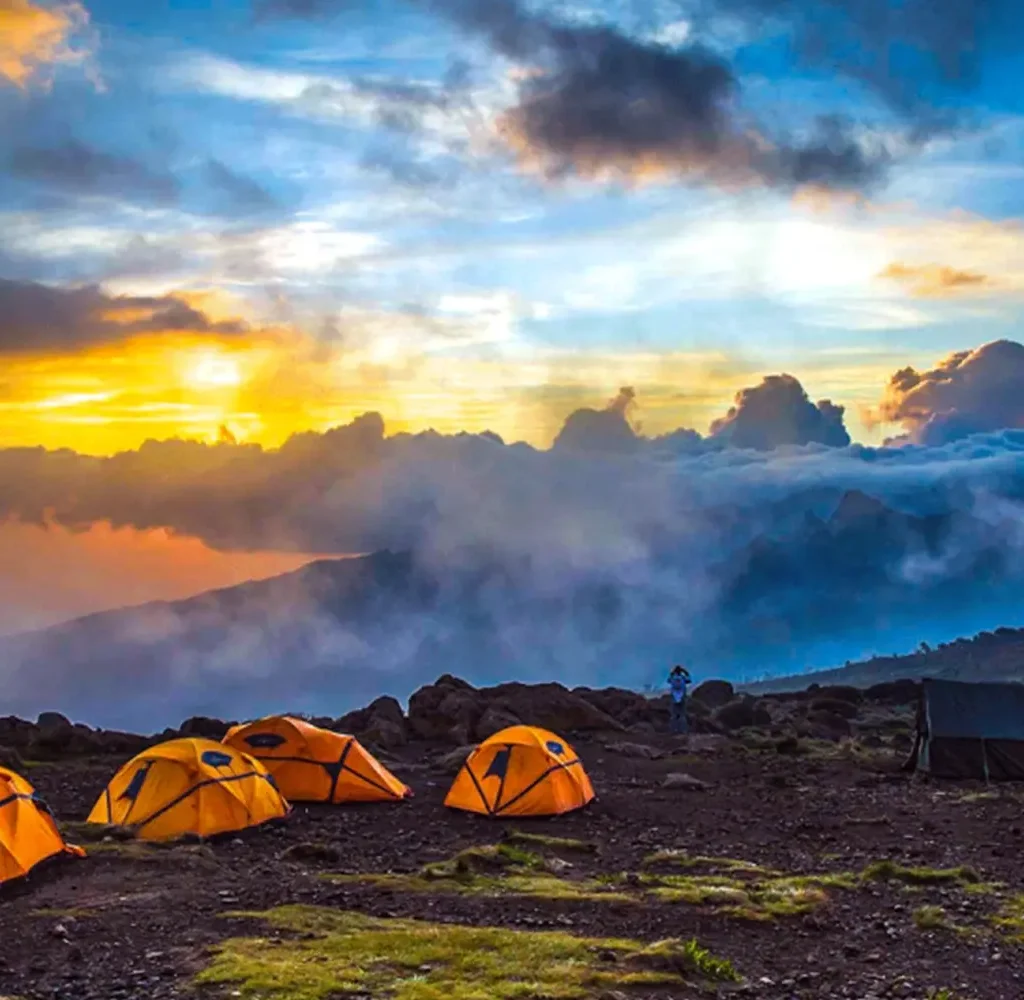
7-Day Machame Route
The 7-Day Machame Route is a scenic classic, crossing rainforest, the Shira Plateau, Lava Tower and the Barranco Wall. It is busy in August, but the seventh day improves acclimatisation and lets your guides time each stage to avoid the worst of the traffic. Clear skies make every viewpoint memorable this month. It suits fit walkers who enjoy variety.
View This Climb →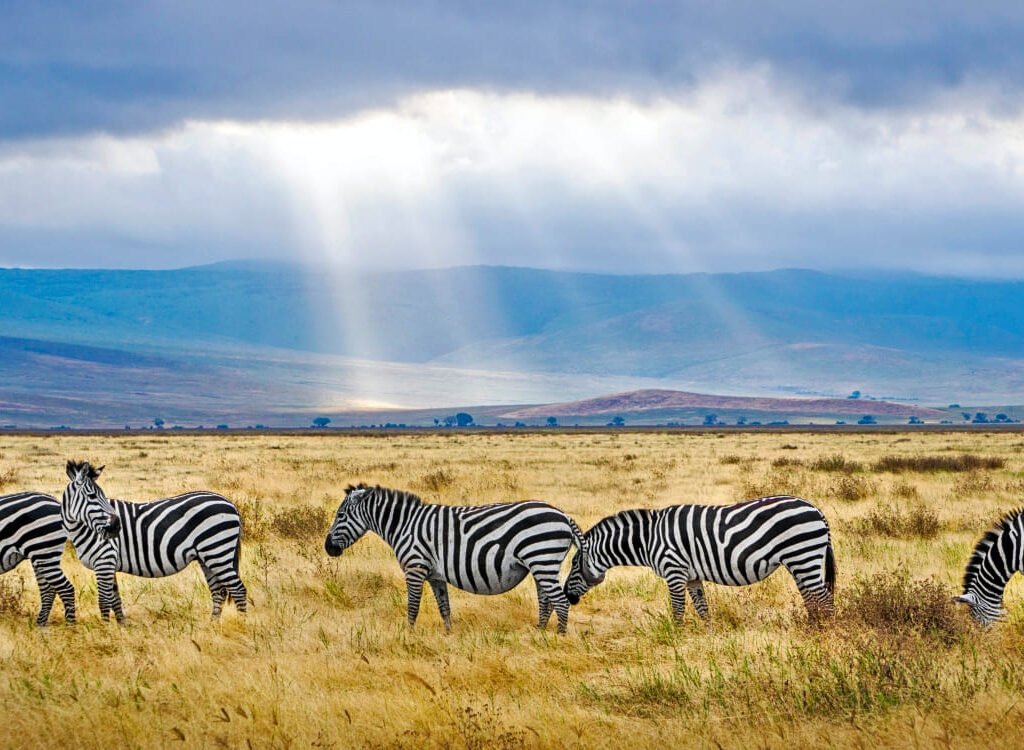
Kilimanjaro Climb and Safari Packages
Our Kilimanjaro climb and safari packages pair the summit with a private game-viewing safari, and August is one of the best months for it. After the climb, your guide takes you to Tarangire, the Ngorongoro Crater and the northern Serengeti, where the migration herds gather along the Mara River. Zanzibar can be added at the end for a beach finish.
View Climb and Safari →Where to Stay Before, During and After Your August Climb
Where you stay matters in August, because Moshi and Arusha hotels are busy in peak season and a good night’s rest before the climb really helps. Most climbers spend a night near Kilimanjaro International Airport for the briefing and gear check, then return to a comfortable hotel and hot shower afterwards. On the mountain, your crew pitches your tents at designated campsites, which can be busy this month. Here are two hotels we often use and four camps you may sleep at. Each tab below explains the location, style and why it suits an August climb.
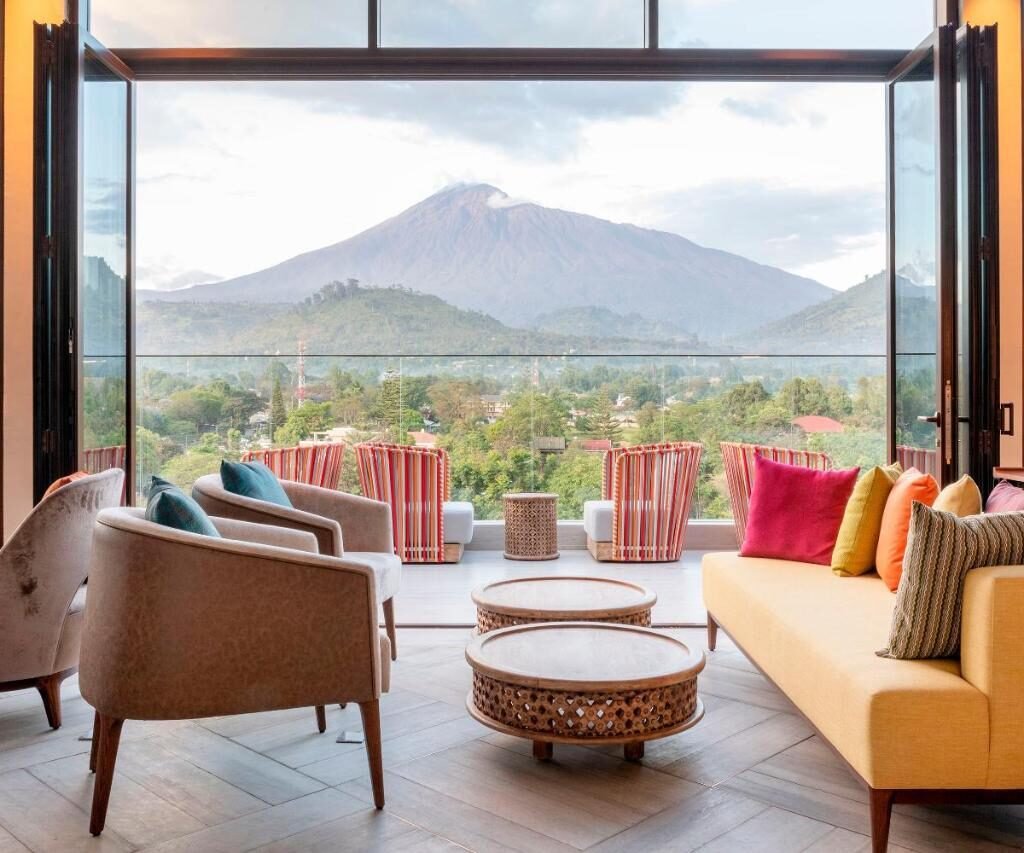
Gran Meliá Arusha
Gran Meliá Arusha is a large, upmarket hotel on the outskirts of Arusha, set among green grounds with views towards Mount Meru. Its spacious rooms and polished service suit travellers who want real comfort after summit night. In busy August, it is a reliable base before your climb or before a northern safari. It also pairs well with a safari.
View Hotel →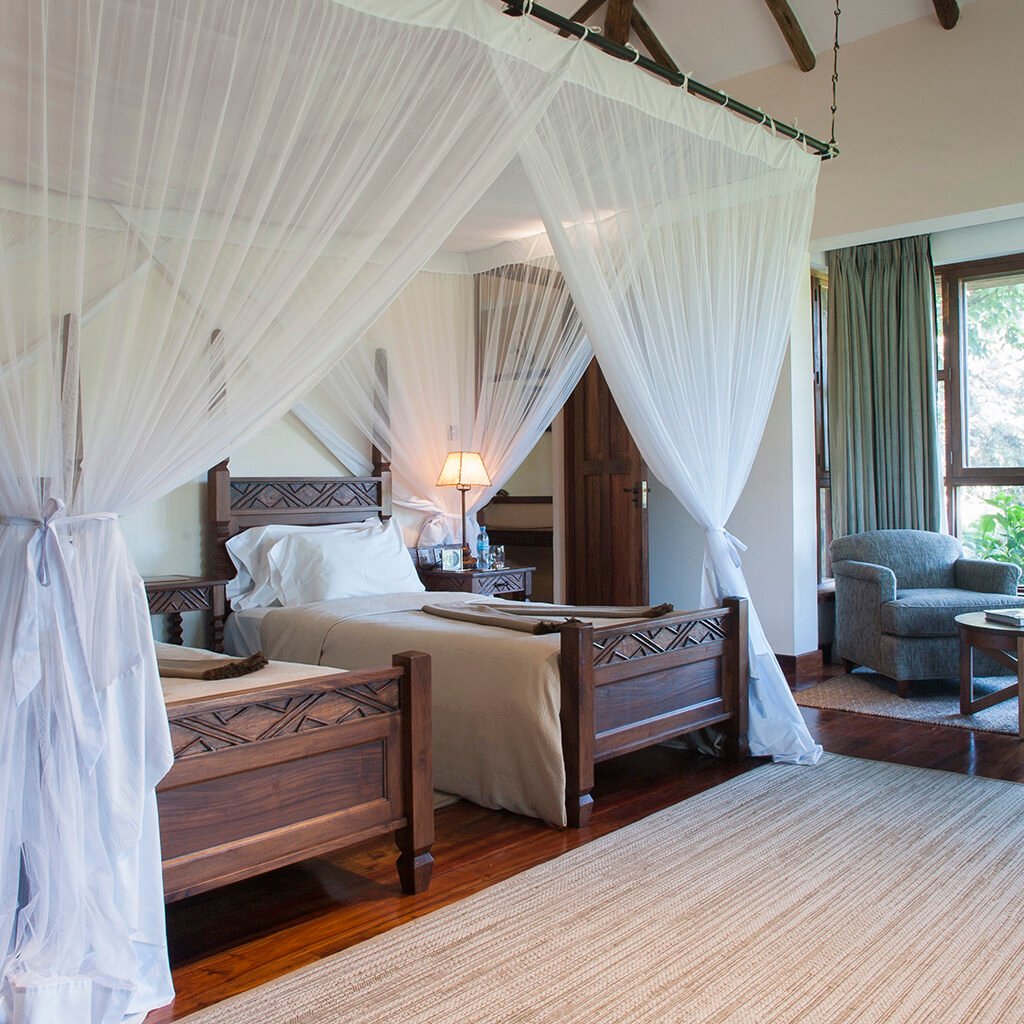
Legendary Lodge
Legendary Lodge is a boutique lodge set in quiet gardens on the edge of Arusha, close to the road to Kilimanjaro International Airport. Its calm, intimate style makes it a restful place to sleep before your climb and to recover afterwards. In August, when town hotels are busy, its peaceful setting is especially welcome. Book early for August.
View Lodge →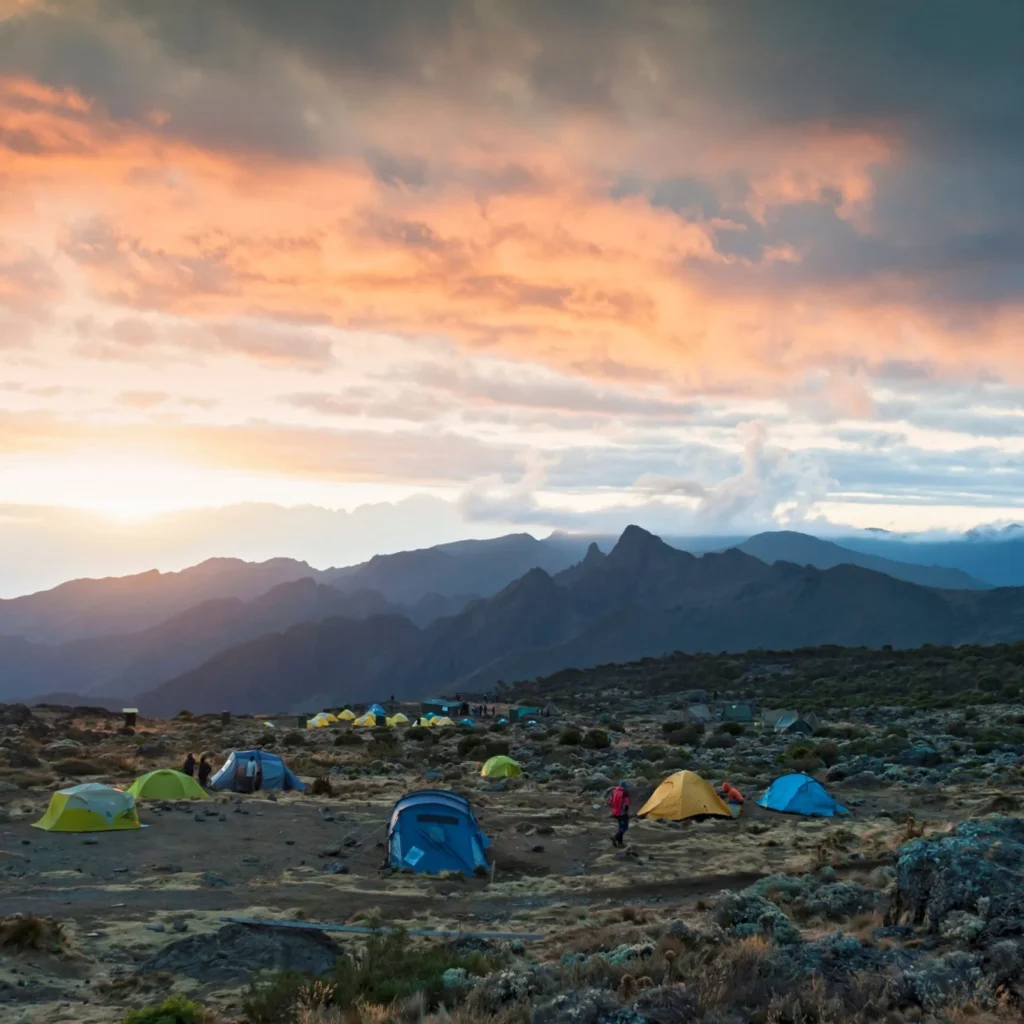
Shira Camp
Shira Camp stands on the broad Shira Plateau, used on the Lemosho, Machame and Shira routes. In August the plateau usually enjoys clear skies and magnificent views of Kibo and Mount Meru. Nights here are bitterly cold and often frosty, so a warm four-season sleeping bag and good layers are essential. Sunsets here are often superb.
View Camp →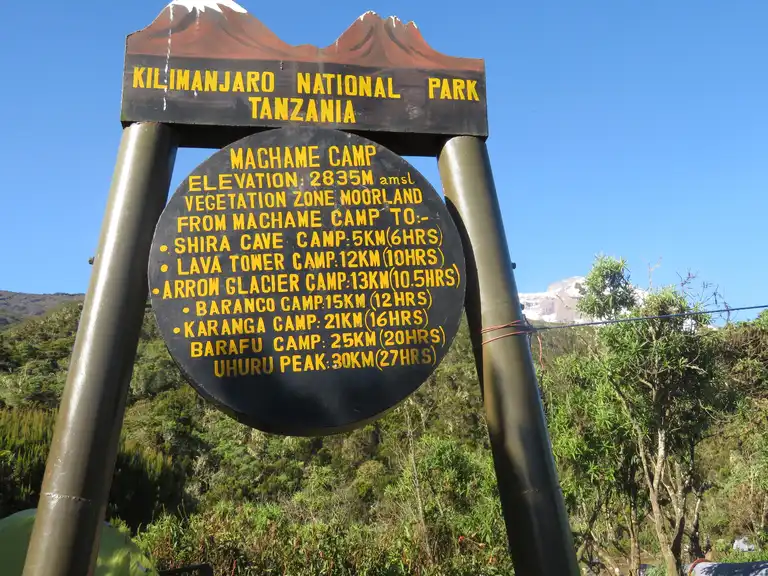
Machame Camp
Machame Camp is the first night on the Machame route, set at the upper edge of the rainforest at about 3,000 m. In August it is one of the busiest camps on the mountain, but your crew pitches your private tents and mess tent in good time. Evenings are cool and clear, often with bright stars.
View Camp →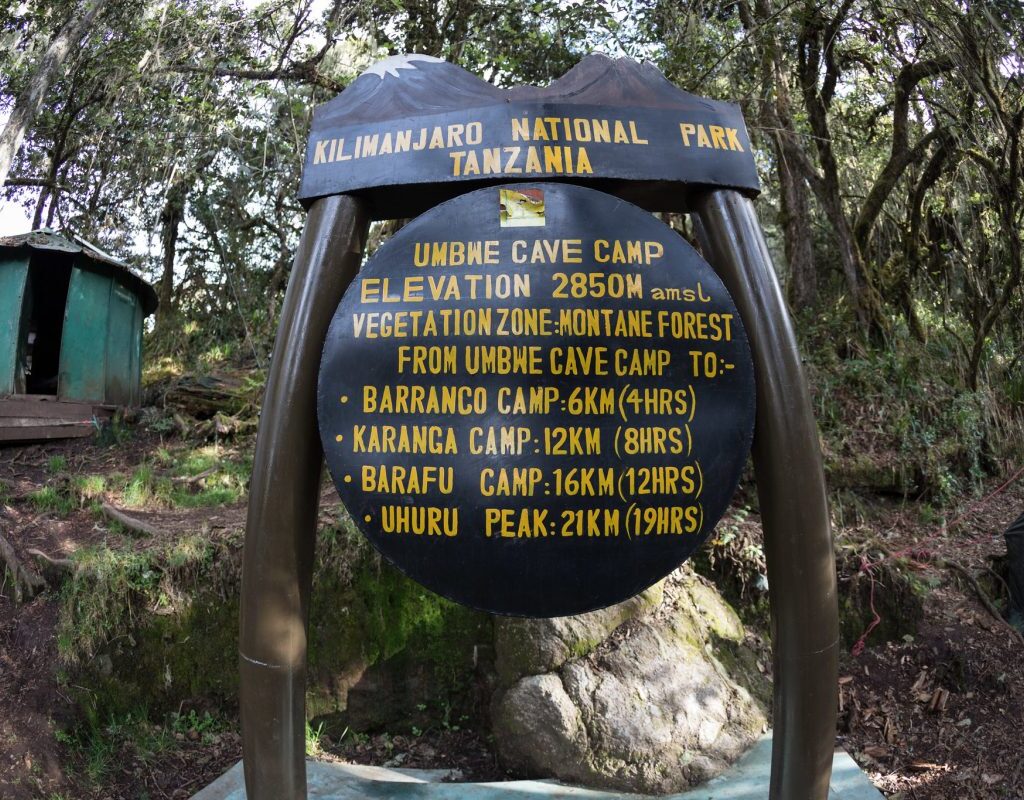
Umbwe Cave Camp
Umbwe Cave Camp is the first night on the steep Umbwe route, tucked into the forest near rocky overhangs at about 2,850 m. It is wild, quiet and atmospheric, a world away from the busy southern camps in August. The dry-season path up is firm, which helps on the steep, rooty ridges below camp. Few climbers use this route.
View Camp →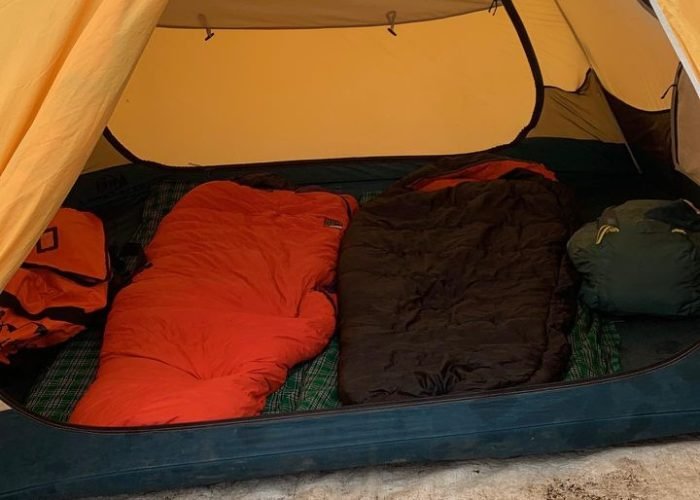
Kilimanjaro Crater Camp
Kilimanjaro Crater Camp lies inside the summit crater at about 5,700 m, close to the glaciers and Uhuru Peak. It is an optional, very high overnight added to some longer itineraries and suits only well-acclimatised climbers. In August the skies are usually clear, but nights here are extremely cold, so preparation is vital. Ask us whether it suits your plan.
View Camp →Combine Your August Climb with a Safari or Beach
August is one of the best months of the year to combine Kilimanjaro with a safari or beach stay. The Great Migration usually reaches the northern Serengeti, where herds cross the Mara River, and the dry season concentrates wildlife around water in Tarangire and the Ngorongoro Crater. Zanzibar is dry, sunny and breezy, ideal for recovery after the summit. You can also add Mount Meru for acclimatisation before your climb. Choose from the options below, and we will link them in one private itinerary. Each option lists its highlights and how many nights to allow.
Northern Serengeti and the Mara River
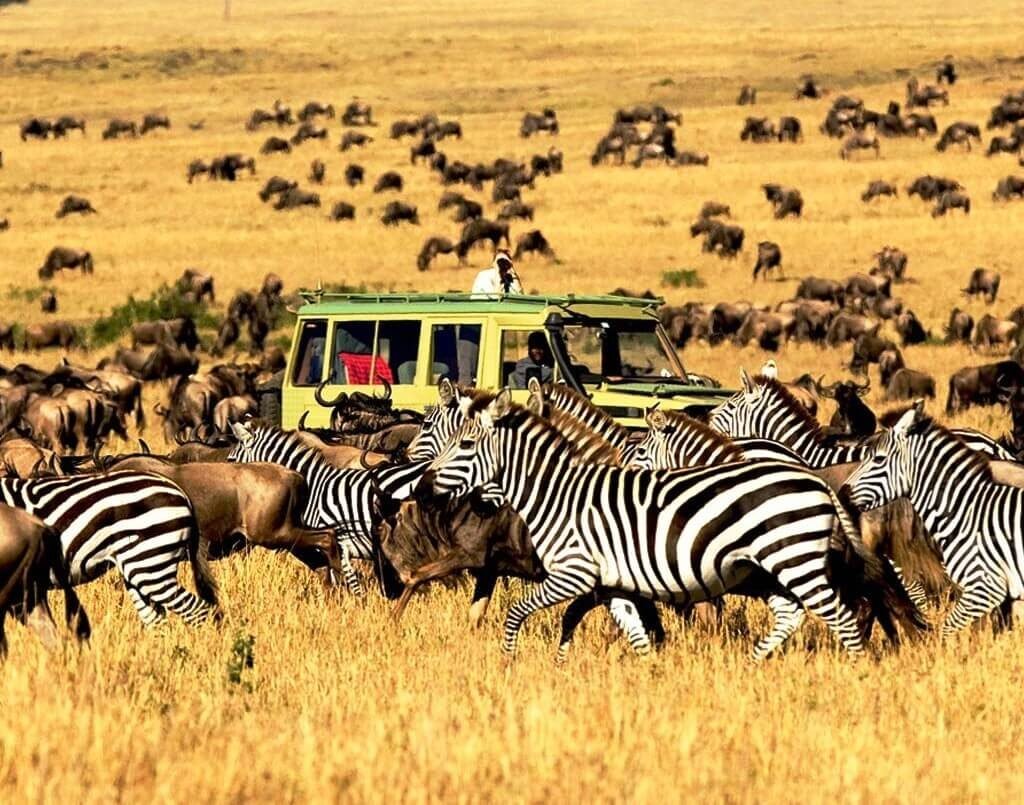
In August the Great Migration usually reaches the northern Serengeti, where wildebeest and zebra gather and cross the Mara River. Crocodiles wait in the water and lions follow the herds. Three or four nights in the north after your climb give you a good chance of seeing a crossing from a private vehicle, though timing is never guaranteed.
Tanzania Safari in August →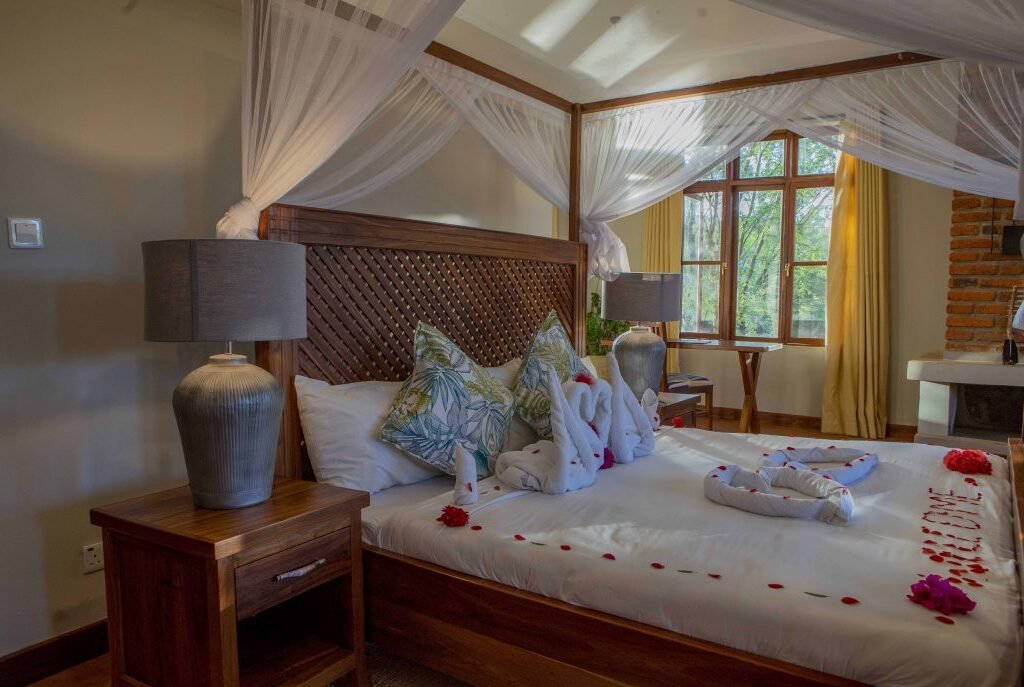
Ngorongoro Crater
The Ngorongoro Crater is dry and golden in August, with buffalo, zebra, wildebeest, lions and hyenas on the crater floor, and one of the best chances of seeing black rhino in Tanzania. A full day here fits neatly between Tarangire and the Serengeti. Nights on the forested rim are cold, so pack warm layers. Arrive early for quieter viewing.
Explore Ngorongoro Crater →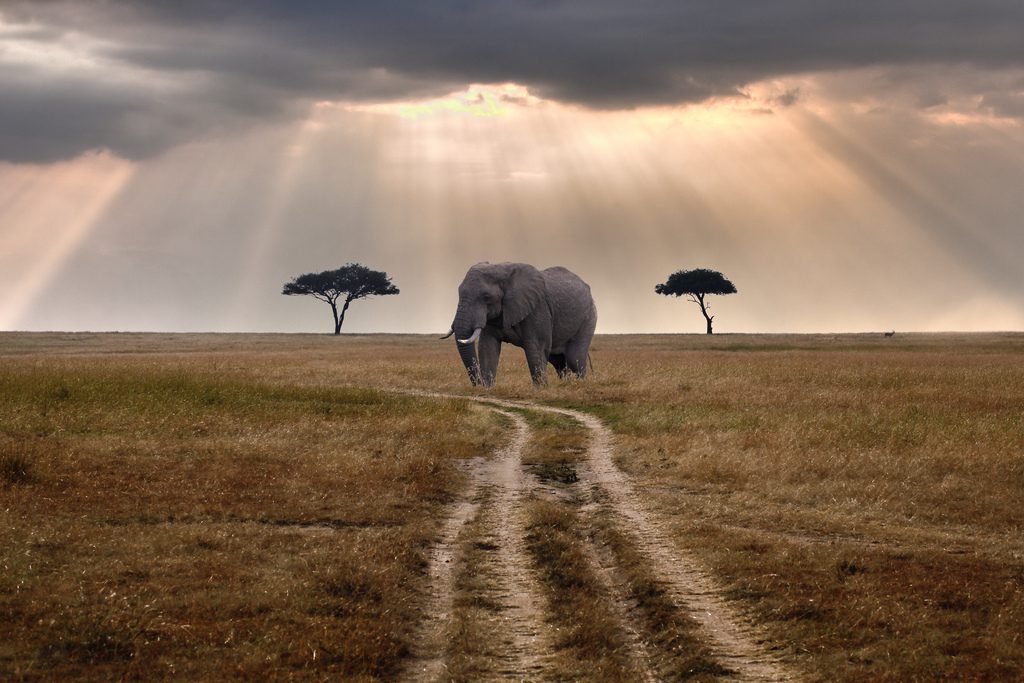
Tarangire National Park
Tarangire is at its best in the dry season, when large herds of elephants gather along the Tarangire River among ancient baobabs. Lions, giraffes and buffalo are easy to find near water in August. Just a few hours’ drive from Arusha, it makes a relaxed first safari stop when your legs need rest after the climb.
Explore Tarangire →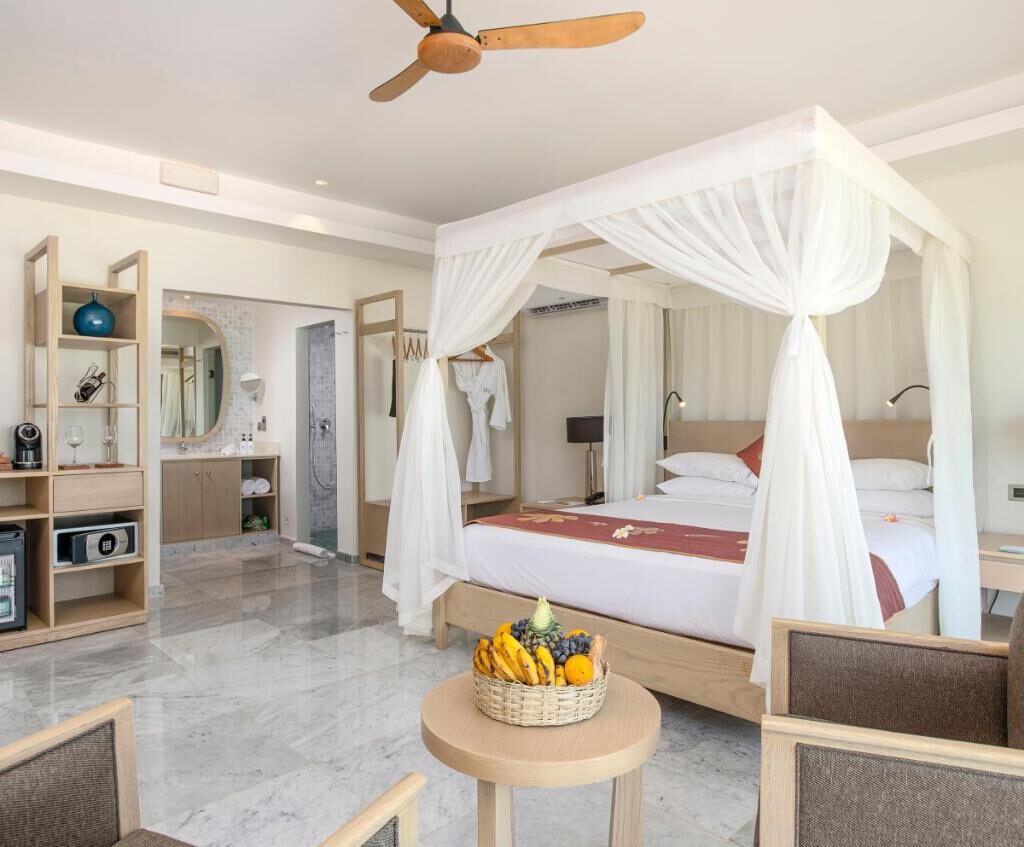
Zanzibar Beach Holiday
Zanzibar is dry, sunny and pleasantly warm in August, with steady sea breezes and comfortable evenings. After summit night, a few days on white-sand beaches are the perfect reward. A short flight from Kilimanjaro or Arusha links the island to your climb, and Stone Town adds history, culture and excellent food. Beach hotels are busy in August, so book early.
Explore Zanzibar Holidays →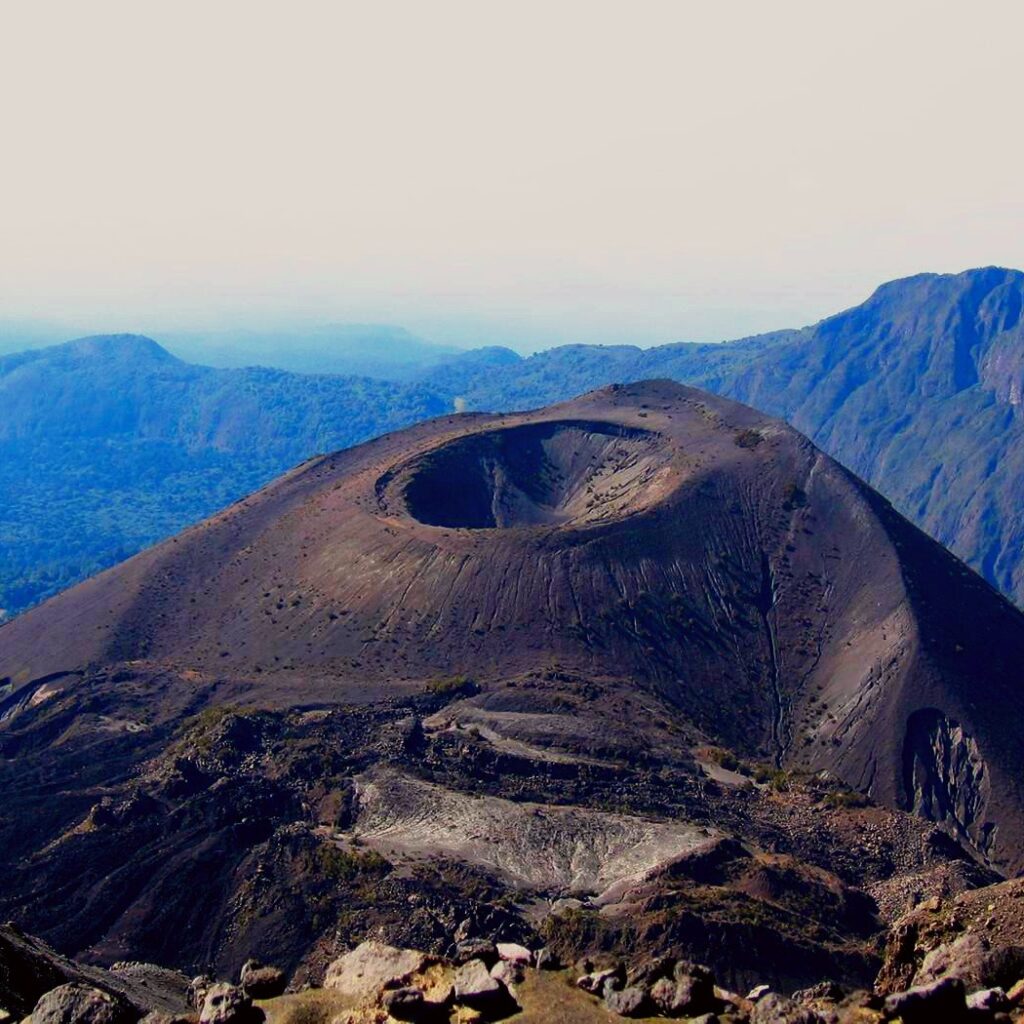
Mount Meru Climb
Mount Meru, Tanzania’s second-highest mountain, is dry and clear in August and far quieter than Kilimanjaro. Climbing it first is excellent acclimatisation, and the trail passes buffalo and giraffe on the lower slopes before a dramatic crater rim with sunrise views of Kilimanjaro. Our 4-Day Mount Meru climb fits neatly before your main climb. Rangers accompany every climb.
Explore Mount Meru Climbing →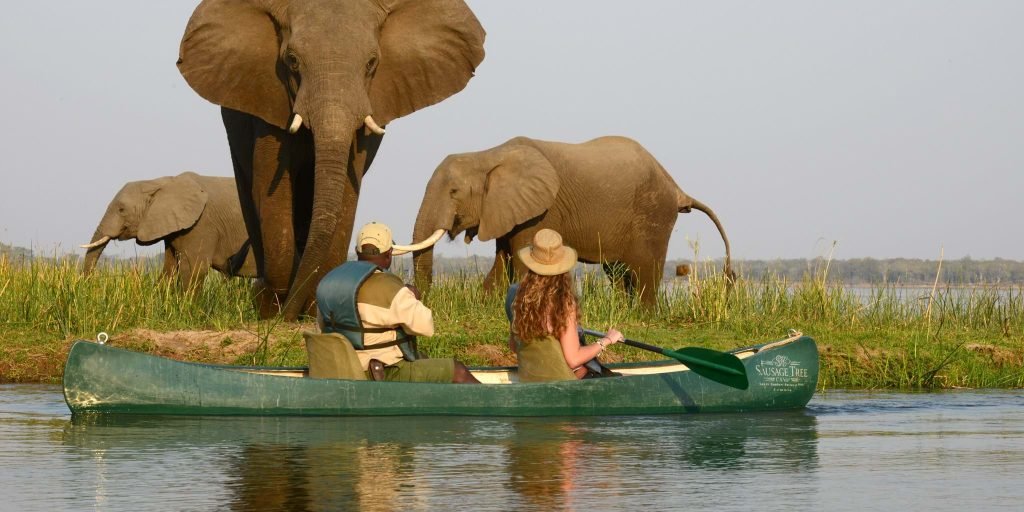
Arusha National Park
Arusha National Park is a short drive from Arusha and makes an easy day before or after your climb. In August it is dry and peaceful, with colobus monkeys, giraffes and buffalo, the Momella Lakes and clear morning views of Kilimanjaro and Meru. A gentle guided walk helps loosen your legs before the mountain. Canoeing may also be possible.
Explore Arusha National Park →Kilimanjaro Climbing Tips for August
A little preparation makes climbing Kilimanjaro in August safer, easier and more enjoyable. Because this is one of the busiest months, the most important steps are booking early and choosing a route or itinerary that avoids the crowded camps. It also helps to train with hill walks, pack seriously for the cold, and consider the timing of your summit night. These tips come from our Moshi-based guides, who lead private climbs throughout the dry season. Use them with the rest of this guide to plan a safe and successful August climb.
Reserve Your Dates Several Months Ahead
August dates are among the first to book out for experienced guides, hotels in Moshi and Arusha, and northern Serengeti camps. Planning several months ahead gives you the widest choice of routes, start days and safari lodges. If your dates are flexible, starting in late August or September makes everything easier to arrange. Flights also fill quickly.
- Plan several months ahead
- Secure safari camps
- Check flight prices
- Stay flexible on dates
Pick a Quieter Route or Extra Day
The simplest way to escape the August crowds is to choose the Northern Circuit, Rongai or Lemosho route, which stay calmer than Machame and Marangu. An extra acclimatisation day also lets you camp away from the busiest sites. Your guides can adjust walking times each morning to avoid the main flow of climbers. Weekday starts can help too.
- Northern Circuit
- Rongai route
- Lemosho start
- Adjust walking times
Pack for Deep Cold and Wind
August nights on Kilimanjaro are seriously cold, so a layering system is vital: thermal base layers, fleece mid-layers, a warm down jacket and a windproof, waterproof shell. Insulated gloves with liners, a warm hat and thick socks make summit night far more comfortable. A warm four-season sleeping bag helps you sleep well. Gear hire is available in Moshi.
- Thermal base layers
- Warm down jacket
- Windproof shell
- Four-season sleeping bag
Choose a Seven-Day or Longer Route
The single best way to improve your summit chances is to spend more days on the mountain. Seven or eight days on Lemosho, Machame or Rongai, or the Northern Circuit, give your body time to adapt to altitude. Shorter itineraries save a little money but leave far less margin if you feel unwell. Your guides set a steady pace.
- 7–8 days on Lemosho
- 7 days on Machame
- Northern Circuit for most time
- Avoid rushing
Train with Long Hill Walks
Kilimanjaro is a trek rather than a technical climb, but fitness makes every day more enjoyable. Start training at least two to three months before your August climb, with long hill walks in your boots carrying a daypack. Back-to-back walking days and stair climbing build the endurance you need for summit night. Consult your doctor before starting.
- Long hill walks
- Wear in your boots
- Carry a daypack
- Back-to-back days
Guard Against Sun and Dry Air
Clear August skies mean intense equatorial sunshine at altitude, even when the air feels cold. Wear a sun hat, sunglasses and high-factor sunscreen, and use lip balm with sun protection. The dry air also dehydrates you quickly, so sip water steadily, walk pole pole, and tell your guide about any symptoms. Your guides check on you every day.
- Sun hat and sunglasses
- High-factor sunscreen
- Drink steadily
- Walk pole pole
Kilimanjaro Packing List for August
Packing for Kilimanjaro in August means preparing for mild forest days, intense sunshine at altitude and some of the coldest summit nights of the year. A layering system is the key: light breathable clothing low down, fleece and soft-shell layers in the middle zones, and a warm down jacket, insulated trousers and thick gloves for the summit. Rain is unlikely, but a waterproof, windproof shell is still essential against the wind. Your porters carry a duffel bag within the park weight limit, while you carry a daypack. Quality gear can be hired in Moshi. Use dry bags for clothing.
- Broken-in waterproof hiking boots
- Warm down jacket
- Windproof, waterproof shell
- Thermal base layers
- Fleece mid-layers
- Insulated gloves and liner gloves
- Warm hat, buff and sun hat
- Head torch and spare batteries
- Warm four-season sleeping bag
- Insulated trousers for summit night
- High-factor sunscreen and sunglasses
- Insulated water bottles
Events and Holidays in August
August is high season on Kilimanjaro, with European and North American summer holidays bringing many climbers to Moshi and the mountain, especially in the first half of the month. Nane Nane on 8 August is a Tanzanian public holiday celebrating farmers, marked with agricultural shows in towns across the country, and some offices and shops close for the day. Full moon summit nights are popular all year, and dates change every year, so ask us when planning. In the northern Serengeti, the Mara River crossings are usually under way. Lunar religious holidays vary. Plan early for August travel.
- Early AugustSummer holiday peakBusy routes, hotels and flights
- 8 AugustNane NanePublic holiday celebrating farmers
- Varies each yearFull moonPopular for a moonlit summit night
- Through AugustMara River crossingsNorthern Serengeti migration season
How to Get to Kilimanjaro in August
The easiest way to reach Kilimanjaro is to fly into Kilimanjaro International Airport, known as JRO, which lies between Moshi and Arusha and has connections through major hubs in Africa, Europe and the Middle East. August is a peak travel month, so book flights early and expect higher fares. Our team meets you on arrival and transfers you to your hotel in Moshi or Arusha. The evening before the climb, your guide gives a detailed briefing and checks your gear. Next morning you drive to your starting gate. We arrange every transfer from your arrival to your departure.
- Fly into Kilimanjaro (JRO)International arrival between Moshi and Arusha
- Private transfer to your hotelMeet-and-greet, then overnight in Moshi or Arusha
- Briefing and gear checkMeet your guide the evening before the climb
- Drive to the starting gateLondorossi, Machame, Rongai, Marangu or Umbwe Gate
Altitude, Health and Safety in August
Altitude sickness is the main health risk on Kilimanjaro in any month, and August is no different. Symptoms such as headache, nausea and poor sleep are common, and the safest approach is a longer route, a slow pace and plenty of water. Speak to your doctor about acetazolamide (Diamox) before you travel. In August, the cold adds a risk of chilling on summit night, so stay dry and layered. Our guides are trained in wilderness first aid, check your oxygen saturation with pulse oximeters, and carry emergency oxygen, first aid kits and portable stretchers. Travel insurance must cover evacuation.
- Walk slowly: pole pole
- Drink plenty of water every day
- Climb high, sleep low
- Ask your doctor about Diamox
- Daily checks with pulse oximeters
- Emergency oxygen carried
- Insurance covering 6,000 m and evacuation
- Warm, dry layers against the cold
How to Plan and Book Climbing Kilimanjaro in August
Planning and booking a private Kilimanjaro climb in August is simple when you follow a clear order. August falls in the long dry season, with cold, clear and dry weather in the peak climbing season. Start by choosing the right route and itinerary length, then your comfort level and budget. Next, send us your dates, confirm your booking and permits, arrange flights, visa and insurance, and finally train and pack for the conditions you will meet on the mountain. Each step below explains what to decide, what we arrange and how to avoid mistakes.
Choose the Best Route for August
Start with the route. In August, we usually recommend Lemosho, the Northern Circuit or Rongai, because they suit the weather and give good acclimatisation. Choose seven or eight days rather than the minimum, as longer itineraries clearly improve your chance of reaching Uhuru Peak safely. Our team will match the route to your fitness and experience.
- Compare routes and scenery
- Choose 7–9 days if possible
- Match the route to the weather
- Ask about quieter camps
Pick Your Comfort Level and Budget
Next, decide how you want to climb. On our price list, budget climbs start at about $1,800 per person, mid-range climbs cost about $2,500 to $3,500, and luxury climbs start from $4,000. Your price depends on the route, number of days and number of climbers in your party, and includes park fees, your guide and mountain crew.
- Budget, mid-range or luxury
- Park fees and crew included
- Private climb for your party
- Plan for crew tips
Check Availability for August and Enquire
Then send us your preferred dates, route, number of climbers and any special needs. On Kilimanjaro, August is usually very busy, so we recommend booking as early as possible to secure your preferred route, dates and crew. Our team then replies with a detailed tailor-made itinerary and a clear, itemised quote that you can adjust before you book.
- Share dates and party size
- Mention fitness and diet
- Receive a tailor-made quote
- Adjust days or comfort level
Confirm Your Booking and Permits
Once you are happy with the itinerary, confirm your booking with a deposit, as set out in your booking confirmation. We then reserve your Kilimanjaro National Park permits, camps or huts, your private guide, cook and porters, plus transfers and hotel nights in Moshi or Arusha before and after your August climb. Everything is then confirmed to you in writing.
- Pay the deposit to confirm
- Park permits reserved
- Guide, cook and porters booked
- Hotel and transfers arranged
Arrange Flights, Visa and Insurance
Book international flights to Kilimanjaro International Airport (JRO), where our driver meets you. Check Tanzania visa and vaccination requirements before travel, and buy travel insurance that covers trekking to 6,000 metres and emergency evacuation. You can also add a safari to see the Mara River crossings in the northern Serengeti. Our team is happy to help with every detail.
- Fly into Kilimanjaro (JRO)
- Check visa and vaccinations
- Insurance for 6,000 metres
- Add a safari or beach stay
Train and Pack for August Conditions
Finally, prepare your body and kit. Build fitness with regular long hikes, ideally carrying a daypack on hills. For August, pack thermal base layers, a warm down jacket and insulated gloves. Our guide holds a full briefing and kit check in your hotel the evening before you start climbing. Remember to bring trekking poles for the steep descents.
- Train with long weekend hikes
- Break in your hiking boots
- Pack for August weather
- Attend the pre-climb briefing
Climbing Kilimanjaro in August: FAQs
Is August a good time to climb Kilimanjaro?
Yes. August is one of the best times to climb Kilimanjaro for weather, with dry trails and clear skies in the heart of the main dry season. It is also one of the busiest and coldest months, so choose a quieter route and plan several months ahead.
What is the Kilimanjaro weather in August?
Kilimanjaro weather in August is dry, clear and cold. The rainforest is about 20–25 °C by day, the high camps are well below freezing at night, and Uhuru Peak is about -10 to -20 °C with wind chill on summit night. Rain is rare.
What is the best route to climb Kilimanjaro in August?
The best routes in August are Lemosho, the Northern Circuit and Rongai. They offer good acclimatisation and quieter trails than Machame and Marangu, which are at their busiest. Machame remains a scenic option on a seven-day itinerary.
Is Kilimanjaro crowded in August?
Yes. With July, August is the busiest month on Kilimanjaro, especially on the Machame and Marangu routes and at camps such as Barranco and Barafu. The Northern Circuit, Rongai and Umbwe routes stay much quieter, and an extra day helps on any route.
How cold is Kilimanjaro summit night in August?
August summit nights are among the coldest of the year. Near Uhuru Peak, temperatures are usually about -10 to -20 °C with wind chill. You start around midnight, so a warm down jacket, insulated trousers, thick gloves and a warm hat are essential.
How much does it cost to climb Kilimanjaro in August?
From our Kilimanjaro price list, a budget climb costs about $1,800 – $2,500 per person, a mid-range climb $2,500 – $3,500, and a luxury climb from $4,000. Price depends mainly on route length and comfort level, not the month, but August dates book out early.
Can I combine an August Kilimanjaro climb with a safari?
Yes. August is ideal for a climb and safari. After your climb, a private safari to the northern Serengeti gives you a good chance of seeing the Mara River crossings, Tarangire is full of elephants, and Zanzibar is dry and breezy for a beach finish.
Design Your Private August Kilimanjaro Climb
Design your private August Kilimanjaro climb with our Moshi-based team. Tell us your dates, fitness and comfort level, and we will plan a quieter route, your own guide and crew, and a safari timed for the Mara River crossings.
Plan My Private ClimbView Kilimanjaro Routes