
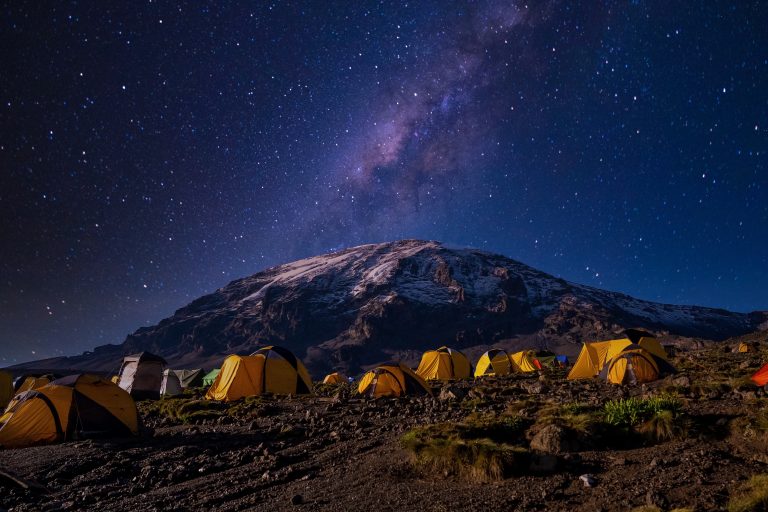
The 6-Day Umbwe route on Kilimanjaro – a detailed day-by-day description Experience the ultimate 6-Day Umbwe Route on …
Umbwe Cave Camp – A Unique Overnight Experience on Mount Kilimanjaro
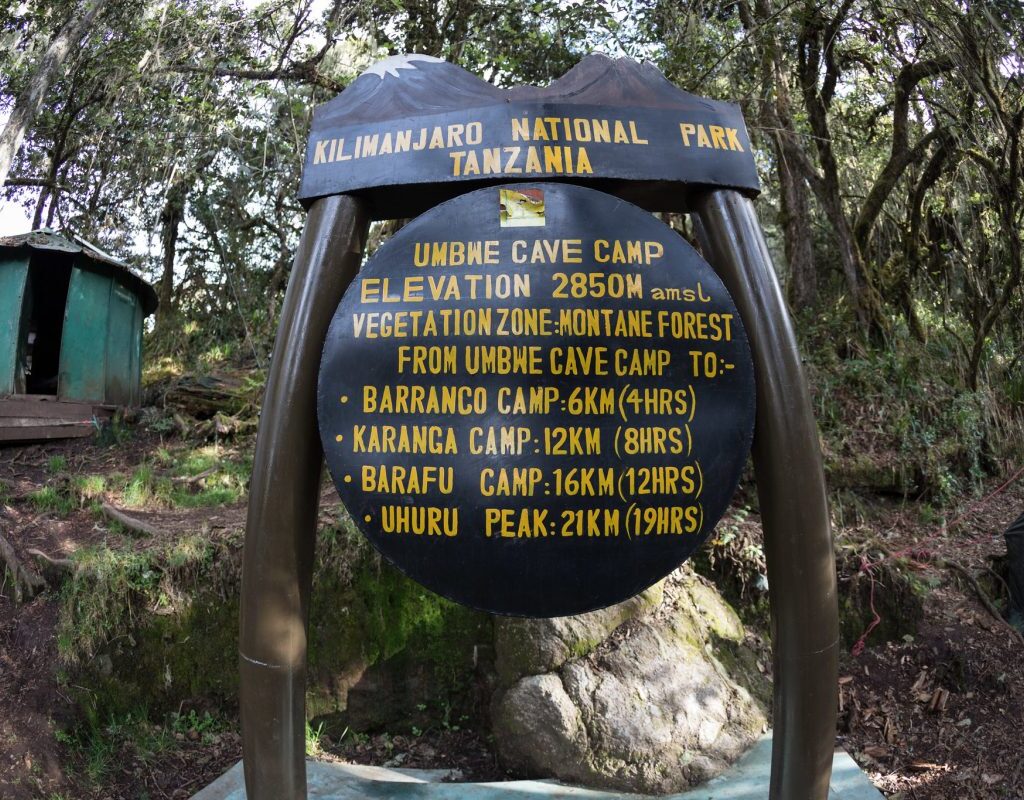
Umbwe Cave Camp on Mount Kilimanjaro is one of the most remote and dramatic overnight stops on the famous Umbwe Route, attracting adventure seekers searching for an authentic Kilimanjaro climbing experience. Located at approximately 2,850–2,930 meters above sea level, this campsite sits deep within the lush rainforest zone, surrounded by towering trees, moss-covered rocks, and rich biodiversity.
As the first camp on the Umbwe Route—widely regarded as the steepest and most challenging trail on Kilimanjaro—Umbwe Cave Camp offers a rugged, uncrowded alternative to popular routes like Machame or Marangu. Trekkers reach the camp after a demanding 5–7 hour hike through dense forest, muddy paths, and sharp ascents, making it ideal for experienced climbers seeking a fast-paced ascent.
Unlike developed camps, Umbwe Cave Camp has minimal facilities, typically limited to basic camping areas and simple pit latrines, enhancing its raw wilderness appeal. Its serene atmosphere, low traffic, and proximity to historic Umbwe Caves create a unique, immersive start to a Kilimanjaro adventure.
Key Details About Umbwe Cave Camp on Mount Kilimanjaro

Location/Elevation
Located in the dense montane forest zone, it sits at approximately 2,850m to 2,944m above sea level. The walk from Umbwe Gate to this camp is a very steep, rigorous, and often muddy hike through dense forest.

Purpose
It is the primary overnight stop for the first night of the 5- or 6-day Umbwe Route. The following day’s trek takes hikers from the forest zone into the heather and moorland zone, ascending toward Barranco Camp.

The Cave
A massive natural volcanic cave sits adjacent to the camping area, serving as a landmark and sheltered area. Umbwe Cave Camp offers a unique, serene, and, for many, the most memorable night’s sleep of the adventure because of its deep forest location.
Atmosphere
It is widely considered one of the least crowded and most secluded campsites on Kilimanjaro, offering a true wilderness experience.
 Bed Type | Mountain Tent
 Area | Kilimanjaro Umbwe Route
 Full Board
Environment
The camp is characterized by dense, wet, and misty jungle conditions surrounded by steep ridges.
Bed Type | Mountain Tent
Area | Kilimanjaro Umbwe Route
Full Board
Facilities
As with most Kilimanjaro sites, camping is done in tents, with tents, sleeping pads, and dining areas set up by the crew
Bed Type | Mountain Tent
Area | Kilimanjaro Umbwe Route
Full Board
Umbwe Route - Umbwe Gate - Umbwe Cave Camp
Our driver picks you up at the hotel and takes you to the Umbwe Gate to complete the registration formalities. The Kilimanjaro climb begins through dense rainforest, where you can hear and spot various animals. As you approach the Umbwe River, the route becomes steeper, offering views of Kibo Peak in the distance and the deep valleys surrounding you. The climb ends after 5-7 hours at Umbwe Cave Camp.
Umbwe Cave Camp Map
The Umbwe Cave Camp map on Mount Kilimanjaro highlights one of the most remote and steep trekking approaches via the Umbwe Route. Located at an elevation of approximately 2,850 m, the camp sits on the southern rainforest slopes between the Umbwe and Lonzo rivers, surrounded by dense vegetation and rugged ridgelines. The map typically shows the trail starting at Umbwe Gate, ascending sharply through forest terrain to the campsite, then continuing toward Barranco Camp. As a key first stop, Umbwe Cave Camp marks a challenging yet scenic entry point, favored by experienced climbers seeking solitude and a direct Kilimanjaro ascent.
How difficult is the Umbwe Route
The Umbwe Route on Mount Kilimanjaro is widely recognized as the most difficult Kilimanjaro route, attracting experienced trekkers seeking a physically demanding adventure. Its reputation comes from its steep, direct ascent profile, which gains altitude rapidly with minimal acclimatization time. Unlike popular routes such as Machame or Lemosho, Umbwe offers a short but intense climb, making altitude sickness a real concern. The trail rises sharply through dense rainforest before transitioning into rugged ridges and alpine terrain. This combination of fast elevation gain and limited recovery time significantly lowers summit success rates compared to other Kilimanjaro routes. For climbers searching for solitude, the Umbwe Route provides fewer crowds but demands excellent fitness, mental resilience, and prior high-altitude trekking experience.
What is the distance of the Umbwe Route, and how many days does it take
The Umbwe Route covers approximately 53 kilometers (32–33 miles) from start to summit and descent, making it the shortest route up Mount Kilimanjaro. Despite its shorter distance, it is not easier—in fact, it is far more strenuous due to its steep gradients. Trekkers typically complete the route in 5 to 7 days, though most reputable operators recommend 6 or 7 days for better acclimatization and higher summit success rates. A 5-day itinerary is considered too rushed and increases the risk of altitude sickness. The journey begins on the southern slopes of Kilimanjaro, merging with the Southern Circuit near Barranco Camp before summiting via Barafu and descending through the Mweka Route. This structure defines the Umbwe Route map and overall trekking flow.
Umbwe Gate to Umbwe Camp
The first trekking day on the Umbwe Route begins at Umbwe Gate (about 1,600 meters) and ascends to Umbwe Cave Camp (around 2,850–2,900 meters). This stage covers roughly 10–11 kilometers and takes 5–7 hours of hiking through dense rainforest. The trail initially follows a forest track before quickly becoming steep and narrow, climbing along a ridge between the Umbwe and Lonzo rivers. The terrain is often muddy and humid, with towering trees and thick vegetation creating a dramatic jungle atmosphere. This section of the Umbwe Route map is crucial for setting the pace of the climb. It is physically demanding right from the start, with minimal warm-up, making it a true test of endurance. By evening, climbers reach Umbwe Cave Camp surrounded by lush forest.
Umbwe Cave Camp Activities, Facilities, Dining, and Rooms
Umbwe Cave Camp offers a classic Kilimanjaro camping experience rather than luxury amenities. Accommodation consists of high-quality trekking tents pitched among dense vegetation, providing a remote wilderness atmosphere. Facilities are basic, including portable toilets, shared dining tents, and cooking areas managed by experienced mountain crews. Meals are freshly prepared and typically include high-energy foods such as soups, vegetables, rice, pasta, and protein-rich dishes to support acclimatization and stamina. Activities at Umbwe Cave Camp focus on rest, acclimatization, and short nature walks, allowing climbers to recover after the demanding first day. The camp is also known for its nearby caves, which give the site its name and add a unique geological interest. Overall, it is a rugged yet authentic base in the Kilimanjaro trekking journey.
Wildlife around Umbwe Cave Camp
The rainforest surrounding Umbwe Cave Camp is rich in biodiversity, making it one of the most ecologically vibrant zones on Mount Kilimanjaro. Trekkers may encounter a variety of wildlife, especially during the lower elevation stages of the Umbwe Route. Common sightings include colobus monkeys, blue monkeys, and small forest mammals, along with a wide range of bird species such as turacos and hornbills. The dense vegetation also supports insects, butterflies, and unique plant life. Although large animals are rare due to human activity, the area still retains a sense of untouched wilderness. The Umbwe Route map highlights this rainforest zone as one of the most immersive natural environments on the mountain. As climbers ascend higher, wildlife becomes less visible, giving way to alpine and barren landscapes.
Umbwe Cave Camp Weather, Climate, and Vegetation
Umbwe Cave Camp photos often showcase the dense rainforest scenery, towering trees, and mist-covered trails that define the early stages of the Umbwe Route. The visual appeal lies in its raw, untouched wilderness rather than dramatic summit views. Images typically capture trekkers navigating narrow forest paths, campsites nestled among giant trees, and the mysterious caves that give the camp its name. The play of light through the forest canopy and the presence of moss-covered trunks create a magical atmosphere ideal for photography. For travel inspiration, Umbwe Cave Camp photos highlight the authentic Kilimanjaro trekking experience, emphasizing adventure, solitude, and natural beauty. These visuals are essential for showcasing the uniqueness of the Umbwe Route compared to more crowded Kilimanjaro climbing routes.
Umbwe Cave Camp Photos
Perched high on the western slopes of Mount Kilimanjaro, Shira Camp offers a breathtaking gateway to Africa’s highest peak. This iconic stop along the popular Machame Route and Lemosho Route delivers panoramic views, dramatic volcanic landscapes, and unmatched acclimatization benefits. Ideal for luxury, budget, and guided Kilimanjaro trekking tours, Shira Camp blends adventure with comfort. Travelers experience unforgettable sunsets, stargazing, and immersive high-altitude camping. Perfect for honeymoon safaris, solo climbers, and group expeditions, this scenic plateau enhances every Kilimanjaro climbing itinerary with authentic wilderness and world-class trekking experiences.
What is Umbwe Cave Camp on Mount Kilimanjaro
Umbwe Cave Camp is the first overnight stop on the Umbwe Route on Mount Kilimanjaro, located at approximately 2,850–2,900 meters above sea level. It sits deep within the lush rainforest zone, offering trekkers a raw and immersive wilderness experience. The camp is named after nearby natural caves, which were historically used as shelters by early climbers and porters. Today, it serves as a key acclimatization and resting point for those tackling one of the steepest and most challenging Kilimanjaro routes. Surrounded by dense vegetation, towering trees, and misty air, Umbwe Cave Camp introduces climbers to the unique ecological diversity of the mountain. It is an essential stop that marks the transition from cultivated land to untouched forest terrain.
Where is Umbwe Cave Camp Located
Umbwe Cave Camp is located on the southern slopes of Mount Kilimanjaro, along the remote and less-traveled Umbwe Route. The trek to the camp begins at Umbwe Gate, passing through thick rainforest before reaching the campsite at an altitude of about 2,850 meters. On the Umbwe Route map, the camp sits between Umbwe Gate and Barranco Camp, forming the first major overnight stop. Its position within the rainforest zone makes it one of the most scenic and ecologically rich areas on Kilimanjaro. Unlike busier routes, this section offers solitude and a more intimate trekking experience. The location is ideal for observing dense vegetation, hearing forest wildlife, and experiencing the mountain’s lower ecosystem before ascending into higher, more rugged terrain.
Do You Sleep in Caves at Umbwe Cave Camp
Despite its name, trekkers do not sleep inside caves at Umbwe Cave Camp. Instead, climbers stay in modern, weather-resistant trekking tents set up by professional mountain crews. The caves near the campsite are natural formations that gave the camp its name, but they are not used for accommodation due to safety, hygiene, and conservation reasons. Tents are pitched on designated camping grounds, providing a safe and organized environment for climbers. These camps typically include a dining tent, cooking area, and basic toilet facilities, ensuring a functional yet simple setup. The idea of sleeping in caves adds a sense of adventure to the experience, but in reality, the camp follows standard Kilimanjaro trekking practices focused on safety and comfort during the climb.
Is Umbwe Cave Camp Safe for Trekkers
Yes, Umbwe Cave Camp is generally safe for trekkers when climbing with a licensed Kilimanjaro tour operator. Safety on the Umbwe Route depends largely on proper planning, experienced guides, and adherence to trekking protocols. The camp itself is well-established, with designated areas for tents and support staff. However, the route leading to it is steep and physically demanding, requiring careful pacing to avoid exhaustion and altitude-related issues. Professional guides monitor climbers’ health, provide support, and ensure safe navigation through the forest terrain. Wildlife in the area is typically harmless, and encounters are rare. Overall, with the right preparation, equipment, and guidance, Umbwe Cave Camp offers a secure environment for adventurers tackling one of Kilimanjaro’s most challenging routes.
What Facilities Are Available at Umbwe Cave Camp
Umbwe Cave Camp offers basic but essential camping facilities, typical of Kilimanjaro trekking routes. There are no permanent structures or luxury amenities, as the camp is designed for wilderness trekking. Facilities include portable toilets, dining tents, and designated cooking areas managed by trekking crews. Climbers sleep in high-quality tents, usually shared between two people, with sleeping mats provided. Meals are freshly prepared and served in a communal dining tent, creating a social atmosphere among climbers. Water is treated and supplied by the crew, ensuring safety for drinking and cooking. While simple, these facilities are sufficient to support trekkers during their first night on the mountain. The focus is on functionality, safety, and maintaining the natural environment rather than comfort or luxury.
When is the Best Time to Visit Umbwe Cave Camp
The best time to visit Umbwe Cave Camp is during the dry seasons on Mount Kilimanjaro, which occur from January to March and June to October. During these months, the weather is generally more stable, with less rainfall and clearer trails, making the steep Umbwe Route safer and more enjoyable. The rainforest section, where the camp is located, can be extremely muddy and slippery during the rainy seasons (April–May and November), increasing the difficulty of the climb. Clearer conditions also enhance visibility and overall trekking experience. Choosing the right season is crucial, especially on the Umbwe Route, as its challenging nature is amplified by poor weather. For the best experience, most climbers plan their trek during peak dry months.
How Cold Does It Get at Umbwe Cave Camp
Temperatures at Umbwe Cave Camp on Mount Kilimanjaro are generally mild compared to higher elevations, but conditions can still feel chilly due to humidity and mist. Nighttime temperatures typically range between 5°C and 10°C (41°F to 50°F), while daytime temperatures can reach 15°C to 20°C (59°F to 68°F). The rainforest environment traps moisture, making the air feel cooler than the actual temperature. Rain is common, especially during wet seasons, so damp clothing can intensify the cold. Trekkers are advised to pack layered clothing, a warm sleeping bag, and waterproof gear. While it is not freezing at this altitude, proper preparation ensures comfort and a good night’s rest before continuing the challenging ascent on the Umbwe Route.
Is Umbwe Cave Camp Suitable for Beginners
Umbwe Cave Camp itself is not inherently dangerous, but reaching it via the Umbwe Route on Mount Kilimanjaro can be extremely demanding for beginners. The route is known for its steep, rapid ascent and limited acclimatization time, making it less suitable for first-time high-altitude trekkers. Beginners without prior hiking or altitude experience may struggle with the physical intensity and increased risk of altitude sickness. However, those who are fit, well-prepared, and guided by experienced professionals can still attempt it. Most first-time climbers are encouraged to choose gentler routes like Machame or Lemosho. In summary, Umbwe Cave Camp is better suited for experienced trekkers seeking a challenge, rather than beginners looking for a gradual and more forgiving Kilimanjaro climb.
Do You Need a Guide to Reach Umbwe Cave Camp
Yes, all climbers heading to Umbwe Cave Camp on Mount Kilimanjaro are required by Tanzanian regulations to be accompanied by a licensed guide and registered tour operator. Independent trekking is not allowed on Kilimanjaro for safety and conservation reasons. Guides play a crucial role in navigating the steep and less-traveled Umbwe Route, monitoring health conditions, and ensuring proper acclimatization practices. They also coordinate porters, prepare meals, and manage campsite logistics. This support system significantly enhances safety, especially on a challenging route like Umbwe. Hiring a reputable operator not only ensures compliance with park rules but also improves the overall trekking experience. For most climbers, having a knowledgeable guide is essential for both success and safety on the mountain.
How Does Umbwe Cave Camp Compare to Other Kilimanjaro Camps
Umbwe Cave Camp stands out among Kilimanjaro camps due to its remote location, dense rainforest setting, and challenging access route. Compared to camps on popular routes like Machame or Marangu, it is less crowded and more rugged, offering a quieter, more adventurous experience. While other camps may have slightly more established paths or gradual ascents, Umbwe Cave Camp is reached via one of the steepest trails on Mount Kilimanjaro. Facilities are similar across most camps—basic tents, dining areas, and portable toilets—but the overall atmosphere here feels more secluded and wild. It is ideal for trekkers seeking solitude and a deeper connection with nature. However, its difficulty level makes it less accessible to casual or first-time climbers compared to other Kilimanjaro camps.
Can You See Scenic Views from Umbwe Cave Camp
Umbwe Cave Camp is located within a dense rainforest zone on Mount Kilimanjaro, so wide panoramic views are limited compared to higher camps. However, the scenery here is unique and equally captivating. Trekkers can enjoy lush green landscapes, towering trees, moss-covered trunks, and mist-filled forest paths. The atmosphere is often described as mystical, especially in the early morning or after rainfall when fog drifts through the canopy. While you may not see expansive mountain vistas at this stage, the biodiversity and natural beauty of the forest provide a different kind of visual reward. As you ascend further along the Umbwe Route, the landscape opens up, offering more dramatic views of Kilimanjaro’s peaks and surrounding valleys.
What Should You Pack for Umbwe Cave Camp
Packing for Umbwe Cave Camp on Mount Kilimanjaro requires preparation for wet, humid, and moderately cool conditions. Essential items include waterproof hiking boots, a rain jacket, moisture-wicking clothing, and warm layers for the evening. A good-quality sleeping bag rated for cold temperatures is important for comfort at night. Trekking poles are highly recommended due to the steep and sometimes slippery trails leading to the camp. Other essentials include a headlamp, reusable water bottles, personal medications, and snacks for energy. Since the rainforest zone experiences frequent rain, keeping gear dry with waterproof bags is crucial. Proper packing ensures you stay comfortable, safe, and ready for the physically demanding journey ahead on the Umbwe Route.
Is There Water Available at Umbwe Cave Camp
Yes, water is available at Umbwe Cave Camp on Mount Kilimanjaro, but it is collected and treated by your trekking crew rather than sourced directly by climbers. Porters fetch water from nearby streams within the rainforest zone and purify it through boiling, filtration, or chemical treatment to make it safe for drinking. Trekkers are advised not to drink untreated water due to the risk of contamination. Staying hydrated is essential for acclimatization, especially on the steep Umbwe Route. Most operators provide enough water for drinking, cooking, and basic washing. It is recommended to carry reusable water bottles or hydration packs, along with electrolyte supplements, to maintain energy levels and prevent dehydration during your Kilimanjaro climb.
Are There Bathrooms at Umbwe Cave Camp
Umbwe Cave Camp provides basic bathroom facilities, but they are far from luxury. Most climbers use portable toilets set up by their tour operators, which are cleaner and more hygienic than public options. In some cases, there may be simple pit latrines maintained by park authorities, but their condition can vary. Privacy tents are often included with higher-quality trekking packages, offering added comfort. On Mount Kilimanjaro, sanitation is taken seriously, and guides ensure that waste is managed responsibly to protect the environment. Trekkers should carry hand sanitizer, wet wipes, and personal hygiene supplies. While facilities are basic, they are sufficient for a short overnight stay, and most climbers find them manageable with the right expectations and preparation.
How Busy is Umbwe Cave Camp
Umbwe Cave Camp is one of the least crowded camps on Mount Kilimanjaro, thanks to the challenging nature of the Umbwe Route. Unlike popular routes such as Machame or Marangu, Umbwe attracts fewer climbers due to its steep ascent and demanding profile. This results in a quiet, peaceful camping experience, ideal for trekkers seeking solitude and a deeper connection with nature. Even during peak trekking seasons, the camp rarely feels overcrowded. The limited number of groups also enhances the sense of wilderness and exclusivity. For many adventurers, this low traffic is one of the biggest advantages of choosing the Umbwe Route, allowing for a more personal and immersive Kilimanjaro trekking experience away from busy trails.
What Time Do Trekkers Arrive at Umbwe Cave Camp
Most trekkers arrive at Umbwe Cave Camp in the late afternoon, typically between 3:00 PM and 5:00 PM, depending on their pace and weather conditions. The hike from Umbwe Gate usually takes 5 to 7 hours, with breaks for rest, hydration, and lunch along the way. On Mount Kilimanjaro, guides set a steady pace to help climbers conserve energy and adjust to the altitude. Upon arrival, porters will have already set up tents and prepared hot drinks or snacks. Evenings are spent relaxing, eating dinner, and receiving a briefing for the next day’s trek. Early arrival is beneficial, as it allows time to rest and acclimatize before nightfall in the cool, misty rainforest environment.
Is There Network or Internet at Umbwe Cave Camp
Network coverage at Umbwe Cave Camp on Mount Kilimanjaro is very limited or nonexistent, as the camp is located deep within a remote rainforest area. Most mobile networks do not provide reliable signal at this altitude and location. Trekkers should expect to be completely offline, which is part of the authentic wilderness experience on Kilimanjaro. Some higher elevations may occasionally receive weak signals, but connectivity is not guaranteed. It is best to inform family and friends in advance that communication will be unavailable during the trek. Many climbers find this digital disconnection refreshing, allowing them to fully immerse themselves in nature, focus on the climb, and enjoy the unique environment of the Umbwe Route without distractions.
Can You Charge Devices at Umbwe Cave Camp
There are no charging facilities at Umbwe Cave Camp on Mount Kilimanjaro, as it is a remote campsite without electricity. Trekkers should come prepared with fully charged devices and extra power sources, such as power banks or solar chargers. Since temperatures can drop at night, it is advisable to keep batteries warm inside your sleeping bag to preserve their charge. Most climbers use their devices sparingly to conserve battery life for the duration of the trek. Cameras, phones, and GPS devices are commonly used, but managing power is essential. Planning ahead ensures you can capture photos, track your journey, and stay prepared without relying on external power sources during your Kilimanjaro adventure.
Umbwe Route 7-Day | Challenging Kilimanjaro Climb Experience, discover, and book the ultimate 7-Day Umbwe Route on Mount …