
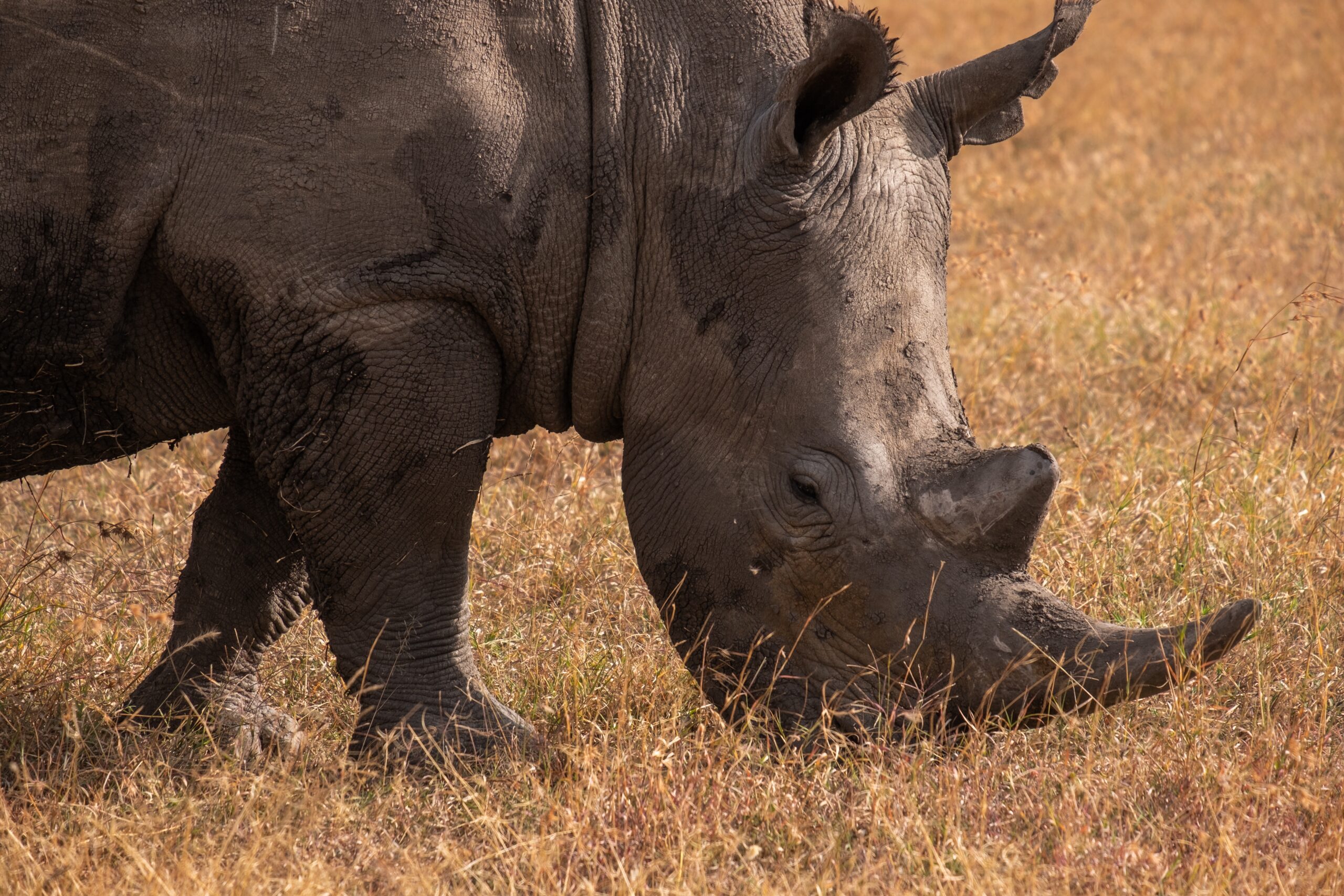
Ngorongoro Crater Photos
Ngorongoro Crater Photos & Photography Guide
Ngorongoro Crater photos capture one of Africa's most dramatic safari settings, where steep forested walls frame open grassland, a shallow soda lake and remarkable resident wildlife. Photographers come for black rhinos, lions and elephant bulls, flamingos on Lake Magadi and sweeping panoramas from the crater rim at sunrise. Soft morning light, rising mist and changing weather create endless creative opportunities in a single day. This guide shares what to photograph, when the light is best, simple camera settings and ethical habits. Foot Slopes Tours and Safaris plans private tailor-made photography safaris with patient guides and flexible stops for every shot.
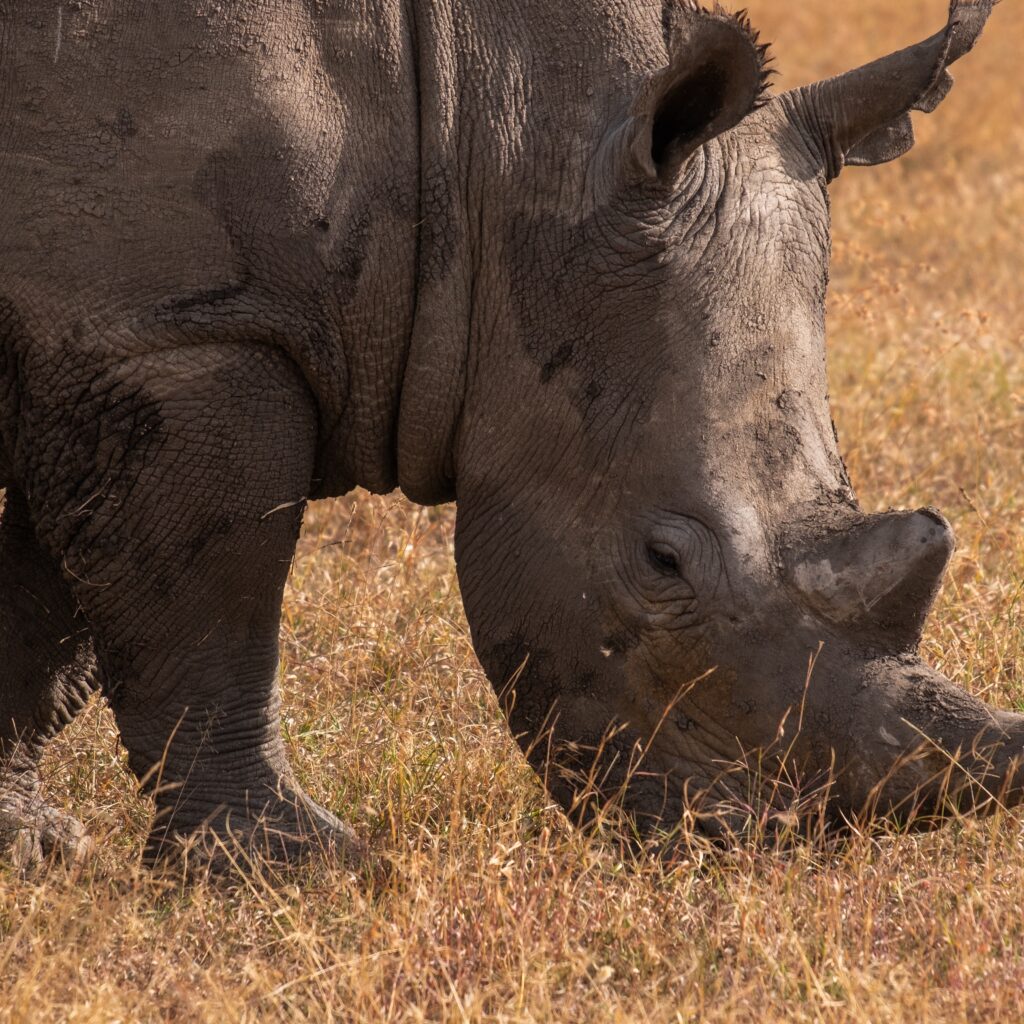
What to Photograph in the Crater
The crater offers an extraordinary variety of photographic subjects within a compact area, from intimate wildlife portraits to vast landscapes. Planning your priorities helps your guide position the vehicle and choose the best route for the light. Select a subject below to discover where to find it, which lens works well and how to create stronger, more personal images. Whether you shoot with a professional camera or a smartphone, these ideas will help you return home with a varied and meaningful collection. Your private vehicle allows time to wait patiently for the perfect moment without any need for hurrying.
Wildlife Portraits
HighlightRhinos, lions and bulls
The crater is famous for black rhinos, resting lions and old elephant bulls, often seen in open country. A long lens helps with distant rhinos, while lions near the tracks suit tighter portraits. Shoot at eye level from the vehicle when possible, focus on the eyes and wait patiently for natural behaviour or interaction between animals.
Crater Wildlife →Crater Landscapes
HighlightScale and drama
Frame wildlife small against the towering crater walls to show the remarkable scale of the caldera. A wide or standard lens works well for herds on open grassland, storm clouds and shafts of light. Include foreground interest, such as grass, water or a winding track, to lead the viewer's eye naturally into your landscape image.
Ngorongoro Map →Flamingos & Lake
HighlightPink flocks and reflections
When flamingos gather on Lake Magadi, they create wonderful patterns of pink against blue water and distant walls. Numbers vary with water levels, so ask your guide about current conditions. Try abstract compositions, reflections and wider frames that include the crater rim for a strong sense of place and atmosphere. Morning light often works especially well here.
Ngorongoro Birds →Birds in Action
HighlightColour and movement
Crowned cranes, kori bustards, raptors and colourful sunbirds reward patient photographers. Use fast shutter speeds for birds in flight and continuous autofocus to track movement. Early mornings bring more activity and softer light. Waterbirds at the springs and swamps make relaxed subjects, perfect for practising your technique between larger wildlife sightings. Patience is always rewarded with birds.
Ngorongoro Birds →Rim Viewpoints
HighlightPanoramas from above
The crater rim offers sweeping panoramas, especially at sunrise when mist fills the caldera and light spills over the walls. Ask your guide to pause at viewpoints before or after your descent. A wide lens or panorama mode captures the full scene, while a telephoto lens isolates distant layers and textures. Pack a warm jacket for early rim mornings.
Weather & Climate →People & Culture
HighlightRespectful portraits
Maasai communities live within the wider conservation area, and their culture adds depth to any safari story. Always ask permission before photographing people, respect any refusal and follow your guide's advice about local customs. Cultural visits offer more relaxed opportunities, where conversation and understanding come before taking any photographs at all. Many travellers find these encounters the most memorable.
Ngorongoro Facts →Reading the Light Through the Day
Light changes dramatically in the crater, and understanding its rhythm is the real secret to beautiful safari images. Early mornings bring soft light and mist rising from the floor, while the afternoon can produce harsh contrast and heat haze over distant subjects. Late in the day, warm light returns to the rim and its viewpoints. Select a time of day below to see what the light usually offers and which subjects suit it best. Your guide plans departure times around these patterns, so you reach the right places when conditions are most rewarding for photography on your private trip.
Camera Settings Cheat Sheet
Good camera settings make a big difference when animals move quickly or the light changes suddenly. The table below suggests practical starting points for common crater subjects, from sleeping lions to birds in flight and wide landscapes. These are general guidelines rather than strict rules, because every camera and situation is different. Adjust them to suit your equipment, and check your screen regularly to confirm exposure and sharpness. Smartphone photographers can use the same ideas by tapping to focus, steadying the phone on a beanbag and avoiding heavy digital zoom whenever possible. Practise these settings at home first.
| Subject | Shutter speed | Aperture | Tip |
|---|---|---|---|
| Wildlife portrait | 1/1000 s or faster | f/5.6 – f/8 | Focus on the eyes |
| Birds in flight | 1/2000 s or faster | f/5.6 – f/8 | Continuous autofocus |
| Resting animals | 1/500 s | f/4 – f/5.6 | Soft background |
| Landscapes | 1/250 s | f/8 – f/11 | Level the horizon |
| Low light | 1/250 s | Widest aperture | Raise ISO, use a beanbag |
General starting points – adjust for your camera and conditions.
Photography Gear Checklist
The right equipment helps you make the most of every opportunity without carrying unnecessary weight. Light aircraft and safari vehicles favour compact, well-organised camera bags, and dust protection is important on dry crater roads. Use the interactive checklist below to prepare your kit, ticking off each item as you pack it. You do not need every item to take wonderful photographs, so choose what suits your style and experience. Your guide can recommend the best seat positions and stops in the vehicle, and there is usually space to keep camera gear within easy reach throughout each game drive.
Ethical Photography Golden Rules
Responsible photography protects wildlife, respects local communities and keeps the crater special for future visitors. The best photographers combine patience with care, never disturbing animals or people simply to improve an image. Tap each card below to reveal a simple golden rule that our guides follow on every private safari. These habits also lead to better photographs, because relaxed animals behave naturally and people appreciate being asked. Share your photography goals when you request a quote, and we will plan time, routes and stops that balance great images with respect for wildlife and the conservation area for the future.
Scroll down to browse our Ngorongoro Crater photo gallery.
Ngorongoro Crater Photo Gallery
Tap any photo to view it larger.
Ngorongoro Crater Safari Packages with Transfers Included
Hand-picked Northern Circuit itineraries featuring the Ngorongoro Crater, tailored privately by Foot Slopes Tours and Safaris.
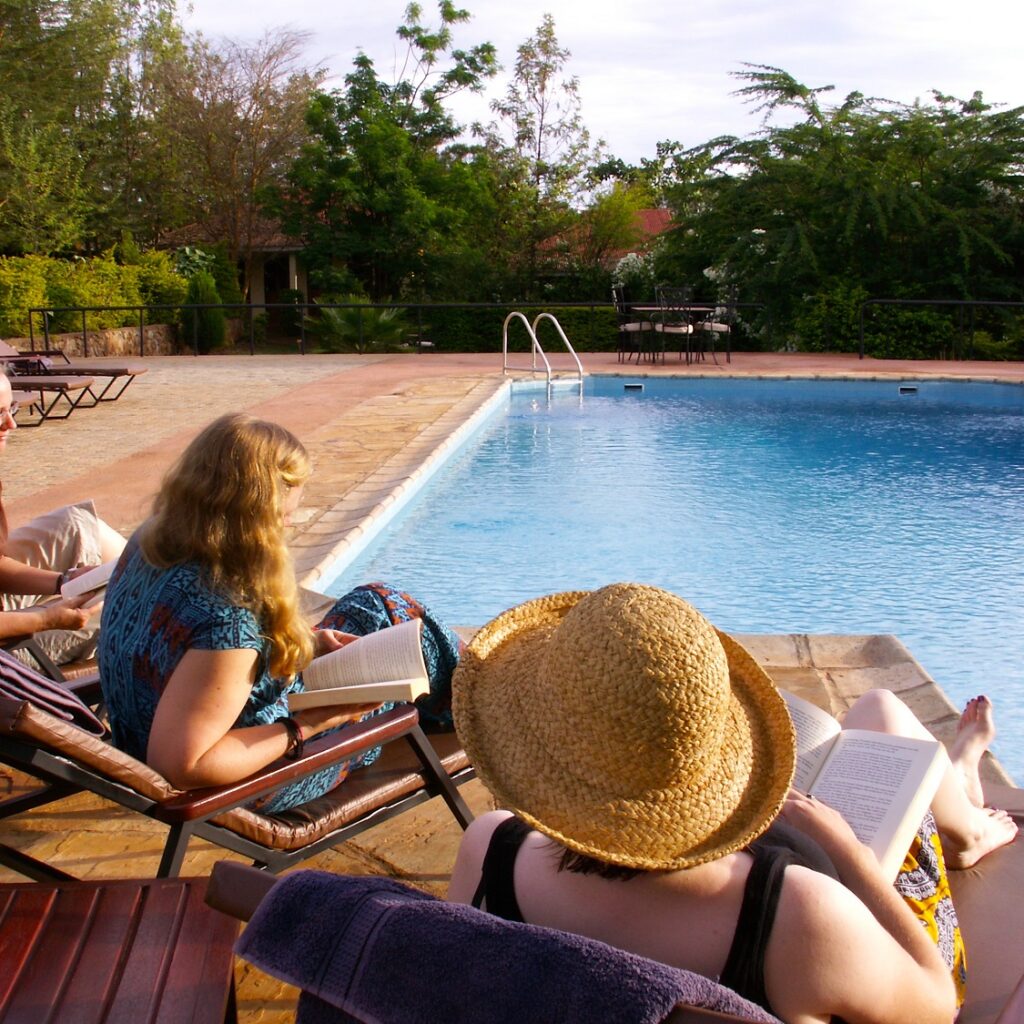
6-Day Serengeti and Ngorongoro Family Safaris
A six-day Serengeti and Ngorongoro combination built for multi-generation travelers.
View Package →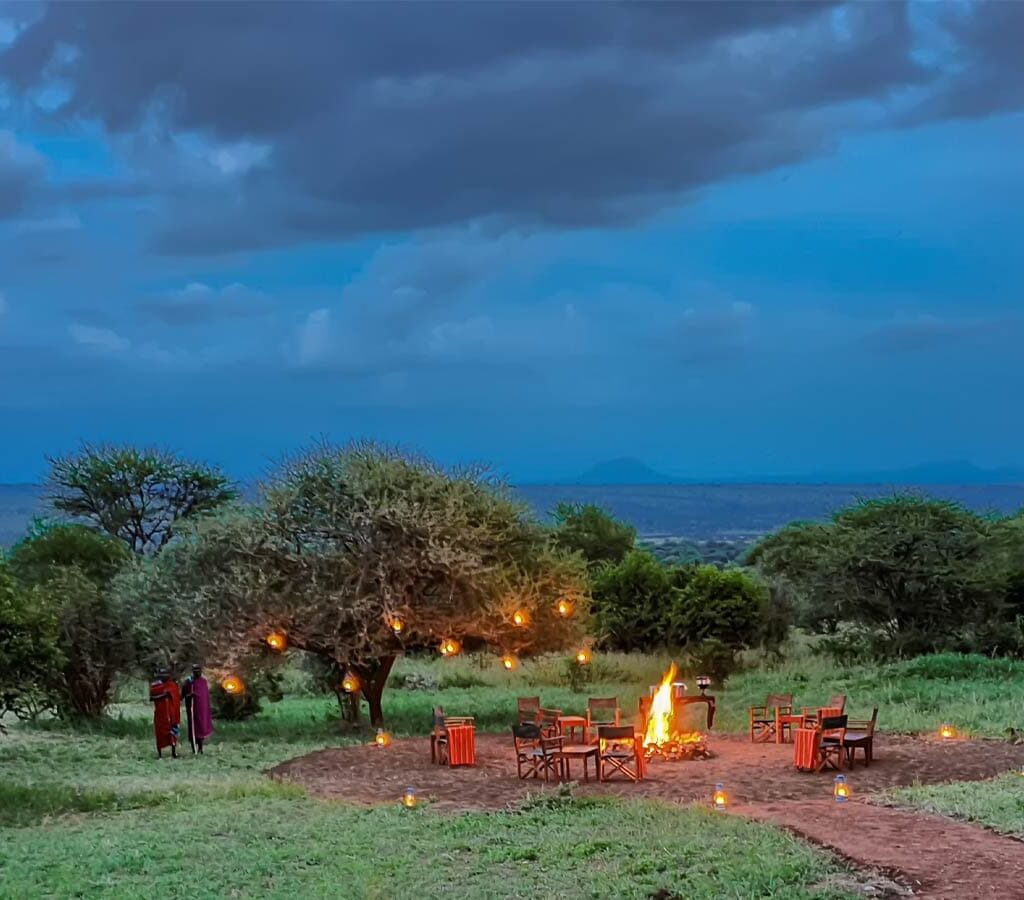
8-Day Northern Tanzania Safaris
An eight-day tour across Tanzania's top northern circuit parks.
View Package →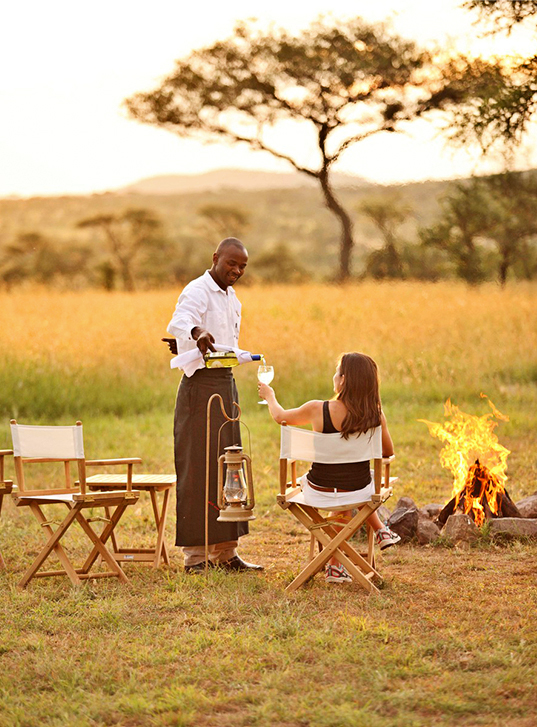
9-Day Private Northern Tanzania Safari
A nine-day fully private safari through Tanzania's northern circuit highlights.
View Package →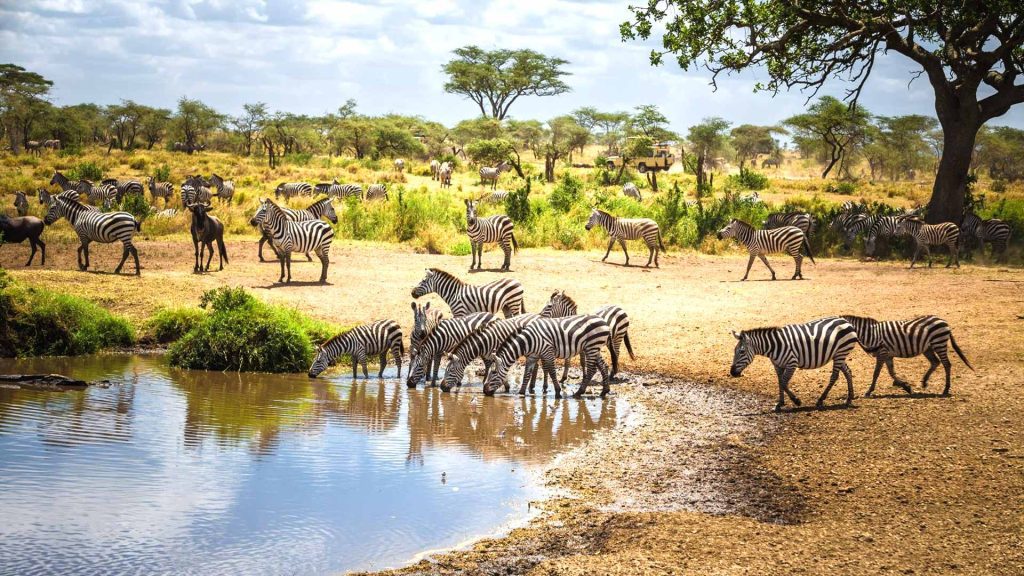
10-Day Amazing Northern Tanzania Safari
A ten-day journey across Tanzania's most celebrated northern parks.
View Package →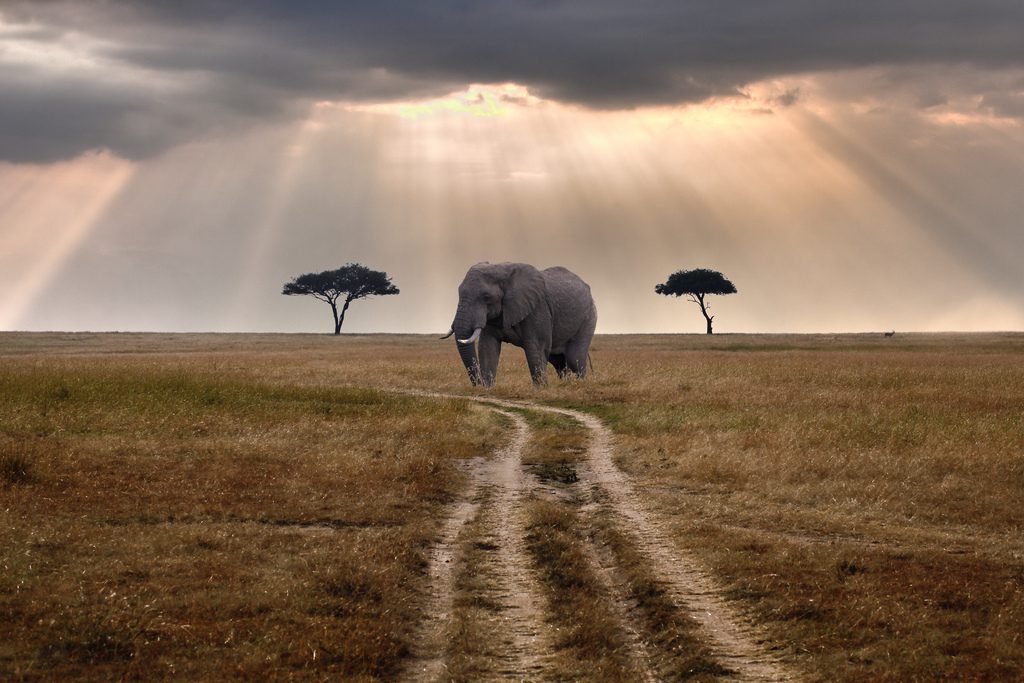
10-Day Best of Northern Tanzania Safari
Ten days combining the very best of the northern safari circuit.
View Package →
10-Day Ultra-Luxury Tanzania Lodge Safari
Ten days of ultra-luxury lodges across Tanzania's premier parks.
View Package →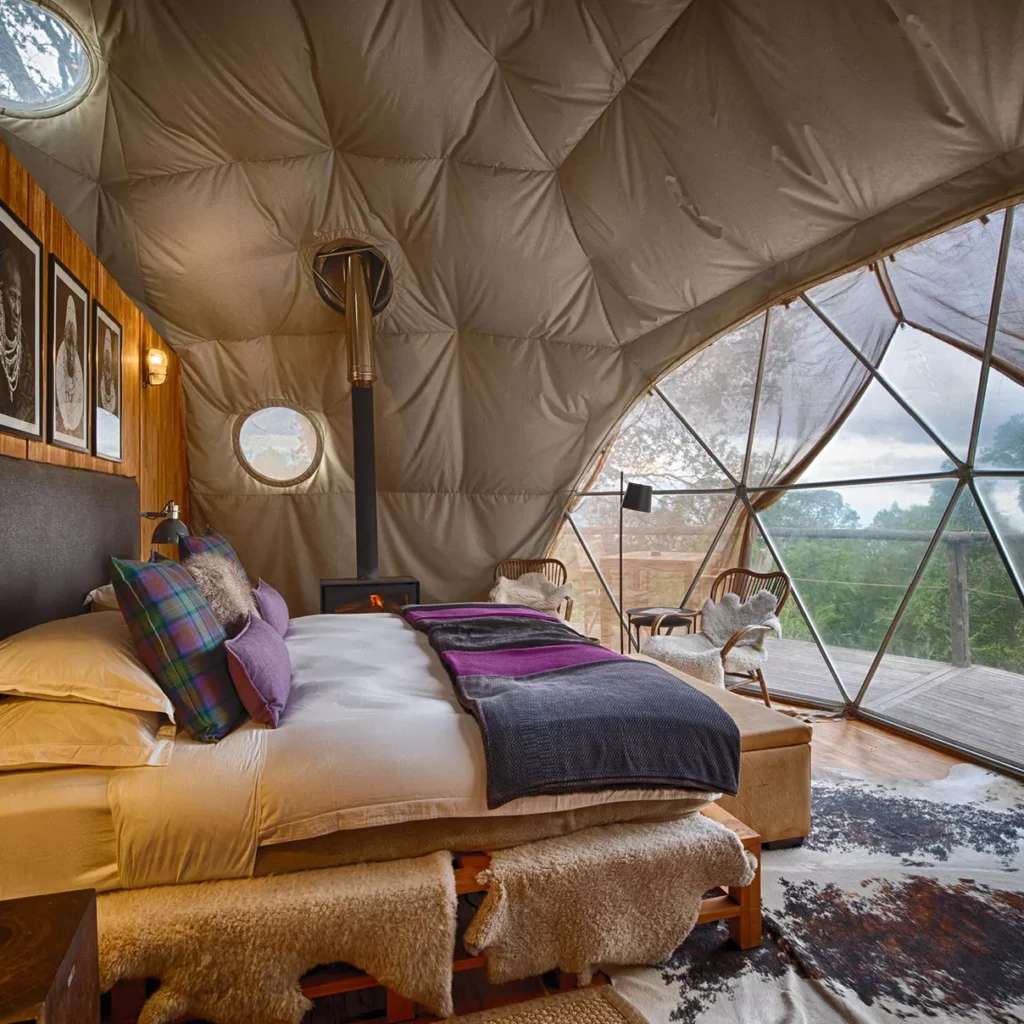
8-Day Tanzania Big Five Luxury Safari
An eight-day luxury safari focused on spotting Africa's Big Five.
View Package →
7-Day Best of Serengeti Safari
A seven-day safari highlighting the very best of the Serengeti ecosystem.
View Package →