
Best Time to Visit Nyerere National Park
The best time to visit Nyerere National Park depends on what you want from your Tanzania safari, but most travellers get the richest experience during the dry season, from June to October or into early November. As the Rufiji River and its channels shrink, wildlife concentrates along the water, making game drives, walking safaris and especially boat safaris exceptionally rewarding, with hippos, crocodiles, elephants and predators easy to find along the banks. Roads are firm, skies are clear, and every camp is open. The wet or green season, December to May, transforms Nyerere into a lush, birder's paradise with dramatic skies, newborn animals and fewer crowds, though some camps close for short periods around April and May, and high water levels can limit or pause boat safari operations. Whichever season you choose, Nyerere National Park, Africa's largest protected wilderness, delivers an authentic, uncrowded southern Tanzania safari experience year-round.
Nyerere Month-by-Month Guide
January
January sits in the heart of Nyerere's green season, bringing warm temperatures, intermittent short rains and a landscape turning vividly lush. Wildlife disperses away from the Rufiji River as seasonal pools fill inland, so game drives require more patience, but birdlife is spectacular with resident and early migrant species everywhere. Boat safaris still run well since river levels remain moderate. Roads stay largely passable and all main camps are open. Newborn impala and warthogs appear this month, adding charm for photographers. January suits travellers prioritising birding, scenery and lower rates over guaranteed big-game sightings, and is a reasonably recommended shoulder month.
February
February continues the green season with hot, humid days and scattered afternoon showers, though rainfall is generally lighter than in March and April. Vegetation is dense and wildlife spreads across the park's interior, making sightings less concentrated than in dry months, but predator action around denning areas can be superb. Boat safaris remain enjoyable with manageable river levels and excellent birdlife along the banks. Camps stay open and accessible. February works well for keen birders, photographers who love dramatic light, and those seeking a quieter, more affordable safari. It is a fair but not peak month for general wildlife viewing.
March
March marks the transition into Nyerere's heavier long rains, with humidity rising and downpours becoming more frequent, especially later in the month. Roads can turn muddy and some remote tracks become difficult, though main routes and camps generally remain operational. Wildlife is widely dispersed across flourishing bushland, so game viewing is quieter than the dry season. Boat safaris continue but river currents strengthen as levels rise. Birdlife is outstanding, with resident species joined by dramatic breeding plumage. March is best suited to committed birders and travellers comfortable with unpredictable weather rather than those wanting guaranteed dry-season game drives.
April
April is the wettest month in Nyerere, with the long rains at their peak and travel becoming genuinely challenging. Many camps close entirely during April, some for the whole month, as roads flood and airstrips can be affected. Boat safaris are frequently suspended or limited due to fast-flowing, high water on the Rufiji. Wildlife scatters widely across the saturated landscape, making sightings unpredictable. The upside is dramatic scenery, lush greenery and minimal tourist traffic for the rare operating camp. April is not recommended for a first safari and is generally the least favourable month to visit Nyerere.
May
May remains part of the closed season for many camps early on, as the long rains taper off gradually and roads stay soft and difficult in places. By late May conditions usually improve noticeably, with several camps reopening and river levels beginning to drop. Wildlife starts regrouping near permanent water sources as seasonal pools dry up inland. Boat safaris become more reliable again toward month's end. Vegetation is still lush and green, offering beautiful scenery and good birding. May is a transitional month best approached with flexibility, improving steadily as it progresses, and it is only cautiously recommended.
June
June opens Nyerere's celebrated dry season and is a genuinely excellent time to visit. Rains stop, skies clear, humidity drops and the bush thins out, drawing wildlife steadily toward the Rufiji River and its lagoons. Game drives improve week by week, and boat safaris become outstanding as river levels fall and animals gather along the banks. All camps are open and roads are in good condition. Cooler mornings and evenings make walking safaris comfortable. June marks the true start of peak safari season in Nyerere, offering superb value before the busier midyear months, and is highly recommended.
July
July is prime dry season in Nyerere, with reliably sunny days, cool nights and outstanding wildlife concentrations along the shrinking Rufiji River and its channels. Elephants, buffalo, hippos and predators become easy to find as vegetation thins, and boat safaris are exceptional, with wildlife lining the banks to drink. Walking safaris thrive in the dry, comfortable conditions. All camps operate at full capacity, roads and airstrips are in excellent shape, and this is peak safari season, so booking ahead is wise. July is one of the very best and most highly recommended months to visit Nyerere National Park.
August
August continues the dry season at its finest, with clear skies, minimal rainfall and wildlife tightly concentrated around remaining water sources on the Rufiji. This is one of the most popular months for boat safaris, as low, calm water brings elephants, hippos, crocodiles and antelope right to the riverbanks in full view. Game drives and walking safaris are equally rewarding, and every camp is fully open with peak-season energy. Days are warm and dry, nights pleasantly cool. Given consistently excellent sightings across all activities, August ranks among the top recommended months for a Nyerere safari.
September
September sits at the peak of Nyerere's dry season, offering some of the year's most dependable wildlife viewing. The Rufiji River continues to shrink, concentrating enormous numbers of hippos, crocodiles, elephants and buffalo along its banks, ideal for boat safaris and riverside game drives alike. Vegetation is sparse, visibility excellent, and walking safaris are comfortable in the dry, mild climate. All camps run at full capacity and roads remain firm throughout the park. With outstanding conditions across every activity type, September is very highly recommended and among the best possible months to experience Nyerere.
October
October remains firmly within the dry season and continues to deliver exceptional wildlife viewing, though building heat and humidity signal the season's approaching end. The Rufiji River is at its lowest, drawing dense concentrations of game to its banks, making boat safaris and game drives extremely rewarding. Walking safaris are still enjoyable in the mornings before the day's heat sets in. Camps remain fully open, and roads stay in good condition. Toward late October, early short rains can occasionally begin. Overall October is highly recommended, offering peak-season wildlife with slightly thinner crowds than midyear.
November
November is a transitional month as short rains typically arrive, breaking the dry season's heat with welcome afternoon showers and quickly greening the landscape. Early in the month conditions often still resemble the dry season, with good wildlife concentrations and functioning boat safaris, but as rains intensify, animals begin dispersing and river levels start rising. Roads remain mostly passable, and all camps stay open. Birdlife picks up noticeably as migrants return. November suits flexible travellers wanting a blend of good game viewing and lush scenery at lower rates, and is reasonably recommended, especially in its first half.
December
December opens the green season with warm temperatures, intermittent short rains and a rapidly greening landscape as wildlife begins spreading away from the Rufiji toward inland pools. Game drives require more effort than in dry months, but scenery is beautiful and birdlife thrives with migrant species still present. Boat safaris continue comfortably as river levels are only moderately elevated. Roads are generally passable and camps remain open through the festive season, often at premium holiday rates. December suits travellers who value lush landscapes, birding and a festive atmosphere over guaranteed big-game density, and is a fair, workable month.
Plan Your Nyerere Safari
Trip Length
Comfort Level
Safari Style
Operator Rating
Specialized Tours
Filter by Operator
Other Tour Features
Best Nyerere Safari Packages by Season
Hand-picked southern circuit itineraries featuring Nyerere National Park, tailored privately by Foot Slopes Tours and Safaris.
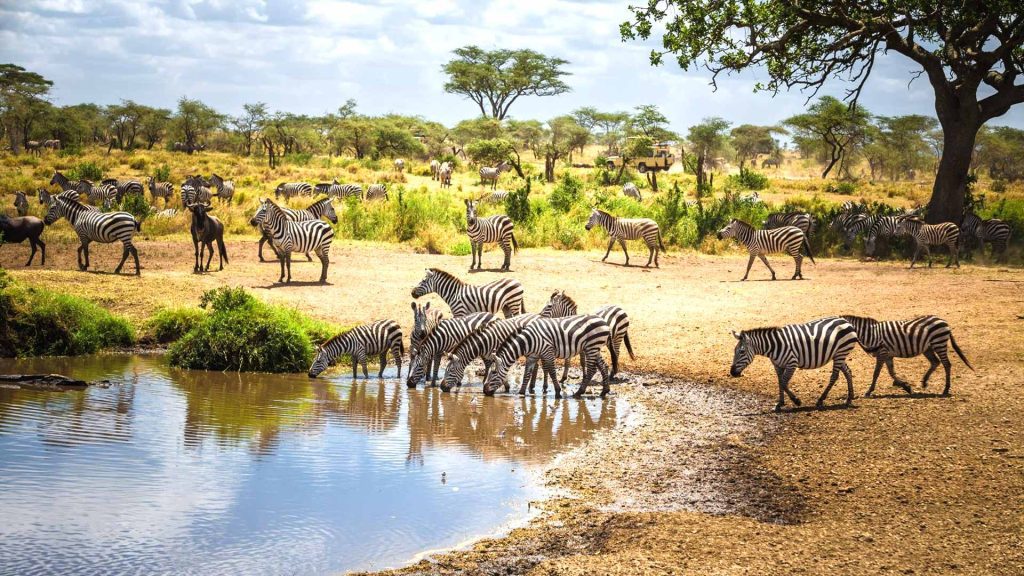
6-Day Tanzania Southern Circuit Safari
A six-day fly-in safari linking Nyerere's Rufiji River boat safaris with Ruaha's vast wilderness.
View Package →
11-Day Best Of Southern Tanzania Safari
An eleven-day journey through Nyerere, Mikumi, Udzungwa, and Ruaha's finest southern-circuit wildlife.
View Package →
7-Day Southern Tanzania Safari
A seven-day circuit through Nyerere, Mikumi, and the Udzungwa Mountains' rainforest and wildlife.
View Package →
7-Day Tanzania off the Beaten Track Safari
A seven-day safari exploring quieter parks away from the crowds.
View Package →
8-Day Authentic Tanzania Safari Tours
An authentic eight-day safari experience across classic Tanzania destinations.
View Package →
8-Day Remarkable Tanzania Safari
An eight-day journey across Tanzania's most remarkable wildlife areas.
View Package →
7-Day Tanzania Budget Camping Safari
A budget-friendly seven-day camping safari without compromising on wildlife.
View Package →11-Day Tanzania Safari for solo travelers
An eleven-day itinerary designed specifically for solo safari travelers.
View Package →Nyerere Safari Planning Guides
Nyerere National Park Best Time to Visit FAQs
What is the single best month to visit Nyerere National Park?
September is widely considered the single best month to visit Nyerere National Park. It falls at the peak of the dry season, when the Rufiji River has shrunk to its lowest levels, concentrating hippos, crocodiles, elephants, buffalo and predators densely along its banks and lagoons. Game drives, walking safaris and boat safaris all perform exceptionally well, with clear skies, firm roads and every camp fully operational. July, August and October are nearly as strong, but September combines maximum wildlife concentration with slightly cooler evenings than October. For travellers wanting the single most reliable month for outstanding sightings across every safari activity, September is the top recommendation.
When is the dry season in Nyerere National Park?
Nyerere's dry season runs from roughly June through October, sometimes extending into early November before the short rains arrive. During these months, rainfall is minimal, skies stay clear, humidity drops and vegetation thins dramatically across the park. As surface water disappears elsewhere, wildlife concentrates predictably along the Rufiji River, its lagoons and remaining channels, making game drives, walking safaris and boat safaris highly productive. Roads and airstrips remain in excellent condition throughout, and all camps operate at full capacity. This is Nyerere's peak safari season, so demand and rates rise accordingly, and booking well in advance is strongly recommended for this period.
When is the wet or green season in Nyerere National Park?
The wet, or green, season in Nyerere runs from December through May, with the heaviest long rains typically falling between March and May. This period brings lush vegetation, dramatic cloud formations, newborn wildlife and outstanding birdlife as migrant species arrive alongside resident populations. Wildlife disperses across the park as seasonal pools fill inland, so sightings are less concentrated than in dry months, and roads can become muddy or temporarily impassable during heavy downpours. Many camps operate a shortened schedule or close entirely for parts of April and May. Rates are typically lower, and the park feels wonderfully uncrowded during green season visits.
Is Nyerere National Park good for boat safaris?
Yes, Nyerere National Park is one of Tanzania's best destinations for boat safaris, thanks to the Rufiji River and its network of lakes and channels running through the park. Boat safaris are at their most spectacular during the dry season, roughly June to October, when lower, calmer water draws huge numbers of hippos, crocodiles, elephants and birdlife directly to the banks for close, unhurried viewing from the water. During the wetter months, particularly February through May, rising water levels and stronger currents can limit, shorten or occasionally suspend boat operations. For the definitive Nyerere boat safari experience, the dry season is unmatched.
Do camps close in Nyerere National Park, and when?
Some camps in Nyerere National Park do observe a closed season, most commonly during April and sometimes into early May, when the long rains peak and roads, airstrips and river access become genuinely difficult to manage safely. Closures vary by camp and by year depending on rainfall intensity, with some remaining open year-round while others shut for several weeks. Outside this window, from June through March, the overwhelming majority of camps operate normally, including through the shoulder months of November, December and January. Travellers planning an April or early-May trip should always confirm specific camp opening dates directly before booking flights or an itinerary.
What is the best time for game drives in Nyerere National Park?
The best time for game drives in Nyerere National Park is during the dry season, June through October or into early November. As vegetation thins and temporary water sources vanish, wildlife funnels toward the Rufiji River corridor, creating dense, predictable concentrations of elephants, buffalo, giraffe, antelope and predators such as lion and wild dog. Visibility is excellent thanks to sparse bush cover, and firm, dry roads mean vehicles can access more of the park comfortably. Game drives remain enjoyable year-round, but sightings are more dispersed and roads occasionally softer during the wet season from December to May, especially March through May.
What is the best time for walking safaris in Nyerere National Park?
Walking safaris in Nyerere are best undertaken during the dry season, from June through October, when cooler mornings, firm ground and thinner vegetation make for comfortable, rewarding walks with excellent visibility for tracking wildlife and reading fresh signs on foot. Nyerere is one of Tanzania's premier walking safari destinations, and experienced armed guides lead your private party through varied habitat along the Rufiji River floodplain. During the wet season, particularly heavy rain months like April and May, muddy terrain, dense undergrowth and reduced camp availability make walking safaris less practical. Dry-season mornings offer the coolest, most enjoyable conditions for this activity.
When is the best time for birdwatching in Nyerere National Park?
Birdwatching in Nyerere is exceptional almost year-round, but the wet season, roughly November through April, is particularly rewarding as Palearctic and intra-African migrants join resident species, breeding plumage appears, and the lush landscape supports abundant insect and plant life that draws birds in large numbers. Over 400 bird species have been recorded in the park, including fish eagles, herons, kingfishers and bee-eaters along the Rufiji. The dry season also offers excellent birding concentrated near remaining water sources, alongside superb game viewing. Serious birders often prefer the green season for diversity, while those wanting birds alongside big game favour the dry months.
How does Nyerere's weather change throughout the year?
Nyerere National Park has a warm tropical climate year-round, with two distinct seasons. The dry season, June to October, brings sunny days, low humidity, cool mornings and evenings, and virtually no rainfall, with daytime temperatures typically in the high 20s to low 30s Celsius. The wet season, December to May, is hotter and more humid, punctuated by short rains around November to December and much heavier long rains from March through May, which can bring intense daily downpours. Temperatures stay warm throughout the year, rarely dropping enough to require heavy clothing, though early mornings on game drives and boat trips can feel notably cool.
Can you visit Nyerere National Park year-round?
Yes, Nyerere National Park is open year-round and rewards visitors in every season, though the experience shifts considerably. Dry season visitors, June through October, enjoy concentrated wildlife, easy access and prime boat safari conditions, while wet season visitors, December through May, encounter lush scenery, exceptional birding, newborn animals and far fewer tourists, often at lower rates. The main caveat is April and into early May, when heavy rains cause some camps to close and can limit boat safaris and road access. Outside that narrow window, Nyerere remains a viable and rewarding safari destination throughout the calendar year for well-prepared travellers.
Is Nyerere National Park less crowded than northern Tanzania parks?
Yes, Nyerere National Park, as Africa's largest protected wilderness area, sees dramatically fewer visitors than northern circuit parks like Serengeti and Ngorongoro Crater, even during its own peak dry season from June to October. Its remoteness, limited camp numbers and vast size mean game drives, walking safaris and especially boat safaris often feel wonderfully private, with few other vehicles or boats encountered. This makes Nyerere an excellent choice for travellers seeking an authentic, uncrowded southern Tanzania safari experience without sacrificing outstanding wildlife density, particularly around the Rufiji River during dry-season months when sightings rival anywhere else in the country.
What wildlife can I expect to see in Nyerere during the dry season?
During the dry season, June through October, Nyerere National Park delivers outstanding wildlife viewing concentrated around the Rufiji River and its lagoons. Expect large herds of elephant and buffalo, abundant hippo pods, numerous crocodiles, giraffe, zebra and diverse antelope species drinking at the shrinking water sources. Predators including lion, spotted hyena and the park's notable African wild dog population are frequently encountered, especially on game drives and walking safaris near the riverbanks. Boat safaris during this period offer some of the closest, most reliable wildlife encounters in Tanzania, as animals gather predictably along the water to drink and cool off.
How far in advance should I book a Nyerere safari during peak season?
For travel during Nyerere's peak dry season, roughly July through October, booking six to twelve months in advance is strongly recommended, particularly for smaller camps with limited beds and for popular boat safari time slots that fill quickly. Peak-season demand, combined with the park's relatively limited camp capacity compared to northern circuit parks, means the best properties and preferred dates can sell out well ahead of time. Shoulder months like June and November, along with most of the green season, generally allow more flexible, closer-in booking. Foot Slopes Tours and Safaris can advise on real-time availability and secure preferred camps early.
Why choose Foot Slopes Tours and Safaris to plan a Nyerere safari?
Foot Slopes Tours and Safaris brings deep, on-the-ground knowledge of Tanzania's southern circuit, including Nyerere National Park, to craft itineraries genuinely matched to each traveller's interests, budget and preferred season. Rather than generic packages, every safari is tailored, balancing game drives, walking safaris and boat safaris with well-chosen camps and realistic pacing. The team tracks seasonal conditions closely, including river levels, camp closures and wildlife movement patterns, to recommend the ideal travel window for each client's priorities. Personalised planning, transparent pricing and responsive local support before, during and after the trip make Foot Slopes Tours and Safaris a trusted choice for southern Tanzania safaris.
Does Foot Slopes Tours and Safaris offer tailor-made Nyerere itineraries?
Yes, Foot Slopes Tours and Safaris specialises in fully tailor-made itineraries rather than fixed, one-size-fits-all packages. For a Nyerere safari, this means selecting the ideal season based on whether a traveller prioritises boat safaris, walking safaris, birding or big-game density, then matching camps, activity mix and pacing accordingly, whether that is a focused few days along the Rufiji River or a longer combination with other southern circuit parks such as Ruaha or Selous-adjacent reserves. Budget, luxury and mid-range options are all accommodated. This flexible, client-first approach ensures every itinerary reflects individual travel dates, interests and comfort preferences rather than a generic template.
Is Foot Slopes Tours and Safaris experienced with southern Tanzania safaris?
Foot Slopes Tours and Safaris has extensive experience planning safaris across Tanzania, including the less-travelled but highly rewarding southern circuit that encompasses Nyerere National Park. The team understands the practical realities of the region, from seasonal road and airstrip conditions to camp opening and closing dates and optimal timing for boat safaris on the Rufiji River. This regional expertise allows the company to set realistic expectations, avoid rainy-season pitfalls and recommend genuinely well-timed itineraries. For travellers seeking an authentic, less-crowded alternative to the northern circuit, this specialised southern Tanzania knowledge is a key reason clients trust Foot Slopes Tours and Safaris.
What support does Foot Slopes Tours and Safaris provide during a Nyerere trip?
Foot Slopes Tours and Safaris provides comprehensive support throughout a Nyerere safari, starting with detailed pre-trip planning covering optimal seasonal timing, camp selection, flights and packing guidance suited to dry or wet season conditions. During the trip, clients travel with experienced local guides knowledgeable about the Rufiji River ecosystem, wildlife behaviour and safe walking safari practices. The team remains reachable throughout for any adjustments or questions, and coordinates logistics such as transfers, park fees and activity bookings in advance so travellers can focus entirely on the experience. This hands-on, responsive support is central to the company's trusted reputation.
Plan Further: Nyerere National Park Guides & Resources
Explore Nyerere National Park
Plan Your Nyerere Safari
Tell us your dates, style, and preferred parks, and we will build the perfect itinerary around you.
Book Now Online →What Our Travelers Say
Real 5-star reviews from guests who traveled with us
Our Private African luxury Safari experience with Foot Slopes Tours and Safaris was nothing short of exceptional. From the very beginning, owner Gabriel was incredibly responsive, making the entire booking process smooth and stress-free. Gabriel went above and
We had an incredible private safari experience with Foot Slopes Tours and Safaris. Their office staff was very helpful and informative, and they communicated very well. Our pick-ups to and from the airport were on time and hassle-free, an unforgettable Safari
Foot Slopes Tours and Safaris is truly one of the best local tour companies in Tanzania. From start to finish, their service was professional, reliable, and personalized. The team went above and beyond to make sure every detail of our trip was perfect. Our saf
Our family chose Foot Slopes Tours and Safaris for a custom 11-day safari itinerary, and we couldn’t be happier with our choice! Everything from our initial inquiry to building our custom itinerary to pre-departure and on-trip support was top quality. Communic