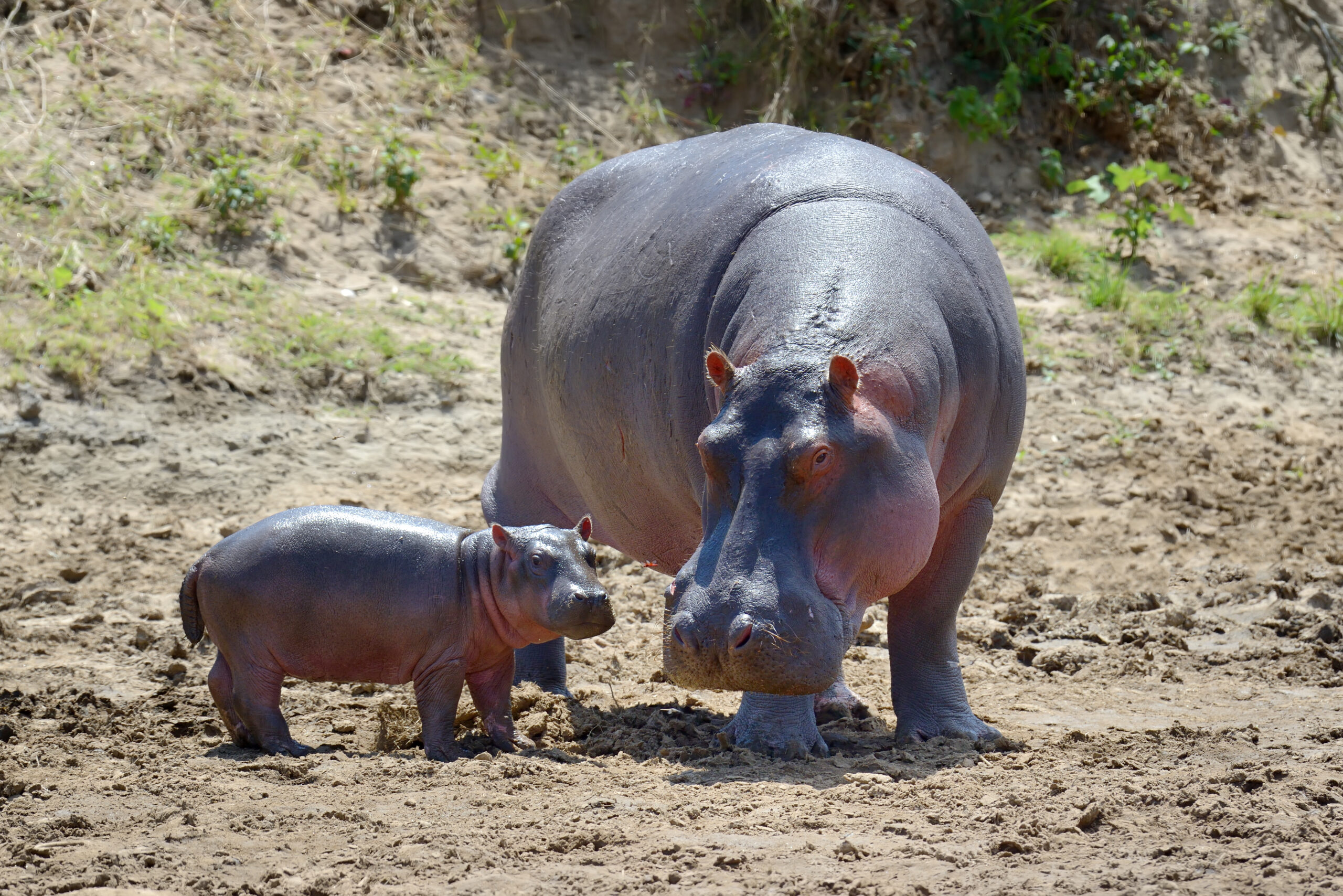
The best time to visit Katavi National Park is during the dry season, from roughly June to October. As the rains end and the land dries out, wildlife gathers along the Katuma River and around the last pools and lakes. By August, September and October, hippo pools are at their most crowded, crocodiles cluster in the remaining channels, and huge buffalo herds draw lions onto the open floodplains. Vegetation thins, tracks are dry and game viewing is at its most rewarding.
The green season, from around November, brings fresh grass, calving, migrant birds and beautiful landscapes, though animals spread out and some areas become harder to reach. The heaviest rains usually fall between roughly February and April, and many Katavi camps close for part of this period because roads and airstrips can be affected. Planning around these seasons is essential for such a remote park, and our month-by-month guide below will help you choose the right time for your Katavi safari. Whatever month you choose, our team can match your dates with open camps and flights.

How Katavi changes through the year and what each season offers travelers.
The prime safari season. Water becomes scarce, so wildlife concentrates along the Katuma River and remaining pools. Hippo and crocodile gatherings peak, buffalo herds are huge and predator action increases. Days are warm to hot and dusty, with cool early mornings.
Rains return, the floodplains turn green and many animals give birth. Migrant birds arrive and landscapes are beautiful. Wildlife is more dispersed and showers can interrupt drives, but the park is exceptionally quiet. Some camps open only for part of this period.
The wettest part of the year, with heavy rain, flooded plains and difficult access. Many camps close for several weeks or months, and travel is generally not recommended. The park is left almost entirely to its wildlife until conditions dry out again.
January falls in the green season, with regular rain showers and lush floodplains. Wildlife is more spread out, but birdlife is excellent, with migrants present and many residents breeding. Some camps may be open while others are closed, so availability is limited. It suits travelers who value solitude and scenery over big concentrations of animals, and who are flexible about weather.
February is often wet, and rains can intensify as the month goes on. Grass grows tall, roads can become muddy and access may be restricted. Most camps close or run a limited service. Birding can still be good, but for a classic Katavi safari with concentrated wildlife, this is not an ideal month. Check with us about which camps are operating.
March is usually one of the wettest months in Katavi. The floodplains may be waterlogged, tracks can be impassable, and most camps are closed. Wildlife disperses widely across the park. Travel to Katavi during March is generally not recommended, and we suggest considering other Tanzanian destinations or planning your Katavi trip for the dry season instead. Camps that do stay open offer very limited activities.
April typically brings continued heavy rain, high water on the Katuma River and flooded areas around the lakes. Access by road and air can be affected, and most camps remain closed. The landscape is very green and full of life, but safari conditions are challenging. For most travelers, April is best spent planning a dry-season visit rather than traveling. Some camps begin preparing to reopen late in the month.
May is a transition month as the rains ease and the land begins to dry. Some camps reopen toward the end of the month, depending on conditions. Grass remains long and wildlife is still fairly dispersed, but the park is beautifully green and very quiet. Late May can suit flexible travelers looking for an early-season visit at a relaxed pace.
June marks the start of the dry season and a good time to visit Katavi. Skies clear, temperatures are pleasant and mornings can be cool. Water sources begin to shrink and wildlife starts gathering near the Katuma River and lakes. Grass is still fairly long early in the month, but game viewing improves steadily as June progresses. Crowds remain low even as the season gets underway.
July offers dry, sunny weather, cool mornings and warm afternoons. Animals increasingly concentrate around permanent water, and buffalo herds become large and visible on the floodplains. Hippo pools start to fill up as the river shrinks. It is an excellent month for game drives and walking safaris, with comfortable temperatures for spending time outdoors. Evenings by the campfire are especially pleasant this month, under clear, starry skies.
August is one of the best months to visit Katavi. The dry season is well underway, vegetation is thinner, and wildlife is concentrated along the river and remaining pools. Hippo and crocodile gatherings become impressive, and lions are often seen near buffalo herds. Days are warm and dusty, and nights are comfortable. Early booking is wise because camps are small.
September is peak season in Katavi. Water is scarce, hippos crowd into shrinking pools, crocodiles retreat into riverbank burrows and predator activity is high. Temperatures rise and the landscape becomes dry and golden. It is superb for photography and dramatic wildlife encounters. With limited camp capacity, book several months in advance to secure your preferred dates. Buffalo herds are often at their largest.
October is often the hottest month and the climax of the dry season. Wildlife concentrations reach their peak, hippo pools are packed and tension between predators and prey is high. Afternoons can be very hot, so activities focus on mornings and late afternoons. Early rain showers may arrive late in the month, cooling the air and signaling the change. Plan early, as camps are in high demand.
November usually brings the first rains, often as afternoon storms. The dust settles, the floodplains begin to green and many animals start to disperse. Migrant birds arrive, and early wet-season scenery can be beautiful. Some camps remain open for part of the month. It can be a rewarding shoulder-season choice for flexible travelers who enjoy quieter parks. Check which camps are open before booking.
December is part of the green season, with rain showers, fresh grass and newborn animals. Wildlife is more spread out and some areas may be harder to reach after heavy downpours. Birding is excellent, with migrants and breeding species present. Camp availability is limited, so confirm which camps are open before planning a holiday-season visit to Katavi. Expect lush scenery and very few visitors.
Every traveler experiences Katavi differently. Choose the safari style that suits you, and Foot Slopes Tours and Safaris will tailor a private itinerary around your dates, budget and interests.

Families with children, grandparents and multi-generational groups
Private vehicle, family rooms and a flexible, unhurried pace
Katavi works well for families who plan ahead: our guides turn every sighting of huge buffalo herds, crowded hippo pools and Nile crocodiles into a learning adventure, and we tailor activities to the ages and energy of your group.
Jun – Oct & school holidays
3–4 nights

Honeymooners, anniversaries and couples celebrating something special
Sundowners, private dinners and secluded, romantic stays
Pair huge buffalo herds, crowded hippo pools and Nile crocodiles with private sundowners, candle-lit dinners and a secluded room with a view. Many couples finish with Mahale Mountains chimpanzee trekking or a Ruaha National Park safari for the perfect escape.
Jun – Oct
4–5 nights

Wildlife photographers and keen amateurs who want the best light
Flexible timings, patient guiding and golden-hour outings
Flexible timings and patient guiding put you in the right place at dawn and dusk. In Katavi, expect huge buffalo herds, crowded hippo pools and Nile crocodiles, plus game drives and guided walks across the Katuma River floodplains for varied angles and stories.
Jun – Oct & Nov – Feb
4–5 nights

Mature travelers who value comfort, safety and a gentle pace
Short transfers, comfortable stays and an attentive private guide
Reached by light aircraft rather than long drives, with relaxed game drives on flat floodplain terrain, though the remoteness and simple bush camps suit travelers comfortable with basic facilities. We plan a gently paced itinerary with rest time each day and an experienced guide who handles every detail.
Jun – Oct
3–4 nights

Travelers short on time who prefer flights to long road transfers
Scenic flights and more time for wildlife
Scheduled and charter light aircraft reach airstrips in and near Katavi, often connecting via Arusha, Dar es Salaam or Ruaha. Flying in maximises your time with huge buffalo herds, crowded hippo pools and Nile crocodiles and links neatly with Mahale Mountains chimpanzee trekking or a Ruaha National Park safari.
Year-round
3–4 nights

Travelers seeking the finest stays, service and exclusivity
Private guiding, fine dining and exclusive experiences
Stay at the finest available camps and lodges with private guiding, fine dining and exclusive experiences such as game drives and guided walks across the Katuma River floodplains, all while enjoying huge buffalo herds, crowded hippo pools and Nile crocodiles in comfort.
Jun – Oct
3–5 nights

Travelers who want comfort and quality without luxury prices
Comfortable en-suite rooms, full-board meals and private guiding
Comfortable, well-located accommodation with en-suite bathrooms, full-board meals and private guiding: the best-value way to experience huge buffalo herds, crowded hippo pools and Nile crocodiles.
Jun – Oct (lower rates Nov – Feb)
3–4 nights

Solo travelers who want safety, privacy and flexibility
Private vehicle, dedicated guide and sociable camp evenings
Travel on an individual private, tailor-made safari with your own vehicle and dedicated guide. Katavi is welcoming for solo guests, with game drives and guided walks across the Katuma River floodplains and sociable evenings at camp.
Jun – Oct
3–4 nights
For most travelers, the best months to visit Katavi National Park are August, September and October. This is the height of the dry season, when wildlife crowds around the Katuma River and remaining pools, hippo gatherings are most dramatic and lions often follow large buffalo herds. June and July are also very good, with slightly cooler weather.
During the dry season, water in Katavi becomes scarce, so animals must gather near the few remaining sources. This makes wildlife easier to find and creates spectacular concentrations of hippos, crocodiles and buffalo. Vegetation is thinner, improving visibility, and tracks are dry and passable. Rain is rare, so game drives and walks are seldom interrupted.
The park itself is open all year, but most Katavi camps close for part of the long rains, typically somewhere between roughly March and May, when heavy rain can flood roads and affect airstrips. Exact opening dates vary by camp and year. If you are considering a wet-season trip, check with us about which camps are operating.
The green season, from around November to early in the new year, can be rewarding for flexible travelers. The park is lush, many animals give birth, birding is excellent and you may have sightings entirely to yourself. However, wildlife is more dispersed, showers are common and fewer camps are open, so it suits repeat visitors more than first-timers.
Hippo concentrations in Katavi usually peak late in the dry season, around September and October, when the Katuma River shrinks to a few muddy pools. At this time, large numbers of hippos crowd together in small spaces. The exact timing depends on how much rain fell in the previous wet season, so conditions vary slightly each year.
Walking safaris in Katavi are generally best in the dry season, from around June to October, when grass is shorter, visibility is better and the ground is firm. June and July offer cooler temperatures, which many walkers prefer. Later in the season, walks usually start early in the morning to avoid the strongest heat of the day.
The hottest period in Katavi is usually the end of the dry season, especially September and October, when afternoons can be very hot before the rains arrive. Mornings and evenings remain more comfortable. Lightweight, breathable clothing, a hat, sunscreen and plenty of water help, and safari activities are scheduled around the cooler parts of the day.
No. Even in peak season, Katavi is one of the least crowded national parks in Tanzania. It has only a handful of small camps and is reached mainly by light aircraft, so visitor numbers stay low. You will often have sightings entirely to yourself, which makes Katavi very different from the busier parks on the northern circuit.
Because Katavi has limited accommodation and flights often run on set days, it is wise to book well in advance for the dry season, ideally several months or more ahead for August to October. This gives you the best choice of camps, flight dates and combinations with Mahale or Ruaha. Shorter-notice trips are sometimes possible, so ask us.
Katavi offers good birding all year, but the green season from around November brings migrant species and breeding plumage, making it especially lively. In the dry season, waterbirds such as storks, pelicans and herons gather in large numbers at shrinking pools. Your ideal time depends on whether you prefer migrants or waterbird concentrations.
The dry season, from around June to October, is the most popular time to combine Katavi with Mahale Mountains. Katavi's wildlife is concentrated, and chimpanzee trekking in Mahale is often easier when forest trails are drier. Flights between the two are commonly arranged in this period, making a smooth combined itinerary possible.
Yes. Scheduled light aircraft services to Katavi mainly operate during the dry season and may be reduced or suspended during the long rains. Road access can also become very difficult when it is wet. For a smooth trip, most travelers visit between June and October, when flight connections and camp availability are at their best.
Tsetse flies occur in parts of Katavi, particularly in woodland areas, and can be present year round. Their activity varies with location, temperature and vegetation, rather than following a simple seasonal pattern. Wearing neutral colors such as khaki, avoiding dark blue and black, and using insect repellent helps reduce bites whatever month you visit.
Yes. Foot Slopes Tours and Safaris will help you choose dates based on your wildlife priorities, preferred weather, budget and other destinations you would like to include. We keep track of camp opening periods and flight options, and we design private, tailor-made itineraries so your Katavi visit falls at the best time for you.
Foot Slopes Tours and Safaris can arrange Katavi trips whenever camps and flights are operating, including shoulder months such as late May, June and November. We explain honestly what to expect in each season, including weather, wildlife density and access, so you can make an informed choice before booking your tailor-made safari.
When Foot Slopes Tours and Safaris plans your Katavi trip, we handle flight availability, camp bookings, park fees, meals and guided activities as agreed in your quote. We also coordinate connections to other parks or the coast. Every itinerary is private and tailor-made, and you receive a clear written quote before confirming.
Foot Slopes Tours and Safaris is a Tanzania-based team with experienced local guides and a strong understanding of how seasons affect remote parks like Katavi. We give practical, honest advice, plan around realistic conditions and provide 24/7 support while you travel. Our goal is a well-timed safari that matches your expectations.
Tell us your dates, style, and preferred parks, and we will build the perfect itinerary around you.
Book Now Online →Real 5-star reviews from guests who traveled with us
Our Private African luxury Safari experience with Foot Slopes Tours and Safaris was nothing short of exceptional. From the very beginning, owner Gabriel was incredibly responsive, making the entire booking process smooth and stress-free. Gabriel went above and
We had an incredible private safari experience with Foot Slopes Tours and Safaris. Their office staff was very helpful and informative, and they communicated very well. Our pick-ups to and from the airport were on time and hassle-free, an unforgettable Safari
Foot Slopes Tours and Safaris is truly one of the best local tour companies in Tanzania. From start to finish, their service was professional, reliable, and personalized. The team went above and beyond to make sure every detail of our trip was perfect. Our saf
Our family chose Foot Slopes Tours and Safaris for a custom 11-day safari itinerary, and we couldn’t be happier with our choice! Everything from our initial inquiry to building our custom itinerary to pre-departure and on-trip support was top quality. Communic