

Best Time to Visit Mikumi National Park
By the Foot Slopes Tours and Safaris team
Our Arusha-based guides and safari planners know Mikumi National Park first-hand, and write this guide from experience on the ground.
Mikumi National Park is one of Tanzania's most accessible safari destinations, reachable via a paved highway just a few hours from Dar es Salaam, which makes it a genuine year-round destination for travelers on any schedule. That said, the dry season, from June through October, delivers the best game viewing, as elephant, buffalo, zebra, and giraffe congregate around the Mkata Floodplain's shrinking water sources, producing dense, reliable sightings alongside resident predators. The wet or green season, spanning November through May, rewards visitors with lush emerald scenery, dramatic skies, and the birthing season for many resident herbivores, drawing excellent birdwatching as migratory species arrive. Crowds thin considerably and lodge rates drop well below peak levels during these quieter, greener months.
Mikumi Month-by-Month Guide
January
January falls in Mikumi National Park's green season, bringing warm days, short afternoon downpours, and rolling emerald grassland across the Mkata Floodplain. This is prime birthing season, with newborn impala, wildebeest, and zebra calves drawing attentive lion and hyena activity near the plains. Birdlife is exceptional as migratory species join resident populations along the floodplain. Crowds stay thin and lodge rates sit well below dry-season peaks, though brief afternoon showers can interrupt game drives. Mikumi's highway access keeps the core circuit reachable even in January's wetter conditions.
February
February keeps Mikumi National Park deep in its green season, with newborn antelope calves still common across the Mkata Floodplain and predator activity remaining strong as lions and hyenas track vulnerable young. Warm temperatures and scattered showers support lush grass growth, dramatic skies, and outstanding birdwatching as resident and migratory species flourish together. Visitor numbers stay low and safari rates remain discounted, making February a rewarding, budget-friendly month for travelers who prioritize scenery, birdlife, and quieter game drives over the tightly concentrated herds that define Mikumi's peak dry season.
March
March marks the start of Mikumi's long rains, with heavier and more frequent downpours than earlier wet-season months, thickening vegetation and occasionally softening sections of the park's tracks. Wildlife disperses away from the Mkata Floodplain into denser bush, making sightings less predictable outside the main road corridor, though hippo pools and central grasslands still deliver reliable viewing. Landscapes turn vividly green, birdlife remains abundant, and crowds thin further. March suits patient travelers and photographers chasing dramatic cloud-lit scenery over guaranteed close-range wildlife encounters.
April
April is typically Mikumi National Park's wettest month, sitting at the peak of the long rains with heavy, sustained downpours that can temporarily affect some off-road tracks. This is the quietest month for visitors and the lowest point for lodge and camp rates, appealing to budget-conscious and rain-tolerant travelers. Wildlife retreats into thicker cover away from the Mkata Floodplain, so sightings concentrate along the main circuit near the highway. Birdwatching remains a highlight, with resident and migrant species active amid the lush, deeply green landscape.
May
May marks the transition out of Mikumi's long rains, with showers tapering off through the month while the landscape stays richly green from the preceding wet season. Water sources across the Mkata Floodplain remain plentiful, so wildlife is still somewhat dispersed, though animals gradually begin regrouping as pools slowly recede. Roads firm up and become easier to navigate, crowds remain modest, and rates stay below dry-season peaks. May offers a good-value shoulder-season window before Mikumi's classic dry-season game viewing begins in June.
June
June opens Mikumi National Park's dry season, as vegetation begins thinning and wildlife starts concentrating around the Mkata Floodplain's remaining water sources. Mornings turn cool and crisp, midday stays warm and mostly rain-free, and visibility across the open plains improves sharply compared to the preceding wet months. Elephant, buffalo, zebra, and giraffe sightings grow more reliable near the main road corridor. Visitor numbers begin rising as the peak season approaches, though June still offers a comfortable balance of strong game viewing and moderate crowds.
July
July sits firmly within Mikumi's dry season, when animals reliably gather around the shrinking waterholes and channels of the Mkata Floodplain, producing dependable, close-range sightings of buffalo, zebra, elephant, and giraffe herds. Cool, dry mornings give way to warm, dust-free afternoons ideal for extended game drives. July coincides with Northern Hemisphere school holidays, so visitor numbers and lodge rates rise noticeably. Foot Slopes Tours and Safaris considers July one of the most dependable months for a rewarding, wildlife-rich Mikumi safari.
August
August is peak dry season in Mikumi National Park, with wildlife tightly concentrated around the Mkata Floodplain's last remaining pools, delivering some of the year's most consistent game viewing. Expect dusty, sun-baked landscapes, excellent visibility, and strong odds of spotting lion prides resting in the park's famous sausage and baobab trees. August is Mikumi's busiest month, drawing the highest visitor numbers and top lodge rates of the year, so advance booking through Foot Slopes Tours and Safaris is strongly recommended.
September
September continues Mikumi's dry season with temperatures climbing steadily and vegetation thinning further, pushing wildlife into even tighter, more predictable clusters around the Mkata Floodplain's remaining water sources. Game drives during this month consistently reward visitors with sightings of elephant, buffalo, zebra, and resident predators along the open plains. Dust levels rise and skies stay largely clear. Crowds remain high, echoing August's popularity, making September another excellent though busier month for travelers prioritizing reliable, concentrated wildlife encounters over solitude.
October
October is the hottest, driest month in Mikumi National Park, with wildlife packed most densely around the Mkata Floodplain's final surviving waterholes before seasonal rains return. Expect intense midday heat, dusty tracks, and outstanding, highly concentrated game viewing, often regarded as the single best month for guaranteed sightings. Visitor numbers remain elevated through most of the month, though the final days can bring early short-rain showers and a gradual easing of crowds as the dry season draws to its dramatic close.
November
November marks the arrival of Mikumi's short rains and the start of the green season, as scattered afternoon showers quickly revive the Mkata Floodplain into fresh grassland. Birthing season begins for many resident herbivores, and birdlife surges as migratory species return from Europe and Asia. Visitor numbers and lodge rates drop sharply from October's peak, making November an excellent value month for travelers who don't mind occasional rain. Wildlife viewing remains strong, particularly along the main road corridor near the highway.
December
December brings intermittent short rains and a warm, greening landscape to Mikumi National Park, with wildlife still reasonably visible along the Mkata Floodplain before vegetation thickens further into the new year. Birdwatching stays excellent, and the fresh scenery appeals to photographers seeking dramatic skies. Visitor numbers pick up modestly around the Christmas and New Year holidays, though rates remain lower than the June-through-October peak. Foot Slopes Tours and Safaris designs December Mikumi safaris around this festive, scenic green-season window.
Best Mikumi Safari Packages by Season
Hand-picked southern circuit itineraries featuring Mikumi National Park, tailored privately by Foot Slopes Tours and Safaris.
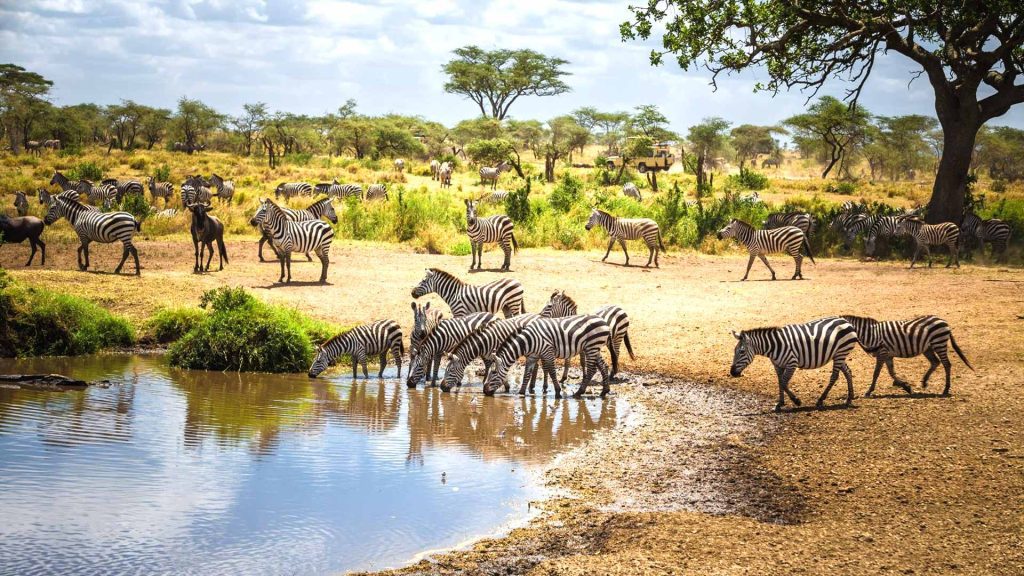
6-Day Tanzania Southern Circuit Safari
A six-day fly-in safari linking Nyerere's Rufiji River boat safaris with Ruaha's vast wilderness.
View Package →
11-Day Best Of Southern Tanzania Safari
An eleven-day journey through Nyerere, Mikumi, Udzungwa, and Ruaha's finest southern-circuit wildlife.
View Package →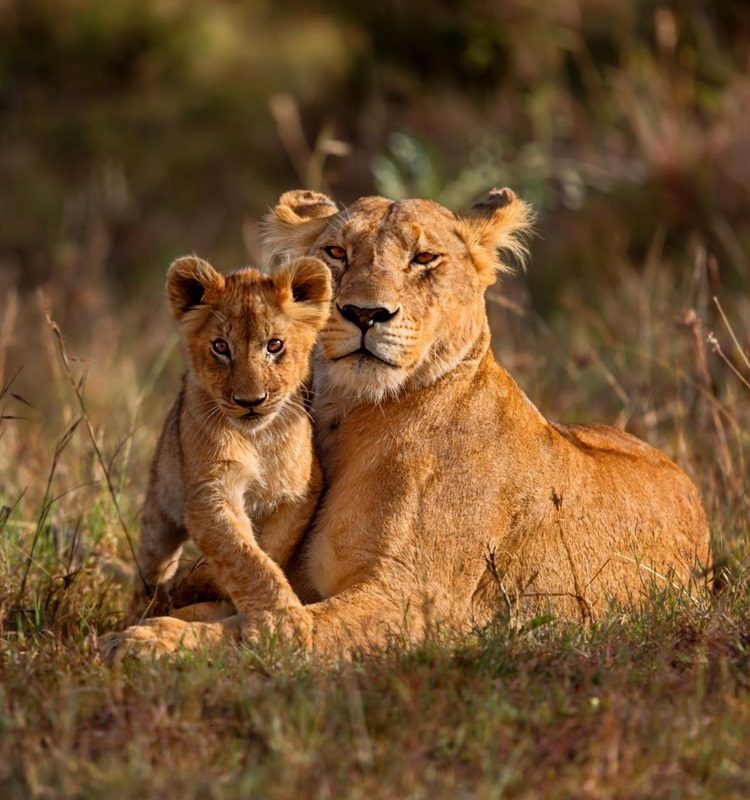
7-Day Southern Tanzania Safari
A seven-day circuit through Nyerere, Mikumi, and the Udzungwa Mountains' rainforest and wildlife.
View Package →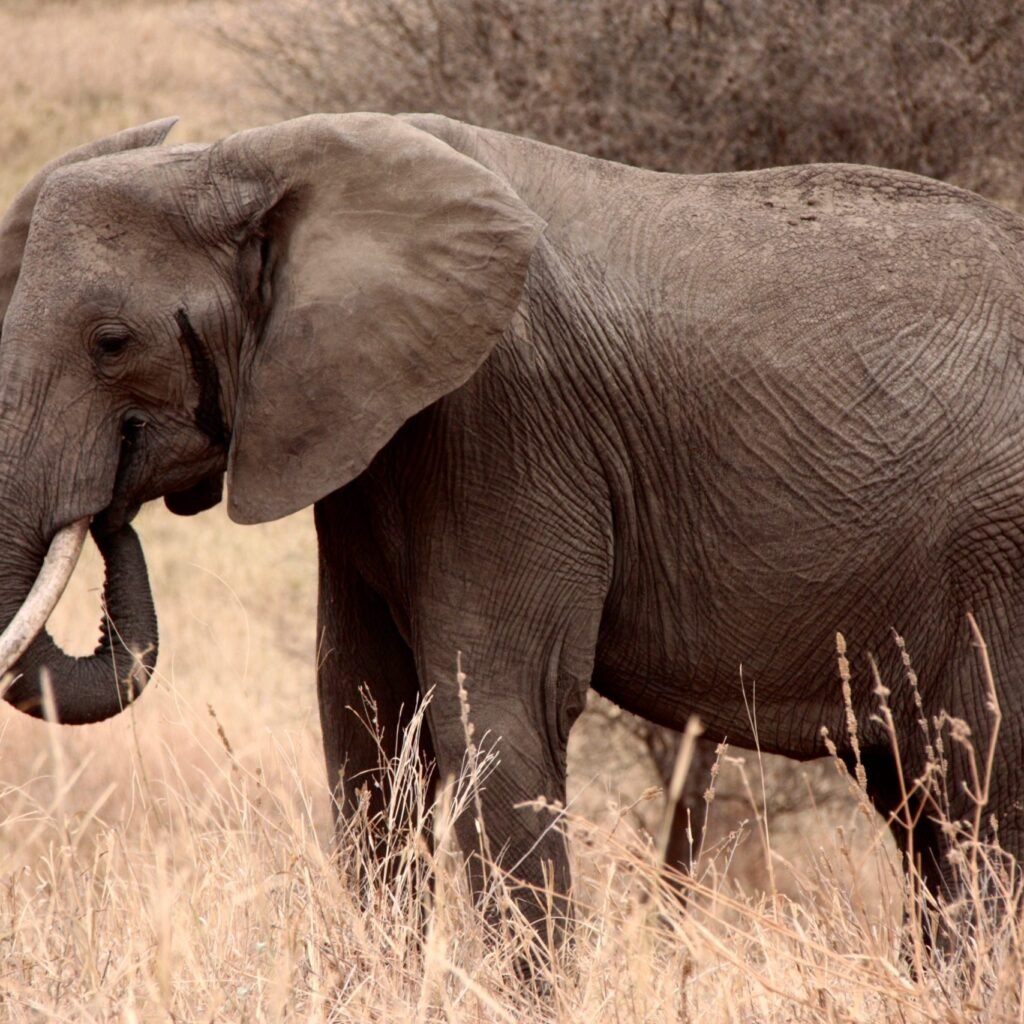
7-Day Tanzania off the Beaten Track Safari
A seven-day safari exploring quieter parks away from the crowds.
View Package →
8-Day Authentic Tanzania Safari Tours
An authentic eight-day safari experience across classic Tanzania destinations.
View Package →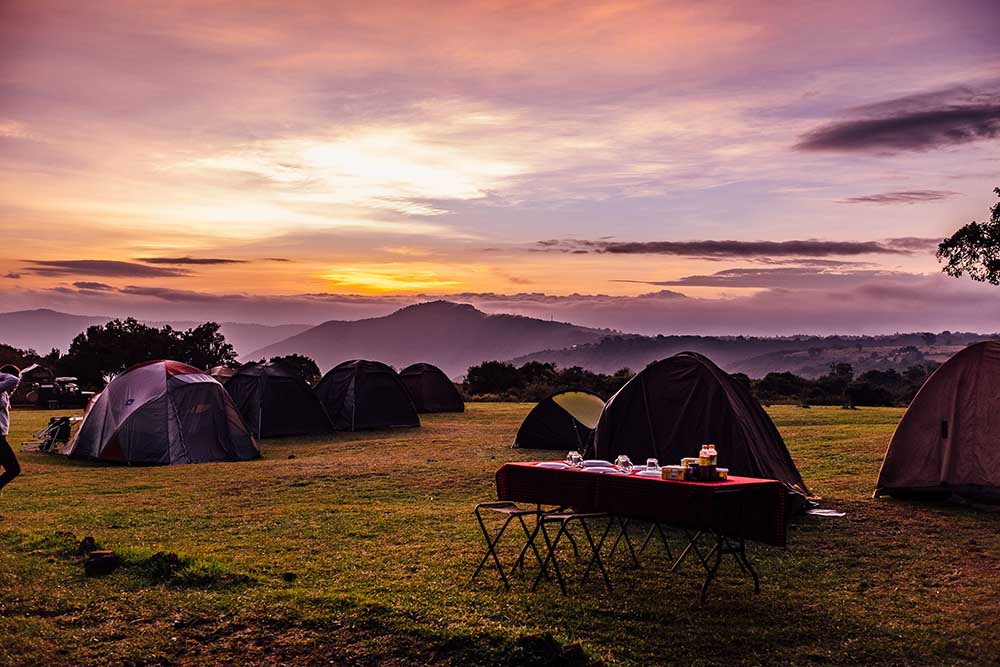
8-Day Remarkable Tanzania Safari
An eight-day journey across Tanzania's most remarkable wildlife areas.
View Package →
7-Day Tanzania Budget Camping Safari
A budget-friendly seven-day camping safari without compromising on wildlife.
View Package →11-Day Tanzania Safari for solo travelers
An eleven-day itinerary designed specifically for solo safari travelers.
View Package →Mikumi National Park Planning Guides
Frequently Asked Questions: Best Time to Visit Mikumi
What is the best time to visit Mikumi National Park?
The best time to visit Mikumi National Park is during the dry season, from June to October, when animals congregate around the shrinking water sources of the Mkata Floodplain, producing dense, reliable wildlife sightings of elephant, buffalo, zebra, and lion. However, the wet or green season, from November to May, offers its own rewards, including lush scenery, birthing season for many herbivores, excellent birdwatching, thinner crowds, and lower rates. Foot Slopes Tours and Safaris recommends June through October for guaranteed game viewing and November through May for value-focused, scenic, bird-rich travel with fewer vehicles at every sighting.
What is the difference between the dry season and wet season in Mikumi National Park?
The dry season, June through October, brings thinning vegetation, dust, and wildlife tightly concentrated around the Mkata Floodplain's remaining water sources, delivering Mikumi's most reliable and concentrated game viewing. The wet or green season, November through May, brings intermittent rains, lush emerald grassland, dispersed wildlife, and a surge in birdlife as migratory species arrive alongside resident populations. The wet season also coincides with birthing season for impala, wildebeest, and zebra. Crowds and rates run notably higher in the dry season, while the wet season offers quieter parks, fresher air, and considerably better overall value for travelers.
What is the best month to visit Mikumi National Park for wildlife viewing?
August, September, and October are widely considered the best months for wildlife viewing in Mikumi National Park, since intense dry-season heat shrinks the Mkata Floodplain's water sources and forces elephant, buffalo, zebra, and predators into dense, highly visible clusters. October is often singled out as the single most reliable month, with the driest conditions and tightest wildlife concentrations before short rains return. July also performs strongly. Travelers prioritizing guaranteed, close-range sightings over cooler crowds should target this August-to-October window with Foot Slopes Tours and Safaris, booking well ahead of the peak.
Is Mikumi National Park worth visiting during the wet season?
Yes, Mikumi National Park is absolutely worth visiting during the wet season, from November to May, particularly for travelers prioritizing scenery, birdlife, and value over dense wildlife concentrations. The Mkata Floodplain turns lush and green, migratory birds join resident species for exceptional birdwatching, and many herbivores give birth, drawing attentive predator activity. Crowds thin considerably and lodge rates drop well below dry-season peaks. While wildlife disperses more widely than in the dry months, the main road corridor near the highway still delivers rewarding, dramatic-skied game drives most mornings.
When is the best time for birdwatching in Mikumi National Park?
The best time for birdwatching in Mikumi National Park is during the wet or green season, from November through April, when migratory species from Europe and Asia join resident birds along the lush Mkata Floodplain, boosting overall species diversity and activity. Fresh vegetation growth and seasonal insect blooms support abundant birdlife throughout this period, with December through March often considered peak. While birdwatching remains possible year-round, dry-season months offer fewer migrants but easier spotting amid thinner vegetation. Foot Slopes Tours and Safaris tailors dedicated birding itineraries around these wet-season peaks for serious and casual birders alike.
What is the weather like in Mikumi National Park throughout the year?
Mikumi National Park experiences a warm tropical climate year-round, with a distinct dry season from June to October featuring cool mornings, hot dry afternoons, and virtually no rainfall, and a wet season from November to May bringing warm temperatures alongside intermittent short rains in November-December and heavier long rains in March-April, the wettest month. Daytime temperatures generally range from the mid-20s to low-30s Celsius throughout the year, with October typically the hottest month. This predictable seasonal pattern makes planning a Mikumi safari straightforward once you know your travel priorities and preferred conditions.
Can Mikumi National Park be visited year-round?
Yes, Mikumi National Park can be visited year-round, making it one of Tanzania's most accessible and reliable safari destinations regardless of season. Its close proximity to the Dar es Salaam highway keeps the main road corridor passable even during the heaviest wet-season rains, unlike more remote parks. Dry-season months, June through October, deliver the densest, most concentrated wildlife viewing, while wet-season months, November through May, offer lush scenery, birthing season, strong birdwatching, and considerably lower rates. This year-round accessibility makes Mikumi ideal for flexible travel dates and last-minute safari planning around a fixed vacation window.
When is the best time to see lions and big cats in Mikumi National Park?
The best time to see lions and big cats in Mikumi National Park is during the dry season, from June through October, when thinning vegetation and concentrated prey around the Mkata Floodplain make predators far easier to spot, including Mikumi's famous tree-climbing lions resting in sausage and baobab trees. August through October offers the highest odds, as dense herds of buffalo, zebra, and antelope draw sustained predator attention. Wet-season sightings are still possible, especially during the January-to-March calving period, when newborn prey attracts consistent hunting activity from resident prides.
How does the Mkata Floodplain affect the best time to visit Mikumi?
The Mkata Floodplain is Mikumi National Park's central wildlife hub, and its seasonal water levels directly shape the best time to visit. During the dry season, June through October, surrounding water sources evaporate, forcing elephant, buffalo, zebra, and predators to concentrate tightly around the floodplain's remaining pools, producing exceptional, predictable game viewing. During the wet season, November through May, the floodplain floods and greens, dispersing wildlife more widely but supporting lush scenery, birthing season, and outstanding birdlife. Understanding this floodplain cycle is genuinely the single most useful key to timing your Mikumi safari correctly.
Is Mikumi a good choice for a short safari or day trip from Dar es Salaam?
Yes, Mikumi National Park is an excellent choice for a short safari or day trip, since it sits roughly a four-to-five-hour drive from Dar es Salaam along a paved highway, making it Tanzania's most accessible major park from the coast. Dry-season months, June through October, suit short trips best, since concentrated wildlife around the Mkata Floodplain delivers strong sightings even within a single day's game drive. Wet-season day trips remain possible but may yield more dispersed sightings. Foot Slopes Tours and Safaris designs both day-trip and multi-day Mikumi itineraries suited to travelers with limited time in Tanzania.
What is the best time for photography in Mikumi National Park?
The best time for photography in Mikumi National Park depends on your subject: dry-season months, June through October, offer clear skies, dust-lit golden light, and densely concentrated wildlife around the Mkata Floodplain, ideal for close-range action shots. Wet-season months, November through May, deliver dramatic storm clouds, vivid green landscapes, and newborn animals, favoring scenic and behavioral photography over guaranteed proximity. Early morning and late afternoon light remains strongest for photography year-round. Foot Slopes Tours and Safaris can time your visit to match your preferred photographic style, subject, and desired lighting conditions.
Are safari costs lower during the wet season in Mikumi?
Yes, safari costs in Mikumi National Park are generally lower during the wet season, from November through May, as camps and lodges reduce rates to attract visitors outside the peak dry-season months. April and May typically offer the steepest discounts, coinciding with the heaviest rains and lowest visitor numbers. Dry-season months, particularly August through October, command the highest rates due to strong demand and reliable wildlife viewing. Travelers seeking budget-friendly Mikumi safaris without sacrificing meaningful wildlife encounters should target the wet-season shoulder months with Foot Slopes Tours and Safaris' guidance.
What should I pack for a Mikumi safari in the dry season versus wet season?
For a dry-season Mikumi safari, June through October, pack lightweight neutral clothing, a warm layer for cool early mornings, sunscreen, a hat, and dust-resistant gear for open game drives. For a wet-season visit, November through May, add a waterproof rain jacket, quick-dry clothing, waterproof footwear, and insect repellent, since humidity and mosquito activity increase alongside the rains. Binoculars, a good camera, and comfortable walking shoes suit both seasons. Foot Slopes Tours and Safaris provides a detailed, season-specific packing list to every confirmed Mikumi traveler well ahead of departure.
Why choose Foot Slopes Tours and Safaris for a Mikumi safari?
Foot Slopes Tours and Safaris brings hands-on expertise in timing Mikumi safaris around the Mkata Floodplain's seasonal water cycle, positioning clients for the strongest wildlife encounters whether traveling during the concentrated dry season or the scenic, birdlife-rich green season. The team pairs deep local knowledge and trusted lodge partnerships with honest, personalized planning, matching every itinerary to each traveler's budget, interests, and preferred travel dates. Rather than selling generic packages, each Mikumi safari is custom-built around real seasonal conditions, resulting in more authentic encounters and a smoother experience from arrival through departure.
What makes Foot Slopes Tours and Safaris different from other Tanzania safari operators?
Unlike large generic booking platforms, Foot Slopes Tours and Safaris is a locally rooted Tanzania operator with firsthand knowledge of Mikumi's ecosystems, seasonal wildlife patterns, and lesser-known viewing spots away from crowded routes. The team prioritizes transparent pricing, direct communication, and flexible itinerary design over rigid, one-size-fits-all packages. Guides bring years of field experience reading seasonal floodplain conditions month by month, translating into stronger sightings and safer, more comfortable journeys. This blend of authentic local expertise, seasonal timing knowledge, and personalized service consistently sets Foot Slopes Tours and Safaris apart from larger, less specialized competitors.
Does Foot Slopes Tours and Safaris offer tailor-made Mikumi itineraries for any season?
Yes, Foot Slopes Tours and Safaris specializes in fully tailor-made Mikumi itineraries designed around any season, whether travelers want dry-season wildlife concentrations near the Mkata Floodplain, dramatic green-season scenery, or a quieter, budget-friendly wet-season adventure. Itineraries can combine Mikumi with a short Dar es Salaam stay, Zanzibar beach extension, or a wider southern-circuit safari including Nyerere and Ruaha National Parks. Every itinerary is built around the client's travel dates and priorities rather than a fixed template, aligning timing, camps, and routing with what each traveler truly hopes to see and experience.
Does Foot Slopes Tours and Safaris help plan the best time to visit based on my travel dates?
Yes, Foot Slopes Tours and Safaris works closely with each traveler to identify the ideal Mikumi experience for their specific travel window, factoring in the Mkata Floodplain's seasonal water levels, weather patterns, crowd levels, and budget. If your dates fall during the dry season, the team routes you toward peak floodplain wildlife concentrations; if you are traveling during the rains, they highlight birding, scenery, and value. This personalized planning approach removes the guesswork from timing a Mikumi safari, helping travelers with fixed vacation dates still enjoy a rewarding, well-timed wildlife experience overall.
Plan Further: Mikumi National Park Guides & Resources
Explore Mikumi National Park
Plan Your Mikumi National Park
Tell us your dates, style, and preferred parks, and we will build the perfect itinerary around you.
Book Now Online →What Our Travelers Say
Real 5-star reviews from guests who traveled with us
Our Private African luxury Safari experience with Foot Slopes Tours and Safaris was nothing short of exceptional. From the very beginning, owner Gabriel was incredibly responsive, making the entire booking process smooth and stress-free. Gabriel went above and
We had an incredible private safari experience with Foot Slopes Tours and Safaris. Their office staff was very helpful and informative, and they communicated very well. Our pick-ups to and from the airport were on time and hassle-free, an unforgettable Safari
Foot Slopes Tours and Safaris is truly one of the best local tour companies in Tanzania. From start to finish, their service was professional, reliable, and personalized. The team went above and beyond to make sure every detail of our trip was perfect. Our saf
Our family chose Foot Slopes Tours and Safaris for a custom 11-day safari itinerary, and we couldn’t be happier with our choice! Everything from our initial inquiry to building our custom itinerary to pre-departure and on-trip support was top quality. Communic