
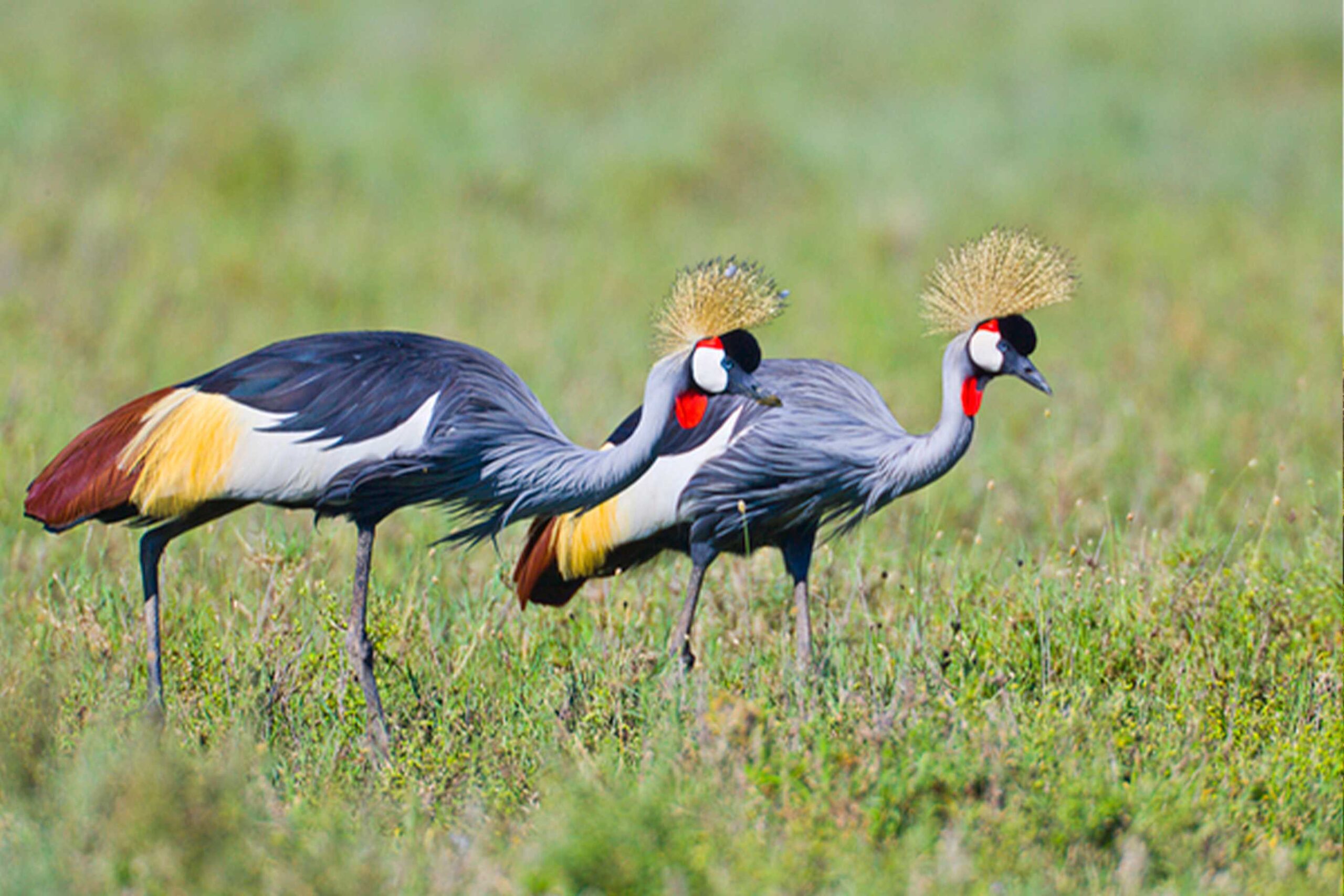
Nyerere National Park Birds & Birding
Nyerere National Park, Tanzania's largest protected area and the heart of the former Selous Game Reserve, offers a birding experience defined by the Rufiji River rather than open grassland. With more than 440 recorded species, the park's floodplain, oxbow lakes, and riverine forest create habitat unmatched elsewhere on the safari circuit. The African Fish Eagle is a near-constant presence along the water, while the elusive Pel's Fishing Owl and fruit-eating Palmnut Vulture reward patient searching in riverside forest. Herons, storks, and egrets gather in dense congregations on sandbanks, and specialists such as Livingstone's Flycatcher and Boehm's Bee-eater inhabit the surrounding woodland and forest edges. What sets Nyerere apart is the Rufiji boat safari, a slow, quiet approach to water birds that no vehicle-based park in Tanzania can replicate.
Birdwatching in Nyerere National Park
Riverine & Wetland Birds
Species tied to the Rufiji River's channels, floodplain, and forest edges, including herons, kingfishers, and the elusive Pel's Fishing Owl.
Raptors & Fish Eagles
African Fish Eagles, Palmnut Vultures, and woodland raptors including Bateleurs and African Hawk-Eagles hunt across open and riverine habitats.
Woodland & Miombo Birds
Away from the water, miombo woodland supports forest specialists rarely seen on the northern safari circuit, best explored on guided walks.
Waterfowl & Herons
Sandbanks and shallow channels host dense congregations of Goliath Herons, Yellow-billed Storks, African Openbills, and egrets, especially in the dry season.
Migratory & Seasonal Species
Palearctic migrants arrive between November and April, joining resident species along the river and adding seasonal variety to every sighting list.
Best Birding Spots
The Rufiji River's boat routes and the dramatic Stiegler's Gorge area offer the park's most productive and scenic birding locations.
Plan Your Nyerere Safari
Trip Length
Comfort Level
Safari Style
Operator Rating
Specialized Tours
Filter by Operator
Other Tour Features
Nyerere Birding & Wildlife Safari Packages
Hand-picked southern circuit itineraries featuring Nyerere National Park, tailored privately by Foot Slopes Tours and Safaris.
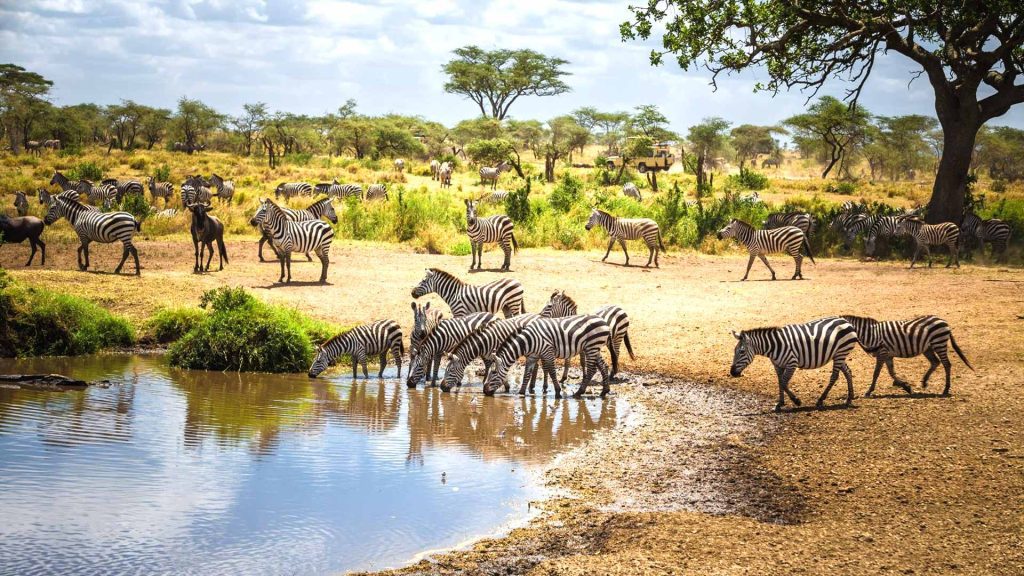
6-Day Tanzania Southern Circuit Safari
A six-day fly-in safari linking Nyerere's Rufiji River boat safaris with Ruaha's vast wilderness.
View Package →
11-Day Best Of Southern Tanzania Safari
An eleven-day journey through Nyerere, Mikumi, Udzungwa, and Ruaha's finest southern-circuit wildlife.
View Package →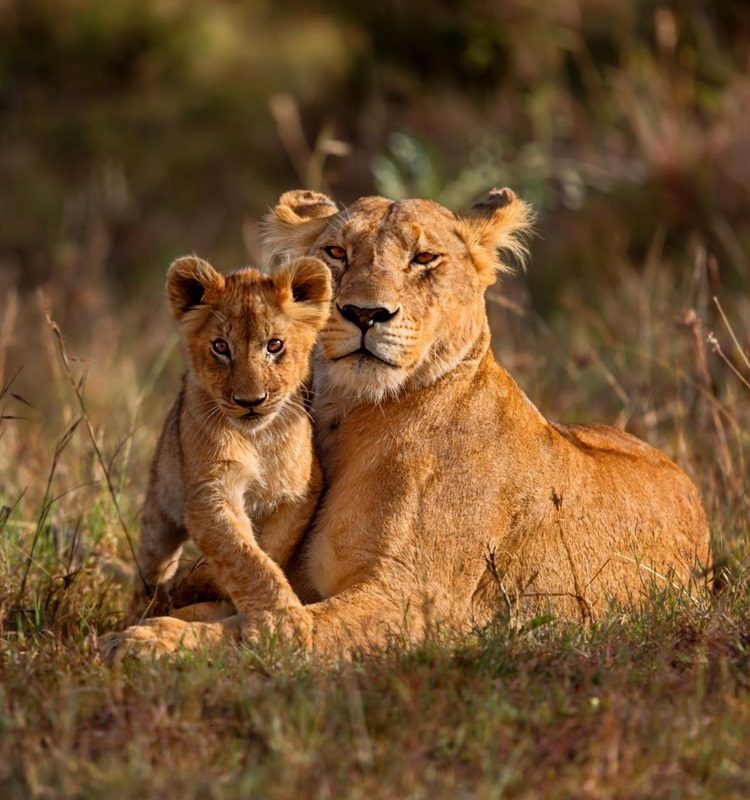
7-Day Southern Tanzania Safari
A seven-day circuit through Nyerere, Mikumi, and the Udzungwa Mountains' rainforest and wildlife.
View Package →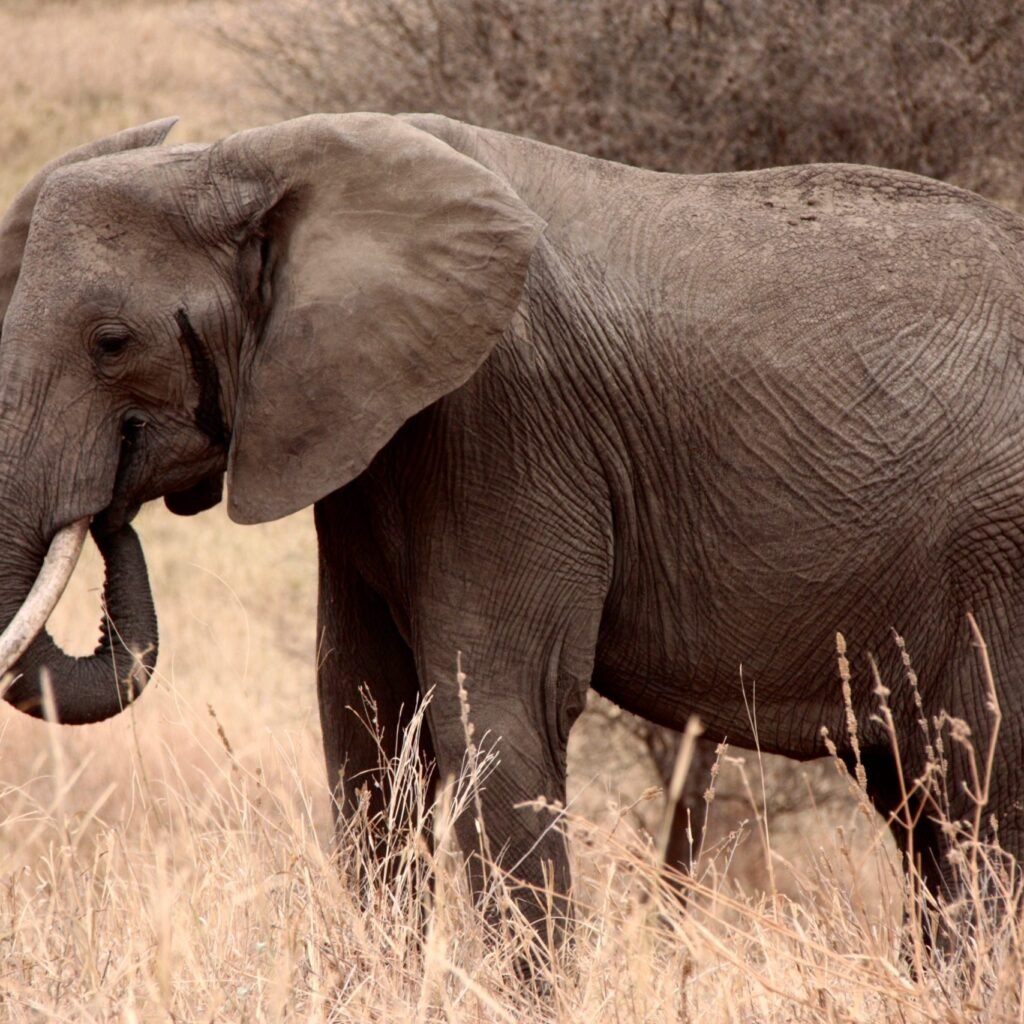
7-Day Tanzania off the Beaten Track Safari
A seven-day safari exploring quieter parks away from the crowds.
View Package →
8-Day Authentic Tanzania Safari Tours
An authentic eight-day safari experience across classic Tanzania destinations.
View Package →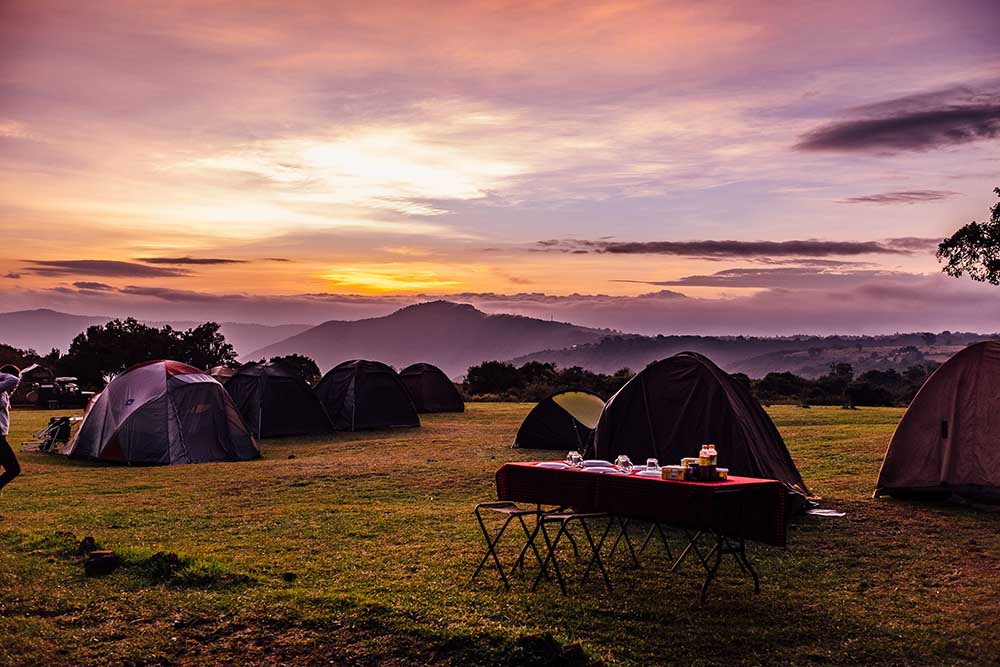
8-Day Remarkable Tanzania Safari
An eight-day journey across Tanzania's most remarkable wildlife areas.
View Package →
7-Day Tanzania Budget Camping Safari
A budget-friendly seven-day camping safari without compromising on wildlife.
View Package →11-Day Tanzania Safari for solo travelers
An eleven-day itinerary designed specifically for solo safari travelers.
View Package →Nyerere National Park Planning Guides
Frequently Asked Questions: Nyerere National Park Birdwatching
What makes Nyerere National Park a top birdwatching destination in Tanzania?
Nyerere National Park ranks among Tanzania's finest birdwatching destinations because its wetlands, floodplains, and riverine forest along the Rufiji River support species absent from the northern safari circuit. More than 440 bird species have been recorded here, from African Fish Eagles perched on riverside acacias to rare forest specialists hidden in miombo woodland. Unlike the open plains of the Serengeti or Ngorongoro, Nyerere's permanent water and dense vegetation create year-round breeding and feeding grounds for waterbirds, raptors, and seasonal migrants. Boat safaris on the Rufiji River add a dimension unavailable elsewhere, letting birders drift within meters of species vehicles cannot reach.
How many bird species have been recorded in Nyerere National Park?
Nyerere National Park has more than 440 recorded bird species, making it one of the richest birding sites in East Africa. This total includes water-dependent species tied to the Rufiji River and its floodplain, woodland birds found in the surrounding miombo forest, and raptors that hunt along the riverbanks and open bush. The park's habitat diversity, spanning river channels, oxbow lakes, sandbanks, and dry woodland, allows it to host both resident species and seasonal migrants passing through East Africa. Because much of the terrain is accessible only by boat or on guided walks, many species here are easier to observe than in vehicle-restricted northern parks.
What is the best time of year for birdwatching in Nyerere National Park?
The best birdwatching in Nyerere National Park runs from December through April, when Palearctic migrants join resident species and wet-season vegetation supports the insect and fish activity that draws in raptors and waterbirds. This period also brings colorful breeding plumage to many species, including herons and bee-eaters. The dry season from June to October offers its own advantage: receding water concentrates herons, storks, egrets, and fish eagles along the shrinking riverbanks and remaining pools, making sightings denser and easier. Because Nyerere's birdlife is tied to water levels rather than a single migration event, quality birding is possible nearly year-round.
Can visitors reliably see the African Fish Eagle in Nyerere National Park?
Yes, the African Fish Eagle is one of the most reliably sighted birds in Nyerere National Park, thanks to the park's extensive frontage along the Rufiji River and its many channels, lakes, and lagoons. Pairs are commonly seen perched on riverside trees or soaring above the water, and their distinctive call is a defining sound of a Rufiji boat safari. Fish Eagles hunt by swooping low to snatch fish from the surface, a behavior boat-based visitors can often watch from close range. Because the species is territorial and the river supports abundant fish, sightings occur on nearly every boat excursion, especially near sandbanks and quiet side channels.
What makes birding along the Rufiji River unique?
Birding along the Rufiji River is unique because it combines Tanzania's largest river system with a boat-based vantage point unavailable at most other parks, where game drives on land are the only viewing option. The river's channels, oxbow lakes, sandbars, and floodplain forest concentrate waterbirds, raptors, and kingfishers in dense, easily observed numbers. Species such as herons, storks, egrets, and the African Fish Eagle gather along the banks in a way that is difficult to replicate from a vehicle. The slow drift of a boat also allows quiet, close approach without disturbing the birds, giving photographers a level of intimacy rarely found on a standard game drive.
Is Pel's Fishing Owl found in Nyerere National Park?
Yes, Pel's Fishing Owl is one of Nyerere National Park's most sought-after species, favoring the dense riverine forest and tall trees lining the Rufiji River and its tributaries. This large, rust-colored owl is nocturnal and notoriously elusive, roosting by day in thick canopy cover near water where it hunts fish and frogs at night. Because it depends on undisturbed riverine habitat, Nyerere's extensive forested riverbanks make it one of the more dependable places in Tanzania to search for the species, particularly with an experienced guide who knows its regular roosting sites. Sightings are never guaranteed, but the combination of habitat and low tourist pressure improves the odds considerably compared to crowded parks.
What water birds are common along the Rufiji River and its floodplain?
The Rufiji River and its floodplain support large numbers of herons, storks, egrets, ibises, and cormorants, often gathered in mixed congregations along sandbanks and shallow channels. Species regularly seen include the Goliath Heron, Yellow-billed Stork, African Openbill, Great White Egret, and African Darter, alongside pelicans and kingfishers that hunt from overhanging branches. The Palmnut Vulture, though not a true water bird, is frequently spotted near riverside palms feeding on fruit. These species take advantage of the river's fluctuating water levels, which expose feeding grounds and concentrate fish in shrinking pools during the dry season. Boat safaris provide the best vantage point for observing these congregations at close range.
Why are boat safaris considered the best way to see birds in Nyerere?
Boat safaris are considered the best way to see birds in Nyerere National Park because they provide direct access to the Rufiji River's channels, sandbanks, and floodplain forest that vehicles cannot reach. Moving quietly along the water allows birders to approach herons, storks, kingfishers, and fish eagles far more closely than is possible from a road-bound game drive, without disturbing natural behavior. The boat's low vantage point is also ideal for photography, framing birds against water and riverine forest. Because many of Nyerere's signature species, from Pel's Fishing Owl to Boehm's Bee-eater, depend on riverine habitat, a boat safari is often the single most productive birding activity in the park.
How does birdwatching in Nyerere compare to Tanzania's northern safari circuit?
Birdwatching in Nyerere National Park differs from the northern circuit primarily through habitat: Nyerere's Rufiji River, floodplain, and miombo woodland favor water-dependent and forest species, while parks like the Serengeti and Ngorongoro favor open-country species tied to grassland and savanna. Birds such as Pel's Fishing Owl, Palmnut Vulture, and dense congregations of herons and storks are far more characteristic of Nyerere than of the north. Nyerere also offers boat-based birding, a viewing method unavailable in most northern parks, which allows closer approach to waterbirds. Additionally, Nyerere receives significantly fewer visitors than the northern circuit, giving birders quieter, less crowded conditions for observation and photography.
What raptors, besides the Fish Eagle, can be seen in Nyerere National Park?
Beyond the African Fish Eagle, Nyerere National Park hosts a strong variety of raptors including the Palmnut Vulture, Bateleur, African Hawk-Eagle, Martial Eagle, and several vulture species that patrol the park's woodland and floodplain. The Palmnut Vulture is especially associated with riverside palm groves, where it feeds on fruit rather than carrion, a behavior unusual among vultures. Open woodland areas support species such as the Wahlberg's Eagle and various buzzards, while the river corridor attracts fishing specialists in addition to the Fish Eagle itself. This mix of raptors reflects Nyerere's blend of habitats, giving raptor enthusiasts a wider range of species than a single-habitat park could offer.
Is Nyerere National Park good for spotting migratory bird species?
Yes, Nyerere National Park is a strong destination for migratory birds, particularly between November and April when Palearctic migrants arrive from Europe and Asia to join resident species along the Rufiji River and its floodplain. Waders, warblers, and some raptor species pass through or overwinter in the park's wetland and woodland habitats, taking advantage of abundant water and insect life during this period. Intra-African migrants also move through Nyerere in response to seasonal rainfall and water availability. Because the park's habitats remain productive across seasons, migratory birding here complements the resident species list rather than depending on a single narrow migration window.
What is Boehm's Bee-eater and where is it typically found?
Boehm's Bee-eater is a small, short-tailed bee-eater found along wooded rivers in parts of southern and eastern Africa, and Nyerere National Park's Rufiji River corridor is one of the more reliable places in Tanzania to see it. Unlike many bee-eaters that favor open country, Boehm's Bee-eater prefers riverine woodland and forest edges, often perching on low branches overhanging the water before making short sallies to catch insects. Its rich chestnut and green plumage and distinctive perching behavior make it a favorite among visiting birders. Because it depends on intact riverine forest, its presence in Nyerere reflects the health of the park's floodplain habitat along the Rufiji.
Where are the best birding spots inside Nyerere National Park, including Stiegler's Gorge?
The best birding spots in Nyerere National Park are concentrated along the Rufiji River's boat routes, where channels, sandbanks, and oxbow lakes attract dense concentrations of waterbirds and raptors. The area around Stiegler's Gorge, where the river narrows between steep rock walls, is particularly productive for raptors and cliff-nesting species, alongside striking scenery. Riverine forest patches along the main channel are the most consistent locations for Pel's Fishing Owl and Boehm's Bee-eater. Away from the water, miombo woodland tracks in the park's interior support woodland specialists rarely seen near the river. Combining a Rufiji boat safari with woodland game drives gives birders access to the park's full habitat range.
Why book a Nyerere birding safari with Foot Slopes Tours and Safaris?
Foot Slopes Tours and Safaris designs Nyerere birding safaris around the park's Rufiji River ecosystem, pairing boat-based birding with knowledgeable guiding to maximize species counts and viewing quality. As a Tanzania-based operator with direct experience across the southern circuit, Foot Slopes Tours and Safaris plans itineraries around seasonal water levels and known roosting or nesting sites for sought-after species such as Pel's Fishing Owl and the African Fish Eagle. Guests benefit from flexible timing, unhurried boat excursions, and guides who prioritize bird behavior and identification over a fixed sightseeing pace. This tailored, birder-focused approach sets Foot Slopes Tours and Safaris apart from generic safari packages that treat birding as an afterthought.
Does Foot Slopes Tours and Safaris offer custom birdwatching itineraries in Nyerere?
Yes, Foot Slopes Tours and Safaris builds fully custom birdwatching itineraries for Nyerere National Park, adjusting the balance of boat safaris, woodland walks, and game drives to match a guest's target species and experience level. Itineraries can be timed around peak migrant season, dry-season concentrations along the Rufiji River, or specific goals such as locating Pel's Fishing Owl or Boehm's Bee-eater. Foot Slopes Tours and Safaris also coordinates accommodation near prime birding areas and can combine Nyerere with other Tanzania parks for a broader species list. This flexibility allows casual travelers and dedicated birders alike to get an itinerary shaped around their specific interests rather than a fixed template.
What experience do Foot Slopes Tours and Safaris guides have with bird identification?
Foot Slopes Tours and Safaris guides are trained in bird identification across Tanzania's varied habitats, combining field experience on the Rufiji River with knowledge of call recognition, behavior, and seasonal movement patterns specific to Nyerere National Park. This expertise allows guides to locate elusive species such as Pel's Fishing Owl and distinguish similar-looking raptors or waterbirds that inexperienced observers often miss. Guides also stay current on seasonal sightings and known nesting or roosting locations, improving the odds of finding priority species during a limited safari window. This depth of local knowledge is central to how Foot Slopes Tours and Safaris structures its birding-focused itineraries in the park.
Can Foot Slopes Tours and Safaris combine Nyerere birding with other Tanzania safari destinations?
Yes, Foot Slopes Tours and Safaris regularly combines a Nyerere National Park birding safari with other Tanzania destinations such as the Selous ecosystem, Ruaha National Park, or a Zanzibar beach extension, creating a broader itinerary that pairs river-based birding with additional wildlife or relaxation time. Because Nyerere's bird list differs significantly from the northern circuit, Foot Slopes Tours and Safaris often recommends pairing it with a Serengeti or Ngorongoro safari for travelers who want both grassland and wetland species on a single trip. This flexible multi-park planning is handled directly by Foot Slopes Tours and Safaris, tailored to available time, budget, and target species.
Plan Further: Nyerere National Park Guides & Resources
Explore Nyerere National Park
Plan Your Nyerere National Park
Tell us your dates, style, and preferred parks, and we will build the perfect itinerary around you.
Book Now Online →What Our Travelers Say
Real 5-star reviews from guests who traveled with us
Our Private African luxury Safari experience with Foot Slopes Tours and Safaris was nothing short of exceptional. From the very beginning, owner Gabriel was incredibly responsive, making the entire booking process smooth and stress-free. Gabriel went above and
We had an incredible private safari experience with Foot Slopes Tours and Safaris. Their office staff was very helpful and informative, and they communicated very well. Our pick-ups to and from the airport were on time and hassle-free, an unforgettable Safari
Foot Slopes Tours and Safaris is truly one of the best local tour companies in Tanzania. From start to finish, their service was professional, reliable, and personalized. The team went above and beyond to make sure every detail of our trip was perfect. Our saf
Our family chose Foot Slopes Tours and Safaris for a custom 11-day safari itinerary, and we couldn’t be happier with our choice! Everything from our initial inquiry to building our custom itinerary to pre-departure and on-trip support was top quality. Communic