
Ruaha National Park Malaria & Safety Guide
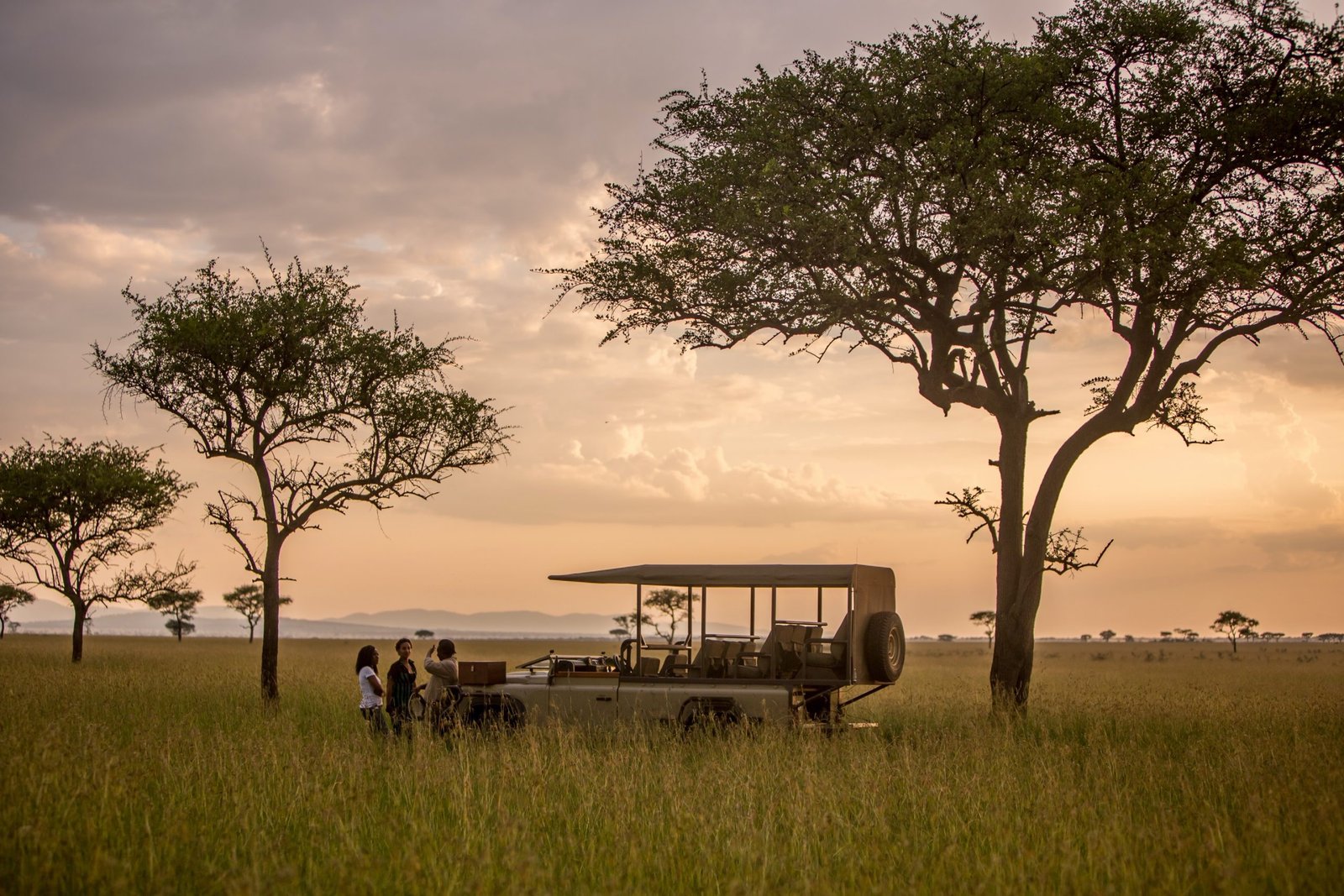
Ruaha National Park is one of Tanzania’s most rewarding yet remote safari destinations, and travelers planning a visit often want practical, general guidance on health and safety before departure. Game drives throughout Ruaha are led by experienced, professionally trained guides who follow established safari safety protocols, from vehicle procedures to wildlife-viewing distances, so visitors can focus on spotting lion prides, elephant herds, and the park’s famous baobab-lined landscapes with confidence. Because Ruaha lies within a malaria-risk region of Tanzania, general prevention measures are worth including in your trip planning, alongside broader pre-travel health preparation. The park’s remote location, with limited medical infrastructure compared to major cities, also means that thoughtful preparation adds real peace of mind. Every traveler’s health needs differ, so we always recommend consulting a doctor or travel health clinic well before departure to discuss vaccinations, malaria prevention, and any personal health considerations specific to your itinerary.
Health & Safety at a Glance
General, responsible guidance to help you plan a safe, well-prepared Ruaha safari.
Malaria Prevention
Ruaha sits within a malaria-risk area of Tanzania, so general prevention is a standard part of trip planning here, as across much of East Africa's safari country. Covering arms and legs at dawn and dusk, using insect repellent, and sleeping under treated netting (provided by most camps) all help. Because prevention needs vary by traveler, always consult a doctor or travel health clinic well before departure.
Game Drive & Wildlife Viewing Safety
Every game drive in Ruaha is led by an experienced, professionally trained guide who follows established safari safety protocols — maintaining safe viewing distances and briefing guests before each outing. Guests are asked to stay seated near wildlife, follow the guide's instructions at all times, and avoid sudden movements or loud noise. These standard practices allow close, memorable wildlife encounters while keeping everyone safe.
Remote Location Preparedness
Ruaha is one of Tanzania's more remote parks, with fewer towns, shops, or medical facilities nearby than the northern safari circuit. Packing sufficient personal supplies, a basic first-aid kit, and copies of key documents is worthwhile. Most camps maintain radio or satellite communication and established evacuation arrangements. Confirming travel insurance includes emergency medical evacuation coverage is one of the simplest ways to prepare.
Sun & Heat Precautions
Ruaha's climate is hot and dry for much of the year, with strong equatorial sun during open game drives. Wearing a wide-brimmed hat, high-SPF sunscreen, and lightweight, breathable, long-sleeved clothing helps prevent sunburn and overheating. Staying well hydrated throughout the day is equally important, especially during the dry season. Light-colored clothing and sunglasses add comfort during midday hours between drives.
Vaccinations & Pre-Trip Health Prep
Tanzania's entry requirements and recommended travel vaccinations can change and depend on your home country, itinerary, and personal health history. Some travelers require proof of yellow fever vaccination depending on prior travel routing. Rather than relying on general guidance, schedule an appointment with a doctor or accredited travel health clinic four to six weeks before departure to review current recommendations for your trip.
Fly-In Safari Logistics & Safety
Many visitors reach Ruaha via light aircraft charter flights from Dar es Salaam, Arusha, or other Tanzanian hubs, landing at the park's small airstrips. Flights operate under Tanzanian civil aviation regulations, with experienced pilots and standard baggage weight limits (often around 15kg in soft-sided bags). Booking through a reputable operator and allowing buffer time between connecting flights keeps fly-in logistics smooth and stress-free.
Plan Your Ruaha Safari
Trip Length
Comfort Level
Safari Style
Operator Rating
Specialized Tours
Filter by Operator
Other Tour Features
Safe, Fully Guided Ruaha Safari Packages
Hand-picked southern circuit itineraries featuring Ruaha National Park, tailored privately by Foot Slopes Tours and Safaris.
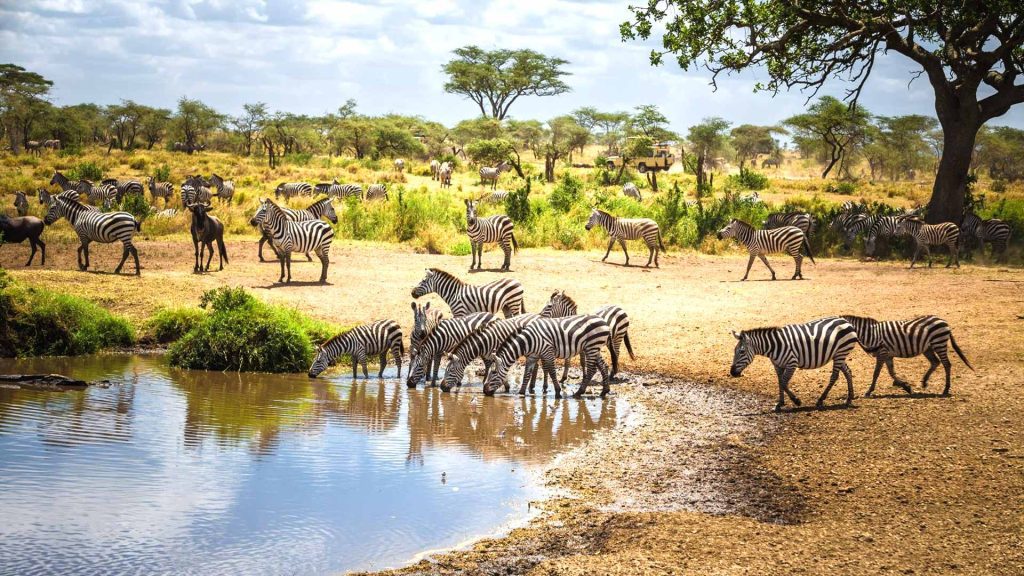
6-Day Tanzania Southern Circuit Safari
A six-day fly-in safari linking Nyerere's Rufiji River boat safaris with Ruaha's vast wilderness.
View Package →
11-Day Best Of Southern Tanzania Safari
An eleven-day journey through Nyerere, Mikumi, Udzungwa, and Ruaha's finest southern-circuit wildlife.
View Package →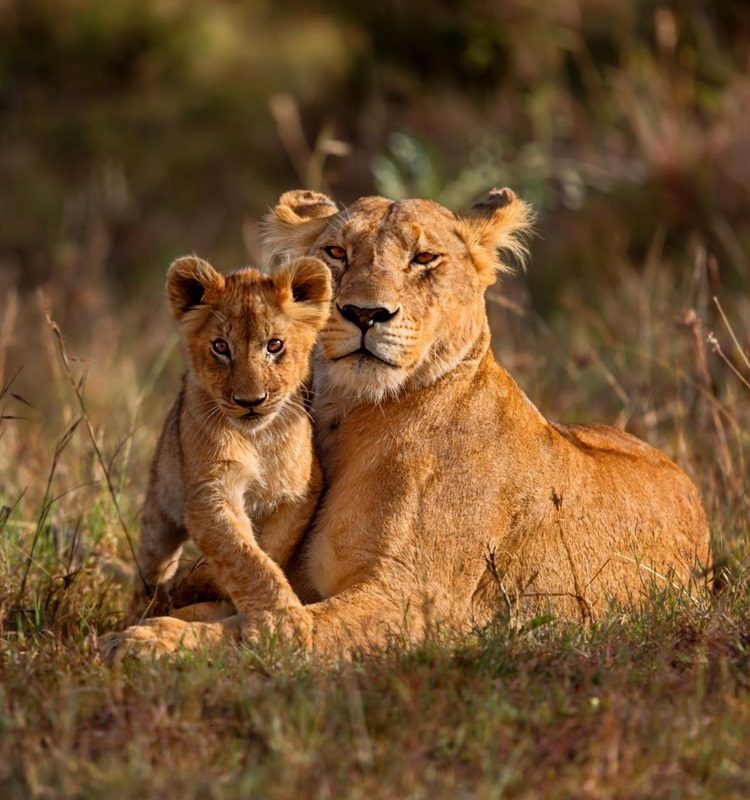
7-Day Southern Tanzania Safari
A seven-day circuit through Nyerere, Mikumi, and the Udzungwa Mountains' rainforest and wildlife.
View Package →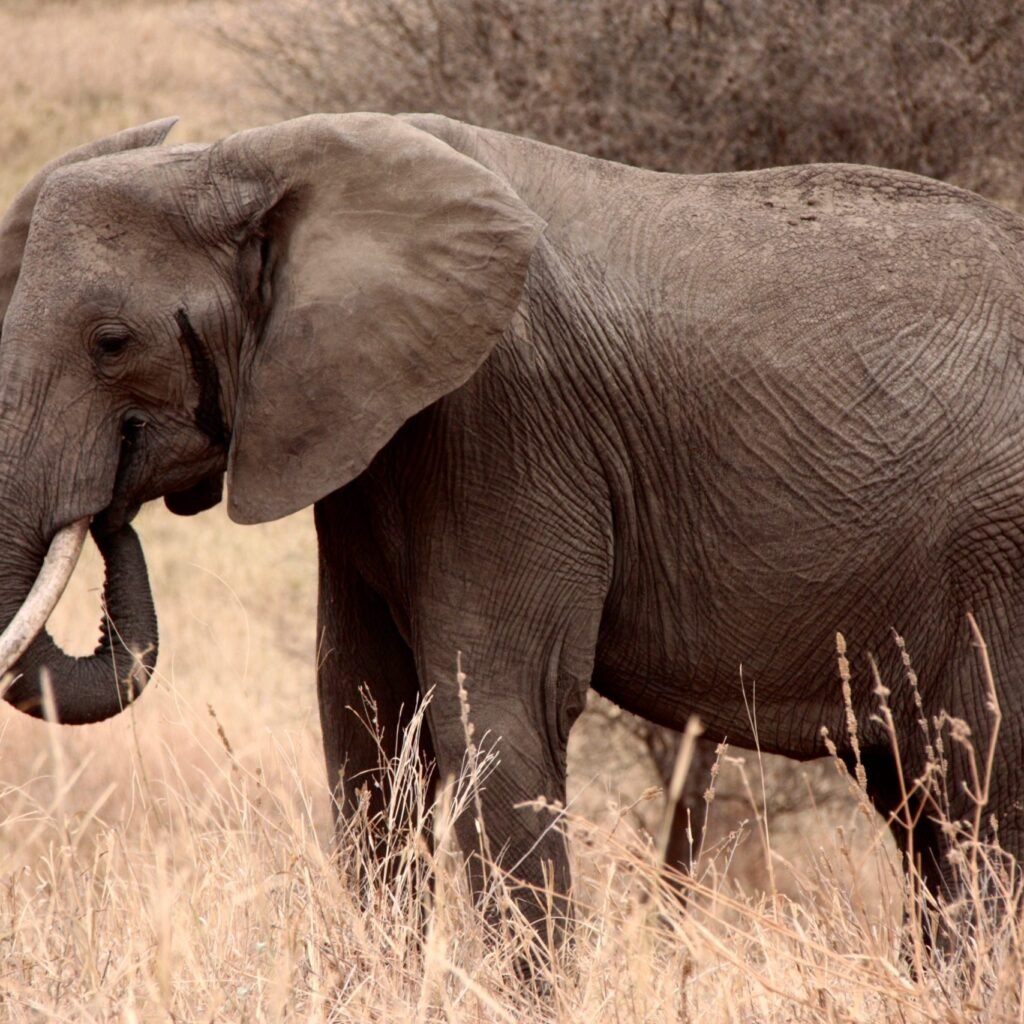
7-Day Tanzania off the Beaten Track Safari
A seven-day safari exploring quieter parks away from the crowds.
View Package →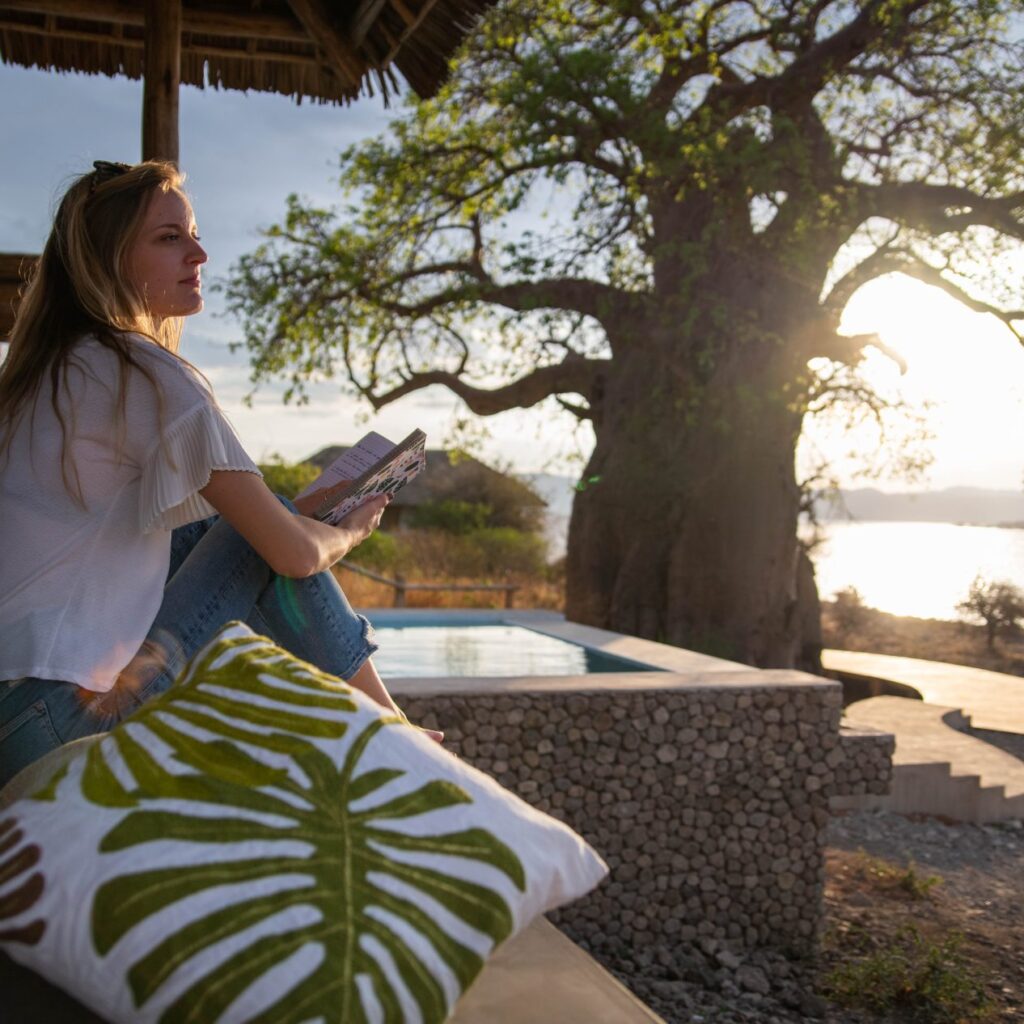
8-Day Authentic Tanzania Safari Tours
An authentic eight-day safari experience across classic Tanzania destinations.
View Package →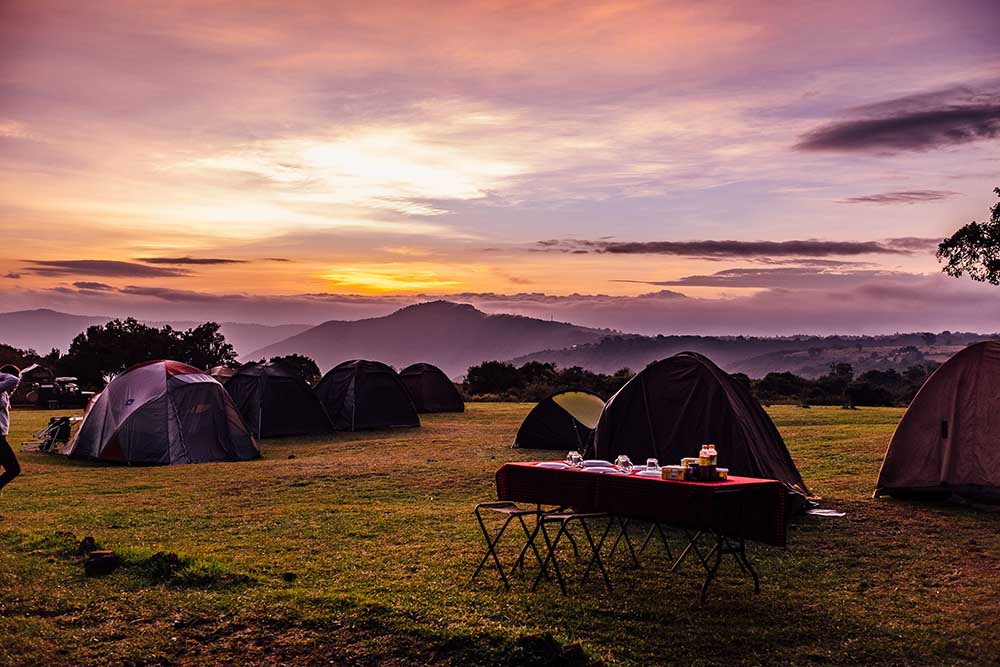
8-Day Remarkable Tanzania Safari
An eight-day journey across Tanzania's most remarkable wildlife areas.
View Package →
7-Day Tanzania Budget Camping Safari
A budget-friendly seven-day camping safari without compromising on wildlife.
View Package →11-Day Tanzania Safari for solo travelers
An eleven-day itinerary designed specifically for solo safari travelers.
View Package →Ruaha Safari Planning Guides
Ruaha Malaria & Safety: Frequently Asked Questions
Is Ruaha National Park a malaria risk area?
Yes, Ruaha National Park lies within a malaria-risk region of Tanzania, like most of the country's classic safari areas, so general prevention is a normal part of trip planning. Common measures include wearing long sleeves and trousers during early morning and evening hours when mosquitoes are most active, applying insect repellent, and sleeping under the treated mosquito nets most camps and lodges provide as standard. Malaria-prevention needs differ by traveler, itinerary, and medical history, so we always recommend a consultation with a doctor or accredited travel health clinic well before departure to receive guidance suited to your specific trip and personal health situation.
What is the best way to prevent mosquito bites during a Ruaha safari?
Reducing mosquito exposure during a Ruaha safari generally comes down to a few consistent habits: cover arms and legs with lightweight, long clothing around dawn and dusk, apply insect repellent to exposed skin, and use the treated mosquito netting provided in most camp and lodge accommodations. Choosing accommodations with screened windows or air conditioning can also help. Many travelers also check that their sleeping area is properly sealed each evening. Because personal prevention plans vary by traveler and destination, it is best to confirm your specific approach with a doctor or travel health clinic before you depart for Tanzania.
Do I need anti-malaria medication to visit Ruaha?
Whether any preventive medication is appropriate for your Ruaha trip is a personal medical decision that depends on your health history, other medications, travel itinerary, and length of stay, so it is not something general travel guidance can responsibly answer. What we can say is that Ruaha lies in a malaria-risk area, so this is a topic worth raising early in your trip planning. We recommend booking an appointment with a doctor or accredited travel health clinic several weeks before departure, so they can review current guidance and recommend an approach suited specifically to you.
How safe are game drives in Ruaha National Park?
Game drives in Ruaha are led by experienced, professionally trained safari guides who follow established wildlife-viewing protocols used throughout Tanzania's national parks. Guides maintain safe distances from animals, read wildlife behavior continuously, and brief guests on expected conduct before each outing, including staying seated inside the vehicle near wildlife and avoiding sudden movements or loud noises. Vehicles themselves are maintained to standard safety requirements for safari operations. These long-established practices are designed to protect both guests and wildlife, allowing close and memorable sightings of lions, elephants, and other Ruaha residents while keeping everyone secure throughout the drive.
What safety rules should I follow during a game drive in Ruaha?
The core safety rules on a Ruaha game drive are straightforward: always remain seated inside the vehicle when wildlife is nearby, never stand up through the roof hatch or extend limbs outside the vehicle near animals, keep voices low, and follow your guide's instructions immediately, since they are trained to read situations you may not notice. Guides will explain specific expectations before departure and adjust as conditions change through the drive. Outside the vehicle, such as at picnic stops, guides will indicate where it is safe to walk. Following these established habits is what keeps every game drive safe and enjoyable.
How close will I get to wildlife, and is it safe?
Ruaha's guides are trained to approach wildlife at distances that keep both guests and animals safe and calm, which typically still allows excellent, close photographic opportunities without disturbing natural behavior. Vehicles move slowly and predictably near animals, and guides continuously read body language to know when to hold position, move closer gradually, or retreat. Guests are asked to remain seated, stay quiet, and avoid sudden movement, since safari vehicles are generally treated by wildlife as a single, non-threatening shape. This established, standard approach across Tanzania's parks is what allows genuinely close wildlife encounters to happen safely, drive after drive.
How remote is Ruaha National Park?
Ruaha is one of Tanzania's more remote national parks, with far fewer towns, shops, and medical facilities nearby compared to the busier northern safari circuit around Arusha and the Serengeti. Most visitors arrive by light aircraft to small park airstrips, and camps are often a meaningful drive or flight from the nearest town. This remoteness is part of what keeps Ruaha wild and uncrowded, but it also means preparation matters: packing sufficient personal supplies, confirming your camp's communication and evacuation arrangements, and choosing travel insurance with solid emergency coverage are all sensible steps before a Ruaha safari.
What happens if there is a medical emergency in Ruaha?
Camps and lodges in Ruaha generally maintain radio or satellite communication and established relationships with regional emergency-evacuation providers as standard practice for operating in a remote park. Guides also typically carry first-aid supplies and communication equipment on every game drive. Because response times in a remote setting are naturally longer than in a city, travel insurance that specifically includes emergency medical evacuation coverage is strongly recommended for any Ruaha itinerary. Your safari operator or camp can walk you through their specific emergency procedures before your trip, and we encourage every traveler to ask about them directly.
What should I pack for health and safety on a Ruaha safari?
A sensible health and safety packing list for Ruaha generally includes any personal prescription medication in its original packaging with extra supply, a basic first-aid kit, insect repellent, sun protection such as a hat and high-SPF sunscreen, and copies of important documents including travel insurance details. Lightweight, breathable, long-sleeved clothing in neutral colors suits both sun protection and general mosquito-bite prevention. Because Ruaha is remote, it is wise to pack slightly more than a typical short trip would require. A pre-departure consultation with a doctor or travel health clinic is the best way to confirm what is right for you personally.
Do I need vaccinations to visit Tanzania and Ruaha National Park?
Vaccination and entry-health requirements for Tanzania can change and depend on factors such as your home country, recent travel history, and personal medical background, so this is genuinely a question for a qualified professional rather than general travel content. As a starting point, we recommend contacting a doctor or accredited travel health clinic four to six weeks before departure, since some vaccinations need time to take effect and some require multiple doses. They can confirm which vaccinations and any other health preparations are currently recommended or required for your specific itinerary to Ruaha and Tanzania more broadly.
Is a yellow fever vaccination certificate required for Ruaha?
Yellow fever vaccination requirements for Tanzania typically depend on whether you are arriving from, or have recently transited through, a country with risk of yellow fever transmission, and these entry requirements can be updated by health authorities over time. Rather than relying on general guidance that may not reflect current rules, we recommend confirming your specific requirement with a doctor, accredited travel health clinic, or official government travel health resource well before booking flights. They can review your routing and travel history and advise whether a vaccination certificate will be needed for your entry into Tanzania and Ruaha National Park.
Is Ruaha National Park safe for solo travelers?
Ruaha is a well-suited destination for solo travelers, particularly because game drives and camp stays are professionally guided and supervised throughout, so you are rarely, if ever, navigating the park or its logistics alone. Experienced guides handle route-finding, wildlife safety, and daily logistics, while camps provide a built-in community of staff and fellow travelers at meals and around the fire in the evening. Many solo travelers find the structured, guided nature of a Ruaha safari more reassuring than independent travel elsewhere. As with any trip, general trip preparation and a pre-departure health consultation remain worthwhile regardless of whether you travel solo.
Is Ruaha safe for families traveling with children?
Ruaha can work well for families, though its remoteness and longer flight or drive times mean it suits families comfortable with a more adventurous, off-the-beaten-path itinerary rather than a short first safari. Guides tailor game drives to keep younger guests engaged and safe, and many camps offer family-friendly accommodation options. Standard game-drive safety rules apply equally to children, including staying seated and following the guide's instructions at all times. Because health preparation needs can differ for younger travelers, we recommend discussing your family's specific itinerary, ages, and any health considerations with a doctor or travel health clinic well before departure.
Why choose Foot Slopes Tours and Safaris for a Ruaha safari?
Foot Slopes Tours and Safaris builds every Ruaha itinerary around experienced local guides, vetted camps and lodges, and safari vehicles maintained to consistent safety standards, so travelers can focus on the experience rather than the logistics. Our team plans routes, timing, and accommodation with both wildlife-viewing quality and practical safety in mind, drawing on established relationships across Tanzania's southern safari circuit. We also provide clear pre-trip guidance covering what to pack, what to expect in a remote park, and where to direct health-related questions. That combination of local expertise, dependable planning, and responsive support is why travelers choose us for Ruaha.
Are Foot Slopes Tours guides trained in first aid and safety?
Foot Slopes Tours and Safaris works with experienced, professionally trained guides who follow established wildlife-viewing and vehicle safety protocols on every game drive, and our partner camps in Ruaha maintain first-aid supplies and communication equipment as standard practice for operating in a remote park. While we are a safari operator rather than a medical provider, safety and preparedness are built into how every itinerary is planned, from guide briefings to emergency-communication arrangements with our camps. For any health-specific questions, including required preparation or medication, we always direct travelers to a doctor or accredited travel health clinic ahead of departure.
What safety measures are built into every Foot Slopes Tours Ruaha itinerary?
Every Foot Slopes Tours Ruaha itinerary includes vetted, experienced guides, vehicles suited to remote-area travel, camps with established emergency-communication arrangements, and clear pre-trip information covering packing, general malaria-prevention habits, and what to expect in a remote destination. We also help travelers understand realistic travel-insurance needs for a remote safari, including emergency medical evacuation coverage, and we are happy to answer logistical questions about flights, transfers, and daily safari routines at any point before departure. These layered, standard measures reflect how we plan every trip into Tanzania's more remote parks, not only Ruaha, so travelers arrive well prepared.
Can Foot Slopes Tours help me prepare for health requirements before departure?
Yes, we are glad to help with general trip preparation ahead of a Ruaha safari, including practical guidance on packing, what to expect from a remote destination, and pointers on where current Tanzania entry-health requirements can be confirmed. Because vaccination needs, malaria-prevention approaches, and other health decisions are personal medical matters depending on your individual history, we are not able to advise on these directly and always recommend consulting a doctor or accredited travel health clinic well ahead of departure. We are happy to share their contact if you would like, and to answer any non-medical planning question in the meantime.
Plan Further: Ruaha National Park Guides & Resources
Explore Ruaha National Park
Plan Your Ruaha Safari
Tell us your dates, style, and preferred parks, and we will build the perfect itinerary around you.
Book Now Online →What Our Travelers Say
Real 5-star reviews from guests who traveled with us
Our Private African luxury Safari experience with Foot Slopes Tours and Safaris was nothing short of exceptional. From the very beginning, owner Gabriel was incredibly responsive, making the entire booking process smooth and stress-free. Gabriel went above and
We had an incredible private safari experience with Foot Slopes Tours and Safaris. Their office staff was very helpful and informative, and they communicated very well. Our pick-ups to and from the airport were on time and hassle-free, an unforgettable Safari
Foot Slopes Tours and Safaris is truly one of the best local tour companies in Tanzania. From start to finish, their service was professional, reliable, and personalized. The team went above and beyond to make sure every detail of our trip was perfect. Our saf
Our family chose Foot Slopes Tours and Safaris for a custom 11-day safari itinerary, and we couldn’t be happier with our choice! Everything from our initial inquiry to building our custom itinerary to pre-departure and on-trip support was top quality. Communic