Gombe lies in a malaria area. Consult your doctor or a travel clinic several weeks before you travel about suitable prevention for you. Combine any medical advice with careful bite avoidance throughout your stay, especially from dusk to dawn.
Safety
Avoid Mosquito Bites
Use an effective insect repellent recommended by a pharmacist, wear long sleeves and trousers in the evening and sleep under a mosquito net where provided. Keep doors and tent flaps closed and consider treated clothing for extra protection.
Safety
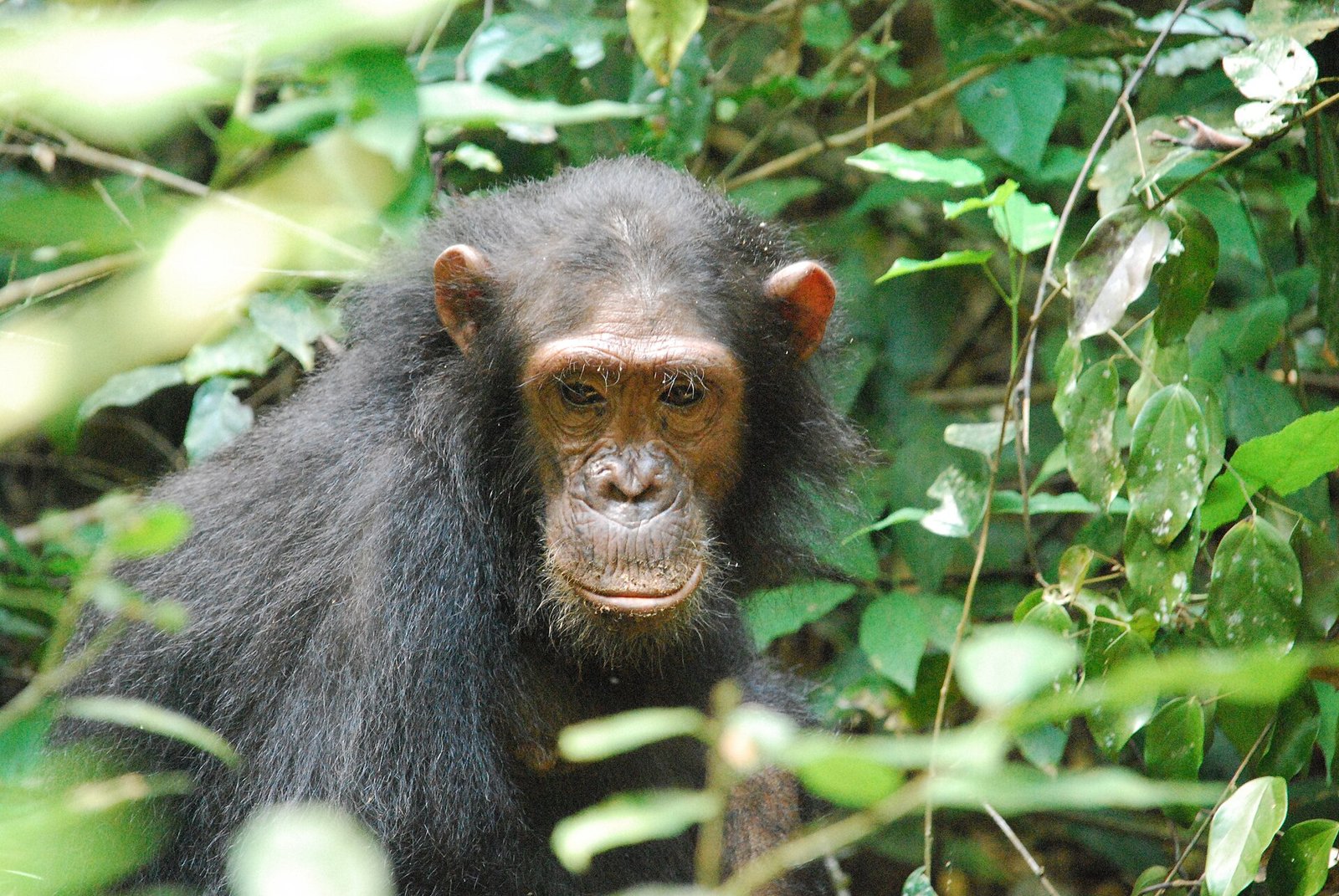
Protect the Chimpanzees
Chimps can catch human illnesses. Do not trek if you have a cold, flu, cough, fever or stomach upset, and tell your guide if you feel unwell. Wear a mask when asked, keep your distance and never touch, feed or approach a chimpanzee.
Health
Vaccinations and Documents
Check vaccination requirements and recommendations with a travel clinic. Tanzania may require proof of yellow fever vaccination for travelers arriving from certain countries. Carry your vaccination records, insurance details and emergency contacts with you. Requirements can change, so check before travel.
Trails in Gombe can be steep, rocky and slippery. Wear sturdy boots with good grip, use a walking stick if helpful and move at a comfortable pace. Tell your guide about any mobility concerns before setting out so they can plan accordingly.
The equatorial sun is strong, especially on the beach and the boat. Use sunscreen, a hat and sunglasses, and drink plenty of safe water. Carry water on every trek, since steep climbs in warm, humid air can be very tiring.
Swim only where your guide or camp says it is suitable, avoid swimming at night or in rough water and wear a life jacket on boats. Ask locally about any water-related health advice, and consult a travel clinic before your trip.
Safety
Insurance and Remote Travel
Gombe is remote, and advanced medical facilities are far away. Comprehensive travel insurance that includes emergency evacuation is strongly recommended. Bring a personal first aid kit and any regular medications in your hand luggage. Check that your policy covers remote areas.