
Tarangire National Park
Tarangire National Park is one of Tanzania's most celebrated wildlife destinations, located in the Manyara Region roughly 118 km (2.5 hours) southwest of Arusha in the Northern Safari Circuit. Covering approximately 2,850 km², the park takes its name from the Tarangire River, whose permanent waters draw the largest elephant herds in Tanzania and huge concentrations of zebra, wildebeest, buffalo and giraffe during the dry season (June–October). Tarangire is equally famous for its ancient, swollen-trunked baobab trees, some believed to be centuries old, which dot the golden grasslands and give the park its distinctive, iconic silhouette. With over 550 recorded bird species, dramatic termite mounds and far fewer visitors than the Serengeti, Tarangire offers an authentic, uncrowded safari experience that pairs perfectly with Ngorongoro Crater, Lake Manyara and the Serengeti.
Tarangire National Park at a Glance
Highlights of Tarangire National Park
Ancient Baobab Trees
Tarangire's skyline is defined by massive, centuries-old baobab trees with swollen, water-storing trunks. These iconic "upside-down trees" scatter across the park's golden plains, creating some of the most photographed and instantly recognizable landscapes in Tanzania.
Tanzania's Largest Elephant Herds
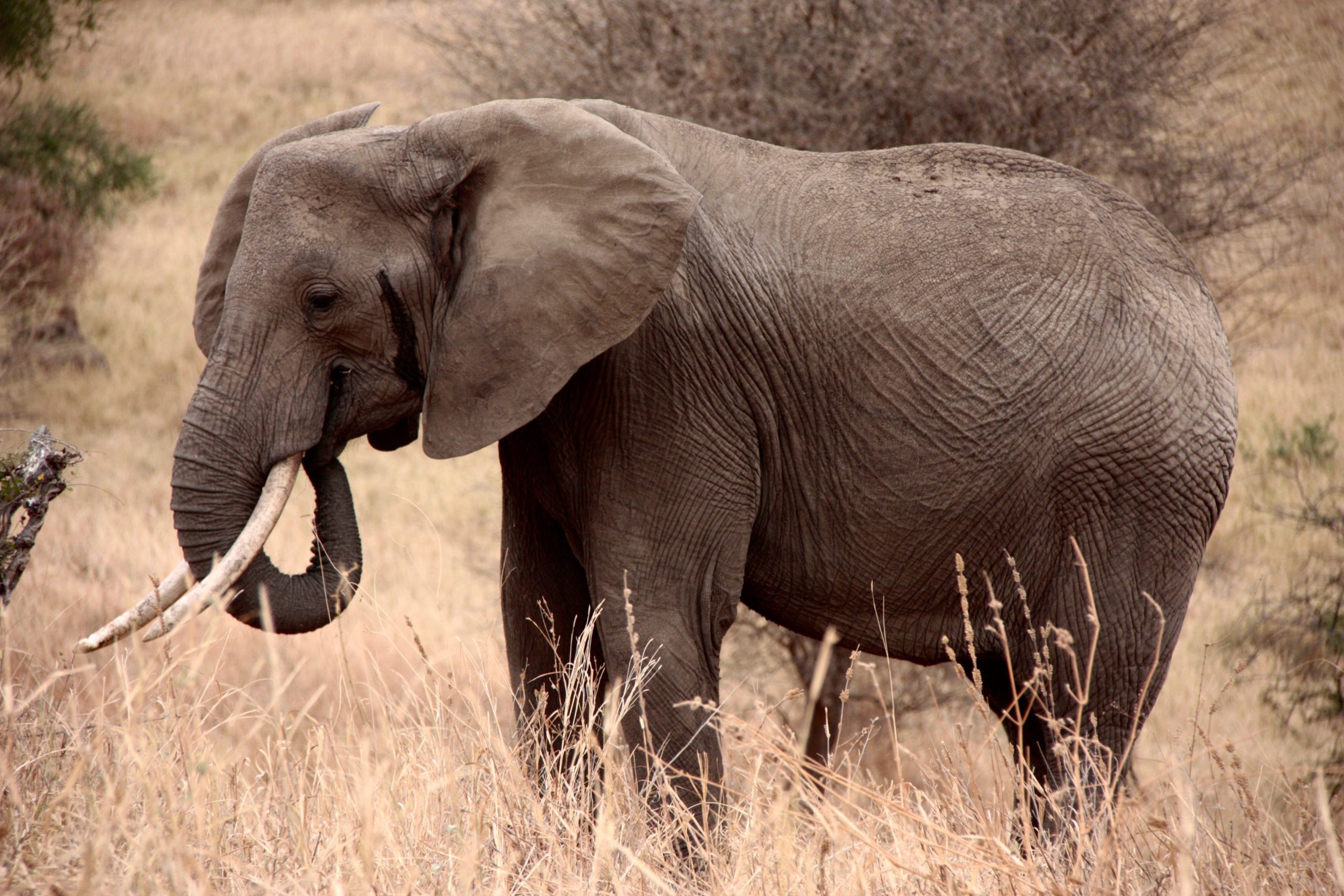
Tarangire hosts the biggest elephant concentrations in the country, with herds of several hundred gathering along the river during the dry season. Multi-generational family groups are a common, unforgettable sight here.
Learn more →The Tarangire River
The park's lifeline, this permanent river is the dry-season magnet that draws elephant, buffalo, zebra, wildebeest and giraffe from the surrounding ecosystem, making June–October the park's most spectacular viewing period.
Learn more →Diverse Birdlife
With over 550 recorded species, Tarangire is a premier birding destination, home to colorful bee-eaters, hornbills, raptors and the striking yellow-collared lovebird, making it a favorite among birders visiting Tanzania.
Learn more →Plan Your Tarangire Safari
Trip Length
Comfort Level
Safari Style
Operator Rating
Specialized Tours
Filter by Operator
Other Tour Features
Popular Tarangire Safari Packages
Hand-picked Northern Circuit safaris featuring Tarangire National Park's elephant herds and ancient baobabs.
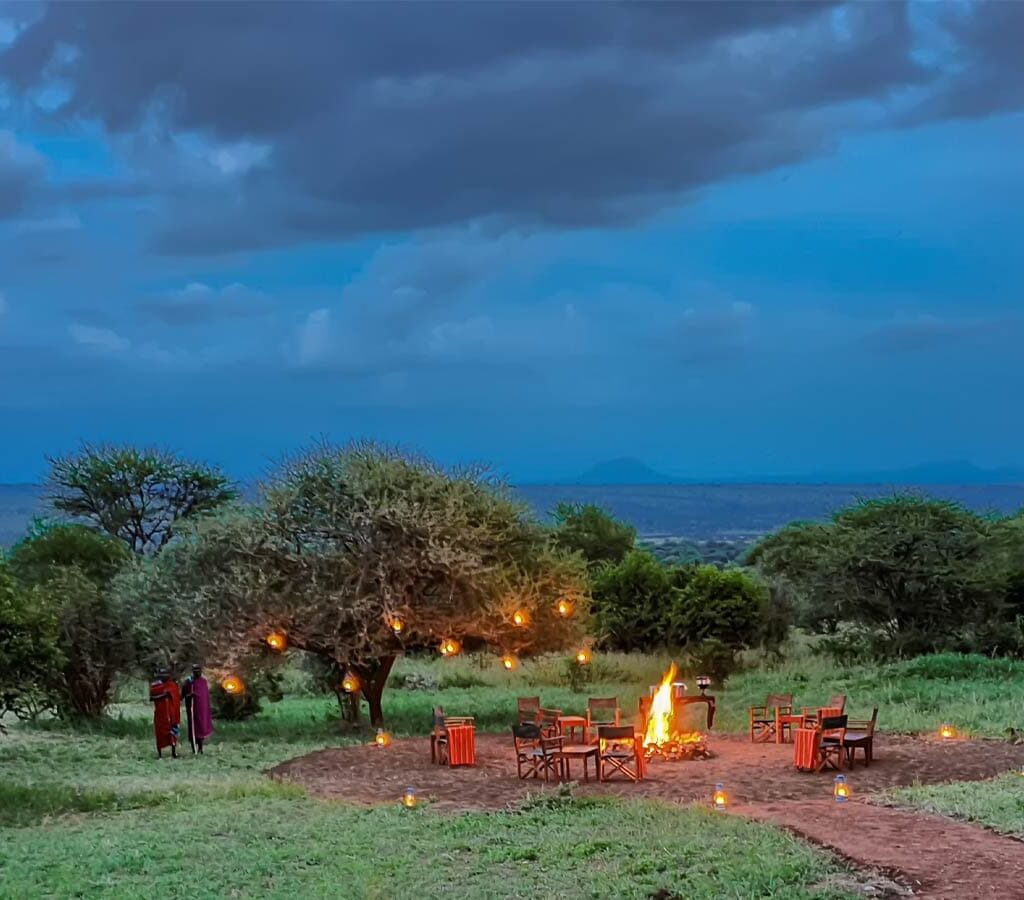
8-Day Northern Tanzania Safaris
An eight-day tour across Tanzania's top northern circuit parks.
View Package →
9-Day Private Northern Tanzania Safari
A nine-day fully private safari through Tanzania's northern circuit highlights.
View Package →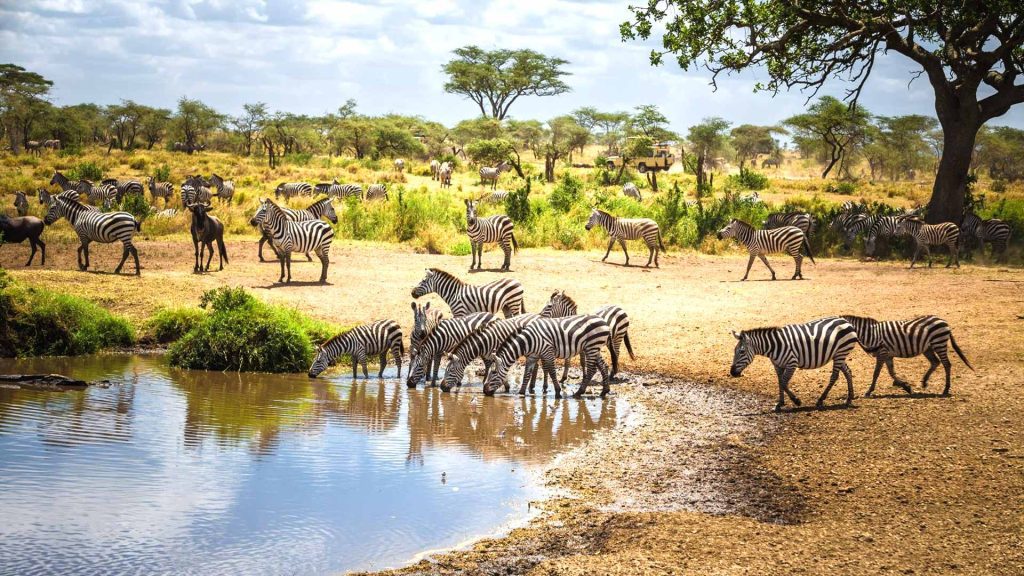
10-Day Amazing Northern Tanzania Safari
A ten-day journey across Tanzania's most celebrated northern parks.
View Package →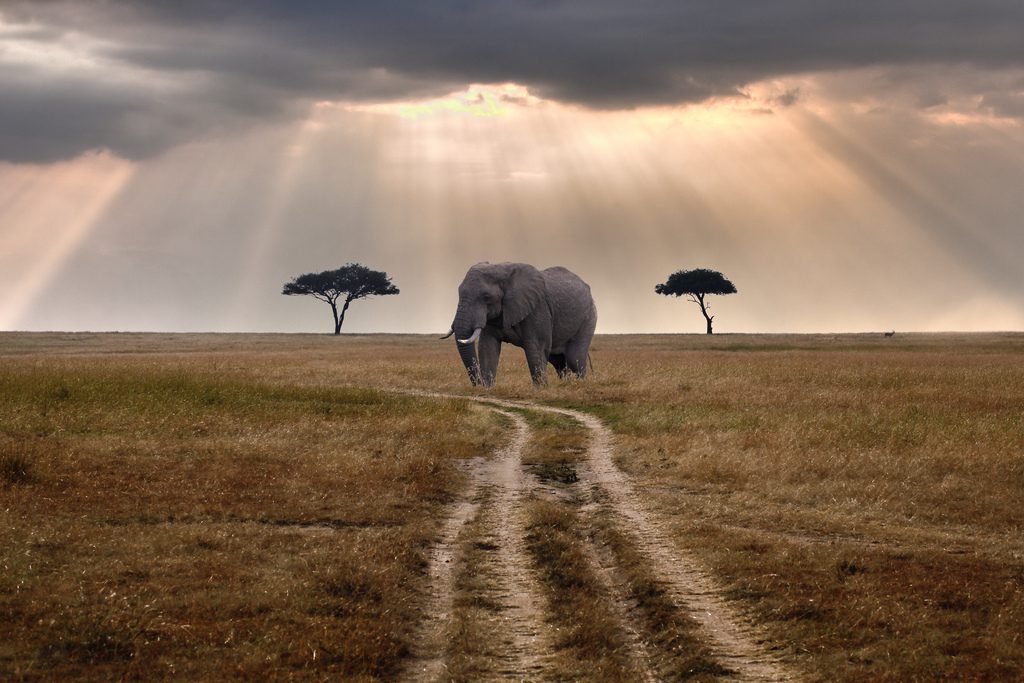
10-Day Best of Northern Tanzania Safari
Ten days combining the very best of the northern safari circuit.
View Package →
10-Day Ultra-Luxury Tanzania Lodge Safari
Ten days of ultra-luxury lodges across Tanzania's premier parks.
View Package →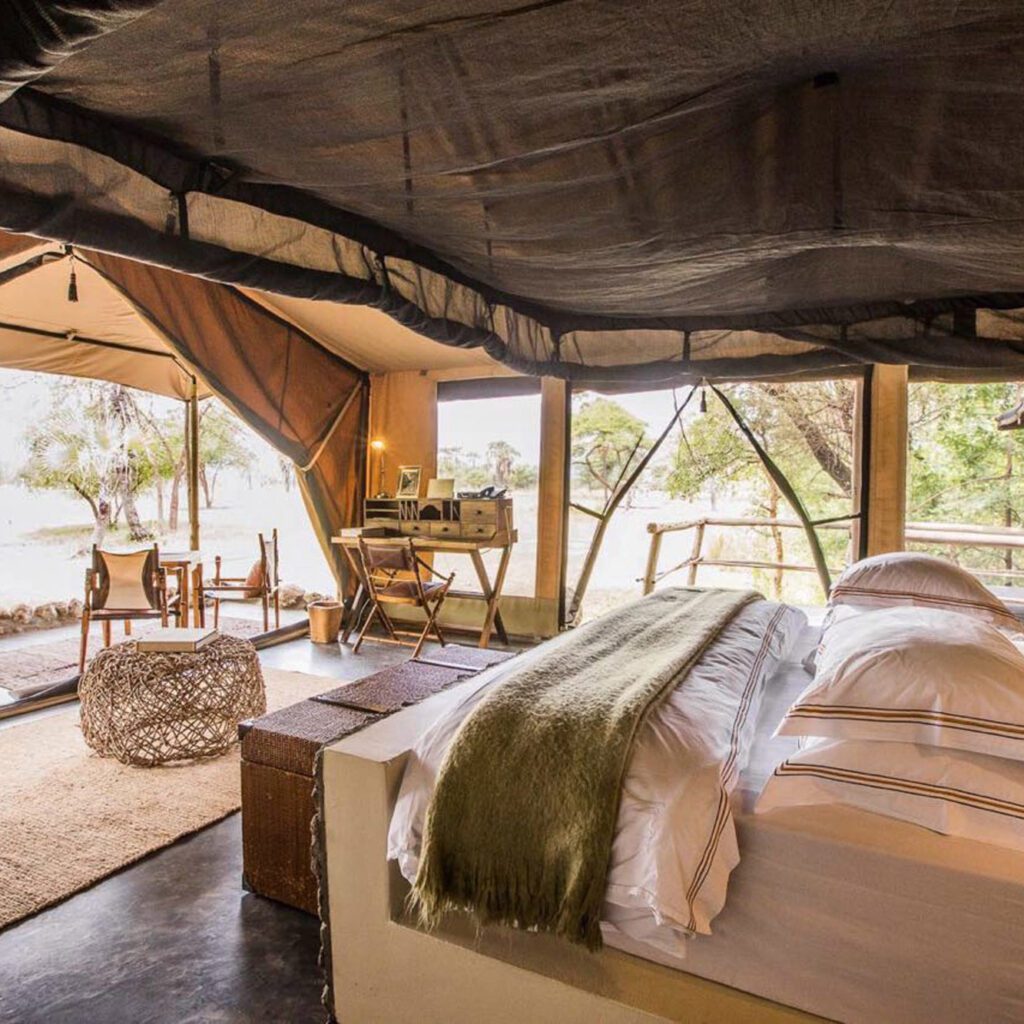
10-Day Luxury Safari in Tanzania
A ten-day luxury safari featuring premium lodges and private game drives.
View Package →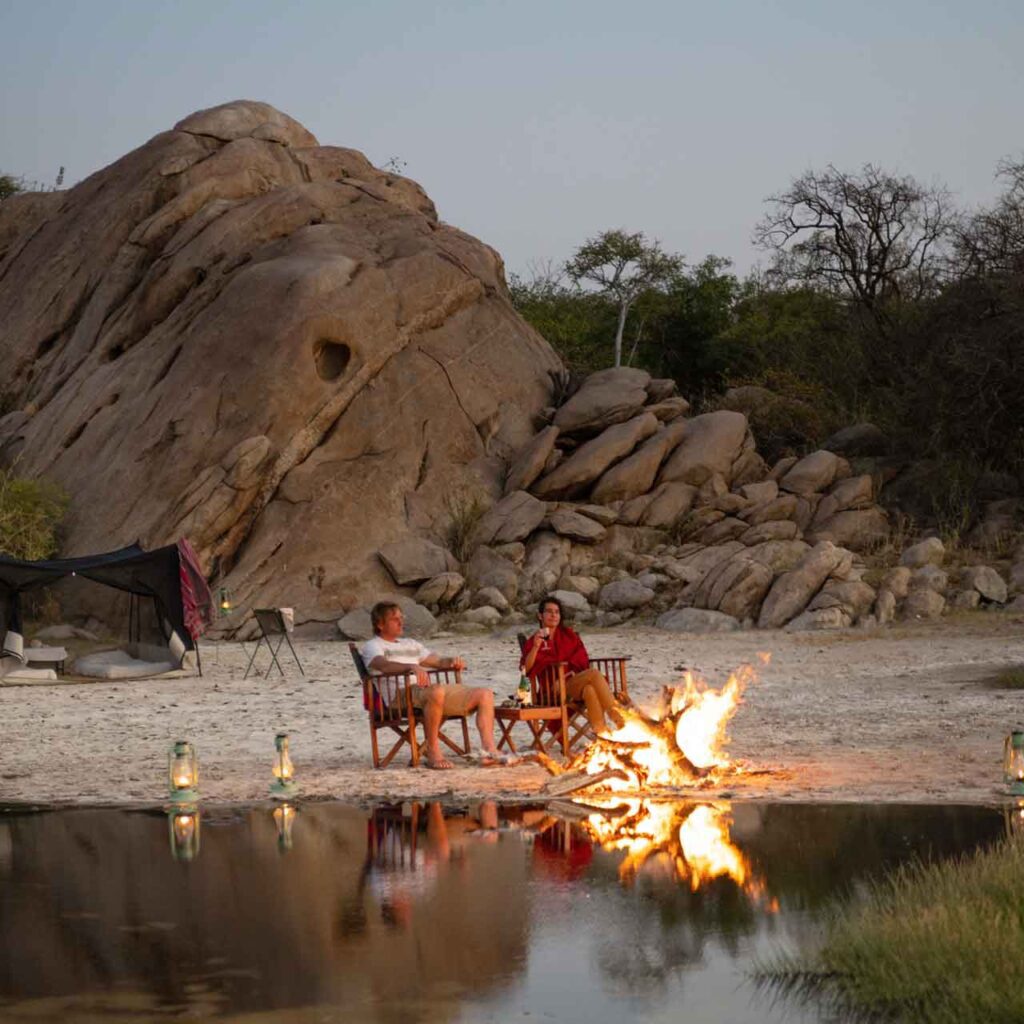
10-Day Marvellous Tanzania Safari
A marvellous ten-day journey across Tanzania's top safari circuit.
View Package →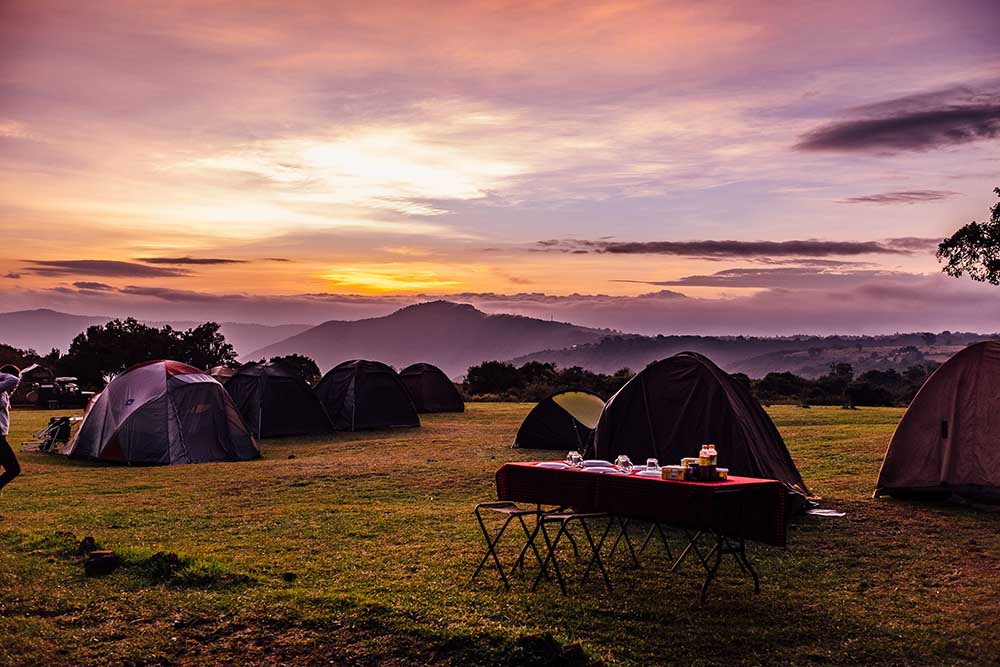
8-Day Remarkable Tanzania Safari
An eight-day journey across Tanzania's most remarkable wildlife areas.
View Package →Tarangire National Park Planning Guides
Frequently Asked Questions About Tarangire National Park
Where is Tarangire National Park located?
Tarangire National Park is located in Tanzania's Manyara Region, within the Northern Safari Circuit, approximately 118 kilometers, about 2.5 hours by road, southwest of Arusha. The park sits between Lake Manyara National Park and the Serengeti ecosystem, covering roughly 2,850 square kilometers of woodland, seasonal swamps and open grassland along the Tarangire River. Its accessible location makes it easy to combine with Lake Manyara, Ngorongoro Crater and the Serengeti on a Northern Circuit safari. Most visitors arrive by road transfer, or a short scheduled or charter flight into Kuro airstrip, making the park convenient for both first-time and repeat travelers.
What is Tarangire National Park famous for?
Tarangire National Park is famous for hosting the largest elephant herds in Tanzania, with family groups of several hundred gathering along the Tarangire River during the dry season. The park is equally renowned for its ancient, swollen-trunked baobab trees, which create an iconic landscape found nowhere else in the Northern Circuit at this scale. Tarangire also supports exceptional bird diversity, with over 550 recorded species, plus dramatic termite mounds, dense woodland and open savannah scenery. Compared to the Serengeti, Tarangire sees far fewer visitors, giving travelers a quieter, more intimate safari experience with outstanding wildlife density, especially June through October.
When is the best time to visit Tarangire National Park?
The best time to visit Tarangire National Park is during the dry season, from June through October, when water becomes scarce elsewhere and wildlife concentrates densely along the permanent Tarangire River. During these months, visitors reliably see massive elephant herds, along with zebra, wildebeest, buffalo and giraffe, making game viewing exceptional and highly predictable. The short dry spell from late December to February also offers good visibility and pleasant weather, with fewer crowds around. The long rains from March to May bring lush scenery and excellent birdlife but scatter wildlife widely, making animals, including elephants, harder to locate consistently.
How large are the elephant herds in Tarangire National Park?
Tarangire National Park hosts the largest elephant herds of any park in Tanzania, with family groups commonly numbering in the hundreds during the dry season, when they converge on the Tarangire River for water. Estimates place the park's elephant population in the thousands, supported by the wider Tarangire-Manyara ecosystem, one of Africa's most important elephant strongholds. These multi-generational herds, led by experienced matriarchs, are frequently seen bathing, drinking and moving in long processions across the riverine woodland and open plains, making Tarangire among Africa's most reliable destinations for close, large-scale elephant encounters, particularly from June through October each year.
Why does Tarangire National Park have so many baobab trees?
Tarangire National Park's landscape is defined by an unusually high density of ancient baobab trees, some estimated to be centuries old, which thrive in the park's semi-arid soils and warm climate. These upside-down trees store large volumes of water in their swollen trunks, allowing them to survive long dry seasons and providing a critical resource for elephants, which strip bark for moisture and nutrients. The baobabs also offer nesting sites for birds and shelter for smaller wildlife. Their striking, sculptural silhouettes against golden grassland make Tarangire visually distinct from other Northern Circuit parks and a favorite for safari photography.
What is the Tarangire River and why is it important?
The Tarangire River is the permanent water source running through Tarangire National Park and the reason the park supports such dense wildlife populations. Unlike many seasonal rivers in the region, it continues flowing, or holds pools, through the dry season, making it the primary water source for the wider ecosystem between June and October. Elephants, buffalo, zebra, wildebeest, giraffe and predators all converge along its banks and surrounding floodplain during this period, creating some of the most concentrated and reliable game viewing anywhere in Tanzania. The river also supports riverine woodland and swamps that sustain the park's exceptional birdlife year-round.
How many days do you need to visit Tarangire National Park?
Most travelers spend one to two full days in Tarangire National Park, which is sufficient to explore the riverside circuits, baobab-studded plains and elephant hotspots via game drives. A single day works well as part of a broader Northern Circuit itinerary combining Tarangire with Lake Manyara, Ngorongoro Crater and the Serengeti. Travelers wanting a deeper experience, including walking safaris, night drives at select private concessions, or more time photographing elephant herds and baobabs, often extend their stay to two or three full days. Foot Slopes Tours and Safaris tailors the ideal length of stay to each traveler's interests and itinerary.
What is the entry fee for Tarangire National Park?
Tarangire National Park entry fees are set by Tanzania National Parks, TANAPA, and vary by visitor category, non-resident foreign visitors, East African residents and citizens, as well as by season, with published rates typically charged per 24-hour period and per person, plus separate vehicle entry fees. Fees are generally similar to other Northern Circuit parks such as Lake Manyara. Because TANAPA rates are periodically revised, Foot Slopes Tours and Safaris always confirms current, exact park fees at the time of booking and includes them within quoted safari package prices, so travelers never calculate or pay entry fees separately on arrival.
How do you get to Tarangire National Park?
Tarangire National Park is reached from Arusha by road in approximately 2.5 hours along a paved, well-maintained route, making it one of the most accessible parks on Tanzania's Northern Safari Circuit. Alternatively, scheduled and charter flights connect Arusha or Kilimanjaro International Airport to small airstrips near the park, such as Kuro, cutting travel time significantly for fly-in safaris. Most itineraries combine a road transfer into Tarangire with onward travel to Lake Manyara, Ngorongoro Crater or the Serengeti. Foot Slopes Tours and Safaris arranges private 4x4 vehicle transfers or scenic flight bookings as part of every custom Tarangire itinerary it designs.
Where can you stay near Tarangire National Park?
Accommodation near Tarangire National Park ranges from budget campsites and mid-range lodges to luxury tented camps, located both inside the park and in surrounding private concessions such as the Tarangire wildlife management areas. Popular options include classic safari lodges overlooking the river and elephant migration routes, exclusive tented camps offering walking safaris and night drives, and comfortable properties near Lake Burunge. Staying within or adjacent to the park maximizes early morning and evening game viewing when elephant activity peaks. Foot Slopes Tours and Safaris carefully matches accommodation to each traveler's budget and style, from camping safaris to high-end luxury lodges.
Is Tarangire National Park safe for tourists?
Tarangire National Park is a well-established, professionally managed safari destination that is safe for tourists when visited with experienced guides and licensed operators. Game drives are conducted in designated areas by trained drivers familiar with wildlife behavior, and TANAPA rangers patrol the park regularly throughout the year. As with any wildlife area, visitors should follow guide instructions, remain inside vehicles during game drives except at designated spots, and take standard health precautions such as malaria prevention. Foot Slopes Tours and Safaris uses vetted, professional guides and well-maintained 4x4 vehicles, prioritizing traveler safety throughout every Tarangire itinerary, start to finish.
Can Tarangire National Park be combined with the Serengeti?
Yes, Tarangire National Park is very commonly combined with the Serengeti as part of a classic Northern Circuit safari itinerary. Tarangire is typically visited first or last, given its proximity to Arusha, while the Serengeti, reached by road via Ngorongoro or by short scenic flight, offers the main wildebeest migration experience. Combining both parks lets travelers contrast Tarangire's dense elephant herds and ancient baobab landscapes with the Serengeti's vast open plains and predator activity. Foot Slopes Tours and Safaris designs multi-day itineraries pairing Tarangire with the Serengeti, Ngorongoro Crater and Lake Manyara for a complete Northern Circuit safari experience.
Can Tarangire National Park be combined with Ngorongoro Crater?
Yes, Tarangire National Park pairs naturally with Ngorongoro Crater on the Northern Circuit, since both lie along the same well-traveled route between Arusha and the Serengeti ecosystem. A typical itinerary visits Tarangire for elephant and baobab-focused game drives, then continues to Ngorongoro Crater, famed for its dense concentration of wildlife, including the Big Five, within a self-contained volcanic caldera. This combination offers strong contrast: Tarangire's open woodland and river ecosystem versus the crater's compact, high-density wildlife viewing. Foot Slopes Tours and Safaris regularly builds Tarangire-Ngorongoro itineraries, often extending further to Lake Manyara or the Serengeti for a full circuit.
Can Tarangire National Park be combined with Lake Manyara?
Yes, Tarangire National Park and Lake Manyara National Park are frequently combined since they sit close together on the Northern Circuit, often visited back-to-back with only a short scenic drive between them. Lake Manyara offers a groundwater forest, alkaline lake birdlife and famous tree-climbing lions, complementing Tarangire's baobab-studded plains and massive elephant herds. Many three- to five-day itineraries visit both parks alongside Ngorongoro Crater, giving travelers ecological and scenic variety within a compact, efficient route from Arusha. Foot Slopes Tours and Safaris commonly pairs these two parks for travelers wanting a shorter yet still highly rewarding Northern Circuit safari.
Why choose Foot Slopes Tours and Safaris for a Tarangire safari?
Foot Slopes Tours and Safaris is a Tanzania-based, locally licensed safari operator with genuine hands-on experience designing Tarangire National Park itineraries around each traveler's budget, pace and personal interests. The team combines deep local knowledge of Tarangire's elephant migration patterns and seasonal river activity with professional guiding, well-maintained 4x4 vehicles and carefully selected accommodation options. As a Tanzanian company, Foot Slopes Tours and Safaris offers direct, transparent pricing without international middleman markups, along with responsive, personalized trip planning support. Travelers benefit from genuine local expertise, flexible itinerary design and dedicated support before, during and after their Tarangire safari trip.
Does Foot Slopes Tours and Safaris offer custom Tarangire itineraries?
Yes, Foot Slopes Tours and Safaris builds fully custom Tarangire National Park itineraries rather than only offering fixed, one-size-fits-all packages. Travelers can freely choose trip length, accommodation style, budget camping, mid-range lodges or luxury tented camps, pace of travel, and which additional parks to combine with Tarangire, such as Ngorongoro Crater, Lake Manyara or the Serengeti. The team factors in seasonal wildlife patterns, especially the June to October elephant concentration along the Tarangire River, to help time each itinerary for optimal game viewing. This flexible, traveler-first approach ensures every Tarangire safari is tailored rather than built from a template.
How do I book a Tarangire safari with Foot Slopes Tours and Safaris?
Booking a Tarangire National Park safari with Foot Slopes Tours and Safaris starts with contacting the team through the website to share travel dates, group size, budget and interests. A dedicated safari consultant then designs a personalized itinerary, which may include Tarangire alongside Ngorongoro Crater, Lake Manyara or the Serengeti, and provides transparent, all-inclusive pricing covering park fees, accommodation, transport and guiding. Once confirmed, a small deposit secures the booking, with the remaining balance due before departure. The team stays available throughout planning and travel, ensuring a smooth, well-organized Tarangire safari from initial inquiry through the final game drive.
Plan Your Tarangire National Park
Tell us your dates, style, and preferred parks, and we will build the perfect itinerary around you.
Book Now Online →What Our Travelers Say
Real 5-star reviews from guests who traveled with us
Our Private African luxury Safari experience with Foot Slopes Tours and Safaris was nothing short of exceptional. From the very beginning, owner Gabriel was incredibly responsive, making the entire booking process smooth and stress-free. Gabriel went above and
We had an incredible private safari experience with Foot Slopes Tours and Safaris. Their office staff was very helpful and informative, and they communicated very well. Our pick-ups to and from the airport were on time and hassle-free, an unforgettable Safari
Foot Slopes Tours and Safaris is truly one of the best local tour companies in Tanzania. From start to finish, their service was professional, reliable, and personalized. The team went above and beyond to make sure every detail of our trip was perfect. Our saf
Our family chose Foot Slopes Tours and Safaris for a custom 11-day safari itinerary, and we couldn’t be happier with our choice! Everything from our initial inquiry to building our custom itinerary to pre-departure and on-trip support was top quality. Communic