
Udzungwa Mountains National Park Photos
Udzungwa Mountains National Park Photos & Photography Guide
Udzungwa Mountains National Park is a rewarding destination for nature photography, offering misty, ancient rainforest, tumbling waterfalls, rare endemic primates, colourful forest birds and fascinating small creatures. Unlike savanna parks, Udzungwa is photographed on foot, so you need lighter gear, patience and good technique for low forest light. This guide explains what to photograph, when the light is best and which camera settings work well on the trails. With a private guide and flexible timing, you can wait for the perfect moment. Foot Slopes Tours and Safaris designs private tailor-made Udzungwa photography safaris around your subjects, fitness and season.
What to Photograph in Udzungwa
Udzungwa's photographic subjects are varied, intimate and often hidden in shade, so knowing what to look for helps you make the most of every walk. Waterfalls and forest landscapes reward slow, careful compositions, while primates and forest birds demand quick reactions and longer lenses. Small, fascinating creatures such as chameleons, butterflies and fungi offer endless close-up opportunities. Explore the main subjects below, each with practical tips for better results. Your private guide knows where animals feed, which viewpoints catch the best light and how to approach wildlife respectfully, giving you time and space for the images you want.
Sanje Waterfall
HighlightSilky water, forest frame
Sanje Waterfall drops around 170 metres through forest and is the park's most photographed scene. Use a tripod or steady support and a slow shutter speed to blur the water. Overcast days reduce harsh contrast. Include ferns, mossy rocks or fellow hikers for a sense of scale, and protect your lens from spray with a soft cloth.
Best Time to Visit →Endemic Primates
HighlightColobus high in the canopy
Udzungwa red colobus and black-and-white colobus often feed high in the canopy, so a lens of 200 to 400 millimetres helps. Expose for the animal rather than the bright sky, and use continuous autofocus for movement. Sanje mangabeys usually forage lower down, closer to the forest floor; move quietly, stay patient and follow your guide's directions.
Udzungwa Wildlife →Forest Birds
HighlightSunbirds, hornbills, robins
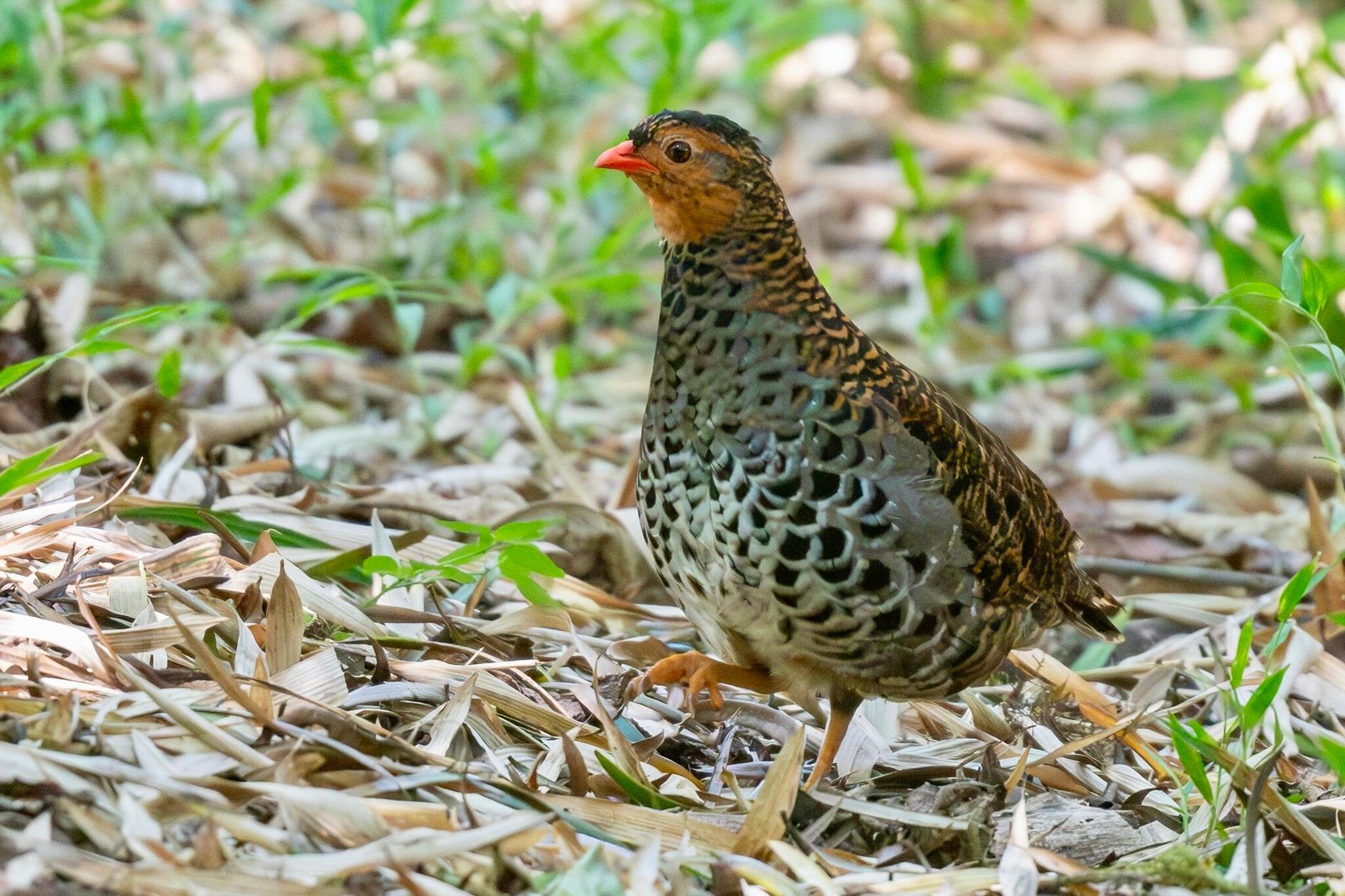
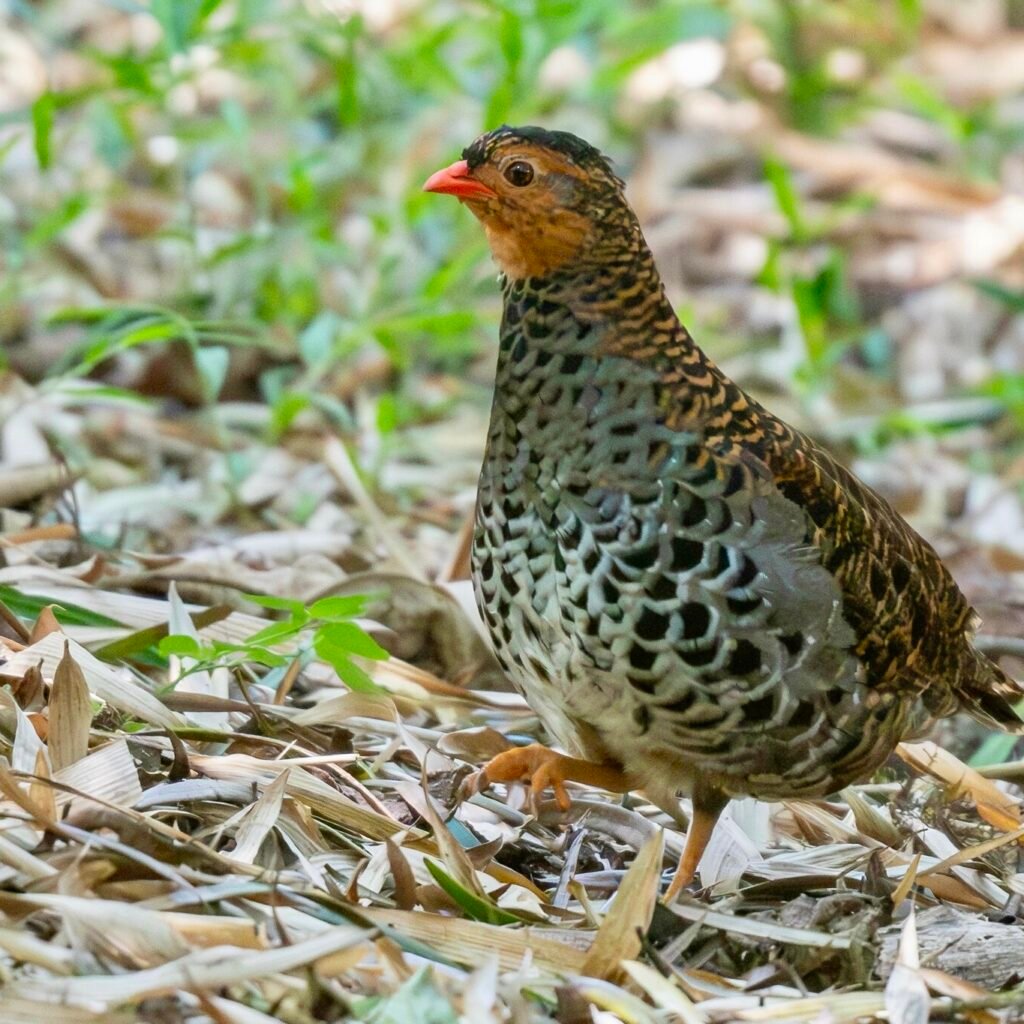
Forest birds move quickly between light and shade, so raise your ISO and use fast shutter speeds. Sunbirds visit flowering plants along forest edges, while noisy hornbills perch in the open canopy. Listen first, then wait near feeding trees. A longer lens and steady stance improve your chances of sharp images and pleasing natural backgrounds.
Udzungwa Birds →Macro & Small Wonders
HighlightChameleons, fungi, butterflies
The forest floor and understory are full of small subjects, from chameleons and frogs to fungi, mosses and colourful butterflies. A dedicated macro lens or close-focusing zoom reveals stunning texture and colour detail. Use soft, diffused light or a small reflector, shoot at subject eye level, and never move or handle animals for a photograph.
Udzungwa Facts →Kilombero Landscapes
HighlightValley views and light
Viewpoints along the Sanje trail look across the vast Kilombero Valley, a patchwork of farms, rivers and wetlands. Early morning mist and warm late afternoon light create beautiful, layered scenes that change by the minute. Use a wide lens for sweeping panoramas, or a telephoto lens to isolate patterns of fields, trees and distant mountain ridges.
Udzungwa Map →People & Culture
HighlightAlways ask first
Villages around Mang'ula offer glimpses of rural Tanzanian life, from markets to farming. Always ask permission before photographing people, explain why you want the picture, and respect any refusal. Your local guide can kindly help with introductions and translation. Sharing images on your camera screen often creates warm, memorable moments and genuine connection with local people.
Responsible Travel →Best Light Through the Day
Light changes very quickly inside the rainforest, and timing has a huge influence on your photographs. Early mornings bring soft light, mist and active wildlife, while midday sun creates harsh contrast between bright gaps and deep shade. Late afternoon returns warmer tones, especially on viewpoints overlooking the Kilombero Valley. Overcast weather can actually help forest photography by evening out contrast. Choose a time of day below to see what to expect and how to adapt your settings. Your private guide will plan walks around the best light, giving you the flexibility that photographers value on a tailor-made safari.
Camera Settings Cheat Sheet
Low forest light and moving subjects make Udzungwa a rewarding challenge for photographers of every level. The cheat sheet below suggests starting points for common subjects, from waterfalls to primates and macro details. Treat these settings as guidelines rather than rules, adjusting for available light, your equipment and the creative effect you want. Modern cameras handle higher ISO well, so do not be afraid to raise it for sharper wildlife images. Practise these settings before your trip, review images regularly on the trail, and ask your guide to pause whenever you need extra time for a careful shot.
| Subject | Shutter | Aperture | ISO | Tip |
|---|---|---|---|---|
| Waterfall (silky water) | 1/4 – 1 s | f/8 – f/11 | 100 – 400 | Tripod or steady rock; overcast light helps. |
| Primates in canopy | 1/500 s or faster | f/5.6 – f/8 | 800 – 3200 | Expose for the animal, not the bright sky. |
| Forest birds | 1/800 s or faster | f/5.6 – f/8 | 1600 – 6400 | Continuous autofocus; wait near feeding trees. |
| Macro details | 1/125 – 1/250 s | f/8 – f/16 | 400 – 1600 | Shoot at eye level; diffuse harsh light. |
| Valley landscapes | 1/125 s | f/8 – f/11 | 100 – 200 | Early or late light for depth and colour. |
Starting points only – adjust for light and your equipment.
Photography Gear Checklist
Hiking photography rewards a light, well-chosen kit, because trails can be steep, humid and slippery after rain. Bring one versatile zoom lens, a longer telephoto lens for primates and birds, a small cleaning kit and reliable protection against moisture and dust. Spare batteries and extra memory cards are essential, as charging options may be limited at remote lodges. Pack everything in a comfortable, weather-resistant backpack that keeps your hands free. Use the interactive checklist below to prepare your gear before departure, and ask your planner about porter support if you plan to carry heavier equipment on longer treks.
Popular Udzungwa Safari Packages
Hand-picked southern circuit itineraries that combine with the Udzungwa Mountains, tailored privately by Foot Slopes Tours and Safaris.
6-Day Tanzania Southern Circuit Safari
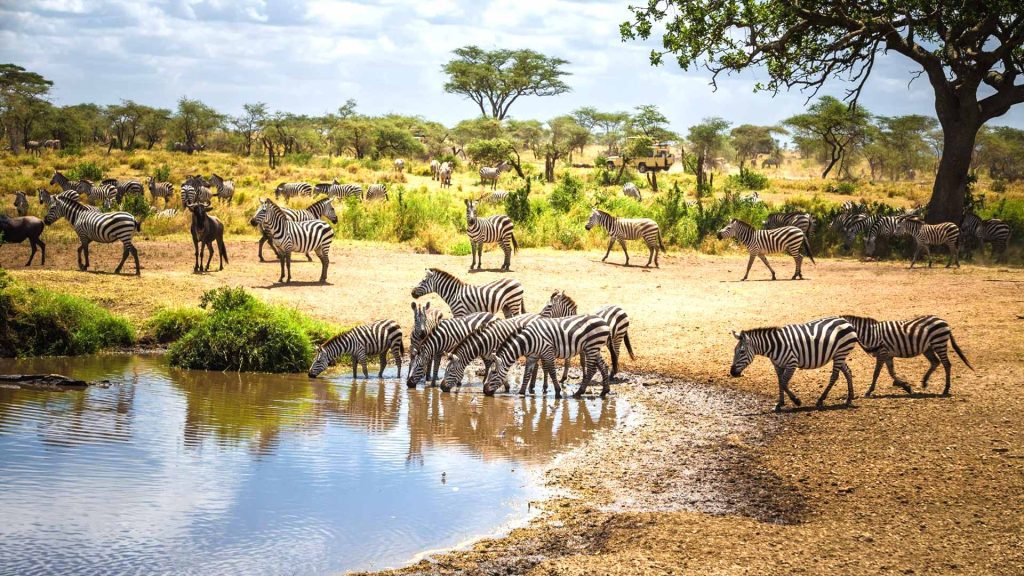
A six-day fly-in safari linking Nyerere's Rufiji River boat safaris with Ruaha's vast wilderness.
View Package →
11-Day Best Of Southern Tanzania Safari
An eleven-day journey through Nyerere, Mikumi, Udzungwa, and Ruaha's finest southern-circuit wildlife.
View Package →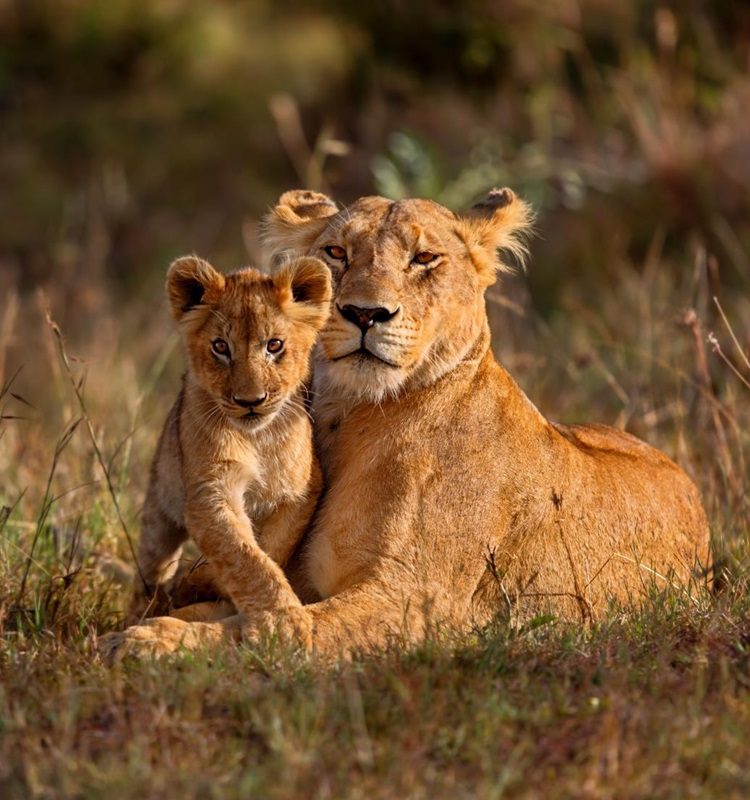
7-Day Southern Tanzania Safari
A seven-day circuit through Nyerere, Mikumi, and the Udzungwa Mountains' rainforest and wildlife.
View Package →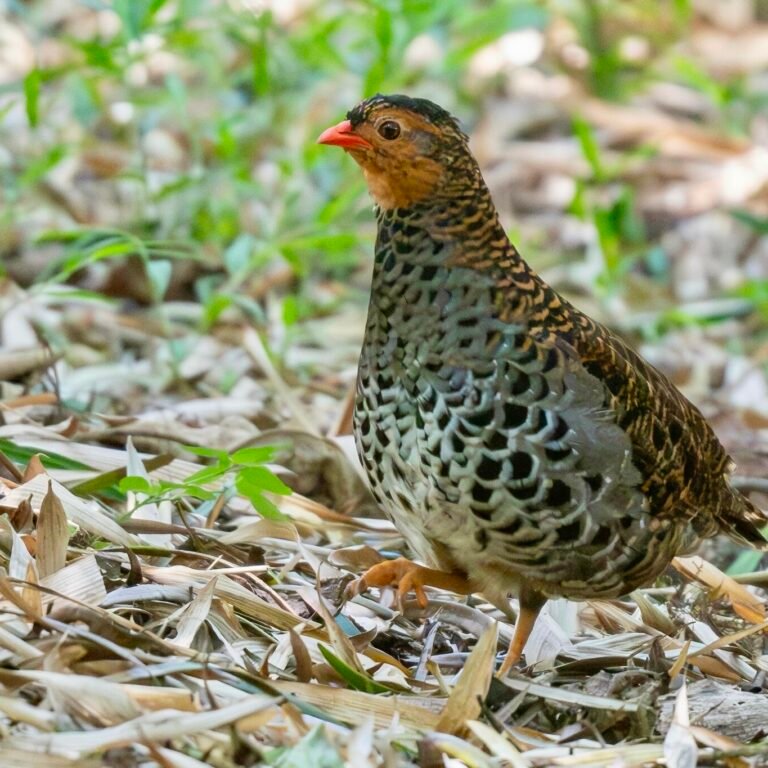
Tailor-Make Your Udzungwa Safari
Tell us your dates, pace and interests, and we will plan a private Udzungwa itinerary just for you.
Explore →