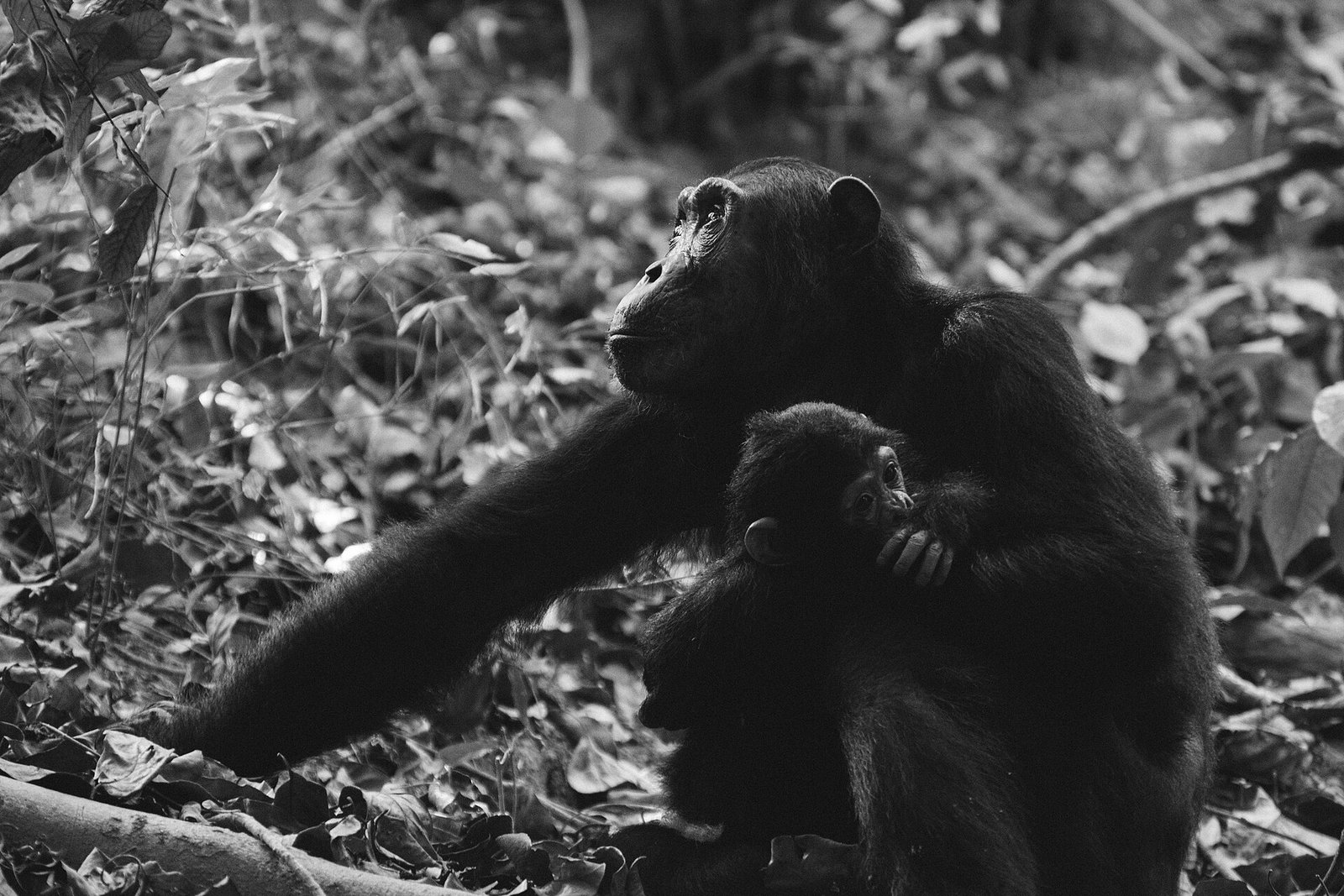
Mahale Mountains National Park birds reflect the park's unusual position between East and Central Africa. The lowland forests on the lakeshore share species with the great forests further west, while the miombo woodland and high grasslands of the range add a different mix again. Birders often record well over 300 species across the park, and while chimpanzees are the main attraction, the forest, beach and lake together create one of the most rewarding and varied birding environments in western Tanzania, well worth packing binoculars for.
Birding in Mahale is relaxed and personal. Much of it happens on chimp treks, around camp and from the beach, where fish eagles call over the water and kingfishers dive in the shallows. Forest species such as turacos, hornbills and flycatchers can be heard long before they are seen, so patience and a guide with a good ear make a real difference. Early mornings and late afternoons are the most productive times, and the wetter months bring breeding plumage and migrant visitors from other parts of Africa and Europe.
Memorable species to watch for in the forests and along the lakeshore of Mahale Mountains National Park.
A striking deep-violet turaco with a yellow face and bright red wing flashes that appear when it flies. Ross's turaco is a western forest species that many visitors associate with Mahale, and its loud calls often echo through the trees near camp.
Large and noisy, trumpeter hornbills are often heard before they are seen, giving wailing calls that sound almost like a crying baby. Look for them flying between fruiting trees along the forest edge and in the canopy above chimp trekking trails.
With a curly black crest and polka-dot plumage, crested guineafowl forage quietly on the forest floor in small groups. They can be shy, but patient observers on trekking trails often spot them scratching through leaf litter beneath fruiting trees.
The ringing call of the African fish eagle is the soundtrack of Lake Tanganyika. Pairs perch high above the shore and swoop down to snatch fish from the surface, a spectacular sight that can often be enjoyed directly from the beach at camp.
This unusual black-and-white vulture feeds largely on the fruit of oil palms, as well as fish and other small prey. It is often seen along the lakeshore, gliding past the beach or perched in tall trees near the forest edge.
Several kingfisher species hunt along the lake and forest streams, including the pied kingfisher, which hovers before plunging into the water. Smaller, brightly colored species can be found in the forest, making kingfishers a favorite group for photographers visiting Mahale.
Males of this elegant flycatcher trail long tail streamers as they flit through the mid-canopy. Their bright chestnut and dark plumage makes them easy to admire, and they are often active near streams and clearings on forest walks.
Several species of sunbird feed on flowering plants around camps and forest clearings. Their iridescent colors shimmer in sunlight, and males can be especially dazzling during breeding season, making them a rewarding subject for patient photographers.

The best ways to enjoy birdlife during a Mahale visit.
Chimpanzee treks lead through prime forest habitat, and your guide can point out calls and sightings along the way. Bring binoculars that are light enough to carry comfortably, and remember that the chimps always come first once the group is found.
Sitting on the beach at dawn or dusk is one of the easiest ways to enjoy Mahale's birds. Fish eagles, kingfishers, herons and swallows are often active over the water, and forest birds visit the trees behind camp throughout the day.
Gentle boat outings along the shoreline offer a different perspective on the forest edge and cliffs. Look for raptors riding thermals above the slopes and waterbirds on quiet stretches of shore, all while enjoying beautiful views of the mountains.
On days between treks, slower walks focused on birds, butterflies and plants reveal more of the forest's detail. These walks suit keen birders who want time to track down calls and enjoy quieter species that are easily missed.
Every traveler experiences Mahale differently. Choose the safari style that suits you, and Foot Slopes Tours and Safaris will tailor a private itinerary around your dates, budget and interests.

Families with children, grandparents and multi-generational groups
Private vehicle, family rooms and a flexible, unhurried pace
Mahale works well for families who plan ahead: our guides turn every sighting of habituated chimpanzees of the M group and forest monkeys into a learning adventure, and we tailor activities to the ages and energy of your group.
Jun – Oct & school holidays
3–4 nights

Honeymooners, anniversaries and couples celebrating something special
Sundowners, private dinners and secluded, romantic stays
Pair habituated chimpanzees of the M group and forest monkeys with private sundowners, candle-lit dinners and a secluded room with a view. Many couples finish with Katavi National Park or a Zanzibar beach stay for the perfect escape.
Jun – Oct
4–5 nights

Wildlife photographers and keen amateurs who want the best light
Flexible timings, patient guiding and golden-hour outings
Flexible timings and patient guiding put you in the right place at dawn and dusk. In Mahale, expect habituated chimpanzees of the M group and forest monkeys, plus guided chimpanzee treks on forested mountain slopes for varied angles and stories.
Jun – Oct & Nov – Feb
4–5 nights

Mature travelers who value comfort, safety and a gentle pace
Short transfers, comfortable stays and an attentive private guide
Chimp treks follow steep, sometimes slippery forest trails, so reasonable mobility helps, though lakeside days at camp are gentle and relaxed. We plan a gently paced itinerary with rest time each day and an experienced guide who handles every detail.
Jun – Oct
3–4 nights

Travelers short on time who prefer flights to long road transfers
Scenic flights and more time for wildlife
Light-aircraft flights reach the Mahale airstrip, followed by a boat transfer along the Lake Tanganyika shore. Flying in maximises your time with habituated chimpanzees of the M group and forest monkeys and links neatly with Katavi National Park or a Zanzibar beach stay.
Year-round
3–4 nights

Travelers seeking the finest stays, service and exclusivity
Private guiding, fine dining and exclusive experiences
Stay at the finest available camps and lodges with private guiding, fine dining and exclusive experiences such as guided chimpanzee treks on forested mountain slopes, all while enjoying habituated chimpanzees of the M group and forest monkeys in comfort.
Jun – Oct
3–5 nights

Travelers who want comfort and quality without luxury prices
Comfortable en-suite rooms, full-board meals and private guiding
Comfortable, well-located accommodation with en-suite bathrooms, full-board meals and private guiding: the best-value way to experience habituated chimpanzees of the M group and forest monkeys.
Jun – Oct (lower rates Nov – Feb)
3–4 nights

Solo travelers who want safety, privacy and flexibility
Private vehicle, dedicated guide and sociable camp evenings
Travel on an individual private, tailor-made safari with your own vehicle and dedicated guide. Mahale is welcoming for solo guests, with guided chimpanzee treks on forested mountain slopes and sociable evenings at camp.
Jun – Oct
3–4 nights
Well over 300 bird species have been recorded in Mahale Mountains National Park, reflecting its mix of lowland forest, miombo woodland, grassland and lakeshore habitats. Totals vary between sources as new records are added. For visitors, the key point is variety: in a few days you can enjoy forest specialists, colorful woodland birds and lake species without traveling far.
Mahale is a rewarding destination for birders, especially those interested in forest birds with western affinities that are harder to find elsewhere in Tanzania. It is not a dedicated birding lodge experience, since chimp treks are the main focus, but keen birders can combine treks with forest walks, beach watching and boat trips to build an impressive and varied list.
Mahale sits close to the meeting point of East and Central African habitats, so its forests hold some species more typical of the Congo Basin forests to the west. This gives birders the chance to find birds that are uncommon on the classic northern safari circuit. The combination of forest, mountain grassland and a vast lake adds further variety.
Birding is good all year, but the wetter months from around November to April bring breeding plumage and migrant species, so many birders favor the early rains. However, some camps close during the heaviest rains, and trails become muddy. The dry season from June to October offers easier access and comfortable conditions, with plenty of resident forest and lake birds.
Yes, and many travelers do. Birding naturally happens during chimp treks as you walk through the forest, and afternoons back at camp are ideal for watching the beach and lakeshore. Just remember that when you are with the chimpanzees, your full attention should be on them and on park rules, so save serious birding for the walk in and out.
Yes. During the northern winter, roughly from November to April, migratory birds from Europe and Asia pass through or stay in western Tanzania, joined by intra-African migrants. Swallows, bee-eaters and waders may appear along the lake and forest edges. The exact mix varies from year to year, which keeps birding interesting for repeat visitors.
In the dim light of Mahale's forest, binoculars with good light-gathering ability help a great deal. Many birders prefer 8x magnification for its wider field of view and steadier image when tracking quick movements in the canopy. Choose a lightweight, waterproof pair, since treks can be long, humid and occasionally wet during rain showers.
Very often, yes. Mahale's camps sit between the forest and the beach, so birds are active around your room from dawn. Sunbirds visit flowering plants, hornbills fly between fruiting trees and fish eagles call over the lake. A pair of binoculars and a quiet morning coffee on your veranda can produce surprisingly good sightings.
Bird photography in Mahale is rewarding but can be challenging. Forest birds are often high in the canopy or in deep shade, so a longer lens and a camera that handles low light help. The lakeshore is easier, with good light and open views of fish eagles, kingfishers and waterbirds, particularly in early morning and late afternoon.
Yes. The lake supports African fish eagles, several kingfisher species, herons, cormorants and swallows, as well as palm-nut vultures along the shoreline. Boat trips and quiet time on the beach are the best ways to see them. The contrast between lake birds and forest birds only a short walk away is one of Mahale's great pleasures.
A specialist bird guide is not required, and many camp guides and trackers know the common species and calls well. Serious birders may want to mention their interest when booking, so the camp can match them with a guide who enjoys birding and plan walks at the best times. Bringing a regional field guide is also very helpful.
The upper slopes and grasslands of the Mahale range support species different from the lakeshore forest, including grassland and montane birds. Reaching these areas requires a demanding guided hike, often with camping, so it is only for fit and adventurous travelers. Most visitors enjoy the rich birdlife of the lower forest and lakeshore instead.
Yes, owls and nightjars live in the Mahale area and can sometimes be heard calling after dark from camp. Seeing them is less predictable, since night walks inside the park are generally restricted. Listening to the calls of owls and other night creatures from your room is part of the atmosphere of staying in such a remote forest.
Foot Slopes Tours and Safaris creates private, tailor-made itineraries that give keen birders time for extra forest walks and quiet lakeshore sessions alongside chimp treks. We share your interests with the camps in advance and help you choose the best season for your goals. Our local team provides clear guidance and 24/7 support throughout your journey.
Yes. Foot Slopes Tours and Safaris can combine Mahale with Katavi's wetlands and woodlands, the Ruaha area or the northern parks, each offering very different birdlife. We design every route around your interests, travel dates and preferred pace, making it easy to build a Tanzania trip that delivers both chimpanzees and a long, varied bird list.
A Foot Slopes Tours and Safaris Mahale itinerary normally includes accommodation, meals, park fees, chimp trekking permits, flights and boat transfers, plus guided walks and camp activities. Specialist birding guides or extra excursions can be arranged where available. We confirm every detail in writing so you know exactly what your trip includes before you travel.
Foot Slopes Tours and Safaris works with experienced local guides who enjoy sharing Tanzania's birdlife. On mainland sections of your trip, our guides can focus on birds as much as you like, while in Mahale we coordinate with camp guides who know the forest well. We also suggest field guides and gear so you arrive well prepared.
Tell us your dates, style, and preferred parks, and we will build the perfect itinerary around you.
Book Now Online →Real 5-star reviews from guests who traveled with us
Our Private African luxury Safari experience with Foot Slopes Tours and Safaris was nothing short of exceptional. From the very beginning, owner Gabriel was incredibly responsive, making the entire booking process smooth and stress-free. Gabriel went above and
We had an incredible private safari experience with Foot Slopes Tours and Safaris. Their office staff was very helpful and informative, and they communicated very well. Our pick-ups to and from the airport were on time and hassle-free, an unforgettable Safari
Foot Slopes Tours and Safaris is truly one of the best local tour companies in Tanzania. From start to finish, their service was professional, reliable, and personalized. The team went above and beyond to make sure every detail of our trip was perfect. Our saf
Our family chose Foot Slopes Tours and Safaris for a custom 11-day safari itinerary, and we couldn’t be happier with our choice! Everything from our initial inquiry to building our custom itinerary to pre-departure and on-trip support was top quality. Communic