Mkomazi National Park guards one of Tanzania's rarest wildlife assets: a fenced, intensively monitored Black Rhino Sanctuary that shelters one of only a handful of secure black rhino populations left in the country. Alongside the rhinos, Mkomazi runs one of East Africa's most successful African Wild Dog (painted dog) reintroduction and breeding programs, giving visitors a realistic chance to see this highly endangered predator in the wild. Beyond these flagship species, Mkomazi is Tanzania's best address for dry-country specialists rarely encountered on the classic northern circuit, including fringe-eared oryx, gerenuk, and lesser kudu that thrive in its semi-arid acacia-commiphora bush. Elephant, giraffe, zebra, and buffalo move through in smaller, less crowded herds than Serengeti or Tarangire, rewarding travelers who want genuine wilderness, quieter game drives, and species they will not tick off anywhere else in northern Tanzania.
Six defining wildlife experiences that set Mkomazi apart from Tanzania's classic safari circuit.
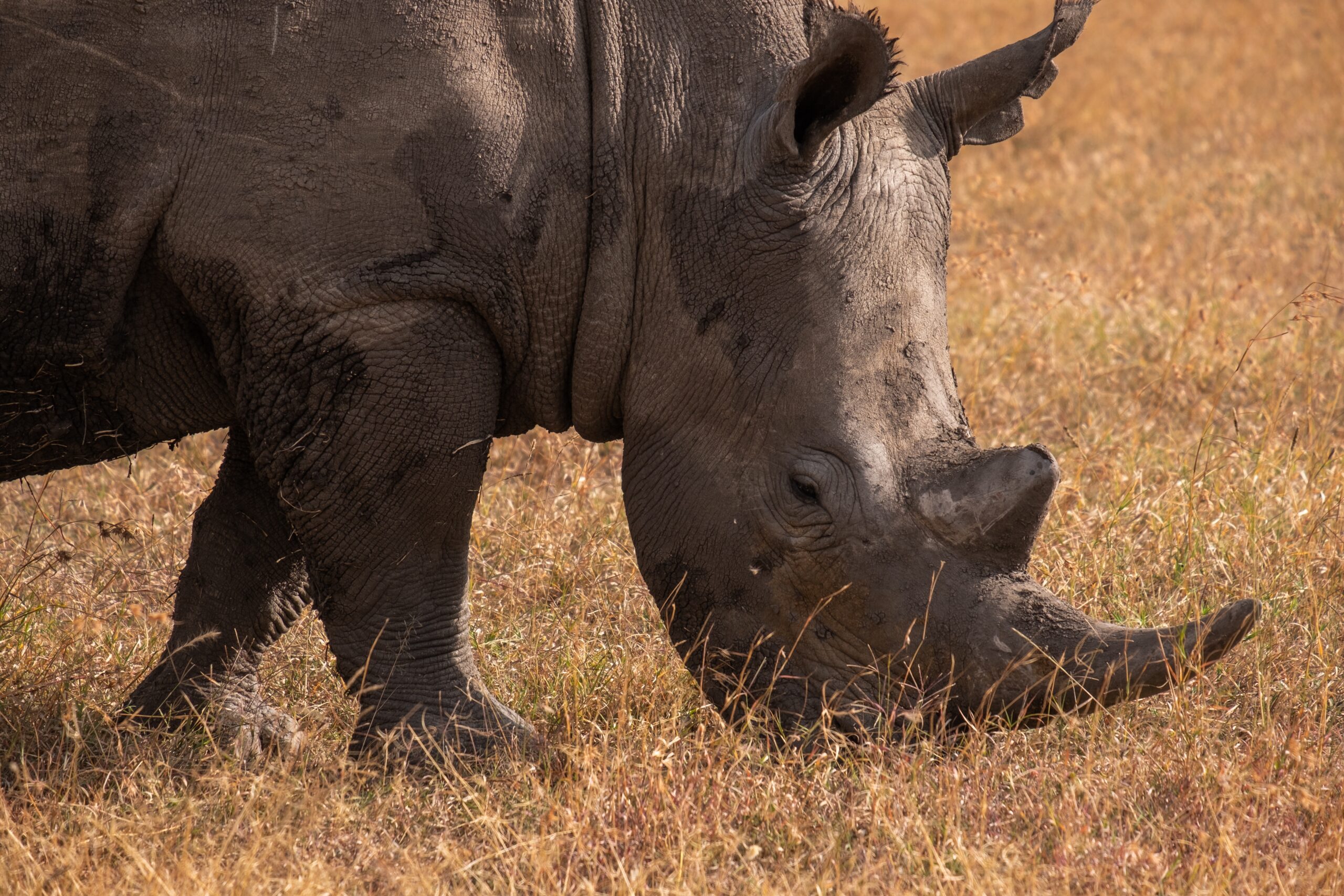
Mkomazi's Black Rhino Sanctuary is a heavily fenced, round-the-clock monitored enclosure built specifically to protect one of Tanzania's last secure black rhino populations from poaching. Armed rangers, tracking collars, and restricted access keep the rhinos safe while allowing scheduled, guided game drives inside the sanctuary. For travelers determined to see black rhino in the wild, Mkomazi offers one of the few reliable, ethically managed opportunities left in East Africa.
Mkomazi hosts one of East Africa's most successful African Wild Dog reintroduction and breeding programs, rebuilding packs of this highly endangered painted predator after local extinction. Recognizable by their mottled black, tan, and white coats and tight pack coordination, wild dogs hunt across Mkomazi's open plains and acacia scrub. Sightings are never guaranteed, but Mkomazi gives visitors a far better chance of encountering wild dogs than almost anywhere else on Tanzania's northern circuit.
Mkomazi's semi-arid bush is prime habitat for two dry-country specialists absent from Serengeti and Ngorongoro: the fringe-eared oryx, with its rapier-straight horns and bold facial markings, and the gerenuk, the long-necked 'giraffe gazelle' famous for standing on its hind legs to browse. Both species are adapted to arid, thornbush terrain and are among the top reasons serious wildlife spotters add Mkomazi to a northern Tanzania itinerary.
Shy and strikingly striped, lesser kudu thrive in Mkomazi's dense commiphora thickets alongside other dry-adapted antelope such as gerenuk, oryx, and lesser-seen duiker and dik-dik. These species favor thick bush over open plains, rewarding patient game drives and skilled guiding. Mkomazi's antelope diversity reflects its transitional ecosystem between the Sahelian dry zone and East Africa's savanna, making it a standout stop for antelope enthusiasts and birders alike.
Mkomazi supports healthy populations of elephant and giraffe, along with zebra, buffalo, and eland, though in noticeably smaller numbers than Serengeti or Tarangire. Herds move across a rugged landscape of baobab-studded plains and the Pare and Usambara mountain backdrops, offering dramatic scenery alongside genuine game viewing. The lower density means sightings feel earned and unhurried, with far fewer vehicles competing for the same view.
Mkomazi receives a fraction of the visitors that flock to Serengeti or Ngorongoro, so game drives here feel remote, quiet, and refreshingly uncrowded. Rough tracks, wide-open dry-country vistas, and minimal tourist infrastructure preserve an authentic bush atmosphere. For travelers who have already done the classic parks and want genuine wilderness, endangered-species conservation success stories, and species found nowhere else nearby, Mkomazi delivers an experience the busier parks cannot match.
Every traveler experiences Mkomazi differently. Choose the safari style that suits you, and Foot Slopes Tours and Safaris will tailor a private itinerary around your dates, budget and interests.

Families with children, grandparents and multi-generational groups
Private vehicle, family rooms and flexible, shorter game drives
Mkomazi works well for families: black rhino, African wild dogs, oryx and gerenuk are easy to enjoy on shorter game drives, and our guides turn every sighting into a learning adventure for children. A private vehicle means you stop whenever the kids need a break.
Jun – Oct & school holidays
2–3 nights

Honeymooners, anniversaries and couples celebrating something special
Sundowners, private bush dinners and romantic suites
Pair black rhino, African wild dogs, oryx and gerenuk with private sundowners, candle-lit bush dinners and a secluded lodge suite. Many couples finish with Kilimanjaro, the Usambara Mountains or Saadani for the perfect beach-and-bush escape.
Jun – Oct
3–4 nights

Wildlife photographers and keen amateurs who want the best light
Pop-top private vehicle, bean bags and golden-hour game drives
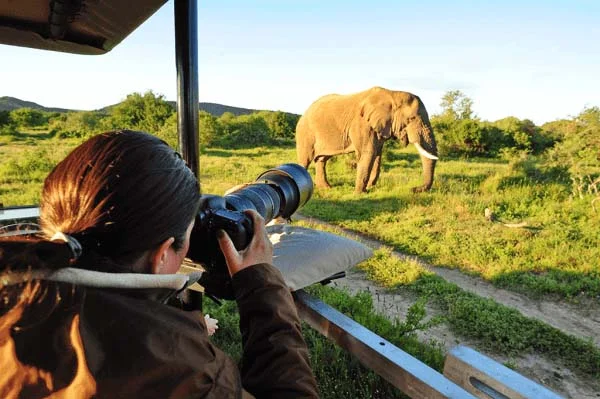
A private pop-top vehicle and flexible timings put you in the right place at dawn and dusk. In Mkomazi, expect black rhino, African wild dogs, oryx and gerenuk, plus a visit to the Mkomazi rhino sanctuary for varied angles and stories.
Jun – Oct & Dec – Feb
3–4 nights

Mature travelers who value comfort, safety and a gentle pace
Short transfers, comfortable lodges and an attentive private guide
Mkomazi is quiet and uncrowded, with short, relaxed game drives. We plan a gently paced itinerary with comfortable lodges, rest time each afternoon and an experienced guide who handles every detail.
Jun – Oct
2–3 nights

Travelers short on time who prefer flights to long road transfers
Scenic light-aircraft flights and more time on game drives
Kilimanjaro International Airport is about three hours away by road, and charter flights can be arranged on request. Flying in maximises your time with black rhino, African wild dogs, oryx and gerenuk and links neatly with Kilimanjaro, the Usambara Mountains or Saadani.
Year-round
2–3 nights

Travelers seeking the finest lodges, service and exclusivity
Private guiding, gourmet dining and exclusive experiences
Stay at the finest lodges and tented camps with private guiding, fine dining and exclusive experiences such as a visit to the Mkomazi rhino sanctuary, all while enjoying black rhino, African wild dogs, oryx and gerenuk in comfort.
Jun – Oct
2–4 nights

Travelers who want comfort and quality without luxury prices
En-suite tented camps, full-board meals and private game drives
Comfortable, well-located lodges and tented camps with en-suite bathrooms, full-board meals and private game drives: the best-value way to experience black rhino, African wild dogs, oryx and gerenuk.
Jun – Oct (lower rates Dec – Feb)
2–3 nights

Solo travelers who want safety, privacy and flexibility
Private vehicle, dedicated guide and sociable lodge evenings
Travel on an individual private, tailor-made safari with your own vehicle and dedicated guide. Mkomazi is safe and welcoming for solo guests, with a visit to the Mkomazi rhino sanctuary and sociable lodge dining in the evenings.
Jun – Oct
2–3 nights
Mkomazi's Black Rhino Sanctuary is a fenced, intensively guarded enclosure built to protect one of Tanzania's last secure black rhino populations from poaching, combining armed ranger patrols, tracking collars, electrified perimeter fencing, and strictly controlled entry points. Unlike open parks where black rhino have been poached to local extinction, Mkomazi's population survives specifically because of this dedicated protection model, making it one of only a handful of places nationwide offering a realistic, ethical chance to see black rhino roaming naturally. Access is by scheduled, permit-controlled game drives with licensed guides, balancing rhino safety with a genuinely memorable wildlife encounter for northern Tanzania safari travelers.
Mkomazi runs one of the most successful African Wild Dog reintroduction and breeding programs in East Africa, rebuilding packs of this highly endangered painted predator after the species vanished from the area decades ago. Captive-bred and rehabilitated dogs were released in phases, monitored closely, and allowed to establish natural pack structures and hunting territories across the park's plains and acacia bush. The program has produced multiple wild-born litters, a strong indicator of a self-sustaining population. While sightings still require luck and good guiding, Mkomazi offers travelers a far better statistical chance of encountering wild dogs than almost any other Tanzanian park.
The dry season, from June through October, offers Mkomazi's best wildlife viewing, as thinning vegetation and concentrated water sources draw elephant, giraffe, oryx, gerenuk, and lesser kudu into more open, visible terrain along riverbeds and waterholes. December through February also delivers strong game viewing with pleasant, drier weather between the short and long rains. The wet season, March through May, brings lush scenery and excellent birdlife but denser bush that makes spotting dry-country antelope and predators noticeably harder. For rhino sanctuary visits and wild dog sightings specifically, the dry months consistently produce the most reliable, rewarding results.
Fringe-eared oryx and gerenuk favor Mkomazi's open semi-arid bush and thornscrub away from the park's few water points, particularly in the drier southern and central sections where Sahelian-style vegetation dominates. Oryx often move in small herds across flatter, sparsely vegetated ground, while gerenuk are typically spotted alone or in pairs, browsing upright on their hind legs from acacia branches at eye level with the vehicle. Both species are shy and rely on camouflage, so slow, patient game drives with an experienced local guide dramatically improve sighting odds. Early morning and late afternoon drives generally produce the clearest views.
Gerenuk earn the nickname 'giraffe gazelle' because of their unusually long, slender necks and their distinctive habit of standing fully upright on their hind legs, bracing against a branch with their front hooves, to browse leaves beyond the reach of other antelope. This elongated neck and upright feeding posture let gerenuk exploit a food source most competing herbivores cannot access, an adaptation unique among African gazelles. Combined with their large eyes and small, delicate heads, the effect is a genuinely giraffe-like silhouette in miniature. Mkomazi's dense acacia-commiphora bushland provides ideal browsing habitat, making it one of Tanzania's most reliable places to observe this behavior firsthand.
Yes, Mkomazi is one of Tanzania's most reliable parks for lesser kudu, a shy, strikingly striped antelope that favors dense commiphora thickets and rocky, broken terrain over open plains. Its fine white vertical stripes, large ears, and spiraled horns on males make it a rewarding sighting for antelope enthusiasts, though its preference for thick cover means encounters are often brief and require careful, quiet driving. Lesser kudu are most active at dawn and dusk, retreating into shade during the heat of the day. Guides familiar with Mkomazi's terrain know the specific thicket edges and dry riverbeds where kudu are most consistently seen.
Beyond its rhino sanctuary and wild dog population, Mkomazi hosts a distinctive dry-country community rarely found together on Tanzania's classic northern circuit, including fringe-eared oryx, gerenuk, lesser kudu, dik-dik, and duiker, alongside more familiar species like elephant, giraffe, zebra, buffalo, and eland. Over 450 bird species also inhabit the park, including dry-country specialists and seasonal migrants. This blend of Sahelian-adapted mammals and typical savanna wildlife reflects Mkomazi's transitional ecosystem between semi-arid scrubland and East African bush, giving travelers a genuinely different species list from Serengeti, Ngorongoro, or Tarangire within the same broader safari circuit.
Mkomazi holds noticeably smaller populations of elephant, giraffe, zebra, and buffalo than Serengeti or Tarangire, so it is not the place for dense herds or predator-kill spectacles. Its value lies elsewhere: a protected black rhino sanctuary, a thriving African wild dog breeding program, and dry-country specialists like fringe-eared oryx, gerenuk, and lesser kudu that simply do not occur in those parks. Game drives feel quieter, slower-paced, and far less crowded, rewarding travelers who already know the classic circuit and want genuinely different species and a more remote, unhurried wilderness atmosphere alongside their existing itinerary.
Mkomazi's Black Rhino Sanctuary protects a carefully managed, closely monitored population that has grown steadily since the sanctuary's establishment through a partnership between Tanzania's wildlife authorities and international rhino conservation organizations. Exact numbers are kept confidential and change over time as a deliberate anti-poaching security measure, consistent with how most secure rhino sanctuaries in East Africa operate. What is publicly known is that Mkomazi remains one of only a few sites in Tanzania sustaining a viable, breeding black rhino population, with rangers tracking individual animals daily to safeguard both their survival and the sanctuary's long-term genetic health.
Yes, access to Mkomazi's Black Rhino Sanctuary is possible for visitors, but it requires advance arrangement through a licensed tour operator, a separate permit, and travel with an approved guide, since entry is restricted to protect the rhinos from disturbance and security risk. It is not an ordinary drive-through game viewing area like the rest of the park. Foot Slopes Tours and Safaris coordinates these permits and scheduling in advance as part of a Mkomazi itinerary, ensuring travelers get a genuine chance at a rhino sighting without compromising the sanctuary's strict conservation and security protocols.
Alongside its African wild dog population, Mkomazi supports lion, leopard, spotted hyena, and cheetah, though at lower densities and with less predictable sightings than in Serengeti or Ngorongoro Crater. The park's rugged, semi-arid terrain and thick commiphora bush give predators excellent cover, making patient, guide-led tracking essential. Cheetah favor the more open plains where they can hunt oryx, gazelle, and other fast-moving prey, while leopard tend toward rocky outcrops and riverine thickets. Predator sightings in Mkomazi feel earned rather than guaranteed, appealing to travelers who value authentic tracking over high-volume, vehicle-crowded sightings found elsewhere.
Foot Slopes Tours and Safaris is a locally owned Tanzanian operator with firsthand knowledge of Mkomazi's rhino sanctuary permits, wild dog territories, and dry-country game-viewing routes that generic itineraries often miss. Our guides are trained specifically in Mkomazi's terrain and species behavior, ensuring higher-quality sightings of oryx, gerenuk, and lesser kudu than a one-size-fits-all northern circuit tour. We handle sanctuary access permits, vehicle logistics, and accommodation directly, removing the planning friction that keeps many travelers from adding Mkomazi to their itinerary. The result is a seamlessly organized, authentically local safari experience built around Mkomazi's genuinely unique wildlife.
Foot Slopes Tours and Safaris is a fully licensed Tanzanian safari operator with an established track record of designing and running itineraries across the northern circuit, including specialized routes into Mkomazi National Park. We maintain direct relationships with park authorities, sanctuary rangers, and vetted camps and lodges, ensuring transparent pricing, reliable logistics, and accountable guiding throughout every trip. Client reviews consistently highlight our attentiveness, local expertise, and ability to secure wildlife experiences other operators cannot arrange. Choosing a locally rooted company means your safari fee supports Tanzanian conservation and communities directly, rather than passing through multiple international intermediaries.
Yes, every Mkomazi itinerary from Foot Slopes Tours and Safaris is fully customizable around your travel dates, group size, comfort level, and specific wildlife priorities, whether that means prioritizing Black Rhino Sanctuary access, maximizing wild dog sighting chances, or combining Mkomazi with Tarangire, Serengeti, or Kilimanjaro for a broader northern Tanzania itinerary. We adjust game drive timing, camp selection, and route pacing based on season and target species, and can add extensions for birding, photography, or cultural visits nearby. Our planning team works directly with each traveler to build an itinerary that reflects their exact interests rather than a fixed template.
Foot Slopes Tours and Safaris pairs every Mkomazi safari with guides who hold specific local knowledge of the park's rhino sanctuary protocols, wild dog pack territories, and the seasonal movement patterns of oryx, gerenuk, and lesser kudu. We limit vehicle sizes, plan drive timing around peak activity windows, and coordinate directly with sanctuary rangers to maximize responsible access. Our vehicles, drivers, and camp partners are all personally vetted for reliability and safety standards. This hands-on, locally grounded approach consistently produces higher-quality sightings and a more authentic wilderness experience than booking through a generic multi-country tour aggregator.
Foot Slopes Tours and Safaris follows strict safety protocols on every Mkomazi game drive, including experienced, radio-equipped drivers, well-maintained 4x4 safari vehicles, and close coordination with park rangers regarding rhino sanctuary access and predator activity. Guides maintain safe viewing distances from wildlife, follow all Tanzania National Parks Authority regulations, and carry first-aid supplies and satellite communication for remote sections of the park. We also brief every guest beforehand on wildlife etiquette and sanctuary-specific rules. This disciplined approach lets travelers focus on the rare privilege of Mkomazi's rhino and wild dog sightings with full confidence in their safety.
Booking a Mkomazi safari with Foot Slopes Tours and Safaris starts with a consultation where we discuss your travel dates, group size, and wildlife priorities, whether that is rhino sanctuary access, wild dog tracking, or dry-country antelope photography. We then propose a tailored itinerary, secure any required sanctuary permits, and confirm camp or lodge availability before finalizing pricing and logistics. Most travelers combine Mkomazi with other northern circuit parks for an efficient, varied itinerary. Reach out through our website or safari planning team to begin, and we will handle every logistical detail from arrival through departure.
Tell us your dates, style, and preferred parks, and we will build the perfect itinerary around you.
Book Now Online →Real 5-star reviews from guests who traveled with us
Our Private African luxury Safari experience with Foot Slopes Tours and Safaris was nothing short of exceptional. From the very beginning, owner Gabriel was incredibly responsive, making the entire booking process smooth and stress-free. Gabriel went above and
We had an incredible private safari experience with Foot Slopes Tours and Safaris. Their office staff was very helpful and informative, and they communicated very well. Our pick-ups to and from the airport were on time and hassle-free, an unforgettable Safari
Foot Slopes Tours and Safaris is truly one of the best local tour companies in Tanzania. From start to finish, their service was professional, reliable, and personalized. The team went above and beyond to make sure every detail of our trip was perfect. Our saf
Our family chose Foot Slopes Tours and Safaris for a custom 11-day safari itinerary, and we couldn’t be happier with our choice! Everything from our initial inquiry to building our custom itinerary to pre-departure and on-trip support was top quality. Communic