Best Time to Visit Mkomazi National Park
Mkomazi National Park experiences two distinct climate patterns that shape when to visit for different priorities. The dry season, spanning June through October and again in January to February, delivers Mkomazi's finest wildlife viewing: elephants, rhinos, giraffes, and antelope concentrate around the parks permanent waterholes and rivers as surrounding bush dries out, while dusty roads remain firm and fully passable for game drives deep into the reserve. Skies stay clear, mornings are cool, and sightings of black rhino in the dedicated sanctuary peak during these months. The rainy seasons, the long rains from March to May and short rains in November, transform Mkomazi into a lush, green landscape carpeted with wildflowers and alive with migratory birds arriving from Europe and beyond, rewarding birders and photographers who do not mind fewer crowds. However, black-cotton soil roads become slippery or impassable, and wildlife disperses across the vast 3,245-square-kilometer wilderness, making sightings less predictable. Choosing your season depends on whether concentrated game viewing or scenic solitude and birdlife matters more to your Tanzania safari.
Mkomazi Month-by-Month Safari Guide
January
Weather turns dry and warm after the short rains taper off, with temperatures climbing toward 30 degrees C and skies clearing for excellent visibility. This is one of Mkomazis prime months: wildlife including elephant, giraffe, oryx, and gerenuk gathers around remaining waterholes, and the black rhino sanctuary offers strong viewing odds. Roads are firm and fully accessible across the parks remote tracks. Birding remains rewarding as some migratory species linger before departing. Vegetation is still moderately green from recent rains, softening the classic dry-season dust. January is a highly recommended month for wildlife-focused visitors seeking good access with fewer crowds.
February
February continues the mini-dry spell, often the hottest month with little rainfall and dust building on tracks. Wildlife concentration around permanent water sources remains excellent, with strong sightings of elephant, buffalo, and rhino. Roads stay dry and passable throughout the park. Resident raptors and dry-country specials like the vulturine guineafowl are easy to spot, though migratory bird numbers have thinned as visitors head north. Heat can be intense at midday, so early morning and late afternoon drives are best. February is a recommended month, offering reliable wildlife viewing before the long rains begin in March.
March
Long rains typically arrive in March, transforming Mkomazis arid bush into a green mosaic and triggering wildflower blooms across the plains. Black-cotton soil sections of track become muddy and occasionally impassable, requiring 4x4 vehicles and flexible itineraries. Wildlife disperses widely as temporary pools form throughout the reserve, making sightings less concentrated and predictable than dry months. However, birdlife flourishes, with resident species joined by early arrivals and dramatic thunderstorm skies rewarding photographers. Fewer visitors mean a more solitary, scenic experience. March suits travelers prioritizing landscape and birding over guaranteed game drives, but is not the top choice for wildlife concentration.
April
April is typically the wettest month of the long rains, with frequent, sometimes heavy downpours across the park. Roads deteriorate significantly, and several tracks through black-cotton soil sections become difficult or unsafe, limiting access to parts of the reserve. Wildlife spreads out across a lush, green Mkomazi, drawing on abundant temporary water, which makes game drives less predictable for big-mammal sightings. Birding is at its best, however, with resident and early migratory species active amid dramatic green scenery. Camps and lodges may operate reduced services. April is the least recommended month for wildlife-focused safaris but appeals to dedicated birders and photographers.
May
Rains begin easing by late May, though tracks remain muddy and vegetation is still thick and green, keeping wildlife dispersed across the reserve. Access improves gradually as the month progresses, though some black-cotton soil roads stay soft after heavy showers. Temperatures moderate to pleasant levels, and the landscape remains strikingly lush with wildflowers persisting from April. Birding stays strong, with resident species active amid the greenery. Visitor numbers remain low, offering a peaceful, uncrowded experience for those who prioritize scenery and tranquility. May is a transitional month, not ideal for concentrated wildlife viewing, but a good choice for scenic, low-season travel before the dry season resumes.
June
June marks the true start of the dry season and one of the best months to visit Mkomazi. Rains stop, vegetation begins thinning, and animals start gathering around the parks permanent water sources as temporary pools evaporate. Roads dry out and become fully passable, opening access to remote corners of the reserve. Elephant, giraffe, oryx, and the protected black rhino population become easier to locate, and cooler mornings make for comfortable game drives. Birding remains good with resident species well established. Visitor numbers start rising as the peak season approaches. June is strongly recommended, combining reliable access with improving wildlife concentration.
July
July is peak dry season and one of Mkomazis top months for wildlife viewing. Bush cover thins dramatically, concentrating elephant, buffalo, giraffe, and antelope species around remaining waterholes and rivers, while the black rhino sanctuary delivers some of its best sighting odds all year. Roads are firm, dust-dry, and fully accessible throughout the park. Cool, clear mornings give way to warm, sunny days ideal for photography. Birding favors dry-country specialists over migratory numbers. This month coincides with regional peak season, so pre-booking accommodation is recommended. July is highly recommended for travelers prioritizing dependable wildlife sightings.
August
August continues the dry-season peak, with Mkomazis landscape fully browned off and wildlife tightly concentrated around dependable water points. Elephant herds, giraffe, oryx, gerenuk, and lesser kudu are frequently spotted, and rhino sanctuary visits offer strong success rates. Roads remain excellent throughout the reserve, supporting full access to remote tracks. Dust levels rise with the dry conditions, and temperatures stay warm but comfortable. Regional visitor numbers peak this month, so early booking is advised for camps near the park. Birding favors resident dry-adapted species. August ranks among the most recommended months for wildlife-focused safaris in Mkomazi.
September
September remains firmly within the dry season, with clear skies, minimal rainfall, and continued strong wildlife concentration around Mkomazis waterholes and riverine areas. Elephant, buffalo, giraffe, and a range of antelope species are reliably encountered, while cooler evenings offer a pleasant break from daytime heat. Roads stay dry and fully passable, and dust builds progressively as the season lengthens. Visitor numbers begin easing slightly from the August peak, offering slightly more solitude without sacrificing sighting quality. Birding continues to favor resident specialists. September is a highly recommended month, balancing excellent wildlife viewing with easier availability at lodges and camps.
October
October is the final full month of the long dry season and one of the best for wildlife viewing before the short rains arrive. Vegetation is at its sparsest, pushing animals into tight concentrations around the last remaining water sources, making sightings of elephant, rhino, and giraffe especially reliable. Roads remain dry and accessible, though dust is at its peak. Temperatures climb toward the short rains, with building humidity by late month. Birding remains modest ahead of migratory arrivals. October is strongly recommended for wildlife enthusiasts, offering some of the years most concentrated and predictable game viewing in Mkomazi.
November
Short rains typically arrive in November, breaking the dry season with scattered afternoon showers that green up the landscape within days. Roads begin softening in places, particularly on black-cotton soil sections, though access generally remains manageable outside heavy storm periods. Wildlife starts dispersing as temporary water becomes available across the reserve, making sightings somewhat less concentrated than the preceding dry months. Migratory birds begin arriving from Europe and northern Africa, boosting species counts significantly and rewarding keen birders. Visitor numbers drop noticeably, offering a quieter experience. November suits travelers interested in birding and shoulder-season scenery over guaranteed big-mammal concentrations.
December
December brings a short lull between the short and long rains, with intermittent showers and a mostly green, refreshed landscape. Roads are generally passable, though occasional storms can affect black-cotton soil tracks temporarily. Wildlife remains moderately dispersed, though some concentration returns around permanent water as scattered rains ease. Migratory birds are well established, making December an excellent month for birding alongside decent mammal sightings. Warm temperatures and festive-season travel bring a modest rise in visitors. Scenery is lush and photogenic with dramatic skies. December is a solid shoulder-season choice, balancing good birding, reasonable access, and improving wildlife visibility ahead of January.
Plan Your Mkomazi Safari
Trip Length
Comfort Level
Safari Style
Operator Rating
Specialized Tours
Filter by Operator
Other Tour Features
Mkomazi Safari Styles
Every traveler experiences Mkomazi differently. Choose the safari style that suits you, and Foot Slopes Tours and Safaris will tailor a private itinerary around your dates, budget and interests.

Family Safari
Families with children, grandparents and multi-generational groups
Private vehicle, family rooms and flexible, shorter game drives
Mkomazi works well for families: black rhino, African wild dogs, oryx and gerenuk are easy to enjoy on shorter game drives, and our guides turn every sighting into a learning adventure for children. A private vehicle means you stop whenever the kids need a break.
Jun – Oct & school holidays
2–3 nights

Honeymoon Safari
Honeymooners, anniversaries and couples celebrating something special
Sundowners, private bush dinners and romantic suites
Pair black rhino, African wild dogs, oryx and gerenuk with private sundowners, candle-lit bush dinners and a secluded lodge suite. Many couples finish with Kilimanjaro, the Usambara Mountains or Saadani for the perfect beach-and-bush escape.
Jun – Oct
3–4 nights
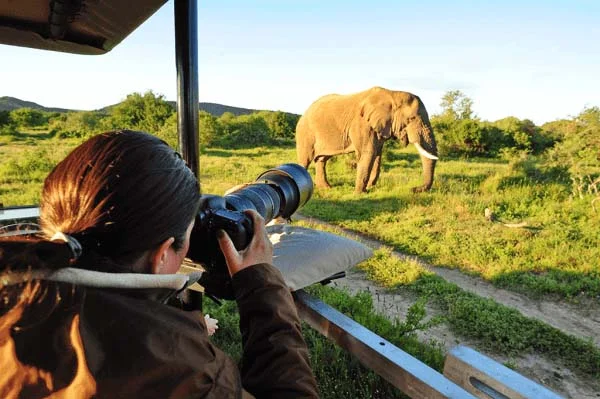
Photography Safari
Wildlife photographers and keen amateurs who want the best light
Pop-top private vehicle, bean bags and golden-hour game drives
A private pop-top vehicle and flexible timings put you in the right place at dawn and dusk. In Mkomazi, expect black rhino, African wild dogs, oryx and gerenuk, plus a visit to the Mkomazi rhino sanctuary for varied angles and stories.
Jun – Oct & Dec – Feb
3–4 nights

Seniors Safari
Mature travelers who value comfort, safety and a gentle pace
Short transfers, comfortable lodges and an attentive private guide
Mkomazi is quiet and uncrowded, with short, relaxed game drives. We plan a gently paced itinerary with comfortable lodges, rest time each afternoon and an experienced guide who handles every detail.
Jun – Oct
2–3 nights
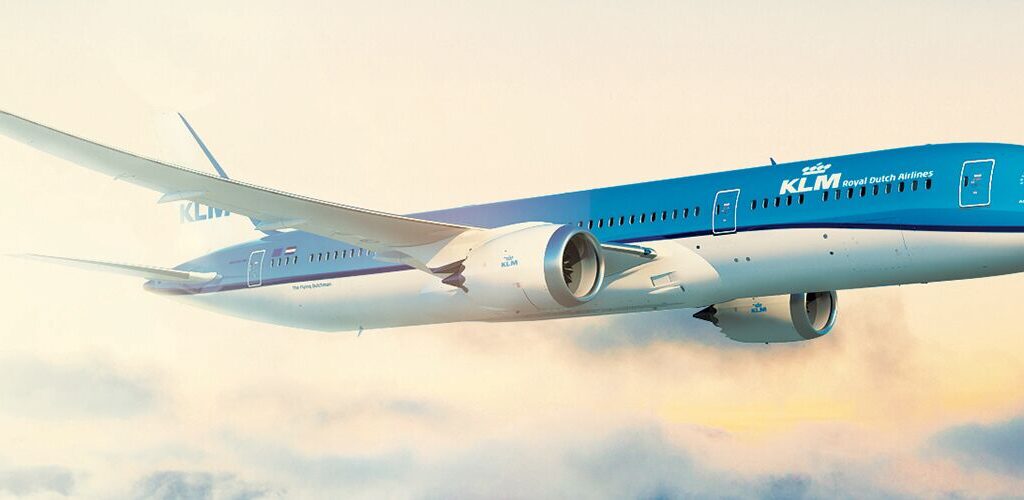
Flying Safari
Travelers short on time who prefer flights to long road transfers
Scenic light-aircraft flights and more time on game drives
Kilimanjaro International Airport is about three hours away by road, and charter flights can be arranged on request. Flying in maximises your time with black rhino, African wild dogs, oryx and gerenuk and links neatly with Kilimanjaro, the Usambara Mountains or Saadani.
Year-round
2–3 nights

Luxury Safari
Travelers seeking the finest lodges, service and exclusivity
Private guiding, gourmet dining and exclusive experiences
Stay at the finest lodges and tented camps with private guiding, fine dining and exclusive experiences such as a visit to the Mkomazi rhino sanctuary, all while enjoying black rhino, African wild dogs, oryx and gerenuk in comfort.
Jun – Oct
2–4 nights

Mid-Range Safari
Travelers who want comfort and quality without luxury prices
En-suite tented camps, full-board meals and private game drives
Comfortable, well-located lodges and tented camps with en-suite bathrooms, full-board meals and private game drives: the best-value way to experience black rhino, African wild dogs, oryx and gerenuk.
Jun – Oct (lower rates Dec – Feb)
2–3 nights

Solo Safari
Solo travelers who want safety, privacy and flexibility
Private vehicle, dedicated guide and sociable lodge evenings
Travel on an individual private, tailor-made safari with your own vehicle and dedicated guide. Mkomazi is safe and welcoming for solo guests, with a visit to the Mkomazi rhino sanctuary and sociable lodge dining in the evenings.
Jun – Oct
2–3 nights
Mkomazi Safari Planning Guides
Frequently Asked Questions
What is the best month to visit Mkomazi National Park?
The best month to visit Mkomazi National Park is generally July through October, when the long dry season peaks and wildlife concentrates predictably around permanent water sources and the black rhino sanctuary. January and February also rank highly as a secondary dry window between the short and long rains, offering strong game viewing with fewer visitors than the July-August high season. During these months, roads throughout the park stay firm and fully passable, vegetation thins to improve visibility, and elephant, giraffe, oryx, and buffalo sightings become far more reliable. For travelers prioritizing guaranteed wildlife encounters over lush scenery, dry-season months consistently deliver Mkomazi's finest safari experience.
What is the best time of year for wildlife viewing in Mkomazi?
The best time of year for wildlife viewing in Mkomazi National Park is the dry season, spanning June through October and again in January-February. As temporary water sources evaporate, elephant, giraffe, buffalo, oryx, gerenuk, and lesser kudu concentrate around permanent rivers, dams, and waterholes, making sightings dramatically more predictable than during rainy months. The dedicated black rhino sanctuary also offers its strongest viewing odds during these dry stretches, since thinning bush improves visibility across open terrain. Roads remain dry and accessible throughout the reserve, allowing game drives to reach remote areas. July through October represents the single most reliable window for consistent, concentrated wildlife encounters.
Is Mkomazi National Park good for a dry season safari?
Yes, Mkomazi National Park is an excellent dry-season safari destination. Between June and October, and again in January-February, minimal rainfall causes bush and grass to thin substantially, pushing animals toward permanent water sources where they become easy to locate and photograph. Roads stay firm and fully passable across the park's 3,245 square kilometers, allowing vehicles to reach remote tracks that can be difficult during rains. Dust levels rise, but clear skies and strong morning light benefit photography. The black rhino sanctuary, elephant herds, and dry-country specialists like gerenuk and oryx are consistently sighted. Dry-season conditions make Mkomazi one of northern Tanzania's most rewarding under-visited wildlife destinations.
When should I visit Mkomazi for birdwatching?
The best time for birdwatching in Mkomazi National Park is during the rainy seasons, particularly the short rains in November and the long rains from March through May, when migratory species arrive from Europe and northern Africa alongside resident dry-country specials. Lush vegetation and seasonal wetlands attract a far wider range of species than the dry months, rewarding patient birders with excellent diversity. December also offers strong birding as migratory populations remain established after the short rains. While dry months from June to October favor mammal sightings, serious birders should plan visits around the wetter shoulder seasons for the richest and most varied birdlife in Mkomazi.
What is the rainy season like in Mkomazi National Park?
The rainy season in Mkomazi National Park occurs in two periods: the long rains from March to May and the short rains in November. These months transform the park's arid bush into a lush, green landscape carpeted with wildflowers, attracting migratory birds and creating dramatic, photogenic skies. Rainfall is often concentrated in short afternoon downpours rather than constant drizzle, leaving mornings frequently clear for activities. However, black-cotton soil sections of track become muddy or temporarily impassable, and wildlife disperses widely across the reserve as temporary water becomes available, making sightings less predictable. Visitor numbers drop significantly, offering a quieter, more scenic safari experience for flexible travelers.
Are Mkomazi's roads passable during the wet season?
Mkomazi's roads can become challenging during the wet season, particularly in April, the peak of the long rains, when black-cotton soil sections turn muddy and occasionally impassable without a capable 4x4 vehicle. March and May see gradually improving conditions as rainfall intensity decreases, though some tracks remain soft after heavy storms. The short rains in November typically cause less disruption, with roads generally remaining manageable outside intense storm periods. Experienced local guides and well-maintained 4x4 safari vehicles, like those used by Foot Slopes Tours and Safaris, can navigate most wet-season conditions safely, though itineraries may require flexibility. Dry months from June through February offer the most dependable road access.
When is the black rhino sanctuary best visited in Mkomazi?
The black rhino sanctuary in Mkomazi National Park is best visited during the dry season, particularly July through October and January-February, when thinning vegetation dramatically improves visibility across the sanctuary's open terrain. As bush cover recedes and rhinos concentrate near reliable water sources, sighting odds rise significantly compared to the lush, dense conditions of the rainy months. Dry, firm roads also make sanctuary access more consistent and comfortable for game drives. While rhino sightings are never guaranteed in any wild setting, dry-season visibility conditions give visitors the strongest realistic chance of observing this critically endangered species within Mkomazi's protected sanctuary area.
Is Mkomazi National Park less crowded than Serengeti or Tarangire?
Yes, Mkomazi National Park is significantly less crowded than popular circuits like Serengeti, Ngorongoro, or Tarangire, even during Tanzania's peak July-to-October dry season. As one of Tanzania's most underrated parks, Mkomazi sees a fraction of the visitor traffic, offering safari-goers a sense of exclusivity and solitude that's increasingly rare on the classic northern circuit. Game drives often proceed without other vehicles in sight, and the black rhino sanctuary and open plains feel genuinely wild. For travelers seeking authentic, off-the-beaten-path safari experiences alongside classic parks, pairing Mkomazi with a northern Tanzania itinerary delivers both iconic wildlife destinations and quiet, uncrowded exploration.
What is the coolest and hottest time of year in Mkomazi?
Mkomazi National Park's coolest period falls during the rainy months, particularly April and May, when cloud cover and rainfall moderate daytime temperatures, alongside cooler mornings in June through August. The hottest period typically occurs in December through February and again in September-October, when clear skies and minimal rainfall allow temperatures to climb, often exceeding 30 degrees C at midday. Early morning and late afternoon game drives are recommended year-round to avoid peak heat, particularly during dry months. Nighttime and early morning temperatures remain notably cooler throughout the year due to Mkomazi's elevation near the Pare and Usambara mountain ranges.
Can I combine Mkomazi with a Kilimanjaro climb based on season?
Yes, Mkomazi National Park pairs naturally with a Kilimanjaro climb given their proximity in northern Tanzania, and season should guide the order of activities. Dry months, June through October and January-February, offer the clearest mountain views and safest climbing conditions on Kilimanjaro, making them ideal for combining a summit attempt with dry-season Mkomazi game drives. Rainy months bring cloud cover and slippery trails on the mountain, though they still suit a Mkomazi visit focused on birding and scenery rather than climbing. Most travelers schedule Kilimanjaro first, then unwind with a Mkomazi safari, timing the full trip around the dry season for the best overall experience.
When do migratory birds arrive in Mkomazi National Park?
Migratory birds typically begin arriving in Mkomazi National Park with the short rains in November, continuing through the long rains from March to May, as European and northern African species seek out the park's seasonal wetlands and lush vegetation. December also offers strong birding as many migratory populations remain well established after the November rains. These wetter months significantly boost species diversity beyond Mkomazi's already impressive resident population of dry-country specialists like vulturine guineafowl and various raptors. Birders planning a dedicated Mkomazi trip should target November through May for the richest combination of migratory and resident species across the park's varied habitats.
Is it better to visit Mkomazi in January-February or June-October?
Both windows suit different priorities: January-February and June-October each offer excellent dry-season wildlife viewing with firm roads and concentrated animal sightings, but the two periods differ subtly. June-October, especially July and August, delivers the most intense wildlife concentration as an extended dry spell pushes animals to permanent water, though it coincides with regional peak season and higher visitor numbers at nearby parks. January-February offers comparably strong game viewing with a shorter dry window following the short rains, generally quieter conditions, and slightly greener surroundings. Travelers prioritizing maximum wildlife concentration should choose June-October; those wanting strong sightings with fewer crowds may prefer January-February.
What wildlife can I expect to see during the dry season in Mkomazi?
During the dry season, Mkomazi National Park delivers reliable sightings of elephant, giraffe, buffalo, oryx, gerenuk, and lesser kudu as they concentrate around the park's permanent rivers, dams, and waterholes. The protected black rhino sanctuary offers some of its best viewing odds of the year, while dry-country specialists like klipspringer and dik-dik become easier to spot amid thinning vegetation. Predators including lion and cheetah also benefit from concentrated prey near water sources. Clear skies and firm, dust-dry roads support extended game drives across remote sections of the park. Overall, dry-season conditions transform Mkomazi into one of northern Tanzania's most consistent wildlife-viewing destinations.
Why choose Foot Slopes Tours and Safaris for a Mkomazi safari?
Foot Slopes Tours and Safaris brings deep local expertise to Mkomazi National Park, an under-visited gem that many operators overlook in favor of the busier northern circuit. Our guides understand the park's seasonal wildlife movements, road conditions, and rhino sanctuary access in detail, ensuring itineraries are timed for the best possible sightings regardless of season. As a Tanzania-based operator, we combine competitive pricing with personalized service, hand-picking accommodations and routes to match each traveler's interests, whether that's concentrated dry-season game viewing or lush, birdlife-rich rainy season scenery. Our commitment to authentic, well-planned safaris makes us a trusted choice for exploring Mkomazi's remote and rewarding landscapes.
Does Foot Slopes Tours and Safaris offer customized Mkomazi itineraries?
Yes, Foot Slopes Tours and Safaris designs fully customized Mkomazi itineraries tailored to each traveler's timing, interests, and budget. Whether you want a dedicated dry-season wildlife safari focused on the black rhino sanctuary and elephant herds, a birding-focused rainy-season trip, or a combined itinerary linking Mkomazi with Kilimanjaro, Tarangire, or the northern Tanzania circuit, our team builds the route around your priorities rather than a fixed template. We factor in seasonal road conditions, optimal wildlife-viewing windows, and accommodation availability to craft a seamless experience. Private vehicles, flexible pacing, and knowledgeable local guides ensure every custom Mkomazi safari reflects exactly what our travelers are looking for.
Is Foot Slopes Tours and Safaris experienced with off-the-beaten-path parks like Mkomazi?
Yes, Foot Slopes Tours and Safaris specializes in off-the-beaten-path Tanzania destinations, including remote and underrated parks like Mkomazi that require specific local knowledge to navigate well. Our guides are experienced with Mkomazi's black-cotton soil roads, seasonal access challenges, and dispersed wildlife patterns, allowing us to plan realistic, rewarding itineraries regardless of season. We regularly combine Mkomazi with other lesser-visited northern Tanzania destinations to give travelers an authentic, uncrowded alternative to the classic safari circuit. This expertise in remote-park logistics, honed over years of operating throughout Tanzania, ensures a smooth and well-informed experience even in destinations that receive far less visitor traffic than Serengeti or Ngorongoro.
How does Foot Slopes Tours and Safaris handle logistics for remote parks like Mkomazi?
Foot Slopes Tours and Safaris handles remote-park logistics like Mkomazi with well-maintained 4x4 vehicles, experienced local drivers, and contingency planning built into every itinerary, particularly during the wet season when black-cotton soil roads can become challenging. We coordinate closely with park authorities and trusted local camps to confirm real-time road and weather conditions before and during each trip, adjusting routes when necessary to keep travelers safe and comfortable. Our team also pre-arranges permits, rhino sanctuary access, and transfers between Mkomazi and connecting destinations like Kilimanjaro or the northern circuit. This hands-on, detail-oriented approach ensures remote-park safaris run smoothly from arrival to departure.
Plan Further: Mkomazi National Park Guides & Resources
Explore Mkomazi National Park
Plan Your Mkomazi Safari
Tell us your dates, style, and preferred parks, and we will build the perfect itinerary around you.
Book Now Online →What Our Travelers Say
Real 5-star reviews from guests who traveled with us
Our Private African luxury Safari experience with Foot Slopes Tours and Safaris was nothing short of exceptional. From the very beginning, owner Gabriel was incredibly responsive, making the entire booking process smooth and stress-free. Gabriel went above and
We had an incredible private safari experience with Foot Slopes Tours and Safaris. Their office staff was very helpful and informative, and they communicated very well. Our pick-ups to and from the airport were on time and hassle-free, an unforgettable Safari
Foot Slopes Tours and Safaris is truly one of the best local tour companies in Tanzania. From start to finish, their service was professional, reliable, and personalized. The team went above and beyond to make sure every detail of our trip was perfect. Our saf
Our family chose Foot Slopes Tours and Safaris for a custom 11-day safari itinerary, and we couldn’t be happier with our choice! Everything from our initial inquiry to building our custom itinerary to pre-departure and on-trip support was top quality. Communic