What Not to Wear on Safari in Tanzania
What not to wear on safari in Tanzania is just as important as what to pack. Avoid dark blue and black clothing, which attract tsetse flies, bright white and bold colours, military-style camouflage, heavy jeans, tight synthetic fabrics, expensive jewellery, high heels, strong perfume and hard suitcases. Revealing clothing is also best avoided in towns, villages and Stone Town on Zanzibar. This guide explains the ten biggest safari clothing mistakes, what to wear instead, what to avoid in each situation, a colour guide and a wardrobe checklist from our friendly and experienced local safari team based in Arusha, Tanzania.
What should you not wear on safari in Tanzania?
On safari in Tanzania, do not wear dark blue or black clothing, which attract tsetse flies, bright white or bold colours, which show dust and stand out, or military-style camouflage, which is associated with the army. Avoid heavy jeans, tight synthetic clothes, high heels, expensive jewellery and strong perfume, and pack in a soft duffel bag rather than a hard suitcase. Choose breathable khaki, olive and beige clothing instead, and dress modestly in towns, villages and on Zanzibar.
10 Things Not to Wear on Safari in Tanzania
Many first-time visitors pack the wrong clothes for a Tanzania safari, from dark colours that attract tsetse flies to camouflage, heavy jeans and hard suitcases that do not fit small aircraft. Avoiding these common mistakes keeps you cool, comfortable, safe and respectful throughout your trip. Select each tab below to see what to avoid, why it matters, what to wear instead and where it matters most, with links to our detailed packing and clothing guides. Our team also sends a personal packing guide before every private safari we arrange. Avoid them and enjoy a far more comfortable safari.
Do Not Wear Dark Blue or Black
Navy, dark blue and black clothing
These colours attract biting tsetse flies and absorb heat
Dark blue and black are the colours to avoid most on a Tanzania safari. Tsetse flies, found in parts of Tarangire and other woodland areas, are strongly attracted to them and can give a painful bite. Dark clothing also absorbs heat in the strong sun, making long game drives hot, sticky and uncomfortable for everyone in the vehicle.
Tarangire National Park →
Avoid Bright White and Bold Colours
White, neon, red, bright yellow and bold prints
White shows dust instantly and bold colours stand out in the bush
Bright white clothing turns orange-brown within hours on dusty safari roads, while neon and bold colours make you stand out on walking safaris. In a vehicle, bright colours matter less, but neutral tones always look better in photos and stay cleaner. Save white for the lodge and Zanzibar, and choose earthy shades for game drives.
Walking Safaris →Leave Camouflage Clothing at Home
Military-style camouflage clothing, hats and bags
Camouflage is associated with the army in Tanzania
Military-style camouflage is associated with the army and is best avoided by visitors in Tanzania and many other African countries. It can cause unnecessary attention or problems at airports and checkpoints. This applies to camouflage jackets, trousers, hats and even bags, so check your luggage carefully and choose plain khaki, olive or brown clothing instead.
What to Wear in Tanzania →
Skip Heavy Jeans and Thick Fabrics
Heavy denim, thick cotton and stiff fabrics
Jeans are hot, heavy and slow to dry
Jeans may feel familiar, but heavy denim is hot during midday game drives, uncomfortable when sitting for long hours and very slow to dry after washing or rain. They also take up valuable space and weight in your soft bag. Lightweight cotton, linen blends and quick-dry safari trousers are far more practical for every day of your safari.
What to Wear on Safari →
Avoid Tight and Synthetic Clothing
Tight-fitting, non-breathable synthetic clothing
They trap heat and become uncomfortable on long drives
Tight, non-breathable synthetic clothing traps heat and sweat, which quickly becomes uncomfortable during long drives on bumpy roads. Restrictive clothes also make climbing in and out of the vehicle awkward. Choose loose-fitting, breathable clothing that lets air circulate. Technical quick-dry fabrics designed for hiking and travel are excellent, as they breathe well and dry overnight.
What to Pack for Safari →
Leave Expensive Jewellery at Home
Expensive jewellery, designer watches and valuables
Valuables are easy to lose and unnecessary in the bush
Safari is a relaxed, casual experience, and expensive jewellery, designer watches and valuable accessories are unnecessary and easy to lose in dusty vehicles, tents and on travel days. Shiny items can also be distracting at sightings. Bring a simple watch and minimal jewellery, and use the lodge safe for passports, cash and electronics whenever you are out.
Safari Tips for First-Timers →
Avoid High Heels and Brand-New Shoes
High heels, smart shoes, flip-flops on walks and unworn boots
Uneven ground, dust and walks need comfortable shoes
High heels and smart shoes are impractical on uneven lodge paths, dusty roads and sandy campsites. Flip-flops are fine at the lodge but not for walks, and brand-new boots can cause painful blisters. Bring comfortable, broken-in trainers or light walking shoes for game drives and walks, plus sandals for relaxing at camp in the evenings.
Walking Safaris →
Do Not Wear Strong Perfume or Scents
Strong perfume, aftershave and heavily scented lotions
Sweet scents can attract insects such as bees and mosquitoes
Strong perfumes, aftershaves and sweet-smelling lotions can attract bees, mosquitoes and other insects, which is the last thing you want on an open game drive or bush walk. Scents can also be overpowering in a vehicle. Choose unscented sunscreen, lotion and toiletries, and save your favourite fragrance for a special dinner at the lodge or on Zanzibar.
Safari Vehicle Etiquette →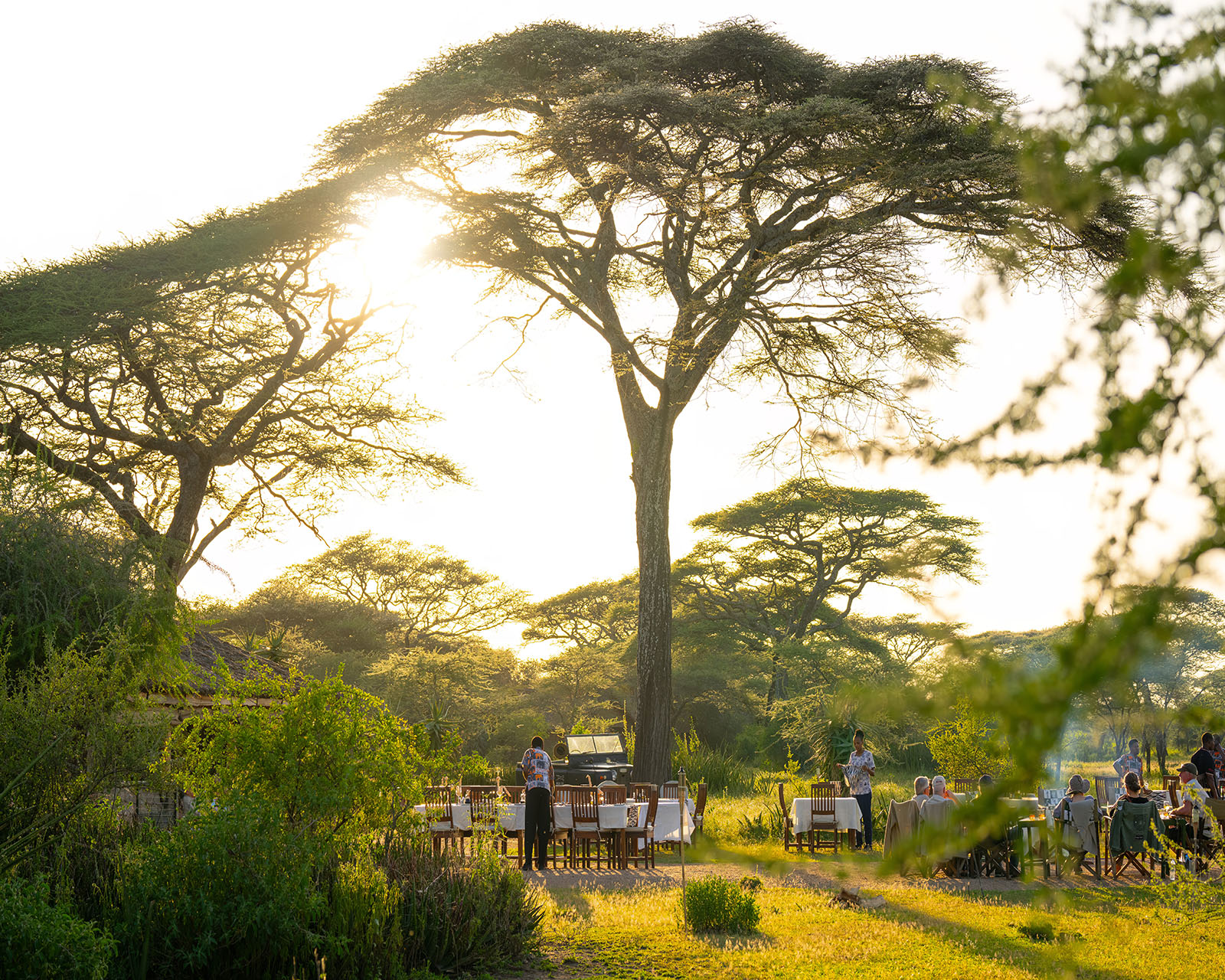
Avoid Hard Suitcases and Excess Luggage
Hard-shell suitcases, heavy bags and bulky outfits
Small aircraft and vehicles need soft, light bags
Hard suitcases do not fit easily into safari vehicles or the small aircraft that fly between parks and to Zanzibar, which often require soft bags with strict weight limits. Overpacking bulky outfits adds weight and stress. Pack light in a soft duffel bag, remember most lodges offer laundry, and ask our team to confirm your exact luggage allowance.
Safari Packing Guide →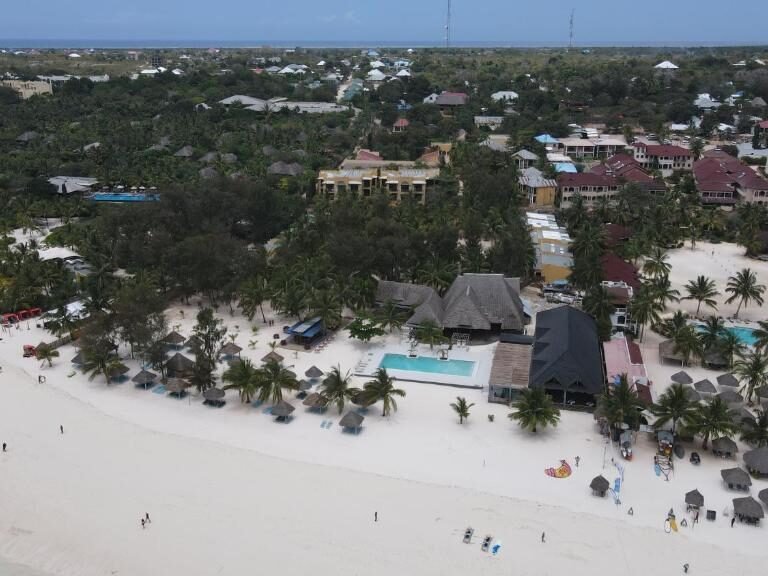
Avoid Revealing Clothing in Towns
Very short shorts, crop tops and swimwear away from the beach
Tanzania and Zanzibar value modest dress
Tanzania is a conservative country, and Zanzibar has a largely Muslim culture. Avoid very short shorts, crop tops, see-through clothing and swimwear away from the beach or pool. Cover your shoulders and knees in towns, villages, markets and Stone Town. A light scarf, sarong or long skirt makes it easy to dress respectfully at short notice.
Zanzibar Beach Holidays →What Not to Wear in Each Safari Situation
What you should avoid wearing on a Tanzania safari changes with the situation, from game drives and walking safaris to cold dawn descents into Ngorongoro Crater, dinner at the lodge, village visits and time on Zanzibar. The cards below explain exactly what not to wear in each situation, why it matters and what to choose instead. Following this simple advice keeps you comfortable in the bush, respectful in communities and relaxed on the beach. If you are unsure about any item, our team is always happy to check your packing list. Simple choices make every situation easy and comfortable.
On Game Drives
On game drives, avoid dark blue, black, bright white and heavy jeans. Do not wear loose hats without a chin strap, which blow off when standing in the pop-up roof, or dangling scarves near camera gear. Choose breathable neutral layers, a secure wide-brimmed hat and comfortable closed shoes for long, dusty hours in the safari vehicle.
On Walking Safaris
On walking safaris, avoid white, bright colours, bold logos, rustling fabrics, shorts and sandals. Bright colours stand out to wildlife, and bare legs are exposed to thorns, grass seeds and insects. Wear muted green, khaki or brown long trousers and sleeves, with sturdy, broken-in walking shoes, and always follow your armed ranger's dress advice on the day.
At Ngorongoro at Dawn
Do not head down into Ngorongoro Crater in just a T-shirt and shorts. The crater rim is high and cold at dawn, especially from June to August, and open-roof vehicles feel even colder. Avoid packing only summer clothes. Bring a warm fleece or light down jacket, a beanie and light gloves for the early descent.
At Dinner in the Lodge
Safari lodges have no formal dress code, so you do not need suits, ties, evening gowns or high heels. Avoid heavy, formal outfits that waste luggage space. Smart-casual clothing, such as a clean shirt, trousers or a long skirt with comfortable shoes, is perfect, plus a warm layer for cool evenings outdoors around the fire.
In Villages and Towns
In Maasai villages, local markets, schools and towns such as Arusha, avoid very short shorts, crop tops, revealing or see-through clothing and offensive slogans. Modest clothing that covers shoulders and knees shows respect and helps you feel welcome and comfortable. Always ask permission before photographing people, homes or ceremonies during your cultural visits and village tours in Tanzania.
On Zanzibar and in Stone Town
On Zanzibar, swimwear is fine on hotel beaches and by the pool, but avoid wearing it in villages, shops or the streets of Stone Town. Do not walk through town in very short shorts or crop tops. Carry a sarong, light shirt or loose trousers to cover up, especially during Ramadan, when modesty matters even more.
Safari Colour Guide: What to Avoid and What to Choose
Colour is the most common question about what not to wear on safari in Tanzania, and the answer is simple once you understand the reasons behind it. Some colours attract biting insects, some show dust and others stand out on walking safaris, while neutral shades work everywhere. The cards below explain which colours to avoid, which colours to choose, how to handle patterns and logos, and why colour matters on safari. Use this guide to check your wardrobe before you pack your soft duffel bag. Neutral colours are the simplest and safest choice for every part of your trip.
Colours to Avoid
Avoid dark blue and black, which attract tsetse flies, bright white, which shows dust, and neon or bold colours, which stand out on walking safaris. Red and bright yellow can also be distracting in the bush. These colours are fine at the lodge or on the beach, but keep them out of your game drive outfits.
Colours to Choose
The best safari colours are khaki, beige, sand, stone, olive green, light brown and soft grey. They hide dust, stay cooler in the sun, blend into the landscape and look great in photos. Mix and match a few neutral pieces so every top works with every pair of trousers, which keeps your luggage light and simple.
Patterns and Logos
Avoid camouflage patterns, which are associated with the military, and large bold logos or slogans, which can stand out or cause offence. Small, simple patterns are fine. Plain neutral clothing is the safest and most versatile choice, working well on game drives, walking safaris, cultural visits and even relaxed evenings at your lodge or tented camp.
Why Colour Matters
Many animals notice contrast and movement more than colour, so bright clothing matters most on walking safaris, where you are on foot. Insects are a different story, as tsetse flies are strongly drawn to dark blue and black. Neutral colours also hide the dust and look natural in your safari photos, wherever you travel in Tanzania.
Pre-Safari Wardrobe Check
Before you finally zip up your soft safari bag, run through this pre-safari wardrobe check to make sure nothing on the what-not-to-wear list has slipped into your luggage. The checklist shows what to take out, what to swap in, what to check before flying to Tanzania and what to carry in your daypack on game drives. Tick each item as you go and follow your progress with the bar, or print the list to use while packing at home. Our team also sends a personal packing guide matched to your season and itinerary once your private safari is confirmed.
Take Out0/5
Swap In0/5
Before Flying0/5
In Your Daypack0/5
Tanzania Safari Clothing and Packing Guides
What Not to Wear on Safari in Tanzania: FAQs
What should you not wear on safari in Tanzania?
Avoid dark blue and black, bright white and bold colours, camouflage, heavy jeans, tight synthetic clothing, high heels, expensive jewellery, strong perfume and hard suitcases. Dress modestly in towns and on Zanzibar.
Why should I not wear dark blue or black on safari?
Dark blue and black attract tsetse flies, which live in parts of Tarangire and other woodland areas and can give a painful bite. Dark colours also absorb heat in the sun.
Can you wear camouflage in Tanzania?
Camouflage clothing is associated with the military and is best avoided by visitors in Tanzania. Choose plain khaki, olive or brown clothing instead.
Can I wear white on safari?
White is not ideal on game drives, as it shows dust quickly and stands out on walking safaris. It is fine at the lodge, for dinner and on Zanzibar's beaches.
Can I wear jeans on a Tanzania safari?
Jeans are not recommended, as heavy denim is hot, uncomfortable on long drives and slow to dry. Lightweight or convertible safari trousers are much more practical.
Can I wear shorts on safari in Tanzania?
Shorts are fine on warm game drives, but avoid them on walking safaris, cold early mornings and in towns, villages and Stone Town, where modest clothing is appreciated.
Can I wear perfume on safari?
It is best to avoid strong perfume, aftershave and scented lotions, which can attract bees and mosquitoes. Use unscented products and save fragrance for dinner or Zanzibar.
What shoes should I avoid on safari?
Avoid high heels, smart shoes and brand-new boots that can cause blisters. Flip-flops are fine at the lodge but not on walks. Choose broken-in trainers or light walking shoes.
Should I bring a suitcase on safari?
No. Hard suitcases do not fit easily in safari vehicles or small aircraft. Pack in a soft duffel bag and keep within the luggage limit confirmed by our team.
What should women avoid wearing in Tanzania?
Women should avoid very short shorts, crop tops and revealing clothing in towns, villages and Stone Town. A light scarf, sarong or long skirt makes it easy to dress modestly.
Do I need formal clothes for safari lodges?
No. Safari lodges are relaxed and have no formal dress code. Smart-casual clothing is perfect for dinner, so leave suits, evening gowns and high heels at home.
Can I wear bright colours on safari?
Bright and neon colours are best avoided on game drives and especially walking safaris. Neutral khaki, olive and beige clothing is more practical and looks better in photos.
Is it rude to wear swimwear in Zanzibar towns?
Yes, swimwear should only be worn on the beach or by the pool. Zanzibar has a largely Muslim culture, so cover up with a sarong or light clothing in towns and villages.
Are plastic bags allowed in my luggage to Tanzania?
No. Single-use plastic carrier bags are banned in Tanzania and may be confiscated on arrival. Use reusable zip pouches, packing cubes or cloth bags instead.
Plan Further: Tanzania Safaris and Destinations
Tanzania Safaris
Destinations
Plan Your Private Tanzania Safari
Tell us your dates and interests, and our local team in Arusha will design a private tailor-made safari and send a personal packing guide matched to your season and parks.
Book Now Online →What Our Travelers Say
Real 5-star reviews from guests who traveled with us