
What not to wear on Safari in Tanzania
What Not to Wear on Safari in Tanzania at a Glance
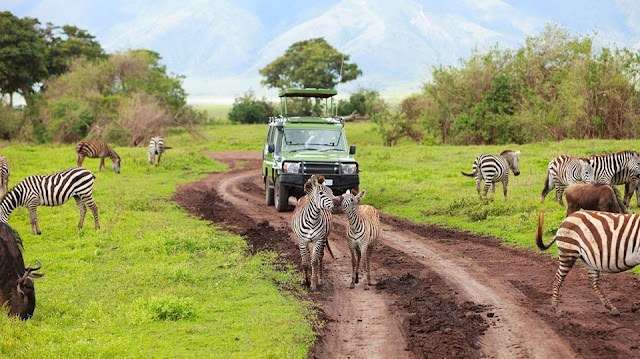
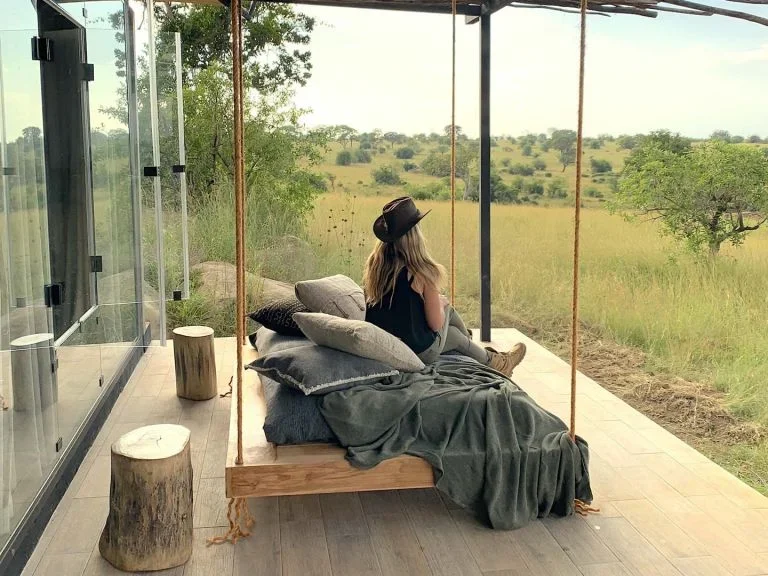
Knowing what not to wear on safari in Tanzania is just as important as choosing the right safari clothing. Tanzania safari experiences in the Serengeti National Park, Ngorongoro Crater, and Tarangire National Park involve dusty roads, warm daytime temperatures, cool mornings, and strong sun exposure. Wearing the wrong safari outfit can make your game drive uncomfortable and even unsafe. Many first-time travelers make mistakes with bright colors, heavy fabrics, or urban fashion choices that do not suit the African wilderness. A well-planned Tanzania safari packing list should focus on practical, breathable, and neutral safari clothing. This guide highlights the top clothing mistakes to avoid on safari, helping you stay comfortable, blend with nature, and enjoy the best wildlife viewing experience across Tanzania’s iconic safari destinations.
Avoid Bright and Flashy Colors
One of the most important safari dress code rules in Tanzania is to avoid bright and flashy colors. Neon shades like bright red, pink, orange, or electric blue can attract unwanted attention from wildlife and may disturb the natural environment during game drives in Serengeti National Park or Ngorongoro Crater. These colors also stand out in photos and reduce your ability to blend into the African bush. Instead, safari clothing in Africa should focus on neutral tones such as khaki, beige, olive green, brown, and soft greys. These colors help you remain less visible to animals and also reflect the traditional Tanzania safari style used by experienced guides. Choosing the right safari outfit improves both comfort and wildlife viewing success.
Do Not Wear Heavy Fabrics
Heavy fabrics are a common mistake in a Tanzania safari packing list. Materials like thick denim, leather, or heavy wool are uncomfortable in hot daytime temperatures found in Tarangire National Park or the Serengeti plains. Safari travel involves long hours in safari vehicles, walking on dusty trails, and exposure to heat, so lightweight safari clothing is essential. Heavy fabrics trap heat, cause sweating, and dry slowly, making your safari experience uncomfortable. Instead, choose breathable materials like cotton, linen, or quick-dry polyester designed for outdoor safari adventures. These fabrics allow airflow and keep your body cool during game drives. Lightweight safari outfits are also easier to wash and dry, making them perfect for multi-day Tanzania safari itineraries.
- Thick denim
- Leather
- Heavy wool
- Cotton
- Linen
- Quick-dry polyester
Avoid Camouflage Clothing
Camouflage clothing should not be worn on safari in Tanzania. In many African countries, including Tanzania, military-style camo prints are discouraged or restricted in public areas. Wearing camouflage can also create confusion in wildlife reserves and is considered inappropriate in national parks such as Serengeti National Park and Ngorongoro Conservation Area. From a safari fashion perspective, camouflage does not serve any practical benefit for tourists since blending into military environments is not required. Instead, safari travelers should wear plain, neutral-colored safari clothing that is respectful and suitable for wildlife viewing. Opt for khaki trousers, beige shirts, or olive safari jackets. This ensures you remain comfortable, compliant, and appropriately dressed for an authentic African safari experience.
Avoid Dark Black Clothing
Black clothing is not recommended for a Tanzania safari outfit. Dark colors like black and deep navy tend to absorb heat, making you feel hotter during midday game drives in Tanzania’s national parks. Additionally, black clothing attracts tsetse flies in some safari regions, especially in wooded areas around Tarangire National Park and Lake Manyara. This can make your safari experience uncomfortable. Black outfits also collect dust easily, making them look dirty after just a few hours on safari roads. Instead, choose lighter safari clothing colors such as tan, light brown, or green. These colors help regulate body temperature and are better suited for outdoor safari activities. A smart Tanzania safari packing list always avoids dark, heat-absorbing clothing.
Avoid Tight and Restrictive Clothing
Tight clothing is unsuitable for safari travel in Tanzania. Skinny jeans, tight dresses, and body-hugging outfits restrict movement and reduce comfort during long safari drives or walking safaris. Tanzania safari adventures often involve sitting in 4x4 vehicles for hours while observing wildlife in Serengeti National Park or Ngorongoro Crater, so comfort is essential. Tight clothing also limits airflow, making you feel hotter in the African sun. In contrast, loose-fitting safari clothing allows better ventilation, flexibility, and comfort. Choose relaxed safari pants, breathable shirts, and layered outfits that allow easy movement. Proper safari dressing ensures you can climb in and out of safari vehicles easily and enjoy your wildlife experience without discomfort or restriction.
- Skinny jeans
- Tight dresses
- Body-hugging outfits
- Relaxed safari trousers
- Breathable shirts
- Easy layers for climbing in and out of vehicles
Avoid Heavy Jewelry and Accessories
Wearing heavy jewelry and flashy accessories is not recommended on a Tanzania safari. Large necklaces, bangles, or expensive fashion items can easily get damaged, lost, or attract unnecessary attention during safari activities. Dusty roads in Serengeti National Park and bumpy safari tracks can also make wearing delicate accessories uncomfortable. Safari travel is about practicality and connection with nature, not luxury fashion statements. Instead, choose minimal accessories such as a simple watch, sunglasses, and a hat for sun protection. A lightweight scarf or bandana can also be useful for dust protection. Keeping accessories simple ensures safety, comfort, and practicality while maintaining a classic safari look suitable for Tanzania’s wilderness environment.
Avoid High Heels and Unstable Shoes
High heels, sandals without grip, and fashion shoes are unsuitable for safari in Tanzania. Safari terrain includes uneven ground, dusty tracks, and rocky surfaces, especially in areas like Ngorongoro Crater and Tarangire National Park. Wearing unstable shoes increases the risk of slipping, discomfort, or injury during safari activities. Instead, proper safari footwear such as closed-toe hiking shoes, trainers, or lightweight boots is essential. These provide stability, comfort, and protection during game drives and walking safaris. Good safari shoes also help protect your feet from dust, insects, and rough terrain. A practical Tanzania safari packing list always prioritizes durable and comfortable footwear over fashion-focused footwear for a safe and enjoyable safari experience.
- High heels
- Sandals without grip
- Fashion shoes
- Closed-toe hiking shoes
- Trainers
- Lightweight boots
Avoid Overly Thick Winter Jackets
Thick winter jackets are unnecessary for most Tanzania safari trips. Even though mornings in places like Serengeti National Park can feel cool, the daytime temperatures are generally warm. Heavy winter coats take up valuable space in your safari luggage and are often too hot once the sun rises. Many travelers mistakenly pack cold-climate clothing that is unsuitable for East African safari conditions. Instead, layer lightweight safari clothing that can be added or removed as temperatures change. A light fleece or windbreaker is usually enough for early morning game drives. Smart safari packing focuses on versatility rather than heavy insulation, ensuring comfort throughout your Tanzania wildlife adventure.
- 1Start with a breathable long-sleeved shirt.
- 2Add a light fleece for cool early-morning game drives.
- 3Top with a windbreaker if it is breezy.
- 4Peel off layers as the day warms up.
Avoid Strong Perfumes and Scents
Strong perfumes and scented lotions should be avoided on safari in Tanzania. Heavy fragrances can attract insects and may disturb wildlife during close encounters in national parks like Serengeti or Ngorongoro. Animals rely heavily on scent, and artificial smells can interfere with natural behavior, reducing the authenticity of your safari experience. In some cases, strong scents may even attract unwanted insects such as mosquitoes. Instead, choose unscented or lightly scented personal care products. Safari clothing and hygiene should focus on natural, neutral, and practical choices that respect the environment. A responsible Tanzania safari traveler avoids overpowering scents to ensure a more immersive and nature-friendly wildlife experience.
- Strong perfume can attract insects such as mosquitoes.
- Animals rely heavily on scent.
- Heavily scented lotion is best for game drives.
Avoid Excess Luggage and Bulky Outfits
Overpacking and bulky outfits are a major mistake when preparing for a Tanzania safari packing list. Large suitcases filled with unnecessary clothing make travel between lodges, camps, and airports difficult. Safari vehicles and small bush planes often have limited luggage space, especially in remote areas like Serengeti National Park. Bulky clothing also takes longer to dry and increases inconvenience during multi-day safaris. Instead, pack light, versatile safari clothing that can be mixed and matched. Focus on breathable shirts, two or three pairs of safari trousers, and lightweight jackets. Efficient packing improves mobility, reduces stress, and enhances your overall Tanzania safari experience.
Avoid Dark Footwear That Absorbs Heat
Dark footwear such as heavy black boots can absorb too much heat during safari trips in Tanzania. This makes walking uncomfortable, especially during midday game drives in hot areas like Tarangire National Park. Thick, non-breathable shoes also increase sweating and fatigue. Safari environments require shoes that balance comfort, breathability, and protection. Light-colored, ventilated shoes or neutral-toned hiking shoes are much better suited for safari conditions. They reduce heat absorption and blend well with standard safari clothing. Choosing the right footwear is an essential part of any Tanzania safari dress code, ensuring comfort throughout long wildlife viewing days.
Avoid Overly Fashion-Driven Urban Wear
Fashion-heavy urban clothing does not suit the practical environment of a Tanzania safari. Trendy outfits designed for city life often lack comfort, durability, and functionality needed for wildlife viewing in places like Serengeti National Park or Ngorongoro Crater. Tight dresses, designer outfits, and delicate fabrics are easily damaged by dust, sun, and safari activities. Safari travel is about experience, not fashion shows. Instead, focus on practical safari clothing designed for outdoor adventure, including breathable shirts, neutral pants, and protective layers. Dressing appropriately enhances comfort and helps you fully enjoy Tanzania’s incredible wildlife and landscapes without distraction.
- Designer outfits
- Delicate fabrics
- Trendy city looks
- Breathable shirts
- Neutral trousers
- Protective layers
Final Thought: Dress Smart, Enjoy the Wild
Understanding what not to wear on safari in Tanzania is essential for a safe, comfortable, and enjoyable wildlife adventure. From avoiding bright colors and heavy fabrics to skipping tight clothing and urban fashion, every choice you make affects your safari experience. A well-prepared Tanzania safari packing list focuses on practicality, comfort, and respect for the natural environment. Whether exploring Serengeti National Park, Ngorongoro Crater, or Tarangire National Park, the right safari clothing helps you blend into nature and enjoy unforgettable game drives. Smart dressing ensures you stay comfortable, protected, and fully immersed in the beauty of Africa’s most iconic safari destinations.
Tanzania Safari Clothing: Frequently Asked Questions
What colours should you not wear on safari in Tanzania?
Avoid bright and flashy colours such as neon, bright red, pink, orange and electric blue, as they stand out and can disturb wildlife. Skip black and dark navy too, because they absorb heat, show dust and attract tsetse flies. Choose neutral tones such as khaki, beige, olive green, brown and soft grey instead.
Can you wear camouflage on safari in Tanzania?
No. Camouflage and military-style prints are not appropriate for civilians in Tanzania and should be left at home, including camo bags, hats and children’s clothing. They offer no practical benefit on safari. Plain neutral clothing such as khaki trousers, beige shirts and olive jackets is respectful, comfortable and ideal for wildlife viewing.
Can I wear jeans on a Tanzania safari?
Thick denim is not ideal. It traps heat, restricts movement during long game drives and dries slowly. Lightweight safari trousers in cotton, linen or quick-dry fabric are far more comfortable in Tanzania’s warm daytime temperatures, and they are easier to wash and dry on a multi-day safari.
Is it cold on safari in Tanzania?
Early mornings and evenings can feel cool, especially on early game drives and at higher areas such as the Ngorongoro Crater rim, while daytime temperatures are generally warm. You do not need a heavy winter coat. Pack lightweight layers and a light fleece or windbreaker that you can remove as the day warms up.
What shoes should I wear on a Tanzania safari?
Wear closed-toe hiking shoes, comfortable trainers or lightweight boots that give stability and protect your feet from dust, insects and rough ground. Light-coloured or neutral, ventilated shoes stay cooler than heavy black boots. Leave high heels, fashion shoes and sandals without grip at home.
Can I wear perfume on safari?
It is best to avoid strong perfumes and heavily scented lotions on safari. Fragrances can attract insects such as mosquitoes, and animals rely heavily on scent, so artificial smells can interfere with natural behaviour. Choose unscented or lightly scented personal care products for a more comfortable and nature-friendly experience.
How much clothing should I pack for a safari?
Pack light. Safari vehicles and small bush planes have limited luggage space, so choose a soft-sided bag and versatile pieces you can mix and match: breathable shirts, two or three pairs of safari trousers, a light fleece and a lightweight jacket. Quick-dry fabrics make it easy to wash and rewear clothes during a multi-day safari.
What accessories are useful on a Tanzania safari?
Keep accessories simple and practical: a sun hat, sunglasses, a simple watch and a lightweight scarf or bandana for dust. Leave heavy jewellery and expensive fashion items at home, as they can be damaged, lost or attract unwanted attention on bumpy safari tracks.
Plan Your Private Tanzania Safari
Tell us your travel dates and interests, and our Tanzania-based team will design a private tailor-made safari with expert advice on what to pack and wear.