Serengeti Walking Safari for Adventurous Travelers
A Serengeti walking safari lets you experience Africa's most famous wilderness on foot, guided by an expert walking guide and an armed park ranger. Instead of watching from a vehicle, you read fresh tracks, learn about plants and insects, hear every bird call and feel the thrill of approaching wildlife at ground level. This guide explains what a Serengeti walking safari is like, where walks are allowed, the best time to go, safety rules, fitness, what to pack and how to combine walking with game drives on a private tailor-made Tanzania safari. It is the Serengeti at its most intimate.
Quick Answer: What Is a Serengeti Walking Safari?
A Serengeti walking safari is a guided bush walk in designated areas of the Serengeti ecosystem, led by a professional guide and an armed ranger. Walks usually last two to four hours, focusing on tracks, plants, birds and wildlife viewed safely on foot. The dry season, June to October, is best, and most walks combine with game drives.
01What to Expect on a Serengeti Walking Safari
A walking safari offers a completely different perspective on the Serengeti. Moving quietly on foot, you notice the small details that are easily missed from a vehicle, from dung beetles and termite mounds to medicinal plants and fresh lion tracks. Every walk is led by experienced professionals who prioritise safety while passing on deep knowledge of the ecosystem. These eight key features explain what to expect on a Serengeti walking safari, from the people who guide you and the length of walks to fly camps, tracking skills and how walks fit into a wider safari. It is truly unforgettable.
Expert guide and armed ranger
Every Serengeti walking safari is led by a trained walking guide and accompanied by an armed park ranger, who knows animal behaviour and how to keep everyone safe. Before setting off, you receive a detailed safety briefing. The ranger rarely needs to act, but their presence ensures a calm, professional and secure experience. You are in safe hands.
An immersive, sensory experience
On foot, every sense comes alive. You hear the rustle of grass, the alarm calls of birds and the distant grunt of wildebeest, smell wild sage and fresh dung and feel the warmth of the plains underfoot. Walking reveals the Serengeti as a living, breathing ecosystem rather than a scene through a window. It is truly grounding.
Tracking and small wonders
Walking safaris focus on tracks, signs and smaller creatures. Your guide teaches you to read footprints, identify droppings, spot dung beetles, termite mounds, birds and insects, and understand how plants are used for medicine. You may also see the Little Five, including the elephant shrew, leopard tortoise and buffalo weaver. Every walk teaches something new about the bush.
Designated walking areas
Walking is only permitted in designated areas of Serengeti National Park and in some conservation areas and concessions bordering it, under park rules and with an armed ranger. Your operator arranges the required permits and routes, choosing areas with good visibility, interesting terrain and wildlife, away from busy game drive circuits. It feels wonderfully exclusive.
Walk length and pace
Most Serengeti walks last around two to four hours, usually starting early in the morning when it is cooler and wildlife is active. The pace is slow and relaxed, with frequent stops to observe and learn. Multi-day walking safaris are also possible, moving between fly camps for a deeper wilderness adventure. Walks never feel rushed or tiring.
Mobile fly camps
Some walking safaris include nights in simple mobile fly camps, with comfortable bedrolls or small dome tents, bush showers and meals cooked over the fire. Sleeping close to nature, under a sky full of stars and surrounded by wild sounds, creates an authentic, unforgettable experience for adventurous travelers. Nights here are truly magical and memorable.
Comfortable base camps
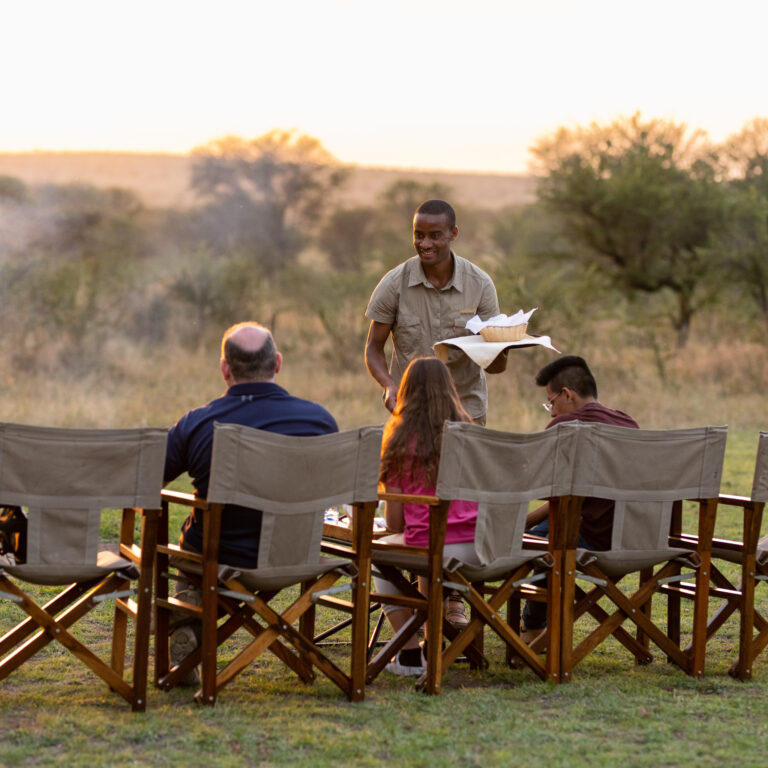
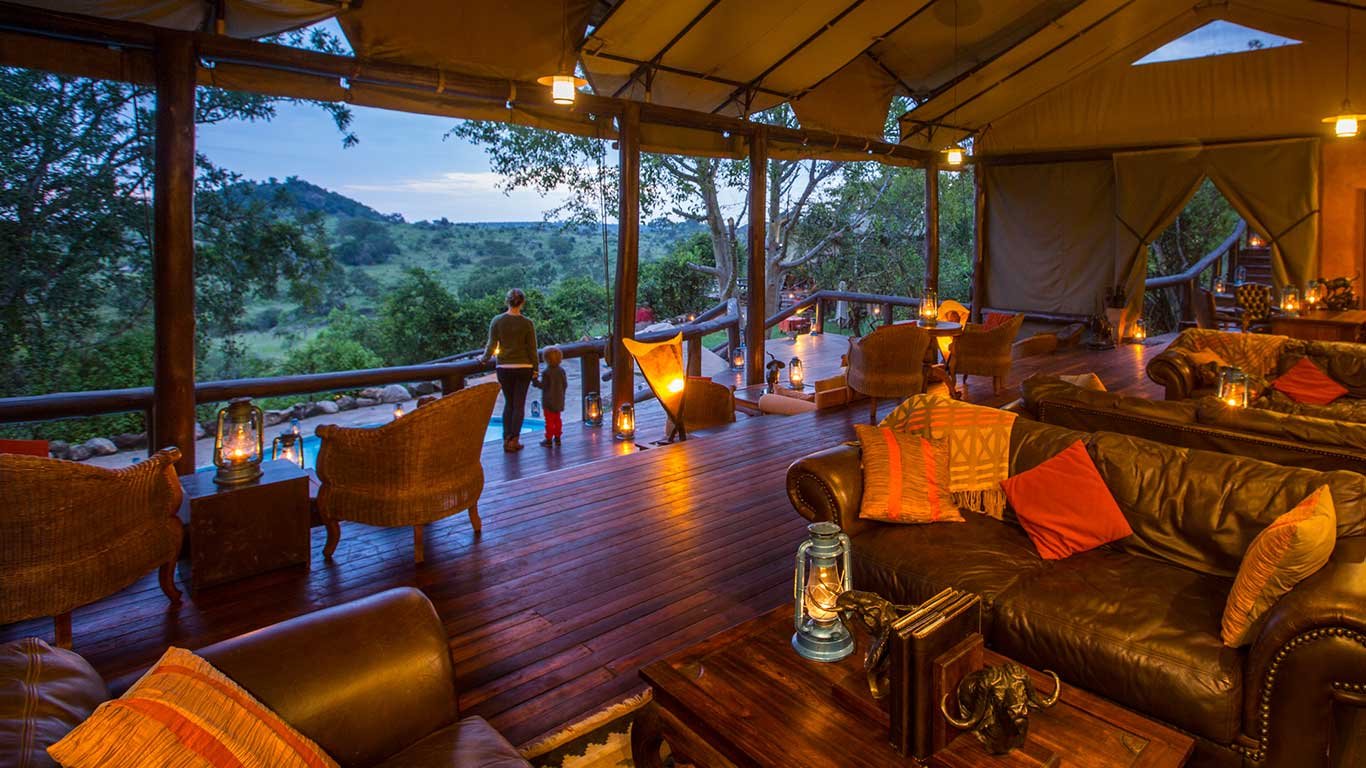
For more comfort, many travelers stay in semi-permanent tented camps and take guided walks from camp, returning for hot showers, good food and comfortable beds. This approach suits families, seniors and first-time walkers who want a taste of walking without giving up the comforts of a well-appointed safari camp. Comfort and adventure go hand in hand.
Combined with game drives
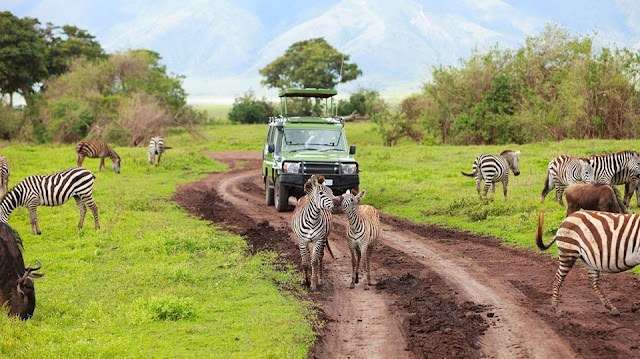
Most Serengeti walking safaris are combined with traditional game drives, giving you the best of both experiences. You might walk in the morning and enjoy an afternoon drive in your private 4x4 to see predators and herds. Combining both lets you cover more ground while still enjoying the intimacy of walking. Variety makes every day memorable.
02Where to Go on a Walking Safari
Walking safaris in the Serengeti ecosystem take place in carefully chosen areas where guides can walk safely, visibility is good and wildlife is rewarding. Some routes lie inside Serengeti National Park, while others are in neighbouring conservation areas and private concessions with more flexible rules. Northern Tanzania also offers outstanding walking beyond the Serengeti. These five tabs explain where you can enjoy walking safaris in and around the Serengeti, plus other excellent walking destinations in Tanzania, so you can choose the area that best suits your interests, travel dates and fitness. Each area has its own unique character.
Northern Serengeti Walks
Migration lovers
Wild, remote and dramatic
The northern Serengeti, around Lobo and Kogatende, offers remote walking areas with rolling hills, rocky kopjes and the Mara River. From about July to October, walks may bring you closer to the migration herds, viewed safely from a distance. Fewer vehicles make this region feel especially wild and exclusive. It is truly spectacular walking country.
Northern Serengeti guide →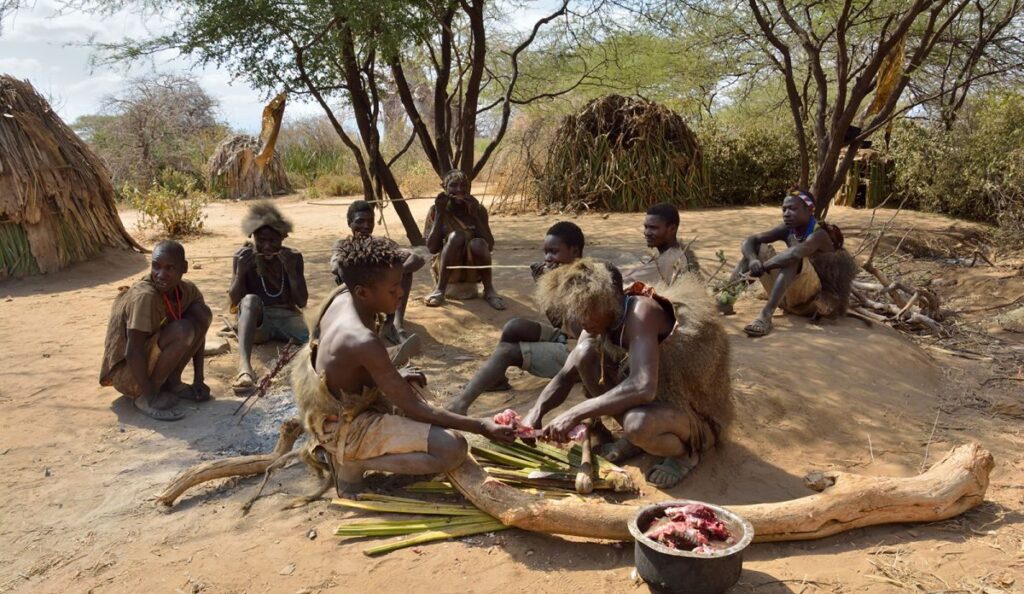
Eastern Serengeti and Loliondo
Culture and adventure seekers
Walking with Maasai guides
The areas bordering the eastern Serengeti, including Loliondo, are popular for walking safaris because conservation area rules allow more flexibility. Walks often include Maasai guides who explain their knowledge of plants, tracking and traditions. Open plains, kopjes and acacia woodland provide varied scenery, and some camps also offer night drives and cultural visits. It is a fascinating, authentic experience.
Eastern Serengeti guide →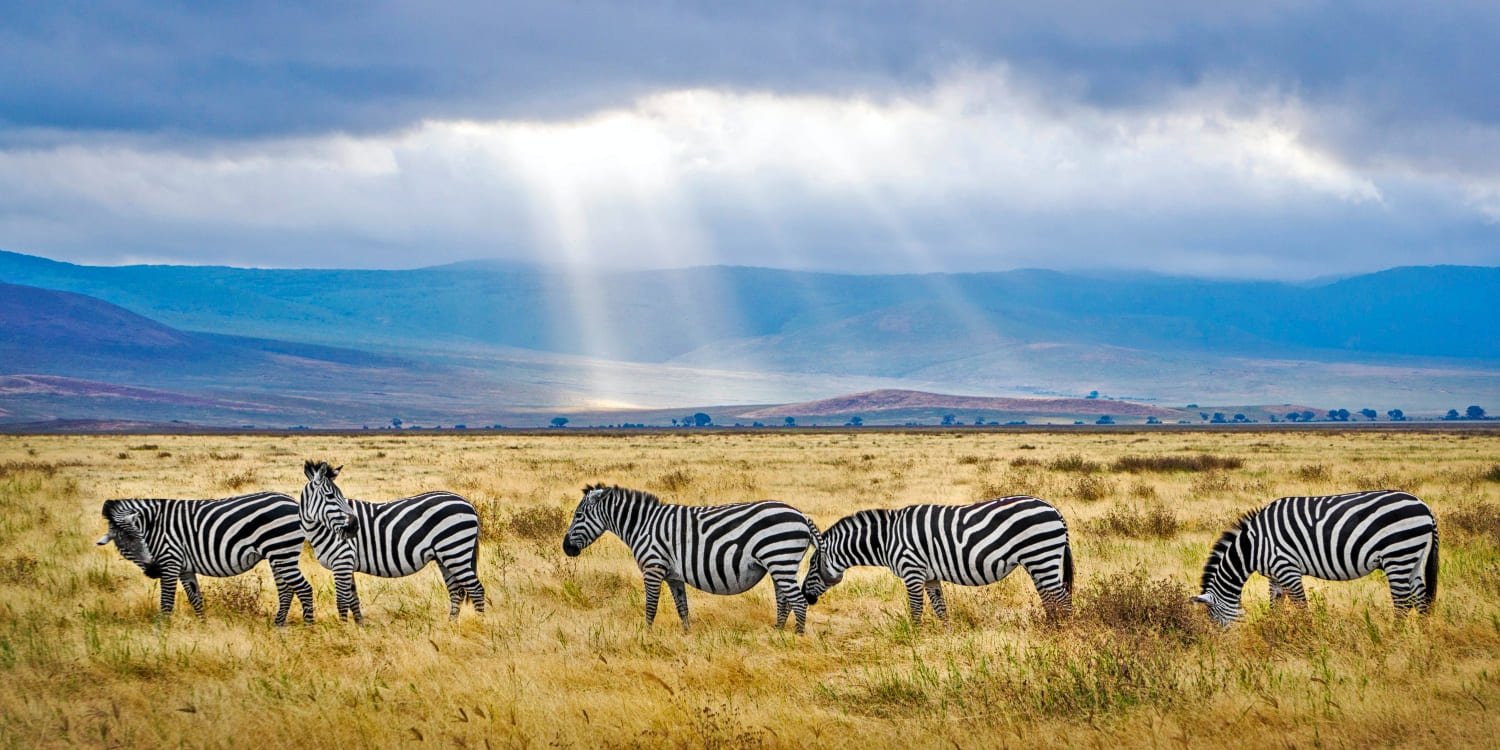
Western Serengeti and Grumeti
Luxury travelers
Exclusive private concessions
Private concessions bordering the western Serengeti, around the Grumeti area, offer guided walks in exclusive wilderness with limited guest numbers. Luxury lodges and tented camps here combine walking safaris with game drives, night drives and other activities. The region is especially rewarding from about May to July, when the migration passes through. Every walk feels private.
Western Serengeti guide →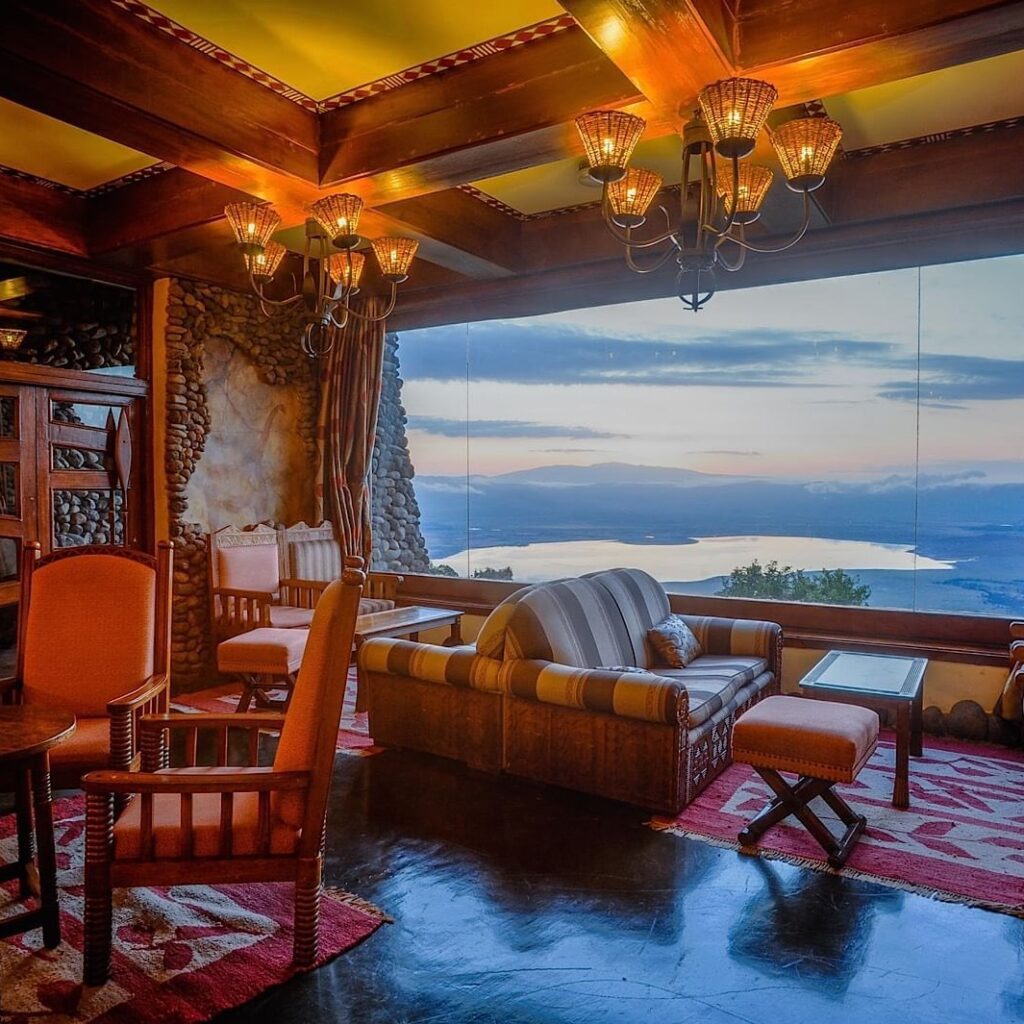
Ngorongoro Highlands Walks
Hikers
Craters, forests and views
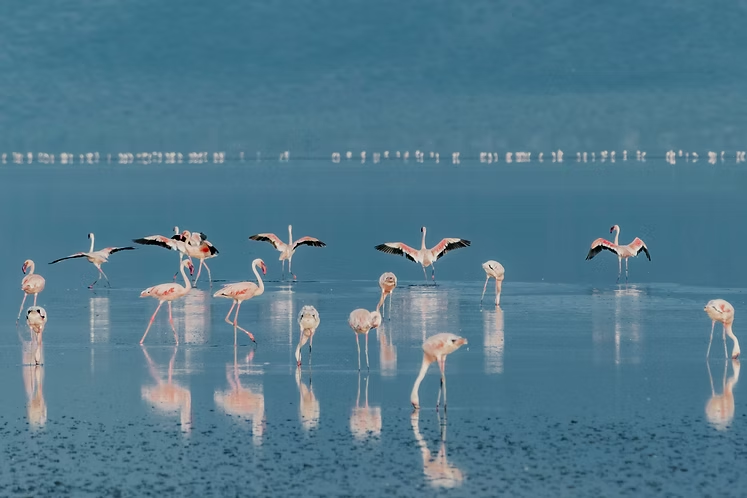
The Ngorongoro Highlands, next to the Serengeti, offer some of Tanzania's most scenic walks. Hike to the rim and floor of Empakaai Crater with its flamingo-dotted lake, explore Olmoti Crater's waterfalls or walk with Maasai guides across highland grasslands. These walks combine beautifully with a Serengeti and Ngorongoro safari. The views are breathtaking from every crater rim.
Ngorongoro Crater safari →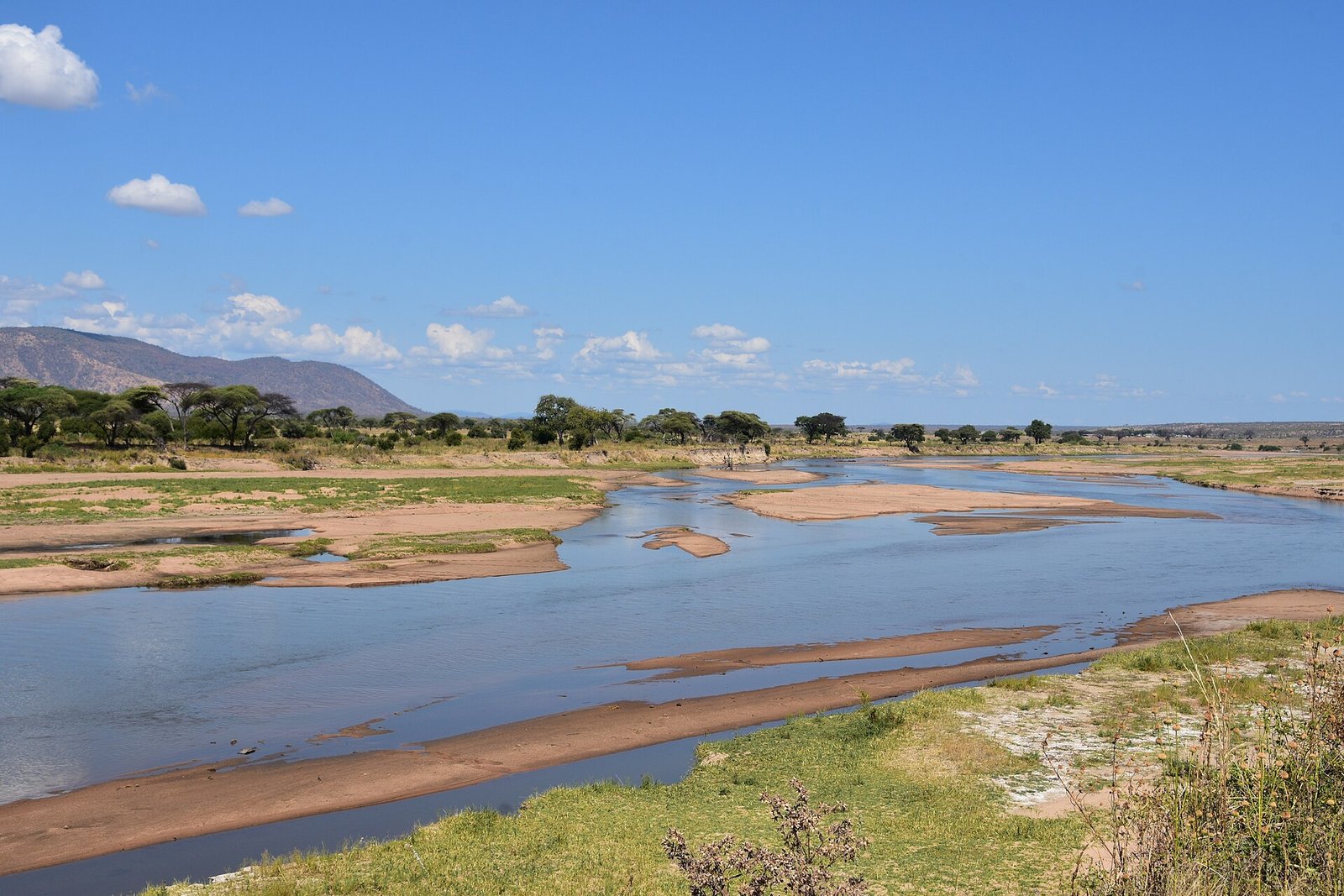
Other Walking Safari Destinations
Keen walkers
More ways to explore on foot
Tanzania offers excellent walking beyond the Serengeti. Arusha National Park offers walks among giraffes and buffalo near Mount Meru, Tarangire offers walks in selected areas, and Ruaha and Nyerere in the south are renowned for wild, remote walking safaris. Your specialist can include walking in almost any itinerary. Walking adds depth to every Tanzania safari.
Walking safaris in Tanzania →03Best Time for a Serengeti Walking Safari
The best time for a Serengeti walking safari depends on weather, grass height and wildlife movements. Dry, open conditions make walking easier and safer, while the green season brings beautiful scenery but taller grass and muddy ground. The location of the migration herds also shapes where walks are most rewarding. These four seasonal guides explain what to expect throughout the year, helping you choose the right months for a comfortable, safe and exciting walking safari in the Serengeti and its neighbouring wilderness areas. Your specialist will recommend the ideal months for your travel plans and walking interests. Enjoy!
June to October: Dry season
The dry season from June to October is generally the best time for walking safaris. Short grass improves visibility, the ground is firm and temperatures are comfortable in the mornings. Wildlife gathers near water, and the migration is in the western and northern Serengeti, offering exciting walking opportunities in these areas. It is the classic choice.
December to March: Green season
From December to March, the Serengeti is lush and green, with migratory birds and newborn animals. Walks can be rewarding, especially for birdwatchers and photographers, but taller grass in some areas reduces visibility and occasional rain can make ground muddy. Guides adjust routes carefully to keep walks safe and enjoyable. Every season offers something special.
April to May: Long rains
The long rains, from about April to May, bring heavy showers, long grass and muddy conditions, so walking safaris are more limited and some camps close. Travelers who do visit enjoy very quiet parks and lush landscapes, but for walking, the drier months usually offer better conditions and more options. Plan around them where possible.
Following the migration
Walking safaris can be timed with the Great Migration for extraordinary scenes, from watching herds at a safe distance in the western Serengeti around May to July to the northern Serengeti from July to October. Your specialist will match walking areas and camps to the herds' expected location for your travel dates. It is an unforgettable combination.
04Walking Safari Safety Rules
Walking safaris in the Serengeti have an excellent safety record because guides and rangers follow strict, proven rules. Understanding and respecting these guidelines keeps you, your companions and the wildlife safe, while making the experience more relaxed and enjoyable. Most rules are simple and easy to follow once explained in your safety briefing. These six essential walking safari rules cover how to walk, behave and respond during encounters with wildlife, helping you feel confident and calm on every walk through the Serengeti's wild and beautiful landscapes. Follow them every single time and simply enjoy the wild, beautiful wilderness.
Walk in single file
Walk in a single line behind your guide, staying close together and keeping the same pace. This makes your walking party appear as one larger shape to animals and allows the guide and ranger to manage the walk safely. Never wander off alone or stray from the line, even for a photograph. Teamwork keeps everyone safe.
Keep quiet and alert
Speak softly or use hand signals, and avoid sudden noises. Quiet walking lets you hear wildlife and approach animals more closely without disturbing them. Stay alert to your surroundings, watch where you step and let your guide know immediately if you notice anything unusual, such as movement in nearby bushes. Silence brings magical encounters on foot.
Follow hand signals
Your guide uses simple hand signals to communicate, such as stop, crouch, move forward or retreat. Learn these during your briefing and respond calmly and immediately. Signals allow your guide to manage encounters quietly and safely, especially when approaching elephants, buffalo or predators in thick vegetation. Practise them early so they become second nature quickly.
Never run from animals
If you encounter a potentially dangerous animal, never run, as this can trigger a chase response. Stand still, stay close to the line and follow your guide's instructions exactly. Experienced guides read animal behaviour well and avoid risky situations, so close encounters are usually calm and controlled. Calm behaviour keeps every encounter safe and controlled.
Wear neutral colours
Wear clothing in neutral colours such as khaki, olive, tan and brown, avoiding bright colours and white, which stand out in the bush. Comfortable walking shoes, a hat and long trousers protect you from sun, thorns and insects. Avoid noisy fabrics and jangling accessories that may disturb wildlife. The right clothing makes every walk more comfortable.
Respect wildlife and nature
Always keep a respectful distance from animals, never approach or feed them and avoid disturbing nests, burrows or plants. Leave no litter and follow the principle of leaving only footprints. Respecting wildlife ensures natural behaviour, protects the ecosystem and helps keep walking safaris possible for future visitors. Every visitor can help protect the precious Serengeti.
05Walking Safari Packing Checklist
Packing the right gear makes your Serengeti walking safari safer, more comfortable and more enjoyable. Focus on sturdy footwear, neutral-coloured clothing, sun protection and essentials you can carry in a small daypack. Lightweight layers help you adjust to cool mornings and warm middays. Your guide will provide water and safety equipment, but personal items are your responsibility. Use this checklist to prepare, then contact our Arusha-based specialists, who will design a private tailor-made Tanzania safari combining walking and game drives with expert guides and handpicked camps. Good preparation makes every single step of your walk a true pleasure.
Clothing0/4
Footwear and gear0/4
Protection0/4
06Serengeti Walking Safari: FAQs
What is a Serengeti walking safari?
A Serengeti walking safari is a guided walk through designated areas of the Serengeti ecosystem, led by an expert walking guide and an armed park ranger. Instead of viewing wildlife from a vehicle, you explore on foot, learning about tracks, plants, birds and insects and seeing animals from a safe, respectful distance. It is truly immersive.
Is it safe to walk in the Serengeti?
Yes, walking safaris in the Serengeti are safe when led by trained guides and armed rangers who follow strict safety procedures. You receive a detailed briefing, walk in single file and follow hand signals. Guides read animal behaviour carefully and avoid risky situations, so encounters are calm, controlled and memorable. You are in safe hands.
How fit do I need to be for a walking safari?
You need a moderate level of fitness, enough to walk comfortably for two to four hours over uneven ground at a slow pace, with frequent stops. Walks are not strenuous hikes, and guides adjust the pace to suit everyone. Let your specialist know about any health concerns or mobility limitations in advance. Comfort always comes first.
What wildlife can I see on foot in the Serengeti?
On foot, you may see giraffes, zebras, wildebeest, antelope, warthogs and elephants from a safe distance, as well as birds, insects, reptiles and the Little Five. Guides focus on tracks, signs and smaller details, and occasionally you may observe predators from afar. Every walk is different and full of surprises. Every single walk feels unique.
Can I combine a walking safari with game drives?
Yes, most Serengeti walking safaris are combined with game drives. A typical day might include a morning walk, when it is cooler and wildlife is active, followed by an afternoon drive in your private 4x4. Combining both gives you intimate walking experiences and the chance to cover more ground and see predators. It is the best of both.
When is the best time for a Serengeti walking safari?
The best time for a Serengeti walking safari is the dry season from June to October, when grass is short, visibility is good and the ground is firm. The green season from December to March is also rewarding, especially for birdwatchers, while the long rains of April and May limit walking options. Timing really matters.
What should I pack for a walking safari?
Pack neutral-coloured, lightweight clothing, long trousers, a light fleece, a wide-brimmed hat, sunglasses and broken-in walking shoes or boots. Bring a small daypack, binoculars, a reusable water bottle, sunscreen, insect repellent and personal medication. Avoid bright colours, white clothing and noisy fabrics that may disturb wildlife during walks. Comfortable shoes are the most important item.
Is there a minimum age for walking safaris?
Minimum ages for walking safaris vary by area and operator, often ranging from around 12 to 16 years old, for safety reasons. Some lodges offer shorter, gentler nature walks for younger children around camp. Your specialist will check the exact age rules for your chosen walking areas and recommend suitable family options. Safety rules apply.
What are mobile fly camps like?
Mobile fly camps are simple, lightweight camps set up in remote areas for walking safaris. They usually include small tents or bedrolls, bush showers, basic toilets and meals cooked over the fire. Sleeping close to nature under the stars, surrounded by wild sounds, creates an authentic and unforgettable wilderness experience. They feel wonderfully wild and free.
What happens if we encounter dangerous animals?
If you encounter a potentially dangerous animal, your guide and ranger will manage the situation calmly. Never run; stand still, stay close to the line and follow instructions exactly. Guides read animal behaviour carefully and keep a safe distance, so most encounters are peaceful observations rather than dangerous situations. Staying calm is always the key.
Do I need travel insurance for a walking safari?
Yes, comprehensive travel insurance is strongly recommended for any walking safari. Choose a policy that covers medical emergencies, evacuation from remote areas, trip cancellation and adventure activities such as guided bush walks. Check the policy wording carefully and carry your insurance details with you throughout your Tanzania trip. Good insurance gives real peace of mind.
Can I go on a walking safari solo?
Yes, solo travelers can enjoy a private walking safari with their own guide and ranger, combined with game drives in a private vehicle. A private safari gives you complete flexibility over walk length, pace and focus. Your specialist will choose camps that welcome solo guests and offer excellent walking opportunities. It is wonderfully flexible and personal.
How long does a Serengeti walking safari last?
Most Serengeti walks last around two to four hours, usually in the early morning when temperatures are cooler and animals are active. Some itineraries include several walks over multiple days, or multi-day walking safaris moving between mobile fly camps. Your walking experience can be tailored to your interests and fitness. Every walk is tailored to you.
Where else can I do a walking safari in Tanzania?
Besides the Serengeti and its bordering conservation areas, you can enjoy walking safaris in the Ngorongoro Highlands, including Empakaai and Olmoti craters, Arusha National Park, selected areas of Tarangire, and the remote southern parks of Ruaha and Nyerere. Each destination offers different landscapes, wildlife and walking experiences. Each destination offers its own unique walking experience.
Walking Safari and Serengeti Guides
Book a Walking Safari
Explore the Serengeti on Foot
Experience the Serengeti at ground level on a private tailor-made walking safari, with expert guides, armed rangers, handpicked tented camps and private game drives, designed by our Arusha-based team around the best seasons and walking areas for you.
Book Now Online →What Our Travelers Say
Real 5-star reviews from guests who traveled with us