Maasai Walking Safaris
Maasai Walking Safaris
Maasai Walking Safaris offer one of the most authentic and immersive ways to experience Tanzania’s wild landscapes, blending cultural heritage with unforgettable wildlife encounters. Guided by skilled Maasai warriors, these Tanzania walking safari adventures take you deep into untouched savannahs, where every step reveals the raw beauty of nature. Unlike vehicle safaris, a safari on foot allows travelers to connect intimately with the environment, tracking animals, learning bush survival skills, and understanding ecosystems up close. This eco safari experience emphasizes sustainability, cultural exchange, and low-impact tourism. Whether exploring the Serengeti plains or the Ngorongoro highlands, Maasai guided safari experiences provide a unique perspective on Africa’s wilderness. Adventure seekers, photographers Maasai walking safaris combine tradition, conservation, and exploration into a powerful journey through the heart of East Africa’s iconic safari destinations.
Maasai Walking Safari Experience Basics
Maasai Walking Safaris begin with a professional Maasai guide introducing travelers to the fundamentals of a Tanzania walking safari across open savannah and wildlife-rich plains. Before setting out, guests receive essential safety instructions, tracking techniques, and insights into animal behavior that make this safari on foot both safe and educational. The experience highlights eco tourism principles, ensuring minimal environmental impact while maximizing cultural immersion with Maasai warriors who share their ancestral knowledge. This introduction stage sets the tone for an unforgettable African walking safari adventure. Travelers quickly learn that Maasai guided safari experiences offer deeper connection than traditional vehicle safaris. Early morning walks often provide the best wildlife sightings, including birds, antelope, and tracks of larger predators, making Maasai walking safaris one of the most rewarding safari experiences in Tanzania.
Wildlife Encounters on Foot
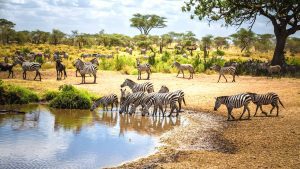
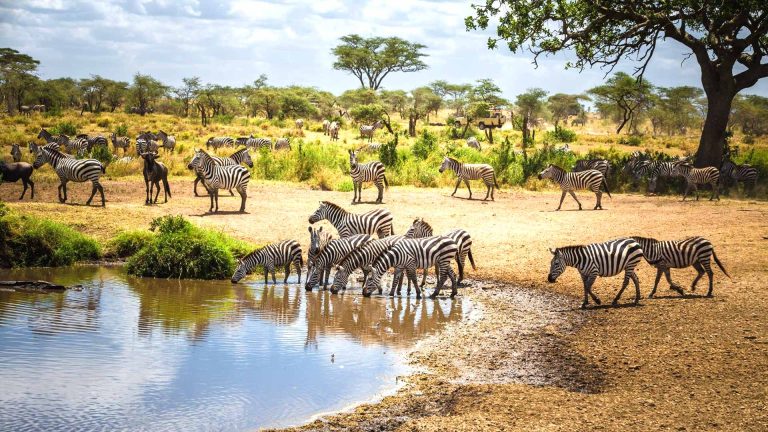
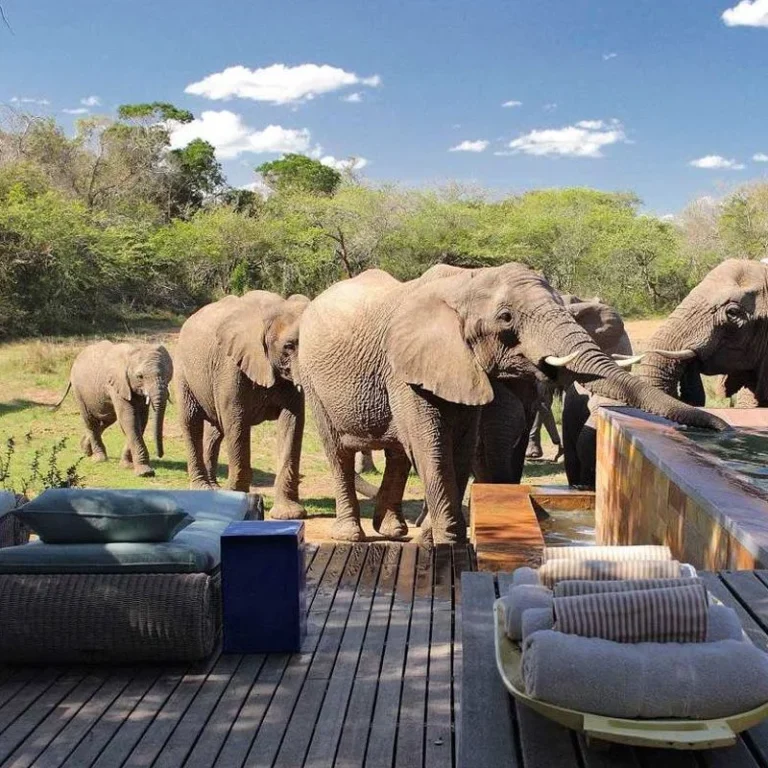
One of the most thrilling aspects of Maasai Walking Safaris is the chance to observe wildlife at ground level in their natural habitat across Tanzania’s famous national parks. Unlike vehicle safaris, a safari on foot allows you to follow animal tracks, identify fresh signs, and understand predator-prey dynamics with expert Maasai guides. From elephants and giraffes to zebras and wildebeests, every encounter feels intimate and unforgettable. Safety remains a top priority, with experienced guides maintaining a respectful distance from dangerous animals while explaining their behavior. Birdwatchers also benefit greatly, as Maasai walking safaris reveal hundreds of bird species, from colorful bee-eaters to majestic eagles soaring above the savannah skies, creating a rich biodiversity experience that enhances Tanzania eco safari tourism and supports conservation awareness across protected wilderness areas globally recognized.
Cultural Immersion with Maasai
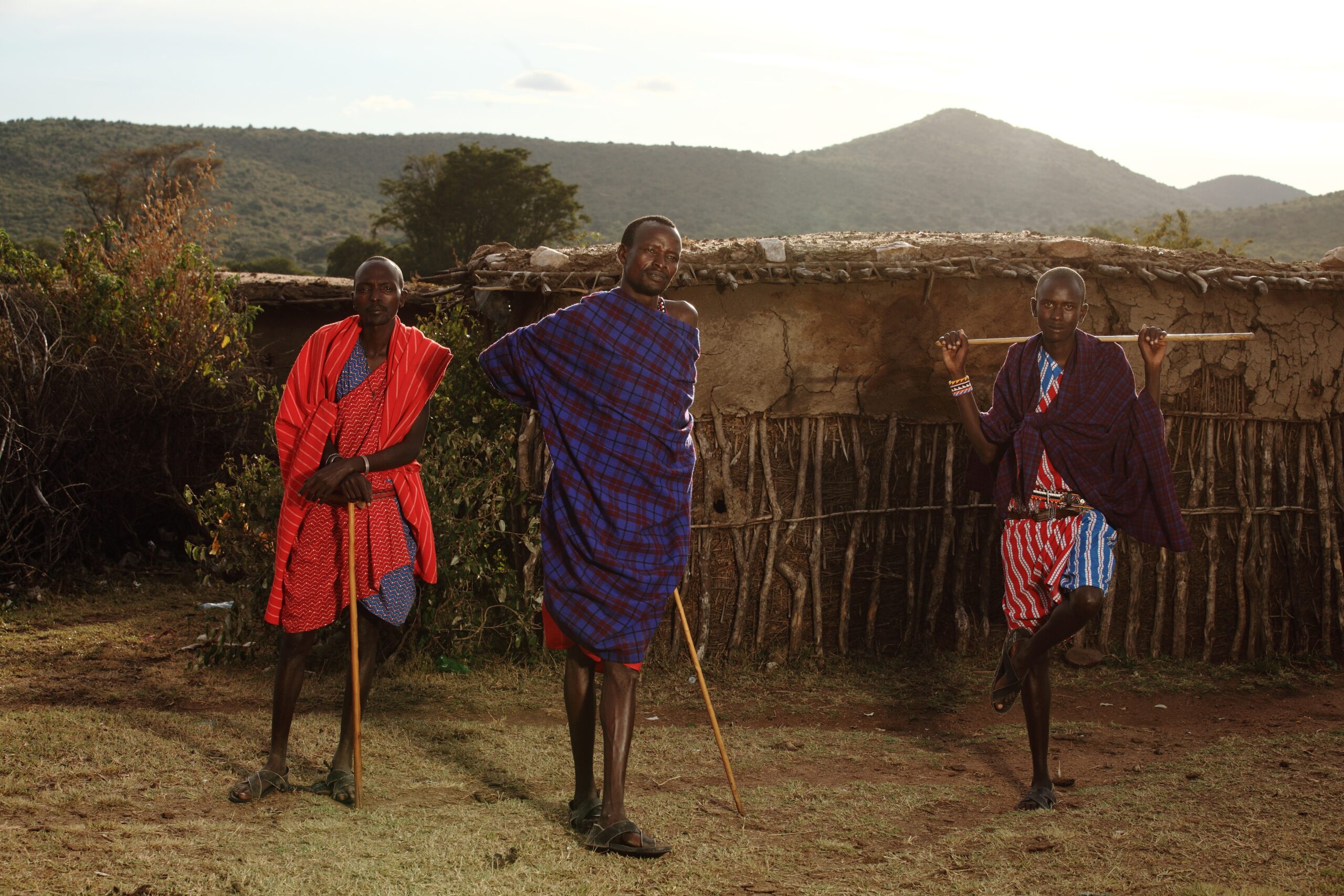
Maasai Walking Safaris provide a unique opportunity for cultural immersion with the Maasai people, one of East Africa’s most iconic indigenous communities. Travelers learn about traditional Maasai lifestyles, including pastoralism, herbal medicine, and ancient survival skills passed down through generations. Guides share stories, songs, and customs that reflect a deep connection between the Maasai and the African wilderness. Visitors often participate in village visits where they witness traditional dances, beadwork craftsmanship, and daily community life in rural Tanzania. These cultural safari experiences strengthen sustainable tourism by supporting local Maasai communities while offering travelers authentic insights into African heritage, making Maasai walking safaris a powerful blend of adventure, education, and responsible travel that continues to grow in popularity across Tanzania safari tours and East African safari destinations worldwide eco travel model.
Best Locations for Maasai Walking Safaris
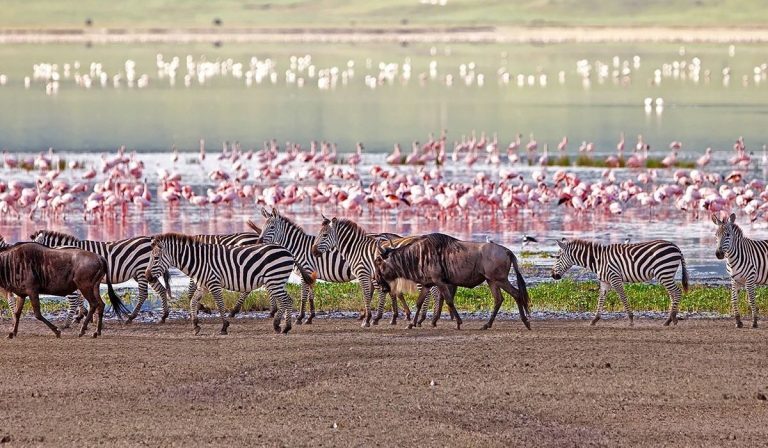
Maasai Walking Safaris are best experienced in Tanzania’s top wildlife destinations, including Serengeti National Park, Ngorongoro Conservation Area, and surrounding wilderness zones. These regions offer diverse landscapes ranging from open plains to volcanic highlands, ideal for a safari on foot guided by experienced Maasai warriors. Each location provides unique wildlife viewing opportunities, from big cats in the Serengeti to flamingos near alkaline lakes. Tarangire National Park is also a hidden gem, offering elephant herds and ancient baobab trees along walking safari routes. Seasonal migration patterns in the Serengeti enhance the excitement of Maasai walking safaris, as travelers may witness wildebeest crossings, predator interactions, and dramatic landscapes that define Tanzania safari experiences, making these destinations among the most sought-after eco tourism and wildlife adventure locations in Africa today year round appeal.
Safety and Guided Experience
Safety is a top priority during Maasai Walking Safaris, with highly trained Maasai guides leading every excursion across Tanzania’s wilderness areas. These expert guides possess deep knowledge of animal behavior, terrain navigation, and emergency response techniques, ensuring a secure safari on foot experience. Travelers are instructed on how to move quietly, maintain group cohesion, and respect wildlife distances. Walking safaris are carefully planned according to park regulations, weather conditions, and wildlife movement patterns to maximize safety and enjoyment. Maasai warriors act as both cultural ambassadors and professional guides, blending traditional tracking skills with modern conservation practices to create a balanced eco safari experience that highlights respect for nature, wildlife protection, and sustainable tourism principles across Tanzania safari parks and protected conservation areas for long term ecosystem preservation and balance efforts.
Approach, feed or disturb wildlife, or leave the vehicle unless your guide says it is safe.
Follow your guide, carry travel insurance and check current health and travel advice.
Best Time for Maasai Walking Safaris
The best time to enjoy Maasai Walking Safaris in Tanzania depends on wildlife movement, weather conditions, and seasonal landscapes across national parks. Dry season months from June to October are ideal for safari on foot, as animals gather around water sources, making wildlife tracking easier. During this period, Maasai guided safari experiences offer excellent visibility and comfortable walking conditions. Green season, typically from November to May, provides lush landscapes, migratory birds, and fewer tourists, creating a peaceful eco safari atmosphere. Early morning and late afternoon walks are preferred for Maasai walking safaris, as temperatures are cooler and wildlife activity is higher, allowing travelers to enjoy safer and more productive encounters while experiencing the natural rhythm of African wilderness and Tanzania safari environments with expert Maasai guidance throughout journey support provided.
What to Pack
Packing appropriately for Maasai Walking Safaris is essential to ensure comfort, safety, and enjoyment during a Tanzania safari on foot experience. Lightweight, breathable clothing in neutral colors is recommended to blend with the environment and avoid attracting insects. Sturdy walking shoes, hats, sunscreen, and reusable water bottles are also important for long walking distances. Travelers should also carry binoculars and cameras to capture wildlife sightings and scenic landscapes during Maasai guided safari adventures. Additional essentials include personal medication, insect repellent, rain jackets for unpredictable weather, and small backpacks for carrying supplies, ensuring travelers remain prepared throughout their safari on foot journey while exploring Tanzania’s wilderness areas with expert Maasai guides leading safe and educational eco safari experiences across diverse terrains and habitats ensuring comfort safety and preparedness always in field.
Conservation Importance
Maasai Walking Safaris play a significant role in conservation efforts across Tanzania’s national parks and protected ecosystems. By promoting eco tourism and low-impact travel, these safaris help preserve wildlife habitats and support biodiversity. Revenue generated from walking safaris directly benefits local Maasai communities and conservation programs. These initiatives encourage sustainable tourism practices that balance wildlife protection with community development in rural Tanzania regions. Tourists participating in Maasai guided safari experiences contribute to anti-poaching efforts, environmental education, and long-term preservation of iconic safari destinations such as Serengeti National Park and Ngorongoro Conservation Area, ensuring that future generations can continue to enjoy authentic African walking safari adventures while maintaining ecological balance and supporting local livelihoods through responsible tourism models that strengthen conservation awareness and sustainable tourism growth across Tanzania and beyond regions.
Adventure Experience
Maasai Walking Safaris offer an unmatched sense of adventure for travelers seeking authentic Tanzania safari experiences. Every safari on foot journey brings excitement, discovery, and connection with the African wilderness. Unlike traditional game drives, walking safaris allow travelers to feel the environment more intimately and actively engage with nature. Adventure seekers often describe Maasai guided safari experiences as life-changing due to close wildlife encounters and cultural depth. Walking across vast savannah landscapes, listening to natural sounds, and observing wildlife behavior creates a deeply immersive eco safari adventure that combines physical activity, cultural storytelling, and wildlife exploration, making Maasai walking safaris one of the most unforgettable ways to experience Tanzania’s national parks, protected areas, and remote wilderness regions with expert Maasai guidance ensuring safety and cultural enrichment throughout every moment always.
Traveler Tips
Successful Maasai Walking Safaris require travelers to follow expert guidance and respect local customs during Tanzania safari experiences. Listening carefully to Maasai guides ensures both safety and deeper understanding of wildlife and cultural practices. Travelers should remain quiet, avoid sudden movements, and stay close to their group at all times. Respect for wildlife and environment is essential to maintaining the integrity of Maasai guided safari adventures. Travelers are encouraged to ask questions, engage with Maasai warriors, and learn about conservation efforts, ensuring a meaningful eco safari experience that supports cultural exchange, wildlife protection, and sustainable tourism development across Tanzania’s national parks, conservation areas, and surrounding ecosystems while creating unforgettable memories of walking safaris in Africa’s wilderness landscapes enhancing responsible travel practices and long term conservation awareness globally for future generations.
Final Thought
Maasai Walking Safaris represent the perfect blend of adventure, culture, and conservation within Tanzania’s world-famous safari destinations. These safari on foot experiences allow travelers to connect deeply with nature while supporting local Maasai communities. From wildlife encounters to cultural immersion, every moment creates lasting memories of authentic African wilderness. They are a cornerstone of eco tourism in East Africa, promoting sustainability and responsible travel practices. Choosing Maasai Walking Safaris ensures an unforgettable journey through Tanzania’s national parks, where guided bush walks reveal hidden wildlife, ancient traditions, and breathtaking landscapes, making it one of the most enriching safari experiences for adventure seekers, photographers, and cultural explorers who want to experience Africa beyond traditional game drives while supporting conservation and community development ensuring sustainable tourism growth and cultural preservation for Tanzania future.
Maasai Walking Safaris: FAQs
What is the Maasai walking safari experience Basics like?
Maasai Walking Safaris begin with a professional Maasai guide introducing travelers to the fundamentals of a Tanzania walking safari across open savannah and wildlife-rich plains. Before setting out, guests receive essential safety instructions, tracking techniques, and insights into animal behavior that make this safari on foot both safe and educational.
What can you expect from wildlife encounters on foot for Maasai walking safaris?
One of the most thrilling aspects of Maasai Walking Safaris is the chance to observe wildlife at ground level in their natural habitat across Tanzania’s famous national parks. Unlike vehicle safaris, a safari on foot allows you to follow animal tracks, identify fresh signs, and understand predator-prey dynamics with expert Maasai guides.
What should you know about cultural immersion with Maasai?
Maasai Walking Safaris provide a unique opportunity for cultural immersion with the Maasai people, one of East Africa’s most iconic indigenous communities. Travelers learn about traditional Maasai lifestyles, including pastoralism, herbal medicine, and ancient survival skills passed down through generations. Guides share stories, songs, and customs that reflect a deep connection between the Maasai and the African wilderness.
What are the best locations for Maasai walking safaris?
Maasai Walking Safaris are best experienced in Tanzania’s top wildlife destinations, including Serengeti National Park, Ngorongoro Conservation Area, and surrounding wilderness zones. These regions offer diverse landscapes ranging from open plains to volcanic highlands, ideal for a safari on foot guided by experienced Maasai warriors.
What is the safety and guided experience for Maasai walking safaris like?
Safety is a top priority during Maasai Walking Safaris, with highly trained Maasai guides leading every excursion across Tanzania’s wilderness areas. These expert guides possess deep knowledge of animal behavior, terrain navigation, and emergency response techniques, ensuring a secure safari on foot experience. Travelers are instructed on how to move quietly, maintain group cohesion, and respect wildlife distances.
What are the best time for Maasai walking safaris?
The best time to enjoy Maasai Walking Safaris in Tanzania depends on wildlife movement, weather conditions, and seasonal landscapes across national parks. Dry season months from June to October are ideal for safari on foot, as animals gather around water sources, making wildlife tracking easier.
What to Pack?
Packing appropriately for Maasai Walking Safaris is essential to ensure comfort, safety, and enjoyment during a Tanzania safari on foot experience. Lightweight, breathable clothing in neutral colors is recommended to blend with the environment and avoid attracting insects. Sturdy walking shoes, hats, sunscreen, and reusable water bottles are also important for long walking distances.
What can you expect from conservation Importance for Maasai walking safaris?
Maasai Walking Safaris play a significant role in conservation efforts across Tanzania’s national parks and protected ecosystems. By promoting eco tourism and low-impact travel, these safaris help preserve wildlife habitats and support biodiversity. Revenue generated from walking safaris directly benefits local Maasai communities and conservation programs.
Explore Tanzania on Foot
Add a guided walking safari to your private tailor-made itinerary for an intimate, unforgettable wilderness experience.