Safari Words to Know When Travelling in Africa
Heading on safari and wondering what your guide means by kopje, sundowner or crepuscular? This safari glossary explains the most useful safari words to know when travelling in Africa, in clear, simple language. You will learn wildlife terms such as the Big Five, Little Five and Ugly Five, place names like boma, conservancy and private concession, season terms including calving season and the Great Migration, game drive vocabulary and essential Swahili words such as jambo, karibu and asante sana. Knowing these terms helps you ask better questions, connect with local people and enjoy a richer, more rewarding private Tanzania safari.
Quick Answer: Which Safari Words Should You Know?
The most useful safari words include the Big Five (lion, leopard, elephant, buffalo and rhino), game drive, sundowner, kopje, boma, tracker, crepuscular and the Great Migration. Key Swahili words are jambo (hello), karibu (welcome), asante sana (thank you very much), hakuna matata (no worries), pole pole (slowly) and simba (lion). Safari itself means journey in Swahili.
01Safari Terms About Animals
The African bush has its own vocabulary, and many of the words you hear on a game drive describe animals and how they behave. Knowing these wildlife terms helps you understand what your guide is pointing out, why some animals appear only at dawn or dusk and what makes certain sightings so special. From famous lists like the Big Five to the quirky Ugly Five, these eight animal terms are the ones you are most likely to hear on a private safari in the Serengeti, Ngorongoro Crater, Tarangire and beyond. Learn them before you travel. They deepen every sighting.
Big Five
The Big Five are the lion, leopard, elephant, buffalo and rhinoceros. Early hunters originally used the term for the five animals considered most dangerous to hunt on foot. Today it is a celebrated conservation symbol. In Tanzania, the Ngorongoro Crater offers one of the best chances to see all five in a single day. It is truly unforgettable.
Little Five
The Little Five are small creatures named after the Big Five: the ant lion, elephant shrew, buffalo weaver, leopard tortoise and rhino beetle. Spotting them takes patience and keen eyes, often on a walking safari or around camp. They remind travelers that the smallest animals play vital roles in healthy ecosystems. Ask your guide to find them.
Ugly Five
The Ugly Five are the warthog, wildebeest, spotted hyena, vulture and marabou stork, animals often teased for their unusual looks. Yet they are fascinating and essential. Hyenas and vultures clean the ecosystem as scavengers, while wildebeest drive the Great Migration. Guides love introducing these characters, which often become unexpected favourites for many travelers. Each has its charm.
Crepuscular
Crepuscular animals are most active at dawn and dusk, the cooler twilight hours. Lions, leopards, hyenas and many antelope follow this rhythm, which is why early morning and late afternoon game drives are usually the most rewarding. When your guide suggests a sunrise start, crepuscular behaviour is the reason, and predators are often hunting. Early starts pay off.
Diurnal and nocturnal
Diurnal animals, such as giraffes, zebras, elephants and most birds, are active during daylight and easy to watch. Nocturnal animals, including bush babies, aardvarks, genets, porcupines and owls, are active at night. Seeing nocturnal wildlife usually requires a night game drive, offered in selected conservation areas and private concessions outside most national parks. Both reward patient observers.
Endemic vs indigenous
Endemic species are found naturally in only one region and nowhere else on Earth. Indigenous species occur naturally in a region but may also live elsewhere. Lions are indigenous to Tanzania, while species found only within Tanzania, such as certain forest birds and primates, are endemic. Your guide will point them out with pride. Conservation protects them all.
Tusker
A tusker is an elephant, usually an old bull, with exceptionally large and heavy tusks. Traditionally, the term describes elephants whose tusks weigh around 45 kilograms or more each. Tuskers are rare today because of past poaching, so sightings are special. Tarangire and its wider ecosystem are good places to see large elephant bulls. Their presence feels majestic.
Bush baby
A bush baby, or galago, is a small nocturnal primate with huge eyes and remarkable jumping skills. Its call at night can sound like a crying child, which helps explain its name. Bush babies often visit trees around lodges after dark, so ask your camp staff where to look with a torch during evening walks.
02Safari Terms About Places and Geography
Safari destinations come with their own geography vocabulary, from the rocky outcrops that lions love to the protected areas where you stay and explore. These place-based terms explain how African wilderness areas are organised, what rules apply in each type of protected area and why some camps offer activities that others cannot. Understanding them helps you choose the right parks, lodges and experiences for your private safari. Here are eight essential safari words about places and geography that you will hear from guides and lodge staff across Tanzania, from the Serengeti plains to the Ngorongoro highlands and Tarangire.
Boma
A boma is a traditional enclosure, often built from thorny branches, wood or mud, used by communities such as the Maasai to protect livestock and homes at night. On safari, the word also describes an open-air dining area surrounded by a fence, where lodges host fireside dinners, traditional music and dancing under the stars. Many lodges have one.
Bush
The bush is a general word for wild, natural, undeveloped land, whether grassland, woodland or thicket. You will hear phrases such as bush breakfast, bush walk, bush toilet and bush dinner. Being in the bush simply means being out in the wilderness, away from towns and roads, surrounded by wildlife and nature. You will hear it daily.
Kopje
A kopje, pronounced copy, is a rocky granite outcrop rising from the surrounding plains. The word comes from Afrikaans and Dutch, meaning little head. Kopjes are famous in the Serengeti, where lions rest on top, leopards hide in crevices and hyraxes and lizards shelter among the rocks. They make superb photography spots. Watch them closely at sunset.
National park vs game reserve
In Tanzania, national parks such as the Serengeti, Tarangire and Ruaha protect wildlife under strict rules, with no hunting and night drives generally not permitted. Game reserves are also protected, but rules can differ and some allow regulated hunting. The Ngorongoro Conservation Area is unique, combining wildlife protection with Maasai communities and their livestock. Each offers different experiences.
Conservancy and private concession
A conservancy or private concession is land leased or managed for wildlife and tourism, often bordering a national park. Visitor numbers are limited, so sightings feel exclusive. Concessions may permit activities not allowed in national parks, such as night drives, walking safaris and off-road driving to sightings, depending on local rules and licences. Ask which areas allow these.
Hide
A hide, called a blind in North America, is a camouflaged shelter where you can watch and photograph wildlife without being seen. Hides are often placed beside waterholes or rivers, and some sit at ground level for dramatic eye-level photographs. Sitting quietly in a hide offers a peaceful, intimate way to observe animal behaviour. Patience brings great rewards.
Midden
A midden is a dung heap where certain animals repeatedly deposit droppings to mark territory and communicate. Rhinos, dik-diks and hyraxes are well known for using middens. Guides read them like notice boards, learning which animals passed by, how recently and sometimes their breeding condition. Curious travelers often find middens surprisingly fascinating. Nature keeps excellent records.
Savanna
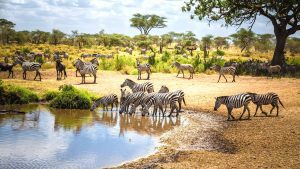
Savanna is a tropical grassland dotted with scattered trees such as acacias and baobabs. It supports the vast herds and predators that make East African safaris famous. The Serengeti, whose name comes from a Maasai word often translated as endless plains, is the most iconic savanna in Africa and a highlight of northern circuit safaris.
03Safari Terms About Seasons and Natural Events
Season words come up constantly when planning a safari, because timing shapes what you see, how busy the parks feel and how much you pay. Guides, lodges and travel specialists use terms like peak season, green season and shoulder season, along with natural events such as calving season, the rut and the Great Migration. Understanding these words helps you choose the right months for your interests. Explore these five tabs to learn the most important season and natural event terms, with the months they usually apply to in Tanzania and the best places to experience them. Timing truly matters.
Dry, Peak or High Season
First-time safari travelers
Easiest wildlife viewing
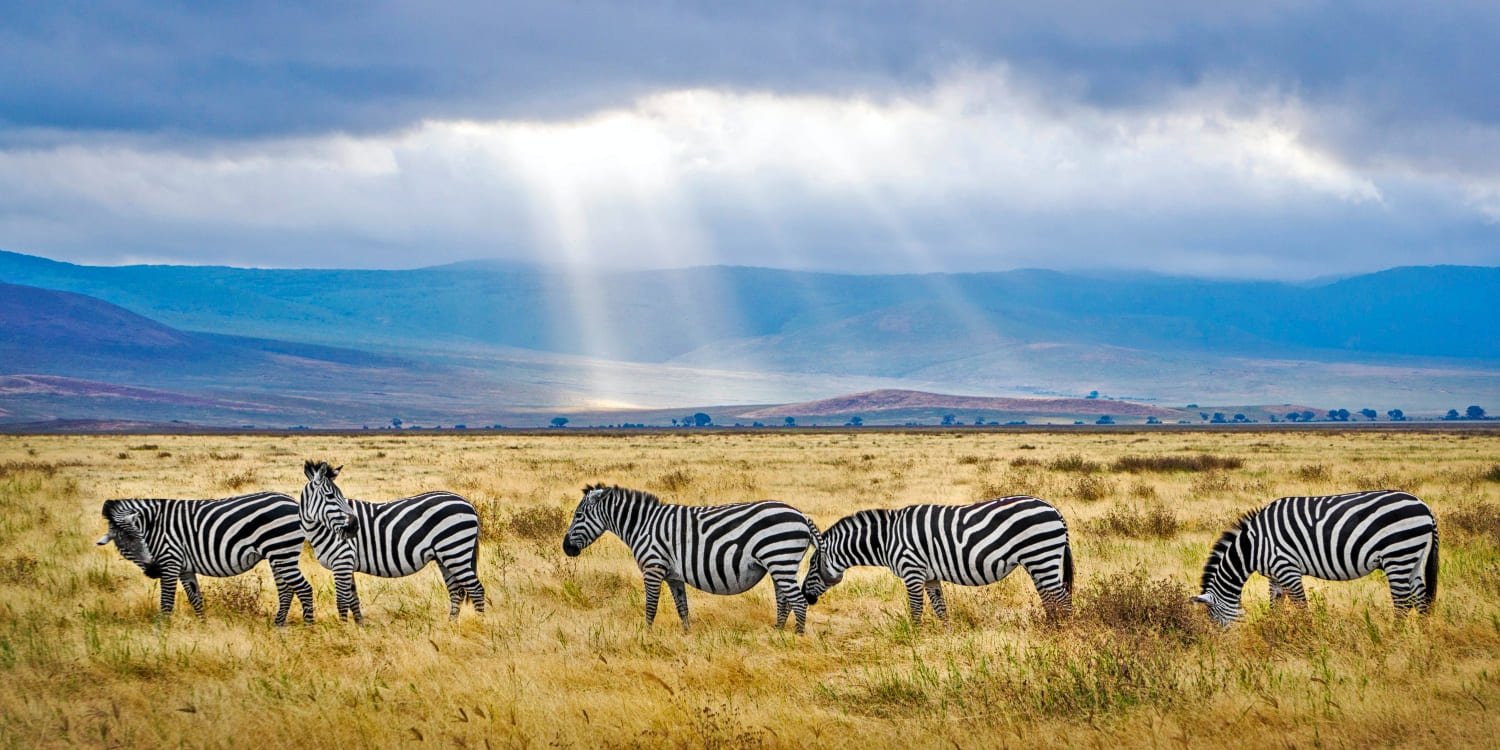
The dry season, also called peak or high season, usually runs from June to October in northern Tanzania. Vegetation thins, animals gather near rivers and waterholes and wildlife is easier to spot. It is the most popular time to travel, so lodges fill early and rates are usually at their highest. Book well ahead. Wildlife viewing is excellent.
High vs low season →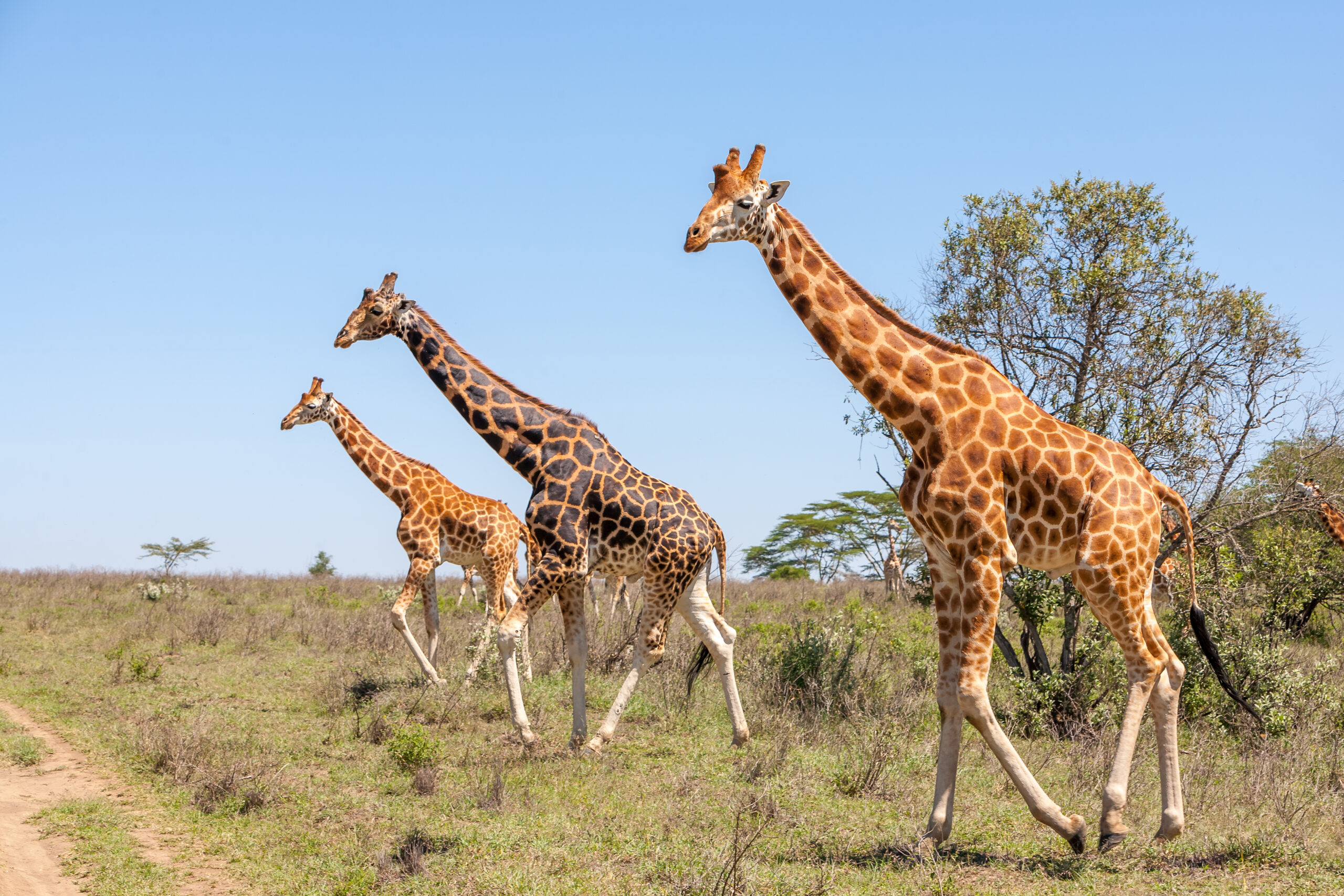
Green, Rainy, Wet or Low Season
Birders and photographers
Lush scenery, fewer vehicles
The green season, also called the rainy, wet or low season, covers the wetter months, roughly November to May, including the short rains and the long rains from about March to May. Landscapes turn lush, migratory birds arrive and newborn animals appear. Parks are quieter and many lodges offer lower rates during these months. It is wonderfully photogenic.
Green season safari →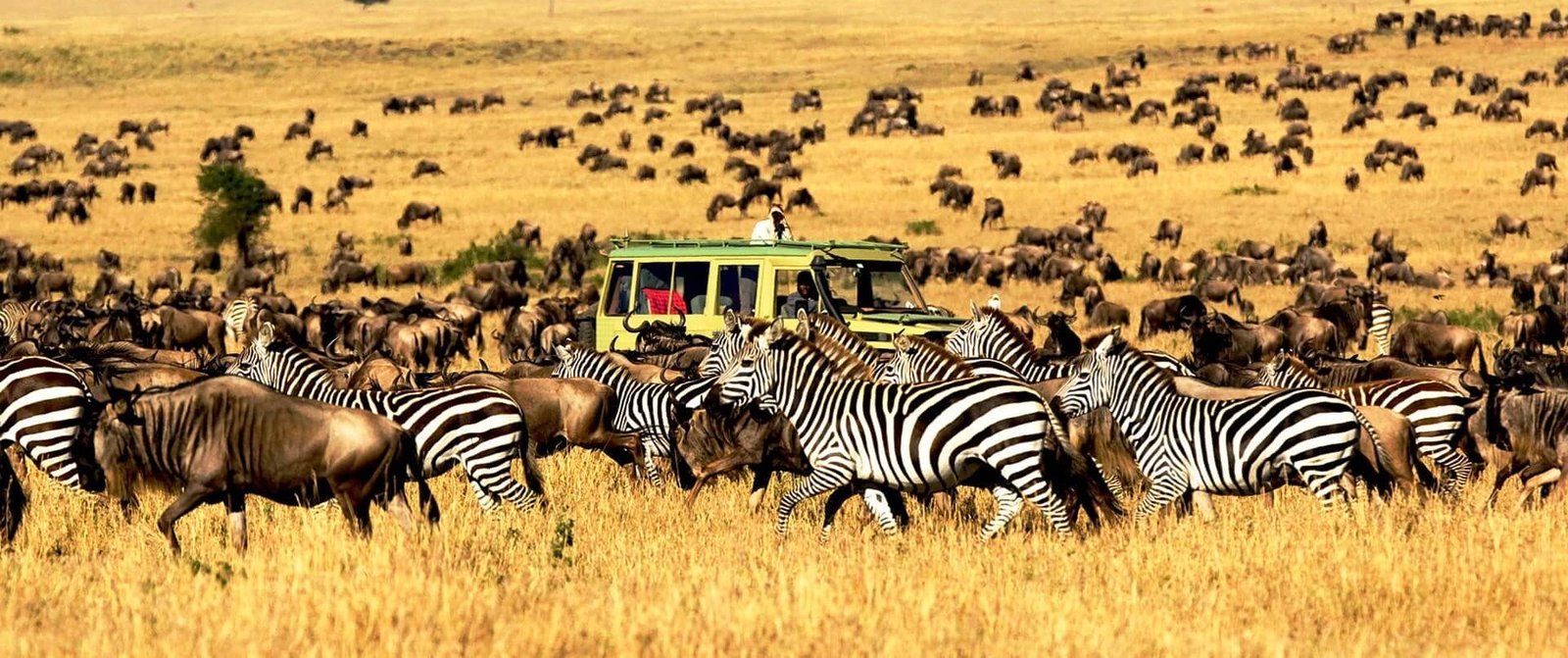
Shoulder Season
Value seekers
Good wildlife, better value
Shoulder season describes the transition months between peak and low season, such as late May, early June, November and early December. Weather is usually mixed but pleasant, wildlife viewing is often very good and lodges may offer better rates. It is a smart choice for travelers seeking balance between value, comfort and fewer crowds. Many travelers love it.
Why green season →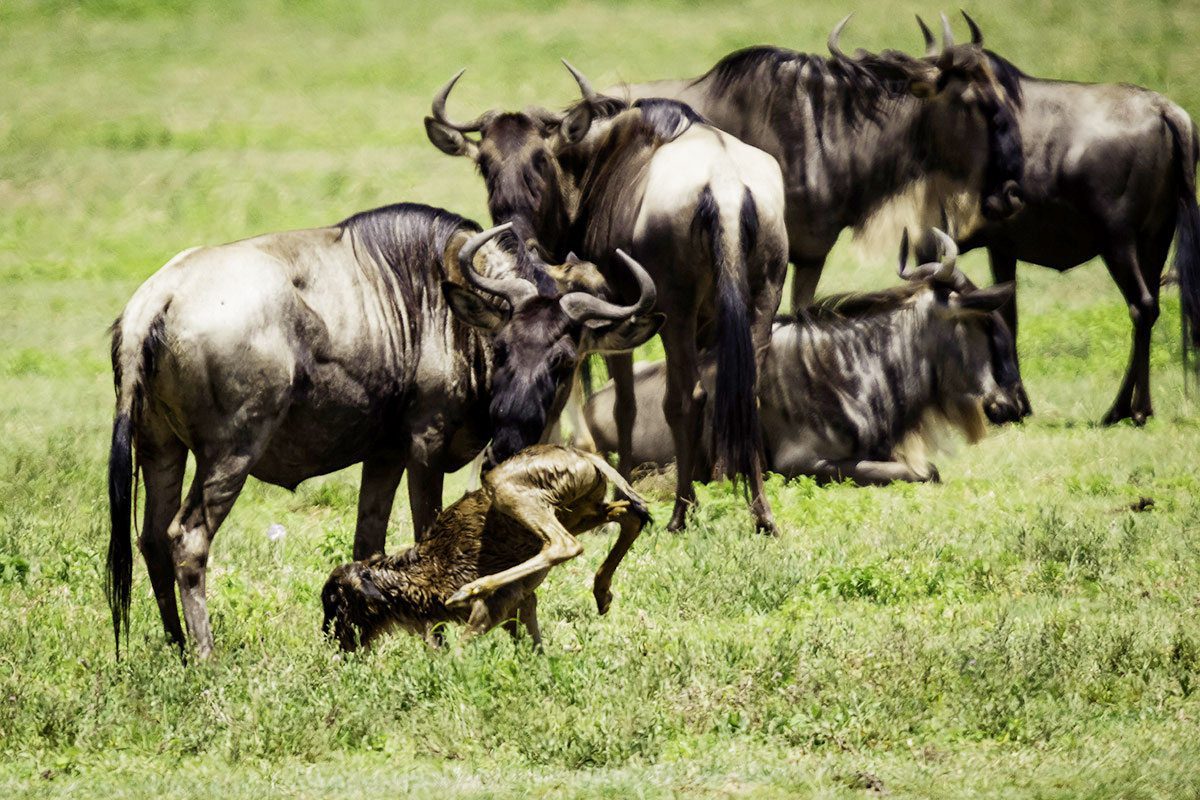
Calving Season
Predator lovers
Newborns and big cat action
Calving season is when wildebeest give birth, mostly from late January to March on the short-grass plains of the southern Serengeti and Ndutu area. Thousands of calves can be born each day at the peak, attracting lions, cheetahs and hyenas. It is one of the most dramatic times to witness predator and prey interactions. Predators are very active.
Wildebeest calving season →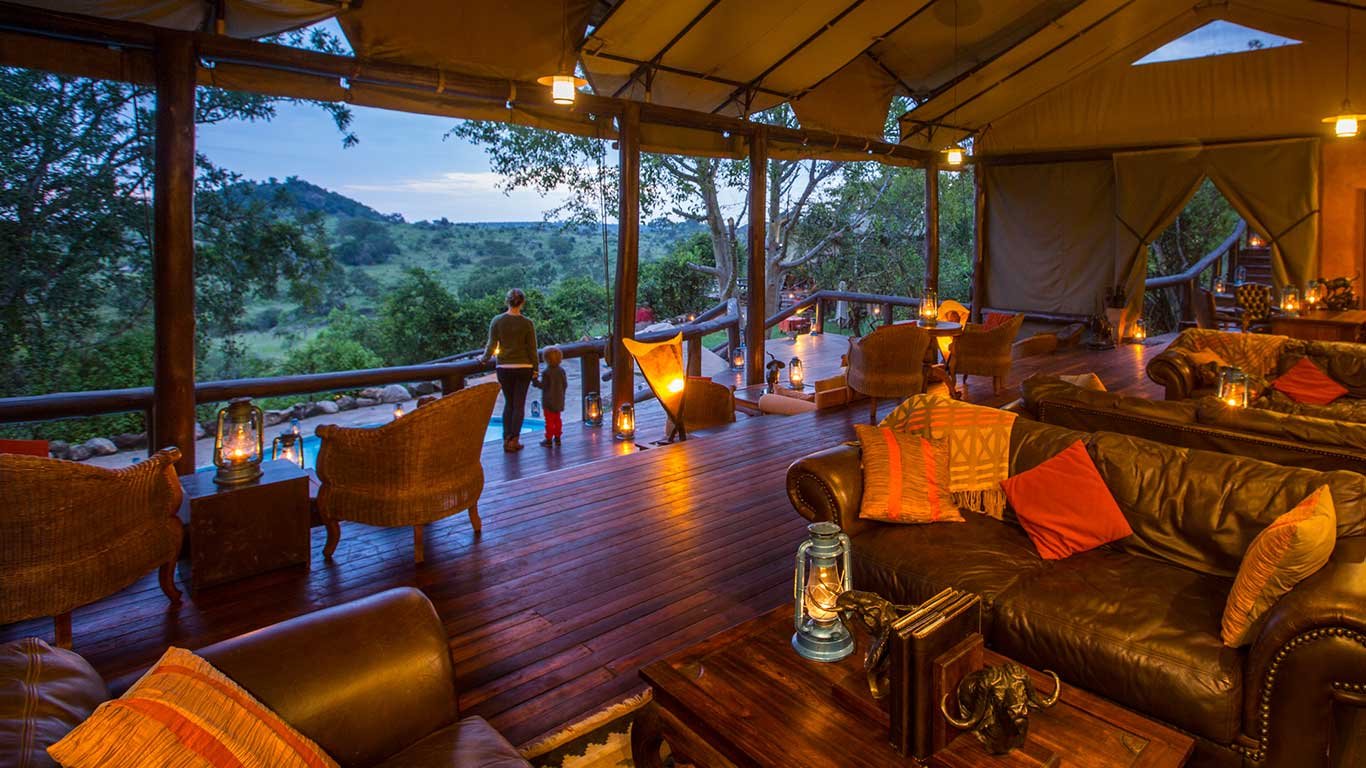
The Great Migration and the Rut
Wildlife enthusiasts
Africa's greatest wildlife spectacle
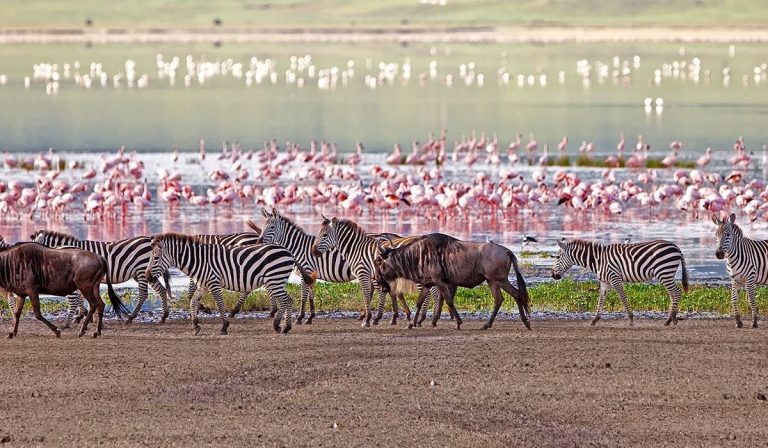
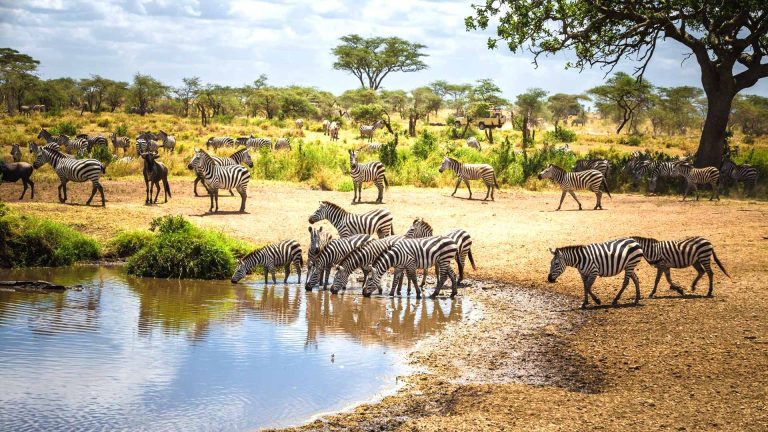
The Great Migration is the year-round circular movement of over a million wildebeest, with zebras and gazelles, through the Serengeti and Kenya's Maasai Mara in search of fresh grazing. River crossings usually peak from July to October. The rut, or rutting season, is the mating period, when male wildebeest compete noisily, typically around May and June.
Great Migration safaris →04Safari Terms About Game Drives and Safari Types
Once you are out on a game drive, a whole new set of words appears, describing the people who guide you, the activities you enjoy and the many ways to experience the wild. Some terms, like sundowner and star bed, describe special safari moments, while others, like tracker and private use, explain how your safari is organised. Knowing them helps you choose the right activities and understand every briefing. These ten game drive and safari type terms are the ones travelers hear most often on private tailor-made safaris across Tanzania, from the northern circuit to the remote southern parks.
Game drive
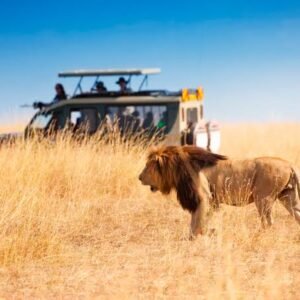
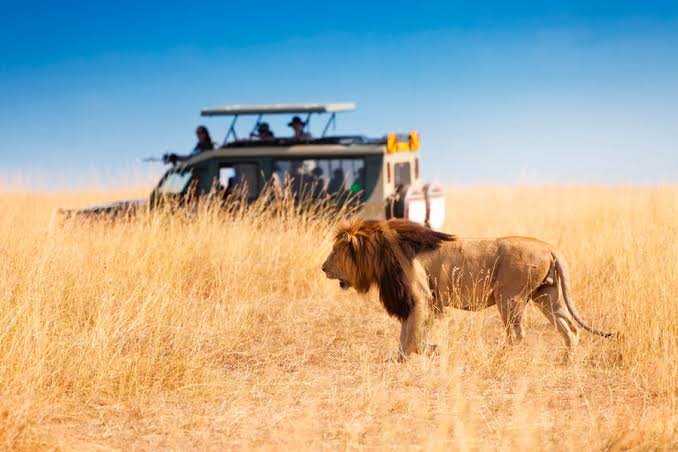
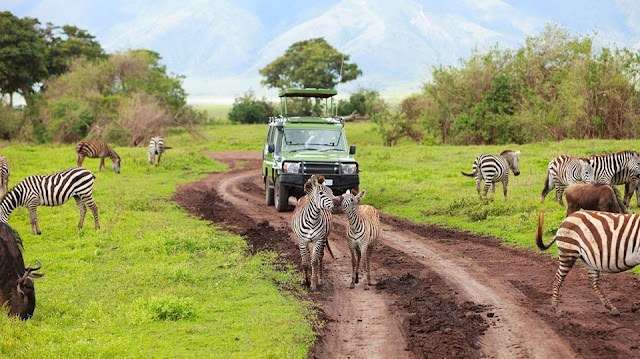
A game drive is a wildlife viewing excursion in a safari vehicle, usually a 4x4 with a pop-up roof. Morning and afternoon drives typically last three to four hours each, while full-day drives include a picnic lunch. On a private safari, you decide the pace, the stops and how long to stay at every sighting.
Night game drive
A night game drive explores the bush after dark using red-filtered or soft spotlights to find nocturnal animals such as genets, bush babies, aardvarks and hunting predators. Night drives are offered in selected conservation areas, concessions and some parks, depending on current rules. They reveal a hidden world rarely seen on daytime drives. Ask us where they are possible.
Walking safari
A walking safari, or nature walk, is a guided walk through the bush with an armed ranger and expert guide. You focus on tracks, plants, insects, birds and the Little Five rather than chasing big animals. Walks are available in selected parks and conservation areas, including Arusha National Park, Ruaha and Nyerere. Every footprint tells a story here.
Sundowner
A sundowner is a drink enjoyed at sunset, usually at a scenic viewpoint during the afternoon game drive. Your guide sets up chilled drinks and snacks while the sky turns orange and gold. It is one of the most loved safari traditions, a moment to relax, reflect on the day and toast the African wilderness.
Field guide and tracker
A field guide, or safari guide, drives the vehicle, finds wildlife and explains animal behaviour, ecology and culture. A tracker reads footprints, dung and broken branches to locate animals, and in some regions sits on a seat at the front of the vehicle. In Tanzania, your driver-guide usually combines both skills during private safaris. Their skills are remarkable.
Private or exclusive use
Private or exclusive use means a vehicle, guide, camp or villa is reserved only for you and your companions. You are never mixed with strangers, so you choose your own schedule, activities and meal times. All Foot Slopes safaris are private and tailor-made, giving you complete flexibility from the first game drive to the last.
Star bed
A star bed is an open-air bed set on a raised deck or platform, allowing you to sleep under the stars in the wilderness. Mosquito nets and comfortable bedding keep you cosy, while the night sky stretches overhead. Some luxury lodges offer star beds as a special experience for honeymooners and adventurous travelers. It is truly unforgettable.
Khaki fever
Khaki fever is a playful term for the crush some guests develop on their charming, knowledgeable safari guide dressed in khaki. It is a lighthearted part of safari culture and a sign of how much guides impress visitors with their skills, stories and passion for wildlife. Guides usually take the joke with good humour. It is all good fun.
Hot air balloon safari
A hot air balloon safari is a sunrise flight over the plains, most famously in the Serengeti, lasting around one hour. You float silently above herds and predators, then land for a champagne bush breakfast. It is a bucket-list experience that should be booked in advance, as daily flight capacity is limited. Ask us to reserve your flight.
Photographic and horseback safaris
A photographic safari is designed around photography, with flexible timing, the best light and vehicles set up for cameras. A horseback safari lets experienced riders explore wildlife areas on horseback, offering a quiet, thrilling perspective. In Tanzania, horseback safaris are available in selected areas, such as West Kilimanjaro near Arusha. Both offer unforgettable perspectives on the African wild.
05Swahili Safari Words and Phrases
A few Swahili words go a long way on safari. Swahili, or Kiswahili, is the national language of Tanzania and widely spoken across East Africa, and local people warmly appreciate visitors who try even a simple greeting. Guides, lodge staff and villagers will smile when you say jambo or asante sana, and learning animal names makes game drives more fun. These eight essential Swahili safari words and phrases cover greetings, manners, travel and wildlife, with simple meanings and tips on when to use them during your private Tanzania safari. Practise them before you arrive and enjoy using them.
Jambo and habari
Jambo means hello and is the friendly greeting most visitors learn first. Locals often use the fuller hujambo or simply mambo with friends. Habari means news and is used as how are you, often as habari yako or habari za asubuhi for good morning. Reply nzuri, meaning good or fine, with a smile. Locals love the effort.
Karibu
Karibu means welcome, and you will hear it everywhere, from the airport and your lodge to villages and markets. Karibu sana means you are very welcome, and karibu tena means welcome again. It is also used to invite someone in or offer food, reflecting the famous warmth and hospitality of Tanzanian people. You will feel at home quickly.
Asante sana
Asante means thank you, and asante sana means thank you very much. Use it often with guides, drivers, chefs and lodge staff, who will appreciate the effort. If someone thanks you, reply karibu, meaning you are welcome. A heartfelt asante sana at the end of your safari is always warmly received. Gratitude is always appreciated here in Tanzania.
Hakuna matata
Hakuna matata means no worries or no problem, made world famous by The Lion King. Tanzanians really use it, along with hakuna shida, meaning no trouble. You will hear it when plans change, a road is bumpy or something small goes wrong, reflecting the relaxed, easygoing spirit of safari life. It sums up the safari spirit nicely.
Pole pole
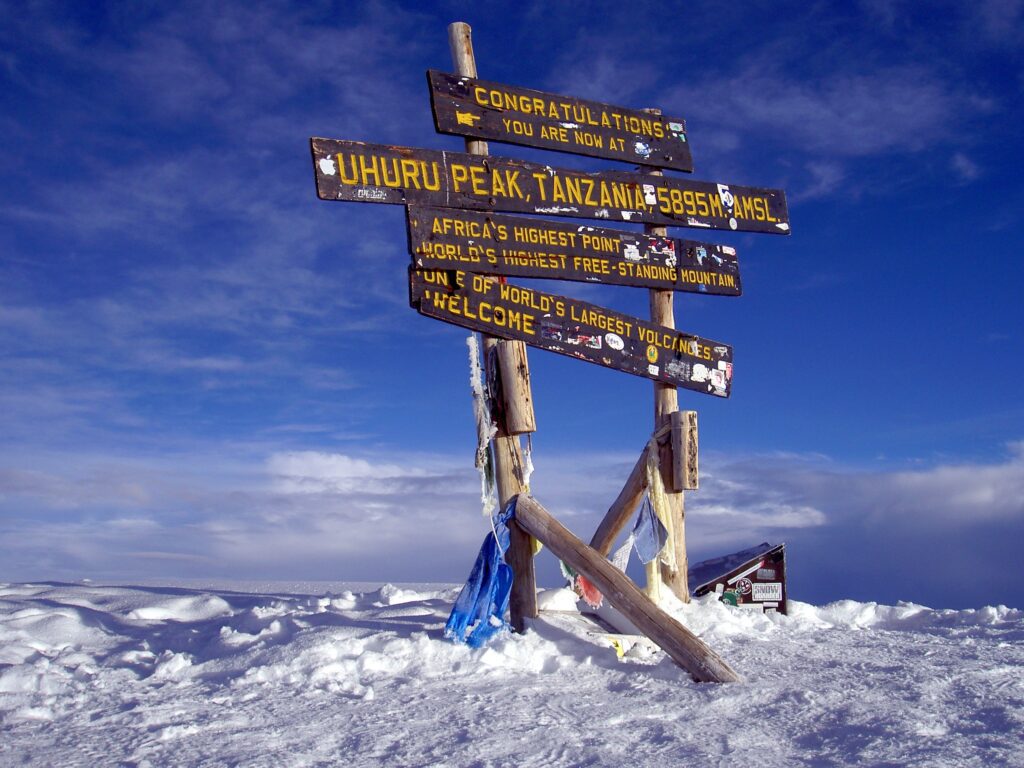
Pole pole, pronounced po-lay po-lay, means slowly, slowly. It is the golden rule on Kilimanjaro, where guides use it to help climbers acclimatise, and it also captures the relaxed pace of life in Tanzania. Pole on its own means sorry, used to show sympathy when someone stumbles or feels unwell. It is a lovely, useful word.
Safari njema
Safari is a Swahili word meaning journey, from an Arabic root meaning to travel. Safari njema means have a good journey and is said when someone sets off on a trip. You may hear it when leaving your lodge or the airport. Reply asante, and you have joined a centuries-old travel tradition. It is a beautiful phrase to remember.
Simba, tembo and twiga
Learning animal names makes game drives more fun. Simba means lion, tembo or ndovu means elephant, twiga is giraffe, chui is leopard, nyati is buffalo, kifaru is rhino, duma is cheetah, fisi is hyena, kiboko is hippo and pundamilia, meaning striped donkey, is zebra. Wanyama means animals or wildlife. Your guide will happily teach you more names.
Rafiki, bwana and mama
Rafiki means friend and is a warm way to address people. Bwana means mister or sir, and mama is a respectful way to address a woman. Other handy words include ndiyo for yes, hapana for no, maji for water, chakula for food and choo for toilet, useful during long game drives. Locals will appreciate your effort.
06Safari Glossary Checklist
Use this quick glossary checklist to review the safari words that matter most before you travel. Practise a few Swahili greetings, learn the key wildlife and place terms and understand the season words that shape your safari dates. You do not need to memorise everything, because your guide will gladly explain new terms along the way, but arriving prepared helps you ask better questions and enjoy every moment. Once you are ready, contact our Arusha-based specialists, who will design a private tailor-made Tanzania safari with expert guides, private vehicles and handpicked lodges and camps. Your adventure awaits you.
Wildlife terms0/4
Safari words0/4
Swahili basics0/4
07Safari Words to Know: FAQs
What are the most important safari words to know?
The most important safari words include the Big Five, game drive, sundowner, kopje, boma, tracker, crepuscular, green season and the Great Migration. Useful Swahili words include jambo for hello, karibu for welcome, asante sana for thank you very much and pole pole for slowly. Knowing these terms helps you follow your guide and enjoy every sighting.
What does safari mean in Swahili?
Safari means journey in Swahili, the national language of Tanzania. The word comes from an Arabic root meaning to travel. Today, safari usually describes a trip to see wildlife in Africa, but in Tanzania any journey can be called a safari. Locals wish travelers safari njema, meaning have a good journey, when setting off. It is a lovely tradition.
What are the Big Five animals?
The Big Five animals are the lion, leopard, elephant, buffalo and rhinoceros. Early hunters used the term for the five animals considered most dangerous to hunt on foot. Today it celebrates Africa's iconic wildlife and conservation. In Tanzania, the Ngorongoro Crater offers one of the best chances to see all five on a single game drive.
What are the Little Five and the Ugly Five?
The Little Five are the ant lion, elephant shrew, buffalo weaver, leopard tortoise and rhino beetle, small creatures named after the Big Five. The Ugly Five are the warthog, wildebeest, spotted hyena, vulture and marabou stork, animals teased for their looks. Both lists encourage travelers to appreciate every creature in the African ecosystem. Each list adds safari fun.
What is a game drive on safari?
A game drive is a wildlife viewing trip in a safari vehicle, usually a 4x4 with a pop-up roof, led by an expert guide. Morning and afternoon drives typically last three to four hours, while full-day drives include a picnic lunch. On a private safari, you control the pace and time spent at each sighting.
What is a sundowner on safari?
A sundowner is a drink enjoyed at sunset, usually at a scenic spot during the afternoon game drive. Your guide sets up chilled drinks and snacks while the sky glows orange and gold. It is one of Africa's best-loved safari traditions, a relaxing moment to reflect on the day's sightings and toast the wilderness together.
What is a kopje in the Serengeti?
A kopje, pronounced copy, is a rocky granite outcrop rising from the flat plains, especially common in the Serengeti. The word comes from Afrikaans and Dutch, meaning little head. Kopjes provide lookout points and shade for lions, hiding places for leopards and shelter for hyraxes, lizards and birds, making them excellent photography locations. Look closely for lions resting.
What does crepuscular mean on safari?
Crepuscular describes animals that are most active at dawn and dusk, the cooler twilight hours. Lions, leopards, hyenas and many antelope are crepuscular, which is why guides recommend early morning and late afternoon game drives. These times often bring the best predator activity, hunting behaviour and soft, beautiful light for wildlife photography. Early starts are always worthwhile.
What is a boma on safari?
A boma is a traditional enclosure, often made from thorny branches, used by communities such as the Maasai to protect livestock and homes. At safari lodges, a boma also describes an open-air dining area surrounded by a fence, where guests enjoy fireside dinners, traditional music and storytelling under the stars after an exciting game drive.
How do you say hello and thank you in Swahili?
To say hello in Swahili, use jambo, a friendly greeting visitors often learn first, or habari, meaning how are you. Reply nzuri, meaning fine. To say thank you, use asante, or asante sana for thank you very much. If someone thanks you, answer karibu, meaning you are welcome. Locals appreciate every effort. It is often a highlight.
What does hakuna matata mean?
Hakuna matata means no worries or no problem in Swahili. It became famous worldwide through The Lion King, but Tanzanians really use it in everyday life, along with hakuna shida, meaning no trouble. You will often hear it on safari when plans change or something small goes wrong, reflecting a relaxed, easygoing attitude. It is a cheerful phrase.
What does pole pole mean in Swahili?
Pole pole, pronounced po-lay po-lay, means slowly, slowly in Swahili. It is the famous mantra on Mount Kilimanjaro, where guides use it to help climbers acclimatise safely. It also reflects the relaxed pace of life in Tanzania. Pole on its own means sorry and is used to show sympathy or concern. Guides will happily teach you more words.
Do I need to speak Swahili on a Tanzania safari?
No, you do not need to speak Swahili on a Tanzania safari. English is widely spoken by safari guides, lodge staff and in the tourism industry. However, learning a few words such as jambo, karibu and asante sana is polite, fun and appreciated by local people, helping you connect more warmly with guides and communities.
What is the difference between a national park and a private concession?
A national park is government-protected land with strict rules, where hunting is banned and night drives are generally not permitted. A private concession or conservancy is land leased or managed for tourism, often bordering a park, with limited guests. Concessions may allow walking safaris, night drives and off-road viewing, depending on local regulations. Your specialist will explain options.
Safari Planning Guides
Plan Your Private Tanzania Safari
Put Your Safari Words into Practice
Ready to hear jambo and karibu for real? Our Arusha-based specialists design private tailor-made Tanzania safaris with expert guides who explain every safari term, private vehicles and handpicked lodges across the Serengeti, Ngorongoro, Tarangire and Zanzibar.
Book Now Online →What Our Travelers Say
Real 5-star reviews from guests who traveled with us