Ngorongoro Crater Safari Guide: Wildlife, Best Time, Costs and Tips
A Ngorongoro Crater safari takes you into the world's largest intact, unflooded volcanic caldera, roughly 16 to 19 kilometres across and about 610 metres deep, where lions, elephants, buffalo and endangered black rhinos live on the crater floor. The best time to visit is the dry season from June to October, and one full-day game drive is enough for most travellers. This Ngorongoro Crater safari guide covers wildlife, the best time to go, game drives, things to do, lodges, costs, packing, rules and itineraries from our local team in Arusha, so you can plan a private tailor-made safari with confidence.
Is a Ngorongoro Crater safari worth it?
Yes. The Ngorongoro Crater is one of Africa's best places to see the Big Five in a single day, including rare black rhino, against spectacular volcanic scenery. Most visitors spend one full day on a crater game drive, staying on the rim or in Karatu, and combine Ngorongoro with Tarangire and the Serengeti on a private Northern Circuit safari. The dry season from June to October offers the easiest wildlife viewing.
01Why Visit the Ngorongoro Crater?
The Ngorongoro Crater is famous for its dramatic, beautiful volcanic landscape and exceptional year-round concentration of wildlife, and it is a UNESCO World Heritage Site within the Ngorongoro Conservation Area. Visitors can see lions, elephants, buffalo, hippos, zebras, wildebeest, hyenas and endangered black rhinos in a single unforgettable day. The cards below explain the four main reasons to include Ngorongoro on your Tanzania safari, with links to our related Ngorongoro guides and safari packages. Its combination of scenery, wildlife, Maasai culture and archaeological heritage makes the crater a true must-see on any private Northern Circuit safari in Tanzania.
A Spectacular Volcanic Caldera
The Ngorongoro Crater is the world's largest intact, unflooded volcanic caldera, with steep forested walls rising around a wide floor of grassland, swamps and a soda lake. Standing on the rim at sunrise and looking down into the crater is one of the most breathtaking views in Africa and a highlight of any Tanzania safari.
The Big Five in One Day
The crater's year-round water and grazing support a remarkable concentration of wildlife, making it one of the best places in Tanzania to see the Big Five in a single day. Lions, elephants and buffalo are commonly seen, and the crater is famous for its protected black rhinos, which are rare elsewhere in the parks of northern Tanzania.
Culture and Heritage
The wider Ngorongoro Conservation Area is a multiple-use landscape where Maasai pastoralists live alongside wildlife. It is also home to Olduvai Gorge, one of the world's most important sites for understanding human origins, plus Empakai and Olmoti craters. This rare mix of wildlife, culture and history makes Ngorongoro far more than a single game drive.
Easy Northern Circuit Access
Ngorongoro sits between Tarangire, Lake Manyara and the Serengeti, so it fits naturally into a Northern Circuit safari from Arusha. Most travellers spend a night on the crater rim or in Karatu, enjoy a full day in the crater and then continue to the Serengeti, making it easy to include on almost any private Tanzania itinerary.
02Best Time to Visit Ngorongoro Crater
The Ngorongoro Crater can be visited all year because most wildlife stays on the crater floor, but each season offers a different experience. The dry season from June to October gives the easiest game viewing, January to March brings green scenery and pairs with the Ndutu calving season, and April and May offer lush landscapes and fewer visitors. Select each tab below to compare what to expect, who each season suits and the matching month-by-month guide. Whatever the season, pack warm layers, as early mornings and evenings on the crater rim can be cold and misty all year.

Dry Season at Ngorongoro
Short grass, clear skies and animals easy to spot
First-time visitors, the Big Five and photography
The dry season from June to October is the best time to visit Ngorongoro Crater for game viewing, as short grass and shrinking water sources make wildlife easy to spot. Days are sunny and pleasant, but early mornings on the crater rim are cold. It is also peak season, so book rim lodges well ahead.
Ngorongoro in July →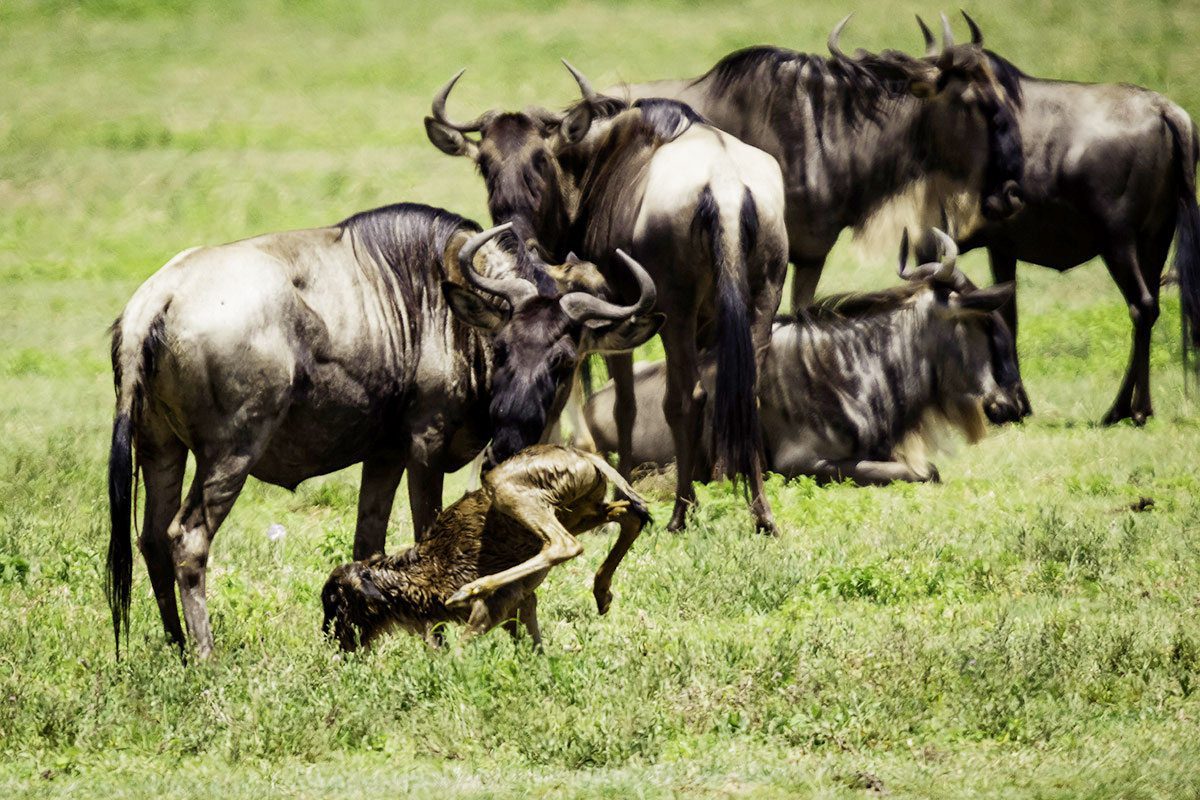
Calving Season and Short Rains
Green landscapes, newborn animals and predator action
Combining the crater with Ndutu calving
From January to March, the crater is green and lush, and many animals have young, attracting lions and hyenas. This period pairs perfectly with the wildebeest calving season on the nearby Ndutu plains in the southern Serengeti and Ngorongoro Conservation Area, creating one of the most exciting times for a private Northern Circuit safari in Tanzania.
Ngorongoro in February →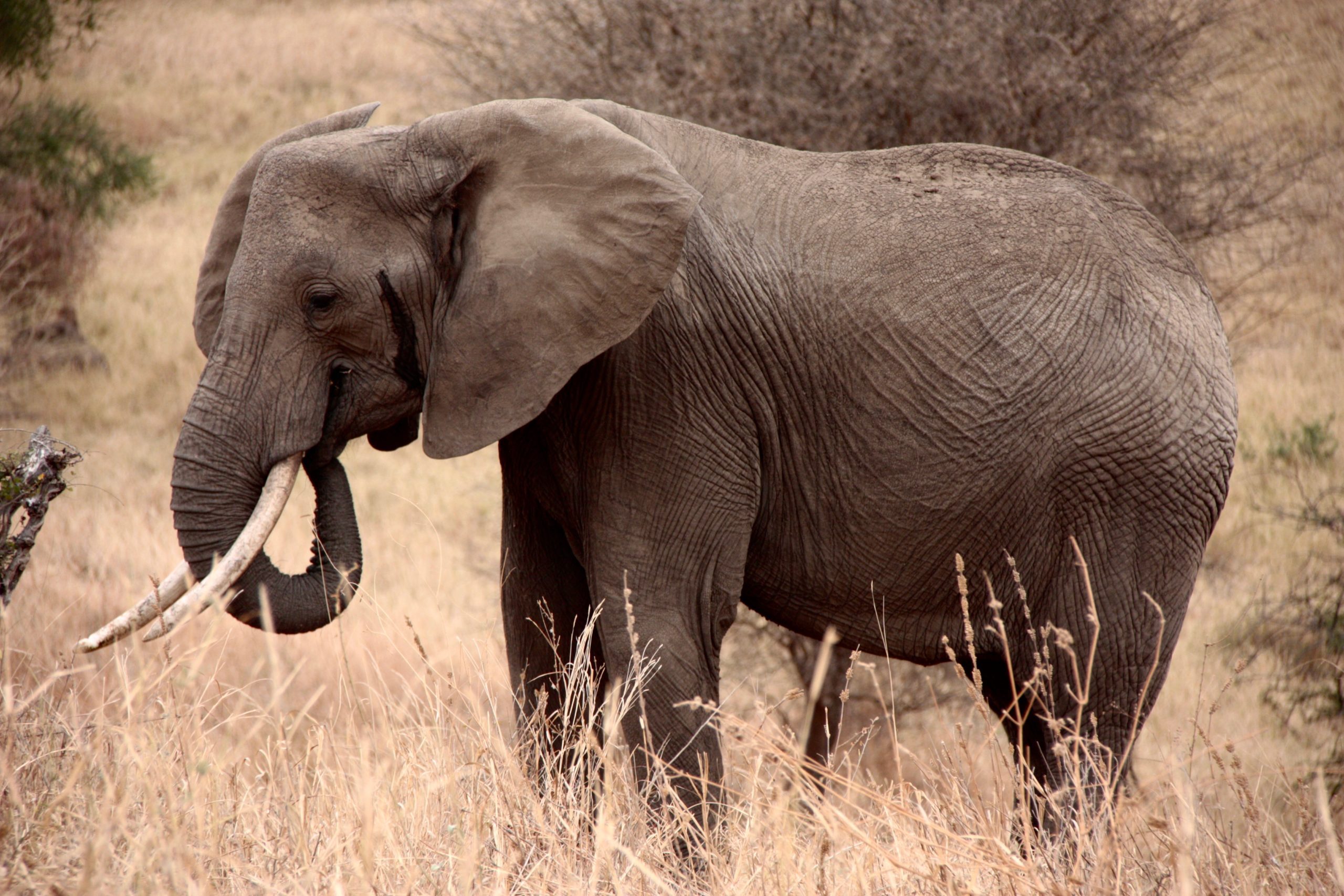
Green Season at Ngorongoro
Lush scenery, frequent rain and very few vehicles
Value seekers and landscape photographers
April and May bring the long rains, lush green scenery, dramatic skies and far fewer vehicles in the crater. Roads can be muddy and rain is frequent, but wildlife remains resident on the crater floor all year. Some lodges offer attractive green season rates, making this a good choice for flexible travellers seeking value and privacy.
Ngorongoro in April →03Ngorongoro Crater Wildlife and the Big Five
The Ngorongoro Crater supports a remarkable variety of wildlife in a compact area, making it one of Tanzania's premier Big Five safari destinations. Lions, elephants, buffalo and black rhinos live on the crater floor alongside hippos, hyenas, zebras, wildebeest, gazelles and hundreds of bird species. The cards below introduce the animals you are most likely to see and the special sightings to look for, with links to our related wildlife guides and safari packages. Wildlife moves freely, so sightings are never guaranteed, but the concentration of animals makes the crater an outstanding place for game viewing and photography.
Black Rhino
The Ngorongoro Crater is one of the best places in Tanzania to see the endangered black rhino. A small, carefully protected population lives on the crater floor, often seen grazing on the open plains or resting near the forest edges. Sightings are never guaranteed, but experienced guides know where rhinos are most likely to be found.
Lions
The crater's lions are among the most frequently seen predators on a Ngorongoro game drive, often resting in the grass, hunting buffalo or wildebeest, or lounging near the roads. The open landscape makes them easy to watch and photograph, and guides can often follow prides as they move across the crater floor during the day.
Elephants
Large bull elephants with impressive tusks are a highlight of the crater, often seen feeding in the Lerai Forest or the swamps. Breeding herds with young calves are more common in the forests on the crater rim and in nearby Tarangire. Watching an old bull wander across the open plains with the crater walls behind is unforgettable.
Buffalo and Leopard
Herds of Cape buffalo graze across the crater floor and are seen on almost every game drive, completing four of the Big Five with ease. Leopards are the most elusive, more often found in the forested rim areas than on the open floor, so patience and a little luck are needed to see all five in one visit.
Hippos, Hyenas and Plains Game
The crater floor supports large numbers of zebras, wildebeest, gazelles and elands, which attract spotted hyenas, golden jackals and other predators. Hippos wallow in the pools and swamps, while warthogs and ostriches add variety. This dense concentration of wildlife in a compact area makes every Ngorongoro Crater game drive rewarding, varied and action-packed from start to finish.
Birdlife and Flamingos
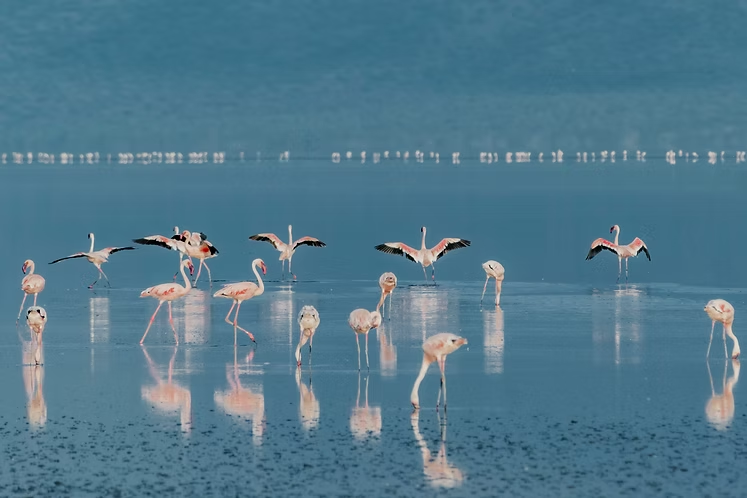
Ngorongoro is a superb birding destination, with more than 500 bird species recorded across the conservation area. Flamingos often gather on the soda waters of Lake Magadi on the crater floor, while kori bustards, crowned cranes, ostriches and raptors are common sightings. Bring binoculars to enjoy the colourful birdlife between larger wildlife encounters on the crater floor.
04A Day on a Ngorongoro Crater Game Drive
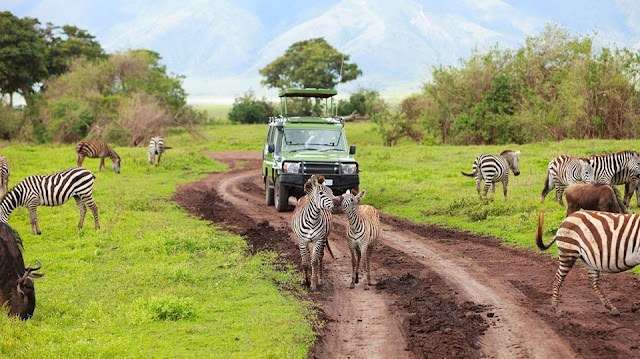
A Ngorongoro Crater game drive is the undisputed highlight of most private Northern Circuit itineraries and the most popular activity in the conservation area. You descend from the rim through highland forest to the grasslands, wetlands and wildlife-rich crater floor, spending most of the day searching for predators, grazing animals and birdlife. The cards below show how a typical crater day unfolds, from the early morning descent to the afternoon ascent. Off-road driving is not permitted, so a private vehicle with a pop-up roof and an experienced guide makes the biggest difference to your whole crater experience and photographs.
Early Descent
Your crater game drive begins with an early start from your lodge on the rim or in Karatu. The descent road winds down through misty highland forest to the crater floor, often reaching the grasslands as wildlife is most active. Arriving early means quieter roads, softer light for photography and the best chance of seeing predators.
Morning Game Drive
Spend the morning exploring the grasslands, swamps and Lake Magadi with your private guide, searching for lions, black rhinos, elephants and buffalo. Your guide reads animal behaviour and communicates with other guides to find special and rare sightings, while you enjoy the dramatic crater walls rising all around you on every side of your private safari vehicle.
Picnic Lunch
Around midday, enjoy a picnic lunch at a designated site on the crater floor, often beside a hippo pool or with views across the grasslands. Lunch is a relaxed break between game drives, but keep food inside the vehicle where your guide advises, as black kites are known to swoop down for unguarded sandwiches and snacks.
Afternoon and Ascent
After lunch, continue your game drive in a different part of the crater, looking for wildlife you may have missed in the morning. In the afternoon, your guide drives back up the steep crater wall to the rim, timed to respect the conservation area's permitted crater hours, before you continue to your lodge or the Serengeti.
05Things to Do in the Ngorongoro Conservation Area
There is much more to the Ngorongoro Conservation Area than the famous Ngorongoro Crater game drive. The wider area offers crater hikes at Empakai and Olmoti, the archaeological site of Olduvai Gorge, Maasai cultural visits, guided walking safaris and the Ndutu plains, where the wildebeest calving season takes place early in the year. The cards below describe the most rewarding experiences beyond the crater, with links to our related guides and packages. Spending two or three nights in the conservation area lets you combine wildlife, culture, geology and history for a richer, more varied and rewarding private safari.
Empakai Crater
Empakai Crater, in the remote north of the conservation area, holds a deep soda lake often visited by flamingos and surrounded by steep forested walls. Guided hikes down to the lake shore, accompanied by an armed ranger, reward fit travellers with stunning views and peaceful scenery far from other vehicles, making it a memorable adventure.
Olmoti Crater
Olmoti Crater is a smaller, shallower crater north of Ngorongoro, reached by a short guided walk through highland forest and grassland. Inside, you will find quiet grasslands, grazing wildlife and the Munge River, which tumbles over the crater edge as a waterfall. It is a relaxing walk for travellers wanting a break from game drives.
Olduvai Gorge
Olduvai Gorge, between Ngorongoro and the Serengeti, is one of the world's most important sites for understanding human origins. Visit the museum to learn about the fossils and stone tools discovered by the Leakey family, then look out over the gorge itself. It is an easy and fascinating stop on the drive to the Serengeti.
Maasai Cultural Visits
The Maasai have lived in the Ngorongoro highlands for generations, grazing their cattle alongside wildlife. A cultural visit to a Maasai boma lets you learn about their homes, traditions, dances and way of life. Always ask permission before taking photographs, and visit with your guide so the experience is respectful and supports the local community.
Walking Safaris
Guided walking safaris in authorised parts of the conservation area, including the crater rim and highland trails, offer a new perspective on the landscape. All walks must be accompanied by an armed ranger from the Ngorongoro Conservation Area Authority. Walking lets you notice tracks, plants, birds and smaller creatures that are easy to miss from a vehicle.
Ndutu Plains
The Ndutu area, in the southwest of the conservation area bordering the Serengeti, hosts the wildebeest calving season from around January to March. Thousands of calves are born on the short-grass plains, attracting lions, cheetahs and hyenas. Combining a crater game drive with Ndutu creates an exceptional green season safari full of exciting predator action and newborn animals.
06Where to Stay at Ngorongoro Crater
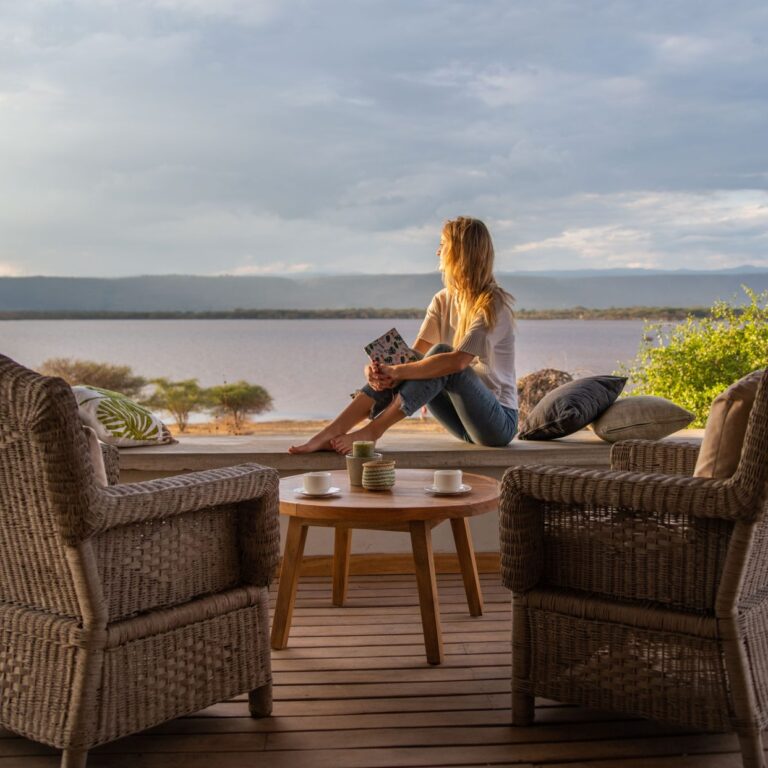
Ngorongoro accommodation ranges from luxury lodges on the crater rim to mid-range lodges, charming farm lodges in Karatu and simple campsites. Staying on the rim offers spectacular views and the earliest access for morning game drives, while Karatu provides gardens, pools and good value just outside the gate. Select each tab to compare who each option suits, its highlights, location and budget style, with links to example properties. Book well ahead for the July to October peak season, when the most popular crater-rim lodges fill quickly, and let our team recommend the best match for your dates and budget.
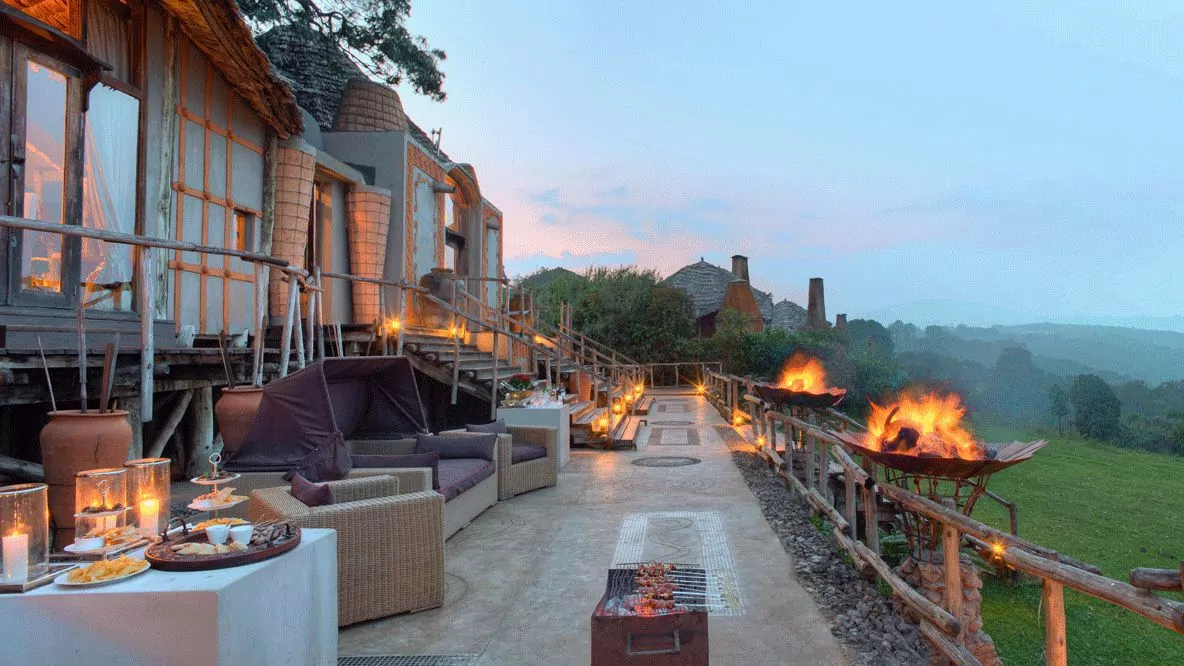
Luxury Lodges on the Crater Rim
Honeymooners, couples and special celebrations
Panoramic crater views, fine dining and elegant suites
Luxury lodges on the crater rim offer some of Africa's most spectacular views, with elegant suites, log fires, fine dining and attentive service. Waking up above the caldera and watching the mist lift from the crater floor is unforgettable. Their location also allows an early descent, before most other vehicles arrive in the crater each morning.
andBeyond Crater Lodge →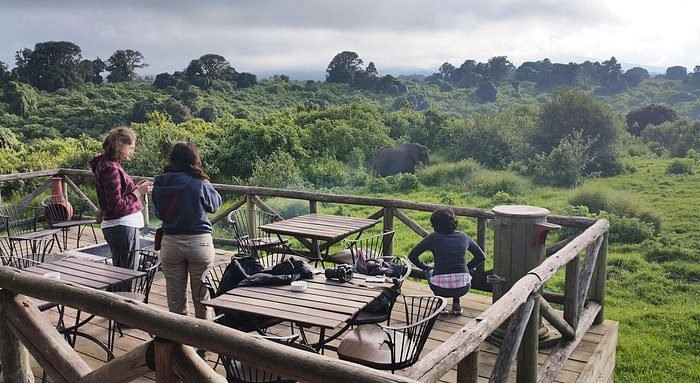
Mid-Range Lodges on and Near the Rim
Families, first-time visitors and couples
Comfortable rooms, warm fires and easy crater access
Mid-range lodges on and near the crater rim combine comfortable rooms, hearty meals and warm fireplaces with convenient access to the crater. Some sit right on the rim with views over the caldera, while others are tucked into highland forest. They offer excellent value for travellers who want comfort and a convenient early start each morning.
Ngorongoro Rhino Lodge →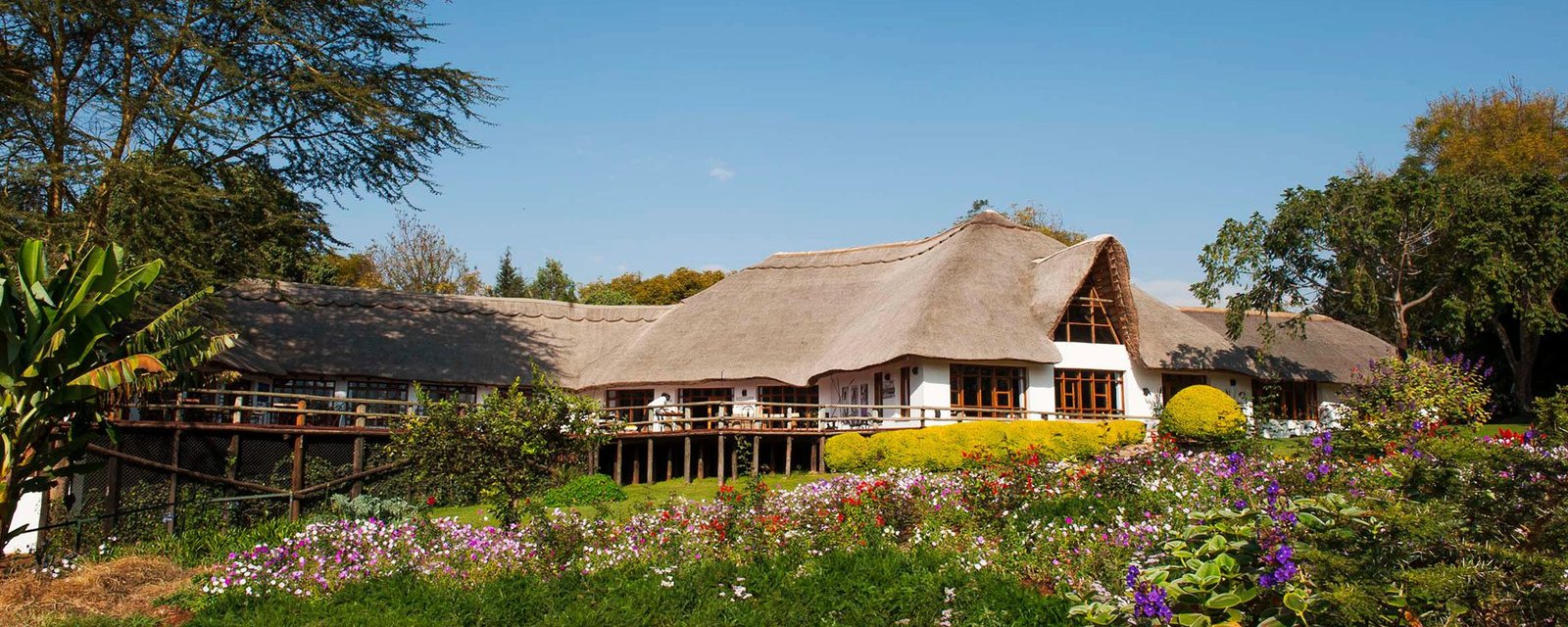
Farm Lodges in Karatu
Travellers seeking space, gardens and value
Coffee farms, gardens, pools and highland scenery
The highland town of Karatu, just outside the conservation area gate, is home to charming farm lodges set among coffee plantations and gardens. Many offer swimming pools, spacious rooms and farm walks, often at better value than rim lodges. The drive to the crater gate is short, making Karatu a relaxed, peaceful and convenient base for your safari.
Ngorongoro Farm House →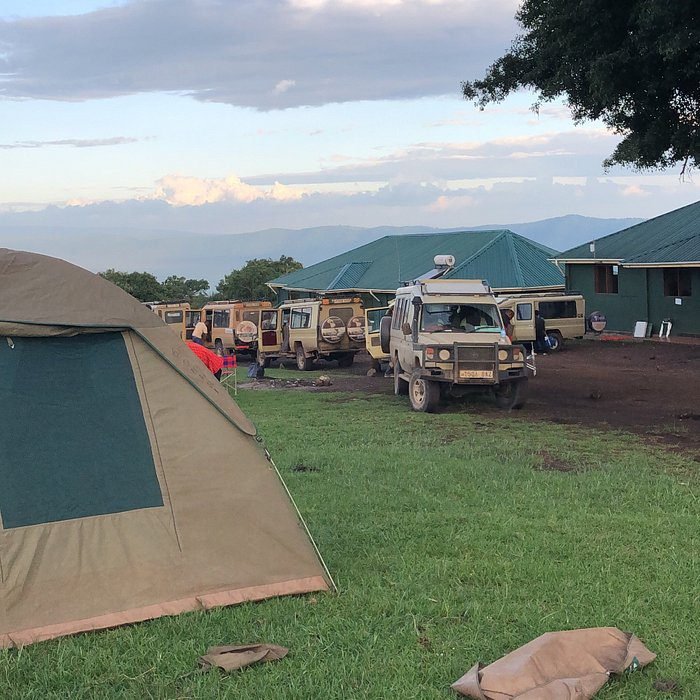
Campsites on the Crater Rim
Adventurous travellers on a camping safari
Sleeping under the stars on the rim and fresh camp meals
Public and special campsites on the crater rim let adventurous travellers sleep close to nature at the most affordable price. Your crew pitches tents and prepares fresh meals, and you may hear buffalo or elephants nearby at night. Nights at this altitude are cold, so bring warm clothing and a good warm sleeping bag for your stay.
Simba Campsite →07Ngorongoro Crater Safari Costs and Fees
The cost of a Ngorongoro Crater safari depends on accommodation, safari length, vehicle, season, activities and the services included. Private camping, mid-range and luxury safaris each offer a full, private crater game drive at different comfort levels, while conservation and crater descent fees apply to every visit. The cards below show typical price ranges per person per day for a private safari and explain the main conservation park fees. Always request a detailed written quotation listing accommodation, meals, vehicle, guide, conservation fees and transfers, so you can compare complete packages rather than headline prices alone before you book.
Camping Safari
A private Ngorongoro camping safari uses public or special campsites, with your crew pitching tents and preparing fresh meals. It typically ranges from about US$250 to 390 per person per day for a private safari. Camping is the most affordable way to enjoy a full crater game drive and the wider Northern Circuit with your own guide.
Mid-Range Lodge Safari
A private mid-range Ngorongoro safari uses comfortable lodges on or near the crater rim or in Karatu, with en-suite rooms and good food. It typically ranges from about US$550 to 990 per person per day. Mid-range offers excellent value for families, couples and first-time visitors on a private Northern Circuit safari. Karatu lodges often offer the best value.
Luxury Safari
A private luxury Ngorongoro safari features exclusive lodges on the crater rim, elegant suites, fine dining and attentive service, often combined with luxury Serengeti camps. It typically ranges from about US$990 to 2,500 or more per person per day, depending on the season, properties and any light-aircraft flights you choose. Book early for the best rim suites.
Conservation and Crater Fees
Conservation area entry fees and a crater descent fee per vehicle apply to every single visit. At the time of writing, these were about US$70.80 per adult per day and US$295 per vehicle for the crater descent. Fees change from time to time, so always confirm the current official tariffs in your detailed written safari quotation.
08What to Pack for a Ngorongoro Safari
Use this interactive Ngorongoro packing list to prepare for the cool crater rim and the warmer crater floor. Mornings and evenings at over 2,200 metres can be cold and misty, while days on the floor warm up, so warm layers are essential. The list covers clothing, gear, health items and documents for your private Ngorongoro Crater safari. Tick each item as you pack and follow your progress with the bar, or print the list and keep it with your travel documents for easy reference before your Tanzania safari, and add any items for the rest of your trip.
Clothing0/5
Sun and Comfort0/5
Gear0/5
Documents and Health0/5
09How Long to Spend at Ngorongoro and Sample Itineraries
Most travellers spend one full day on a Ngorongoro Crater game drive, but the right plan depends on your interests, budget and the rest of your Tanzania safari. You can visit on a single crater day, spend two or three nights exploring the wider conservation area, or combine Ngorongoro with Tarangire, the Serengeti and Zanzibar. The cards below compare the most popular options, with links to our related private safari packages. Our local team in Arusha designs every private itinerary around your dates, pace and travel style, with the right lodge for an early and quiet crater descent.
One Full Day in the Crater
For most travellers, one full day is enough for an exciting crater game drive, with an early descent, several hours of wildlife viewing, a picnic lunch and an afternoon ascent. Stay the night before on the crater rim or in Karatu, so you can start early when wildlife is most active and the crater is quiet.
Two to Three Nights
Spending two or three nights in the Ngorongoro Conservation Area allows a full crater day plus time for Empakai or Olmoti Crater, Olduvai Gorge, a Maasai cultural visit or a guided walk. It suits travellers who want a slower pace, deeper cultural experiences and more time to enjoy their lodge and the cool, green highland scenery.
Classic Northern Circuit
The most popular itinerary begins in Tarangire, continues to the Ngorongoro Crater and then travels on to the Serengeti for vast plains and the Great Migration. A five to seven day private Northern Circuit safari offers truly outstanding variety, from elephants and baobabs to the crater's Big Five and the Serengeti's big cats and endless plains.
Safari and Zanzibar
Many travellers finish their Northern Circuit safari with a few relaxing days on Zanzibar's beaches. After the crater and the Serengeti, a short domestic flight takes you to the island for turquoise water, Stone Town and spice tours. This classic bush-and-beach combination is ideal for honeymooners, families and first-time visitors to Tanzania who want to relax.
10Ngorongoro Safari Rules and Responsible Travel
Responsible travel is absolutely essential in the Ngorongoro Conservation Area, a UNESCO World Heritage Site where people and wildlife share the land. Following the rules set by the Ngorongoro Conservation Area Authority protects fragile habitats, keeps visitors safe and supports the local Maasai communities who live in the highlands. The cards below explain the key rules and responsible travel tips every visitor should know before entering the Ngorongoro Crater. Your private guide will brief you on current regulations, permitted routes and crater hours at the start of your Ngorongoro safari, so you can relax and enjoy every moment.
Travel with a Licensed Guide
Crater visitors must be accompanied by a licensed or official guide, and authorised walking safaris require an armed ranger from the Ngorongoro Conservation Area Authority. A professional guide keeps you safe, follows the regulations and finds the best wildlife sightings. Booking with a licensed local operator ensures all permits and conservation fees are arranged correctly.
Stay on Authorised Routes
Off-road driving is strictly prohibited in the Ngorongoro Crater, so vehicles must stay on authorised roads and tracks. This protects fragile grasslands and wildlife habitats. Your guide will position the vehicle as well as possible for viewing and photography, so a pop-up roof, binoculars and a telephoto lens help you enjoy distant sightings much more easily.
Respect the Wildlife
Never feed, call or disturb animals, and keep noise to an absolute minimum during sightings, especially near black rhinos and lions. Stay inside the vehicle except at designated sites, follow your guide's instructions at picnic areas and never leave litter. These simple rules help protect the crater's wildlife for future generations of visitors and local communities.
Respect Local Communities
The Ngorongoro Conservation Area is home to Maasai communities, and the wider region to Datoga and Hadzabe people. Always ask permission before photographing people, dress modestly during cultural visits and buy crafts directly where possible. Responsible tourism supports conservation and local livelihoods, helping preserve Ngorongoro's unique and fragile balance of people and wildlife for years to come.
Ngorongoro Crater Planning Guides
11Ngorongoro Crater Safari: FAQs
Is the Ngorongoro Crater worth visiting?
Yes. It is one of Africa's best places to see the Big Five in a single day, including rare black rhino, against spectacular volcanic scenery.
What is the best time to visit the Ngorongoro Crater?
June to October is best for game viewing. January to March pairs with Ndutu calving, and April and May offer lush scenery and fewer visitors.
Can you see the Big Five in the Ngorongoro Crater?
Yes. Lions, elephants and buffalo are common, the crater is famous for black rhinos, and leopards are rarer, usually in the forested rim areas.
How big is the Ngorongoro Crater?
The crater is roughly 16 to 19 kilometres across and about 610 metres deep, with the rim at around 2,200 to 2,300 metres above sea level.
How long should I spend at the Ngorongoro Crater?
One full day is enough for most travellers. Two or three nights let you add Empakai, Olmoti, Olduvai Gorge and Maasai cultural visits.
How much does a Ngorongoro Crater safari cost?
Private safaris typically cost about US$250 to 390 camping, US$550 to 990 mid-range and US$990 to 2,500 or more luxury, per person per day.
What are the Ngorongoro Crater entrance fees?
At the time of writing, about US$70.80 per adult per day for conservation entry plus US$295 per vehicle for the crater descent. Always confirm current tariffs.
Where should I stay when visiting the Ngorongoro Crater?
Crater-rim lodges offer views and early access, Karatu farm lodges offer gardens and value, and rim campsites suit adventurous camping safaris.
How do I get to the Ngorongoro Crater?
Most travellers drive from Arusha or Kilimanjaro International Airport via Tarangire or Lake Manyara and Karatu, as part of a Northern Circuit safari.
Can you do a day trip to the Ngorongoro Crater?
Yes, from Arusha or Karatu, although the drive from Arusha is long. Staying overnight near the rim allows an earlier, quieter descent.
What should I wear on a Ngorongoro Crater safari?
Dress in layers, with a warm fleece and rain jacket for the cold rim, plus neutral long-sleeved shirts, trousers, comfortable shoes, a hat and sunglasses.
Can you walk in the Ngorongoro Conservation Area?
Yes, on authorised walking safaris and crater hikes such as Empakai and Olmoti, always accompanied by an armed ranger from the conservation authority.
Is off-road driving allowed in the Ngorongoro Crater?
No. Vehicles must stay on authorised roads and tracks to protect habitats and wildlife, so binoculars and a telephoto lens are useful.
How do I combine Ngorongoro with other parks?
The classic route runs from Tarangire to the Ngorongoro Crater and on to the Serengeti, often followed by a few relaxing days on Zanzibar.
Plan Further: Ngorongoro and Northern Tanzania
Ngorongoro Safaris
Combine With
Plan Your Private Ngorongoro Crater Safari
Tell us your travel dates and interests, and our local team in Arusha will design a private tailor-made safari with an early crater descent, the right lodge on the rim and seamless connections to Tarangire and the Serengeti.
Book Now Online →What Our Travelers Say
Real 5-star reviews from guests who traveled with us