Ngorongoro Crater Family Safari: The Complete Planning Guide
A Ngorongoro Crater family safari is one of the easiest and most rewarding ways to show children Africa's wildlife. The crater floor covers about 260 square kilometres, so lions, elephants, buffalo, zebras, hippos and black rhinos are often seen within a day of game driving. Short distances, comfortable rim lodges and a private 4x4 vehicle make the experience ideal for toddlers, curious children, teenagers and grandparents alike. This complete guide explains the best age, best time to visit, family-friendly lodges, sample itineraries, safety tips, packing, costs and answers to the questions parents ask most before booking their tailor-made Tanzania safari.
Is Ngorongoro Crater good for a family safari?
Yes. Ngorongoro Crater is one of the best family safari destinations in Tanzania because wildlife is concentrated on a compact crater floor, game drives are short and many lodges welcome children of all ages. Visit from June to October or in January and February, combine the crater with Tarangire and the Serengeti, and travel in your own private vehicle.
01Why Choose a Ngorongoro Crater Family Safari?
A Ngorongoro Crater family safari suits parents who want outstanding wildlife without exhausting days in the vehicle. The crater floor is a self-contained world where grassland, swamp, forest and a soda lake sit close together, so animals are often found within minutes of each other. Children stay engaged, guides can stop for breaks easily and the views from the crater rim are unforgettable for every age. The eight reasons below explain why so many families choose Ngorongoro as the centrepiece of a private Tanzania family safari, and how a tailor-made plan keeps the whole trip relaxed, safe and educational.
Wildlife in a natural amphitheatre
Ngorongoro is the largest unbroken, unflooded volcanic caldera on Earth, and its steep walls create a natural amphitheatre filled with wildlife. From the rim, children can see the whole crater floor before descending. Once inside, grassland, swamps, forest and Lake Magadi sit close together, giving young travellers constant variety and plenty of animals to spot on every drive.
Short, manageable game drives
Because the crater floor is compact, a family game drive can deliver excellent sightings in a few hours. Vehicles may spend up to six hours inside the crater, and many families choose a shorter morning drive with a picnic stop. That rhythm suits younger children, who enjoy wildlife most when drives are broken into lively, focused sessions.
A real chance of the Big Five
The crater is one of the few places in Tanzania where families can realistically search for all of the Big Five in a single day. Lions, elephants and buffalo are seen regularly, leopards are rare, and a small population of protected black rhinos lives on the open plains. Spotting a rhino through binoculars becomes a highlight children remember.
Private vehicle, your own pace
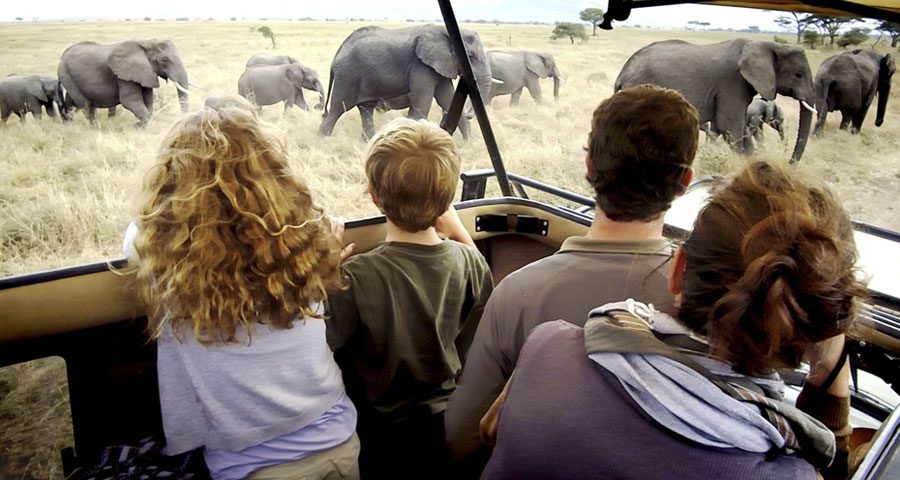
On a private tailor-made safari your family has its own 4x4 Land Cruiser with a pop-up roof and a professional guide. You decide when to leave the lodge, how long to watch each animal and when to stop for snacks or toilet breaks. This flexibility is the biggest single factor in keeping children happy and parents relaxed throughout the trip.
Family rooms with crater views
Lodges on the crater rim and in the Karatu highlands offer family rooms, connecting rooms and interlinked tents that keep everyone close at night. Many have fireplaces, heated rooms and gardens where children can stretch their legs after a drive. Staying near the descent road also means an early start without a long transfer before the crater opens.
Culture, history and learning
Ngorongoro is a conservation area rather than a national park, so Maasai pastoralists still live alongside the wildlife. Families can visit a Maasai boma, learn about traditional herding life and stop at Olduvai Gorge, where important early human fossils were discovered. These experiences turn the safari into a living classroom covering geology, history, culture and conservation.
Easy to combine with other parks
Ngorongoro sits between Tarangire, Lake Manyara and the Serengeti, making it the natural link on a northern circuit family safari. Driving times between these parks are manageable, and light aircraft can shorten longer journeys for younger children. Many families add a few relaxing days on Zanzibar's beaches afterwards to balance busy game drives with swimming and downtime.
Memories for every generation
Few experiences bring a family together like watching lions on the crater floor. Grandparents appreciate the comfort and short drives, parents enjoy the scenery and photography, and children feel the thrill of their first elephant or rhino sighting. A private Ngorongoro family safari creates conversations, photographs and stories that every generation will remember and talk about for many years afterwards.
02Ngorongoro Crater Family Safari by Age
There is no single perfect age for a Ngorongoro Crater family safari, but the right plan changes with your children's ages. Toddlers usually need short drives and lodges with space to play, while older children and teenagers can enjoy longer game drives, walks and cultural visits. Multi-generation families need comfortable vehicles and gentle pacing. Lodge child policies matter too. Use the tabs below to compare what works best for each age, which parks and lodges suit them, how many days to travel and which private tailor-made safari style gives your family the most enjoyment with the least stress.
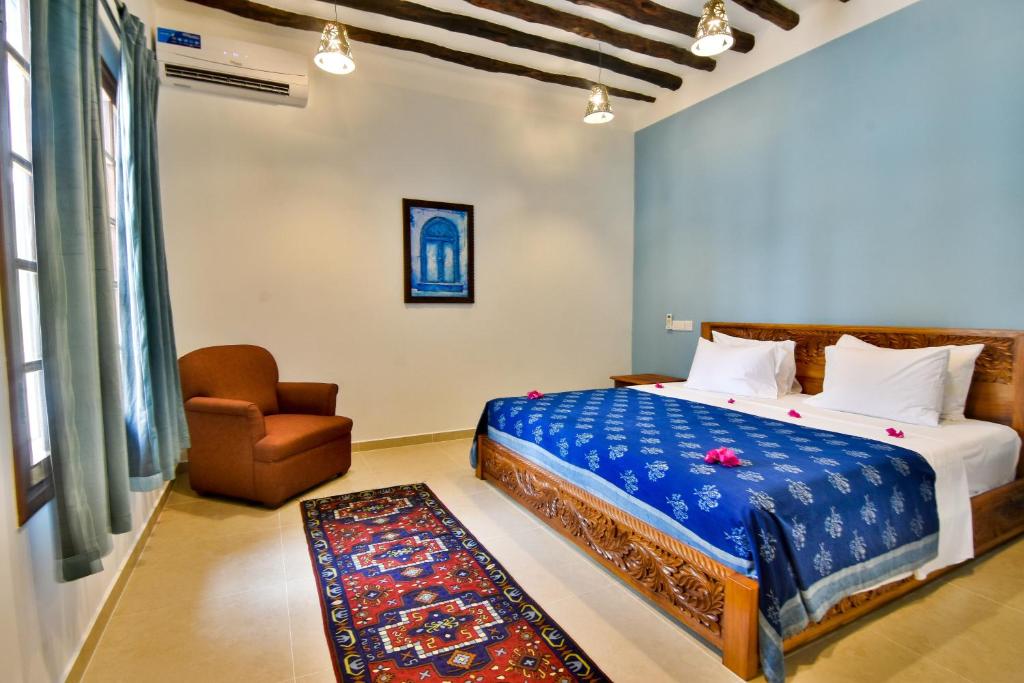
Ngorongoro Safari With Toddlers
Families happy with short drives and long breaks
Rim views, zebras, buffalo and hippo pools
Young children can enjoy Ngorongoro when the plan stays gentle. Choose a half-day crater drive, a lodge with a garden or fireplace, and only one or two parks. Bring snacks, a familiar toy and warm layers for the chilly rim. A private vehicle lets you stop whenever needed, and your guide adapts the pace to naps and meals.
Family safari packages →
Ngorongoro Safari With Young Children
First family safaris and eager animal spotters
Big Five checklists, hippos and flamingos
Children aged six to eight are often the most enthusiastic safari travellers. They love ticking animals off a checklist, using binoculars and asking the guide endless questions. A morning crater drive with a picnic lunch works well, followed by a relaxed afternoon at the lodge. Add Tarangire for elephants and keep transfers short to avoid tired, restless children.
Ngorongoro family safari →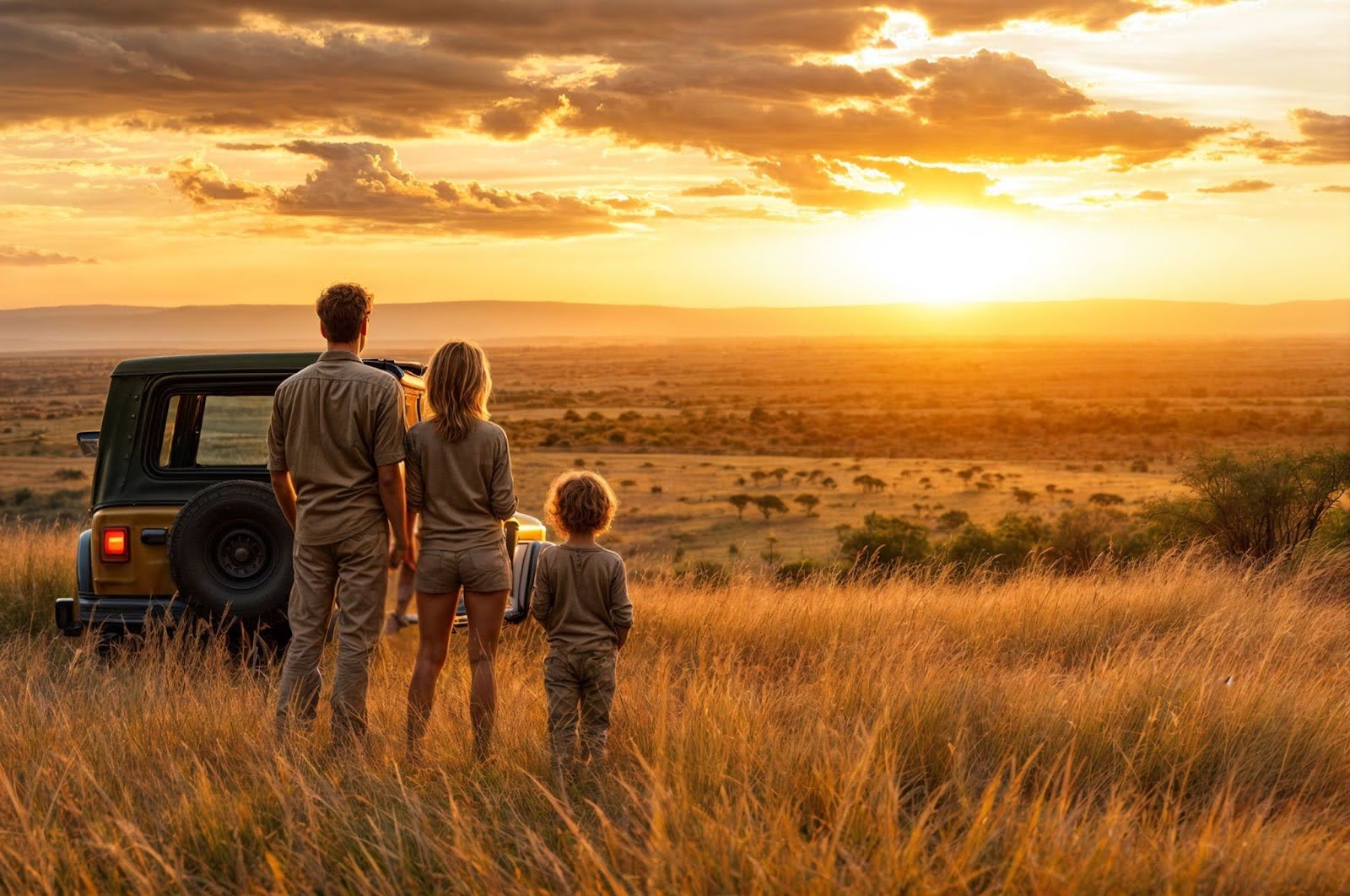
Ngorongoro Safari With Older Children
Families wanting a full northern circuit
Rhino searches, Olduvai Gorge, Maasai visit
Many guides consider nine to twelve the ideal age for a Ngorongoro family safari. Children have the patience for full game drives and the curiosity to learn about geology, early humans and conservation. Combine the crater with the Serengeti, visit Olduvai Gorge and a Maasai boma, and encourage them to keep a safari journal with sketches and notes.
Serengeti family safari →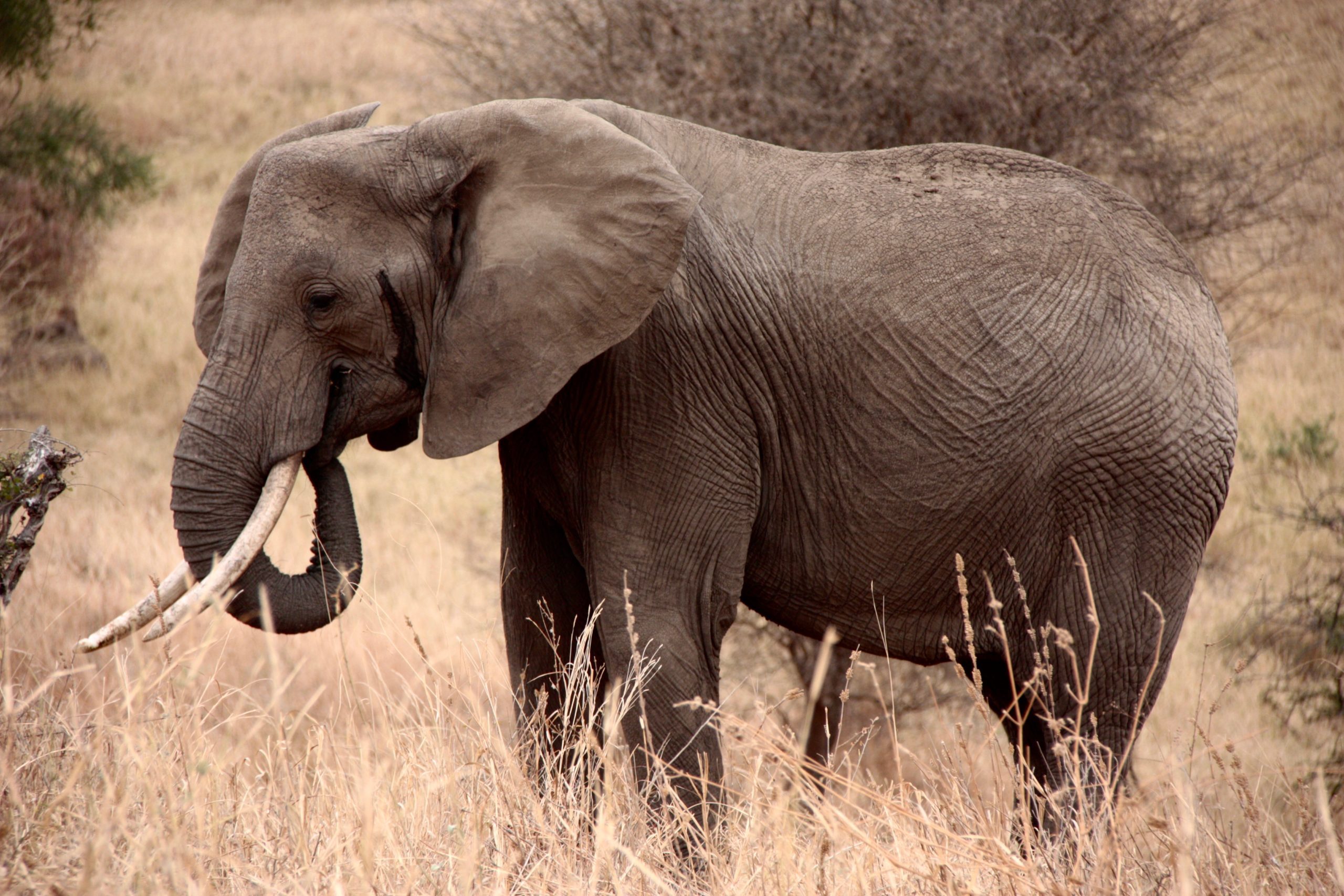
Ngorongoro Safari With Teenagers
Active teens who want adventure and photography
Empakai hike, wildlife photography, culture
Teenagers often enjoy a more adventurous Ngorongoro safari. They can join a guided crater rim walk or hike down into Empakai Crater with an armed ranger, subject to age rules and fitness. Wildlife photography, cultural visits and longer Serengeti drives keep them engaged, while a Zanzibar beach finish gives the whole family time to relax together.
Zanzibar beach holidays →
Multi-Generation Ngorongoro Safari
Grandparents, parents and children travelling together
Comfortable lodges, short drives, rim views
Ngorongoro works beautifully for grandparents, parents and grandchildren travelling together. Short drives, comfortable rim lodges and spectacular viewpoints suit every fitness level. Book two private vehicles if your family is larger, so younger children and older adults can follow different rhythms. Fly-in options between parks reduce long road journeys and keep the holiday relaxed for everyone.
Multi-generation family lodges →03What Animals Can Kids See in Ngorongoro Crater?
Ngorongoro Crater supports one of the densest concentrations of large mammals in Africa, which is why it delights children of every age. Around 25,000 large animals are thought to live in and around the crater, including predators, grazers and spectacular birdlife. Sightings are never guaranteed because the animals roam freely, yet most visiting families usually see an impressive variety within a single morning. The cards below introduce the animals children talk about most, with simple facts your guide can expand on to turn every single encounter on the crater floor into an exciting, memorable lesson about wildlife and conservation.
Lions of the crater floor
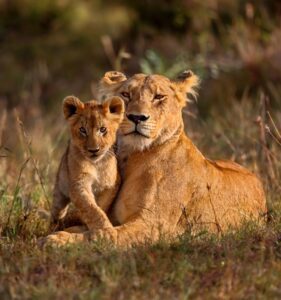
Ngorongoro's lions are among the most photographed in Africa, and families often find prides resting near the road or hunting across the open grassland. The crater population is relatively isolated by the steep walls, which makes it fascinating for scientists. Children love watching cubs play, and guides explain how prides cooperate, hunt and protect their territory.
Endangered black rhinos
The crater is one of the best places in Tanzania to see the critically endangered black rhino. Only a small, closely protected population lives here, so sightings are special and usually from a respectful distance. Bring good binoculars for children, and ask your guide to explain the rangers' conservation work that keeps these rare animals safe from poaching.
Elephant bulls near the forest
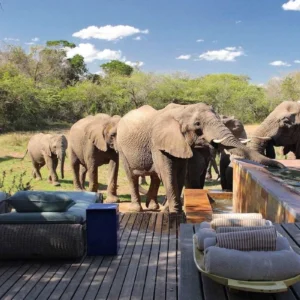
Most elephants in the crater are large old bulls with impressive, long tusks, often seen near the Lerai Forest and swamps. Breeding herds generally prefer the forested highlands outside the crater. Children are amazed by their enormous size and gentle behaviour, and the guide can explain how elephants use their trunks to feed, drink, bathe and communicate.
Buffalo, zebras and wildebeest
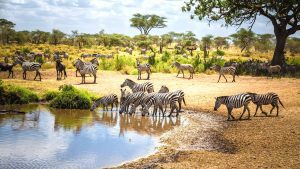
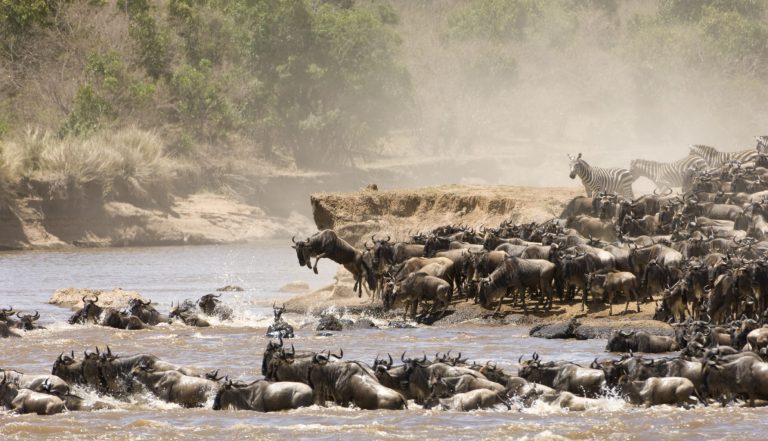
Large herds of buffalo, zebras and wildebeest graze the crater grasslands throughout the year, giving children something to watch on every drive. Unlike in the Serengeti, many of these animals stay in the crater instead of migrating. Kids enjoy counting zebra stripes, spotting newborn calves and learning why grazing animals stay close together for safety.
Hippos at the pools
Hippos spend the day submerged in the crater's pools and swamps, popping up to breathe, yawn and grunt. The Ngoitokitok Springs picnic area overlooks hippo-filled water and is a favourite family lunch stop. Children love the noisy displays, though they must stay near the vehicle and follow the guide's instructions at every designated picnic site.
Flamingos and birdlife
More than 500 bird species have been recorded in the Ngorongoro Conservation Area, and Lake Magadi on the crater floor often attracts pink flamingos. Ostriches, crowned cranes, kori bustards and colourful sunbirds keep young birdwatchers busy. Give children a simple bird checklist and binoculars, and they will happily spot new species between larger animal sightings.
Hyenas, jackals and servals
Spotted hyenas are common in the crater and are far more interesting than their reputation suggests. Golden jackals trot across the grassland, and with luck you may see a serval hunting rodents in long grass. Your guide can explain how scavengers clean the ecosystem, which helps children appreciate every animal, not only the famous ones.
Gazelles, warthogs and small wonders
Warthogs, Thomson's and Grant's gazelles, elands and baboons add constant activity to every crater drive. Children also enjoy the smaller details, such as dung beetles, weaver nests and animal tracks beside the road. Turning these discoveries into a game keeps young travellers engaged between big sightings and shows them that every part of nature matters.
04Best Time for a Ngorongoro Family Safari
Ngorongoro Crater can be visited all year because its wildlife is largely resident, but each season feels different for families. The dry season brings easy game viewing and cool mornings, the calving season adds baby animals in the nearby Serengeti, and the green season offers lush scenery, fewer vehicles and better value. School holidays and lodge availability also shape the best travel dates for many parents. Use the tabs below to compare the weather, wildlife highlights and family benefits of each season, then choose the exact dates that suit your children's ages and your preferred private safari style.
Dry Season Family Safari
Summer school holidays and first-time families
Clear views, easy wildlife spotting, cool mornings
The dry season is the most popular time for a Ngorongoro family safari. Vegetation is shorter, roads are dry and animals are easy to spot on the open crater floor. Mornings on the rim can be cold, so pack fleeces and hats for children. Book lodges and vehicles early because July and August coincide with summer school holidays.
Ngorongoro in July →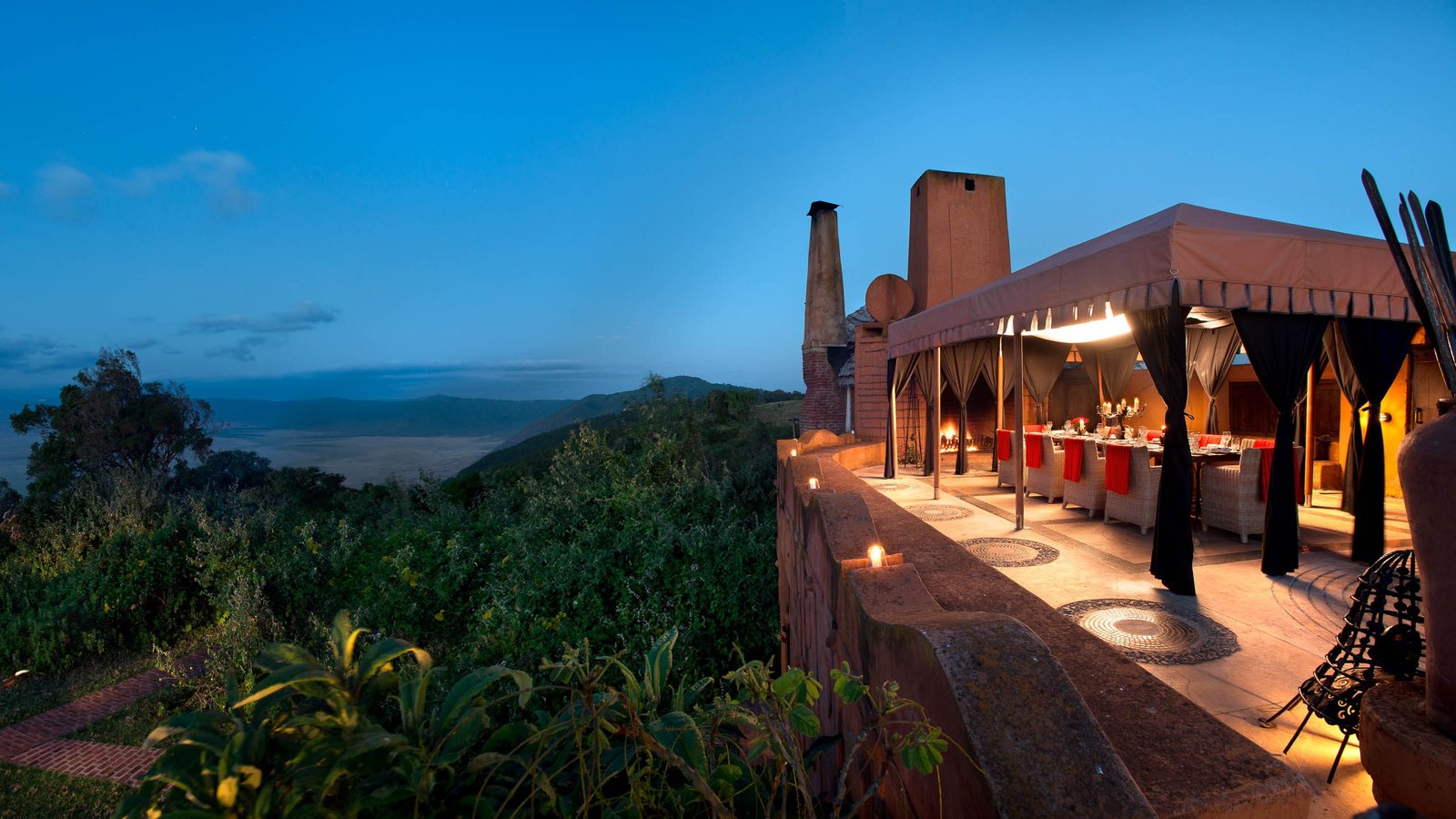
Calving Season Family Safari
Christmas and February half-term holidays
Baby animals, green plains, Serengeti calving
From December to March, wildebeest give birth on the southern Serengeti plains near Ndutu, a short drive from Ngorongoro. Children love seeing newborn calves wobbling beside their mothers, and predators are active. The crater is green and beautiful, with warm days and occasional afternoon showers. This season suits families travelling during Christmas or February school holidays.
Ngorongoro in February →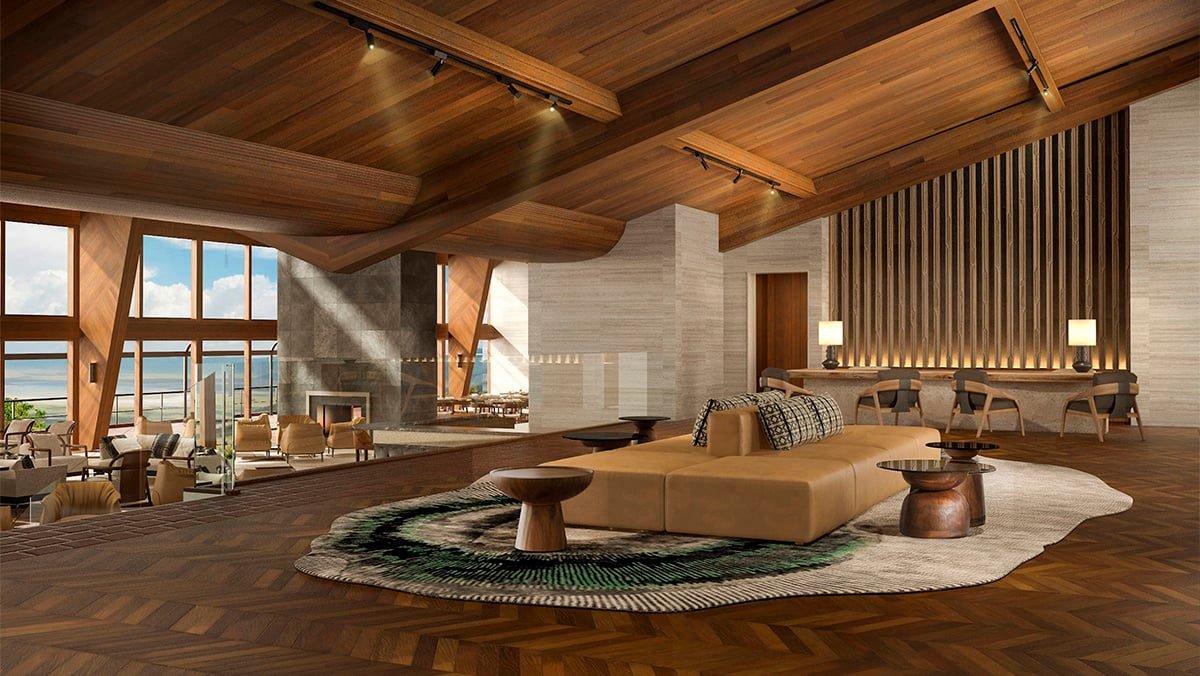
Green Season Family Safari
Budget-conscious families with flexible dates
Lush scenery, fewer vehicles, lower rates
April and May bring the long rains, when the crater turns emerald green and visitor numbers fall. Many lodges offer lower rates, and the crater floor remains excellent for wildlife because animals stay year-round. Some roads become muddy and occasional camps close, so choose a reliable lodge, pack rain jackets and allow flexible timing for game drives.
Ngorongoro in April →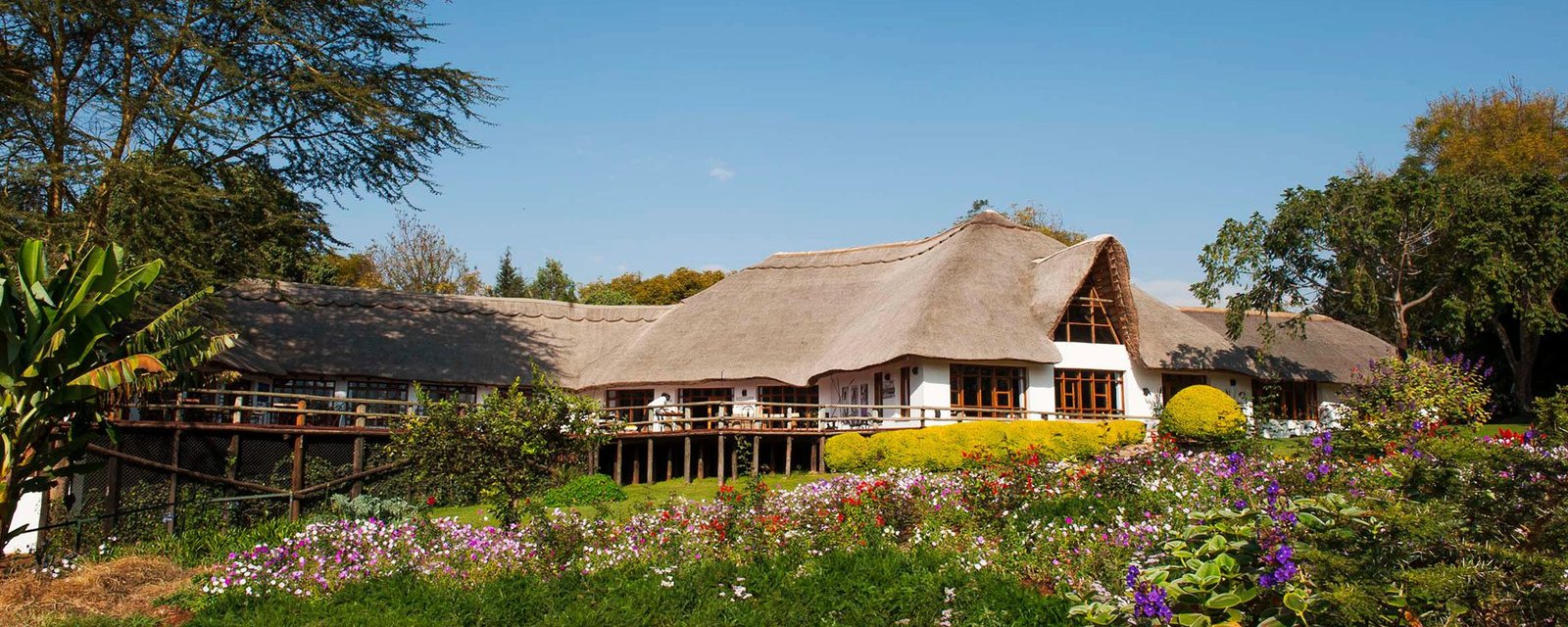
Short Rains Family Safari
Families seeking quieter crater drives
Fresh grass, migrating birds, good value
November brings the short rains, usually brief afternoon showers rather than all-day downpours. The landscape freshens, migratory birds arrive and the crater is quieter than in peak months. Families benefit from good-value rates and relaxed game drives. Pack light rain jackets, plan the crater visit for the morning and enjoy calm afternoons at your lodge with children.
Ngorongoro in November →05Where Should Families Stay Near Ngorongoro Crater?
Choosing the right family-friendly accommodation is one of the most important planning decisions on a Ngorongoro Crater family safari. Lodges sit either on the crater rim, with dramatic views and quick access to the descent road, or in the farmlands around Karatu, where the climate is milder and gardens give children room to play. Look for family rooms, connecting units, warm bedding, safe grounds and flexible meal times for children. The six options below explain the main accommodation styles available, so you can easily match comfort, budget and location to your family's needs on a private tailor-made safari.
Crater rim lodges
Lodges on the Ngorongoro Crater rim offer breathtaking views over the caldera and the shortest drive to the descent road. They are ideal for early crater game drives and sunsets from the terrace. The rim sits at high altitude, so nights are cold, and most rim lodges provide fireplaces, heaters or hot-water bottles for comfort.
Karatu farm lodges
The coffee farms and highland villages around Karatu, a short drive from the crater gate, host many family-friendly lodges. They have large gardens, swimming pools in some cases and a milder climate than the rim. Children enjoy farm walks and open space, while parents appreciate excellent food, relaxed surroundings and good value for longer family stays.
Family rooms and suites
Many Ngorongoro lodges offer family rooms, interconnecting rooms or two-bedroom suites, which keep young children safely close to their parents at night. Availability is limited, especially in July, August and December, so book well in advance. Always confirm the exact room layout, bed types and whether extra beds or cots are available before you confirm your tailor-made safari.
Tented camps
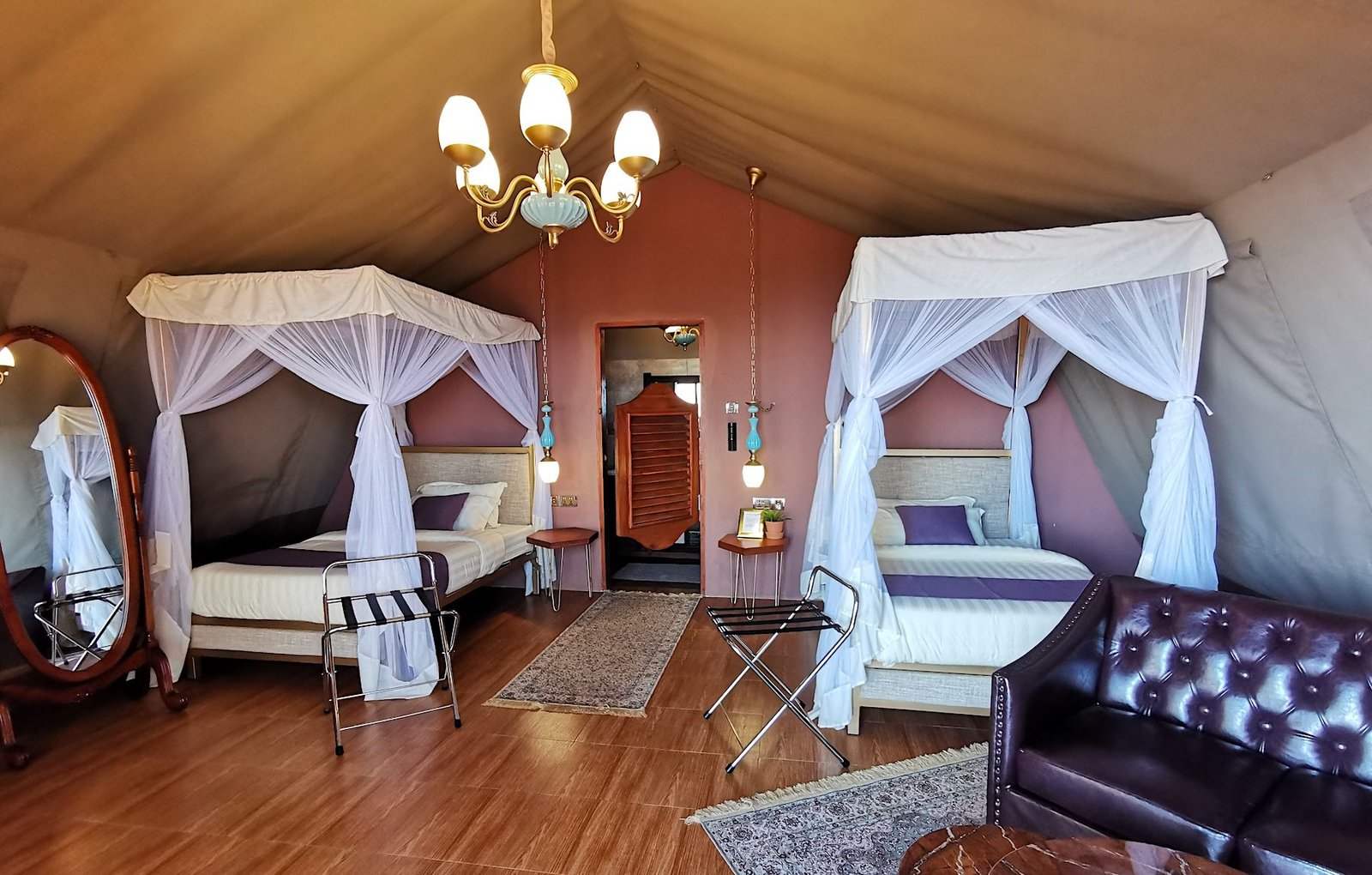
Permanent tented camps near the crater combine canvas walls with proper beds, private bathrooms and hot showers. Children find the adventure of sleeping in a tent exciting, and many camps offer spacious family tents. Some tented camps set minimum ages for safety reasons, so check child policies carefully and choose a camp that welcomes your children's ages.
Budget campsites
Adventurous families with older children can stay at public campsites on the crater rim, such as Simba Campsite, on a private camping safari. Your crew sets up tents, cooks meals and manages the camp, so parents can relax. Facilities are basic and nights are very cold, which makes this option best for older, hardy children.
Luxury family lodges
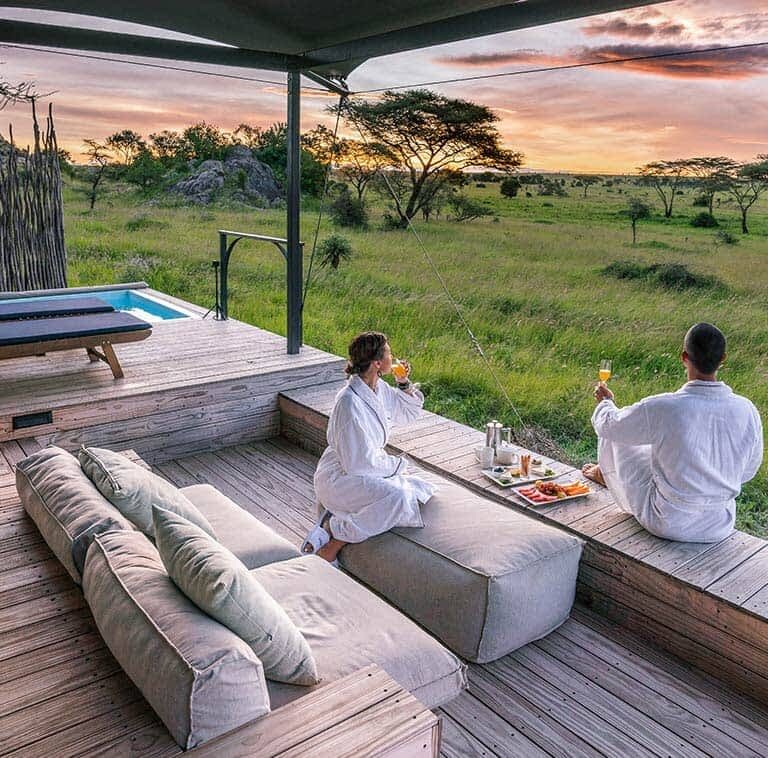
For special occasions, luxury lodges around Ngorongoro offer spacious suites, private butlers, fine dining and dedicated children's programmes at some properties. Attentive staff can also arrange early breakfasts, picnic lunches for crater drives and qualified babysitting on request. A luxury family safari gives parents complete comfort while children enjoy attentive service, spectacular crater views and memorable experiences.
06Sample Ngorongoro Family Safari Itineraries
The best Ngorongoro family safari itinerary balances wildlife, rest and travel time. Most families start their journey in Arusha, spend one or two nights near Tarangire or Lake Manyara, then move to the crater highlands before continuing to the Serengeti or flying to Zanzibar. Shorter trips usually suit young children, while longer journeys allow older children to see the wider northern circuit. The sample itineraries below are fully flexible starting points, and our Arusha team adjusts every day, lodge and activity to your children's ages, travel dates, budget and preferred private safari style for a relaxed tailor-made experience.
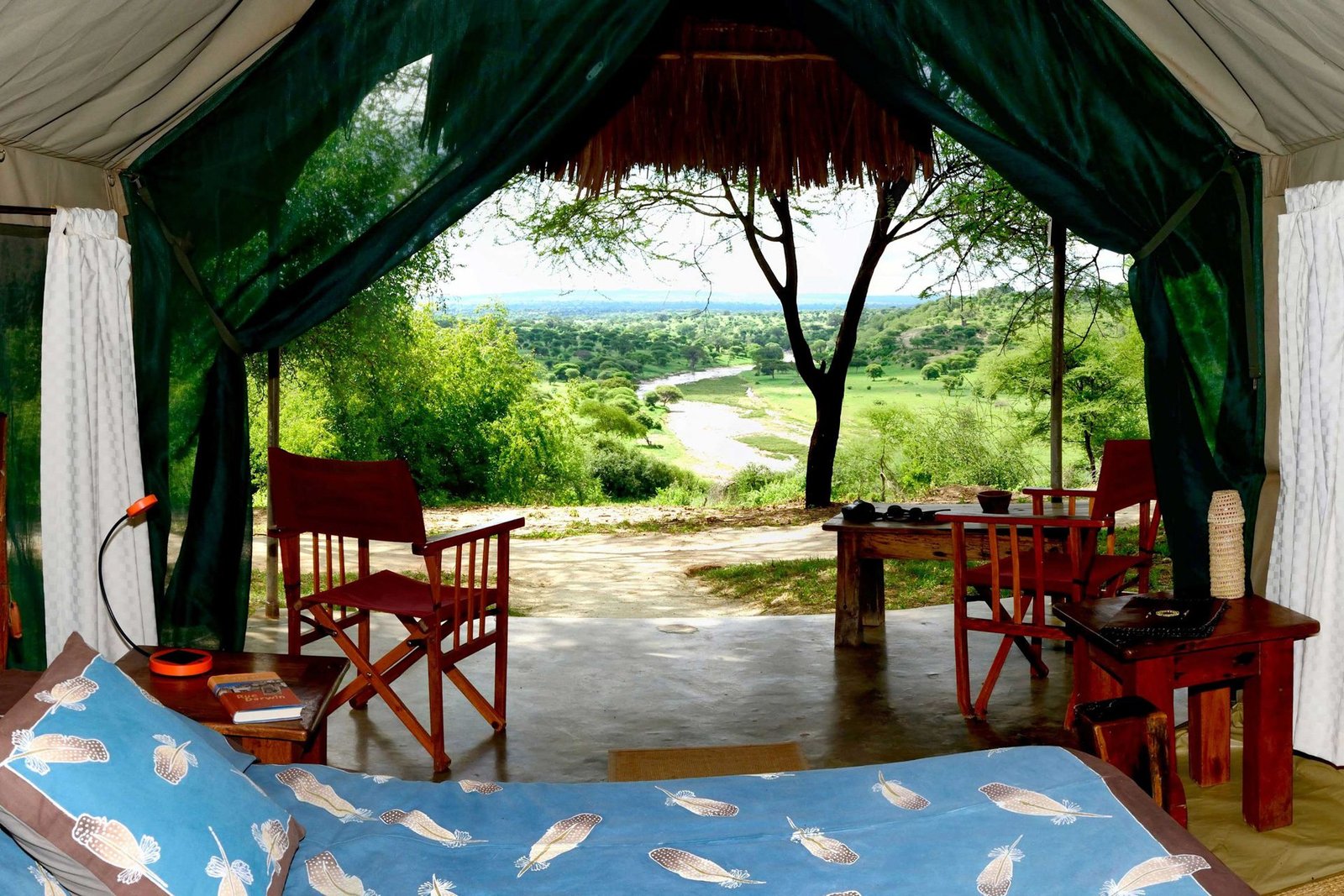
3-Day Tarangire and Ngorongoro Family Safari
Young children and short holidays
Elephants in Tarangire, full crater game drive
This short itinerary starts with a game drive in Tarangire, famous for elephants and baobab trees, before an overnight stay near Karatu. Day two is dedicated to the Ngorongoro Crater with a picnic lunch at the hippo pool. On day three you return to Arusha, making it an ideal introduction for young children or busy families.
Tarangire and Ngorongoro safari →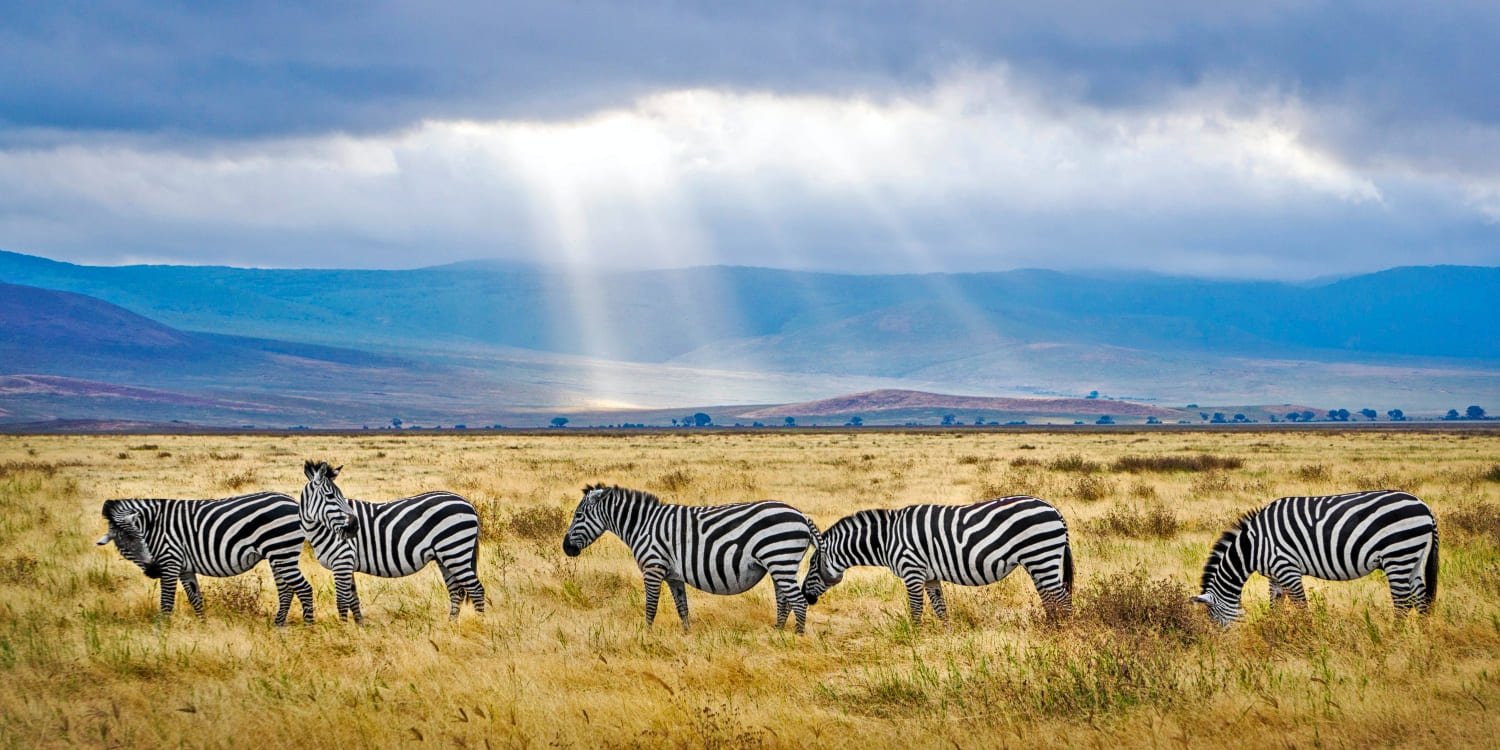
5-Day Tarangire, Serengeti and Ngorongoro Safari
First family safaris with school-age children
Big Five, Serengeti plains, crater floor
Five days allow the classic northern circuit at a comfortable pace. Begin in Tarangire, then drive through the Ngorongoro highlands to spend two nights in the central Serengeti. Return for a full day in Ngorongoro Crater before heading back to Arusha. Children see an incredible range of wildlife without feeling rushed or spending too long on the road.
Serengeti and Ngorongoro safaris →
7-Day Ngorongoro Family Safari
Families wanting time to rest between drives
Manyara, Serengeti, Olduvai, Maasai visit
A seven-day itinerary adds rest time and cultural experiences. Families explore Tarangire and Lake Manyara, enjoy a Karatu farm lodge, visit Olduvai Gorge, then spend three nights in the Serengeti. The finale is a full Ngorongoro Crater game drive. Fewer hotel changes and shorter daily drives keep children happy, curious and well rested throughout the whole holiday.
Family safari packages →
10-Day Ngorongoro Safari and Zanzibar Holiday
Families combining wildlife with beach time
Crater, Serengeti, Zanzibar beaches
Combine six days of wildlife with four days on Zanzibar's white beaches. After Tarangire, the Serengeti and Ngorongoro Crater, take a short flight from the northern parks to Zanzibar for swimming, snorkelling and Stone Town's history. This bush-and-beach holiday is perfect for families who want excitement and relaxation, and it happily suits children of almost every age.
Zanzibar beach holidays →07Family-Friendly Activities Around Ngorongoro
A Ngorongoro family safari includes much more than crater game drives. The wider conservation area protects volcanic highlands, forests, archaeological sites and Maasai communities, so children can learn through many hands-on experiences beyond the vehicle. Activities depend on age, fitness and local regulations, and some require an armed ranger or advance permits. Mixing wildlife viewing with cultural visits, short walks and relaxed lodge time keeps young travellers engaged and prevents boredom on longer trips. The eight activities below are favourites with families, and your guide will recommend the best combination for your children during a private tailor-made Tanzania safari.
Crater floor game drive
The highlight of every Ngorongoro family safari is the descent into the crater for a game drive. Your guide drives slowly across grassland, swamps and lake shores while excited children search for lions, rhinos and elephants through the pop-up roof. Early starts give the best light, cooler temperatures and quieter roads before most vehicles arrive on the crater floor.
Picnic lunch with hippos
Lunch on the crater floor is a family favourite. Designated picnic sites, such as Ngoitokitok Springs, overlook pools where hippos grunt and splash nearby. Lodges prepare picnic boxes with child-friendly food, and your guide chooses a safe spot. Keep food inside the vehicle when kites are overhead, because these clever birds sometimes swoop for sandwiches.
Maasai boma visit
Visiting a Maasai boma introduces children to a culture that has lived alongside wildlife for generations. Families can see traditional homes, learn about cattle herding, join a welcome dance and ask questions about daily life. Your guide explains customs respectfully, and visits support local communities. Ask permission before taking photographs and encourage curious, respectful conversation.
Olduvai Gorge museum
Olduvai Gorge, between Ngorongoro and the Serengeti, is one of the world's most important sites for understanding early human history. A small museum and scenic viewpoint clearly explain the fossils and stone tools discovered here. Older children studying history or science find the stop fascinating, and it makes a useful, interesting break on the drive between parks.
Empakai Crater hike
Teenagers and fit older children may enjoy a guided hike into Empakai Crater, where a deep soda lake often attracts flamingos. The walk is steep and requires an armed ranger, so it suits active families with a full day to spare. The forested rim and crater views are spectacular, and the experience feels wonderfully remote and peaceful for everyone.
Karatu coffee farm tour
Many Karatu lodges sit on working coffee farms, and children enjoy following beans from plant to cup. Guided farm tours show how coffee is picked, dried, roasted and brewed, often with time to explore vegetable gardens. It is a relaxed afternoon activity after a morning crater drive and a gentle way to learn about local agriculture.
Guided nature walks
Walking safaris on the crater highlands or around Karatu let children slow down and notice tracks, insects, plants and birds. Walks are led by qualified guides and, where required, armed rangers, and they follow strict age rules for safety. A short walk is a refreshing change from the vehicle and encourages close observation of nature.
Junior ranger activities
Turn the safari into an adventure with a junior ranger challenge. Children can tick off a Big Five checklist, keep a wildlife journal, sketch animals and learn simple tracking skills from your guide. Some lodges run children's programmes with bush crafts and stories. These activities keep young minds busy during quieter moments on long drives.
08How Safe Is a Ngorongoro Crater Family Safari?
A professionally organised Ngorongoro Crater family safari is very safe when families follow park rules and their guide's instructions. Experienced local guides read animal behaviour carefully, keep a respectful distance and know exactly where vehicles may stop. The main risks are small and easily manageable, including sun, cold mornings, insect bites and children wandering at lodges or picnic sites. Parents should arrange travel insurance and seek destination-specific health advice before travelling. The eight tips below cover the most important safety and health points, helping you prepare confident, responsible young explorers for a relaxed, enjoyable and memorable private family safari.
Stay inside the vehicle
On the crater floor, everyone must stay inside the vehicle except at designated picnic and toilet sites. Children may stand through the pop-up roof only when the vehicle is stationary. Keep arms inside near animals, speak softly and never throw food or litter. Explaining these rules before the first drive helps young children feel confident and responsible.
Choose an experienced operator
Choose a licensed Tanzania safari operator with professional guides, well-maintained 4x4 vehicles, first-aid kits and reliable communication. Ask how long guides have worked with families and whether vehicles carry child seats when needed. Reading recent reviews from other travelling parents is also helpful. A trusted local team makes every single decision with your children's safety in mind.
Malaria and insect protection
Malaria risk is lower in the cool crater highlands but present in other areas of Tanzania, including Tarangire, Lake Manyara and Zanzibar. Speak to a travel health clinic about suitable medication for each child. Use repellent suitable for children, dress them in long sleeves at dusk and choose rooms with mosquito nets or screened windows.
Sun and altitude
The equatorial sun is strong on the crater rim, which sits above 2,000 metres. Children should wear wide-brimmed hats, sunglasses and high-factor sunscreen, even on cool mornings. Encourage regular water breaks because dry highland air can quickly cause dehydration in children. Most visitors feel only mild altitude effects, but pace activities gently on the first day at altitude.
Supervise children at lodges
Many safari lodges are unfenced, so wild animals such as buffalo and elephants may wander through at night. Children should never walk alone after dark, and staff escort guests to rooms when required. Keep doors closed, do not leave food outside and remind children to call an adult if they see an animal near the room.
Travel insurance and health
Comprehensive travel insurance that covers medical evacuation is essential for every single family member travelling. Check vaccination requirements and recommendations with your doctor several weeks before travel, and pack any regular medicines in hand luggage. Your safari vehicle carries a first-aid kit, and lodges can quickly contact medical help or air rescue services if an emergency occurs.
Food and water hygiene
Lodges serve safe, freshly prepared food and treated or bottled water, and most kitchens happily adapt dishes for children. Encourage regular hand washing and carry sanitiser for picnic stops. Avoid ice or unwashed fruit outside lodges, and pack familiar snacks for fussy eaters. Simple hygiene habits prevent most stomach upsets on a busy family safari in Tanzania.
Prepare children before travel
Preparation is the best safety tool. Before the trip, watch wildlife documentaries together, read about the animals and explain the safari rules in simple language. Practise using binoculars and cameras at home or in the garden. Children who understand why they must stay calm and quiet feel more confident, behave responsibly and enjoy the experience even more.
09Ngorongoro Family Safari Packing Checklist
Packing for a Ngorongoro Crater family safari is mostly about layers. The crater rim can feel cold at dawn and after sunset, while the crater floor warms up quickly during the day. Soft duffel bags are best, especially if light aircraft flights are included, because luggage limits are strict. Neutral colours, comfortable shoes and good sun protection matter far more than fashionable new clothes. Use the interactive checklist below to tick items off as you pack for each child, print a handy copy for your fridge door and make sure nothing important is forgotten before your private safari begins.
Warm and safari clothing0/6
Health and protection0/6
Fun and learning0/6
Travel essentials0/6
10How Much Does a Ngorongoro Family Safari Cost?
The cost of a Ngorongoro Crater family safari depends on your comfort level, travel season, number of nights, number of travellers and whether you drive or fly between parks. Conservation fees, the crater service fee per vehicle, accommodation and transport make up most of the total price, and children usually pay lower conservation fees than adults. Some lodges also offer child discounts when children stay with parents. The three cards below show typical price ranges per person per day for private tailor-made family safaris, and our Arusha team provides a detailed written quote for your family's exact dates.
Budget camping safari
Private camping safaris with your own vehicle, guide and camp crew typically cost about US$250 to US$390 per person per day. Older children often love the adventure of sleeping under canvas on the crater rim, though facilities are simple and nights are cold. This option suits adventurous families who want great wildlife at good value.
Mid-range family safari
Mid-range family safaris use comfortable lodges and tented camps with private bathrooms, family rooms and good food, typically costing about US$550 to US$990 per person per day. This is the most popular choice for visiting families, balancing comfort, location and value. Prices usually include park fees, meals, your private vehicle and an experienced, family-friendly professional guide.
Luxury family safari
Luxury family safaris feature exclusive crater rim lodges, spacious suites, fine dining and personalised service, typically from about US$990 to US$2,500 or more per person per day. Fly-in options, private guides and children's programmes add extra comfort, privacy and flexibility for children. This style suits families celebrating a special occasion or wanting the very best Ngorongoro experience.
11Ngorongoro Crater Family Safari FAQs
Is Ngorongoro Crater good for kids?
Yes. Ngorongoro Crater is one of the best places in Africa for a family safari because wildlife is concentrated on a compact crater floor and game drives can be kept short. Children often see lions, elephants, buffalo, zebras and hippos within a few hours. Comfortable rim lodges and private vehicles make the experience easy for families.
What is the best age for a Ngorongoro family safari?
Children of any age can visit Ngorongoro, but many families find ages six and over ideal because children can enjoy longer drives and remember the experience. Toddlers manage well with half-day drives and flexible lodges. Teenagers enjoy photography, walks and cultural visits. A private tailor-made safari lets you adapt every day to your children's ages.
How long can you stay inside Ngorongoro Crater?
Each safari vehicle may usually spend up to six hours on the crater floor per visit, under conservation area rules. Most families enter early in the morning, enjoy a picnic lunch and leave in the early afternoon. Younger children may prefer a shorter half-day drive. Your guide plans the timing to match your family's energy levels.
When is the best time to visit Ngorongoro with family?
Ngorongoro is excellent all year because most wildlife is resident. June to October offers dry weather and easy game viewing during summer school holidays. December to March adds the nearby Serengeti calving season with newborn wildebeest. April and May are green, quiet and good value, though rainy. Choose your dates around school holidays, budget and your children's comfort.
Is Ngorongoro Crater safe for children?
Yes, a professionally guided Ngorongoro family safari is very safe. Children stay inside the vehicle except at designated sites, and experienced guides keep a respectful distance from animals. At unfenced lodges, children should be supervised and escorted after dark. Arrange travel insurance and seek health advice before travelling, and follow your guide's instructions at all times.
Can you see the Big Five in Ngorongoro Crater?
Yes, Ngorongoro is one of the few places in Tanzania where all of the Big Five can be seen in one day. Lions, buffalo and elephants are common, black rhinos are rare but regularly seen, and leopards are the hardest to find. Sightings are never guaranteed, but the crater offers families an excellent chance of seeing them.
Where should families stay near Ngorongoro Crater?
Families can stay on the crater rim for spectacular views and early access, or in Karatu's farm lodges for gardens, pools and a milder climate. Look for family rooms, connecting rooms or family tents, and check child policies before booking. Warm rooms with fireplaces or heaters are important because nights on the rim are cold.
How many days do you need for a Ngorongoro family safari?
A single day is enough for a crater game drive, but most families plan five to eight days to combine Ngorongoro with Tarangire, Lake Manyara and the Serengeti. Families with younger children often prefer four to six days with fewer lodge changes. Adding a Zanzibar beach extension afterwards creates a relaxed ten-day family holiday with plenty of downtime.
How much does a Ngorongoro family safari cost?
Prices depend on season, accommodation and trip length. Private camping safaris typically cost about US$250 to US$390 per person per day, mid-range safaris about US$550 to US$990, and luxury safaris from about US$990 to US$2,500 or more. Children usually pay lower conservation fees, and some lodges offer child discounts. Request a detailed written quote for your exact dates.
Do children pay Ngorongoro conservation fees?
Children usually pay reduced conservation fees, and very young children may enter free, but rates and age bands are set by the Ngorongoro Conservation Area Authority and can change. A crater service fee is also charged per vehicle for each descent. Your safari operator includes all applicable fees in a private package quote, so there are no surprises.
What should kids wear on a Ngorongoro safari?
Pack layers, because the crater rim is cold in the early morning and evening while the crater floor warms up quickly. Bring fleeces, long sleeves, light trousers, shorts, sun hats and comfortable closed shoes. Neutral colours such as khaki, beige and olive are best. A warm hat and pyjamas help children sleep comfortably at night.
Can toddlers go on a Ngorongoro Crater safari?
Yes, toddlers can enjoy a Ngorongoro Crater safari with the right planning. Choose a half-day crater drive, a family-friendly lodge and a private vehicle that stops whenever needed. Bring snacks, nappies, warm clothes and a car seat if required. Keep the itinerary short, with only one or two parks, to avoid long, tiring road transfers for little ones.
Is a private safari better for families?
A private safari is usually the best choice for families. You have your own vehicle and guide, so you set the pace, choose break times and spend as long as you like at each sighting. Children can ask questions freely and rest when tired. This flexibility keeps everyone happy and makes the safari far more relaxed.
Can we combine Ngorongoro with Zanzibar?
Yes, combining a Ngorongoro family safari with Zanzibar is very popular. After visiting the crater, Tarangire and the Serengeti, families take a short scheduled flight to Zanzibar for swimming, snorkelling, spice tours and historic Stone Town. A bush-and-beach holiday of nine to twelve days gives children exciting wildlife and relaxing beach time in one unforgettable family trip.
Ngorongoro Family Safari Planning Guides
Plan Further: Ngorongoro Family Safaris
Family Safaris
Plan Your Private Ngorongoro Family Safari
Tell us your children's ages, travel dates and interests, and our Arusha team will plan a private tailor-made Ngorongoro Crater family safari with child-friendly lodges, shorter drives, an experienced guide and your own 4x4 vehicle.
Book Now Online →What Our Travelers Say
Real 5-star reviews from guests who traveled with us