
Kilimanjaro Pictures: Photos of Mount Kilimanjaro and the Best Photo Spots
Mount Kilimanjaro is one of the most photographed mountains on Earth, a snow-capped giant rising almost six kilometres above the African plains. Climbing it takes you through five dramatic climate zones, from misty rainforest and giant groundsels to lunar alpine desert, glaciers and the summit at Uhuru Peak, offering endless chances for stunning photographs. This Kilimanjaro pictures guide showcases the mountain zone by zone, reveals the ten best photo spots on the climb, offers practical photography tips for high altitude and explains where to capture the best views of Kilimanjaro without climbing, plus answers to the most common climber questions.
Where are the best places to take pictures on Kilimanjaro?
The best places to take pictures on Kilimanjaro include the Shira Plateau, Lava Tower, the Barranco Wall, the Karanga Valley, Stella Point, the Southern Icefield, Uhuru Peak, the Reusch Crater, the Saddle and Mawenzi Tarn. Sunrise near the summit and clear mornings at high camps offer the most spectacular light for photographs, so keep your camera ready.
01Kilimanjaro Pictures by Climate Zone
One of the most remarkable things about Kilimanjaro is how dramatically the scenery changes as you climb, often compared to walking from the equator to the Arctic in a single week. Each of the mountain's five climate zones has its own colours, plants, light and atmosphere, creating a completely different and exciting set of photo opportunities every day. Use the tabs below to explore Kilimanjaro pictures by climate zone, with what each zone looks like, the best subjects to photograph and tips for capturing its unique character on your private climb with expert mountain guides who know every viewpoint.
Cultivated Lower Slopes
Villages, farms and mountain views
Coffee farms and banana groves
The lower slopes are covered in coffee farms, banana groves and Chagga villages, with Kibo's snowy summit often visible on clear mornings. Photograph colourful markets, farmland and the mountain rising above Moshi. Always ask permission before photographing people, and visit early in the morning when skies are clearest and the light is soft. It is wonderfully photogenic.
Kilimanjaro culture →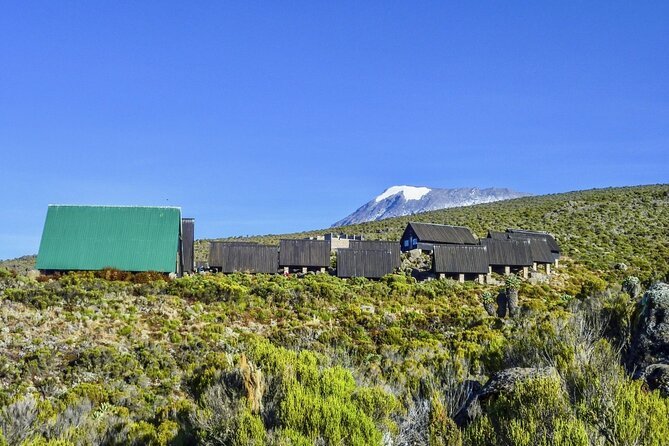
Montane Rainforest
Mist, moss and monkeys
Lush green forest trails
The rainforest zone is lush, misty and full of hanging moss, giant ferns and towering trees, home to black-and-white colobus and blue monkeys. Light can be low, so use a higher ISO or wider aperture. Capture the atmospheric mist, the bright colours of flowers and the porters walking through the green trails. Protect gear from moisture.
Kilimanjaro wildlife →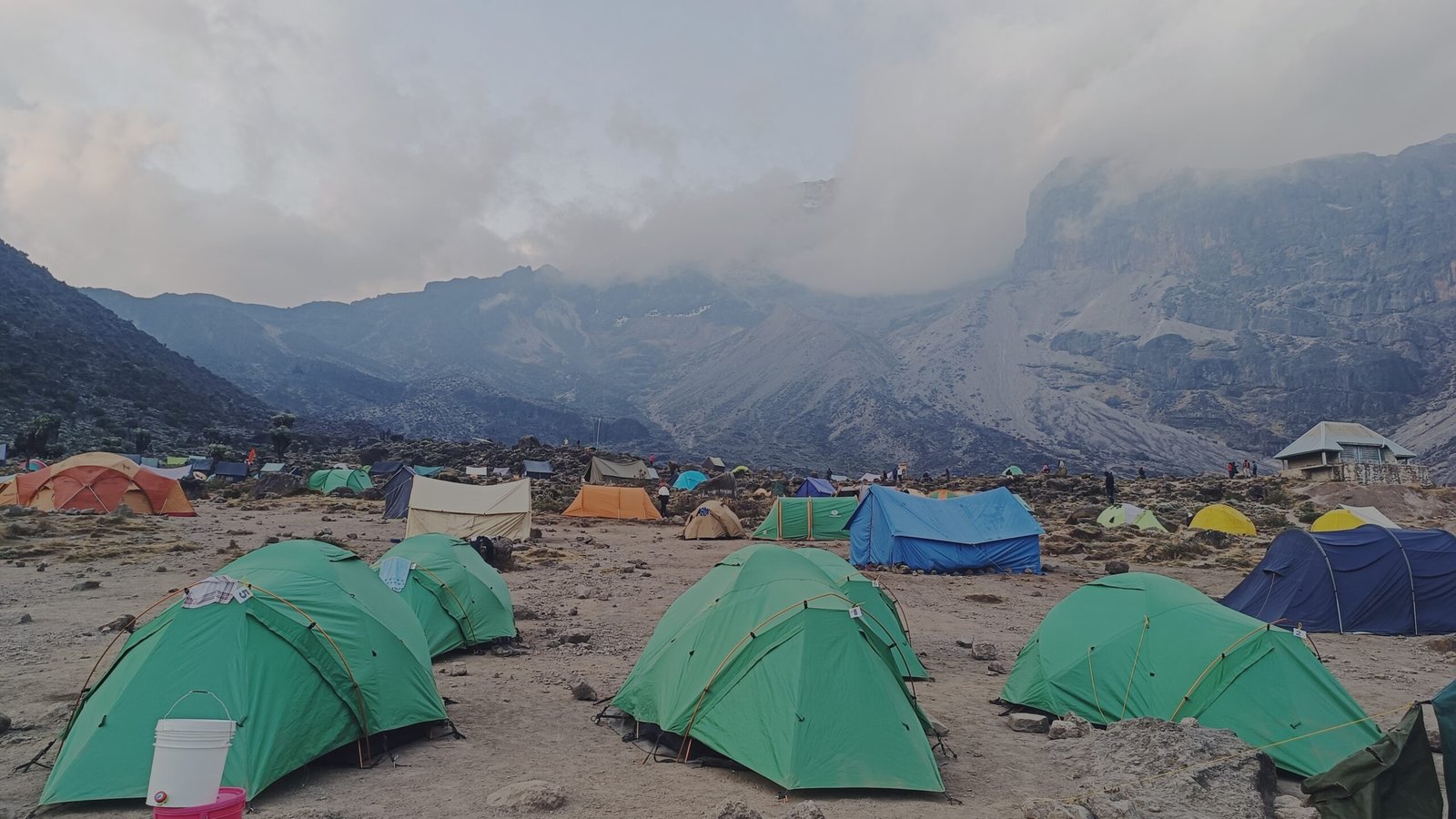
Heath and Moorland
Giant groundsels and big skies
Otherworldly plants above the clouds
Above the forest, the heath and moorland zone opens into wide landscapes dotted with giant groundsels, lobelias and heathers, often above a sea of clouds. This is one of the most photogenic zones, with dramatic skies, sunsets over the clouds and the first big views of Kibo. The Shira Plateau is a highlight. Sunsets are spectacular.
Shira Plateau →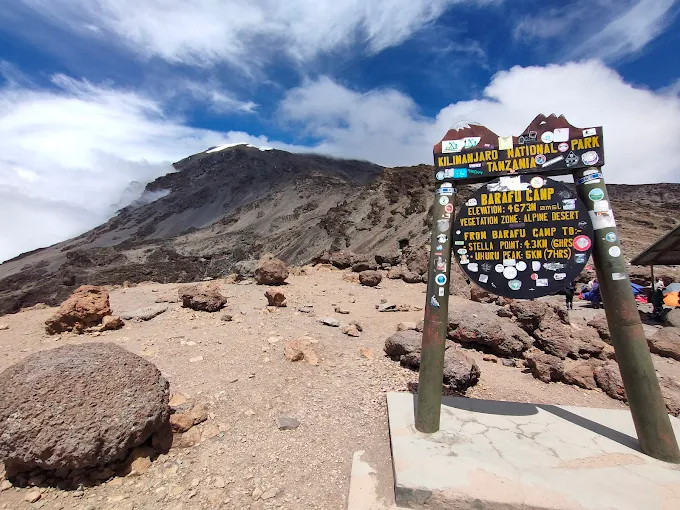
Alpine Desert
Lunar landscapes and starry nights
Stark beauty and clear skies
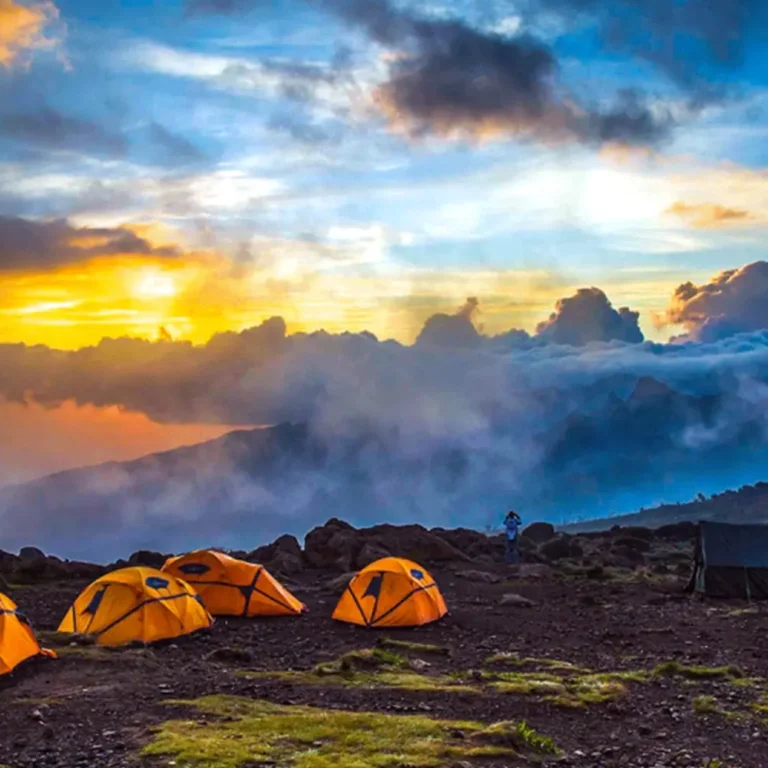
The alpine desert is a stark, rocky landscape with very little vegetation, intense sunlight by day and freezing nights. It offers dramatic photographs of lava rock, Lava Tower, the Saddle and Mawenzi's jagged peaks, plus some of the clearest night skies on Earth. Try astrophotography from high camps such as Barafu. Use a tripod at night.
Things to know before climbing →
Arctic Summit Zone
Glaciers and sunrise
Ice fields above Africa
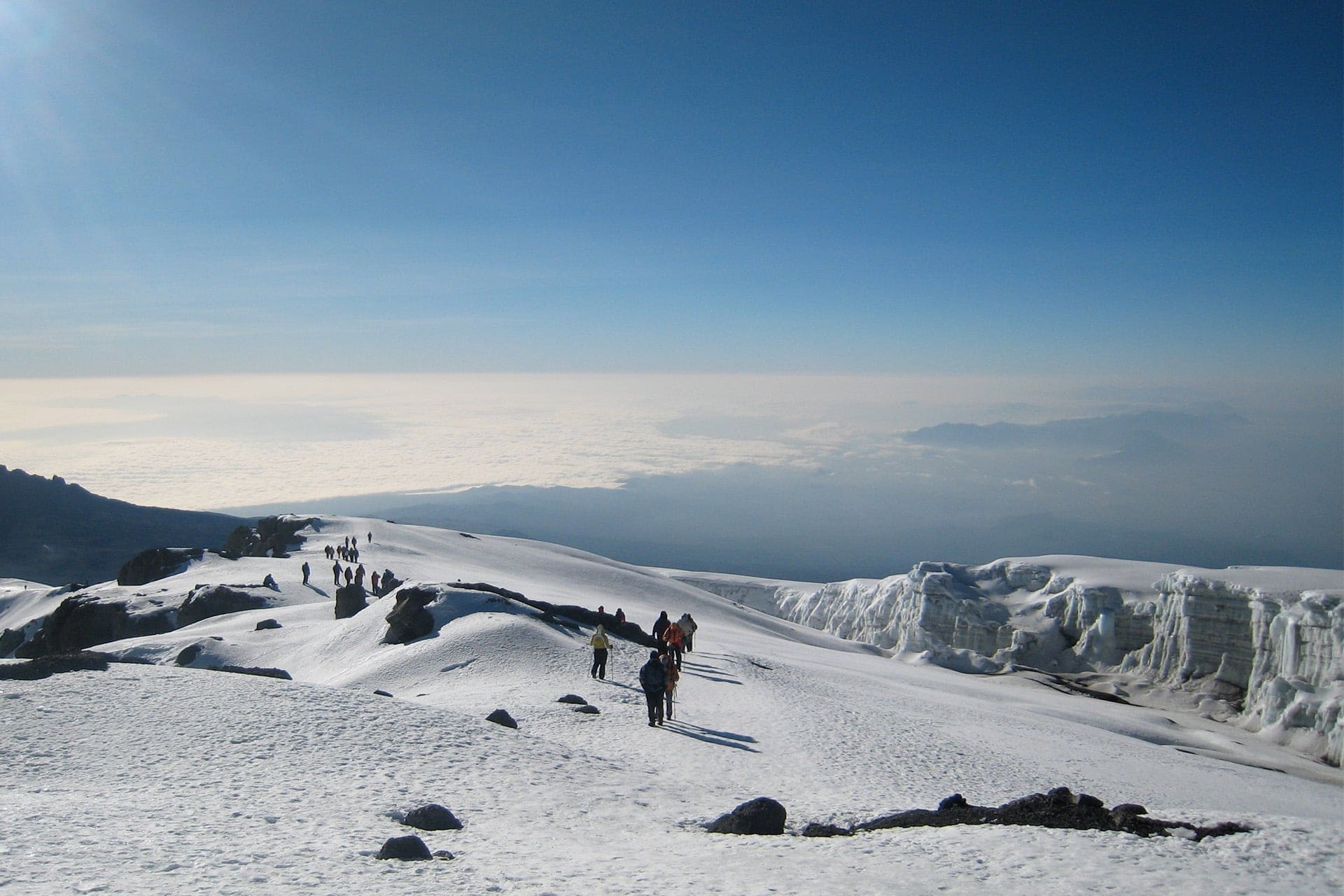
The summit zone is a world of ice, snow and thin air, with towering glaciers, the Southern Icefield and the famous Uhuru Peak sign. Sunrise from Stella Point or the crater rim is the ultimate Kilimanjaro photograph. Keep batteries warm inside your jacket, as cold drains them quickly at these altitudes. Every frame feels historic.
Uhuru Peak guide →02The 10 Best Photo Spots on Mount Kilimanjaro
Every route on Kilimanjaro offers beautiful scenery, but certain viewpoints stand out as truly unforgettable and iconic places to capture the mountain. Some are famous landmarks on the popular southern routes, such as Lava Tower and the Barranco Wall, while others lie on the summit itself or on quieter routes around Mawenzi. Knowing where they are helps you plan your climb and have your camera ready. Use the tabs below to explore the ten best photo spots on Mount Kilimanjaro, with what makes each one special, which routes pass it and practical tips for capturing the perfect shot.
Shira Plateau
Lemosho, Machame and Shira routes
Wide views of Kibo across the plateau
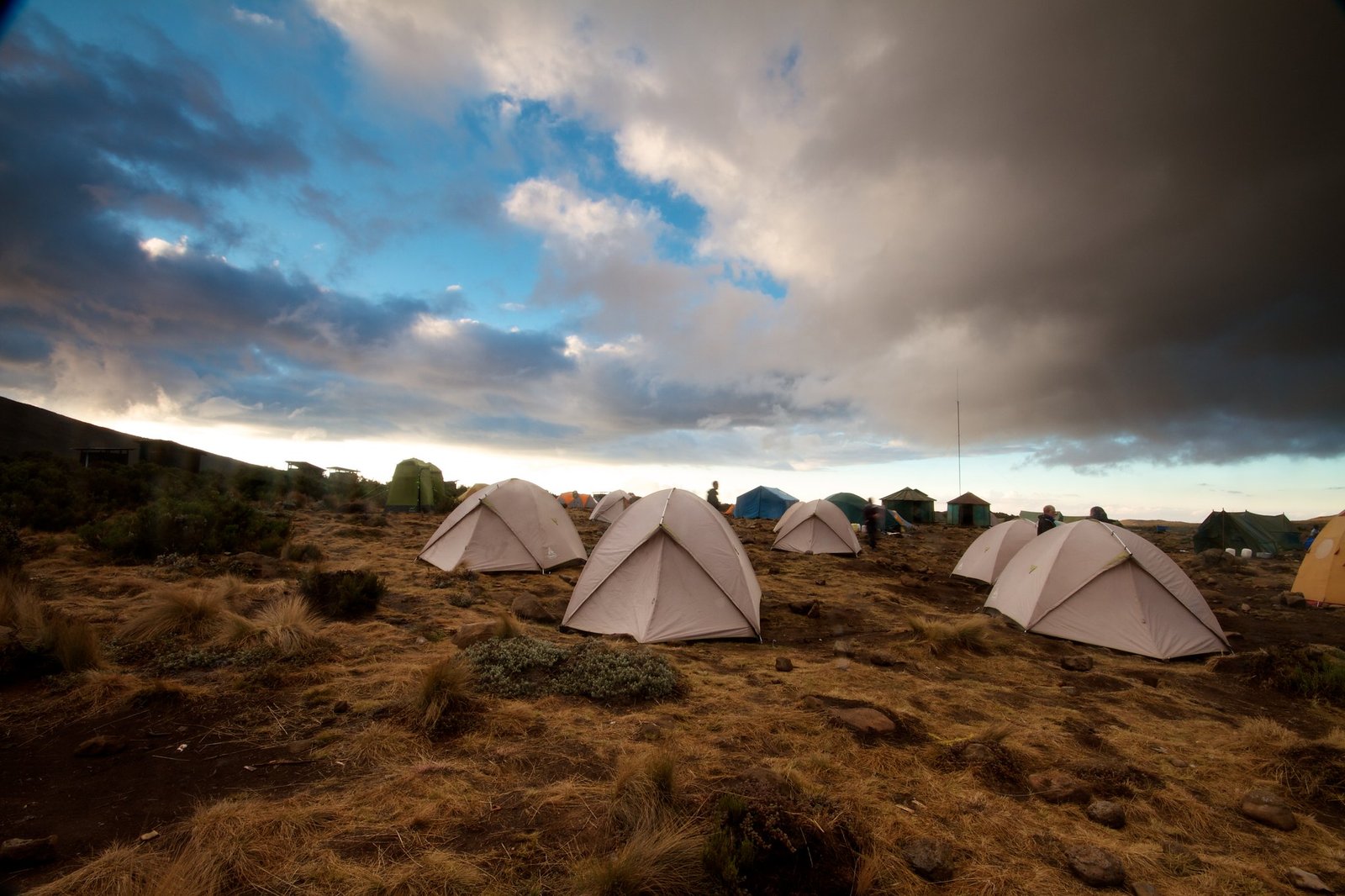
The Shira Plateau, a collapsed ancient volcano on the western side, offers vast open landscapes with Kibo's glaciers rising in the distance. Sunsets and sunrises here are spectacular, often with clouds below you and Mount Meru on the horizon. It is one of the most photogenic stops on the Lemosho and Machame routes. Bring a wide lens.
Lemosho Route →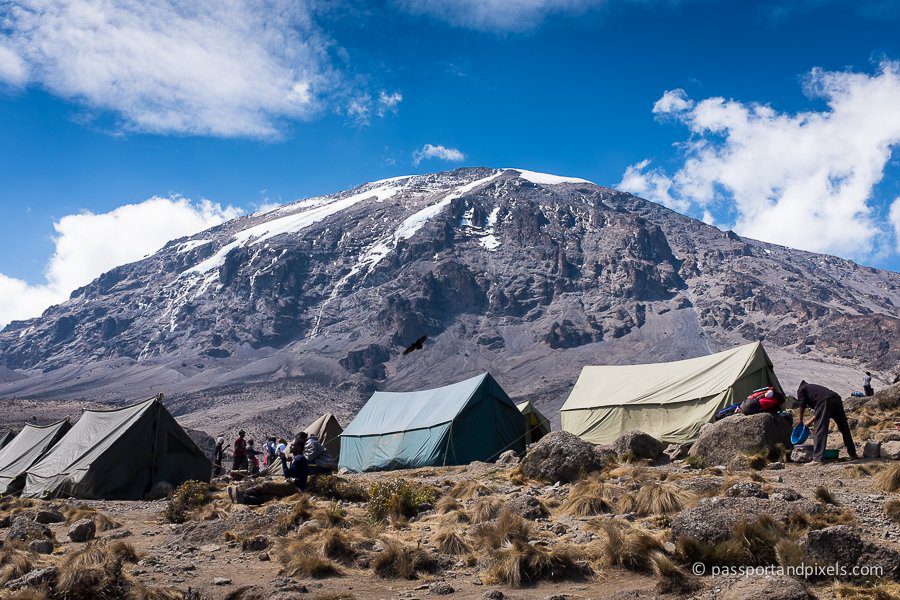
Lava Tower
Machame and Lemosho routes
A towering volcanic plug
Lava Tower is a dramatic volcanic rock formation rising about ninety metres above the surrounding alpine desert. It is a key acclimatisation point on the climb high, sleep low profile, and its rugged shape makes a striking foreground for photographs of Kibo. The surrounding landscape feels almost lunar, especially in early morning light. Wind can be strong.
Machame Route →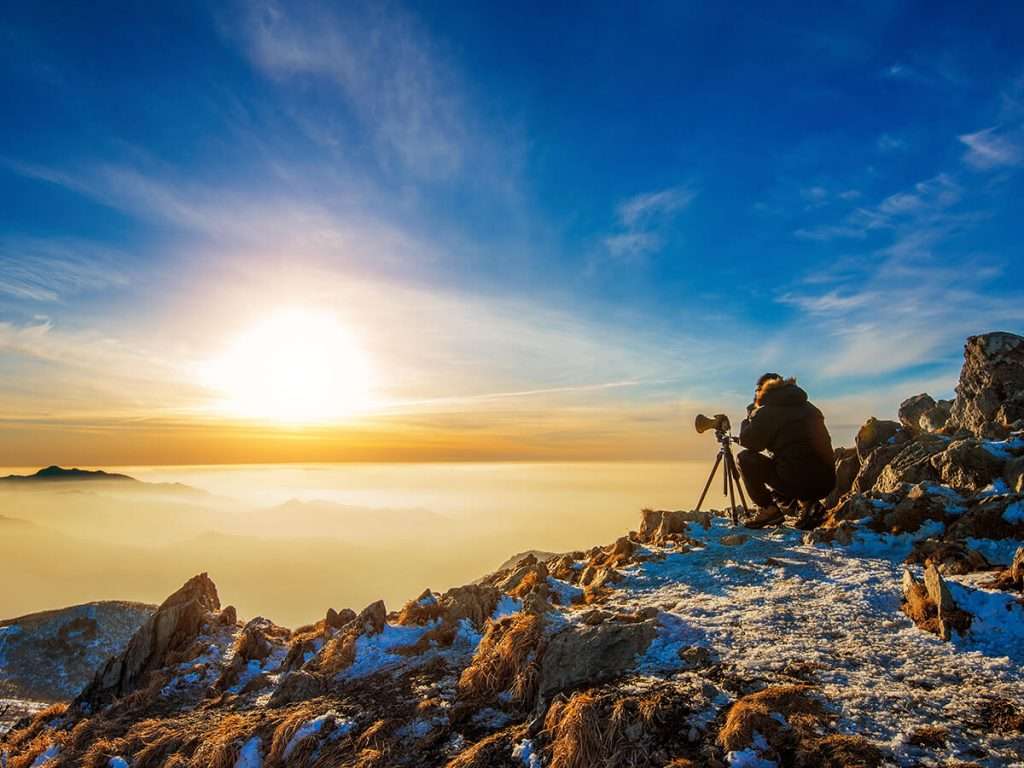
Barranco Valley and Barranco Wall
Southern circuit routes
A thrilling scramble with big views
Barranco Camp sits in a beautiful valley filled with giant groundsels, beneath the impressive Barranco Wall and the Breach Wall of Kibo. The next morning's scramble up the wall is a highlight of the climb, with breathtaking views back across the valley and down to the clouds. Keep your camera handy throughout. Keep both hands free when scrambling.
Kilimanjaro climbing tips →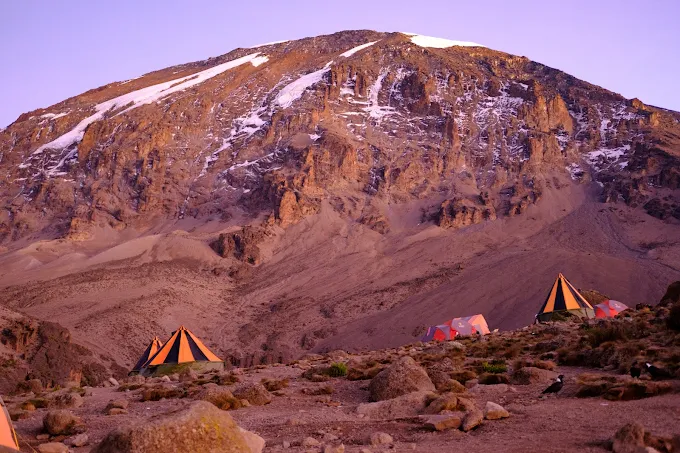
Karanga Valley and Camp
Southern circuit routes
Peaceful camp beneath the glaciers
Karanga Camp, perched above a deep valley, offers excellent views of Kibo's southern glaciers, the Barranco Wall and the plains far below. Many climbers spend an extra night here to acclimatise, giving more time for photography. Late afternoon light on the glaciers and early morning cloud seas are particularly beautiful from camp. Clouds often fill the valley.
Kilimanjaro travel guide →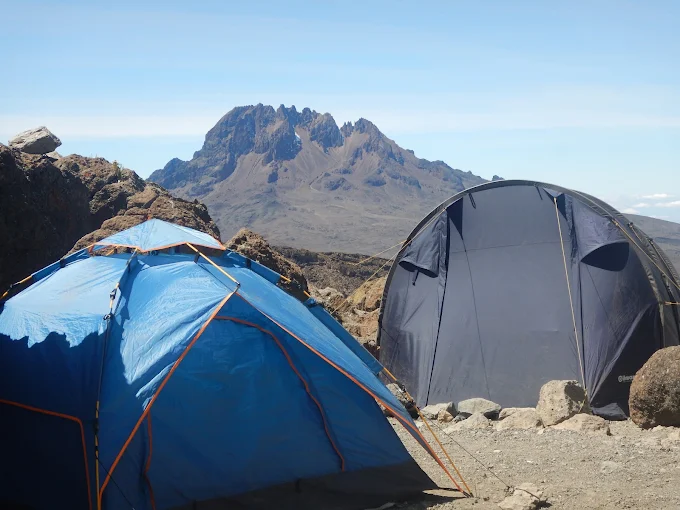
Barafu Camp
Summit base camp
Base camp on a rocky ridge
Barafu Camp, meaning ice in Swahili, is the high camp for summit night on the southern routes, set on a rocky ridge with sweeping views of Mawenzi and the plains. Photograph dramatic sunsets before your summit attempt and, on clear nights, the Milky Way above the tents. It is cold, so wrap up warmly. Rest well here.
Kilimanjaro camps →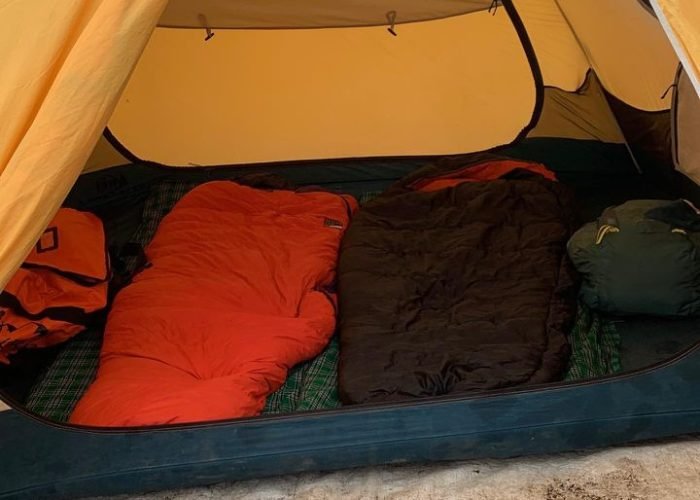
Stella Point and the Southern Icefield
Summit morning
Sunrise over the crater rim
Stella Point, on the crater rim, is where many climbers watch the sunrise after their night ascent, with the sky glowing orange over Mawenzi. From here, the walk to Uhuru Peak passes the towering ice cliffs of the Southern Icefield, one of the most dramatic and memorable sights on the entire mountain. Few views compare.
Uhuru Peak guide →Uhuru Peak
Every summit route
The roof of Africa
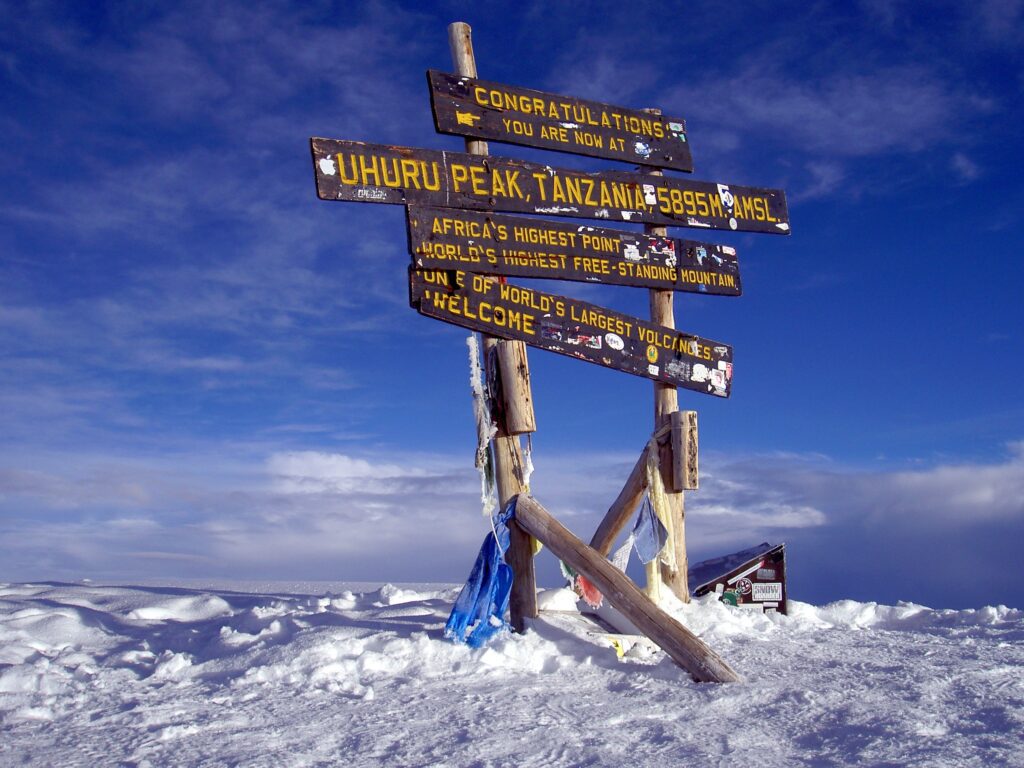
Uhuru Peak, at 5,895 metres, is the highest point in Africa and home to the famous wooden summit sign. Taking a photo here is the moment every climber dreams of. Time at the summit is short because of the altitude and cold, so prepare your camera in advance and capture both the sign and the surrounding glaciers.
Uhuru Peak →Crater Camp and the Reusch Crater
Special crater itineraries
Inside Kibo's summit crater
A few itineraries include a night at Crater Camp, inside Kibo's summit crater, offering rare access to the Furtwängler Glacier and the inner Reusch Crater with its ash pit. Photographs here feel truly otherworldly. Sleeping at this altitude requires excellent acclimatisation and is suitable only for very fit, well-prepared climbers. Only a small number of climbers ever sleep here.
Kilimanjaro facts →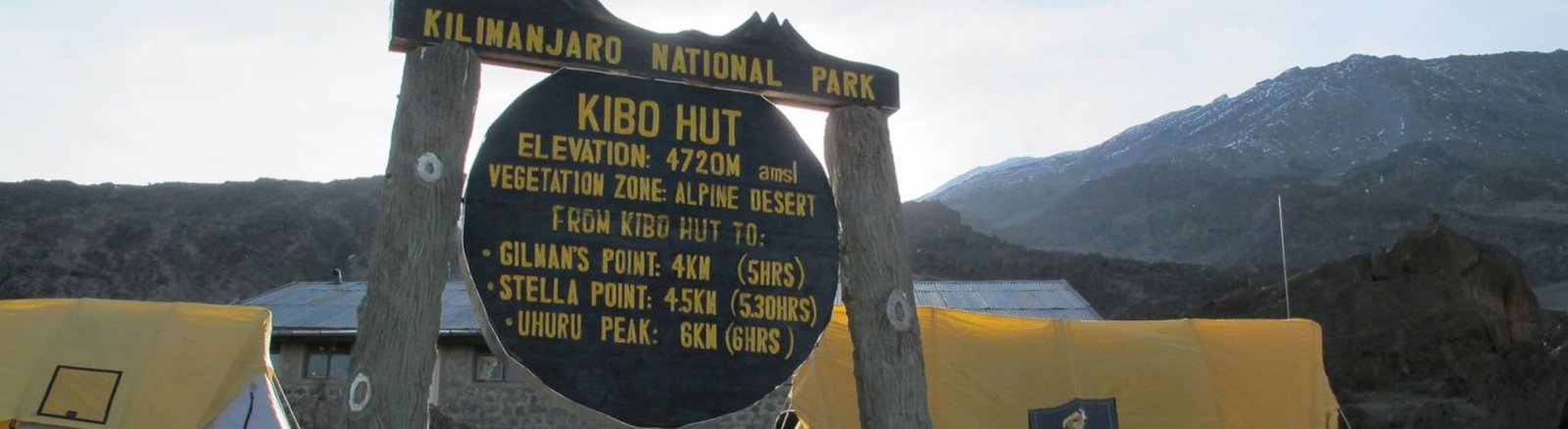
The Saddle Between Kibo and Mawenzi
Marangu and Rongai routes
A vast high-altitude desert
The Saddle is a wide, windswept alpine desert linking Kibo and Mawenzi, crossed on the Marangu and Rongai routes. Its vast emptiness, with both peaks rising on either side, creates powerful landscape photographs. Look for strong light and long shadows in the early morning or late afternoon for the most dramatic images. Watch for the strong wind.
Marangu Route →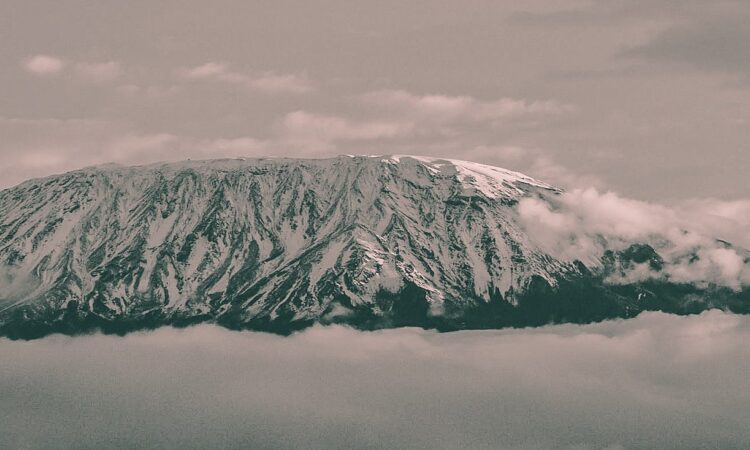
Mawenzi Tarn
Rongai Route
A camp beneath jagged spires
Mawenzi Tarn Camp, on the Rongai Route, sits beside a small mountain lake beneath the jagged spires of Mawenzi, Kilimanjaro's second-highest peak. It is one of the most spectacular camps on the mountain, with reflections in the tarn and dramatic rock towers glowing at sunset, perfect for memorable landscape photographs. Calm evenings give beautiful reflections.
Rongai Route →03Photography Tips for Climbing Kilimanjaro
Taking great photographs on Kilimanjaro brings its own challenges, from freezing summit temperatures that drain batteries to dust, changing weather and the need to travel light. A little preparation ensures your camera works when it matters most and that you capture memories you will treasure for a lifetime. Respecting the people and rules of the mountain also matters. The six cards below offer practical photography tips for climbing Kilimanjaro, covering the best gear, battery care, timing, composition, respectful photography of your crew and the rules on drones. Follow them and your photos will beautifully tell your climbing story.
Choose light, versatile gear
Every gram counts on the mountain, so choose a lightweight camera or smartphone with a versatile zoom lens rather than carrying lots of equipment. A wide-angle setting captures vast landscapes, while a modest zoom helps with distant peaks and wildlife in the forest. A small, lightweight tripod is useful for night photography. Pack it carefully.
Keep batteries warm
Cold temperatures drain batteries quickly, especially on summit night, when it can be well below freezing. Carry spare batteries and a power bank, and keep them inside your jacket or sleeping bag close to your body. Solar chargers can help on sunny days, but should not be relied on as your only power source. Never leave them outside.
Shoot at sunrise and sunset
The best light on Kilimanjaro comes at sunrise and sunset, when the glaciers glow and long shadows add depth to the landscapes. Camps such as Shira, Karanga and Barafu offer superb evening views, while summit morning provides the ultimate sunrise shot. Clear mornings often give way to clouds later in the day. Plan your shots ahead.
Frame landscapes creatively
Include foreground interest, such as giant groundsels, tents, trekking poles or fellow climbers, to give scale to Kilimanjaro's vast landscapes. Shoot above the clouds for dramatic effect, and look for leading lines along the trail. Remember to photograph the small details too, from frost on your tent to colourful wildflowers. Experiment freely along the way.
Photograph your crew respectfully
Your guides, porters and cooks are an essential part of your Kilimanjaro story, and many are happy to be photographed. Always ask permission first and respect anyone who prefers not to be photographed. Sending copies of your photos to your crew after the climb is a thoughtful way to say thank you. It means a lot to them.
Know the drone rules
Flying drones in Tanzania's national parks, including Kilimanjaro National Park, is not permitted without special permits from the authorities, which are difficult to obtain for recreational use. Bringing a drone into Tanzania also requires prior approval. To avoid confiscation or fines, leave your drone at home and enjoy the views from the ground. Check current regulations before travel.
04Where to Photograph Kilimanjaro Without Climbing
You certainly do not need to climb to Uhuru Peak to take stunning pictures of Kilimanjaro. On clear days, the mountain's snowy summit can be seen rising above the surrounding plains from many places in northern Tanzania, and a guided day hike lets you experience its rainforest slopes. Early mornings usually offer the clearest views, before clouds build. The four cards below explain where to photograph Kilimanjaro without climbing, from the town of Moshi and the lower slopes to Arusha National Park and scenic flights into Kilimanjaro International Airport. Each offers a different and memorable perspective of the mountain.
Moshi and the lower slopes
The town of Moshi sits at the foot of Kilimanjaro, and on clear mornings the summit appears spectacularly above the rooftops and surrounding farmland. Many hotels and coffee farms on the lower slopes offer beautiful views of Kibo, especially at sunrise and sunset, when the snow catches the soft golden light. Patience is often rewarded.
Kilimanjaro day hikes
A guided day hike from Marangu Gate leads through lush rainforest to Mandara Hut and the nearby Maundi Crater, where clear mornings may reveal views of Kibo and the plains. It is a wonderful way to photograph the mountain's forest, colobus monkeys and wildflowers without committing to a multi-day climb. Bring a light rain jacket.
Arusha National Park
On clear days, Arusha National Park offers lovely views of Kilimanjaro rising beyond the Momella Lakes, along with Mount Meru, giraffes, buffalo and flamingos. It is an excellent day trip from Arusha or Moshi, and a walking or canoe safari adds variety to your photographs of the region's mountains and wildlife. Mornings are often clearest here.
Scenic flights and arrivals
Flights into Kilimanjaro International Airport sometimes offer views of the mountain's summit rising above the clouds, especially on clear mornings. Ask for a window seat and keep your camera ready during descent. Light aircraft flights between Arusha, the Serengeti and Zanzibar can also provide memorable aerial views of northern Tanzania. Views depend on the weather and flight path.
05Kilimanjaro Photography Checklist
Capturing beautiful Kilimanjaro pictures starts with the right preparation. Packing lightweight, reliable gear, protecting batteries from the cold, planning your shots around sunrise and sunset, and knowing which viewpoints your route passes all help you return with photographs you will treasure. Respecting your crew and the park rules matters too. Use this checklist to prepare your camera kit and photo plan, then talk to our Moshi and Arusha-based specialists, who will recommend the most photogenic route for your private Kilimanjaro climb and pass on local tips from experienced mountain guides, so every frame of your adventure is worth keeping.
Camera kit0/4
Power and protection0/4
Photo plan0/4
06Kilimanjaro Pictures: Frequently Asked Questions
What does Mount Kilimanjaro look like?
Mount Kilimanjaro is a massive, free-standing volcanic mountain rising almost six kilometres above the surrounding plains, with a broad, snow-capped summit and remaining glaciers. Its slopes change from green farmland and rainforest to moorland with giant groundsels, stark alpine desert and finally icy summit cliffs around Uhuru Peak. It is truly awe-inspiring to see in person.
Where are the best places to take pictures on Kilimanjaro?
The best places to take pictures on Kilimanjaro include the Shira Plateau, Lava Tower, the Barranco Wall, the Karanga Valley, Barafu Camp, Stella Point, the Southern Icefield, Uhuru Peak, the Reusch Crater, the Saddle and Mawenzi Tarn. Sunrise and sunset offer the most beautiful light. Each spot offers something different, so keep your camera ready throughout the climb.
Which Kilimanjaro route is best for photography?
The Lemosho Route is often considered one of the best for photography, crossing the beautiful Shira Plateau and passing Lava Tower, the Barranco Wall and Karanga on the way to the summit. The Machame Route is also very scenic, while the Rongai Route offers spectacular views of Mawenzi. Your specialist can advise on the best choice.
Can you see snow on Kilimanjaro?
Yes, Kilimanjaro's summit often has snow and is home to remaining glaciers and ice fields, such as the Southern Icefield and the Furtwängler Glacier. Snow cover varies with the season and weather. The glaciers have shrunk significantly over the last century, making them even more special to photograph today. Every season looks wonderfully different on the summit.
Can I fly a drone on Kilimanjaro?
Flying drones in Kilimanjaro National Park is not permitted without special permits from the authorities, which are difficult to obtain for recreational use. Bringing a drone into Tanzania also requires prior approval. To avoid confiscation or fines, it is best to leave your drone at home and enjoy photography from the ground. Check current rules first.
How do I keep my camera batteries working on Kilimanjaro?
Keep camera batteries warm by storing them inside your jacket or sleeping bag, close to your body, especially at night and on summit day. Carry spare batteries and a power bank, as cold drains power quickly. Some camps offer charging, but supply is limited, so plan your power carefully. Spares are absolutely essential on summit day.
What is the best time of day to photograph Kilimanjaro?
The best time to photograph Kilimanjaro is early morning and late afternoon, when the light is soft and the glaciers glow. Mornings are usually clearest, as clouds often build around the mountain later in the day. Sunrise on summit day from Stella Point is the most famous Kilimanjaro photograph. Patience always brings great photographic results.
Can I see Kilimanjaro without climbing it?
Yes, you can see and photograph Kilimanjaro without climbing it. On clear days, the summit is visible from Moshi, the lower slopes, Arusha National Park and sometimes from flights into Kilimanjaro International Airport. A guided day hike to Mandara Hut lets you experience the rainforest and enjoy views from Maundi Crater. Clear mornings are best.
What camera should I bring to Kilimanjaro?
Bring a lightweight camera or modern smartphone with a versatile zoom lens, as every gram counts on the climb. A wide-angle setting is ideal for landscapes, and a small tripod helps with night photography. Protect your gear from dust and moisture with a waterproof bag, and bring a lens cloth. Practise with your camera before your trip.
Can I photograph the porters and guides?
Many porters and guides are happy to be photographed, as they are a proud and essential part of every Kilimanjaro climb. Always ask permission first and respect anyone who declines. Sending copies of your photographs to your crew after the climb is a thoughtful way to say thank you. It means a great deal to them.
Can you photograph the stars on Kilimanjaro?
Yes, Kilimanjaro offers some of the clearest night skies on Earth, especially from high camps such as Barafu, Karanga and Shira. Bring a small tripod and use long exposures to capture the Milky Way above your tent or the summit. Dress very warmly, as nights at altitude are freezing. Patience creates real magic in the dark.
How cold is it at the top of Kilimanjaro for photography?
Temperatures at the summit of Kilimanjaro can fall well below freezing, especially on summit night, when wind chill makes it feel even colder. Wear warm gloves with thin liners so you can operate your camera, keep batteries close to your body and limit the time your camera is exposed to the cold. Pack spare hand warmers.
Is Kilimanjaro a UNESCO World Heritage Site?
Yes, Kilimanjaro National Park was inscribed as a UNESCO World Heritage Site in 1987, recognising the outstanding natural beauty of Africa's highest mountain. Its snow-capped summit rising above the savanna is one of the world's most iconic and frequently photographed landscapes, attracting climbers and photographers from around the globe. Many climbers dream of it for years.
How can I book a scenic Kilimanjaro climb?
Book a private Kilimanjaro climb with an experienced local operator, who can recommend the most scenic route for your interests, such as the Lemosho or Rongai Route. Your climb includes licensed guides, porters and cooks, and can be combined with a safari or a Zanzibar beach holiday for a complete trip. Contact us to start planning.
Kilimanjaro Guides for Climbers and Photographers
Climb and Photograph Kilimanjaro
Capture Kilimanjaro on a Private Climb
Tell us your travel dates and goals, and our Moshi and Arusha-based specialists will recommend the most photogenic route, such as Lemosho or Rongai, for your private Kilimanjaro climb, with experienced guides who know every great viewpoint.
Book Now Online →What Our Travelers Say
Real 5-star reviews from guests who traveled with us