Gilman’s Point on Mount Kilimanjaro
Gilman’s Point on Mount Kilimanjaro
Unveiling the Mysteries of Gilman’s Point is one of the most iconic and challenging milestones on the journey to the summit of Mount Kilimanjaro, located along the crater rim near the top of Africa’s highest mountain. It is a key highlight for climbers trekking through Kilimanjaro National Park via routes such as Marangu, Machame, Lemosho, and Rongai. Standing at approximately 5,685 meters, Gilman’s Point marks the first official summit sign for many trekkers before reaching Uhuru Peak. This legendary point is known for its steep ascent, thin air, and breathtaking sunrise views above the clouds. It represents endurance, determination, and high-altitude achievement in Tanzania trekking adventures. “Kilimanjaro summit point,” “Gilman’s Point hike,” and “Mount Kilimanjaro trekking routes,” it remains a must-know destination for climbers aiming to conquer Africa’s roof.
Location and Geographic Importance
Gilman’s Point is located on the northern edge of the volcanic crater rim of Mount Kilimanjaro. It sits between Stella Point and Uhuru Peak, making it a crucial waypoint for summit success. Positioned at high altitude in the arctic zone of the mountain, it offers dramatic glacier views and volcanic formations. This location is often reached after a demanding midnight ascent from base camps such as Kibo Hut. Its geographic importance lies in being the first official summit recognition point for climbers on certain routes, especially the Marangu Route. The terrain is steep, rocky, and icy, requiring physical endurance and mental strength. Many trekkers describe it as the most rewarding milestone before reaching Uhuru Peak.
Altitude and Climatic Conditions
Gilman’s Point sits at an extreme altitude of about 5,685 meters above sea level, where oxygen levels are significantly reduced. At this height on Mount Kilimanjaro, climbers experience freezing temperatures, strong winds, and thin air. Weather conditions change rapidly, often shifting from clear sunrise views to icy winds within minutes. The environment is part of the alpine desert and arctic climate zones. “Kilimanjaro altitude sickness,” “cold summit conditions,” and “highest trekking temperature Africa” are closely associated with this point. Climbers must be well-acclimatized to avoid altitude-related risks such as headaches, fatigue, and dizziness. Night ascents to Gilman’s Point are extremely cold, often below freezing, requiring layered clothing and thermal protection. Despite the harsh climate, the sunrise over the crater rim creates a breathtaking contrast, making the challenging conditions worth enduring for most trekkers.
Trekking Routes to Gilman’s Point
Several popular trekking routes lead to Gilman’s Point on Mount Kilimanjaro, including the Marangu Route, Machame Route, Rongai Route, and Lemosho Route. The Marangu Route is the only one where climbers directly reach Gilman’s Point as part of the summit ascent from Kibo Hut. Other routes typically approach via Stella Point before continuing toward Uhuru Peak. Each route offers unique landscapes, from lush rainforest to alpine desert. The final push to Gilman’s Point usually begins around midnight to reach the summit at sunrise. The steep scree slopes and volcanic ash terrain make progress slow but achievable with determination. Choosing the right route significantly affects success rates and overall trekking experience.
Difficulty Level of the Ascent
Reaching Gilman’s Point is considered one of the most physically and mentally demanding sections of climbing Mount Kilimanjaro. The ascent involves steep volcanic scree, loose gravel, and freezing winds that challenge even experienced hikers. Oxygen levels are extremely low, making every step feel heavier and slower. The final summit push typically takes 5–7 hours of continuous uphill trekking in darkness. Fatigue, altitude sickness, and cold temperatures increase the difficulty significantly. However, the climb is non-technical, meaning no ropes or climbing gear are required. With proper acclimatization, pacing, and mental determination, most trekkers can reach this iconic point. It remains a true test of endurance and resilience for anyone attempting to conquer Africa’s highest mountain.
Sunrise Experience at Gilman’s Point
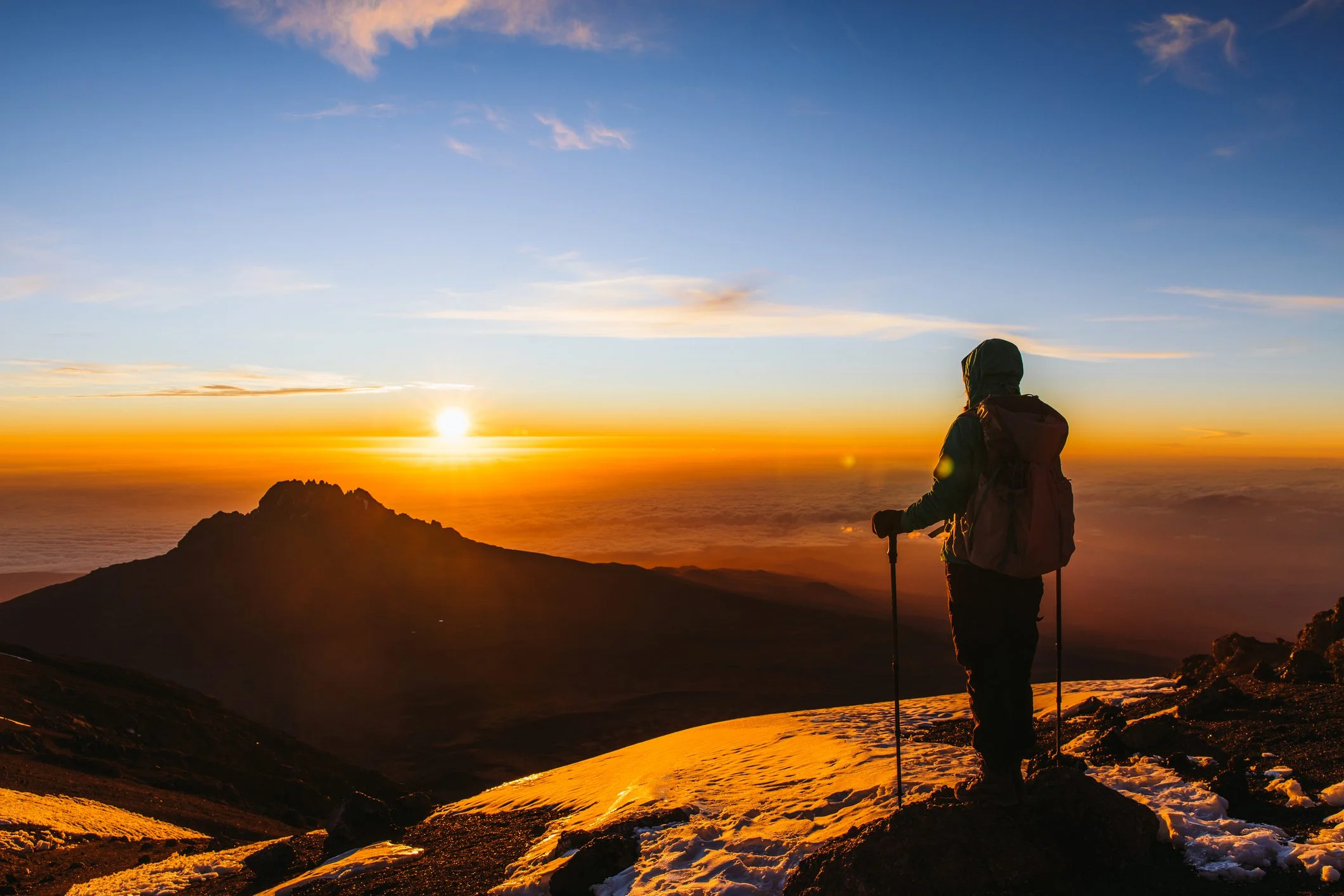
One of the most unforgettable experiences at Gilman’s Point is witnessing the sunrise over Mount Kilimanjaro. As climbers arrive after a long midnight ascent, the horizon slowly brightens, revealing a sea of clouds and glowing skies. The first rays of sunlight illuminate the crater rim, glaciers, and surrounding peaks. “Kilimanjaro sunrise summit,” “Gilman’s Point sunrise view,” and “best sunrise hike Africa” are highly popular. This moment provides emotional relief and motivation for trekkers pushing toward Uhuru Peak. The contrast between freezing cold air and warm golden light creates a surreal atmosphere. Many climbers describe it as a spiritual and life-changing experience. Photographers also consider it one of the best high-altitude sunrise viewpoints in the world. The sunrise marks the reward for endurance, sacrifice, and determination during the Kilimanjaro summit journey.
Connection to Uhuru Peak
Gilman’s Point is not the final summit of Mount Kilimanjaro, but it is a critical milestone on the way to Uhuru Peak, the highest point in Africa. After reaching Gilman’s Point, climbers continue along the crater rim for another 1–2 hours to reach the true summit. “Uhuru Peak vs Gilman’s Point,” “Kilimanjaro summit route,” and “final ascent Kilimanjaro” are widely used in travel searches. The journey between these two points is less steep but still physically exhausting due to altitude. Many trekkers experience emotional highs at Gilman’s Point, believing they have reached the summit, only to realize the final push remains. This section highlights the importance of persistence and mental strength. Reaching Uhuru Peak from Gilman’s Point completes the ultimate achievement of climbing Kilimanjaro.
Flora, Fauna, and Landscape
The environment around Gilman’s Point on Mount Kilimanjaro is largely barren due to extreme altitude, but the lower slopes of the mountain feature rich biodiversity. As climbers ascend, vegetation transitions from rainforest to moorland, alpine desert, and finally icy terrain. “Kilimanjaro ecosystem zones,” “alpine desert Tanzania,” and “wildlife on Kilimanjaro” are common. While no large wildlife exists at Gilman’s Point itself, the surrounding landscapes are filled with volcanic rock formations and ancient glaciers. The contrast between lush green base forests and the icy summit zone makes Kilimanjaro one of the most ecologically diverse mountains in the world. This dramatic transition is a key attraction for nature lovers and photographers. The stark beauty of the summit area reflects the raw power of nature and geological history.
Health Risks and Altitude Sickness
Climbers approaching Gilman’s Point on Mount Kilimanjaro face significant risks of altitude sickness due to low oxygen levels. Common symptoms include headaches, nausea, fatigue, and dizziness. Proper acclimatization is essential to reduce these risks. Trekking slowly, staying hydrated, and following a gradual ascent plan greatly improve summit success rates. Guides play a crucial role in monitoring climbers’ health conditions during the climb. In severe cases, climbers may need to descend immediately for safety. Despite these risks, most trekkers successfully reach Gilman’s Point with proper preparation. Understanding altitude challenges is essential for anyone planning a Kilimanjaro expedition.
Approach, feed or disturb wildlife, or leave the vehicle unless your guide says it is safe.
Follow your guide, carry travel insurance and check current health and travel advice.
Preparation and Training
Proper preparation is essential for reaching Gilman’s Point on Mount Kilimanjaro. Climbers are advised to undergo physical training such as hiking, cardio workouts, and endurance exercises. “Kilimanjaro training guide,” “summit preparation tips,” and “fitness for Kilimanjaro climb” are highly popular. Mental preparation is equally important due to long hours of trekking in extreme conditions. Climbers should also invest in proper gear, including thermal clothing, hiking boots, and headlamps. Hydration and nutrition strategies play a key role in maintaining energy levels. Guided tours often provide detailed pre-climb briefings to improve success rates. Preparing for altitude exposure is the most critical factor in reaching Gilman’s Point safely and comfortably.
Cultural and Historical Significance
Gilman’s Point holds symbolic importance in the history of climbing Mount Kilimanjaro. Named after a historical climber, it represents one of the earliest recognized summit achievements on Kilimanjaro. Over the years, it has become a symbol of endurance and adventure tourism in Tanzania. Many climbers from around the world celebrate reaching this point as a personal victory. It also plays a role in promoting Tanzania’s tourism industry, attracting thousands of trekkers annually. The name is now globally recognized among mountaineers and adventure travelers.
Photography and Scenic Views
Gilman’s Point offers some of the most dramatic photography opportunities on Mount Kilimanjaro. The view from the crater rim includes glaciers, volcanic terrain, and expansive cloudscapes. Sunrise and sunset moments provide golden lighting perfect for capturing unforgettable images. The contrast between ice and volcanic rock creates unique visual compositions. Many trekkers consider this point one of the best photography highlights of their journey. Despite cold conditions, photographers often pause here to capture the milestone moment before continuing to Uhuru Peak.
Safety and Guided Expeditions
Safety is a top priority when trekking to Gilman’s Point on Mount Kilimanjaro. Professional guides and porters are essential for navigation, emergency support, and altitude monitoring. “Kilimanjaro guided tours,” “safe trekking Kilimanjaro,” and “summit success rate Tanzania” are widely used. Guided expeditions ensure climbers follow proper pacing and acclimatization schedules. Emergency oxygen and first aid kits are typically carried by experienced teams. Safety protocols significantly increase the chances of reaching Gilman’s Point successfully. Choosing a reputable tour operator is highly recommended for a safe and enjoyable climb.
Summit Success Motivation
Reaching Gilman’s Point on Mount Kilimanjaro is often described as a life-changing achievement. Many climbers feel a surge of motivation and emotional fulfillment upon reaching this high-altitude milestone. “Kilimanjaro summit motivation,” “Gilman’s Point success story,” and “conquering Africa’s highest peak” are popular. The experience symbolizes resilience, determination, and personal victory over physical limits. Even though Uhuru Peak is still ahead, Gilman’s Point represents a major psychological breakthrough. It inspires trekkers to complete the final stretch of their journey.
Final Thought
Gilman’s Point remains one of the most powerful and inspiring highlights of climbing Mount Kilimanjaro. It combines extreme altitude, breathtaking sunrise views, and emotional achievement into a single unforgettable moment. For travelers seeking adventure tourism in Tanzania, it represents both a challenge and a reward. With proper preparation, guidance, and determination, reaching this iconic point becomes a once-in-a-lifetime success story. It stands as a reminder that persistence, courage, and endurance can lead to extraordinary achievements on Africa’s highest mountain.
Gilman’s Point on Mount Kilimanjaro: FAQs
What should you know about location and geographic importance for Gilman’s point on Mount Kilimanjaro?
Gilman’s Point is located on the northern edge of the volcanic crater rim of Mount Kilimanjaro. It sits between Stella Point and Uhuru Peak, making it a crucial waypoint for summit success. Positioned at high altitude in the arctic zone of the mountain, it offers dramatic glacier views and volcanic formations.
What can you expect from altitude and Climatic conditions for Gilman’s point on Mount Kilimanjaro?
Gilman’s Point sits at an extreme altitude of about 5,685 meters above sea level, where oxygen levels are significantly reduced. At this height on Mount Kilimanjaro, climbers experience freezing temperatures, strong winds, and thin air. Weather conditions change rapidly, often shifting from clear sunrise views to icy winds within minutes.
What should you know about trekking routes to Gilman’s point?
Several popular trekking routes lead to Gilman’s Point on Mount Kilimanjaro, including the Marangu Route, Machame Route, Rongai Route, and Lemosho Route. The Marangu Route is the only one where climbers directly reach Gilman’s Point as part of the summit ascent from Kibo Hut.
What can you expect from difficulty level of the ascent for Gilman’s point on Mount Kilimanjaro?
Reaching Gilman’s Point is considered one of the most physically and mentally demanding sections of climbing Mount Kilimanjaro. The ascent involves steep volcanic scree, loose gravel, and freezing winds that challenge even experienced hikers. Oxygen levels are extremely low, making every step feel heavier and slower.
What is the sunrise experience at Gilman’s point like?
One of the most unforgettable experiences at Gilman’s Point is witnessing the sunrise over Mount Kilimanjaro. As climbers arrive after a long midnight ascent, the horizon slowly brightens, revealing a sea of clouds and glowing skies. The first rays of sunlight illuminate the crater rim, glaciers, and surrounding peaks.
What is Connection to Uhuru Peak like?
Gilman’s Point is not the final summit of Mount Kilimanjaro, but it is a critical milestone on the way to Uhuru Peak, the highest point in Africa. After reaching Gilman’s Point, climbers continue along the crater rim for another 1–2 hours to reach the true summit.
What is the flora, Fauna, and Landscape for Gilman’s point on Mount Kilimanjaro like?
The environment around Gilman’s Point on Mount Kilimanjaro is largely barren due to extreme altitude, but the lower slopes of the mountain feature rich biodiversity. As climbers ascend, vegetation transitions from rainforest to moorland, alpine desert, and finally icy terrain. “Kilimanjaro ecosystem zones,” “alpine desert Tanzania,” and “wildlife on Kilimanjaro” are common.
What should you know about health risks and altitude sickness for Gilman’s point on Mount Kilimanjaro?
Climbers approaching Gilman’s Point on Mount Kilimanjaro face significant risks of altitude sickness due to low oxygen levels. Common symptoms include headaches, nausea, fatigue, and dizziness. Proper acclimatization is essential to reduce these risks. Trekking slowly, staying hydrated, and following a gradual ascent plan greatly improve summit success rates.
Climb Kilimanjaro With Confidence
Tell us your dates and fitness, and our experienced mountain team will plan a safe, well-acclimatized private climb.