
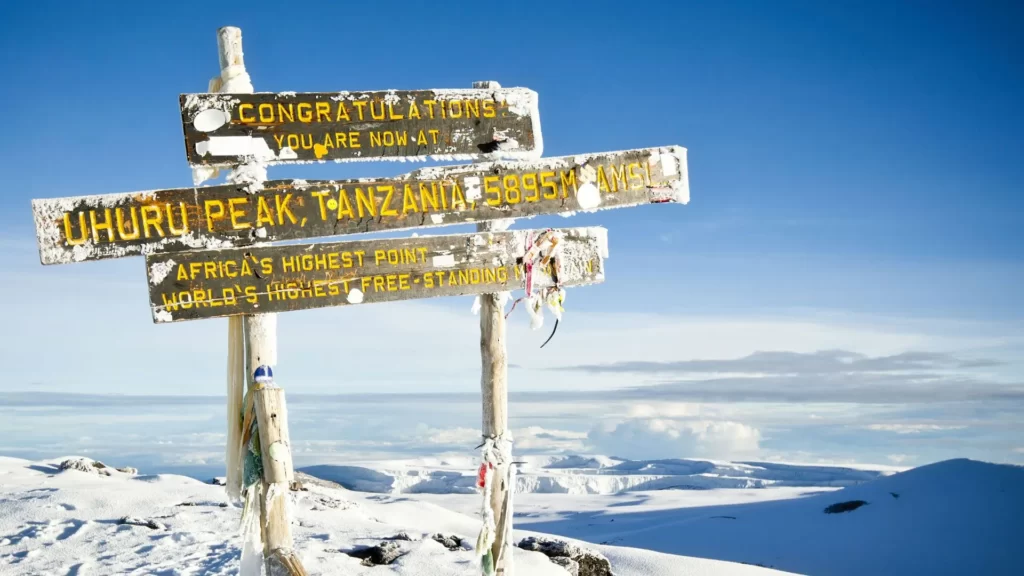
Climbing Kilimanjaro
Popular Kilimanjaro Climbing Packages
Expert-guided treks across every major route, for every fitness level and budget.
7-Day Lemosho Route: The Most Beautiful Route on Mount Kilimanjaro
The most scenic route, with excellent acclimatization built in.
View Package →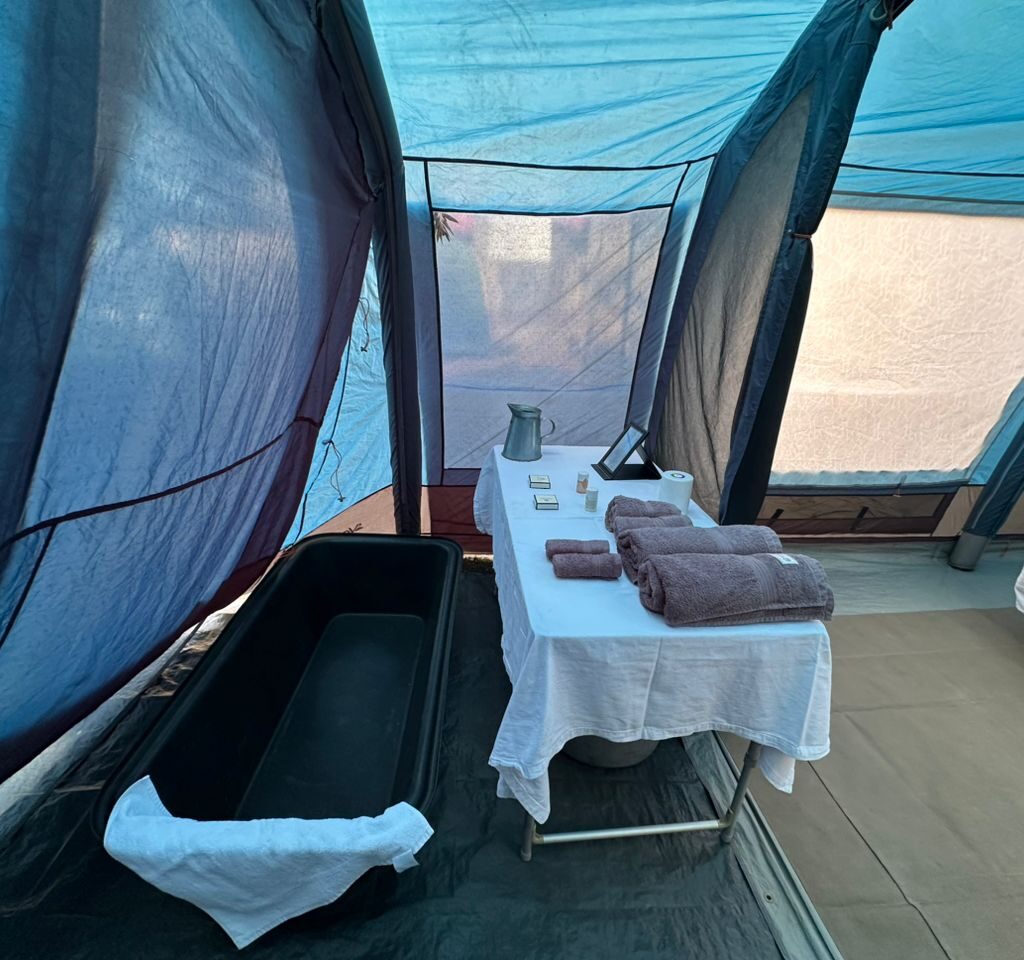
Luxury Kilimanjaro Climb Via Machame Routes
Premium camps and service on the popular Machame trail.
View Package →
6-Day Machame Route
A shorter option on Kilimanjaro's scenic Whiskey Route.
View Package →
6-Day Marangu Route
The only route with hut accommodation, great for the rainy season.
View Package →
6-Day Umbwe Route
A steep, quiet route for experienced trekkers seeking a challenge.
View Package →
11-Day Northern Circuit: The Ultimate Extended Kilimanjaro Trek
The longest route, with the highest success rates on the mountain.
View Package →8-Day Lemosho Route
An extra acclimatization day for an even higher summit chance.
View Package →7-Day Machame Route
The recommended, better-acclimatized version of Machame.
View Package →Kilimanjaro Success Rate Calculator
When Is the Best Time to Climb Kilimanjaro?
The dry seasons from June to October and December to February offer the most reliable weather and clearest summit conditions.
January
Dry season- One of the best months to climb, with clear skies and stable weather across all routes.
- Higher demand means popular camps book out faster, so plan ahead.
February
Dry season- Excellent visibility and dry trails continue, making this a top month for summit attempts.
- Warm days at lower elevations contrast with cold, clear summit nights.
March
Rainy season- Long rains begin, making trails muddier and slippery, especially on lower slopes.
- Lower prices and thinner crowds reward climbers willing to pack proper rain gear.
April
Rainy season- The wettest month of the year; many operators discourage climbing during peak rains.
- Visibility drops significantly, reducing the scenic payoff of a climb this month.
May
Rainy season- Rains taper off toward month's end, with improving trail conditions by late May.
- Some of the lowest prices of the year for climbers comfortable with lingering rain.
June
Dry season- Dry weather returns, with increasingly stable conditions across all major routes.
- Summit nights turn genuinely cold, so proper cold-weather gear becomes essential.
July
Dry season- Peak climbing season begins, with excellent visibility and reliably dry trails.
- Popular routes and camps fill up quickly, so book well in advance.
August
Dry season- One of the busiest and most reliable months, with cold but clear summit conditions.
- Higher demand across all comfort levels means earlier booking pays off.
September
Dry season- Continued dry, stable conditions make this another excellent month to summit.
- Slightly cooler days than peak summer with still-reliable clear skies.
October
Shoulder season- The dry season winds down with still-good climbing conditions and thinning crowds.
- A good value month, balancing solid weather with lower demand than peak summer.
November
Rainy season- Short rains begin, bringing afternoon showers though mornings often stay clear.
- Lower prices reward flexible climbers willing to work around brief daily rain.
December
Shoulder season- Short rains typically ease by mid-month, leaving good conditions for holiday climbers.
- Holiday season raises demand toward month's end, so early booking helps.
Best Kilimanjaro Routes for Climbers
Exploring Kilimanjaro offers a breathtaking adventure, and choosing the right route is key to a successful trek. This comprehensive guide covers the best Kilimanjaro routes, including Machame, Lemosho, Marangu, and Rongai. Each route presents unique scenery, difficulty levels, and acclimatization opportunities, catering to different climbers' preferences. Whether you're seeking stunning views, a less-traveled path, or a guided experience, our guide has you covered. Discover the route that best matches your adventure spirit and prepare for an unforgettable ascent to the summit.
Machame Route
The Machame Route, often referred to as the "Whiskey Route," is a popular trekking path on Mount Kilimanjaro. It offers stunning scenery, diverse ecosystems, and an excellent acclimatization profile, making it ideal for adventurous hikers seeking a challenging yet rewarding experience.
Lemosho Route
The Lemosho Route on Mount Kilimanjaro is renowned for its stunning scenery and diverse landscapes. This quieter, scenic path offers a gradual ascent, ideal for acclimatization, making it a popular choice for trekkers seeking a rewarding experience.
Marangu Route
The Marangu Route, often dubbed the "Coca-Cola" route, is the most popular trekking path on Kilimanjaro. It offers comfortable huts for overnight stays, a gradual ascent suitable for beginners, and stunning views of both scenic landscapes and diverse flora.
Northern Circuit Route
The Northern Circuit route on Kilimanjaro is a 9-day trek that ascends via the Lemosho route, circles the mountain's northern slopes, and descends via the Mweka route, offering a longer, less crowded, and more scenic experience with a high summit success rate. The Northern Circuit route on Kilimanjaro offers a scenic journey through diverse landscapes, including lush rainforests and alpine deserts. This longer trek, renowned for its stunning views and low traffic, provides ample opportunity for acclimatization and wildlife spotting before reaching the summit.
Rongai Route
Rongai Routes offers diverse trekking paths showcasing stunning landscapes, wildlife, and unique cultural experiences. Perfect for adventurers seeking scenic views, these trails cater to various skill levels, ensuring an unforgettable journey through breathtaking natural beauty.
Umbwe Route
The Lemosho Route on Mount Kilimanjaro is renowned for its stunning scenery and diverse landscapes. This quieter, scenic path offers a gradual ascent, ideal for acclimatization, making it a popular choice for trekkers seeking a rewarding experience.
Shira Route
The Shira Route on Kilimanjaro offers a scenic trek through diverse landscapes, starting from the Shira Plateau. This lesser-known trail combines stunning views, unique flora, and a gradual ascent, making it ideal for acclimatization and wildlife spotting. Perfect for adventurous souls!
Climb Kilimanjaro FAQs
How hard is it to climb Kilimanjaro
Climbing Mount Kilimanjaro is generally considered moderately difficult but not technically challenging, since no mountaineering skills, ropes, or climbing gear are required. The real challenge comes from high altitude, unpredictable weather, and long trekking days rather than steep or technical terrain. With good general fitness, proper acclimatization, and a longer route like Lemosho or Machame, most reasonably fit travelers can complete the climb. Success depends far more on pacing, hydration, and mental determination than athletic ability, which is why climbers of many ages and fitness levels reach Uhuru Peak every year.
What is the best route up Kilimanjaro
The best Kilimanjaro route depends on your priorities: Lemosho and the Northern Circuit offer the highest success rates, often exceeding 90 percent, thanks to longer trek times and better acclimatization. Machame is a popular, scenic middle-ground choice with solid success rates. Marangu is the shortest and only route with hut accommodation, but its quicker pace means lower success rates around 60 to 70 percent. Rongai approaches from the quieter northern side. Choosing a longer route with more acclimatization days is consistently the single biggest factor climbers can control to improve their summit chances.
How much does it cost to climb Kilimanjaro
Kilimanjaro climbing costs vary widely based on route, duration, and operator, typically ranging from around 1,800 to 4,000 dollars per person for a standard 6 to 9 day climb with a reputable local operator. Costs cover park fees, camping or hut fees, guides, porters, meals, and equipment, though gear rental and tips are often separate. Longer, higher-success-rate routes like Lemosho or the Northern Circuit generally cost more than shorter options like Marangu, reflecting the additional days of park fees and staff wages. Requesting a detailed, itemized quote helps compare operators accurately.
How long does it take to climb Kilimanjaro
Climbing Mount Kilimanjaro typically takes 5 to 9 days round trip, depending on the chosen route and how much time is built in for acclimatization. Shorter routes like Marangu or Umbwe can be completed in 5 days, though this is generally discouraged due to higher altitude sickness risk. Most recommended routes, including Lemosho, Machame, and Rongai, run 6 to 9 days, allowing the body more time to adjust to decreasing oxygen levels. Adding an extra acclimatization day, even on a longer route, meaningfully improves comfort and summit success.
What should I pack for climbing Kilimanjaro
A proper Kilimanjaro packing list includes layered clothing for temperatures ranging from tropical heat to sub-zero summit night, waterproof and windproof outer layers, sturdy broken-in hiking boots, a warm sleeping bag rated for cold conditions, trekking poles, headlamp, and quality sunglasses for glacier glare. Also essential are sun protection, a hydration system, basic first-aid supplies, and any personal medications. Many tour operators provide detailed gear lists and rent items like sleeping bags or trekking poles, so confirming exactly what's included in your package before purchasing everything yourself is a smart, cost-saving first step.
What is the success rate of climbing Kilimanjaro
Kilimanjaro summit success rates vary significantly by route, ranging from around 60 to 70 percent on the shorter Marangu route up to over 90 percent on longer routes like Lemosho and the Northern Circuit. The single biggest factor influencing success is acclimatization time; routes that spend more days gradually gaining altitude give the body more chance to adjust, dramatically reducing altitude sickness risk. Physical fitness, mental determination, and a skilled guide also matter, but choosing a longer, well-acclimatized route remains the most reliable way to maximize your personal summit chances.
When is the best time to climb Kilimanjaro
The best time to climb Kilimanjaro is during the dry seasons, from late June to October and from late December to February, when stable weather, clear skies, and lower rainfall create the most favorable trekking conditions. January and February also offer excellent visibility with slightly fewer crowds than the peak July to September season. Avoid the rainy seasons, March to May and November, when trails become slippery and visibility drops significantly. Regardless of season, summit night temperatures remain cold year-round, so proper cold-weather gear is essential on any Kilimanjaro climb.
Do I need climbing experience to summit Kilimanjaro
No prior climbing or mountaineering experience is needed to summit Kilimanjaro, since the standard tourist routes involve trekking on established paths rather than technical rock or ice climbing. No ropes, harnesses, or specialized climbing skills are required at any point on routes like Machame, Lemosho, or Marangu. That said, general hiking experience and solid cardiovascular fitness genuinely help, since summit night involves a long, cold, steep push in thin air. Training with regular hiking, stair climbing, or cardio exercise in the months beforehand meaningfully improves comfort and summit chances for first-time high-altitude trekkers.
What is altitude sickness and how common is it on Kilimanjaro
Altitude sickness occurs when the body struggles to adjust to reduced oxygen at high elevation, causing symptoms like headache, nausea, fatigue, and dizziness. It's genuinely common on Kilimanjaro given the rapid elevation gain to 5,895 meters, affecting a significant portion of climbers to some degree, though severity varies widely. Choosing a longer route with proper acclimatization days, ascending slowly, staying well-hydrated, and considering preventive medication like Diamox after consulting a doctor all reduce risk substantially. Guides are trained to monitor climbers closely and will recommend descent if symptoms become severe, prioritizing safety over reaching the summit.
Can beginners climb Kilimanjaro
Yes, beginners with no prior trekking experience can successfully climb Kilimanjaro, since the mountain requires no technical climbing skills, only sustained walking at a steady pace over multiple days. That said, beginners genuinely benefit from choosing a longer route like Lemosho for better acclimatization, training with regular cardio and hiking in the months before departure, and setting realistic expectations about the physical and mental demands of summit night. Traveling with an experienced, reputable local operator and skilled guides makes a significant difference for first-time high-altitude trekkers attempting their first major mountain climb.
What permits or fees are required to climb Kilimanjaro
Climbing Kilimanjaro requires park entry fees, camping or hut fees, rescue fees, and guide and porter fees, all regulated by Kilimanjaro National Park and typically bundled into your tour operator's overall package price. These fees fund conservation efforts, park maintenance, and mountain rescue services. Independent climbing without a licensed guide is not permitted under Tanzanian law, so every climber must book through a registered tour operator who handles permit arrangements and fee payments directly. Confirming that your chosen operator is properly licensed and that all fees are included in your quoted price avoids unexpected costs on the mountain.
What happens if I get altitude sickness near the summit
If altitude sickness develops near the summit, guides are trained to assess severity immediately and prioritize safety over summit attempts, often recommending rest, descent to a lower camp, or, in serious cases, immediate evacuation. Mild symptoms like headache or nausea are common and often manageable with rest and hydration, while severe symptoms such as confusion or difficulty breathing require prompt descent regardless of proximity to the summit. Reputable operators carry supplemental oxygen and emergency evacuation plans as standard safety measures. Purchasing travel insurance that specifically covers high-altitude trekking and emergency evacuation is strongly recommended before any Kilimanjaro climb.
Plan Your Kilimanjaro Climb
Tell us your dates, fitness level, and preferred route, and we will build the right itinerary for your summit attempt.
Book Now Online →What Our Climbers Say
Real 5-star reviews from climbers who summited with us