
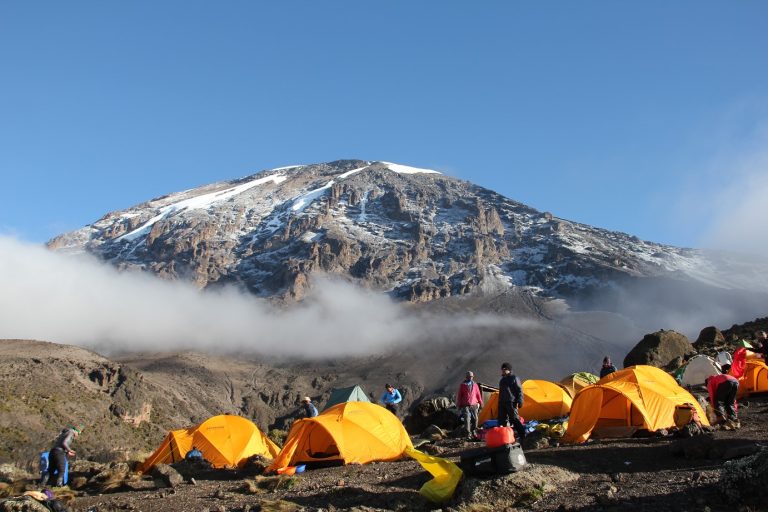
8-Day Lemosho Route Kilimanjaro & Success Rates Experience and discover the ultimate 8-Day Lemosho Route on Mount Kilimanjaro, …
Second Cave Camp | Kilimanjaro's Rongai Route Rest Stop
Second Cave Camp on Mount Kilimanjaro, located along the scenic Rongai Route, is a vital acclimatization stop for climbers seeking a successful Tanzania trekking experience. Situated at approximately 3,450 meters above sea level, this remote wilderness campsite offers breathtaking views of Mawenzi Peak and the vast northern slopes of Africa’s highest mountain. The Rongai Route is known for its quiet, less crowded trails, making Second Cave Camp an ideal resting point for trekkers aiming to avoid congestion while enjoying pristine alpine landscapes. Climbers experience cooler temperatures, unique high-altitude vegetation, and a peaceful atmosphere that enhances gradual acclimatization for Kilimanjaro summit success.
The camp features basic tented facilities, guiding teams, and stunning sunrise views that highlight the untouched beauty of Mount Kilimanjaro National Park. As part of a well-structured Kilimanjaro climbing itinerary, Second Cave Camp plays a crucial role in preparing hikers for higher elevations, ensuring safety, endurance, and memorable adventure on one of the world’s most iconic trekking routes in Tanzania. It remains a key acclimatization camp offering an unforgettable Kilimanjaro trekking experience with stunning northern route wilderness scenery views.
Key Details About Second Cave Camp on Kilimanjaro Rongai Route

Elevation and Landscape
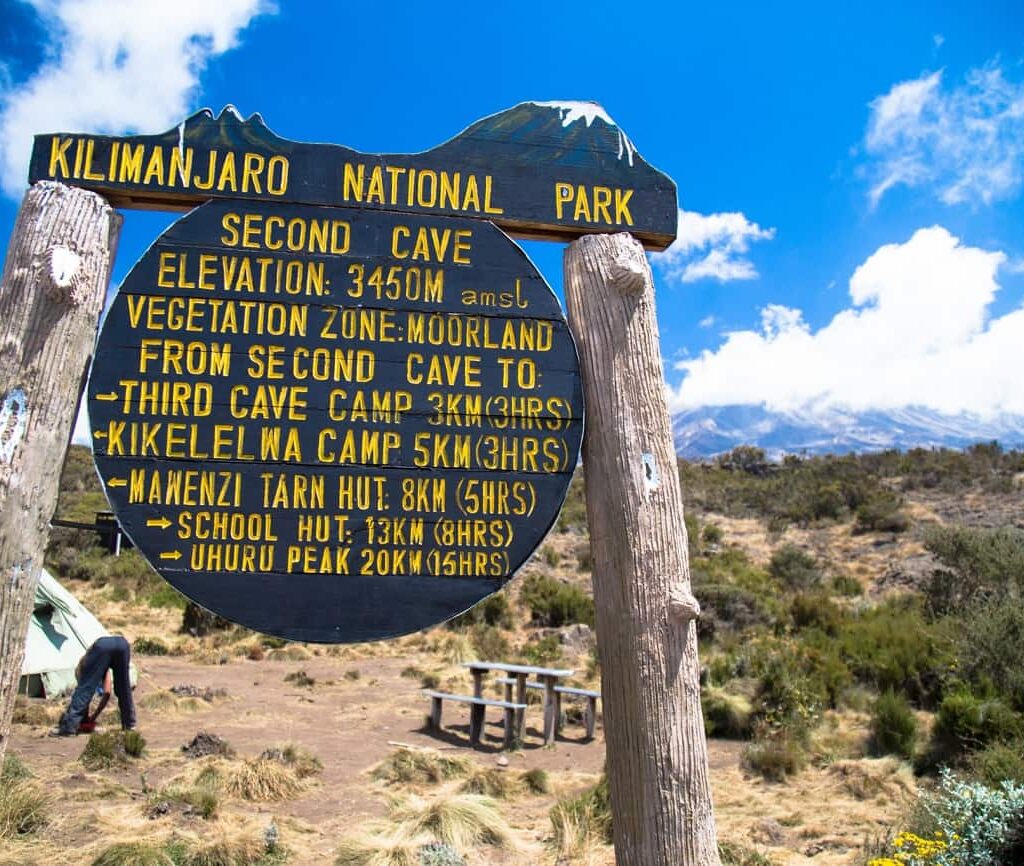
Located at 3,450 meters (11,320 feet), the Second Cave Camp (Go Climbing Kilimanjaro) is situated in the moorland vegetation zone, specifically below the third cave camp and featuring heather and rocky, open terrain.

Primary Purpose (Lunch Stop)
Most hikers stop here for a picnic lunch on Day 2 of the Rongai Route (Climbing Kilimanjaro) before moving on to the higher-elevation Kikelelwa Cave camp, though it can be used for overnight stays.

No Permanent Infrastructure
This camp is rustic, lacking huts or cabins, 2 requiring hikers to bring their own tents. It features only a small tent for ranger administration.
Excellent Acclimatization & Views
It offers superb views of the Kibo crater rim and Eastern icefields, acting as a great spot to acclimatize to high altitude before moving into the high alpine zone.
 Bed Type | Mount Tent
 Area | Rongai Route
 Full Board
Water Scarcity & Sanitation
Water is scarce, and the camp has no running water, with only basic pit latrines available for use.
Bed Type | Mount Tent
Area | Rongai Route
Full Board
Quiet Atmosphere
Because the Rongai Route (Kilimanjaro Company) is less heavily trafficked, the camp is generally quieter, less crowded, and more scenic than routes like Marangu.
Bed Type | Mount Tent
Area | Rongai Route
Full Board
How high is Second Cave Camp on Kilimanjaro
Second Cave Camp is located at an altitude of approximately 3,450 meters (11,319 feet) above sea level on Mount Kilimanjaro. This makes it one of the key mid-altitude resting points on the popular Marangu Route, often used for acclimatization before continuing toward higher camps such as Kibo Hut. At this elevation, the air is noticeably thinner, and climbers begin to feel the effects of reduced oxygen levels. The camp sits above Mandara Hut and is part of the gradual ascent through Kilimanjaro’s ecological zones, transitioning from rainforest to heath and moorland. Because of its elevation, Second Cave Camp is important for acclimatization on Kilimanjaro trekking routes, helping hikers adapt before reaching the summit zone. It is a crucial stop for improving summit success rates on Africa’s highest mountain.
Where is Second Cave Camp located on Kilimanjaro
Second Cave Camp is situated on the Marangu Route on the eastern side of Mount Kilimanjaro within Kilimanjaro National Park, Tanzania. It lies between Mandara Hut and Horombo Hut, forming part of the classic hut-based trekking system. The camp is positioned just after the forest zone, where the landscape opens into heath and moorland terrain. This location offers trekkers a gradual and scenic ascent through different ecological zones of Kilimanjaro. It is accessible only on foot, as all Kilimanjaro routes are non-vehicular. The camp’s strategic placement makes it an important acclimatization stop for climbers adjusting to high altitude. Surrounded by volcanic slopes and open views, Second Cave Camp provides a peaceful and rugged environment that reflects the natural beauty of Mount Kilimanjaro trekking routes.
Second Cave Camp on Kilimanjaro Map
On a Kilimanjaro trekking map, Second Cave Camp appears along the Marangu Route trail section between Mandara Hut and Horombo Hut. It is marked as a minor but important acclimatization point on the eastern approach of Mount Kilimanjaro. The route begins at Marangu Gate, passes through dense rainforest to Mandara Hut, and then ascends gradually to Second Cave Camp before continuing upward. Maps typically show the camp located within the moorland zone, characterized by open landscapes and volcanic terrain. Its position helps trekkers visualize elevation gain and acclimatization progress during the climb. On most Kilimanjaro route maps, Second Cave Camp is not a major overnight hut but a short-stay or acclimatization stop, making it essential for understanding altitude progression and trekking logistics on the Marangu Route.
How difficult is the hike to Second Cave Camp
The hike to Second Cave Camp is considered moderate in difficulty compared to other sections of Mount Kilimanjaro. Starting from Mandara Hut, trekkers experience a gradual ascent through changing vegetation zones, including forest edges and heathland. The trail is not technically challenging, but the increasing altitude makes physical effort more demanding. Most climbers feel the reduced oxygen levels as they approach 3,450 meters. The path is well-established and used frequently by trekkers on the Marangu Route Kilimanjaro climb, making navigation straightforward. However, stamina and slow pacing are important for avoiding altitude strain. While not steep or technical, the hike requires good endurance and acclimatization awareness. Overall, it is a manageable section that prepares climbers for more difficult stages ahead on their Kilimanjaro ascent.
What views can I see from Second Cave Camp
From Second Cave Camp, climbers are rewarded with expansive views of Kilimanjaro’s lower slopes and surrounding volcanic landscapes. On clear days, you can see sweeping moorland terrain stretching toward the horizon, with dramatic ridges and valleys carved by ancient volcanic activity. Depending on weather conditions, partial views of Mount Kilimanjaro’s higher peaks may appear above the clouds. The scenery shifts dramatically from the dense rainforest below, offering a more open and rugged alpine environment. Sunrises and sunsets are particularly stunning, casting golden light across the high-altitude plains. This section of the Kilimanjaro trekking experience is known for its quiet beauty and fewer trees, allowing wide panoramic visibility. It is a great spot for photography and appreciating the mountain’s geological scale and natural diversity.
What are the camping conditions like
Camping conditions at Second Cave Camp are basic and designed for high-altitude trekking rather than luxury. Most climbers on the Marangu Route stay in simple mountain huts or designated camping areas depending on the operator. Facilities are minimal, with limited water supply and shared sleeping spaces. The environment is cold, windy, and exposed, especially at night. However, it is generally cleaner and more organized compared to higher camps on Kilimanjaro. Porters usually set up sleeping arrangements, and meals are provided by the trekking team. The camp focuses on functionality, safety, and acclimatization rather than comfort. As part of the Kilimanjaro hut system, Second Cave Camp offers a structured resting point for climbers preparing for higher altitudes on their journey toward Uhuru Peak.
Is it Second Cave Camp on Kilimanjaro crowded
Second Cave Camp is generally less crowded than Mandara Hut or Horombo Hut, but crowd levels depend on the trekking season. During peak months such as July to October and December to February, the Marangu Route can experience moderate traffic. However, because Second Cave Camp is often a short stop rather than a main overnight base, it usually feels quieter and more open. Most trekkers pass through or stay briefly for acclimatization, reducing congestion. Compared to other Kilimanjaro camps, it offers a more peaceful environment with fewer groups gathered at the same time. This makes it appealing for climbers seeking a calmer section of the Mount Kilimanjaro trekking experience. Outside peak seasons, the camp can feel especially remote and tranquil.
What altitude sickness risks are there at Second Cave Camp
At 3,450 meters, Second Cave Camp presents a moderate risk of altitude sickness for climbers who have not properly acclimatized. Symptoms such as headaches, nausea, dizziness, and fatigue may begin to appear as oxygen levels decrease. This is a critical stage in the Kilimanjaro acclimatization process, where the body adjusts to thinner air. Slow hiking, hydration, and proper rest are essential to reduce risks. Most trekking guides monitor climbers closely at this stage to ensure safety. The gradual ascent on the Marangu Route helps minimize severe altitude issues, but individual reactions vary. It is important not to rush the climb and to follow “pole pole” (slowly, slowly) pacing. Proper acclimatization here increases success rates for reaching higher camps safely.
How cold does it get at Second Cave Camp on Kilimanjaro at night?
Night temperatures at Second Cave Camp can drop significantly, typically ranging between -2°C to 5°C (28°F to 41°F) depending on the season. Because of the high altitude, clear skies, and reduced atmospheric insulation, heat loss is rapid after sunset. Wind chill can make it feel even colder, especially in exposed areas. Climbers need proper cold-weather gear, including thermal layers, insulated jackets, hats, and gloves. Sleeping bags rated for sub-zero temperatures are essential for comfort and safety. The cold is one of the defining challenges of the Mount Kilimanjaro climbing experience, even at mid-altitude camps like this. Despite the low temperatures, nights are often clear and star-filled, offering stunning views of the African night sky.
Do I need a guide to stay at Second Cave Camp
Yes, you must have a licensed Kilimanjaro guide to stay at Second Cave Camp and trek on any route within Mount Kilimanjaro National Park. Independent climbing is strictly prohibited under Tanzanian park regulations. Guides are essential for navigation, safety, altitude monitoring, and emergency support. They are trained to manage altitude sickness symptoms and ensure climbers follow proper pacing strategies. Porters also assist with carrying equipment and setting up camp. Using a professional guide significantly increases your chances of reaching higher camps safely. It is also part of responsible and legal Kilimanjaro trekking requirements. Most reputable tour operators include guides, porters, meals, and accommodation as part of an organized climbing package.
Is mobile network available at the camp
Mobile network coverage at Second Cave Camp is very limited and unreliable. Due to its high altitude and remote location on Mount Kilimanjaro, signal strength is weak or often unavailable. Some climbers may occasionally pick up faint signals from lower areas, but consistent connectivity should not be expected. Most trekking teams rely on radios or satellite communication for emergencies and coordination. Travelers are advised to inform family and friends in advance about limited contact during the climb. This lack of connectivity is part of the remote wilderness experience of Kilimanjaro trekking routes. It allows climbers to disconnect from daily distractions and fully immerse themselves in the natural environment of the mountain.
What food is served at Second Cave Camp
Food served at Second Cave Camp is typically prepared by professional mountain cooks accompanying the trekking team. Meals are designed to provide high energy for high-altitude hiking and usually include carbohydrates such as rice, pasta, potatoes, and porridge. Breakfast often features tea, coffee, eggs, and bread, while lunch and dinner include cooked vegetables, soups, and protein sources like chicken or beans. Fresh fruit may also be served when available. Meals are simple but nutritious, focusing on maintaining stamina during the Kilimanjaro climb. Hot drinks are especially important for warmth at high altitude. Despite limited facilities, food quality is generally good and tailored to support acclimatization and endurance.
How long do climbers stay at Second Cave Camp
Most climbers do not stay long at Second Cave Camp, as it is often used as a short acclimatization stop rather than a full overnight camp. On some trekking itineraries, hikers may pause for a few hours before continuing to Horombo Hut. In other cases, depending on route variation and guide decisions, it may serve as a brief rest or lunch stop. The duration of stay depends on acclimatization needs and weather conditions. On the Marangu Route, the standard itinerary usually includes overnight stays at Mandara Hut and Horombo Hut instead. Therefore, Second Cave Camp plays a supporting role in gradual altitude gain during the Kilimanjaro trekking schedule rather than being a primary accommodation point.
What makes Second Cave Camp special
Second Cave Camp is special because it offers one of the most important acclimatization points on the Marangu Route of Mount Kilimanjaro. Its elevation provides a critical transition between forest and higher moorland zones, helping climbers adjust safely to altitude changes. Unlike busier camps, it offers a quieter and more open environment, allowing trekkers to experience Kilimanjaro’s raw volcanic landscape. The camp also provides beautiful panoramic views and a sense of isolation that enhances the adventure experience. Its role in improving summit success rates makes it strategically important in the Kilimanjaro climbing journey. For many hikers, it represents the first real taste of high-altitude mountain conditions.
What the hike to Second Cave Camp feels like
The hike to Second Cave Camp feels like a gradual transition from lush forest into a more open and rugged mountain world. As you ascend, the air becomes cooler and thinner, and your breathing pace naturally slows. The trail is steady but increasingly demanding due to altitude rather than terrain. You begin to notice wide landscapes replacing dense vegetation, creating a sense of elevation and exposure. Many trekkers describe a mix of excitement and physical challenge as the Kilimanjaro trekking experience becomes more real. The silence of the moorland, broken only by wind and footsteps, adds to the feeling of isolation. It is a mentally and physically engaging section of the climb.
Wildlife around Second Cave Camp
Wildlife around Second Cave Camp is limited compared to lower rainforest zones, but some species may still be observed. Birds are the most common sightings, including high-altitude species adapted to moorland environments. Occasionally, climbers may see small mammals or evidence of animals moving through the area, although large wildlife is rare at this elevation. As the ecosystem transitions from forest to alpine zones, biodiversity decreases. However, the surrounding Kilimanjaro National Park environment remains ecologically rich and protected. Most wildlife encounters occur earlier in the trek, but the sense of untouched wilderness at Second Cave Camp still contributes to the authentic mountain experience.
How to Get to Second Cave Camp
To reach Second Cave Camp, trekkers must first travel to Mount Kilimanjaro National Park via Marangu Gate, typically starting from Moshi or Arusha. From the gate, the trek begins through the rainforest zone to Mandara Hut, usually a 4–6 hour hike. From Mandara Hut, climbers continue uphill to Second Cave Camp via a gradual ascent through heathland terrain. The entire journey is done on foot as part of a guided Kilimanjaro trekking expedition. Access requires park permits and registered tour operators. Transportation to the park is usually arranged by safari or trekking companies, making logistics smooth for international travelers.
Facilities at Second Cave Camp
Facilities at Second Cave Camp are very basic and focused on essential trekking needs. Expect limited shelter, minimal sanitation options, and no permanent luxury infrastructure. Water availability may be restricted and often needs to be carried or treated. There are no shops, electricity, or modern amenities. The camp is designed primarily for rest and acclimatization rather than comfort. Trekking teams provide sleeping arrangements, meals, and necessary equipment. As part of the Mount Kilimanjaro climbing system, facilities are intentionally simple to preserve the natural environment and maintain the wilderness experience. Climbers should be fully prepared for high-altitude camping conditions.
Accommodation: what to expect at Second Cave Camp
Accommodation at Second Cave Camp is basic and typically involves simple mountain huts or tented setups depending on the trekking operator. Sleeping arrangements are shared and designed for functionality rather than luxury. Mattresses or sleeping pads are usually provided, but climbers must bring proper sleeping bags suitable for cold temperatures. The environment is quiet, remote, and exposed to mountain weather conditions. Facilities are minimal, with no private rooms or modern amenities. Despite this simplicity, accommodation serves its purpose within the Kilimanjaro trekking system, offering climbers a safe resting point for acclimatization before continuing the ascent toward higher camps and ultimately Uhuru Peak.
7-Day Lemosho Route Kilimanjaro & Success Rates Experience and discover the ultimate 7-day Lemosho Route on Mount Kilimanjaro, …
Lemosho Route 6-day Itinerary, Prices & Dates The 6-day Lemosho route on Mount Kilimanjaro is a scenic, challenging, …