
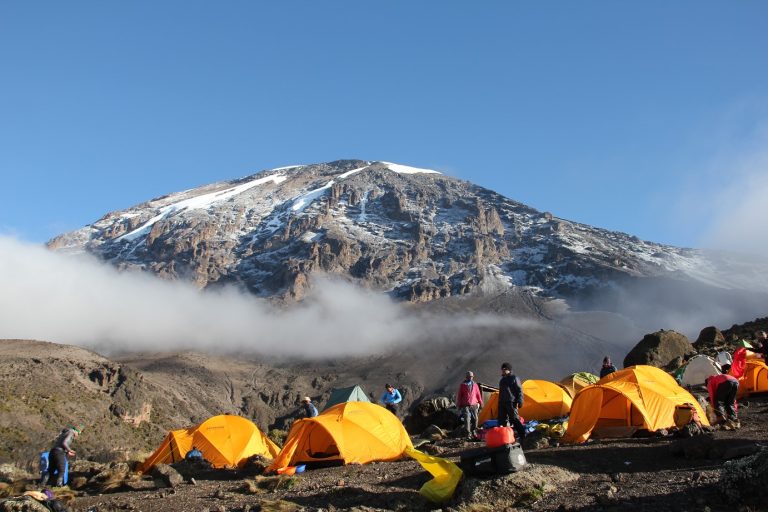
8-Day Lemosho Route Kilimanjaro & Success Rates Experience and discover the ultimate 8-Day Lemosho Route on Mount Kilimanjaro, …
Simba Camp on Kilimanjaro | First Stop on Rongai Route
Perched dramatically on the northern slopes of Mount Kilimanjaro, Simba Camp is a spectacular overnight stop along the scenic Rongai Route, one of the best routes for climbing Kilimanjaro. Known for its remote wilderness feel and breathtaking views over Kenya’s plains, Simba Camp sits at approximately 2,600 meters, offering climbers a peaceful and less crowded alternative compared to southern routes. This Kilimanjaro campsite is ideal for acclimatization, with cool mountain air, stunning sunrise and sunset views, and clear night skies perfect for stargazing.
For travelers searching for “Kilimanjaro camping experience,” “Rongai Route itinerary,” or “best Kilimanjaro camps,” Simba Camp delivers an authentic adventure. Trekkers often spot wildlife such as colobus monkeys and antelope nearby, enhancing the safari-like atmosphere. The camp features basic but well-organized facilities, including designated tent areas and dining setups managed by experienced guides and porters.
Simba Camp is a key highlight of any Tanzania trekking tour, combining adventure, serenity, and unforgettable landscapes, making it a must-visit stop for climbers aiming to conquer Africa’s highest peak.
Key Aspects of Simba Camp on Kilimanjaro

Location
Situated on the northeastern edge of Kilimanjaro near the Kenyan border, typically reached after a 3-4 hour hike from the Rongai Gate through forest zones.

Elevation
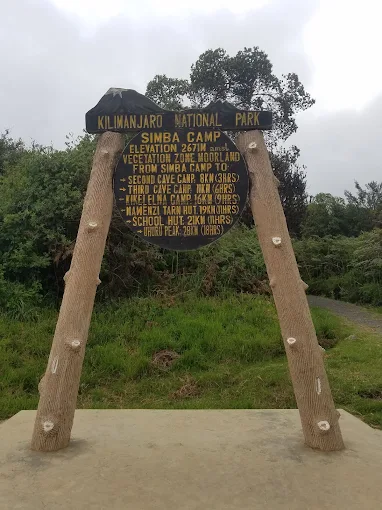
Simba Camp is the first overnight stop on Kilimanjaro’s northern Rongai route, situated at approximately 2,600–2,700 meters. It offers a quiet, remote experience compared to southern routes, featuring stunning views of the Kenyan plains, basic tented accommodation, and access to moorland scenery.

Accommodations & Facilities
It is a rustic, high-altitude campsite with no permanent lodges. Accommodation consists of small, tented sites (often booked through operators) with pit latrines.
Environment
Located on the border of the forest and moorland zones, providing scenic views and cooler, sunny weather compared to the humid forest below.
 Bed Type | Mount Tent
 Area | Rongai route
 Full Board
Wildlife
Hikers may spot black-and-white Colobus monkeys, and occasionally buffalo or elephants in the surrounding areas.
Bed Type | Mount Tent
Area | Rongai route
Full Board
Route Context
Serving as the first day’s destination, it is followed by a journey toward Second Cave Camp
Bed Type | Mount Tent
Area | Rongai route
Full Board
How high is Simba Camp on Kilimanjaro
Simba Camp on Mount Kilimanjaro sits at an elevation of approximately 2,625 meters (8,612 feet) above sea level. This altitude places it within the moorland zone, where the landscape transitions from dense forest to open terrain dotted with giant heathers and volcanic rock. For climbers, reaching Simba Camp marks a significant milestone, as it is often the first overnight stop on the Rongai Route. At this height, the air begins to thin slightly, and temperatures drop noticeably, especially at night. While not extremely high compared to summit elevations, Simba Camp is crucial for early acclimatization. Trekkers often notice mild altitude effects here, making hydration and pacing essential. This elevation also offers stunning panoramic views, adding to the overall Kilimanjaro trekking experience.
Where is Simba Camp on Kilimanjaro located on Kilimanjaro
Simba Camp is located on the northeastern slopes of Mount Kilimanjaro, along the less crowded Rongai Route. Unlike the popular southern approaches, this route begins near the Kenyan border, offering a quieter and more remote trekking experience. Simba Camp lies just beyond the first day’s hike from the Rongai Gate, making it the initial overnight campsite for climbers. Its position provides unique views of the Kenyan plains and the northern side of Kilimanjaro, which is drier and less forested than other regions. This location is ideal for trekkers seeking solitude and scenic diversity. Being on the mountain’s northern circuit, Simba Camp also benefits from more stable weather conditions, making it a preferred choice for those looking to avoid heavy rainfall during their Kilimanjaro climb.
Simba Camp on Kilimanjaro Map
On a Kilimanjaro trekking map, Simba Camp appears along the Rongai Route, positioned between the Rongai Gate and Second Cave Camp. It is typically marked as the first overnight stop, making it easy to identify for climbers planning their itinerary. Located on the northeastern flank of Mount Kilimanjaro, Simba Camp sits at a moderate altitude and serves as a key acclimatization point. Most detailed Kilimanjaro maps highlight Simba Camp due to its importance in the ascent schedule. GPS coordinates and altitude markers are often included, helping trekkers visualize elevation gain. When reviewing a Kilimanjaro route map, Simba Camp represents the beginning of the moorland zone, where vegetation becomes sparse and views expand dramatically. It’s a strategic checkpoint in any Rongai Route itinerary.
What the hike to Simba Camp on Kilimanjaro feels like
The hike to Simba Camp on Mount Kilimanjaro is a rewarding introduction to high-altitude trekking. Starting from Rongai Gate, the trail winds through lush rainforest filled with birds and occasional wildlife. As you ascend, the environment gradually transitions into moorland, with cooler views. The pace is gentle, allowing trekkers to acclimatize and enjoy the scenery. You’ll likely feel a mix of excitement and anticipation, as this is the beginning of your Kilimanjaro adventure. The trail is not technically difficult, but the steady incline provides a physical challenge. By the time you reach Simba Camp, there’s a strong sense of accomplishment. The experience sets the tone for the journey ahead, blending natural beauty with the thrill of climbing Africa’s highest mountain.
Which routes pass through Simba Camp
Simba Camp is exclusively associated with the Rongai Route on Mount Kilimanjaro, one of the quieter and more scenic paths to the summit. Unlike routes such as Machame or Marangu, the Rongai Route approaches Kilimanjaro from the north, offering a unique perspective and fewer crowds. Simba Camp serves as the first overnight stop for climbers beginning their ascent from Rongai Gate. This route is popular among trekkers seeking a less congested experience while still enjoying high summit success rates. The Rongai Route is also known for its gradual ascent profile, making Simba Camp an ideal starting point for acclimatization. Because only one route passes through Simba Camp, it maintains a peaceful atmosphere compared to busier camps on other Kilimanjaro trails.
Is Simba Camp suitable for beginners
Simba Camp is highly suitable for beginners climbing Mount Kilimanjaro, especially those choosing the Rongai Route. The trek to Simba Camp is relatively gradual, allowing first-time climbers to ease into the Kilimanjaro experience. With manageable hiking distances and moderate altitude gain, beginners can build confidence while adapting to the mountain environment. The camp provides a comfortable introduction to high-altitude trekking without overwhelming physical demands. Additionally, the Rongai Route is known for its steady ascent, making it one of the best options for novice trekkers. At Simba Camp, beginners can rest, hydrate, and prepare for higher elevations ahead. With proper guidance, pacing, and support from experienced guides, Simba Camp serves as an excellent starting point for a successful Kilimanjaro climb.
Are there toilets and water facilities
At Simba Camp on Mount Kilimanjaro, basic toilet facilities are available, typically in the form of long-drop latrines maintained by park authorities. While not luxurious, these facilities are functional and essential for trekkers spending the night. Cleanliness can vary depending on usage and maintenance, so carrying personal hygiene supplies is recommended. Water is usually sourced from nearby streams or collected by porters and treated before use. Trekkers are advised not to drink untreated water and should rely on filtered or boiled supplies provided by their trekking team. Some operators may also provide portable toilets for added comfort. Overall, Simba Camp offers essential but basic amenities, aligning with the rugged nature of Kilimanjaro trekking and ensuring climbers have what they need for a safe overnight stay.
Why is Simba Camp important on the climb
Simba Camp plays a crucial role in the acclimatization process on Mount Kilimanjaro. As the first overnight stop on the Rongai Route, it allows climbers to gradually adjust to increasing altitude. This early adaptation is key to reducing the risk of altitude sickness later in the climb. Simba Camp also serves as a checkpoint where guides assess trekkers’ health, hydration, and readiness for the journey ahead. Beyond its physiological importance, the camp offers a chance to experience Kilimanjaro’s unique landscapes, transitioning from forest to moorland. It sets the tone for the adventure, helping climbers mentally prepare for higher elevations. Without this essential stop, the ascent would be more abrupt and potentially more challenging, making Simba Camp a vital part of a successful summit strategy.
What temperatures can I expect at Simba Camp
Temperatures at Simba Camp on Mount Kilimanjaro vary significantly between day and night. During the day, temperatures typically range from 10°C to 20°C (50°F to 68°F), depending on weather conditions and season. However, once the sun sets, temperatures can drop to around 0°C (32°F) or lower. The camp’s altitude and open terrain contribute to cooler nights, often accompanied by strong winds. Trekkers should be prepared for rapid temperature changes and dress in layers to stay comfortable. Thermal clothing, insulated jackets, and warm sleeping bags are essential for overnight stays. Understanding these temperature variations helps climbers pack appropriately and avoid discomfort. Simba Camp’s climate provides an early introduction to Kilimanjaro’s unpredictable mountain weather, preparing trekkers for colder conditions higher up.
How long is the trek to Simba Camp
The trek to Simba Camp on Mount Kilimanjaro typically takes between 3 to 4 hours from Rongai Gate, depending on pace and fitness level. Covering a distance of approximately 6 to 8 kilometers, the trail gradually ascends through forested terrain before opening into moorland. This relatively short and manageable hike makes it ideal for acclimatization and allows trekkers to conserve energy for the days ahead. The path is well-defined and not technically challenging, making it accessible for most climbers. Along the way, hikers can enjoy scenic views and occasional wildlife sightings. The moderate duration of this trek ensures that climbers arrive at Simba Camp with enough time to rest, hydrate, and prepare for the next stage of their Kilimanjaro adventure.
Is altitude sickness a concern at Simba Camp
Altitude sickness can begin to affect some climbers at Simba Camp on Mount Kilimanjaro, although it is generally mild at this elevation. Symptoms such as headaches, fatigue, and slight dizziness may occur as the body starts adjusting to thinner air. While serious altitude sickness is unlikely at this stage, Simba Camp serves as an important checkpoint for monitoring how your body responds. Proper acclimatization practices—such as staying hydrated, eating well, and ascending slowly—are essential. Guides often conduct health checks here, including oxygen saturation and pulse rate. Recognizing early symptoms allows trekkers to take preventive measures before ascending higher. Simba Camp’s altitude provides a safe environment to begin adapting, making it a critical step in minimizing altitude-related risks during the Kilimanjaro climb.
Are guides and porters available at Simba Camp
Yes, professional guides and porters are an integral part of every Kilimanjaro climb, including at Simba Camp on Mount Kilimanjaro. Trekkers are required to climb with licensed guides provided by registered tour operators. At Simba Camp, your support team will already be in place, having carried equipment, set up tents, and prepared meals. Porters play a crucial role in transporting gear, allowing climbers to focus on the hike itself. Guides offer safety briefings, monitor health conditions, and provide valuable insights about the mountain. Their presence ensures a well-organized and safe trekking experience. Simba Camp is often where trekkers begin to appreciate the importance of their support crew, as the team works behind the scenes to ensure comfort and success throughout the Kilimanjaro journey.
What meals are provided at Simba Camp
Meals at Simba Camp on Mount Kilimanjaro are typically prepared by your trekking crew and designed to provide energy and nutrition at altitude. A standard menu includes hot soups, rice, pasta, vegetables, and protein sources such as chicken or beans. Breakfast may feature porridge, eggs, toast, and tea or coffee, while dinner is often a hearty, warm meal to replenish energy after the day’s hike. Snacks like fruits, biscuits, and nuts are also provided. Meals are tailored to meet dietary needs, including vegetarian options. Clean drinking water, usually boiled or filtered, is supplied throughout your stay. Eating well at Simba Camp is essential for maintaining strength and supporting acclimatization. The quality of meals can vary by operator, but most provide surprisingly satisfying food given the remote setting.
Can I charge electronic devices at Simba Camp
Charging electronic devices at Simba Camp on Mount Kilimanjaro is generally limited. There are no permanent الكهرباء facilities at the campsite, as Kilimanjaro is a remote wilderness area. However, some trekking companies provide portable solar chargers or battery packs for clients to use. It’s highly recommended to bring your own power bank or solar charger to ensure your devices stay powered throughout the trek. Phones, cameras, and GPS devices can quickly lose battery life in cold temperatures, so keeping them warm is also important. Simba Camp is not designed for modern conveniences, so planning ahead is key. By preparing properly, you can still capture memories and stay connected when needed, even in this off-grid mountain environment.
Is Simba Camp crowded
Simba Camp is generally less crowded compared to camps on more popular routes like Machame or Marangu on Mount Kilimanjaro. Since it is located on the Rongai Route, which sees fewer trekkers, the campsite maintains a peaceful atmosphere. This makes it ideal for climbers seeking a more private and immersive experience. During peak climbing seasons, there may still be several groups present, but it rarely feels overcrowded. The spacious layout of the camp allows for comfortable tent placement and reduces congestion. Many trekkers appreciate the tranquility of Simba Camp, as it offers a chance to connect with nature and enjoy the mountain without large crowds. This quieter environment enhances the overall Kilimanjaro trekking experience, especially for those who prefer solitude.
What should I pack specifically for Simba Camp
Packing for Simba Camp on Mount Kilimanjaro requires careful planning to handle moderate altitude and cold temperatures. Essential items include a warm sleeping bag rated for sub-zero conditions, thermal clothing, insulated jacket, gloves, and a hat. A headlamp or flashlight is crucial for navigating the campsite after dark. Personal hygiene items, wet wipes, and hand sanitizer are also recommended due to limited facilities. Carry a reusable water bottle or hydration system, along with water purification tablets if needed. Snacks, bars, and electrolytes help maintain energy levels. Don’t forget sunscreen, sunglasses, and a hat for daytime protection. A power bank ensures your devices remain charged. Packing wisely for Simba Camp enhances comfort and prepares you for the challenges of higher altitudes ahead.
What happens after Simba Camp
After leaving Simba Camp on Mount Kilimanjaro, trekkers continue along the Rongai Route toward Second Cave Camp. The trail gradually ascends, offering increasingly beautiful landscapes and expansive views. This is crucial for further acclimatization, as climbers gain altitude steadily. The hike becomes slightly more challenging, but remains manageable with proper pacing. Guides encourage a slow and steady approach, often following the “pole pole” philosophy. Along the way, trekkers may encounter unique and volcanic rock formations. Reaching Second Cave Camp marks another milestone, bringing climbers closer to the alpine desert zone. The journey beyond Simba Camp builds on the foundation set during the first day, preparing trekkers physically and mentally for the higher elevations that lie ahead on Kilimanjaro.
What the Hike to Simba Camp Feels Like
The hike to Simba Camp on Mount Kilimanjaro is a rewarding introduction to high-altitude trekking. Starting from Rongai Gate, the trail winds through lush rainforest filled with birds and occasional wildlife. As you ascend, the environment gradually transitions into moorland, with cooler views. The pace is gentle, allowing trekkers to acclimatize and enjoy the scenery. You’ll likely feel a mix of excitement and anticipation, as this is the beginning of your Kilimanjaro adventure. The trail is not technically difficult, but the steady incline provides a physical challenge. By the time you reach Simba Camp, there’s a strong sense of accomplishment. The experience sets the tone for the journey ahead, blending natural beauty with the thrill of climbing Africa’s highest mountain.
Wildlife around Simba Camp on Kilimanjaro
Wildlife sightings around Simba Camp on Mount Kilimanjaro are possible, especially during the lower sections of the Rongai Route. Trekkers may encounter animals such as colobus monkeys, blue monkeys, and various bird species in the forested areas below the camp. As you approach Simba Camp, the vegetation becomes sparser, and wildlife sightings become less frequent. However, small mammals adapted to the moorland environment can still be seen. The northern side of Kilimanjaro, near the Kenyan border, is known for occasional sightings of antelope or even elephants at lower elevations. While Simba Camp itself is not a wildlife zone, the journey to and from it offers opportunities to observe Kilimanjaro’s diverse ecosystems. Respecting wildlife and maintaining it is essential for safety and conservation.
How to Get to Simba Camp on Kilimanjaro
To reach Simba Camp on Mount Kilimanjaro, trekkers begin their journey at the Rongai Gate, located near the Kenyan border. Most start from towns like Moshi or Arusha, where climbers are transported by to the trailhead. After completing park registration and meeting your guide and porters, the trek begins through forested terrain. The hike to Simba Camp typically takes a few hours, making it a manageable first day. Accessing the Rongai Route requires proper permits and arrangements through a licensed tour operator. Many packages include transport, meals, and camping equipment. Getting to Simba Camp is straightforward with the right planning, and it marks the official start of your Kilimanjaro climbing adventure, offering a smooth introduction to the mountain’s terrain and conditions.
Facilities at Simba Camp on Kilimanjaro
Facilities at Simba Camp on Mount Kilimanjaro are basic but sufficient for trekkers. The campsite includes designated areas for tents, simple toilet facilities, and space for cooking. There are no permanent shelters, reflecting the remote nature of Kilimanjaro. Water is usually collected and treated by your trekking crew, ensuring safe drinking supplies. Some operators provide such as portable toilets or dining tents for added comfort. The camp is well-organized, with clear areas for different. While amenities are limited, they meet the essential needs of climbers. Simba Camp emphasizes simplicity and self-sufficiency, allowing trekkers to focus on the climbing experience while still having access to food and a comfortable overnight stay.
Accommodation: what to expect at Simba Camp on Kilimanjaro
Accommodation at Simba Camp on Mount Kilimanjaro consists of tents set up by your trekking crew. These tents are lightweight, weather-resistant, and designed to withstand mountain conditions. Inside, you’ll find a sleeping mat or inflatable mattress for comfort. While not luxurious, the setup provides adequate protection from cold and wind. Some high-end trekking packages may include larger tents with extras such as tables or toilets. Nights at Simba Camp can be chilly, so a quality sleeping bag is essential. The experience is part of the adventure, offering a true wilderness camping atmosphere. Falling asleep under the stars on Kilimanjaro is unforgettable, making Simba Camp a memorable पहला stop on your journey to the summit.
7-Day Lemosho Route Kilimanjaro & Success Rates Experience and discover the ultimate 7-day Lemosho Route on Mount Kilimanjaro, …
Lemosho Route 6-day Itinerary, Prices & Dates The 6-day Lemosho route on Mount Kilimanjaro is a scenic, challenging, …