
Marangu Route 6-day Itinerary, Prices & Dates The 6-day Marangu Route on Mount Kilimanjaro is one of the …
Mawenzi Tarn Camp – Scenic High Camp on Kilimanjaro
Nestled beneath the jagged spires of Mawenzi Peak on Mount Kilimanjaro, Mawenzi Tarn Camp is a breathtaking high-altitude campsite at 4,300 meters, offering one of the most scenic and peaceful stops on the Rongai Route. This remote alpine desert camp sits beside a small glacial lake, creating a dramatic contrast of rugged volcanic terrain and tranquil water reflections. Kilimanjaro National Park surrounds the area with raw wilderness, where silence, star-filled skies, and sweeping cloud views define the experience.
Highly valued for acclimatization, Mawenzi Tarn Camp provides climbers with a serene environment to rest before the summit push, while enjoying panoramic views of the Saddle Plateau between Mawenzi and Kibo. The camp features simple tented accommodation, basic facilities, and water sourced from the nearby tarn for sanitation. Its secluded setting, minimal crowds, and striking landscapes make it a hidden gem for trekkers seeking authentic Kilimanjaro adventure, natural beauty, and unforgettable high-altitude camping experiences.
Key Aspects of Mawenzi Tarn Camp

High-Altitude Location (4,330m)
Situated on the edge of the Saddle Plateau at 4,330 meters, the camp serves as an excellent, vital stop for acclimatization before tackling the final summit push.

Spectacular Scenery
The camp is nestled directly below the jagged, imposing spires of Mawenzi Peak, the second-highest peak on Kilimanjaro.

The "Tarn" (Water Source)
It is one of the few camps on the mountain located beside a small, natural tarn, providing scenic beauty and water, although treatment is required.
Rongai Route Pivot Point
Primarily used by climbers on the Rongai route, the camp provides a strategic, scenic alternative to the standard itinerary, acting as a pivotal, breathtaking stop, according to Climb Mount Kilimanjaro.
 Bed Type | Mountain Hut
 Area | Rongai Route
 Full Board
Small and Intimate Atmosphere
It is a small, quiet, and tranquil spot, offering a more remote and serene experience compared to larger, busier campsites like Horombo.
Bed Type | Mountain Hut
Area | Rongai Route
Full Board
Basic Camping Infrastructure
There are no huts, only open-air camping. Facilities are minimal, featuring only a small ranger’s hut and basic pit latrines
Bed Type | Mountain Hut
Area | Rongai Route
Full Board
Mawenzi Tarn Camp Weather, Climate, and Vegetation
Set high on the rugged eastern flank of Mount Kilimanjaro, Mawenzi Tarn Camp offers a dramatic alpine climate shaped by altitude and exposure. Days are typically cool and crisp, with temperatures ranging between 5°C and 15°C, while nights can drop well below freezing, especially during the dry seasons from June to October and January to March. The weather is often clear, revealing spectacular views of Mawenzi Peak, though sudden mists and winds are common. Vegetation here transitions into afro-alpine moorland, dominated by hardy tussock grasses, giant lobelias, and everlasting flowers adapted to extreme conditions. This unique ecosystem creates a surreal, almost lunar landscape, making Mawenzi Tarn Camp one of the most visually striking and ecologically fascinating camps on Kilimanjaro.
What we love at Mawenzi Tarn Camp
Mawenzi Tarn Camp is widely loved for its raw beauty, tranquility, and unmatched proximity to the jagged spires of Mawenzi Peak. Unlike busier camps along other Kilimanjaro routes, this camp offers a quieter, more intimate trekking experience, perfect for climbers seeking solitude and connection with nature. The scenic tarn (mountain lake) beside the camp reflects the dramatic skyline, creating breathtaking sunrise and sunset views. Trekkers also appreciate the excellent acclimatization opportunities, as the camp is often used for rest and short hikes. The sense of wilderness here is profound, with fewer crowds and expansive views across the moorland. It’s a favorite among adventurers on the Rongai Route who want a unique perspective of Mount Kilimanjaro away from the main trails.
Mawenzi Tarn Camp on Kilimanjaro Map
Mawenzi Tarn Camp is strategically located on the northeastern side of Mount Kilimanjaro, along the scenic Rongai Route—one of the quieter and less crowded approaches to the summit. On the Kilimanjaro map, it sits beneath the towering cliffs of Mawenzi Peak, offering a unique contrast to the gentler slopes of Kibo. Positioned between Second Cave Camp and Kibo Hut, Mawenzi Tarn serves as a key acclimatization stop before the final ascent. Its location provides trekkers with a rare chance to explore the eastern alpine zone of Kilimanjaro. The camp’s placement near a small glacial tarn enhances its scenic value, making it a standout point on trekking maps and a must-visit landmark for those choosing the Rongai Route.
How high is Mawenzi Tarn Camp
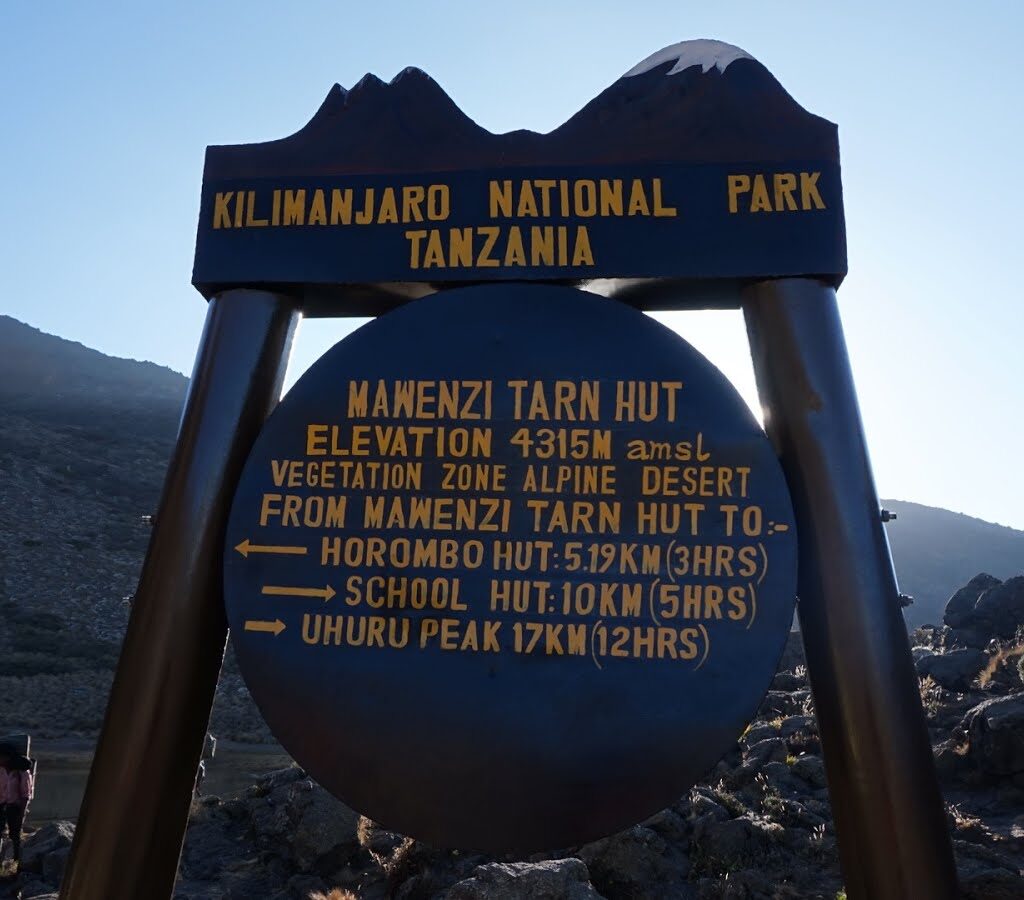
Mawenzi Tarn Camp sits at an altitude of approximately 4,315 meters (14,160 feet) above sea level on Mount Kilimanjaro. This elevation places it firmly within the alpine desert zone, where oxygen levels are significantly lower and temperatures can drop below freezing, especially at night. Trekkers often begin to feel stronger effects of altitude here, making acclimatization practices essential. Spending a night at Mawenzi Tarn Camp helps the body adjust before ascending to higher camps like Kibo Hut. The height also offers incredible panoramic views across the mountain and surrounding plains. Understanding the altitude of Mawenzi Tarn Camp is crucial for preparation, as it marks a transition into more challenging high-altitude trekking conditions on the journey to Uhuru Peak.
Where is Mawenzi Tarn Camp located
Mawenzi Tarn Camp is located on the eastern side of Mount Kilimanjaro, nestled directly beneath the steep slopes of Mawenzi Peak, the mountain’s second-highest summit. It lies along the Rongai Route and is one of the last major camps before trekkers traverse toward Kibo. The camp sits beside a small alpine lake, which provides a rare water source in this otherwise dry, rocky environment. Its location offers dramatic views of Mawenzi’s rugged cliffs and the saddle that connects Mawenzi and Kibo peaks. This remote positioning makes it less crowded than camps on southern routes. The setting is both beautiful and harsh, giving trekkers a true sense of Kilimanjaro’s wild alpine landscape while providing a strategic stop for acclimatization and rest.
Which route uses Mawenzi Tarn Camp
Mawenzi Tarn Camp is primarily used by the Rongai Route, the only Kilimanjaro trail that approaches from the northern side near the Kenyan border. This route is known for its gradual ascent, lower traffic, and higher success rates due to better acclimatization profiles. Trekkers on the Rongai Route reach Mawenzi Tarn Camp after passing through Kikelelwa Camp. From here, they continue across the saddle toward Kibo Hut before attempting the summit. The camp is not typically used by other routes, making it quieter and more exclusive. This limited use enhances the experience, offering a more peaceful environment compared to busier trails. Climbers choosing the Rongai Route often highlight Mawenzi Tarn Camp as one of the most scenic and rewarding stops on their journey.
What comes before and after Mawenzi Tarn Camp
Before reaching Mawenzi Tarn Camp, trekkers usually spend a night at Kikelelwa Camp, ascending gradually through moorland terrain. The hike from Kikelelwa to Mawenzi Tarn is steeper and transitions into alpine desert conditions, with fewer plants and more rugged landscapes. After Mawenzi Tarn Camp, climbers continue across the Saddle, a vast, barren stretch connecting Mawenzi and Kibo peaks, heading toward Kibo Hut. This next section is longer and more exposed, requiring endurance and mental strength. The sequence of camps is carefully designed to support acclimatization and prepare trekkers for the final summit push. Each stage presents different challenges and scenery, making Mawenzi Tarn Camp an important midpoint in the Kilimanjaro climbing journey.
Why is Mawenzi Tarn Camp important for acclimatization
Mawenzi Tarn Camp plays a critical role in altitude acclimatization, which is essential for a successful Kilimanjaro summit. At over 4,300 meters, the body experiences reduced oxygen levels, and spending time here allows trekkers to adapt gradually. Many itineraries include an extra acclimatization day at this camp, where climbers take short hikes to higher elevations and return to sleep lower—a strategy known as “climb high, sleep low.” This process improves the body’s ability to use oxygen efficiently and reduces the risk of altitude sickness. Proper acclimatization at Mawenzi Tarn Camp significantly increases summit success rates. Its strategic location and elevation make it one of the most effective places on Kilimanjaro to prepare for the physically demanding ascent to Uhuru Peak.
What are the conditions like at Mawenzi Tarn Camp
Conditions at Mawenzi Tarn Camp are cold, dry, and often windy, typical of Kilimanjaro’s alpine desert zone. Daytime temperatures can be mild under direct sunlight, but nights are freezing, often dropping below zero degrees Celsius. The terrain is rocky and barren, with very little vegetation. Strong winds can occasionally sweep through the camp due to its exposed location. Despite these harsh conditions, the camp offers stunning views and a peaceful atmosphere. The thin air can make simple activities feel more strenuous, so trekkers must pace themselves carefully. Proper clothing, including warm layers and windproof gear, is essential. Understanding these conditions helps climbers prepare adequately and ensures a safer, more comfortable stay at Mawenzi Tarn Camp.
What facilities are available at Mawenzi Tarn Camp
Facilities at Mawenzi Tarn Camp are basic but functional, designed to support trekkers in a remote high-altitude environment. The camp includes designated tent areas, simple toilet facilities (usually pit latrines), and space for dining tents set up by trekking crews. There are no permanent buildings or luxury amenities, preserving the natural landscape. Water is sourced from the nearby tarn and treated for safe use. Cooking is done by support staff using portable equipment. While there are no showers, basic hygiene is maintained with limited water supplies. The simplicity of the facilities reflects the rugged nature of Kilimanjaro trekking. Despite minimal infrastructure, experienced guides and crews ensure that climbers have everything they need for a safe and comfortable stay.
Do trekkers see wildlife at Mawenzi Tarn Camp
Wildlife sightings at Mawenzi Tarn Camp are rare due to the high altitude and harsh environment. Most large animals are found at lower elevations where vegetation is more abundant. However, trekkers may occasionally spot small birds adapted to high-altitude conditions. The area’s stark landscape is more about geological beauty than wildlife diversity. While the camp itself offers limited animal sightings, the journey leading up to it may include encounters with various species, especially on the lower slopes of the Rongai Route. The lack of wildlife at this altitude emphasizes the extreme conditions and adds to the sense of adventure. For most climbers, the dramatic scenery and unique environment are the main highlights rather than animal encounters.
Is Mawenzi Tarn Camp crowded
Mawenzi Tarn Camp is generally not crowded, especially when compared to camps on popular southern routes like Machame or Marangu. Because it is primarily used by the Rongai Route, which sees fewer climbers, the camp maintains a quieter and more peaceful atmosphere. This allows trekkers to enjoy the natural surroundings without large crowds. Even during peak climbing seasons, the number of people remains manageable. The lower traffic enhances the overall experience, making it easier to relax, take photos, and appreciate the stunning views. Many climbers choose the Rongai Route specifically for this reason. The calm environment at Mawenzi Tarn Camp is one of its biggest attractions, offering a more personal and immersive Kilimanjaro adventure.
Can solo trekkers stay at Mawenzi Tarn Camp
Solo trekkers can stay at Mawenzi Tarn Camp, but independent trekking is not allowed on Mount Kilimanjaro. All climbers must be accompanied by a licensed guide and registered through an authorized tour operator. Solo travelers can join group climbs or book private guided expeditions. At the camp, solo trekkers often meet others, creating opportunities for social interaction. Guides and support teams ensure safety, navigation, and proper acclimatization throughout the journey. This system helps maintain high safety standards on the mountain. While you cannot trek alone, you can still enjoy a solo travel experience within a guided framework. Mawenzi Tarn Camp remains a welcoming and safe environment for individual adventurers.
What should trekkers pack for Mawenzi Tarn Camp
Packing for Mawenzi Tarn Camp requires preparation for cold, high-altitude conditions. Essential items include a warm sleeping bag rated for sub-zero temperatures, insulated clothing layers, gloves, a hat, and a windproof jacket. Good-quality hiking boots and thick socks are crucial for comfort. Trekkers should also bring a headlamp, reusable water bottles, and high-energy snacks. Sunscreen and sunglasses are important due to strong UV exposure at altitude. Personal medication and altitude sickness prevention items are highly recommended. Since facilities are basic, items like wet wipes and hand sanitizer help maintain hygiene. Proper packing ensures comfort and safety, allowing trekkers to fully enjoy their experience at Mawenzi Tarn Camp while preparing for the next stage of the Kilimanjaro climb.
Why Mawenzi Tarn Camp Is So Important
Mawenzi Tarn Camp plays a crucial role in successful Kilimanjaro climbs, particularly for trekkers following the Rongai Route. Its elevation and location beneath Mawenzi Peak make it an ideal acclimatization stop, helping climbers adjust to thinner air before pushing toward the summit of Mount Kilimanjaro. Spending an extra day here significantly improves summit success rates and reduces the risk of altitude sickness. Beyond its physiological benefits, the camp offers an opportunity for short acclimatization hikes and exploration of the alpine desert environment. It also acts as a transition zone between lower moorlands and the harsher high-altitude terrain. For many climbers, Mawenzi Tarn Camp is not just a stopover—it’s a strategic and memorable highlight of the entire Kilimanjaro trekking experience.
What is Mawenzi Tarn Camp
Mawenzi Tarn Camp sits at an elevation of approximately 4,330 meters (14,200 feet) above sea level on Mount Kilimanjaro. This high altitude places it firmly within the alpine desert zone, where oxygen levels are significantly lower and temperatures drop sharply, especially at night. The camp’s elevation is a key factor in acclimatization, allowing trekkers to gradually adapt before ascending toward higher camps like Kibo Hut. Positioned beneath Mawenzi Peak, it offers both a physical and psychological milestone on the journey. Climbers often feel the effects of altitude here, making hydration, slow pacing, and proper rest essential. Despite the challenges, the elevation rewards trekkers with sweeping panoramic views and a true high-altitude adventure experience.
Mawenzi Tarn Camp elevation
Mawenzi Tarn Camp sits at an elevation of approximately 4,330 meters (14,200 feet) above sea level on Mount Kilimanjaro. This high altitude places it firmly within the alpine desert zone, where oxygen levels are significantly lower and temperatures drop sharply, especially at night. The camp’s elevation is a key factor in acclimatization, allowing trekkers to gradually adapt before ascending toward higher camps like Kibo Hut. Positioned beneath Mawenzi Peak, it offers both a physical and psychological milestone on the journey. Climbers often feel the effects of altitude here, making hydration, slow pacing, and proper rest essential. Despite the challenges, the elevation rewards trekkers with sweeping panoramic views and a true high-altitude adventure experience.
Mawenzi Tarn Camp Photos
Mawenzi Tarn Camp offers a classic high-altitude camping experience on Mount Kilimanjaro, with a focus on simplicity and functionality. Activities include acclimatization hikes toward Mawenzi Peak, photography, and guided exploration of the surrounding alpine desert. Facilities are basic, featuring pitched mountain tents, shared toilet setups, and designated cooking areas managed by trekking crews. Dining is surprisingly well-organized, with hot meals prepared by porters and chefs, including soups, carbohydrates, and energy-rich dishes essential for high-altitude trekking. There are no permanent “rooms,” but tents provide shelter from the cold and wind. Despite its minimal infrastructure, the camp delivers an authentic Kilimanjaro experience, combining adventure, breathtaking scenery, and essential comfort for climbers preparing for the summit push.
Mawenzi Tarn Camp Activities, Facilities, Dining, and Rooms
Kibo Hut offers basic but essential facilities for climbers ascending Mount Kilimanjaro. Accommodation consists of stone-built dormitory rooms with bunk beds and simple foam mattresses, accommodating around 60 climbers. Facilities include a communal dining hall, shared pit latrines, and separate areas for guides and porters. There is no electricity, heating, or running water, emphasizing its functional purpose. Activities mainly involve resting, hydrating, eating energy-rich meals, and preparing gear for summit night. Dinner is served early, followed by a short rest before the midnight ascent. Despite its simplicity, Kibo Hut plays a vital role in ensuring climbers are physically and mentally ready for the final climb.
5-day Marangu Route Kilimanjaro Climb Experience and discover the ultimate 5-Day Marangu Route Kilimanjaro Climbing Itinerary, one of …
Majestic Mount Kilimanjaro Day Hikes Climbing Kilimanjaro most days are not very hard because the trails are not …