Why You Can’t Climb Mt Kilimanjaro in a Day
Why You Can’t Climb Mt Kilimanjaro in a Day
Climbing Mount Kilimanjaro, Africa’s tallest peak, is a bucket-list adventure that attracts thousands of hikers and adventure seekers to Tanzania every year. Despite its allure, the dream of reaching the summit in a single day is highly unrealistic. Kilimanjaro treks demand careful planning, physical endurance, and proper acclimatization to combat altitude-related risks. Many first-time climbers underestimate the challenges, thinking speed is key, but rushing the climb increases the danger of altitude sickness, severe fatigue, and injuries. Whether you are considering the Machame, Lemosho, or Marangu routes, understanding why a one-day ascent is impossible is crucial. From unpredictable weather to extreme terrain, Kilimanjaro requires multiple days to safely achieve the summit.
Altitude Sickness (AMS)
Altitude sickness, or Acute Mountain Sickness (AMS), is one of the primary reasons climbers cannot summit Kilimanjaro in a single day. At 5,895 meters, the oxygen levels at Uhuru Peak are about half that at sea level, making rapid ascents extremely dangerous. Symptoms like headaches, dizziness, nausea, and shortness of breath can escalate to life-threatening conditions, including High Altitude Pulmonary Edema (HAPE) or High Altitude Cerebral Edema (HACE). Even experienced hikers risk severe AMS when skipping proper acclimatization days. A gradual climb over 5–8 days, following routes like Machame or Lemosho, allows the body to adapt to thinner air, minimizing risks. Fast attempts increase hospitalizations and emergency evacuations, emphasizing that a day-long ascent is unsafe for anyone attempting Kilimanjaro.
Insufficient Acclimatization
Acclimatization is critical for surviving the extreme altitudes of Mount Kilimanjaro. The human body needs time to adjust to reduced oxygen levels to prevent altitude-related illnesses. Attempting a one-day climb bypasses this essential adaptation, putting climbers at high risk of severe headaches, nausea, and impaired judgment. Popular trekking routes, including Machame, Rongai, and Northern Circuit, are designed with strategic elevation gain and rest points to allow gradual acclimatization. Skipping these stages not only reduces your chances of reaching the summit but also increases the likelihood of emergency evacuations. Proper pacing, rest, and hydration are essential to successfully and safely conquer Kilimanjaro, making single-day ascents virtually impossible.
High Risk of Fatal Conditions
Rushing Kilimanjaro drastically increases the probability of fatal conditions. Rapid ascents without acclimatization can trigger HAPE and HACE, both life-threatening outcomes of altitude exposure. Even seasoned climbers who underestimate Kilimanjaro’s extreme altitude can experience irreversible complications if they attempt to summit in a single day. Emergency medical services on the mountain are limited, making evacuation challenging and time-consuming. Fatalities have been documented in climbers attempting speed ascents. Authorities and tour operators strongly advise 5–8 day itineraries to allow gradual adaptation. Safety guidelines stress that preserving life should always take priority over reaching the summit quickly, highlighting why Kilimanjaro must never be rushed.
Immense Physical Distance
Mount Kilimanjaro’s trekking routes span 50–70 kilometers, depending on the chosen path. Attempting to cover such distances in a single day is physically unrealistic for most climbers. Even moderately fit hikers require several days to navigate the ascent from the rainforest base to the alpine desert and finally the summit. Speeding through the terrain risks exhaustion, decreased alertness, and poor decision-making. Additionally, carrying necessary gear such as water, oxygen aids, and food increases fatigue. Properly planned multi-day treks balance daily hiking distances with rest, maximizing summit success. The mountain’s vast scale alone prevents a safe one-day climb, emphasizing endurance, preparation, and pacing as key to a successful Kilimanjaro adventure.
Extreme Terrain Changes
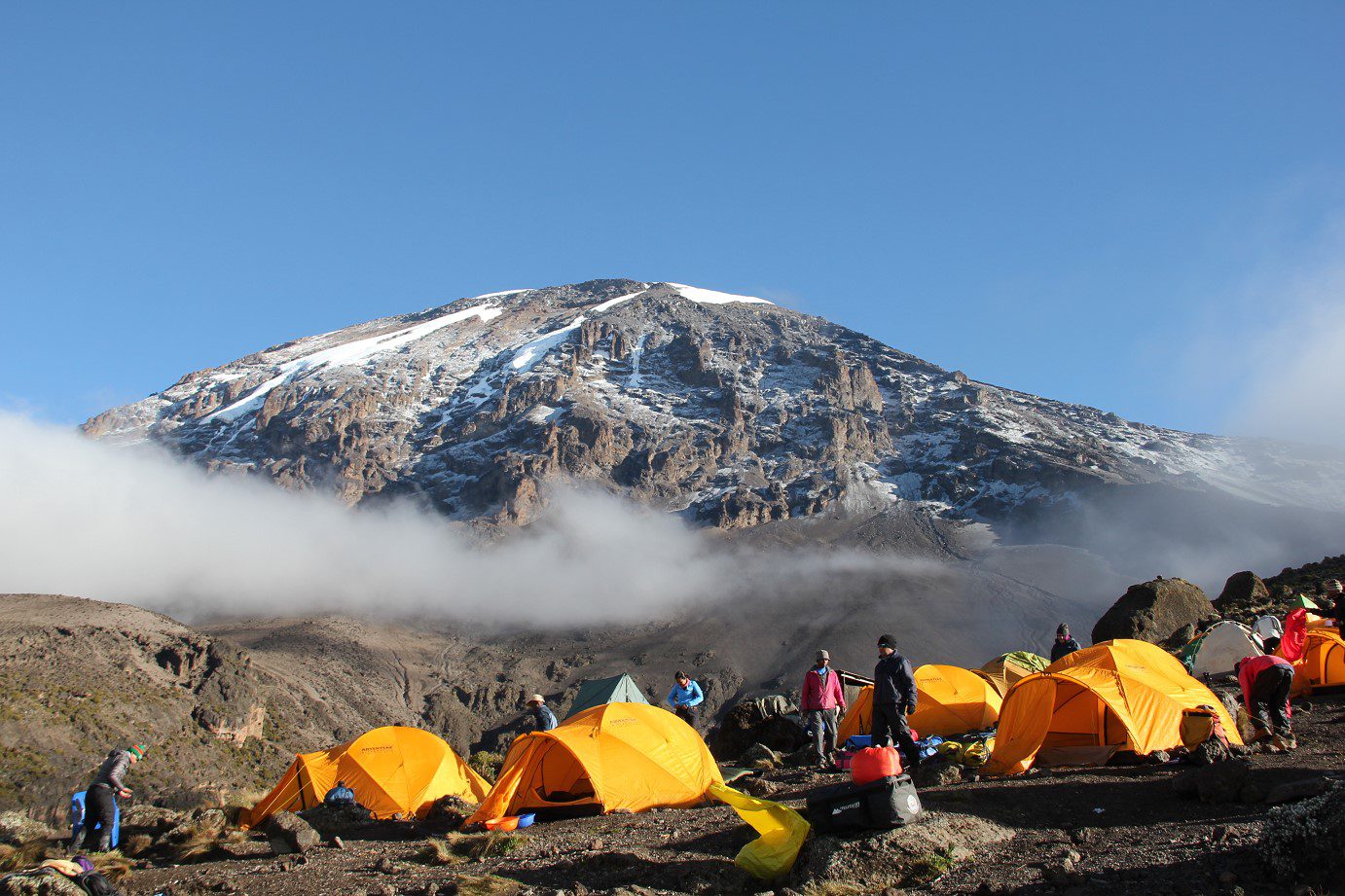
Kilimanjaro features dramatic terrain variations, from dense rainforest to alpine deserts, rocky scree slopes, and icy summit glaciers. Rapidly transitioning between these zones in a single day increases physical strain and the risk of slips or falls. Each zone requires specific hiking techniques and adaptation to changing oxygen levels, temperature, and footing. Multi-day itineraries, such as Lemosho and Machame, allow climbers to adjust gradually, learn safe movement on different surfaces, and acclimatize to altitude. Ignoring these terrain shifts by attempting a one-day climb can lead to accidents, hypothermia, or exhaustion. Mastering Kilimanjaro’s terrain safely demands time, preparation, and experience, none of which can be compressed into a single day.
Severe Weather Shifts
Weather on Kilimanjaro can change rapidly, with sunny mornings transforming into freezing, windy, or rainy afternoons. Daytime temperatures may feel comfortable, but nighttime conditions near the summit can drop well below -10°C. Attempting to reach the peak in a single day exposes climbers to extreme cold, wind chill, and unexpected storms without adequate recovery time. Multi-day climbs mitigate these risks by scheduling summit attempts early in the morning, when conditions are optimal, and allowing for emergency adjustments if storms arise. Ignoring Kilimanjaro’s volatile weather can result in frostbite, hypothermia, and increased accident risk, underscoring the need for a measured ascent.
Extreme Fatigue/Inadequate Endurance
Climbing Kilimanjaro in one day is physically exhausting even for elite athletes. The combination of steep inclines, high altitude, and prolonged exertion can lead to extreme fatigue, impairing judgment and coordination. Multi-day treks build endurance gradually, allowing climbers to pace themselves while carrying essential gear. Proper rest and nutrition are critical to sustaining energy levels for long hiking hours. Attempting a one-day ascent disregards natural limitations, increasing the risk of collapse, injuries, and failed summit attempts. Kilimanjaro’s unique demands highlight why patience, stamina, and daily progress are vital for a safe and rewarding trekking experience.
Risk of Physical Injuries
The risk of injuries on Kilimanjaro escalates sharply during rapid ascents. Steep scree slopes, uneven rocky terrain, and icy summit paths make slips, sprains, and fractures more likely when fatigue sets in. Multi-day treks reduce injury risk by allowing climbers to adapt gradually to terrain and elevation. Guides provide safety briefings, carry first-aid kits, and monitor hikers for signs of altitude-related complications. Attempting a single-day climb bypasses these precautions and leaves climbers vulnerable to serious injuries with limited access to immediate medical support. Safety protocols exist for a reason: conquering Kilimanjaro requires caution, preparation, and respect for its challenging environment.
Lack of Proper Hydration/Nutrient Intake
Maintaining proper hydration and nutrient intake is critical when trekking Kilimanjaro. Rapid, single-day ascents prevent adequate breaks for water, electrolyte replenishment, and high-energy meals, leading to dehydration, muscle cramps, and dizziness. Multi-day itineraries schedule regular hydration and food stops, ensuring climbers maintain strength and endurance for the summit push. Ignoring these needs can impair cognitive function and physical performance, compounding risks of altitude sickness and fatigue. Kilimanjaro trekking is as much about nutrition and energy management as it is about climbing skill, making a one-day attempt unsafe and unsustainable. Proper pacing ensures your body adapts to both the altitude and exertion demands.
Safety Regulations/Guides
Tanzania’s Kilimanjaro National Park enforces safety regulations requiring climbers to hire licensed guides and follow structured itineraries. One-day ascents violate park rules and ignore best practices for altitude acclimatization, increasing liability and emergency risks. Professional guides monitor climbers’ health, manage pace, and respond to altitude sickness or injuries, ensuring safe summit attempts. Tour operators design routes like Machame, Lemosho, and Marangu with rest days and acclimatization stops, adhering to both safety standards and Kilimanjaro conservation guidelines. Attempting a rapid, unsanctioned climb not only endangers climbers but also violates park policies, reinforcing that multi-day treks are essential for legal and safe mountain exploration.
Approach, feed or disturb wildlife, or leave the vehicle unless your guide says it is safe.
Follow your guide, carry travel insurance and check current health and travel advice.
Final Thought
Climbing Mount Kilimanjaro is a life-changing adventure that demands respect, preparation, and patience. The mountain’s extreme altitude, unpredictable weather, challenging terrain, and health risks make a single-day summit impossible for almost anyone. Multi-day treks, proper acclimatization, hydration, nutrition, and professional guidance are essential for a safe and successful ascent. Understanding these realities allows climbers to plan responsibly, maximize enjoyment, and safely achieve the dream of standing on Africa’s highest peak. Attempting to rush Kilimanjaro jeopardizes health, safety, and summit success, reinforcing that the journey—and not just the destination—defines the true Kilimanjaro experience.
Why You Can’t Climb Mt Kilimanjaro in a Day: FAQs
Can anyone climb Mount Kilimanjaro in one day?
Climbing Mount Kilimanjaro in a single day is a common misconception, often fueled by social media hype. While technically possible on extremely aggressive routes like the Marangu “Summit Day” approach, it is highly unsafe. Most hikers underestimate the mountain’s 5,895-meter altitude, changing weather, and steep terrain. Attempting a one-day summit increases the risk of Acute Mountain Sickness (AMS), dehydration, and fatigue. Safety and successful summit rates significantly improve on multi-day treks.
What is the fastest safe route to climb Kilimanjaro?
The Marangu Route is often cited as the fastest “walk-up” route to Kilimanjaro’s summit. Known as the “Coca-Cola Route,” it offers hut accommodation and a relatively gradual ascent profile, which helps with altitude acclimatization. However, even this route generally requires 5–6 days to safely reach Uhuru Peak. The Lemosho and Machame routes are considered safer and offer higher summit success rates, despite being slightly longer.
What is Acute Mountain Sickness (AMS)?
Acute Mountain Sickness (AMS) is the most common danger on high-altitude climbs like Kilimanjaro. Symptoms include headaches, nausea, dizziness, fatigue, and shortness of breath. Severe AMS can lead to High Altitude Pulmonary Edema (HAPE) or High Altitude Cerebral Edema (HACE), both potentially fatal. AMS occurs when the body cannot acclimatize to rapid altitude gain. Experts recommend ascending no more than 300–500 meters per day above 3,000 meters and incorporating rest days.
How long does it take to climb Kilimanjaro safely?
A safe Kilimanjaro climb usually takes 5–9 days, depending on the chosen route. Shorter treks, like the 5-day Machame Route, are possible but have lower summit success due to limited acclimatization. Longer routes, such as Lemosho or Northern Circuit, provide gradual elevation gain, improving summit rates and reducing AMS risk. Trekking at a measured pace, sleeping at designated camps, and incorporating acclimatization days are critical for health and safety.
Why can’t I just hike faster to reach the summit in a day?
Hiking faster does not equal safer or more successful summits on Kilimanjaro. Rapid ascent increases AMS risk because the body cannot adjust to decreasing oxygen levels above 3,000 meters. Even elite athletes experience fatigue, dizziness, and impaired judgment at high altitudes. Guides emphasize the “pole pole” (slowly, slowly) principle, which balances energy, oxygen intake, and acclimatization. The mountain’s extreme weather, steep inclines, and altitude extremes make a 24-hour summit impractical for anyone.
Are there any single-day Kilimanjaro climbs offered legally?
Legally, no reputable tour operator offers a full 24-hour Kilimanjaro summit climb. Operators prioritize safety, acclimatization, and high summit success rates, which require multiple days. While some aggressive “express climbs” may attempt rapid ascents, they are often illegal or violate park regulations due to safety concerns. The Kilimanjaro National Park Authority requires climbers to follow established routes, respect camping rules, and hire certified guides.
What are the risks of skipping acclimatization days?
Skipping acclimatization dramatically increases the risk of Acute Mountain Sickness (AMS), which can progress to HAPE or HACE, both potentially fatal conditions. Other risks include exhaustion, hypothermia, dehydration, and impaired decision-making. Rapid ascents reduce oxygen efficiency and slow physical recovery, which can force climbers to descend prematurely or require emergency evacuation. Multi-day treks incorporate rest days at strategic elevations, giving the body time to adjust.
How do guides ensure climber safety on Kilimanjaro?
Guides follow strict safety protocols, including gradual ascent planning, monitoring climbers for AMS symptoms, and enforcing rest breaks. They provide oxygen, medical kits, and communication tools for emergencies. Experienced guides select the safest routes based on weather and climber fitness, ensure proper hydration, and regulate daily elevation gains. They educate trekkers on pole pole (slowly, slowly) pacing and advise against risky shortcuts.
Can highly fit athletes climb Kilimanjaro in a day?
Even elite athletes face severe challenges attempting Kilimanjaro in 24 hours. While cardiovascular fitness and endurance help, altitude acclimatization cannot be bypassed, as oxygen levels drop drastically above 3,000 meters. Rapid ascents can cause AMS, exhaustion, and impaired judgment, regardless of training. Guides report that even highly fit trekkers rarely succeed without multi-day schedules. Kilimanjaro is not just a physical test—it is an altitude and environmental challenge.
What is the recommended Kilimanjaro trekking route for first-timers?
For first-time climbers, the Lemosho Route is widely recommended due to its scenic beauty, gradual ascent, and high summit success rates. This 7–8 day trek provides ample acclimatization, reducing the risk of AMS while allowing hikers to enjoy wildlife, forests, and mountain landscapes. Alternatives include the Machame Route, slightly steeper but still suitable for beginners, and the Marangu Route, offering hut accommodations for a more comfortable trek.
Climb Kilimanjaro With Confidence
Tell us your dates and fitness, and our experienced mountain team will plan a safe, well-acclimatized private climb.