
Kilimanjaro Trekking Tours
Popular Kilimanjaro Trekking Packages
Expert-guided treks across every major route, for every fitness level and budget.
7-Day Lemosho Route: The Most Beautiful Route on Mount Kilimanjaro
The most scenic route, with excellent acclimatization built in.
View Package →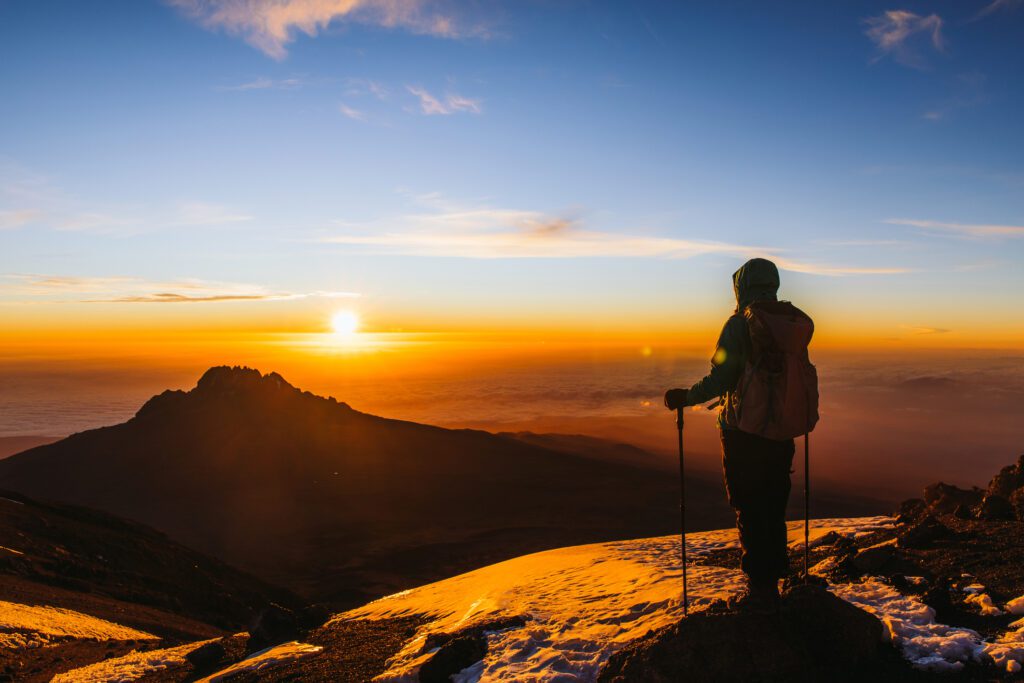
7-Day Shira Route on Kilimanjaro
A quiet, high-starting route with genuinely rewarding scenery.
View Package →
6-Day Machame Route
A shorter option on Kilimanjaro's scenic Whiskey Route.
View Package →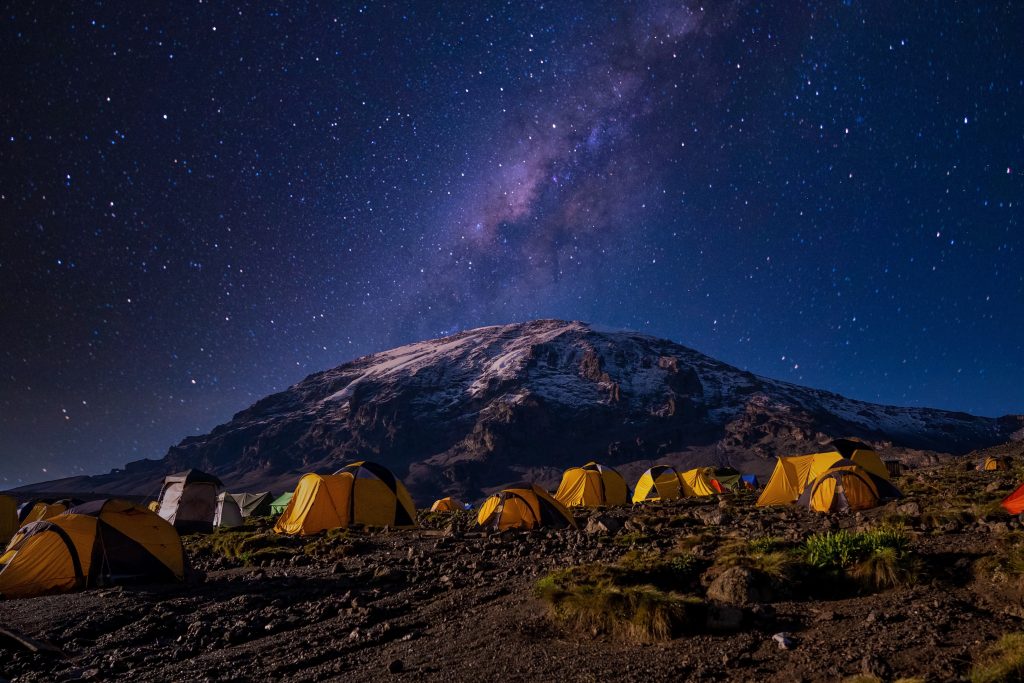
6-Day Marangu Route
The only route with hut accommodation, great for the rainy season.
View Package →6-Day Umbwe Route
A steep, quiet route for experienced trekkers seeking a challenge.
View Package →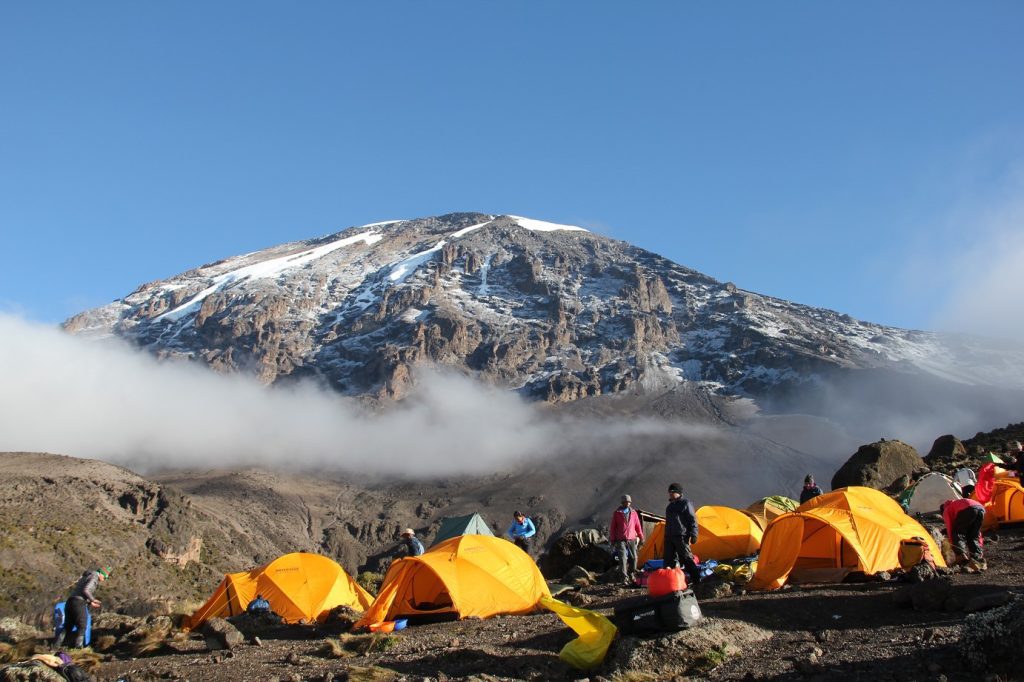
11-Day Northern Circuit: The Ultimate Extended Kilimanjaro Trek
The longest route, with the highest success rates on the mountain.
View Package →7-Day Rongai Route
A quieter northern approach with drier trail conditions.
View Package →8-Day Lemosho Route
An extra acclimatization day for an even higher summit chance.
View Package →Why Choose Us for Kilimanjaro Trekking Tours
Best Kilimanjaro tour operator
As one of Tanzania's leading Kilimanjaro operators, we design safe, well-acclimatized trekking itineraries across every major route, pairing WFR-certified guides with quality equipment for genuinely unforgettable summit attempts.
We offer private treks
Our private Kilimanjaro treks are tailored entirely around you, with flexible pacing, a dedicated guide team, and a customizable itinerary designed to maximize your summit chances while delivering a genuinely personal mountain experience.
Our mountain guides are world-class
Our mountain guides are world-class Kilimanjaro experts, combining deep route knowledge with wilderness first-responder training, ensuring a safe, well-paced, and genuinely supportive trek from gate to summit and back.
Fast Booking
All Kilimanjaro trek inquiries receive a reply within five minutes, backed by streamlined online booking and transparent, itemized pricing, reflecting our commitment to fast, reliable, and genuinely helpful service from first contact onward.
Support Team
Our dedicated 24/7 customer support team, based in Moshi and across Tanzania, remains available throughout your entire Kilimanjaro journey, ready to assist with itinerary changes, logistics, or emergencies on the mountain.
Passionate About the Mountain
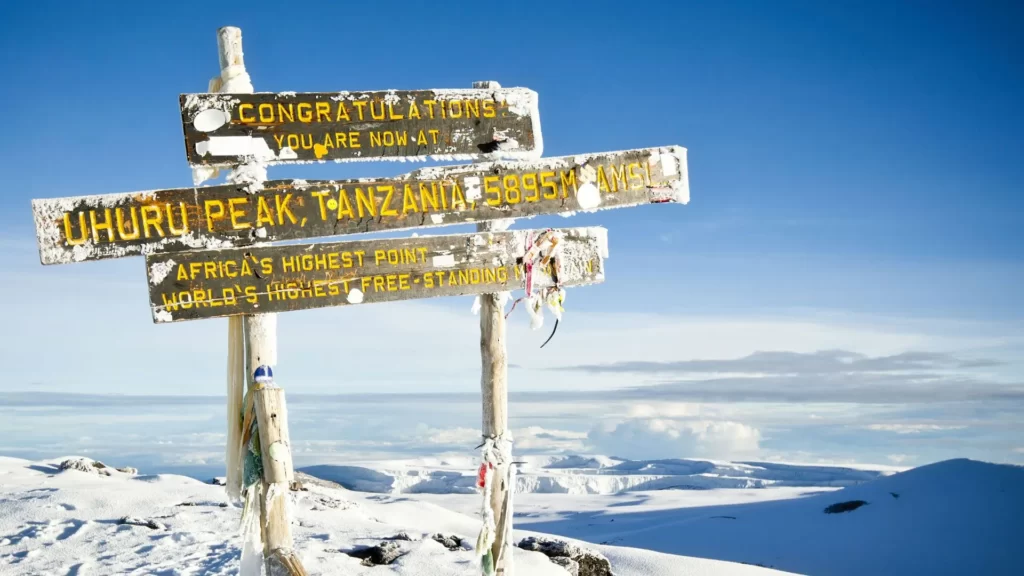
As a passionate Kilimanjaro trekking specialist, we combine decades of mountain expertise with a genuine love for helping every trekker, from first-time beginners to experienced hikers, reach Uhuru Peak safely.
Kilimanjaro Trekking Tours FAQs
Where do you sleep on Kilimanjaro?
On Kilimanjaro trekking tours, accommodation depends on the route you choose. Most climbers on Mount Kilimanjaro sleep in mountain tents set up at designated campsites along popular routes like Machame, Lemosho, and Rongai. These Kilimanjaro camping experiences are basic but safe, with waterproof tents, sleeping mats, and shared dining tents provided by professional trekking operators. On the Marangu Route, trekkers stay in simple mountain huts instead of tents. Nights are cold due to the high altitude, so warm sleeping bags are essential. Kilimanjaro accommodation is designed for acclimatization, rest, and recovery before each trekking stage. Expect rustic mountain living, stunning starlit skies, and early nights to prepare for daily hiking challenges.
What to expect on a Kilimanjaro climb?
A Kilimanjaro trekking adventure is a life-changing high-altitude hiking experience that combines endurance, scenery, and gradual acclimatization. On Mount Kilimanjaro, expect daily hikes ranging from 4 to 8 hours through diverse ecosystems, including rainforest, moorland, alpine desert, and arctic summit zones. Weather conditions vary dramatically, from warm forest trails to freezing summit temperatures. Altitude sickness prevention is a key focus, with slow ascent and “pole pole” (slowly slowly) guiding pace. Professional Kilimanjaro guides, porters, and cooks support your journey. Expect simple camp life, nutritious meals, and limited mobile connectivity. The climb is physically demanding but achievable with preparation, determination, and the right Kilimanjaro tour operator, ensuring safety and success.
Which routes can I take on Mt Kilimanjaro?
There are several popular Kilimanjaro climbing routes on Mount Kilimanjaro, each offering unique scenery, difficulty levels, and success rates. The Machame Route (Whiskey Route) is the most popular for scenic views and acclimatization. The Lemosho Route is ideal for high success rates and fewer crowds. The Marangu Route (Coca-Cola Route) is the only path with hut accommodation. Rongai Route approaches from the north and is drier, while the Northern Circuit is the longest and most successful for summit attempts. The Umbwe Route is the steepest and most challenging. Choosing the best Kilimanjaro route depends on fitness level, budget, and desired trekking experience. Each route offers a world-class Mount Kilimanjaro trekking adventure.
What does a typical day on Mt Kilimanjaro look like?
A typical day on a Kilimanjaro trekking tour starts early with breakfast at camp before setting off on a guided hike across Mount Kilimanjaro. Trekkers walk for 4–8 hours, depending on altitude and route stage, with regular rest breaks and scenic viewpoints. The pace is slow (“pole pole”) to support acclimatization and reduce altitude sickness risk. Lunch is often taken on the trail or at the next camp. Upon arrival, climbers rest, hydrate, and enjoy hot meals prepared by the mountain cook. Afternoons are for recovery, short walks, or acclimatization hikes. Evenings include a dinner briefing with guides about the next day’s climb. Early sleep is essential for energy and summit preparation.
When is the best time to climb Mt Kilimanjaro?
The best time for Kilimanjaro trekking tours on Mount Kilimanjaro is during the dry seasons: January to mid-March and June to October. These months offer clearer skies, stable weather conditions, and higher summit success rates. June to October is the most popular climbing season due to cool temperatures and excellent visibility. January to March is slightly warmer and less crowded, ideal for a quieter trekking experience. Rainy seasons (April–May and November) bring muddy trails and reduced visibility, making climbs more challenging. However, experienced trekkers still attempt Kilimanjaro year-round. Choosing the best time depends on weather preference, crowd levels, and personal trekking goals.
How fit do I need to be to climb Kili?
Climbing Mount Kilimanjaro does not require technical mountaineering skills, but a good level of physical fitness is essential. Kilimanjaro trekking tours involve long walking days, steep ascents, and high altitude conditions. Cardiovascular endurance, leg strength, and mental stamina are key to success. Training should include hiking, jogging, stair climbing, and endurance workouts several weeks before departure. While beginners can successfully summit with proper preparation, altitude adaptation is more important than extreme fitness. Slow pacing (“pole pole”) and hydration help prevent altitude sickness. Many climbers of all ages complete Kilimanjaro with professional guides and structured itineraries designed for safe acclimatization.
Things to know before you go climbing Mount Kilimanjaro
Before joining Kilimanjaro trekking tours on Mount Kilimanjaro, preparation is crucial. First, choose a reputable Kilimanjaro tour operator with certified guides and safety protocols. Pack layered clothing for extreme weather changes, including thermal wear, waterproof jackets, and hiking boots. Understand altitude sickness risks and follow acclimatization schedules. Travel insurance covering high-altitude trekking is highly recommended. Porters carry most gear, but keep essentials in a daypack. Bring enough drinking water, energy snacks, and personal medication. Mental preparation is equally important, as summit night is cold and challenging. Respect the mountain, follow guide instructions, and embrace the “pole pole” climbing philosophy for a successful Kilimanjaro summit experience.
Kilimanjaro private treks vs group treks
Kilimanjaro trekking tours on Mount Kilimanjaro are available as private or group climbs, each offering different advantages. Private treks provide personalized itineraries, flexible pacing, and exclusive guide attention—ideal for families, honeymooners, or luxury travelers seeking comfort and privacy. Group treks are more budget-friendly and allow climbers to share costs while meeting fellow adventurers. They follow fixed schedules and standardized routes but still include professional guides and support teams. Both options ensure safety, meals, and camping logistics. Private climbs often have higher success rates due to customized acclimatization plans, while group climbs offer a social and cost-effective Kilimanjaro experience. The choice depends on budget, comfort level, and travel style.
How Much Does It Cost to Climb Mount Kilimanjaro?
The cost of Kilimanjaro trekking tours varies widely depending on the route, duration, and level of service, making it one of the most searched topics for “Kilimanjaro climbing cost,” “Kilimanjaro tour prices,” and “affordable Kilimanjaro expeditions.” On average, a budget Kilimanjaro climb may start from $1,800 to $2,500, while mid-range Kilimanjaro trekking packages range between $2,800 and $4,500. Luxury Kilimanjaro climbs with private guides, premium camping, and high success rates can exceed $5,000 to $8,000. Costs usually include park fees, guide services, meals, porters, camping equipment, and rescue fees. However, international flights, visas, tips, and personal gear are additional. Prices also depend on route popularity, such as Machame, Lemosho, or Marangu. Choosing a reputable Kilimanjaro tour operator ensures safety, ethical porter treatment, and higher summit success rates, making it essential to compare Kilimanjaro trekking packages carefully before booking.
How Hard Is It to Climb Mount Kilimanjaro?
Climbing Mount Kilimanjaro is considered a non-technical but physically demanding high-altitude trek, frequently searched as “Kilimanjaro difficulty level,” “is Kilimanjaro hard to climb,” and “Kilimanjaro summit challenge.” While no climbing experience is required, the main challenge is altitude sickness due to the 5,895-meter elevation. Trekkers must endure long hiking days, steep ascents, and rapidly changing climates from rainforest to arctic summit conditions. Success depends on endurance, mental strength, and proper acclimatization. Routes like Lemosho and Northern Circuit increase summit success rates due to longer acclimatization time. Most climbers find the “pole pole” (slowly, slowly) pace crucial for reaching Uhuru Peak. With proper training, hydration, and guided Kilimanjaro trekking tours, even beginners can successfully summit Africa’s highest mountain.
Plan Your Kilimanjaro Trek
Tell us your dates, fitness level, and preferred route, and we will build the right itinerary for your summit attempt.
Book Now Online →What Our Trekkers Say
Real 5-star reviews from trekkers who traveled with us