The best time for a photography safari in Tanzania is June to October for dry season clarity, big wildlife concentrations and dramatic Mara River crossings, and January to March for the calving season, predator action and green backdrops. April, May and November also reward wildlife photographers with lush landscapes, dramatic skies, outstanding birdlife and fewer vehicles at sightings. This guide explains the best time for safari photography month by month and by subject, compares the dry and green seasons, and shares practical planning, booking and budget advice from our friendly, experienced local safari team based in Arusha, northern Tanzania.
When is the best time for a photography safari in Tanzania?
The best time for a photography safari in Tanzania is June to October, when dry weather thins the vegetation, wildlife gathers at water and the Great Migration crosses the Mara River in the northern Serengeti. January to March is the best time for calving season and predator photography in Ndutu and the southern Serengeti. For landscapes, storm skies, birds and quieter sightings, the green seasons from November to May are excellent. Every month offers rewarding photography with the right parks.
Best Time for Safari Photography in Tanzania, Month by Month
Every single month in Tanzania offers different, rewarding photographic opportunities, depending on rainfall, wildlife movements, light and the number of vehicles at sightings. Some months are perfect for calving and predator action, others for river crossings, elephants, birds or dramatic green landscapes. Select each tab below to see the best parks, top photo subjects, typical weather and light, and what to expect from crowds and value in each two-month period, with links to related safari guides. Use this practical month by month guide to match your travel dates confidently with the photographs you most want to take home.
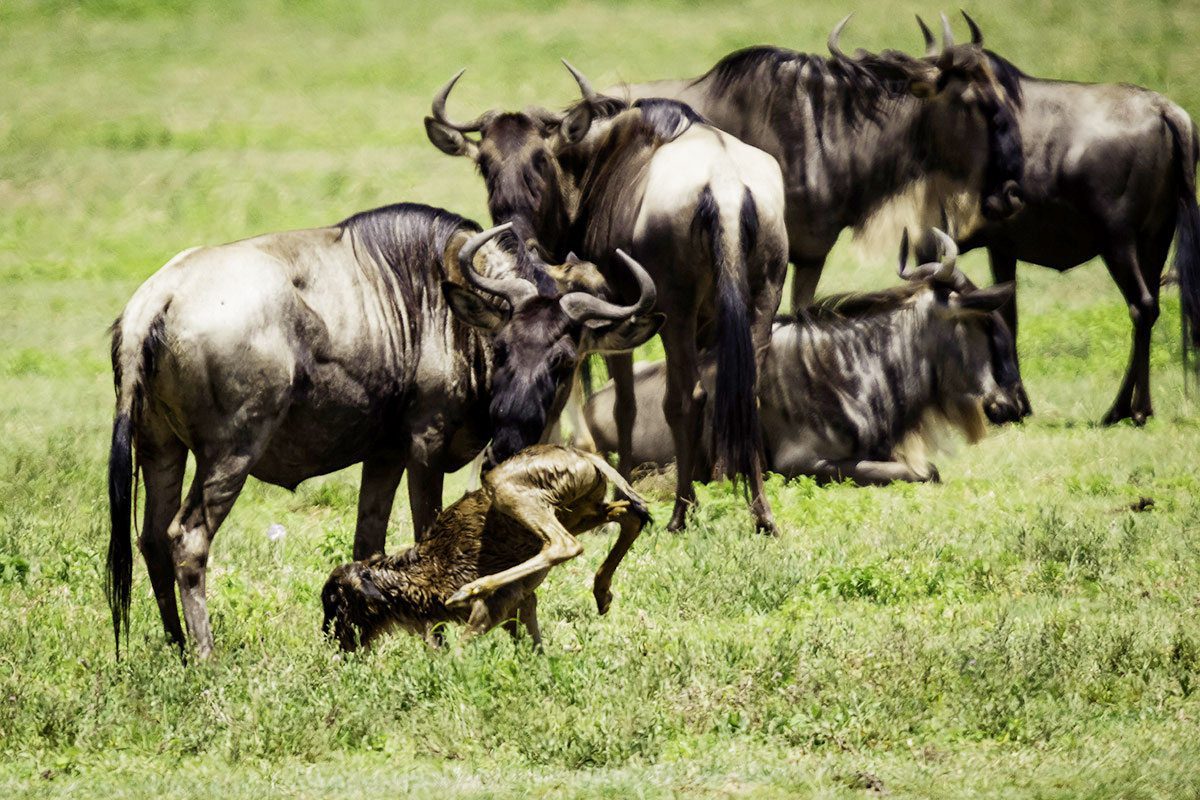
January and February: Calving Season Photography
Ndutu, southern Serengeti and Ngorongoro Crater
Newborn calves, cheetahs, lions and hyenas hunting
January and February are among the best months for wildlife photography in Tanzania. Huge herds of wildebeest and zebras gather on the short-grass plains for calving, and predators hunt in open country with clear views. Green grass and clean horizons create simple, beautiful compositions, while short rains usually fall in brief afternoon showers rather than long downpours.
Calving Season Safari →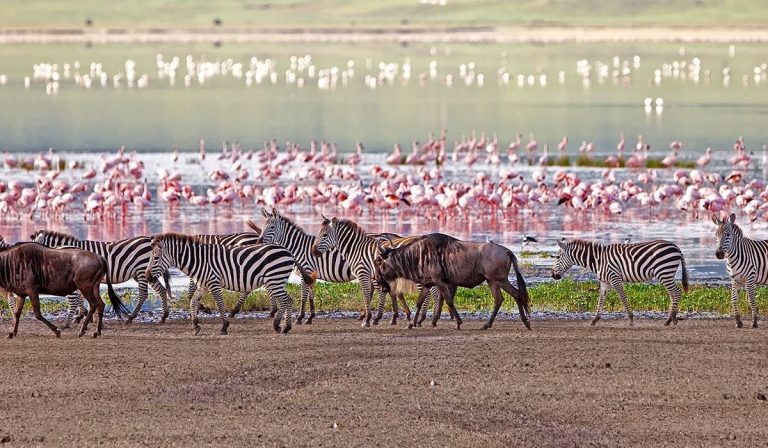
March and April: Green Season Drama and Quiet Parks
Ngorongoro Crater, Serengeti and Lake Manyara
Late calving, storm skies, rainbows and lush landscapes
March often continues the calving action, while April brings the heaviest rains and very green, moody landscapes. Diffused light, storm clouds and rainbows suit creative photographers, and sightings are wonderfully quiet, with very few other vehicles around. Ngorongoro Crater remains excellent for wildlife, although some roads become muddy and a number of remote camps close during April.
Green Season Safaris →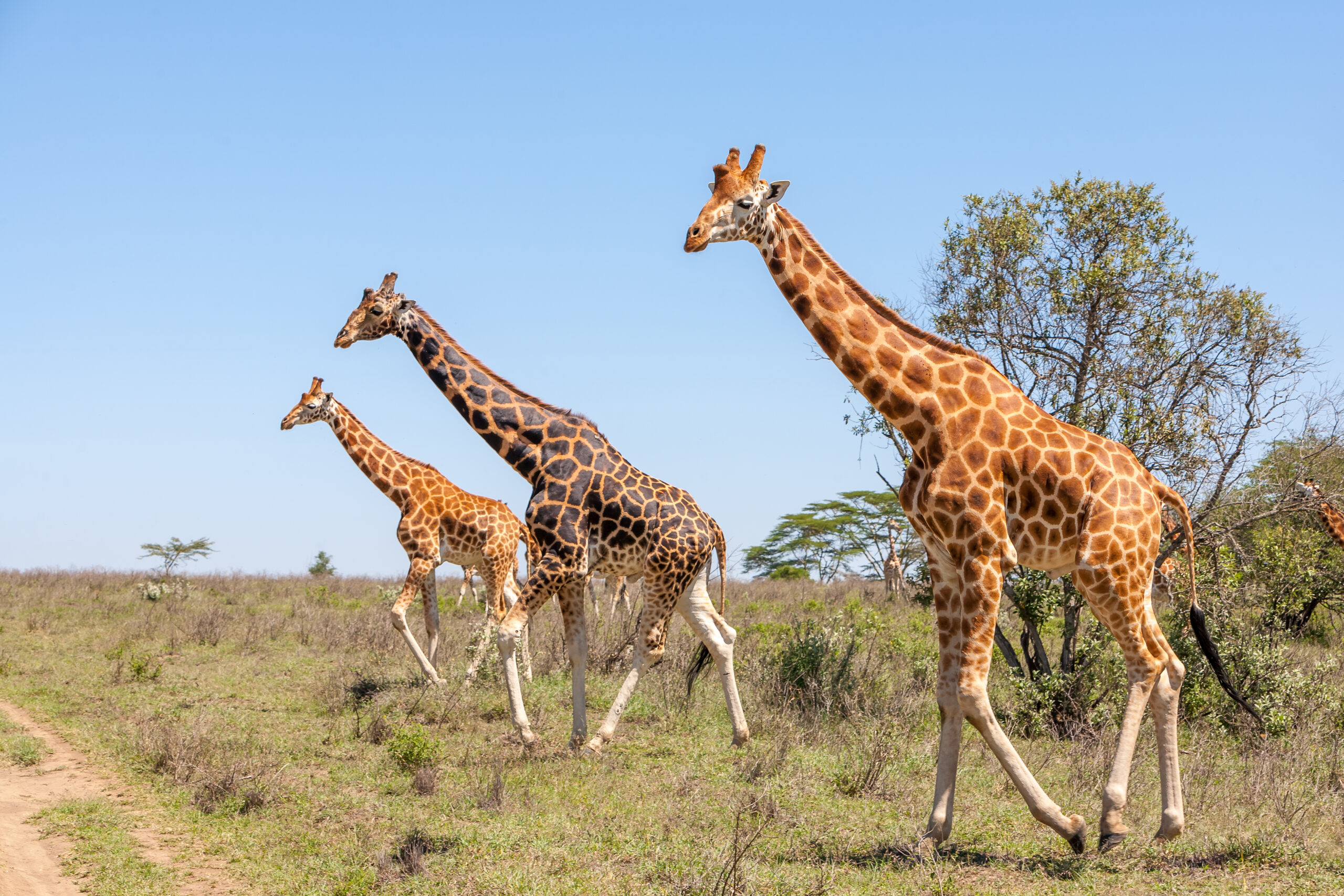
May and June: Fresh Landscapes and the Moving Herds
Central and western Serengeti, Ngorongoro and Tarangire
Rutting wildebeest, green plains and herds on the move
May is the end of the long rains, with fresh green grass and clear air after showers. In June, the dry season begins, skies clear and the wildebeest herds move through the central and western Serengeti, often during the rutting season. Both months combine good wildlife, beautiful light and fewer vehicles than the peak months.
Serengeti National Park →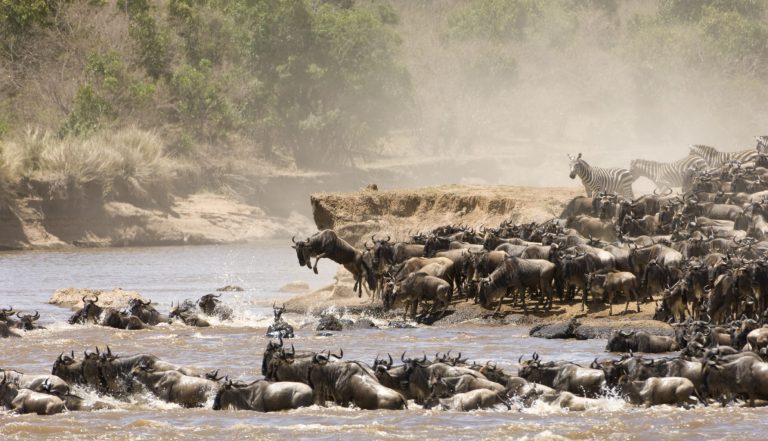
July and August: Peak Season and Mara River Crossings
Northern Serengeti, Tarangire and Ngorongoro Crater
Mara River crossings, elephants and predators at water
July and August are peak months for photography safaris, with dry weather, excellent visibility and wildlife concentrated around rivers. The Great Migration usually reaches the northern Serengeti, where dramatic Mara River crossings can take place. Tarangire fills with elephants, and cool, clear mornings give crisp light, although popular sightings attract noticeably more vehicles at this busy time.
Great Migration Safaris →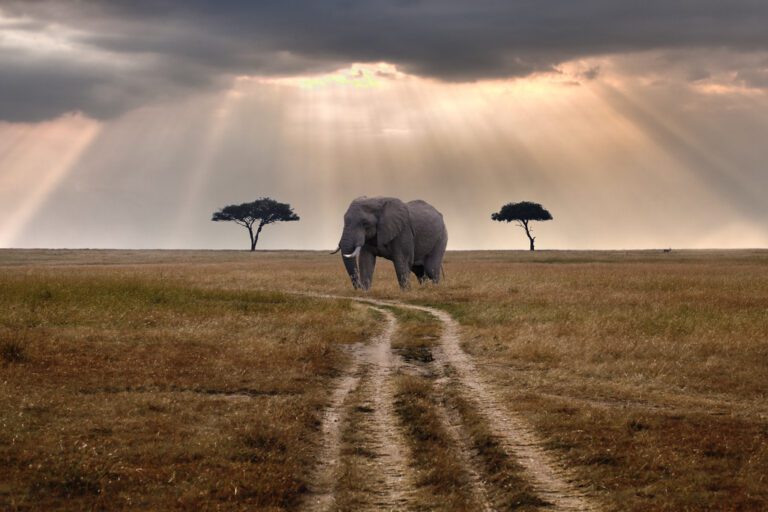
September and October: Golden Dust and Dry Season Action
Northern Serengeti, Tarangire, Ruaha and Nyerere
River crossings, big cats, elephants and dusty backlit scenes
September and October bring warm days, golden grass and dusty air that glows beautifully at sunrise and sunset. River crossings often continue in the northern Serengeti, and predators stay close to the remaining water. Vehicle numbers ease after the peak months, and the southern parks of Ruaha and Nyerere are superb for wildlife photography at this time.
Ruaha National Park →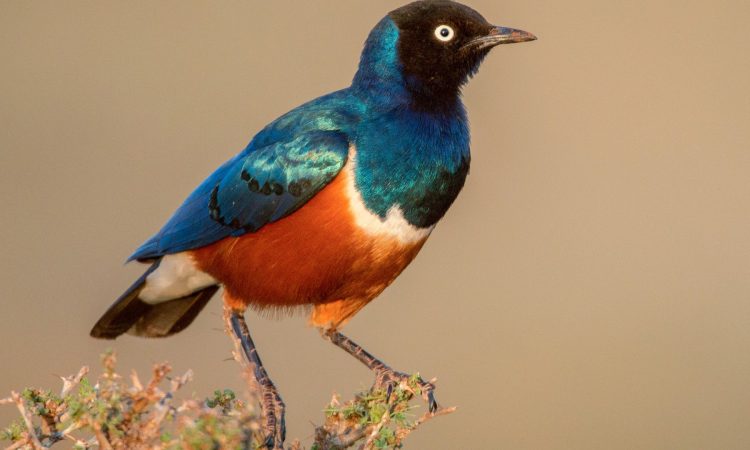
November and December: Short Rains, Birds and New Life
Southern Serengeti, Tarangire and Lake Manyara
Migratory birds, green plains and herds returning south
The short rains refresh the parks with green grass, clear air and dramatic afternoon clouds. Migratory birds arrive from Europe and Asia, making these months excellent for bird photography, and the wildebeest herds return towards the southern Serengeti. Quiet sightings and soft light after showers create wonderful conditions before the busy festive season begins in late December.
Birds of Tanzania →Best Time to Photograph Each Wildlife Highlight
The best time for your photography safari depends above all on the subjects you most want to photograph. River crossings, calving and predator action, elephants, birds, big cats and dramatic landscapes each have their own ideal months and parks in Tanzania. The cards below explain when and where to photograph each highlight, with practical tips for getting the best results and links to our related park and safari guides. If you have several priorities, our local team can design a private itinerary that combines complementary parks and seasons, so you return home with a varied, story-telling collection of images.
Great Migration River Crossings
The best time to photograph Mara River crossings is July to October in the northern Serengeti. Crossings depend on rainfall and herd movements, so they cannot be guaranteed on a specific day. Allow at least three nights in the north, stay patient at the river and use both long and wide lenses to show drama and scale.
Calving and Predator Action
The best time for calving season photography is January to March in Ndutu and the southern Serengeti, with February usually the peak for births. Open plains offer clear views of cheetahs, lions and hyenas hunting. Fast shutter speeds, burst mode and an experienced guide who reads predator behaviour are all essential for capturing the fast action.
Elephants and Baobabs
The best time to photograph elephants is June to October, when large herds gather along the Tarangire River beneath ancient baobab trees. Dusty golden light at sunrise and sunset creates timeless images, and family interactions at water are frequent. Tarangire also combines very easily with the Serengeti and Ngorongoro Crater on a northern circuit photography safari.
Bird Photography
The best time for bird photography in Tanzania is November to April, when migratory species arrive and many resident birds show bright breeding colours. Lake Manyara, Tarangire, the Serengeti and Arusha National Park are rewarding locations. Use your longest lens, a fast shutter speed and early mornings, when birds are most active and the light is soft.
Big Cats All Year
Lions, leopards and cheetahs live in the Serengeti all year, so big cat photography is rewarding in every month of the year. The central Serengeti around Seronera is especially reliable for leopards and lions. The dry season gives clearer views in shorter grass, while the calving season brings more hunting action on the open southern plains.
Landscapes and Dramatic Skies
The best time for landscape photography is the green seasons from November to May, when storm clouds, rainbows, fresh greens and clear air after rain create truly powerful scenes. The dry season offers golden grass, dust and fiery sunsets instead. Ngorongoro Crater, the Serengeti plains and Tarangire's baobabs all make superb, memorable backdrops for wide-angle images.
Dry Season vs Green Season for Safari Photography
Choosing between the dry season and the green season is one of the biggest decisions when planning a photography safari in Tanzania. The dry season from June to October offers clear visibility, concentrated wildlife and river crossings, while the green season from November to May brings lush landscapes, dramatic skies, calving, birds and quieter sightings. The cards below compare the strengths and challenges of each season for photographers, so you can decide which suits your goals, budget and style. Both seasons produce outstanding images when you plan carefully with an experienced local operator who knows the parks well.
Dry Season Advantages
From June to October, thin vegetation and short grass make animals easier to find and photograph, and wildlife concentrates around rivers and waterholes. Skies are usually clear, roads are easier and malaria risk is lower. It is the best season for Mara River crossings, elephants in Tarangire and consistent, reliable game viewing for first-time photographers.
Dry Season Challenges
The dry season is the busiest time of year, so popular sightings and Ngorongoro Crater attract more vehicles, and lodge rates are at their highest. Midday light is harsh and hazy, and dust can affect cameras and lenses. Plan early starts, late returns and a private vehicle to work around crowds and make the most of the light.
Green Season Advantages
From November to May, the parks are lush and green, skies are dramatic and the air is clear after rain. The calving season brings newborn animals and predator action, migratory birds arrive and sightings are much quieter. Many lodges offer lower rates, making the green season excellent value for creative, unhurried wildlife and landscape photography.
Green Season Challenges
Rain can interrupt game drives, some roads become muddy and a number of remote camps close in April and May. Taller grass can hide smaller animals in some areas. Protect your camera with rain covers, stay flexible with your daily plans and choose parks such as Ngorongoro Crater and the southern Serengeti, which remain rewarding.
How to Plan Your Photography Safari Around the Best Time
Once you know the best time for your chosen subjects, a few smart planning decisions turn good timing into outstanding photographs. When to book, how many days to spend, the type of vehicle and guide you choose and your budget for the season all affect the quality of your images and experience. The cards below share practical advice on each of these topics, including typical price ranges per person per day for private safaris in Tanzania. Our friendly, experienced local team in Arusha will happily help you choose the right dates, parks and accommodation for your photographic priorities.
When to Book
For the peak months of July to October and the calving season in February, book six to twelve months ahead, as the best-positioned camps fill quickly. For the green season, three to six months is usually enough. Early booking gives you the widest choice of lodges, camps and the most experienced photographic guides in each area.
How Many Days to Plan
Plan at least seven to ten days for a rewarding photography safari, giving time for patience at sightings and for poor-weather days. Spend three or more nights in key areas such as the northern Serengeti or Ndutu, rather than moving every day. Longer stays in fewer places produce better photographs and a more relaxed experience.
Private Vehicle and Guide
A private safari vehicle with a roof hatch, space for camera bags and beanbags, and a patient, skilled guide who understands light and animal behaviour makes by far the greatest difference to your photographs. You decide how long to stay at each sighting, where to position the vehicle and when to leave, at your own pace.
Budget by Season
Private Tanzania safaris typically range from about US$250 to 390 per person per day for camping, US$550 to 990 for mid-range lodges and US$990 to 2,500 or more for luxury camps. Green season rates are often lower, while peak months and migration camps cost more. Ask our team for a personalised quote for your chosen dates.
Photography Safari Planning Checklist
Use this interactive planning checklist to choose the best time for your Tanzania photography safari and prepare for a smooth, safe and rewarding trip. It covers choosing your season and subjects, booking the right parks and accommodation, preparing your camera gear and the travel essentials to arrange before you leave home. Tick each item as you go and follow your progress with the bar, or print the list to keep beside your travel documents while planning. Our experienced local team shares detailed photography and packing advice for your chosen season once your private safari is confirmed in writing.
Choose Your Timing0/5
Book the Essentials0/5
Prepare Your Gear0/5
Travel Essentials0/5
Safari Photography Guides
Best Time for Photography Safaris in Tanzania: FAQs
What is the best month for a photography safari in Tanzania?
February is outstanding for calving and predator action, while August and September are excellent for Mara River crossings. The best month depends on your favourite subjects.
When is the dry season in Tanzania?
The main dry season runs from June to October, with clear skies, thin vegetation and wildlife gathered at water, making animals easier to find and photograph.
Is the green season good for photography?
Yes. The green season offers lush landscapes, dramatic skies, rainbows, calving, migratory birds and quieter sightings, often at lower lodge rates.
When can I photograph Mara River crossings?
Mara River crossings usually take place from July to October in the northern Serengeti. They depend on rainfall and herd movements, so allow several days.
When is the calving season in Tanzania?
The calving season usually runs from January to March in Ndutu and the southern Serengeti, with most births typically in February.
What is the best time to photograph elephants?
June to October is best, when large elephant herds gather along the Tarangire River among baobab trees in golden dry season light.
When is the best time for bird photography?
November to April is best, when migratory birds arrive and many species display breeding colours, especially around Lake Manyara and Tarangire.
Which months are least crowded for photography?
March to May and November are usually the quietest months, with fewer vehicles at sightings and more exclusive photography opportunities.
Is April a good month for a photography safari?
April brings heavy rain, muddy roads and some camp closures, but also lush scenery, moody light, very few vehicles and excellent Ngorongoro Crater wildlife.
What time of day is best for safari photography?
The first and last hours of daylight offer the softest light and most active wildlife. Near the equator these golden hours are short, so start early.
How many days do I need for a photography safari?
Plan at least seven to ten days, with three or more nights in key areas, to allow time for patience at sightings and changing weather.
How far ahead should I book a photography safari?
Book six to twelve months ahead for July to October and February. Three to six months is usually enough for the green season.
How much does a photography safari in Tanzania cost?
Private safaris typically cost about US$250 to 390 per person per day camping, US$550 to 990 mid-range and US$990 to 2,500 or more for luxury.
Is a private vehicle important for a photography safari?
Yes. A private vehicle with a roof hatch lets you stay at sightings as long as you like, position for light and carry all your camera gear.
Plan Further: Tanzania Safaris and Destinations
Tanzania Safaris
Destinations
Plan Your Private Photography Safari
Tell us your preferred months and the wildlife you would love to photograph, and our local team in Arusha will design a private tailor-made safari timed for the best light, parks and action.
Book Now Online →What Our Travelers Say
Real 5-star reviews from guests who traveled with us