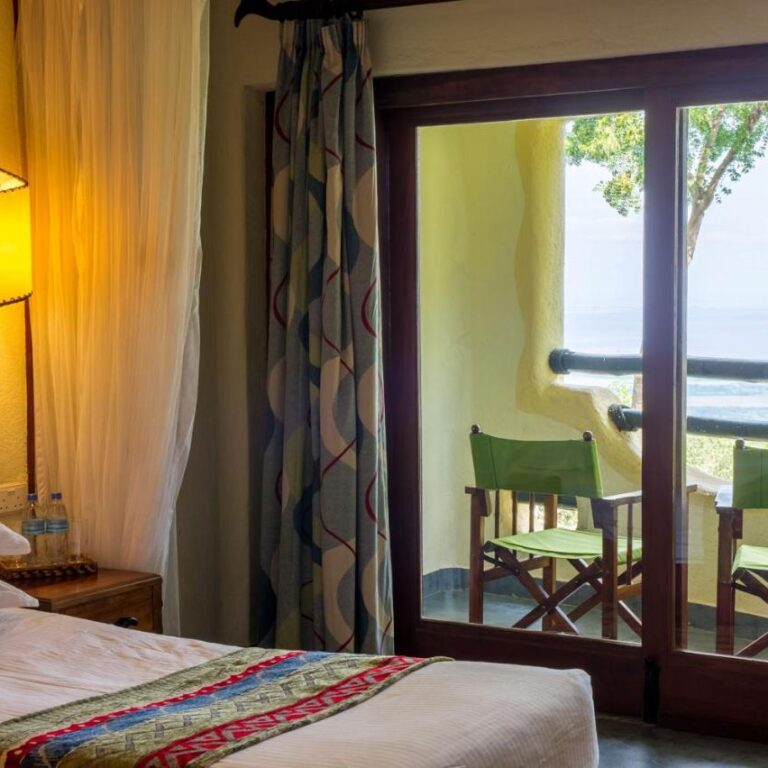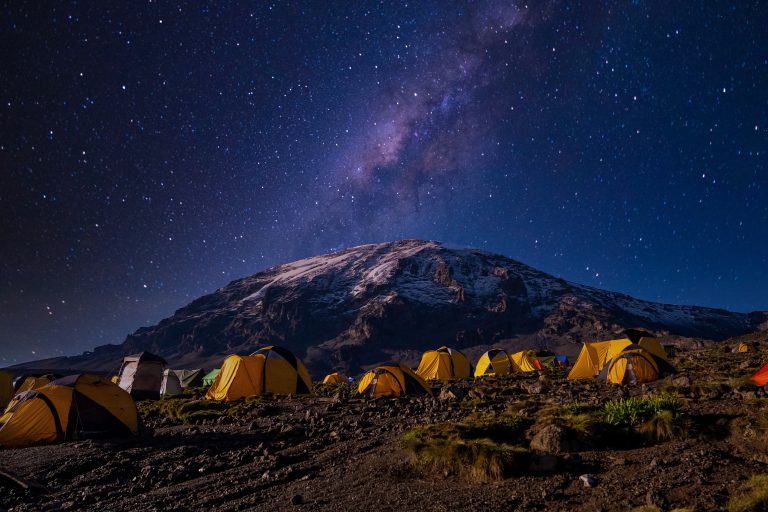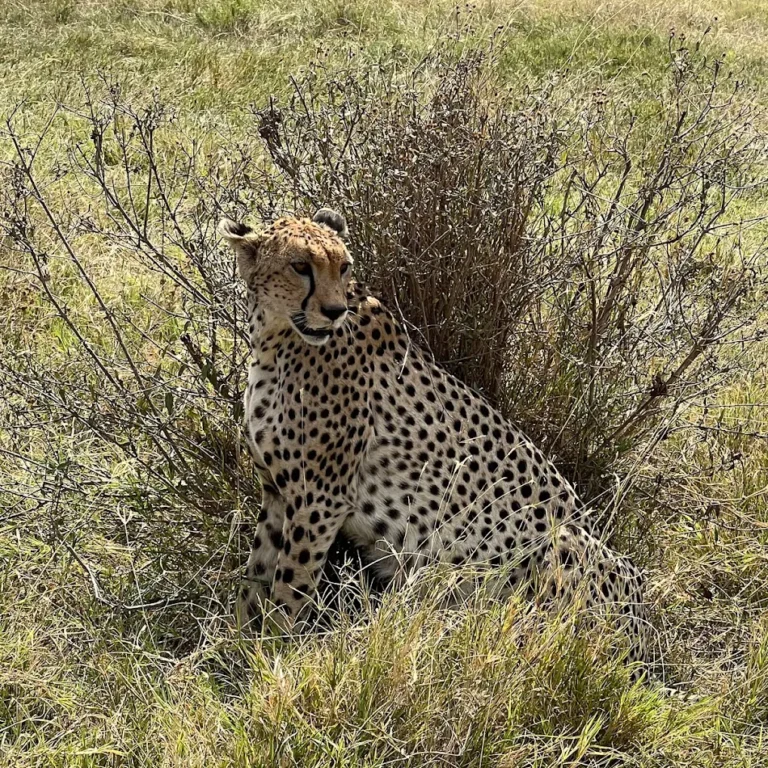
The best African safari tips for first-timers are to choose a wildlife-rich destination such as Tanzania, travel in the right season, allow at least six to seven days, book a private safari with an experienced local operator, pack light in neutral colours and follow your guide's advice at every sighting. This expert guide shares ten veteran safari tips, what a typical safari day looks like, how long to stay, realistic budgets, what to expect, a preparation checklist and clear answers to the most common first-timer questions from our friendly and experienced local safari team based in Arusha, northern Tanzania.
What are the best African safari tips for first-timers?
For a first African safari, choose a destination with abundant wildlife such as Tanzania's Serengeti and Ngorongoro Crater, travel in the dry season from June to October or the calving season in January and February, and allow at least six to seven days. Book a private safari with a licensed local operator, avoid rushing between too many parks, pack light neutral clothing and binoculars, and always follow your guide's instructions. Combining your safari with a few days on Zanzibar is a perfect first trip.
10 Veteran Safari Tips for First-Timers
After guiding and planning safaris in Tanzania for many years, our team has learned what makes a first African safari truly special and what can go wrong. These ten veteran tips cover where to go, when to travel, how long to stay, private safaris, choosing a local operator, pacing, packing, gear, etiquette and budgeting. Select each tab below to see the tip, why it matters, an insider insight from our guides and the most common first-timer mistake to avoid, with links to our detailed planning guides for every topic. Follow them for an easier and richer first safari.
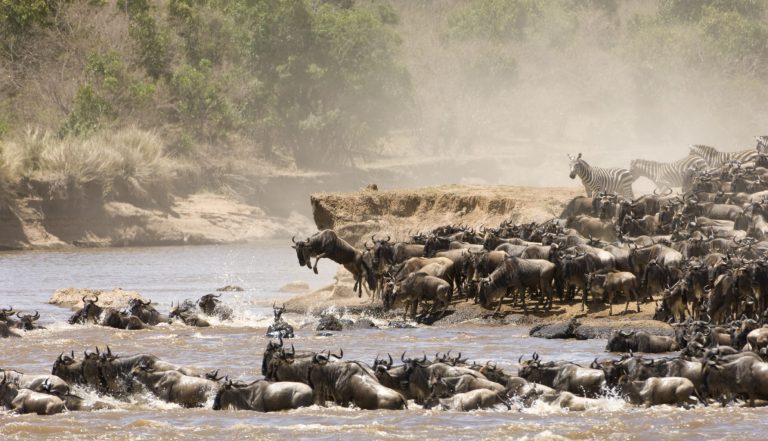
Choose a Wildlife-Rich Destination
Start with Tanzania's northern circuit
Abundant wildlife and short distances make it ideal for first-timers
Tanzania's northern circuit is one of the best places in Africa for a first safari. The Serengeti, Ngorongoro Crater, Tarangire and Lake Manyara offer outstanding year-round wildlife, a real chance of the Big Five and good road connections from Arusha. You can add Zanzibar's beaches easily, creating a perfect bush-and-beach trip in a single, easy-to-reach destination.
Tanzania Safari Packages →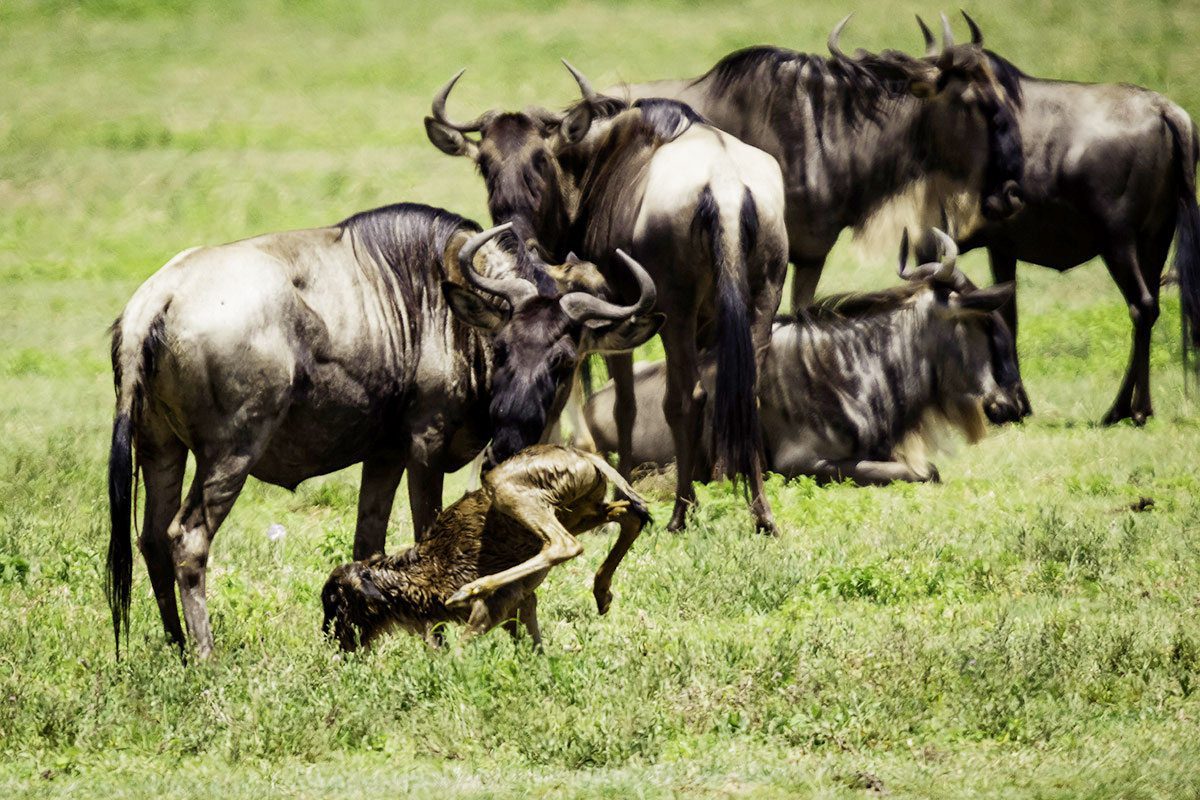
Travel in the Right Season
June to October, or January and February
Season shapes wildlife, weather, crowds and prices
The dry season from June to October offers the easiest game viewing and the Great Migration river crossings, while January and February bring the calving season and warm weather. The green season from March to May is quieter and better value. Choose your season by what you most want to see, then plan the parks around it.
Tanzania Safari Seasons →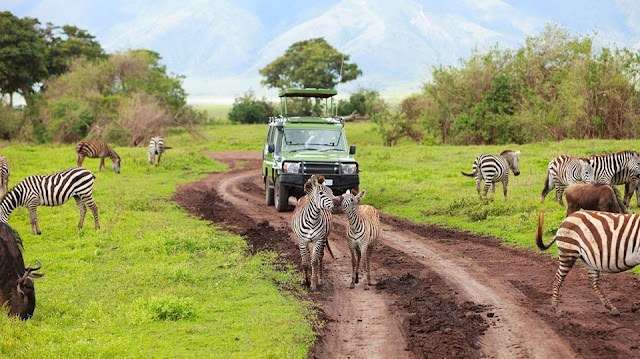
Allow at Least Six to Seven Days
Six to ten days on safari
More time means more sightings and less driving
A first safari of six to ten days gives you time to visit three or four parks without rushing. Short trips spend a large share of time on the road, while longer stays let you enjoy unhurried game drives and quiet moments at camp. Add three to five nights on Zanzibar if you would like to relax afterwards.
First-Timer Itinerary →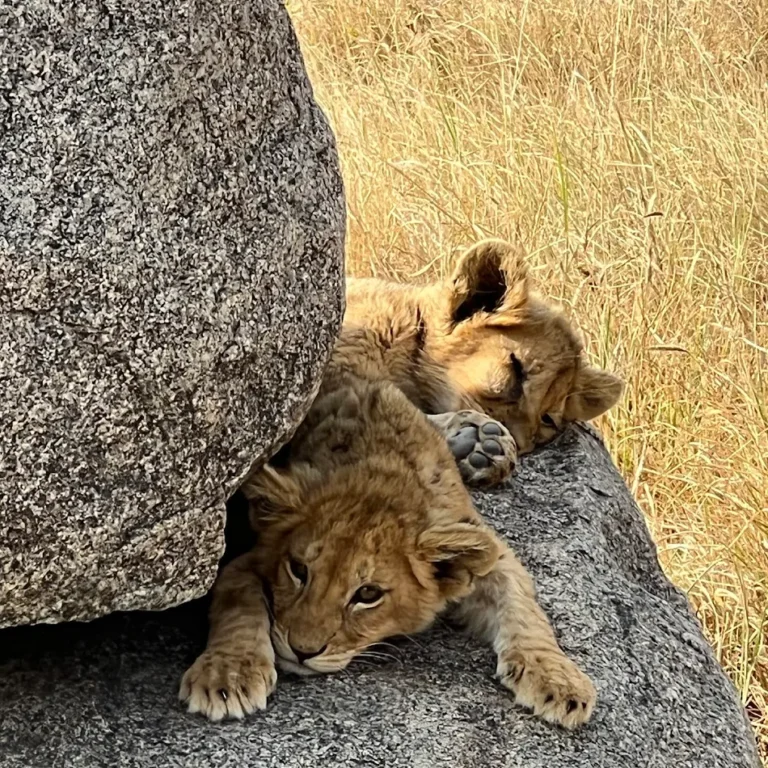
Choose a Private Safari
Your own vehicle and professional guide
You control the pace, stops and time at each sighting
A private safari gives you your own vehicle and guide, so you choose when to start, how long to stay at sightings and when to rest. It suits families with children, photographers, couples and anyone who values flexibility. A guaranteed window seat for everyone makes wildlife viewing and photography far more comfortable, relaxed and rewarding throughout.
Private Safaris →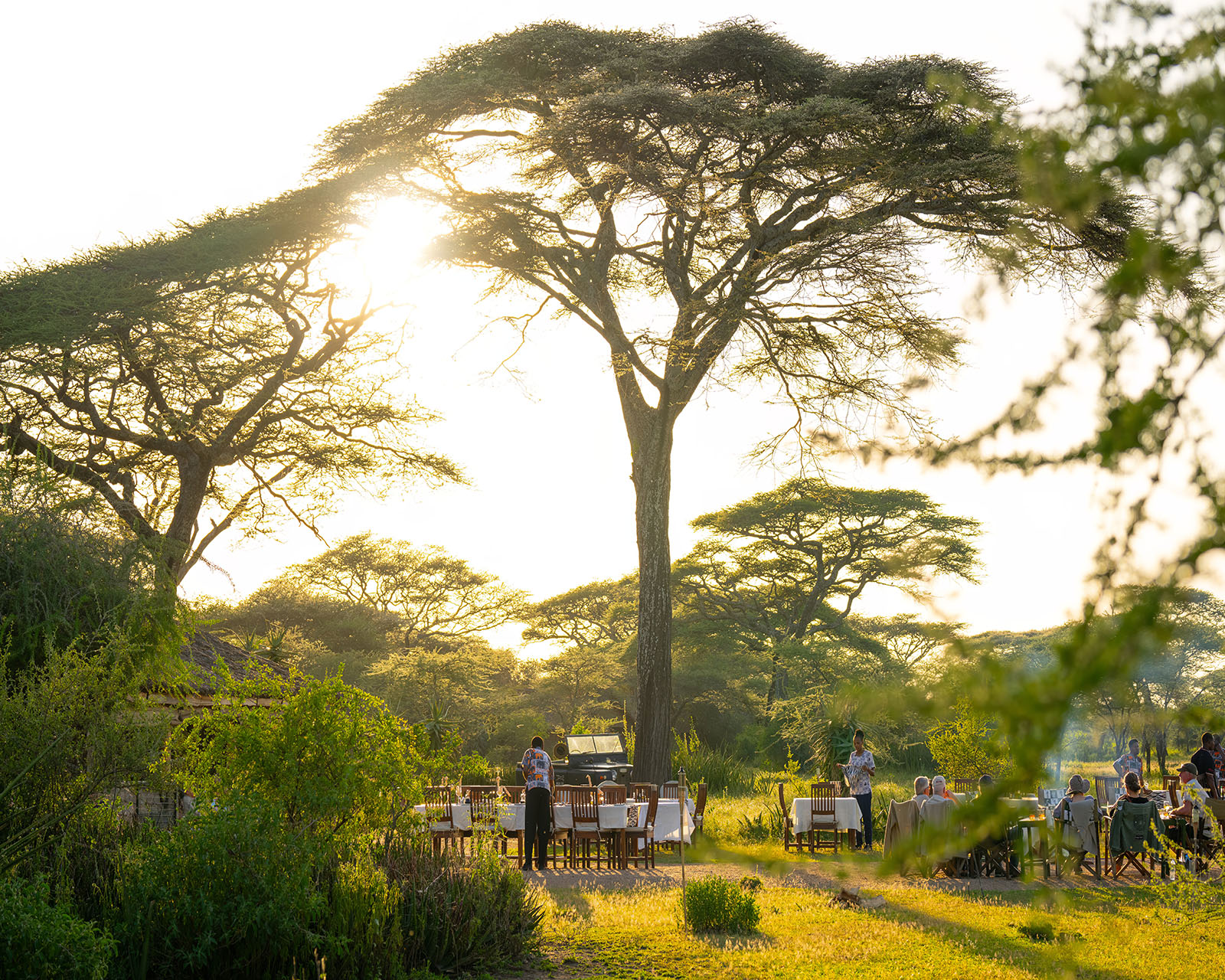
Book With an Experienced Local Operator
A licensed operator with local guides and offices
Local knowledge improves sightings, safety and value
A licensed local safari operator with experienced guides, well-maintained vehicles and good reviews makes your first safari smoother and safer. Local teams know where the wildlife is each month, can adjust plans quickly, and keep more of your spend in Tanzania. Check that park fees, meals, water and transfers are clearly included in every quote.
Choosing a Safari Company →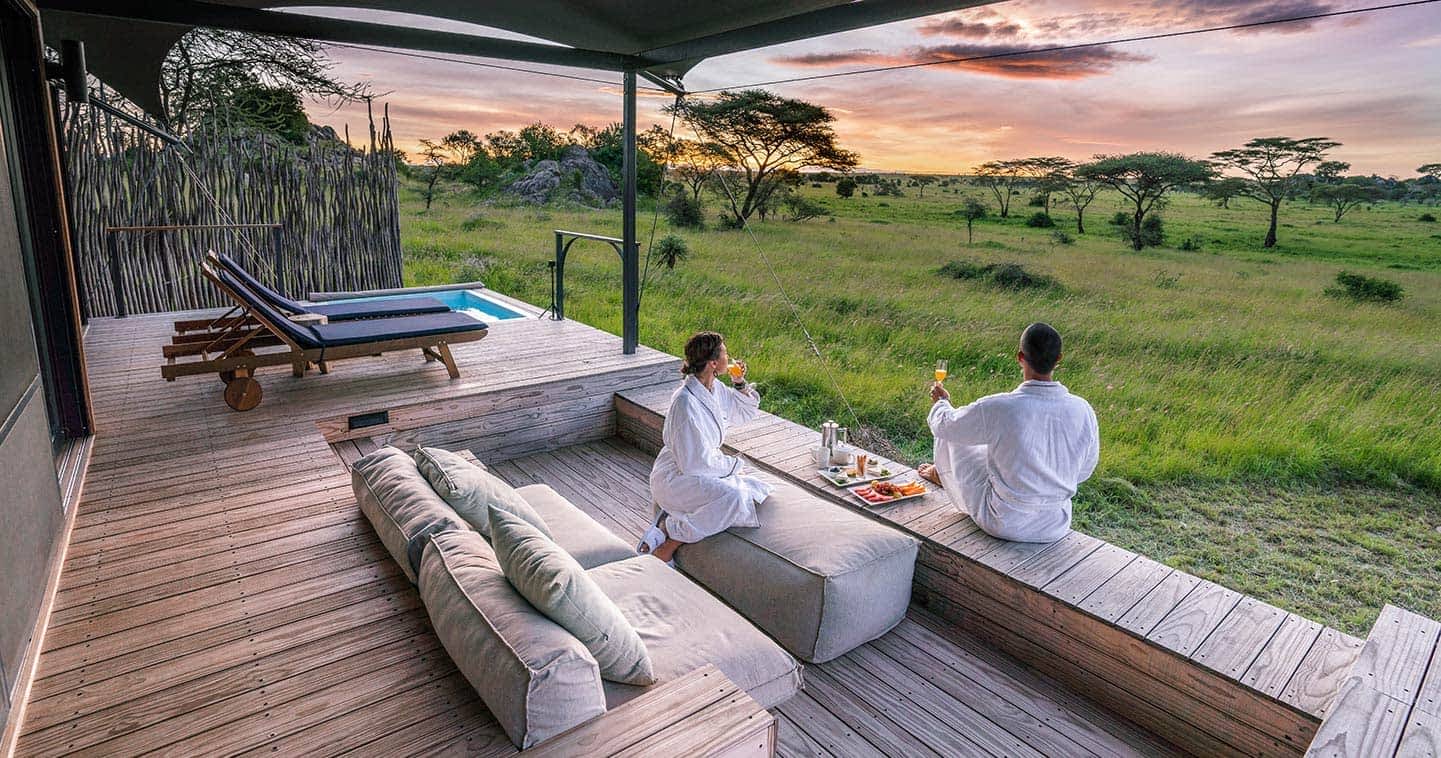
Do Not Rush Your Itinerary
Fewer parks, more time in each
Long drives are tiring and reduce game-viewing time
First-timers often try to see too much in too few days. Driving between parks can take several hours, so plan two or more nights in key areas and avoid changing lodges every night. A slower pace gives you better sightings, more time to enjoy your camps and a far more relaxing and memorable safari experience overall.
How to Plan Your First Safari →
Pack Light in Neutral Colours
Soft duffel bag, neutral layers, warm fleece
Vehicles and small aircraft have limited space
Pack a soft duffel bag with neutral-coloured clothing such as khaki, olive and beige, plus layers for cold mornings and warm afternoons. Most lodges offer laundry, so you need fewer clothes than you think. Bring a wide-brimmed hat, sunglasses, sunscreen and insect repellent, and leave valuables, jewellery and smart outfits safely at home for a relaxed trip.
What to Wear in Tanzania →
Bring Binoculars and the Right Camera
Binoculars for everyone and a zoom camera
Many animals and birds are seen at a distance
Good binoculars transform a safari, letting you watch distant leopards, birds and behaviour in detail. Bring a pair for each traveller if possible. For photography, a camera with a zoom lens of around 200 to 400 millimetres is ideal, plus spare batteries and memory cards. Remember to put the camera down and simply enjoy the moment.
Safari Photography Tips →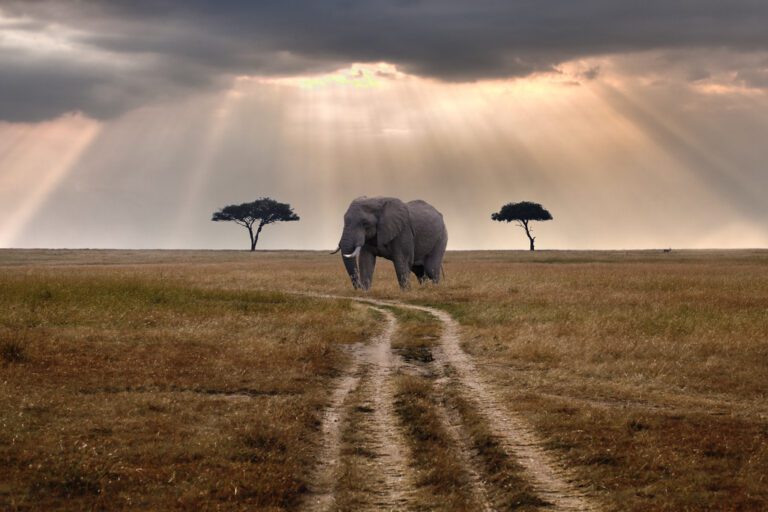
Follow Your Guide and Safari Etiquette
Stay in the vehicle, keep quiet, never feed wildlife
Rules protect you, the animals and other guests
Your guide is your most important safety resource. Stay inside the vehicle unless told otherwise, keep your voice low near animals, never stand on the roof edge or lean out, and never feed wildlife. At camps, use an escort after dark if one is provided. Calm, respectful behaviour leads to longer, calmer and more natural wildlife sightings.
Safari Vehicle Etiquette →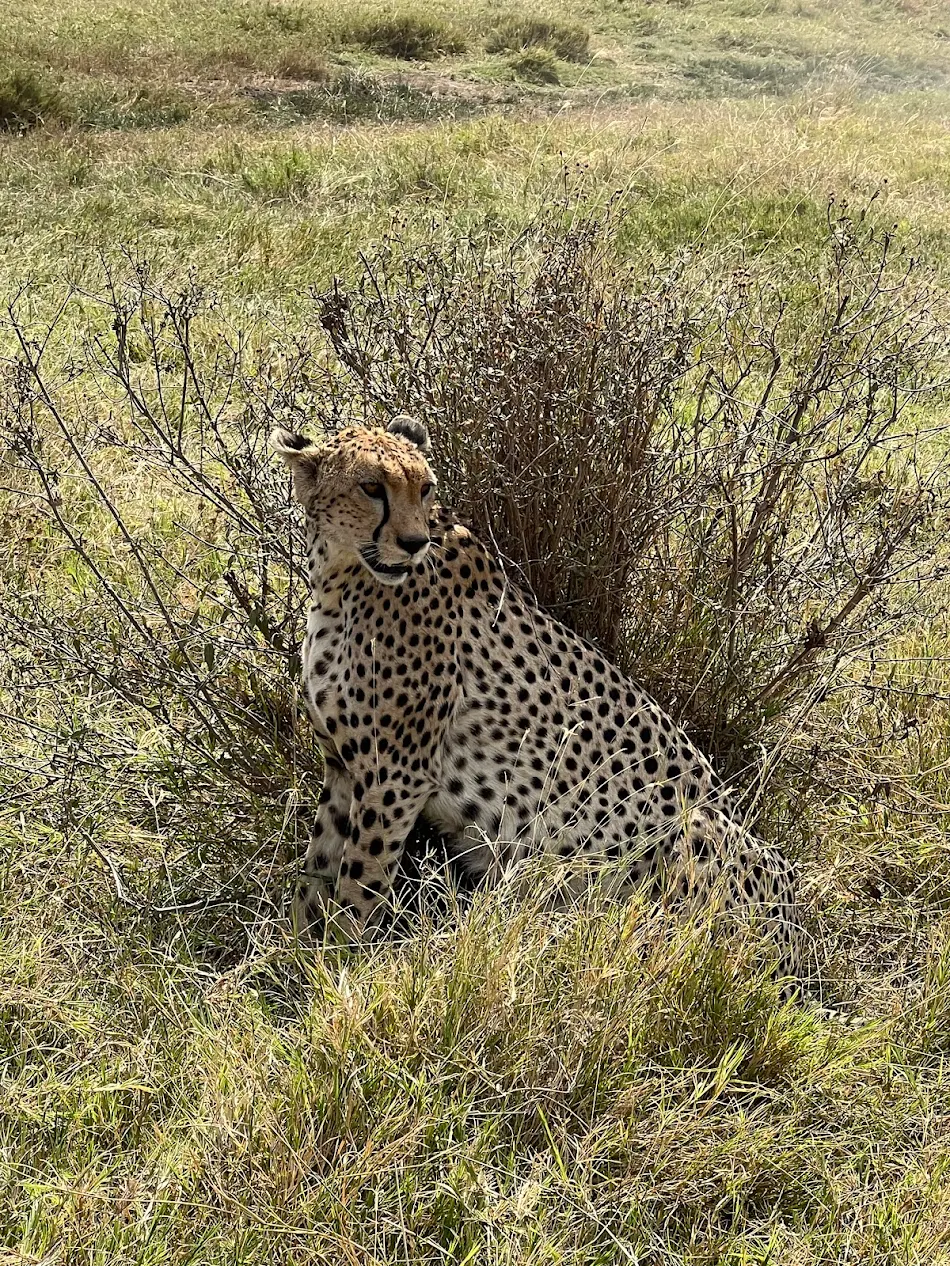
Budget for Tips, Visas and Extras
Plan for tips, visas, insurance and souvenirs
Extras are easy to forget when planning
Beyond the safari price, budget for international flights, visas, travel insurance, tips for your guide and camp staff, drinks at some lodges, optional activities such as balloon flights, and souvenirs. Carrying some US dollars in clean, recent notes is useful for tips. Knowing these costs in advance keeps your first safari relaxed, enjoyable and completely stress-free.
Tipping on a Tanzania Safari →What Does a Typical Day on Safari Look Like?
Knowing the rhythm of a safari day helps first-timers understand what to expect and how to pack for each part of it. Safari days follow the wildlife, with early starts when animals are most active, a restful middle of the day and an afternoon drive into the golden evening light. The cards below take you through a typical day in Tanzania, from the early wake-up and morning game drive to the midday rest, sundowners and dinner under the stars. On a private safari, your guide adjusts the timing to suit you. Every day brings something new to see.
Early Wake-Up
Most safari days start early, often with a wake-up call around dawn and a hot drink by the fire. Wildlife is most active in the cool of the morning, when predators may still be hunting and the light is perfect for photography. Early starts are part of the adventure and the reward is usually well worth it.
Morning Game Drive
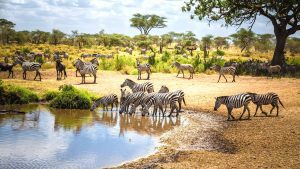
The morning game drive usually lasts around three to four hours. Your guide searches for lions, leopards, elephants and other wildlife, reading tracks and listening to alarm calls. Some days include a picnic breakfast in the bush, a wonderful experience overlooking the plains or a river with zebras, giraffes and antelope grazing peacefully all around you.
Midday Rest
Around midday, when the heat builds and many animals rest in the shade, you return to camp for lunch or enjoy a picnic in the park. Use the quiet hours to swim, read, nap, download photos or watch wildlife at a waterhole near your lodge. This relaxing break keeps your energy up for the afternoon game drive.
Afternoon Game Drive
The afternoon drive usually starts around mid-afternoon, as temperatures cool and animals become active again. Elephants head to water, predators wake up and the golden evening light is superb for photography. Your guide plans the route to finish back at camp before the park's closing time, which is usually around sunset in most of Tanzania's national parks.
Sundowners
Many safaris pause at a scenic spot for a sundowner, a relaxed drink as the sun sets over the plains. It is one of the most memorable safari traditions, perfect for photos and conversation with your guide. Keep a light jacket handy, because the temperature drops quickly once the sun has gone down behind the horizon.
Dinner and Night Sounds
Evenings are relaxed, with dinner at the lodge or under the stars and stories from the day's sightings. At night you may hear lions roaring, hyenas calling or hippos grazing near camp. Many camps provide an escort to your tent after dark, and an early night prepares you well for another exciting early morning game drive.
How Many Days Should You Spend on Safari?
How long to spend on safari is one of the first questions first-time travellers ask, and the answer depends on your interests, budget and travel time. Longer safaris mean fewer hours on the road per day and more time to enjoy the wildlife, while shorter trips can still deliver excellent sightings near Arusha. The cards below compare four popular safari lengths, from a short three to four day safari to a ten to fourteen day safari and beach holiday. Our team will help you choose the ideal length for you. Every option can easily include Zanzibar or Kilimanjaro.
3 to 4 Days: Short Safari
A short safari of three to four days suits travellers with limited time or those adding a safari to a Kilimanjaro climb or business trip. Focus on Tarangire, Lake Manyara and Ngorongoro Crater, which are close to Arusha. You will see plenty of wildlife, though there is usually not enough time for the Serengeti's vast plains.
5 to 7 Days: Classic Safari
Five to seven days is the classic first safari, covering Tarangire, the Serengeti and Ngorongoro Crater with two or three nights in the Serengeti. It offers an excellent, realistic chance of the Big Five and a good balance of game drives and relaxation. This is the most popular length for first-time travellers visiting Tanzania on safari.
8 to 10 Days: In-Depth Safari
Eight to ten days lets you explore more deeply, following the Great Migration, adding Lake Natron, Lake Eyasi or a walking safari, and staying longer in each park. It suits photographers, families and keen wildlife lovers who want a slower pace and the best possible chance of special sightings and truly memorable wildlife experiences along the way.
10 to 14 Days: Safari and Beach
Ten to fourteen days combines a six to eight day safari with three to five nights on Zanzibar. It is the perfect first trip for couples, honeymooners and families, balancing exciting game drives with relaxing beach days, Stone Town and spice tours. Short flights connect the safari parks with Zanzibar easily, quickly and comfortably for all travellers.
How Much Does an African Safari Cost?
The cost of a first African safari in Tanzania depends mainly on the style of accommodation, the season, the length of your trip and how you travel between parks. Camping safaris offer the best value, mid-range lodges balance comfort and price, and luxury camps deliver exceptional service in prime wildlife locations. The guide prices below are per person per day and help you compare the main safari styles before requesting a detailed quote. Final prices depend on your exact dates, lodges and itinerary, and we always explain what is included. Every quote is clear, detailed and fully transparent.
Camping Safari
Camping safaris are the most affordable way to enjoy Tanzania, from about US$250 to US$390 per person per day. You sleep in comfortable tents at public campsites, with a cook preparing fresh meals, and enjoy the same parks and game drives as on a lodge safari. It suits adventurous travellers who love being close to nature.
Mid-Range Safari
Mid-range safaris use comfortable lodges and tented camps with private bathrooms, hot showers, good food and convenient locations near wildlife, from about US$550 to US$990 per person per day. This is the most popular choice for first-time travellers, offering an excellent balance of comfort, location and value for couples, families and friends travelling together on a private safari.
Luxury Safari
Luxury safaris feature spacious suites, fine dining, attentive service and prime wildlife locations, from about US$990 to US$2,500 or more per person per day. Many luxury camps sit in remote areas with fewer vehicles, and short scheduled flights between parks save valuable travel time. It is ideal for honeymoons, celebrations and travellers who value comfort and privacy.
What Affects the Price
Safari prices depend on the season, accommodation style, length of stay, number of travellers sharing the vehicle, parks visited and whether you drive or fly between them. Park fees in Tanzania are a significant part of the cost. Always check what is included, such as park fees, meals, drinking water, transfers and all applicable government taxes.
What to Expect on Your First African Safari
Even the best-planned first safari brings a few surprises, from bumpy roads and early starts to animals wandering past your tent at night. Knowing what to expect helps you relax, enjoy every moment and pack the right essentials for life in the bush. The cards below explain the realities of a first safari in Tanzania, including road conditions, wildlife sightings, bush toilet stops, limited connectivity, wildlife near camp and the warm hospitality of local people. Our guides make sure you always feel safe, comfortable and well informed. Being prepared means you can simply relax and enjoy the adventure.
Bumpy Roads
Many safari roads are unpaved, so expect dusty, bumpy drives, sometimes jokingly called an African massage. Long transfers between parks can take several hours. Pack a buff for dust, keep cameras in padded bags, and choose a sensible itinerary so you spend more time watching wildlife and less time travelling between the different parks on your route.
Wildlife Is Wild
Safari sightings are never guaranteed, because animals move freely across huge, unfenced landscapes. Some days bring incredible action, others are quieter and full of birds and smaller creatures. Patience is rewarded, and experienced guides greatly improve your chances. Enjoy every sighting, from a lion kill to a colourful lilac-breasted roller perched on a branch beside the road.
Bush Toilet Stops
Toilets in the parks are found at picnic sites, gates and lodges, but on long drives your guide may stop at a safe spot for a quick bush toilet break. Carry tissues and hand sanitiser in your daypack. Guides always check the area first, so there is no need to worry about safety during these stops.
Limited Connectivity
Mobile signal and Wi-Fi can be limited or slow in remote parks and camps, especially in parts of the Serengeti. Let family know you may be offline for a few days and download maps, music and books before you leave. Many travellers find a digital break is one of the best parts of their safari.
Wildlife Near Camp
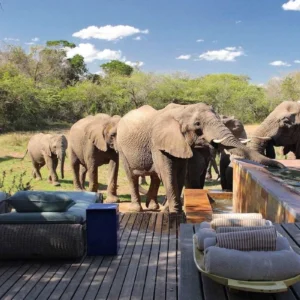
Many camps are unfenced, so animals may wander past your tent at night. This is part of the magic, but it means following camp rules carefully. Stay inside your tent after dark unless escorted, keep the zips closed and never leave food inside. Staff explain the rules clearly when you arrive at each new camp or lodge.
Warm Hospitality
Tanzanians are famously warm and welcoming, and safari staff go out of their way to make your stay special. Learning a few Swahili words such as jambo for hello and asante for thank you is appreciated. Ask your guide about local life and culture, as these conversations often become a real highlight of the whole trip.
First Safari Preparation Checklist
Good preparation is the secret to a smooth and enjoyable first African safari, and most tasks are easy when you tackle them in the right order. This interactive checklist covers what to do when booking, three months before you travel, one month before travel and what to carry in your daypack on game drives. Tick each item as you complete it and follow your progress with the bar, or print the list to keep with your travel documents. Our team also sends detailed travel information to every guest once their private safari is confirmed. Small steps make travel smooth.
When Booking0/5
3 Months Before0/5
1 Month Before0/5
In Your Daypack0/5
How to Make a Positive Impact on Safari
A first safari is a chance to see Africa's wildlife and also to support the people and places that make it possible. Responsible travel choices help protect wildlife, respect local cultures and ensure that tourism benefits communities around Tanzania's national parks. The cards below share four simple ways to make a positive impact, from travelling with local experts and respecting wildlife to honouring local cultures and reducing your environmental footprint. Each one is easy, and together they make your first safari even more meaningful and rewarding. Our team is always happy to suggest further ways to travel responsibly.
Travel With Local Experts
Choosing a locally owned operator keeps more of your safari spending in Tanzania, supporting guides, drivers, cooks and their families. Local teams also bring deep knowledge of wildlife, culture and conditions. Ask your operator how they employ and train local staff, and how they support the communities around the parks you visit on your private safari itinerary.
Respect the Wildlife
Keep a respectful distance from animals, stay on designated tracks, never feed wildlife and keep noise low at sightings. Do not ask your guide to break park rules for a closer photo. Responsible behaviour protects animals and their habitats, and it ensures future travellers can enjoy the same incredible wildlife experiences that you enjoy on your trip.
Respect Local Cultures
When visiting Maasai villages, Hadzabe communities or local towns, dress modestly, ask permission before photographing people and always follow your guide's helpful advice. Buy crafts directly from artisans where possible and pay fair prices. Respectful, community-based cultural visits create meaningful connections and bring real, lasting benefits to local families, schools and the wider communities around the parks.
Reduce Your Footprint
Bring your own reusable water bottle for refills, avoid single-use plastics, which are banned in Tanzania, and use reef-safe sunscreen on Zanzibar. Turn off lights and air conditioning when you leave your room, and reuse towels. Small choices add up, helping protect Tanzania's parks, wildlife and coastline for many future generations of visitors and local people to come.
Safari Planning Guides for First-Timers
African Safari Tips for First-Timers: FAQs
What are the best tips for a first African safari?
Choose a wildlife-rich destination such as Tanzania, travel in the dry or calving season, allow six to ten days, book a private safari with a licensed local operator, pack light and follow your guide's advice.
Where is the best place for a first African safari?
Tanzania's northern circuit, including the Serengeti, Ngorongoro Crater, Tarangire and Lake Manyara, is ideal for first-timers, with abundant wildlife, the Great Migration and easy access to Zanzibar.
How many days do you need for a first safari?
Six to ten days is ideal for a first safari, allowing three or four parks without rushing. Add three to five nights on Zanzibar for a relaxing safari and beach holiday.
When is the best time for a first African safari?
June to October is the classic dry season with excellent game viewing and river crossings. January and February are great for the calving season, and March to May offers better value.
What does a typical day on safari look like?
Days start early with a morning game drive, followed by a midday rest at camp, an afternoon drive into the golden evening light, sundowners and dinner at the lodge or camp.
How much does a first African safari cost?
In Tanzania, guide prices per person per day are about US$250 to 390 for camping, US$550 to 990 for mid-range and US$990 to 2,500 or more for luxury safaris.
Is a private safari worth it for first-timers?
Yes. A private safari gives you your own vehicle and guide, a window seat for everyone and full control over timing, making it ideal for families, couples and photographers.
Is an African safari safe for first-timers?
Yes, when you travel with a licensed operator and follow your guide's instructions. Stay in the vehicle at sightings, follow camp rules after dark and keep valuables secure.
What should I pack for my first safari?
Pack neutral clothing, warm layers, comfortable shoes, a hat, sunglasses, sunscreen, insect repellent, binoculars, a camera with spare batteries and a soft duffel bag.
Will I see the Big Five on my first safari?
There is an excellent chance on a Tanzania safari that includes the Serengeti and Ngorongoro Crater, though wildlife sightings are never guaranteed because animals roam freely.
Do I need vaccinations for an African safari?
Requirements vary by country and your travel route. See a travel doctor before you go about recommended vaccines and malaria prevention, and carry a yellow fever certificate if required.
How much should I tip on safari?
Tipping is customary on safari. Plan a daily amount for your guide and a contribution for camp staff, and carry clean US dollar notes. Our tipping guide gives detailed recommendations.
Can I combine a safari with a beach holiday?
Yes. Zanzibar is a short flight from the safari parks, and three to five nights on the beach is the perfect way to relax after a first safari in Tanzania.
How far in advance should I book my first safari?
For July to October and the festive season, book six to twelve months ahead for the best choice of camps. Green season safaris can often be arranged at shorter notice.
Plan Further: Tanzania Safaris and Destinations
Tanzania Safaris
Destinations
Plan Your Private Tanzania Safari
Tell us your dates and dreams, and our experienced local team in Arusha will design a private tailor-made first safari, with expert guides and honest advice at every step.
Book Now Online →What Our Travelers Say
Real 5-star reviews from guests who traveled with us