
How To Book A Kilimanjaro Climbing Tour
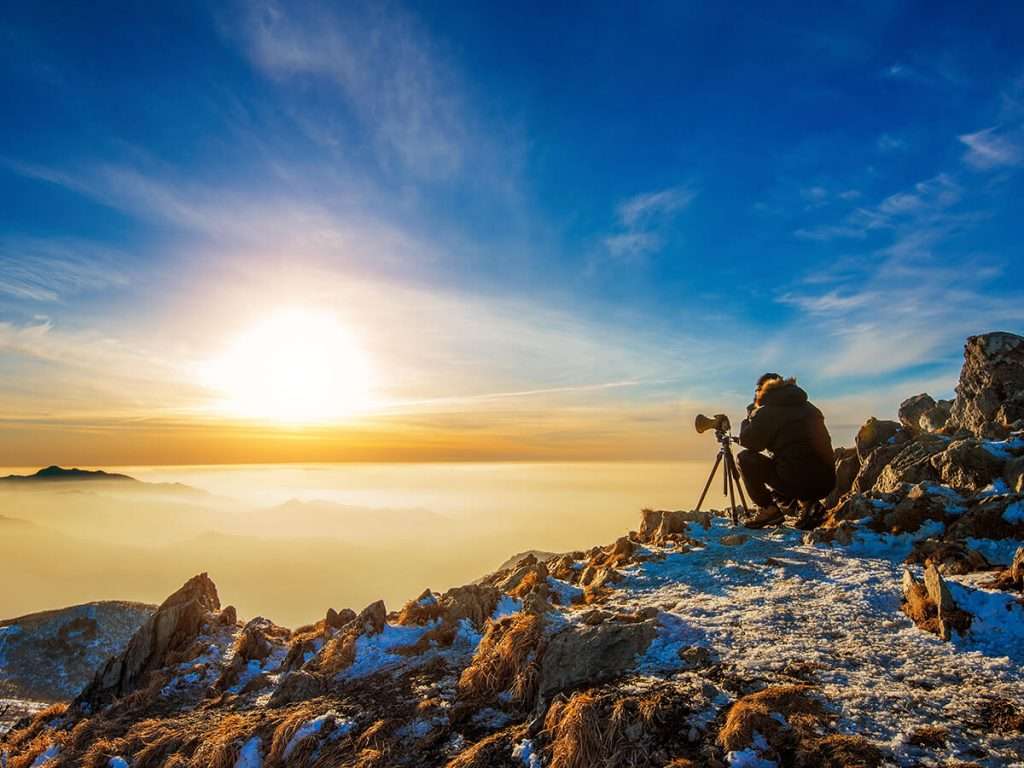
Climbing Mount Kilimanjaro is a once-in-a-lifetime adventure and one of the most searched African travel experiences online. This step-by-step guide to booking your Kilimanjaro climb is designed with rich insights, helping travelers discover the best ways to plan a successful summit. From choosing the right season to selecting trusted tour operators, every stage plays a vital role in maximizing safety, comfort, and summit success. Whether you are planning a luxury Kilimanjaro trek, budget climbing tour, or private guided expedition, understanding the booking process ensures a smooth journey. With high-ranking “Kilimanjaro climbing packages,” “best time to climb Kilimanjaro,” and “Kilimanjaro tour operators,” this guide helps you confidently prepare for Africa’s highest peak adventure. Mount Kilimanjaro Mount Kilimanjaro is a massive stratovolcano in northeastern Tanzania near the Kenyan border. Standing at 5,895 meters (19,341 feet), its snow-capped summit—Uhuru Peak—is both the highest point in Africa and the tallest free-standing mountain on Earth. It is part of Mount Kilimanjaro National Park, a UNESCO World Heritage Site renowned for exceptional ecological and cultural value. Key facts Elevation: 5,895 m (19,341 ft) Location: Kilimanjaro Region, Tanzania (3.07° S, 37.35° E) Volcanic cones: Kibo, Mawenzi, Shira Protected since: 1973 (national park); UNESCO status 1987 Nearest town: Moshi (Tanzania) Geology and structure Kilimanjaro consists of three overlapping volcanic cones—Kibo, Mawenzi, and Shira. Kibo, the youngest and highest cone, remains dormant and shows minor geothermal activity. Mawenzi and Shira are extinct. The mountain formed roughly 750,000 years ago during the creation of the Great Rift Valley and last experienced significant eruptions over 200,000 years ago. From base to summit, the massif rises about 4,900 meters above the surrounding plains, giving it immense topographic prominence. Ecology and climate Ascending Kilimanjaro is a journey through five ecological zones: cultivated farmland, montane rainforest, heath and moorland, alpine desert, and arctic summit. Wildlife includes colobus monkeys, elephants, duikers, and numerous endemic plants such as giant lobelia and groundsel. Despite its equatorial position, summit temperatures often fall below 0 °C. The mountain’s glaciers—Northern Icefield, Furtwängler, and Rebmann—are rapidly shrinking due to regional climate change and deforestation. Human history and exploration European missionaries Johannes Rebmann and Johann Ludwig Krapf first reported Kilimanjaro’s snowy peak in 1848. The summit was reached in 1889 by Hans Meyer, Ludwig Purtscheller, and local guide Yohani Kinyala Lauwo. The Chagga people, long inhabitants of its fertile slopes, maintain deep spiritual and agricultural connections to the mountain. Tourism and cultural impact Tens of thousands of trekkers attempt the climb annually via routes such as Marangu, Machame, Lemosho, and Rongai. Because technical gear is unnecessary, Kilimanjaro is often seen as the most approachable of the Seven Summits. It serves as both a symbol of Tanzanian independence—Uhuru means “freedom” in Swahili—and a powerful emblem of global climate awareness as its icefields recede. Step 1: Research the Best Time to Climb Choosing the best time to climb Mount Kilimanjaro is crucial for success and overall experience. The most popular months are January to March and June to October, offering dry weather, clear skies, and excellent trekking conditions. These peak seasons are highly searched by travelers seeking the best Kilimanjaro climbing experience. Shoulder months like November and April bring fewer crowds and lower prices, but include rain risks. For those targeting “Kilimanjaro weather by month” or “when to climb Kilimanjaro,” timing impacts visibility, safety, and summit success rates. Align your travel dates with your fitness level and expectations. Booking early during peak seasons ensures availability with top-rated Kilimanjaro tour operators and better accommodation options before and after your climb. Step 2: Select a Reputable Tour operator/ Company Selecting Foot Slopes Tours and Safaris, a trusted Kilimanjaro tour operator, is one of the most important booking steps. A professional operator ensures safety, experienced guides, quality equipment, and ethical porter treatment. Companies operating within Tanzania often provide packages ranging from budget to luxury Kilimanjaro climbs. Look for operators with excellent reviews, certifications, transparent itineraries, the best Kilimanjaro tour companies, “top-rated Kilimanjaro guides,” and “affordable Kilimanjaro packages” are essential for visibility and decision-making. A good operator will also assist with permits, park fees, and logistics, making your experience seamless. Prioritize safety standards, altitude sickness management, and client support. Booking with a reliable company significantly increases your chances of reaching Uhuru Peak while enjoying a memorable and stress-free trekking adventure. Step 3: Choose the Right Route for Your Experience Level Choosing the right Kilimanjaro route and duration greatly affects your success rate and experience. Popular routes include Machame, Marangu, Lemosho, and Rongai, each offering unique scenery and difficulty levels on Mount Kilimanjaro. Longer routes like Lemosho and Northern Circuit are highly recommended for better acclimatization and higher summit success rates, such as “best Kilimanjaro routes,” “Machame vs Marangu,” and “Kilimanjaro climbing duration” help travelers compare options. Most climbs range from 5 to 9 days, with longer itineraries being safer and more enjoyable. Scenic diversity, crowd levels, and personal fitness should guide your decision. A well-chosen route ensures a gradual ascent, allowing your body to adapt to altitude while maximizing your chances of reaching the summit successfully. 4. Confirm Dates and Availability Once you’ve selected your preferred route and operator, confirming dates and availability is essential. Kilimanjaro climbing tours fill quickly, especially during peak seasons in Tanzania. Early booking ensures you secure your desired itinerary and avoid last-minute disappointments. Ask key questions like “Kilimanjaro climb availability,” “book Kilimanjaro dates,” and “Kilimanjaro trekking schedule” are commonly searched by travelers planning their trips. Coordinate your travel dates with your operator to match group departures or arrange a private climb. Flexibility can help you find better deals and less crowded routes. Confirm all details, including accommodation, transfers, and park entry dates. Planning not only guarantees availability but also allows better preparation for flights, gear, and physical training before your adventure begins. Step 5: Understand the Costs and What’s Included Understanding Kilimanjaro climbing costs is key to budgeting your adventure. Prices vary depending on route, duration, and comfort level, typically ranging from budget to luxury packages in Tanzania. High-ranking keywords include “Kilimanjaro
Classic Tanzania migration safari

Flyin 8-Day serengeti migration classic safari Embark on an ultimate unforgettable best of African 8-Day Classic Tanzania Migration Safari, perfect for families and honeymooners alike. Explore Tarangire National Park, renowned for its elephants and stunning baobab trees. Experience the iconic Great Migration in Serengeti National Park, where vast herds of wildebeest and zebras traverse the plains. Finally, visit the breathtaking Ngorongoro Crater, a wildlife-rich caldera ideal for spotting the Big Five. This eight-day best great migration tours in Africa safari will cover Tarangire National Park, the Ngorongoro Crater, and the Serengeti National Park. You will witness the extraordinary. This all-inclusive trip offers luxurious accommodations, expert guides, and unforgettable wildlife encounters, ensuring a seamless vacation experience. Prices vary based on season and group size, but this adventure promises exceptional value. Guests rave about the stunning landscapes and abundant wildlife, making it a top-rated holiday choice. Create lasting memories in Tanzania’s incredible wilderness! 8 Day Classic Tanzania Migration Safari Itinerary Explore the top wildlife destinations, Tanzania on the African continent, and get up close and personal with the Big Five and Great Migration during 8 Day Tanzania great migration safaris: Tarangire National Park, Serengeti National Park, and Ngorongoro Crater. A classic eight-day tour of Tanzania’s best wildlife highlights with the freedom to follow the migration as it progresses through the region. This unforgettable safari in Tanzania tour will take you to the Serengeti Plains National Park, the heart of wild Africa, and a massive wilderness of 14500 square km, where every day brings a new landscape and a new adventure. Your African safari will also take you to the Ngorongoro Crater, featuring one of the highest concentrations of game in Africa. Here you will witness an amazing spectacle of African wildlife. The 8-day Ultra-Luxury Tanzania Safari and Migration tour visits the first-class national parks in Tanzania, the world-famous Ngorongoro Crater and Serengeti National Park. Day 1: Tanzania Arrival | Safari in Tanzania Pick you at Kilimanjaro airport/Arusha airport, and transfer you to Arusha. We booked a hotel for you overnight, ready to start your tour the following day. You will meet with our safari manager to give you a briefyour about safari. Discover all-inclusive vacation packages with detailed prices and costs, perfect for families, couples, and honeymooners. Read traveler reviews, browse breathtaking photos, and explore interactive maps. This unforgettable holiday trip offers comfort, adventure, and world-class safari experiences in the heart of Tanzania’s Serengeti. After that, you will continue to enjoy your up leisure in your hotel. Overnight at Mount Meru hotel in Arusha. Day 2: Arusha to Tarangire National Park. After an early breakfast, proceed for a game drive at Tarangire National Park with picnic lunches. Your African holidays your Serengeti Migration Safari at this national park, in which herds of up to 300 elephants scrape the waterless river bed for alternative streams. While nomadic wildebeest, zebra, buffalo, impala, gazelle, hartebeest, and eland mass, the decrease in lagoons. The only national park that holds the migrants during the dry season and welcoming the home of different species. Dinner & overnight at Ngorongoro Country Lodgean Day 3: Ngorongoro Crater Safaris Today, you will have early breakfast and proceed directly to the crater floor for a 5-6hrs crater tour. Depart with a picnic lunch down the crater, whereby you will be able to see all the “Big Five”. Ngorongoro Conservation Area is home to a variety of wildlife species, including Elephants, black rhinos, giraffes, leopards, cheetahs, Buffalo, Hippopotamus, Impalas, and Thomson’s gazelles, among others. The avian species include Ostriches, Flamingos, Kori bustards, Ground hornbill, Sun birds, Cattle egret, Ducks, just to name a few. Reptilians include different species of snakes, chameleons, a rare number of crocodiles, and lizards.Later, you will proceed back to accommodation inside the crater for dinner and overnight at Ngorongoro Rhino Lodge, or Ngorongoro Serena Safari Lodge Meals: Breakfast, Lunch, Dinner Day 4: Drive to Northern Serengeti After an early breakfast, depart for the northern Serengeti. The drive will take you through the heart of the Serengeti, offering scenic landscapes and abundant wildlife along the way. Stop at key viewpoints, such as the Naabi Hill Gate, where you can admire the vast plains of the Serengeti stretching as far as the eye can see. Game Drive En Route to the Northern Serengeti: As you journey north, enjoy a game drive through the central and northern regions of the Serengeti. The Serengeti is famed for its annual wildebeest migration, but it’s also home to year-round wildlife, including cheetahs, elephants, and giraffes. Arrive at your lodge in the late afternoon, where you can relax and prepare for the migration spectacle ahead. Dinner and Overnight in Northern Serengeti Accommodation: Mara kati kati tented camp Meals: Breakfast, Lunch, Dinner. Day 5: Northern Serengeti Safari – Mara River Wildebeest Migration Full-Day Game Drive: Mara River and Wildebeest Crossings Today, you’ll explore the northern Serengeti and focus on the Mara River area, the prime location for witnessing the dramatic wildebeest migration. During the migration season (July-October), thousands of wildebeests, zebras, and gazelles make their treacherous journey across the crocodile-infested waters of the Mara River, searching for fresh grazing grounds. Spend the day following the migration herds, hoping to witness one of the thrilling river crossings. Your guide will position you at key points along the river for the best viewing opportunities. The crossings are unpredictable, but patience often leads to unforgettable wildlife moments. Witness the Game Drive in addition to the migration, you’ll have the chance to spot predators such as lions, leopards, and cheetahs lurking nearby, waiting to capitalize on the chaos of the crossing. Return to your camp in the late afternoon for relaxation. Dinner and Overnight in Northern Serengeti Accommodation: Mara kati kati tented camp Meals: Breakfast, Lunch, Dinner Day 6: Northern Serengeti Safari – Wildebeest Migration Morning and Afternoon Game Drives Another day of exploring the northern Serengeti awaits! Today, you’ll continue to focus on the Mara River and the surrounding plains. The northern Serengeti’s remote location means fewer vehicles and
Is it safe to take kids on a safari in Tanzania?

The idea of a family safari in Tanzania often conjures images of awe-struck children watching a lion pride from the safety of a Land Cruiser, or spotting a baby elephant trailing its mother through the Serengeti. But for many parents, these dreams are accompanied by a series of practical concerns. Is it truly safe to take kids on a Tanzanian safari? The answer, overwhelmingly, is yes—provided you are well-prepared and follow some key guidelines with proper planning and precautions, but age is a key consideration, especially regarding malaria risk. Choose family-friendly lodges and reserves, select malaria-free areas for young children, ensure you follow guides’ instructions, use mosquito repellent and protective clothing, pack for the heat, and consult a doctor about necessary vaccinations and malaria medication. A well-planned safari can be an unforgettable, educational, and safe adventure for the whole family. 1. Malaria Risk: Understanding and Mitigating the Threat Malaria is often the top concern for parents considering a safari in Tanzania. It’s a valid concern, but with the right precautions, the risk can be significantly minimized. Many parts of Tanzania, especially at higher altitudes, have a lower risk of malaria. The key is to consult with a doctor or a travel clinic well in advance of your trip. They will advise on the most suitable anti-malarial medication for your children, taking into account their age and the specific areas you plan to visit. It’s crucial to follow the prescribed dosage and schedule precisely, both before, during, and after your trip. 2. Vaccinations: Protecting Your Family Beyond malaria, ensuring your children are up-to-date on routine vaccinations is a must. Your doctor will also recommend other vaccinations based on your travel plans, such as Hepatitis A and Typhoid. Yellow Fever vaccination is a requirement for travelers arriving from or transiting through countries with a high risk of the disease. While Tanzania itself is not a high-risk country, you may need a Yellow Fever certificate depending on your flight path. Always check the latest requirements with your country’s embassy or the Tanzanian embassy. 3. Mosquito Protection: The First Line of Defense Anti-malarial medication is not a substitute for mosquito protection; it’s a supplement. The primary goal is to prevent mosquito bites in the first place. Dress your children in long-sleeved shirts and trousers, especially during dawn and dusk when mosquitoes are most active. Use a high-quality insect repellent containing DEET, Picaridin, or IR3535. For children, follow the instructions on the product label carefully, and apply it over their clothes rather than directly on their skin where possible. Most safari lodges and camps provide mosquito nets over beds, but it’s always a good idea to check this with your tour operator beforehand. 4. Other Health Precautions: Staying Healthy in the Bush Preventing traveler’s diarrhea is another important health precaution. Ensure your children only drink bottled or filtered water and avoid tap water, including for brushing teeth. Be cautious with ice in drinks and uncooked food, especially salads or fruits that cannot be peeled. Pack a basic first-aid kit with pain relievers, antiseptic wipes, bandages, and any specific medications your child might need. It’s also wise to bring a hand sanitizer and encourage frequent handwashing. Explore Tanzania family safari safety, kids safari Tanzania, safe Tanzania safari with children, family-friendly safari Tanzania, Tanzania safari with kids tips, child safe safari Africa, Tanzania safari safety guide, best Tanzania safaris for families, traveling with kids Tanzania safari, Tanzania wildlife safari family safety. 5. Sun and Heat: The Elements of the Savannah The Tanzanian sun can be intense. Protecting your children from sunburn and heatstroke is essential. Pack wide-brimmed hats, sunglasses, and high-SPF sunscreen. Reapply sunscreen regularly, especially after sweating. Keep your kids hydrated by encouraging them to drink plenty of water throughout the day. Many safari vehicles have pop-up roofs for game viewing, so it’s easy to get direct sun exposure. Take breaks in the shade when possible and be mindful of the heat. 6. Age Appropriateness: When is the Right Time to Go? There is no universal “right age” for a safari, as it depends on the child’s temperament and the family’s expectations. Many tour operators recommend a minimum age of 6 or 7. Younger children may find the long game drives and early morning starts challenging. They may also struggle with the need to be quiet and still in the vehicle for extended periods. Older children and teens, on the other hand, can fully appreciate the wildlife, culture, and adventure. A good rule of thumb is to consider if your child can sit quietly for an hour or more, and if they have a genuine interest in animals. 7. Choosing a Destination: Family-Friendly Parks Tanzania offers a diverse range of safari destinations. The northern circuit, including the Serengeti, Ngorongoro Crater, and Tarangire National Park, is the most popular and is well-equipped for families. These parks offer a high density of wildlife and a variety of lodging options. The Ngorongoro Crater, in particular, offers a “big five” experience in a single day, which can be great for children with shorter attention spans. For a more relaxed, less crowded experience, consider a safari in a private conservancy or a less-frequented park. 8. Accommodation: Comfort and Safety Many safari lodges and camps are designed with families in mind. Look for lodges that offer family-sized tents or interconnected rooms. Some even have swimming pools, which are a great way for kids to cool off and burn off energy after a game drive. Check if the accommodation is fenced or has security measures to prevent animals from wandering into the guest areas. Most will have staff to escort you after dark. You should prioritize selecting reputable tour operators and choosing family-focused accommodations that may include amenities like family rooms or private areas. While the country is stable and welcoming, especially in the protected safari areas, it’s crucial to follow safety guidelines from your guide and be aware of age restrictions for certain activities, such as longer game drives or walking
Family Safari Activities Your Kids Will Love
Tanzania family safari activities your kids will love offer an unforgettable blend of adventure, education, and wildlife discovery in one of Africa’s most iconic destinations. A Tanzania family safari is designed to bring parents and children closer to nature while exploring world-famous parks such as Serengeti National Park, Ngorongoro Conservation Area, and Tarangire National Park. From thrilling game drives to interactive cultural visits, every moment is tailored for family-friendly travel. Kids experience wildlife viewing, storytelling around campfires, and guided nature walks that make learning exciting. Tanzania is one of the best destinations for safari with kids because of its safety, accessibility, and abundance of wildlife. This guide explores the most engaging Tanzania family safari activities, helping you plan a memorable holiday filled with lions, elephants, giraffes, and lifelong family memories in the wild heart of Africa. Exciting Game Drives for Kids Game drives are the highlight of any Tanzania family safari, offering children the chance to see Africa’s Big Five in their natural habitat. In open safari vehicles, families explore vast landscapes while spotting elephants, lions, zebras, and giraffes. Parks like Serengeti National Park provide endless wildlife action, making every drive a new adventure. Guides turn the experience into a fun learning journey, explaining animal behavior in simple ways kids can understand. Morning and afternoon game drives are especially popular, as animals are most active during these times. Snacks, binoculars, and kid-friendly guides keep children engaged throughout the journey. This activity is both educational and thrilling, making it one of the top Tanzania safari activities for families traveling with children of all ages. Visiting the Ngorongoro Crater Wildlife Haven The Ngorongoro Crater is one of the most fascinating Tanzania family safari destinations, often called the “Eden of Africa.” Families descend into this natural wildlife sanctuary inside Ngorongoro Conservation Area to see lions, rhinos, buffalo, and flamingos in a single day. Kids love the crater’s unique ecosystem and the chance to spot animals up close without long travel distances. The dramatic scenery makes it feel like a real-life storybook safari. Guides share interesting facts that keep children entertained and curious throughout the trip. Picnic lunches on the crater floor add to the adventure, giving families time to relax while surrounded by wildlife. This destination is perfect for educational family safaris in Tanzania, combining geography, wildlife, and conservation in one unforgettable experience. Elephant Watching in Tarangire National Park Tarangire National Park is famous for its massive elephant herds, making it one of the best Tanzania family safari activities for kids who love wildlife. Children are amazed by seeing elephants walking in large family groups, often crossing rivers or feeding under giant baobab trees. The park is less crowded, offering a peaceful safari experience ideal for families. Game drives here are shorter and more relaxed, perfect for young travelers. Kids also enjoy spotting zebras, giraffes, and wildebeests roaming freely across the savannah. Guides make the experience interactive by teaching children about animal tracks and behaviors. Tarangire’s landscape is scenic and easy to explore, making it a top choice for a family-friendly safari in Tanzania focused on elephants and close-up wildlife encounters. Cultural Visits to Maasai Villages A visit to a traditional Maasai village is one of the most enriching Tanzania family safari activities for kids. Families meet the Maasai people, known for their vibrant clothing, jumping dances, and deep cultural traditions. Children learn how Maasai communities live alongside wildlife in harmony, creating a powerful educational experience. The interaction includes storytelling, beadwork demonstrations, and traditional songs that kids find exciting and memorable. Visiting these villages near safari routes helps families understand Tanzania beyond wildlife. It also promotes cultural respect and awareness in young travelers. This experience is often combined with safaris in areas around the Ngorongoro Conservation Area and nearby regions. It’s a meaningful way for children to connect with African heritage during a Tanzania family safari holiday. Birdwatching Adventures for Young Explorers Birdwatching is a peaceful yet exciting Tanzania family safari activity that introduces kids to over 1,000 bird species. From colorful kingfishers to giant ostriches, children enjoy spotting and identifying birds in parks like Lake Manyara National Park. Guides help kids use binoculars and simple bird charts, turning the activity into a fun game. The diversity of birds makes every safari drive more engaging and educational. Early morning excursions are especially rewarding, as birds are most active at sunrise. This activity teaches patience, observation, and appreciation for nature. It is perfect for families who want a calm yet interactive safari experience in Tanzania. Birdwatching also complements game drives, making it a balanced part of any family safari itinerary. Walking Safaris with Expert Guides Walking safaris offer older children a safe and thrilling way to explore the African bush on foot. Guided by experienced rangers, families learn about animal tracks, plants, and insects up close. This Tanzania family safari activity builds curiosity and confidence in young travelers. In areas near Arusha National Park, walking safaris are especially popular due to their scenic trails and rich biodiversity. Kids enjoy identifying footprints, listening to bird calls, and discovering hidden details of the ecosystem. Safety is always prioritized, with trained guides ensuring a secure experience. Walking safaris provide a different perspective from vehicle game drives, making nature feel more personal and immersive. It is an unforgettable educational adventure for families seeking hands-on wildlife experiences in Tanzania. Hot Air Balloon Safari Experience A hot air balloon safari over the Serengeti is one of the most magical Tanzania family safari activities for older kids and teens. Floating above the plains of Serengeti National Park at sunrise offers breathtaking views of wildlife and endless landscapes. Families watch herds of wildebeest, elephants, and giraffes from the sky, creating unforgettable memories. After landing, a bush breakfast is served in the wild, adding a special touch to the adventure. This activity combines excitement, luxury, and education, giving children a new perspective on Africa’s ecosystem. It is one of the most premium safari experiences in Tanzania, ideal for families looking for something
When to go on a family safari in Tanzania

Planning a Tanzania family safari is one of the most rewarding travel experiences in Africa, offering unforgettable wildlife encounters, safe adventure, and educational moments for children. Tanzania is home to world-famous safari destinations such as the Serengeti National Park, Ngorongoro Crater, and Tarangire National Park, making it ideal for family-friendly wildlife viewing all year round. However, choosing the best time to go on a family safari in Tanzania is essential for comfort, safety, and the best wildlife experiences. Weather conditions, migration patterns, and park accessibility all influence your journey. Whether you are looking for the Great Migration, baby animals, or fewer crowds, Tanzania offers different safari seasons tailored for families seeking both adventure and relaxation in nature. Best Time for a Family Safari in Tanzania (Dry Season) The best time for a Tanzania family safari is during the dry season, from June to October, when wildlife viewing is at its peak. During this period, animals gather around rivers and waterholes, making them easier to spot on game drives. The weather is sunny, dry, and comfortable for children, with fewer mosquitoes and clearer safari roads. This season is perfect for visiting the Serengeti, Ngorongoro Crater, and Tarangire National Park, where large elephant herds and predators are commonly seen. Families enjoy uninterrupted game drives without heavy rains affecting travel plans. It is also the most popular safari season, so early booking is recommended for family-friendly lodges and camps across Tanzania’s Northern Safari Circuit. Long Rainy Season (March to May) The long rainy season in Tanzania, from March to May, is considered the low safari season, but it can still be rewarding for adventurous families. The landscapes become lush and green, creating stunning photography opportunities and fewer tourists in major parks. However, heavy rains may make some roads challenging, especially in remote areas. Wildlife is more spread out, so game viewing can be less predictable compared to the dry season. On the positive side, accommodation prices are lower, and many lodges offer discounts for family safaris. This season is ideal for families seeking privacy, budget-friendly travel, and a more peaceful safari experience in destinations like Ngorongoro Crater and Lake Manyara National Park. Short Rainy Season (November to December) The short rainy season in Tanzania, from November to December, is a transitional period that still allows enjoyable family safari experiences. Rainfall is usually brief and occurs in the afternoons or evenings, leaving mornings clear for game drives. The scenery becomes greener, and wildlife remains active, especially in parks like the Serengeti and Tarangire National Park. This is also a great time to see migratory birds, making it ideal for nature-loving families. Tourist numbers are moderate, and safari prices are often more affordable than in peak season. Families who prefer a balance of good wildlife viewing, fewer crowds, and budget-friendly travel often choose this period for their Tanzania safari adventure. 🐘 Best Time for Family Safari in Tanzania (Monthly Guide Table) Season Months Weather Conditions Wildlife Experience Crowd Level Best For Families Peak Dry Season June – October Sunny, dry, cool mornings Excellent wildlife viewing, Great Migration, Big Five easy to spot High ⭐⭐⭐⭐⭐ Best overall family safari experience Short Dry Break January – February Warm, dry, slightly humid Calving season in Serengeti, many baby animals Medium ⭐⭐⭐⭐⭐ Perfect for kids & photography Short Rainy Season November – December Light rains, green landscapes Good birdwatching, active wildlife Medium ⭐⭐⭐⭐ Budget-friendly & scenic Long Rainy Season March – May Heavy rains and muddy roads in some areas Wildlife scattered, lush scenery Low ⭐⭐⭐ Best for quiet & discounted safaris Wildlife Viewing Throughout the Year Tanzania offers excellent wildlife viewing year-round, making it a top destination for a family safari in Africa. Each season provides unique animal behavior and landscapes. During the dry season, animals concentrate around water sources, while the wet seasons bring lush scenery and newborn wildlife. Families can spot the Big Five—lion, leopard, elephant, buffalo, and rhino—in protected areas like the Ngorongoro Crater and Serengeti National Park. Game drives are safe and educational for children, offering close-up encounters with nature. Whether visiting in peak or low season, Tanzania ensures memorable safari moments. The key is choosing the right timing based on your family’s interests, comfort level, and preferred safari experience. The Great Wildebeest Migration Timing The Great Wildebeest Migration in the Serengeti is one of the most spectacular wildlife events and a major highlight for families visiting Tanzania. This natural wonder usually occurs between June and October, when millions of wildebeest and zebras move across the plains in search of fresh grazing. River crossings, especially at the Mara River, are thrilling to witness but can be intense for younger children. Families often choose guided safaris to safely observe this phenomenon. The migration offers incredible opportunities for photography and wildlife learning. Visiting during this time ensures unforgettable memories, especially in the northern Serengeti, where dramatic predator-prey interactions are often seen in a safe and controlled safari environment. Kid-Friendly Safari Considerations When planning a Tanzania family safari, choosing kid-friendly safaris is very important. The best safari experiences for children include shorter game drives, flexible schedules, and lodges with family rooms or swimming pools. Parks like Tarangire National Park and Lake Manyara National Park are ideal due to their compact size and abundant wildlife. Guides often tailor tours to keep children engaged and educated about animals and nature. It is also important to consider travel distances between parks to avoid long, tiring drives. Many safari operators in Tanzania specialize in family packages that balance adventure and relaxation, ensuring both parents and children enjoy a safe, fun, and memorable African wildlife experience. Health, Safety, and Malaria Considerations Safety is a top priority for any family safari in Tanzania, and proper health preparation ensures a smooth journey. Some regions are in malaria zones, so families are advised to consult medical professionals before travel and take preventive measures. Many safari lodges provide mosquito nets and insect protection. Drinking safe bottled water and maintaining hygiene are also essential. Tanzania’s safari
Tanzania Family Safari Packages
Experience the ultimate Tanzania family safari packages, which offer one of the most unforgettable wildlife adventures in Africa, combining safety, comfort, and world-class game viewing for travelers of all ages. From the endless plains of the Serengeti National Park to the breathtaking wildlife-filled caldera of the Ngorongoro Conservation Area, families experience close encounters with the Big Five, the Great Migration, and rich Maasai culture. These Tanzania safari tours are carefully designed with kid-friendly lodges, flexible itineraries, and professional guides who understand family travel needs. Whether you are planning a luxury safari, a budget safari, or a private safari, Tanzania delivers unmatched diversity and adventure. With safe safari vehicles, educational wildlife experiences, and stunning landscapes, Tanzania family safaris are perfect for bonding, learning, and creating lifelong memories together in one of the world’s most iconic wildlife destinations. Tanzania Luxury Family Safari Tanzania luxury family safari packages are designed for travelers seeking premium comfort, exclusivity, and personalized experiences. Families stay in high-end lodges and luxury tented camps located inside or near top national parks such as Serengeti, Tarangire, and Ngorongoro. These safaris include private guides, spacious safari vehicles, gourmet meals, and sometimes even swimming pools overlooking wildlife plains. Luxury safaris in Tanzania also offer special children’s programs, cultural visits with Maasai communities, and hot air balloon safaris over the Serengeti. Parents enjoy relaxation while children engage in educational wildlife activities. Every detail is carefully curated, making it ideal for honeymoon families or multi-generational trips. With seamless service and breathtaking scenery, luxury Tanzania family safaris guarantee comfort while delivering unforgettable wildlife encounters in Africa’s most iconic safari destinations. Tanzania Budget Family Safari Tanzania budget family safari packages are perfect for travelers who want an authentic wildlife experience at an affordable price. These safaris use comfortable mid-range lodges, public campsites, and shared or private safari vehicles to keep costs low without compromising adventure. Families can explore famous destinations like Serengeti, Ngorongoro Crater, and Tarangire National Park while enjoying guided game drives and picnic-style meals in the bush. Budget safaris are ideal for young families or large groups looking for value-packed experiences. Despite being economical, they still offer excellent chances to see lions, elephants, giraffes, zebras, and even the Great Migration. Professional guides ensure safety and education throughout the journey, making budget safaris both affordable and enriching. These packages are one of the most popular Tanzania safari options for family travel. Mid-range Comfort Tanzania Family Safari Mid-range Tanzania family safari packages strike the perfect balance between comfort and affordability. Families stay in well-equipped lodges and tented camps that offer private bathrooms, delicious meals, and scenic locations close to major parks. Destinations often include Serengeti, Ngorongoro Crater, Lake Manyara, and Tarangire. These safaris provide comfortable safari vehicles with pop-up roofs for optimal wildlife viewing. Mid-range safaris are ideal for families who want a more relaxed experience without the high cost of luxury travel. Activities include game drives, cultural visits, and optional walking safaris with experienced guides. Children enjoy safe and educational wildlife encounters while parents appreciate comfort and value. This category remains one of the most popular Tanzania safari choices for family holidays due to its balance of price, comfort, and adventure. Private Tanzania Family Safari Private Tanzania family safari packages offer complete flexibility, privacy, and personalized experiences tailored to your family’s interests. Unlike group tours, private safaris provide a dedicated guide and vehicle, allowing families to explore at their own pace. Whether you want to spend extra time watching lions in Serengeti or explore the dramatic landscapes of Ngorongoro Crater, everything is customizable. These safaris are ideal for families with children, as schedules can be adjusted for comfort and rest. Private safaris also allow exclusive photography opportunities and deeper cultural interactions with Maasai communities. Accommodations range from luxury lodges to mid-range camps depending on preference. With full control over the itinerary, private Tanzania family safaris ensure maximum comfort, safety, and unforgettable wildlife experiences across Tanzania’s top national parks. Serengeti Family Safari A Serengeti family safari is one of the most iconic wildlife experiences in the world. Serengeti National Park is famous for its vast plains, big cat sightings, and the Great Migration of wildebeest and zebras. Families can witness lions hunting, elephants roaming, and cheetahs sprinting across the savannah. Child-friendly lodges and camps offer safe environments, educational programs, and guided nature walks. Game drives are tailored for families, ensuring comfort and excitement for all ages. The Serengeti also offers hot air balloon safaris, giving breathtaking aerial views of wildlife. This destination is perfect for teaching children about nature, conservation, and African wildlife ecosystems. A Serengeti family safari guarantees unforgettable memories, making it the heart of any Tanzania safari itinerary. Ngorongoro Family Safari The Ngorongoro family safari takes place in one of Africa’s most unique natural wonders, the Ngorongoro Conservation Area. This massive volcanic crater is home to an incredible concentration of wildlife, including lions, elephants, rhinos, buffalo, and hippos. Families enjoy easy game viewing due to the enclosed nature of the crater, making it ideal for children and first-time safari travelers. The landscape is stunning, with lush grasslands and a permanent water source attracting animals year-round. Cultural visits to Maasai villages add educational value for kids. Comfortable lodges on the crater rim provide breathtaking views and peaceful stays. Ngorongoro is often included in Tanzania family safari packages because it offers guaranteed wildlife sightings in a short time, making it one of the most rewarding safari destinations in Africa. Tanzania Family Photography Safari Tanzania family photography safari packages are designed for families who love capturing wildlife, landscapes, and cultural moments. Professional guides assist travelers in finding the best lighting, angles, and wildlife behavior for perfect shots. Destinations like Serengeti, Ngorongoro, and Tarangire offer incredible photography opportunities, from dramatic lion hunts to golden sunsets over the savannah. These safaris include specially adapted vehicles with open roofs and charging stations for cameras. Children also learn basic photography skills, making it fun and educational. Families can capture the Great Migration, flamingos, elephants, and Maasai cultural portraits. Photography safaris
Essential Tips for Planning a High-End Vacation Experience
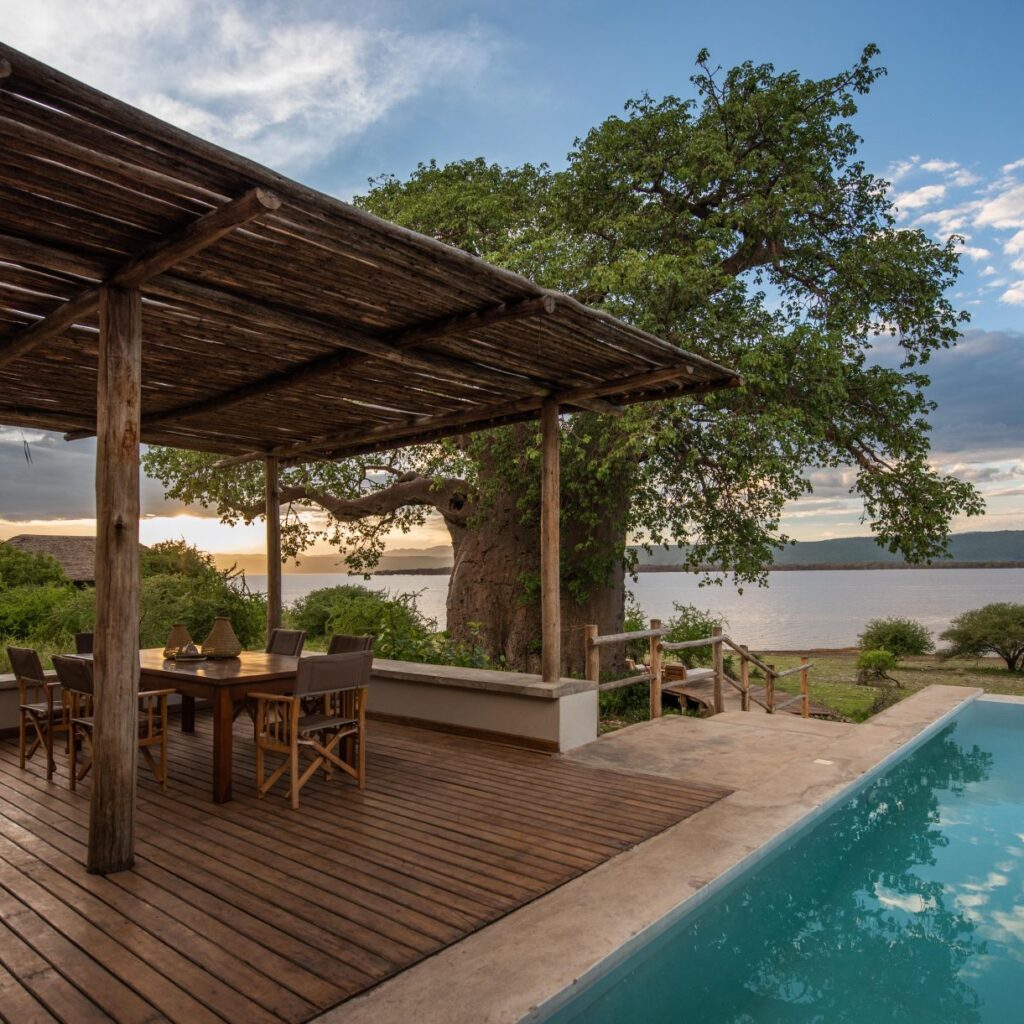
Planning a high-end vacation experience requires more than just booking a flight and choosing a luxury hotel; it is about crafting a seamless journey defined by exclusivity, comfort, personalization, and world-class service. Today’s luxury travel trends focus on bespoke itineraries, private villas, five-star resorts, private jets, and curated cultural experiences that elevate every moment. Whether you are seeking a luxury safari in Africa, a tropical island escape, or a cosmopolitan city retreat, the goal is to create unforgettable memories with premium travel services. High-end vacation planning also emphasizes privacy, convenience, and personalized attention. From concierge services to private tours and fine dining experiences, every detail matters. This guide explores essential tips for planning a luxury travel experience that ensures sophistication, relaxation, and absolute indulgence from start to finish. Define Your Luxury Travel Vision Defining your luxury travel vision is the foundation of a high-end vacation experience. Before booking anything, identify what luxury means to you—whether it is a private island retreat, a luxury safari in Africa, a five-star city escape, or a wellness-focused resort. This step helps align your expectations with the right destinations, accommodations, and services. Modern luxury travel emphasizes personalized itineraries, exclusive experiences, privacy, and premium comfort. Think about your travel goals, preferred level of activity, and desired atmosphere. Do you want relaxation, adventure, cultural immersion, or a combination of all? By clearly defining your vision, you ensure every decision supports a seamless, bespoke, and unforgettable luxury travel experience tailored specifically to your lifestyle and expectations. Choose Exclusive Destinations Wisely Choosing exclusive destinations is essential for creating a memorable luxury vacation. High-end travelers often seek destinations known for privacy, elegance, and world-class service, such as the Maldives, Bora Bora, Santorini, Dubai, or African safari destinations like Tanzania and Kenya. The right destination should match your travel vision, climate preference, and seasonal timing. Luxury travel is not just about popularity but about exclusivity and curated experiences. Consider hidden gems and off-peak travel periods to avoid crowds and enjoy personalized attention. Whether it is a private island, mountain retreat, or safari lodge, selecting the right destination ensures access to premium hospitality, breathtaking scenery, and unforgettable luxury travel experiences that define high-end tourism. Book Luxury Accommodations Early Booking luxury accommodations early is crucial for securing the best rooms, suites, and villas in high-demand destinations. Five-star resorts, boutique hotels, and private villas often have limited availability due to exclusivity and high demand, especially during peak travel seasons. Early reservations also provide access to premium perks such as room upgrades, complimentary spa treatments, and private transfers. Luxury accommodations are a key part of the overall travel experience, offering personalized service, privacy, and world-class amenities. Whether you prefer an overwater villa, safari lodge, or beachfront resort, planning ensures you get the most desirable options. Early booking guarantees comfort, exclusivity, and a seamless luxury vacation experience tailored to your expectations. Hire a Luxury Travel Concierge Hiring a luxury travel concierge elevates your vacation experience by providing personalized planning and VIP services. These professionals specialize in high-end travel arrangements, including private jets, luxury hotels, exclusive tours, and fine dining reservations. A concierge eliminates stress by managing every detail of your trip, ensuring smooth coordination from arrival to departure. They also provide access to hidden experiences, exclusive events, and upgraded services not available to regular travelers. With industry expertise and global connections, luxury travel concierges create bespoke itineraries tailored to your preferences. This service is ideal for travelers seeking convenience, exclusivity, and flawless execution. A concierge transforms a simple vacation into a seamless, high-end luxury travel experience. Opt for Private Transportation Private transportation is a key element of luxury travel, offering comfort, privacy, and efficiency. Instead of commercial flights or shared transfers, high-end travelers often choose private jets, chauffeur-driven luxury cars, yachts, or helicopter transfers. This ensures complete flexibility in travel schedules and eliminates the stress of delays or crowded terminals. Private transport also enhances the overall experience by making the journey as enjoyable as the destination itself. For safari trips or remote locations, luxury 4×4 vehicles with expert guides provide an exclusive experience. Choosing private transportation adds convenience, safety, and prestige, making it an essential part of any high-end vacation itinerary focused on comfort and exclusivity. Customize Your Itinerary A customized itinerary is at the heart of a luxury travel experience. Unlike standard packages, high-end vacations are designed around your personal interests, lifestyle, and preferences. Whether you desire wildlife safaris, cultural tours, gourmet dining, or wellness retreats, customization ensures every moment is meaningful. Luxury travel planners create flexible itineraries that balance relaxation and exploration while allowing room for spontaneous activities. This personalization ensures access to exclusive experiences such as private tours, sunset cruises, or behind-the-scenes cultural encounters. A tailored itinerary enhances satisfaction and ensures your vacation feels unique and unforgettable. Luxury travel is about experiences designed specifically for you, not generic tourist schedules. Focus on Exclusive Experiences Exclusive experiences define true luxury travel. These are curated activities not available to general tourists, such as private safaris, helicopter tours, VIP cultural access, or after-hours museum visits. Luxury travelers seek unique, once-in-a-lifetime moments that create lasting memories. These experiences are often personalized and designed to offer privacy, comfort, and immersion. Whether it is dining in a remote location, exploring hidden natural wonders, or enjoying private yacht cruises, exclusivity adds emotional value to your journey. Choosing destinations and providers that specialize in bespoke experiences ensures your vacation stands out. Exclusive travel moments transform a trip into a story worth remembering and sharing. Prioritize Fine Dining and Culinary Experiences Fine dining is a vital part of luxury travel, offering world-class culinary experiences that enhance your vacation. High-end destinations feature Michelin-star restaurants, private chefs, and curated tasting menus that showcase local and international cuisine. Luxury resorts often provide personalized dining experiences such as beachfront dinners, vineyard lunches, or private villa meals. Culinary tourism allows travelers to explore culture through food while enjoying premium service and ambiance. When planning your vacation, research top-rated restaurants and exclusive dining opportunities at your destination.
Serengeti Osupuko Camp
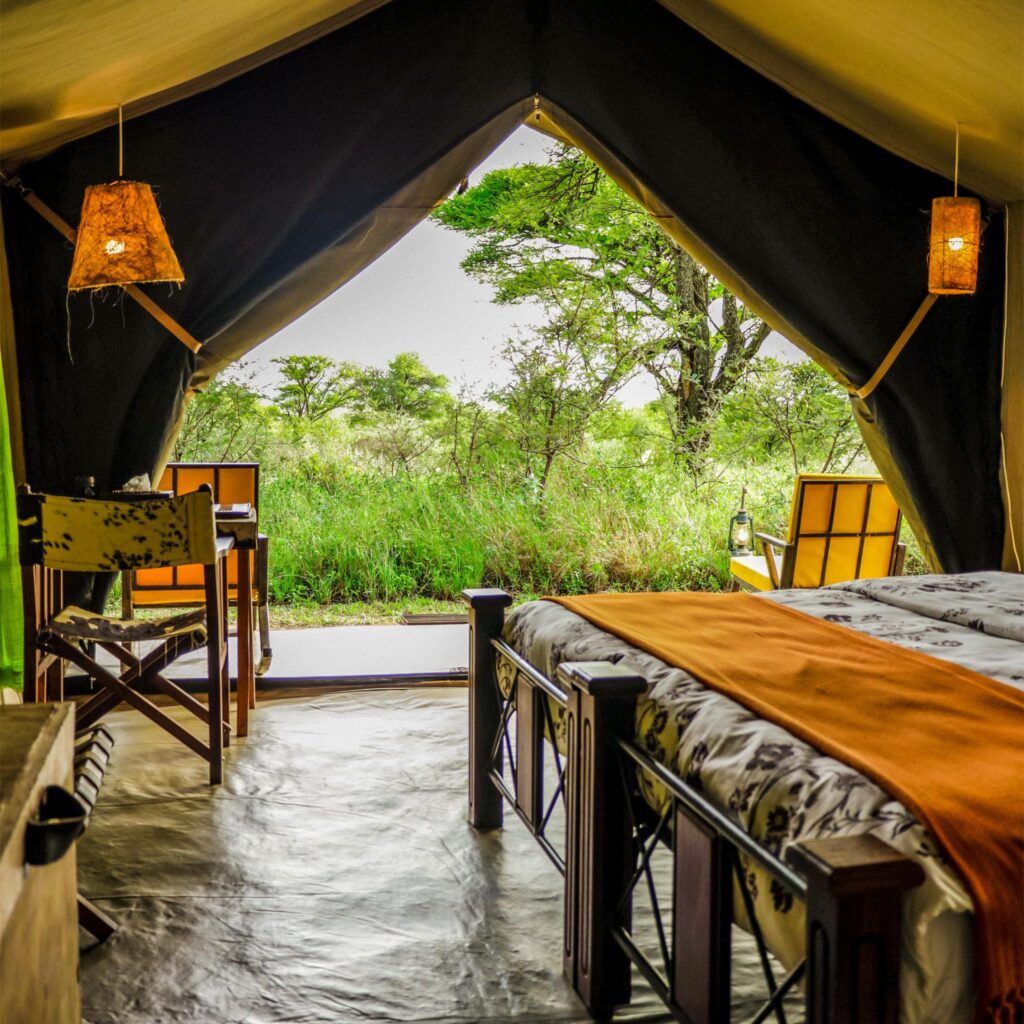
In the center of Serengeti, the mobile luxury camp is scenically located on the slopes of Rongai Hills, where sun-rise is your daily wake-up call and beautiful sun-set will always alert you to go to the campfire or sundowner. The camp is overlooking the Seronera Valley, which is home to most of the cats found in the Serengeti. Also, there are plenty of other resident wild animals around the area, and to mention a few are: giraffes, zebras, gazelles, warthogs, baboons, monkeys, and many more. The transformation from the Acacia woodlands to the plain grassland gives a unique experience for early morning game drives when both predators and their prey are resuming back to their usual daylight habitats. The camp is strategically located on one of the main migration corridors where an unforgettable event of millions of wildebeest, hundreds of thousands of zebras and gazelles accompanied by a group of predators migrate annually. Activities Serengeti Osupuko Camp Hot air balloon safari Float above the endless grasslands as the sun rises over Serengeti Sundowners See all the possible shades of pink blooming over the golden Ngorongoro crater. Bush Breakfast Have a most delicious breakfast in a wilderness setting! Accommodation options at Serengeti Osupuko Camp Tented Suites The 11 luxurious tented suites, spacious lounge, indoor showers and bathtub, special meals like bush breakfasts and lantern-lit dinners, campfire, high-speed internet wifi, private deck, swing chairs, organic toiletries, international plug sockets, telephone and exclusive game drive. Bed Type | 1 King bed or two single beds Area | Serengeti Full Board Serengeti Osupuko Camp in Tanzania Prices for your chosen travel dates may vary depending on the season of travel. Please feel free to reach out to us for more information on the final price. Request A free Quote Facilities Bedclothes Vanity basin Lounge Area Writing desk Private shower En-suite bathroom Dining Tent Power stations in public areas Free Wi-Fi in public areas Welcome Drink on Arrival Serengeti Osupuko Camp Location Fantastic Osupuko Serengeti Tented Camp! Great location in the mid-Serengeti Seronara area. Tents are huge, rooms, bedroom & bathroom, separated so private & no noise from other guests. King-size beds and mattresses, very comfortable. Tanzania Top 10 Luxury Safari Lodges & Camps Serengeti Lemala Nanyukie Lodge Serengeti Lemala Nanyukie Lodge Lemala Nanyukie Lodge —- Lemala Nanyukie Lodge Luxurious and captivating safari retreat situated in the heart of the … Little Oliver’s Camp | Luxury Tarangire Safari Camp Little Oliver’s Camp | Luxury Tarangire Safari Camp Oliver’s Camp – See description and beautiful photos —- Oliver’s Camp Explore Oliver’s Camp in Tanzania’s Tarangire is … Lemala Mpingo Ridge Lodge Lemala Mpingo Ridge Lodge Mpingo Ridge Lodge —- Mpingo Ridge Lodge An eco-friendly and luxurious safari camp that offers a unique and … 1 2 3 … 5 Next » Safari Deal: Best Safari Holidays & Safari Packages We offer special African safari and tour deals, including discounts on multiple nights, repeat guest perks, free transfers, and even flight inclusions. Some operators offer discounted rates for specific destinations like Tanzania – Serengeti, Tarangire, Lake Manyara, Arusha National Park combine safari with beach holidays. Some operators, like Foot Slopes Tours and Safaris, offer complimentary transfers when booking multiple nights at their special African Safari & Tour Offers. 9-Days Luxury Tanzania and Zanzibar Honeymoon Safaris 9-Days Luxury Tanzania and Zanzibar Honeymoon Safaris Luxury Tanzania and Zanzibar Honeymoon Safaris 9 Day Luxury Tanzania and Zanzibar Honeymoon Safaris. Dream Honeymoon Safari to … 7 Days Tanzania Luxury Safari Packages 7 Days Tanzania Luxury Safari Packages Perfect 7 Days Luxury Safari in Tanzania 7 Days Best of Tanzania Luxury Safari, Compare 7-Day safaris to … 6-Day African Dream Safaris 6-Day African Dream Safaris African Dream Safaris Unveiling the Wonders of Serengeti National Park and Ngorongoro Crater, African dream family, honeymoon, luxury, … 1 2 3 4 Next »
Tarangire Osupuko Lodge
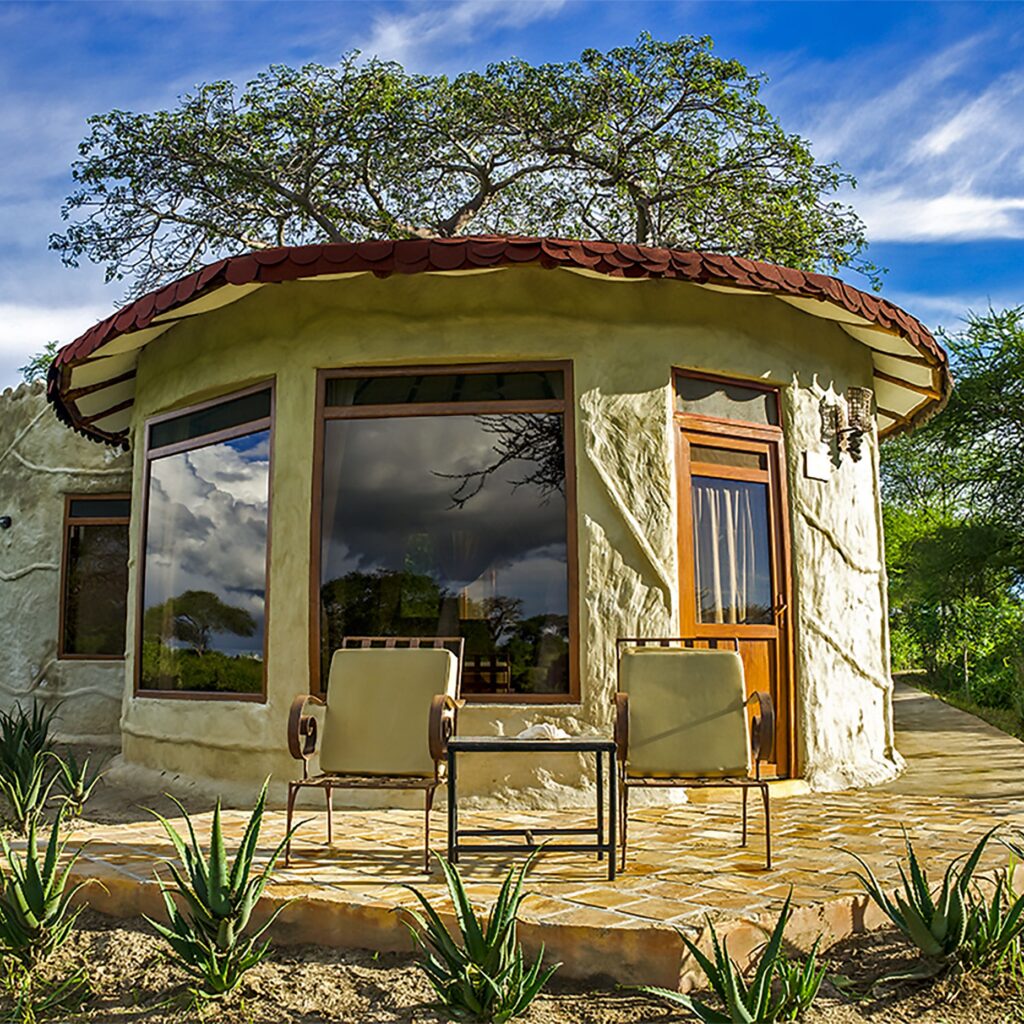
Explore and discover Tarangire Osupuko Lodge overlooks the famous Tarangire National Park, which is crossed by the wildlife-attracting Tarangire River. The gently rolling landscape is sprinkled with Baobab trees and towering termite mounds, dense African bush and sweeping grasses. The park is especially noted for its divers birds, among other big game animals. Eight spacious, en suite bungalows have been designed to bring the park’s beauty indoors. These refined Masai huts have large windows so guests can always see the grazing wildlife. Other features are a huge veranda for sunrises, a comfy couch for sunsets and inside and outside showers that offer views across the sweeping Great Rift Valley. A restaurant, lounge, well-stocked bar, pool, library, array of games and spectacular game-viewing verandas are all available from the comfort of the lodge. Excursions like night game drives, biking through Kakoi village, early morning footprint walks, bush lunches, game drives and nature walks are offered. Visit a Masai village and see dancing and wedding arrangements, learn bead making and taste goat BBQ. Activities Tarangire Osupuko Lodge Walking Tour Enjoying the views while walking Sundowners See all the possible shades of pink blooming over the golden Ngorongoro crater. Bush Breakfast Have a most delicious breakfast in a wilderness setting! Accommodation options at Tarangire Osupuko Lodge Standard Rooms Treat yourself to one of the best experiences in Tanzania with the best Accommodation. The trip you’ve always dreamed of! Bed Type | 1 King bed or two single beds Area | Tarangire Full Board Tarangire Osupuku Lodge in Tanzania Prices for your chosen travel dates may vary depending on the season of travel. Please feel free to reach out to us for more information on the final price. Request A free Quote Facilities Bedclothes Vanity basin Lounge Area Writing desk Private shower En-suite bathroom Dining Tent Power stations in public areas Free Wi-Fi in public areas Welcome Drink on Arrival Tarangire Osupuko Lodge location Tarangire Osupuko Lodge is situated roughly 125km from Arusha town and is ideally accessible by Dodoma Road although it can also be reached by air since there is an airstrip just nearby in the Park.Nestled on its own private reserve bordering Tarangire National Park, Osupuko Tarangire Lodge is conveniently located within driving distance from Arusha, Lake Manyara National Park, and the Ngorongoro Crater. The lodge offers stunning views of the surrounding wilderness, with private villa suites and intimate guest areas situated along the riverbank overlooking a seasonal dry riverbed flanked by acacia trees and iconic baobabs. Africa’s Top 15 Luxury Safari Lodges Serengeti Lemala Nanyukie Lodge Serengeti Lemala Nanyukie Lodge Lemala Nanyukie Lodge —- Lemala Nanyukie Lodge Luxurious and captivating safari retreat situated in the heart of the … Little Oliver’s Camp | Luxury Tarangire Safari Camp Little Oliver’s Camp | Luxury Tarangire Safari Camp Oliver’s Camp – See description and beautiful photos —- Oliver’s Camp Explore Oliver’s Camp in Tanzania’s Tarangire is … Lemala Mpingo Ridge Lodge Lemala Mpingo Ridge Lodge Mpingo Ridge Lodge —- Mpingo Ridge Lodge An eco-friendly and luxurious safari camp that offers a unique and … 1 2 3 … 5 Next » Luxury Serengeti Safari Packages Serengeti safari packages offer a variety of options for exploring Tanzania’s iconic wildlife. From budget-friendly camping tours to luxurious lodges, there’s a package for everyone. Common themes include viewing the Great Migration, spotting the Big Five, and experiencing the diverse wildlife of the Serengeti. How much does a safari in the Serengeti cost? A Serengeti safari will depend on various factors, including but not limited to where you stay, when you’re visiting, and what activities you wish to partake in. However, the price per person per day is usually around $500-$2,500. 9-Days Luxury Tanzania and Zanzibar Honeymoon Safaris 9-Days Luxury Tanzania and Zanzibar Honeymoon Safaris Luxury Tanzania and Zanzibar Honeymoon Safaris 9 Day Luxury Tanzania and Zanzibar Honeymoon Safaris. Dream Honeymoon Safari to … 7 Days Tanzania Luxury Safari Packages 7 Days Tanzania Luxury Safari Packages Perfect 7 Days Luxury Safari in Tanzania 7 Days Best of Tanzania Luxury Safari, Compare 7-Day safaris to … 6-Day African Dream Safaris 6-Day African Dream Safaris African Dream Safaris Unveiling the Wonders of Serengeti National Park and Ngorongoro Crater, African dream family, honeymoon, luxury, … 1 2 3 4 Next »
Farm of Dream Lodge
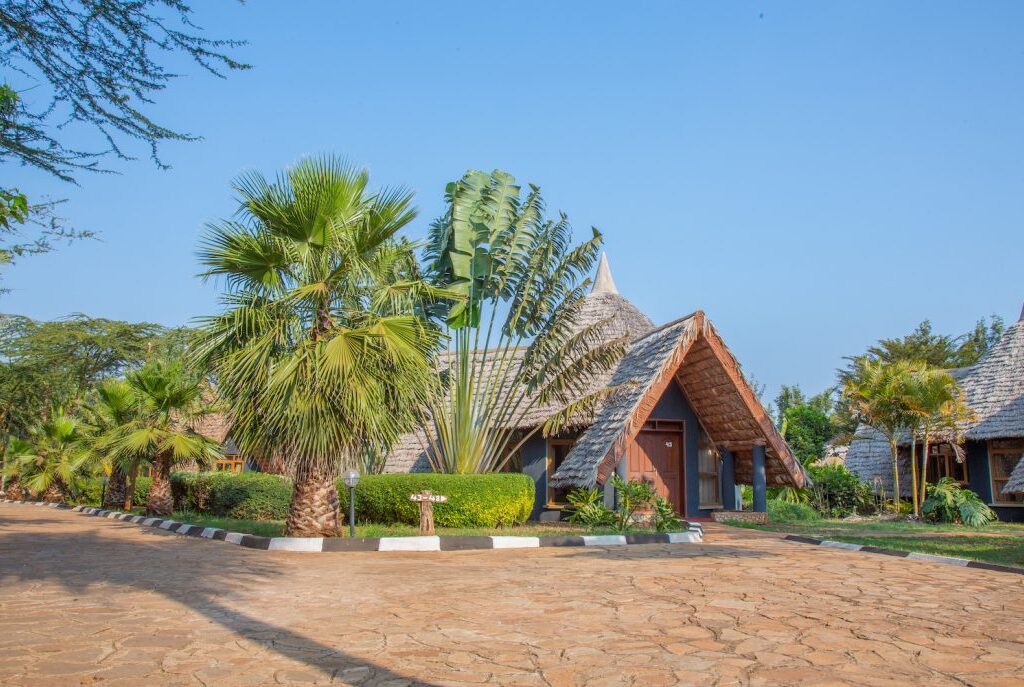
Discover Farm of Dreams Lodge has 40 spacious, well-appointed rooms are all unsuited and give you a chance to enjoy beautiful gardens from the comfort of your room. To add to the charm and intimacy, the soft, fine linen, and thick white towels quietly whisper romance. All bedrooms have mosquito netting and a fan. In addition, if you are travelling as family, you might want to keep your children close yet wish to have a private room of your own. The property offers spectacular sweeping views of the hills and close distant to the Ngorongoro Crater, Lake Eyasi, Lake Manyara and Tarangire National Park. A 4-star hotel located in the tourist town of Karatu on the Western south Slopes of Ngorongoro Crater at 1,400 feet above sea level. Then interconnecting rooms are the answer and Farm of Dreams lodge offers 8 spacious interconnected rooms for families and large group traveling together. Activities Farm of Dream Lodge Manyara Tour Enjoy Manyara Tour Sundowners See all the possible shades of pink blooming over the golden Ngorongoro crater. Bush Breakfast Have a most delicious breakfast in a wilderness setting! Accommodation options at Farm of Dream Lodge Single beds, Double bed ,Twin beds or Triple beds Treat yourself to one of the best experiences in Tanzania with the best Accommodation. The trip you’ve always dreamed of! Bed Type | 1 King bed or two single beds Area | Lodge in Karatu District, Tanzania Full Board Farm of Dream Lodge in Tanzania Prices for your chosen travel dates may vary depending on the season of travel. Please feel free to reach out to us for more information on the final price. Request A free Quote Facilities Bedclothes Vanity basin Lounge Area Writing desk Private shower En-suite bathroom Dining Tent Power stations in public areas Free Wi-Fi in public areas Welcome Drink on Arrival Farm of Dream Lodge on the map The Lodge is located in the tourist town of Karatu on the Western south Slopes of Ngorongoro Crater at the 1,400 feet above sea level; the Lodge sits in a garden of flowers and vegetables. The property offers spectacular sweeping views of the hills and close distant to the Ngorongoro Crater, Lake Eyasi, Lake Manyara and Tarangire National Park. The warm and cosy rooms overlook the reserve and tropical gardens, the large en-suite bathrooms include WC, shower and washbasins as well as luxurious toiletries. The bedrooms open up to a terrace that is furnished with a table and chairs. Accommodation – Safari Lodges, Tented Camps, Hotels Ngorongoro Serena Safari Lodge A renowned accommodation nestled on the rim of the breathtaking Ngorongoro Crater in Tanzania. Read More Ngorongoro Lodge Meliá Collection The Meliá Ngorongoro Lodge is known for its elegant design and warm hospitality. The lodge features a variety of luxury rooms… Read More andBeyond Ngorongoro Crater Lodge A luxurious safari lodge located on the rim of the magnificent Ngorongoro Crater in Tanzania. Known for its breathtaking views and opulent… Read More Ngorongoro Sopa Lodge Well-established safari lodge located on the eastern rim of the Ngorongoro Crater in Tanzania. Surrounded by lush greenery, the lodge offers comfortable accommodations… Read More Sanctuary Ngorongoro Crater Camp A luxurious tented camp nestled in the Ngorongoro Conservation Area of Tanzania. Situated on the rim of the magnificent… Read More Ngorongoro Rhino Lodge A rustic and affordable accommodation option located near the Ngorongoro Conservation Area in Tanzania… Read More Entamanu Safari Camp An exclusive and intimate safari camp situated in the Ngorongoro Conservation Area of Tanzania… Read More Ngorongoro Tented Camp A charming and intimate Tented safari Camp located in the Ngorongoro Conservation Area of Tanzania… Read More The Highlands Lodge Unique and eco-friendly safari lodge located in the Ngorongoro Conservation Area of Tanzania. Situated on the slopes… Read More Lions Paw Ngorongoro The Lion Paw’s Camps is nestled in a forest of Red Thorn Acacia trees, atop the eastern rim of the Ngorongoro Crater with mesmerizing views of the crater. Read More Embalakai Authentic Camps A collection of luxury tented camps located in the prime wildlife destinations of Tanzania… Read More Ang’ata Ngorongoro camp Collection of luxury tented camps situated in Ngorongoro crater. Each camp offers a unique and immersive safari… Read More