
What items would you take for a post Kilimanjaro recovery kit?
What items would you take for a post Kilimanjaro recovery kit?
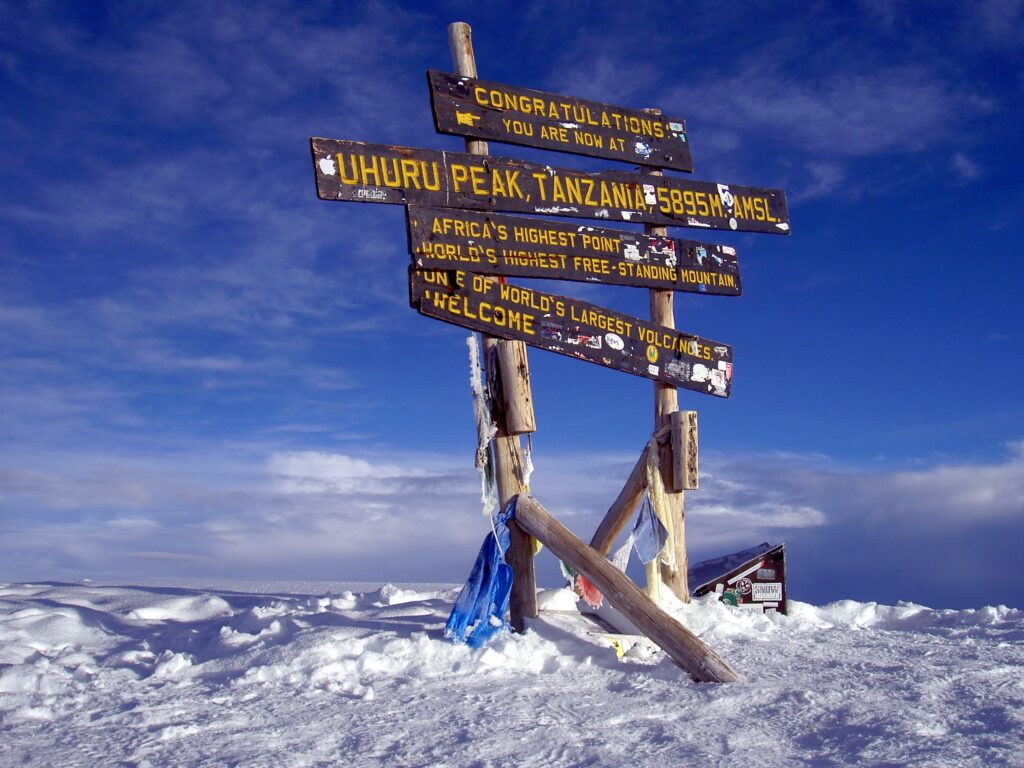
A successful climb of Mount Kilimanjaro is not finished when you reach Uhuru Peak—it continues into the crucial recovery phase. A well-prepared post-Kilimanjaro recovery kit is essential for restoring energy, reducing muscle soreness, and supporting altitude sickness recovery. After days of trekking at high elevation, cold temperatures, and physical strain, your body needs structured care. The right recovery items help with hydration, muscle repair, blister treatment, and immune support. Whether you are returning from the Machame, Lemosho, or Marangu route, a thoughtfully packed Kilimanjaro trek recovery kit ensures a faster return to normal activity, prevents complications, and improves overall post-safari wellbeing in Tanzania.
Hydration and Electrolyte Replenishment Supplies
Hydration is the foundation of any effective post-Kilimanjaro recovery kit. After long trekking days and high-altitude exposure, your body is often dehydrated. Include electrolyte powders, oral rehydration salts, and mineral tablets to restore sodium, potassium, and magnesium balance. Coconut water powder or sports hydration sachets are also useful. Proper rehydration supports altitude sickness recovery, reduces fatigue, and prevents headaches. Drinking water alone is not enough after a Kilimanjaro climb, as the body needs electrolyte balance for full recovery. Keeping these hydration tools in your recovery kit ensures rapid reconditioning and helps stabilize energy levels after descending from Africa’s highest peak.
Pain Relief and Anti-Inflammatory Medication
Muscle soreness and joint pain are common after a Mount Kilimanjaro trek, making pain relief essentials important in your recovery kit. Include over-the-counter anti-inflammatory medicines such as ibuprofen or paracetamol to reduce swelling and discomfort. These medications help manage leg pain, back stiffness, and general fatigue caused by long trekking hours. Always use them responsibly and as directed. Combining medication with rest and hydration improves recovery speed. A small, organized pill container keeps everything accessible. This section of your Kilimanjaro recovery kit checklist ensures you remain comfortable during the first 3–5 days after descent, when soreness is usually at its peak.
Compression Socks and Circulation Support Gear
Compression socks are a vital part of a post-Kilimanjaro recovery kit because they improve blood circulation after long days of hiking. They help reduce swelling in the legs, prevent stiffness, and support muscle recovery. After descending from high altitude, many climbers experience heavy legs or mild swelling, and compression wear helps ease these symptoms. Choose breathable, medium-pressure socks for best results. They also reduce the risk of deep vein discomfort during long travel back home. Including circulation-support gear in your recovery kit ensures faster physical recovery and improves overall comfort after your demanding Kilimanjaro hiking adventure in Tanzania.
Blister Care and Foot Recovery Supplies
Your feet undergo extreme stress during a Kilimanjaro climb, making blister care essential in a trek recovery kit. Include blister plasters, hydrocolloid bandages, antiseptic wipes, and foot healing creams. After days of trekking in hiking boots, treating blisters early prevents infection and speeds healing. Foot powder can also help reduce moisture and odor. Soaking feet in warm water with salt can relieve soreness after descent. Proper foot recovery ensures you return to walking normally without pain. This is one of the most important parts of any Kilimanjaro post-hike recovery kit, especially for routes like Machame and Lemosho.
Muscle Recovery and Stretching Tools
After intense climbing, your muscles need active recovery support. A good Kilimanjaro recovery kit should include resistance bands, massage balls, or a small foam roller. These tools help relieve tight calves, hamstrings, and lower back stiffness caused by steep ascents and descents. Gentle stretching improves flexibility and reduces post-trek soreness. Even 10–15 minutes of daily stretching can significantly improve recovery speed. Massage tools also enhance blood flow and reduce lactic acid buildup. Including muscle recovery equipment ensures your body transitions smoothly from high-altitude trekking back to normal activity without prolonged discomfort or stiffness.
Cold and Warm Weather Recovery Clothing
Temperature changes after Kilimanjaro can affect recovery, so appropriate clothing is essential. Pack warm recovery clothing such as fleece jackets, thermal layers, and comfortable loungewear. After descending from icy summit conditions, your body needs warmth to stabilize circulation and support healing. Lightweight breathable clothing is also useful during daytime rest. Avoid tight clothing that restricts blood flow. Proper recovery clothing reduces the risk of catching a cold or fatigue after the climb. A well-prepared Kilimanjaro post-trek recovery wardrobe ensures comfort, relaxation, and better adaptation after returning from extreme altitude environments.
Sleep and Rest Enhancement Items
Rest is a major part of altitude recovery, making sleep aids important in your Kilimanjaro recovery kit checklist. Include an eye mask, earplugs, and a travel pillow to improve sleep quality. Good sleep helps the body repair muscle tissue, regulate hormones, and restore energy levels. Herbal teas such as chamomile or natural sleep supplements can also support relaxation. After days of early morning starts on the mountain, your sleep cycle may be disrupted. Creating a calm sleep environment ensures faster physical and mental recovery after your Tanzania trekking adventure.
Nutritional Recovery Supplements and Snacks
Nutrition plays a key role in restoring strength after climbing Kilimanjaro. Your recovery kit should include protein bars, recovery shakes, vitamins, and mineral supplements. Protein supports muscle repair, while vitamins like C and B-complex boost immunity and energy. Light snacks such as nuts, dried fruits, and energy biscuits help stabilize blood sugar levels. After a physically demanding trek, proper nutrition accelerates healing and reduces fatigue. A balanced post-Kilimanjaro nutrition recovery plan ensures your body regains strength efficiently, preparing you for travel, safari tours, or return flights home.
First Aid and Infection Prevention Kit
A compact first aid kit is essential for post-climb safety. Include antiseptic creams, bandages, gauze, and wound-cleaning solutions. Minor cuts or blisters from trekking boots need proper care to avoid infection. Hand sanitizer and antibacterial wipes are also important for hygiene. Since your immune system may be slightly weakened after altitude exposure, infection prevention is crucial. A well-prepared Kilimanjaro recovery first aid kit ensures you handle minor medical issues quickly and safely during the recovery phase.
Hydrating Skin and Body Care Products
Cold and dry mountain air can leave your skin dehydrated, making skincare important in your recovery kit. Include moisturizing creams, lip balm, and aloe vera gel to soothe dry or sun-exposed skin. Sunscreen is also necessary after descending, as UV exposure remains high in Tanzania. These products help restore skin hydration and prevent irritation. Proper skin care is often overlooked but plays a significant role in full post-Kilimanjaro recovery and wellness, especially after days at high altitude.
Herbal Remedies and Natural Recovery Aids
Natural remedies can support your recovery process after climbing Kilimanjaro. Herbal teas like ginger, peppermint, and chamomile help digestion and relaxation. Ginger is especially useful for nausea or altitude-related discomfort. Magnesium supplements and turmeric capsules support inflammation reduction. These natural aids complement medical recovery methods and promote holistic healing. Including them in your Kilimanjaro recovery kit provides gentle, effective support for your body after intense physical exertion in the mountains.
Hydration Monitoring and Wellness Tracking Tools
Tracking your recovery progress helps ensure proper healing. A simple thermometer can monitor body temperature, while a fitness tracker helps observe heart rate and sleep quality. Staying aware of hydration levels and fatigue indicators is important after high-altitude trekking. These tools help you understand how your body is responding post-climb. A structured Kilimanjaro wellness recovery approach ensures no symptoms are ignored and recovery stays on track.
Relaxation and Mental Recovery Items
Mental recovery is just as important as physical healing after Kilimanjaro. Include items like books, headphones, meditation apps, or calming music playlists. After days of physical challenge, relaxation supports emotional balance and stress reduction. Journaling your climb experience also helps process the achievement. These tools support psychological recovery after a demanding adventure, helping you transition back to everyday life smoothly.
Travel Comfort and Mobility Aids
After descending Kilimanjaro, long travel hours can be tiring. Neck pillows, eye masks, and supportive seating cushions improve comfort during transfers or flights. Lightweight walking sticks may also help if your legs feel weak. These mobility aids reduce strain and improve post-trek comfort. A well-prepared travel recovery kit for Kilimanjaro climbers ensures smoother movement and reduces fatigue during onward journeys in Tanzania or international flights.
Hygiene and Personal Care Essentials
Good hygiene is essential for recovery after trekking. Include wet wipes, biodegradable soap, toothbrush kits, and deodorant. Cleanliness helps prevent infections and improves overall comfort. After days on the mountain, refreshing your hygiene routine boosts morale and supports faster physical recovery. Maintaining personal care standards is a key part of any post-Kilimanjaro expedition recovery plan, especially before continuing safari travel or returning home.
Approach, feed or disturb wildlife, or leave the vehicle unless your guide says it is safe.
Follow your guide, carry travel insurance and check current health and travel advice.
Emergency and Backup Essentials
Always include backup essentials such as spare cash, a power bank, charging cables, and copies of travel documents. After a challenging climb, having reliable access to essentials reduces stress. A small flashlight or headlamp can also be useful. These items ensure safety and convenience during your recovery period. A complete Kilimanjaro recovery kit is not only about health—it also provides security and peace of mind after your unforgettable Tanzania trekking experience.
Final Thought
A well-prepared post-Kilimanjaro recovery kit is just as important as your climbing gear. It ensures your body heals properly after the physical and altitude challenges of Africa’s highest mountain. From hydration and nutrition to muscle recovery, skincare, and rest support, each item plays a role in restoring balance. Proper recovery allows you to fully enjoy your achievement and continue exploring Tanzania comfortably. With the right preparation, your Kilimanjaro trekking experience becomes not just a summit success, but a complete and healthy adventure from start to finish.
What items would you take for a post Kilimanjaro recovery kit?: FAQs
What is a post-Kilimanjaro recovery kit?
A post-Kilimanjaro recovery kit is a carefully prepared set of essential items designed to help your body recover after climbing Mount Kilimanjaro, the highest peak in Africa and one of the most physically demanding trekking adventures in the world. This kit supports altitude recovery, muscle repair, hydration balance, and overall physical restoration after days of high-altitude trekking, cold temperatures, and physical exhaustion.
Why do I need a recovery kit after climbing Kilimanjaro?
You need a recovery kit after climbing Kilimanjaro because your body experiences extreme physical stress, altitude fatigue, dehydration, and muscle strain during the expedition. Even after reaching the summit, the descent can leave your joints, feet, and muscles sore and inflamed. A post-Kilimanjaro recovery kit helps reduce recovery time and supports your body’s natural healing process. It also helps manage symptoms of altitude exposure such as headaches, fatigue, and dehydration.
What are the most important items to include in a recovery kit?
The most important items in a Kilimanjaro recovery kit include hydration salts, electrolyte powders, pain relievers, muscle rubs, blister plasters, compression socks, and anti-inflammatory medication. These essentials help restore hydration balance, reduce swelling, and support muscle recovery after high-altitude trekking. Protein snacks or recovery bars are also useful for rebuilding energy levels. Lip balm, moisturizers, and sunscreen help repair skin that has been exposed to harsh mountain weather conditions.
Should I include hydration products in my recovery kit?
Yes, hydration products are absolutely essential in a post-Kilimanjaro recovery kit. Climbing Mount Kilimanjaro causes significant fluid loss due to cold, dry air and high-altitude exertion, which often leads to dehydration. Electrolyte powders, oral rehydration salts, and hydration tablets help quickly restore fluid balance and replenish essential minerals like sodium, potassium, and magnesium. These products are especially important immediately after descent when the body is still adjusting to lower altitude conditions.
Do I need vitamins or supplements after the climb?
Yes, vitamins and supplements can be very helpful after climbing Kilimanjaro. The body often becomes depleted of essential nutrients due to long trekking days, reduced appetite at altitude, and physical stress. Multivitamins, vitamin C for immunity, magnesium for muscle recovery, and B-complex vitamins for energy restoration are commonly included in a recovery kit. These supplements help speed up recovery, improve energy levels, and support immune function after the climb.
What helps with sore muscles after Kilimanjaro?
Sore muscles after Kilimanjaro are very common due to continuous uphill hiking, steep descents, and carrying backpacks over long distances. The best recovery solutions include anti-inflammatory pain relievers, muscle massage creams, Epsom salt baths, and gentle stretching. Foam rollers or massage balls can also help release muscle tension in the legs, calves, and back. Compression socks improve blood circulation and reduce swelling in tired legs.
Are foot care items necessary in a recovery kit?
Yes, foot care items are extremely important in a Kilimanjaro recovery kit because your feet endure the most pressure during the climb. After days of trekking, issues like blisters, swelling, cracked skin, and toenail discomfort are very common. Essential foot care items include blister plasters, antiseptic wipes, foot cream, bandages, and cushioned insoles. Soaking feet in warm water with Epsom salt also helps reduce swelling and pain.
Should I include food or snacks in my recovery kit?
Yes, including food or snacks in a post-Kilimanjaro recovery kit is highly recommended. After the climb, your body needs quick energy replenishment to restore glycogen levels and reduce fatigue. Protein bars, energy snacks, nuts, dried fruits, and electrolyte-rich drinks are ideal choices. These foods help stabilize blood sugar levels and speed up physical recovery after days of high-altitude trekking.
Is skincare important after climbing Kilimanjaro?
Yes, skincare is very important after climbing Kilimanjaro because your skin is exposed to harsh UV rays, cold winds, and dry mountain air. Common post-climb skin issues include dryness, sunburn, chapped lips, and irritation. A good recovery kit should include moisturizer, lip balm with SPF, sunscreen, and soothing aloe vera gel. These products help restore skin hydration and repair damage caused during the trek.
Do I need a recovery kit immediately after descent or later in the hotel?
You should ideally use your recovery kit immediately after descent from Kilimanjaro, not wait until later in the hotel. The first few hours after coming down from high altitude are critical for rehydration, muscle relief, and energy restoration. Items like electrolytes, pain relievers, snacks, and foot care products are most effective when used right after the climb.
Climb Kilimanjaro With Confidence
Tell us your dates and fitness, and our experienced mountain team will plan a safe, well-acclimatized private climb.