Why Mount Kilimanjaro Must Be in Your Bucket List
Why Mount Kilimanjaro Must Be in Your Bucket List
Why Kilimanjaro Belongs on Your Bucket List
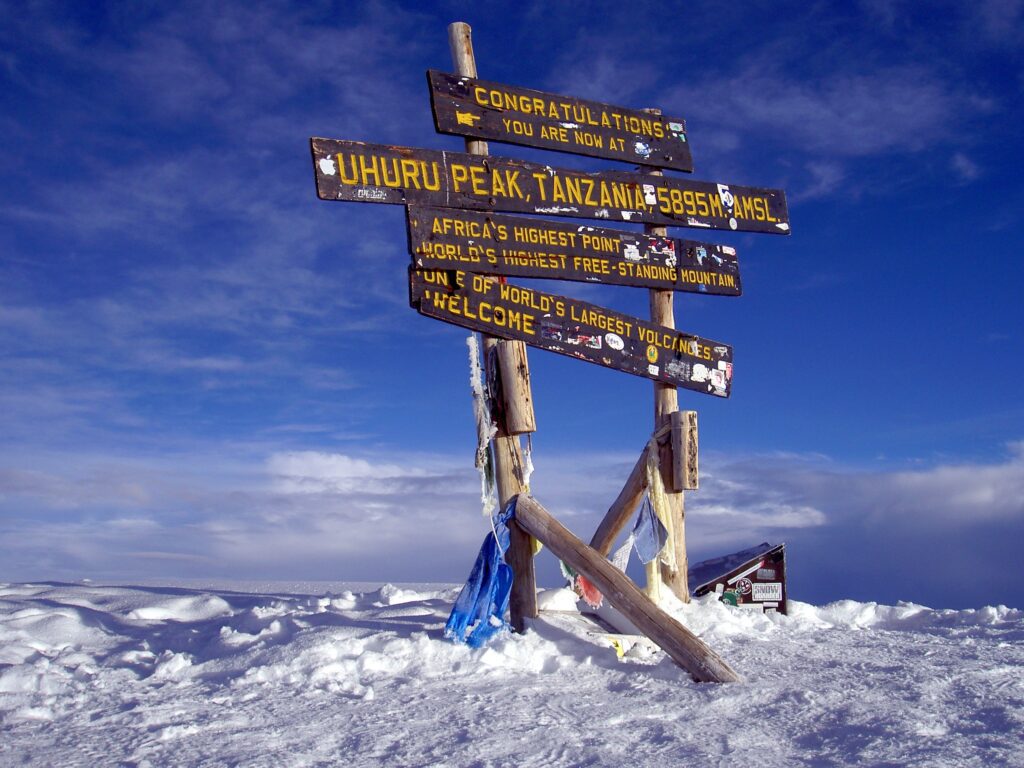
Mount Kilimanjaro belongs on every bucket list. As the world’s tallest freestanding mountain and Africa’s highest peak at 5,895 meters (19,341 feet), it is one of the famous Seven Summits, yet it is accessible to a broad range of fit hikers because no technical climbing is required. Ascending through rainforest, moorland, alpine desert and arctic summit zones offers incredible views and diverse ecosystems. More than a climb, Kilimanjaro is a monumental personal challenge and a natural wonder that leaves a lasting mark on everyone who stands on the Roof of Africa. Start planning your own Kilimanjaro adventure with us today.
Experience the Roof of Africa
Kilimanjaro holds the prestigious title of being the highest free-standing mountain in the world and Africa's highest peak. Soaring to an impressive 5,895 meters (19,341 feet) above sea level. Imagine standing at that altitude, gazing out over a sea of clouds as the sun rises. Casting a golden glow across the continent. This isn't just about reaching a summit. It's about experiencing the sheer scale of nature and witnessing panoramic views that few others ever will. The feeling of Mount Kilimanjaro hiking tours of conquering such a towering giant is unparalleled. Offering a perspective on the world that is truly humbling.
One of the Seven Summits
For serious mountaineers and avid adventurers, Kilimanjaro holds another significant distinction: it's one of the Seven Summits. These are the highest mountains on each of the seven continents, and bagging even one is a remarkable feat. For many, Kilimanjaro serves as an accessible entry point into this elite club. Offering the thrill of a high-altitude climb without the extreme technical demands of peaks like Everest or Denali. Successfully summiting Kilimanjaro places you among a select group of global adventurers.
A Diverse Range of Climatic Zones
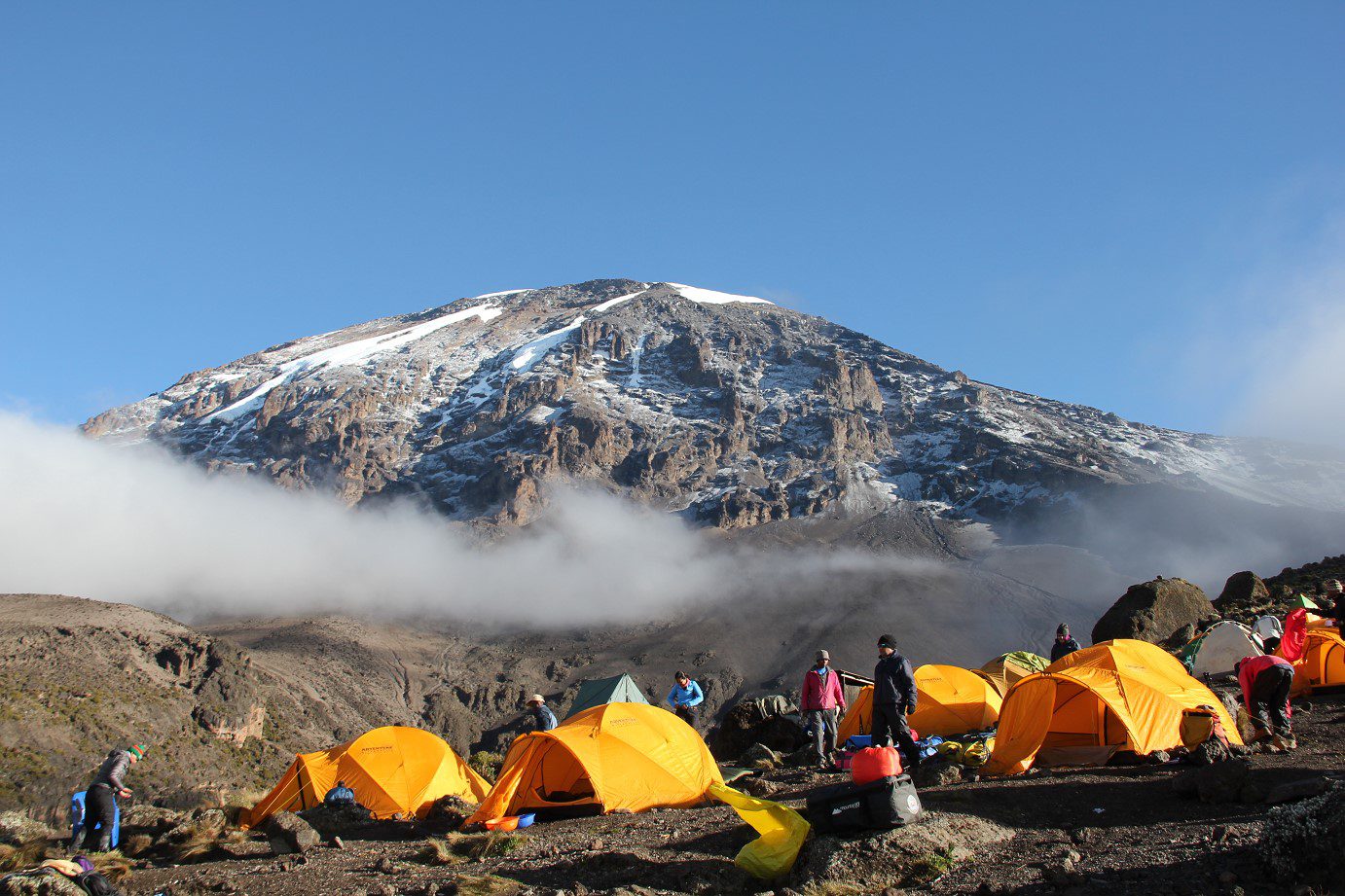
One of Kilimanjaro's most captivating aspects is its incredible ecological diversity. As you ascend from the base to the summit. You traverse through five distinct climatic zones, each with its unique flora and fauna. You'll begin in lush cultivation and rainforest, where the air is thick with humidity and the sounds of exotic birds fill the trees. As you climb higher, the landscape transforms into heath and moorland. Followed by the high-altitude desert zone, characterized by its stark beauty. Finally, you'll reach the Arctic zone, where glaciers cling to the summit—a stark and surreal contrast to the tropical warmth below. This journey through different ecosystems in a matter of days is a natural spectacle in itself.
Rich Biodiversity and Wildlife
Beyond the changing landscapes, Mount Kilimanjaro is a haven for rich biodiversity and wildlife. While you won't encounter the "Big Five" on the mountain itself. The lower slopes and surrounding areas are home to a fascinating array of creatures in Kilimanjaro National Park. Keep an eye out for Colobus monkeys swinging through the forest canopy, various bird species, and even elusive antelopes. The unique plant life, adapted to the varying altitudes, adds another layer of natural wonder to the trek. This immersion in a vibrant ecosystem enhances the overall exceptional Kilimanjaro adventure. Reminding you of the delicate balance of nature.
Cultural Immersion with the Chagga People
Climbing Mount Kilimanjaro is not just about reaching the summit. It’s also about immersing yourself in the local culture. Your Kilimanjaro adventure isn't just about the mountain; it's also an opportunity for cultural immersion with the Chagga people. Living on the fertile lower slopes of Kilimanjaro. The Chagga have a rich history and a strong connection to the mountain. Many of the guides and porters who facilitate your climb come from this community. Engaging with them offers a profound insight into their way of life, traditions, and deep respect for Kilimanjaro. Their warmth, resilience, and stories add a unique human element to the journey. Making it more than just a physical challenge.
No Technical Climbing Skills Required
Unlike many other high peaks around the world. Mount Kilimanjaro does not require technical climbing skills. Perhaps one of the most appealing aspects of Kilimanjaro for aspiring climbers is that it requires no technical climbing skills. Unlike many other high peaks that demand ropes, harnesses, and extensive mountaineering experience. Kilimanjaro is primarily a demanding hike. This makes it accessible to a wider range of individuals, from beginners to seasoned trekkers to determined novices. While it's a strenuous undertaking, requiring good physical fitness and mental fortitude. You won't need specialized climbing techniques, opening the door for many to achieve this incredible feat.
Well-Organized Trekking Routes
Kilimanjaro boasts several well-organized trekking routes, each offering a different duration, challenge level, and scenic experience. Popular routes like Marangu, Machame, Lemosho, and Rongai are meticulously managed, with established camps, experienced guides, and dedicated support teams. This structured approach ensures safety and allows climbers to focus on the trek itself, knowing that logistics are expertly handled. The availability of diverse routes also means you can choose an option that best suits your fitness level and desired pace, maximizing your chances of a successful summit.
Is Climbing Kilimanjaro Feasible?
Climbing Mount Kilimanjaro, the highest peak in Africa, is challenging yet feasible for active, healthy people. Success rates are highest on longer routes of seven or eight days, because the extra time allows better acclimatization and reduces the risk of acute mountain sickness. The trek crosses diverse climate zones, from tropical rainforest to glaciers, and culminates at Uhuru Peak, 5,895 meters (19,341 feet) above sea level. With steady training, quality gear, an experienced guide and a sensible pace, ordinary hikers successfully reach the summit every year, often describing it as the achievement of a lifetime. You can do it too.
A Test of Physical and Mental Endurance
While technical skills aren't required, climbing Mount Kilimanjaro is undeniably a test of physical and mental endurance. The long days of trekking, the increasing altitude, and the cold at higher elevations will push your limits. However, this challenge is precisely what makes the achievement so rewarding. Every step forward is a victory, and overcoming discomfort fosters a deep sense of resilience. The camaraderie forged with your fellow trekkers and support team as you face these challenges together is also an unforgettable part of the experience. It's an opportunity to discover your inner strength and prove to yourself what you're truly capable of.
What Beginners Should Know
Before climbing Kilimanjaro, understand that altitude affects everyone differently, summit night is extremely demanding and proper gear and preparation are crucial. Expect freezing temperatures near the top, and make acclimatization and hydration your priorities. As a beginner, focus on physical fitness, the right equipment and a route with good acclimatization. Although it is a non-technical climb and porters carry most of your gear, Kilimanjaro still requires real stamina and mental strength because of long hiking hours, rough terrain and changing temperatures. Preparing well in advance turns a daunting challenge into an achievable and rewarding goal. Start training three months ahead.
Stunning Sunrise at the Summit
The ultimate reward for all your efforts culminates in the stunning sunrise at the summit. After a challenging night climb, often starting around midnight, reaching Uhuru Peak just as the sun begins to paint the sky with vibrant hues is an emotional and awe-inspiring moment. Watching the world awaken from the highest point in Africa, with glaciers glistening in the dawn light, is a memory that will be etched in your mind forever. It's a breathtaking testament to your perseverance and the natural beauty of our planet.
Sunrise from the Roof of Africa
One of the most magical moments of a Kilimanjaro climb is witnessing sunrise near the summit. As you approach Stella Point and Uhuru Peak in the early morning, the horizon slowly lights up in shades of orange, pink and gold. Watching the sun rise above a sea of clouds, illuminating glaciers, Mawenzi Peak and the vast plains below, is truly awe-inspiring. After a long, cold night of climbing, this breathtaking moment makes every challenging step worthwhile, and many climbers say it is the memory that stays with them most vividly long after they return home. Bring your camera ready for this.
A Bucket List Achievement
Mount Kilimanjaro is a symbol of adventure and exploration. Adding it to your bucket list means setting a goal that is both challenging and rewarding. Ultimately, climbing Mount Kilimanjaro is the epitome of a bucket list achievement. It's more than just a physical challenge; it's a journey of self-discovery, an immersion in nature, and a connection with a vibrant culture. The sense of accomplishment upon reaching the summit is profound, leaving you with memories and bragging rights that last a lifetime. It's an experience that changes you, expanding your perspective and reminding you of the incredible power of human determination.
Preparing for a Successful Climb
Climbing Kilimanjaro is challenging but rewarding, and thorough preparation is the key to success. Choose the right route and a reputable operator, focus on acclimatization and pack appropriately for conditions that change with altitude. The slow and steady approach, captured in the Swahili phrase pole pole, meaning slowly, slowly, is crucial for managing altitude sickness, which is caused by the body struggling in a low-oxygen environment. Walking gently, drinking plenty of water and resting well each night help your body adapt and greatly improve your chances of standing on Uhuru Peak safely. Good preparation truly makes all the difference.
Supporting Sustainable Tourism
Choosing to climb Kilimanjaro also means supporting sustainable tourism. Reputable tour operators work diligently to minimize environmental impact, conserve the mountain's delicate ecosystems, and ensure fair wages and treatment for their local staff. By embarking on this adventure, you contribute directly to the economic well-being of local communities and the ongoing preservation of this magnificent natural wonder.
It's an opportunity to travel responsibly and make a positive impact. So, if you're looking for an adventure that combines natural beauty, physical challenge, cultural immersion, and a profound sense of accomplishment, look no further than Mount Kilimanjaro. It's not just a climb; it's an unforgettable journey that will redefine your limits and leave you with a lifetime of cherished memories. Is it time to start planning your ascent to the Roof of Africa?
Practical Tips for Climbing Mount Kilimanjaro
Discover essential tips for Unforgettable climbing Mount Kilimanjaro, including the best routes, acclimatization advice. Packing essentials and how to prepare physically and mentally. A Mount Kilimanjaro guide is an essential resource for anyone planning to trek Africa's highest peak, the world's tallest free-standing mountain, and a UNESCO World Heritage site. These guides provide comprehensive information on everything from practical preparations like getting to Tanzania and selecting routes, to detailed insights on the trek itself, including daily walking hours, altitude sickness, and necessary gear. Ensure a safe and successful ascent to Africa's highest peak with our practical guide.
Choose the Right Route
Selecting the right route is one of the most important decisions for your Kilimanjaro climb. Consider difficulty, acclimatization profile, scenery, crowd levels and duration before you decide. Longer routes such as Lemosho, Machame over seven days or the Northern Circuit allow more gradual acclimatization and usually achieve higher success rates, while Marangu offers hut accommodation and Rongai a quieter northern approach. Research each route thoroughly, ask your operator for advice and choose the option that best matches your fitness level, available time and personal preferences, so your climb is both enjoyable and safe. Ask us for personal route advice.
Acclimatization Is Key
Altitude sickness is the most common challenge on Kilimanjaro, so proper acclimatization is essential for reaching the summit. Choose a longer route with extra days on the mountain, which allows your body to adjust gradually to decreasing oxygen levels. Follow the climb high, sleep low principle, hiking to higher points during the day and descending to sleep at lower camps. Walk slowly, drink three to four liters of water a day and report symptoms such as headaches, nausea or dizziness to your guide early. Good acclimatization greatly improves both safety and your chances of success. Never rush your body at altitude.
Pack Wisely
Packing the right gear is vital for a successful Kilimanjaro climb. Bring clothing for temperatures ranging from warm rainforest days to well below freezing at the summit, and use a layering system of base layers, fleece, an insulated jacket and a waterproof shell. Sturdy, broken-in hiking boots, a quality four-season sleeping bag, trekking poles and a reliable headlamp are essential. Layering lets you adapt quickly to changing weather and exertion levels. Keep your daypack light, carry water and snacks, and check your packing list carefully with your operator before departure. Test every item on training hikes before you travel.
Stay Hydrated and Nourished
Maintaining proper hydration and nutrition is crucial throughout your Kilimanjaro climb. Drink three to four liters of water each day, eat high-energy meals even when your appetite drops at altitude, and carry snacks such as nuts, chocolate and energy bars to keep your energy levels up between meals. Electrolyte tablets help replace salts lost through sweating. Your guide and mountain crew will provide clean, treated drinking water and nutritious meals at every camp, so your main job is to keep eating and drinking regularly, which supports acclimatization and gives you strength for summit night. Never skip meals, even when tired.
Listen to Your Guide
Experienced guides are invaluable on your Kilimanjaro journey. They provide essential support, monitor your health with daily checks, and advise on pace, hydration and acclimatization. Guides know the mountain intimately, recognize the early signs of altitude sickness and make the critical decisions that keep climbers safe, including when to rest, continue or descend. Trusting their expertise and following their advice is one of the best ways to ensure a safe and successful climb. A good guide also shares stories about the mountain, its ecosystems and its people, enriching every day of your adventure. Their experience is your greatest asset.
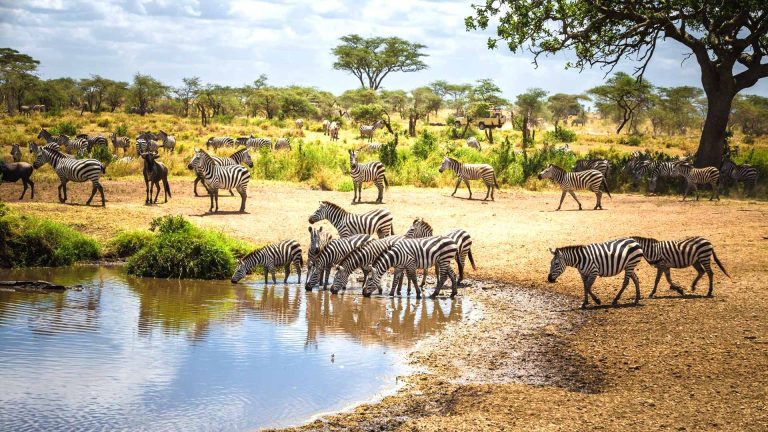
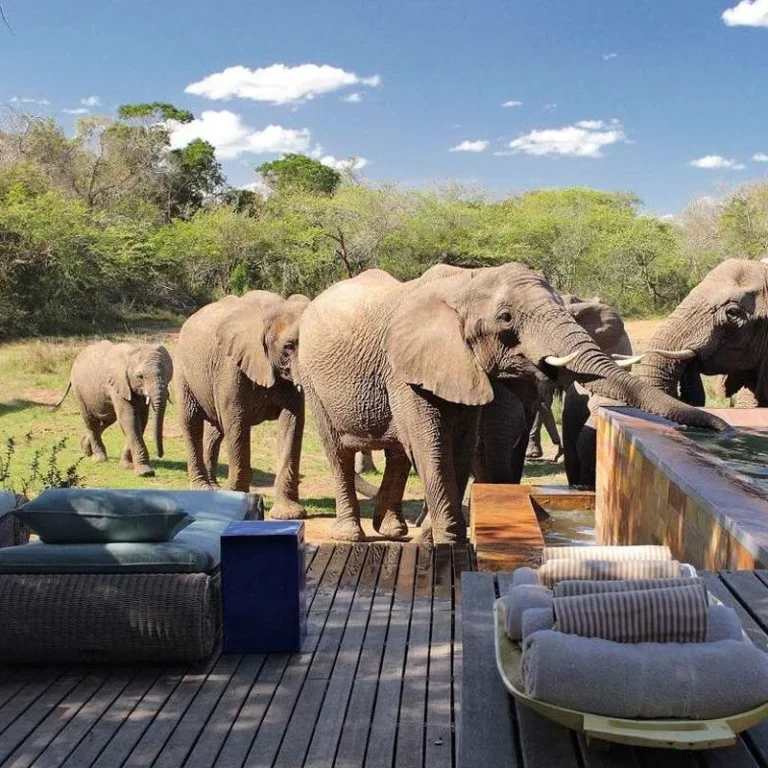
Approach, feed or disturb wildlife, or leave the vehicle unless your guide says it is safe.
Follow your guide, carry travel insurance and check current health and travel advice.
Mental Preparation
Climbing Kilimanjaro is as much a mental challenge as a physical one. Long hiking days, cold nights and the demanding summit push all test your determination. Stay positive, visualize your success and keep a determined but patient mindset, focusing on one step at a time. Mental preparation helps you push through difficult moments, especially on summit night, and keeps you focused on your goal. Training hikes, learning what to expect on each day and trusting your guides all build confidence. Foot Slopes Tours and Safaris supports every climber with experienced guides and careful preparation. Believe in yourself and keep going.
Respect the Environment
Preserving Kilimanjaro’s natural environment is of the utmost importance and is one of the reasons the climb is so special. Follow Leave No Trace principles: carry out all rubbish, use the toilet facilities provided, stay on marked trails and never disturb wildlife or plants. Responsible operators also manage waste carefully and treat porters fairly. Your responsible behaviour helps protect the mountain’s fragile ecosystems, from the rainforest to the alpine desert, so that its beauty remains intact for future adventurers and for the local communities whose lives and livelihoods depend on the mountain. Leave only footprints and take only memories.
What Makes Kilimanjaro So Special?
Mount Kilimanjaro is a majestic, snow-capped volcano in Tanzania and Africa’s tallest mountain at 5,895 meters (19,341 feet). It is the world’s largest freestanding mountain, rising alone from the surrounding plains rather than forming part of a mountain range. Climbers pass through five distinct climate zones, from cultivated farmland and rainforest to heath, alpine desert and an arctic summit, all in a single trek. Its accessibility, dramatic glaciers and status as one of the Seven Summits make it a unique adventure and a true highlight of any travel bucket list. It truly is an unforgettable experience for every climber.
In conclusion: Kilimanjaro on your bucket list
Mount Kilimanjaro is not just a climb; it's an extraordinary journey that offers breathtaking landscapes, cultural immersion, and a profound sense of achievement. Adding this iconic peak to your bucket list promises an adventure of a lifetime, filled with unforgettable moments and personal growth. So, lace up your hiking boots, pack your sense of adventure, and embark on a journey to the Roof of Africa. Book Kilimanjaro climbing, hiking, trekking tours, see reviews, photos, and map, adventures, expeditions, prices, cost, trip, holidays, all-inclusive packages suitable for family, couple, solo traveler, honeymoon, seniors!
Why Mount Kilimanjaro Must Be in Your Bucket List: FAQs
Why Kilimanjaro Belongs on Your Bucket List?
Mount Kilimanjaro belongs on every bucket list. As the world’s tallest freestanding mountain and Africa’s highest peak at 5,895 meters (19,341 feet), it is one of the famous Seven Summits, yet it is accessible to a broad range of fit hikers because no technical climbing is required.
What should you know about A diverse range of climatic zones on Kilimanjaro?
One of Kilimanjaro's most captivating aspects is its incredible ecological diversity. As you ascend from the base to the summit. You traverse through five distinct climatic zones, each with its unique flora and fauna. You'll begin in lush cultivation and rainforest, where the air is thick with humidity and the sounds of exotic birds fill the trees.
What can you expect from no technical climbing skills required on Kilimanjaro?
Unlike many other high peaks around the world. Mount Kilimanjaro does not require technical climbing skills. Perhaps one of the most appealing aspects of Kilimanjaro for aspiring climbers is that it requires no technical climbing skills. Unlike many other high peaks that demand ropes, harnesses, and extensive mountaineering experience.
What should you know about A test of physical and mental endurance on Kilimanjaro?
While technical skills aren't required, climbing Mount Kilimanjaro is undeniably a test of physical and mental endurance. The long days of trekking, the increasing altitude, and the cold at higher elevations will push your limits. However, this challenge is precisely what makes the achievement so rewarding.
What can you expect from sunrise from the Roof of Africa on Kilimanjaro?
One of the most magical moments of a Kilimanjaro climb is witnessing sunrise near the summit. As you approach Stella Point and Uhuru Peak in the early morning, the horizon slowly lights up in shades of orange, pink and gold. Watching the sun rise above a sea of clouds, illuminating glaciers, Mawenzi Peak and the vast plains below, is truly awe-inspiring.
What should you know about supporting sustainable tourism on Kilimanjaro?
Choosing to climb Kilimanjaro also means supporting sustainable tourism. Reputable tour operators work diligently to minimize environmental impact, conserve the mountain's delicate ecosystems, and ensure fair wages and treatment for their local staff. By embarking on this adventure, you contribute directly to the economic well-being of local communities and the ongoing preservation of this magnificent natural wonder.
What can you expect from acclimatization is key on Kilimanjaro?
Altitude sickness is the most common challenge on Kilimanjaro, so proper acclimatization is essential for reaching the summit. Choose a longer route with extra days on the mountain, which allows your body to adjust gradually to decreasing oxygen levels. Follow the climb high, sleep low principle, hiking to higher points during the day and descending to sleep at lower camps.
What should you know about listen to your guide?
Experienced guides are invaluable on your Kilimanjaro journey. They provide essential support, monitor your health with daily checks, and advise on pace, hydration and acclimatization. Guides know the mountain intimately, recognize the early signs of altitude sickness and make the critical decisions that keep climbers safe, including when to rest, continue or descend.
Climb Kilimanjaro With Confidence
Tell us your dates and fitness, and our experienced mountain team will plan a safe, well-acclimatized private climb.